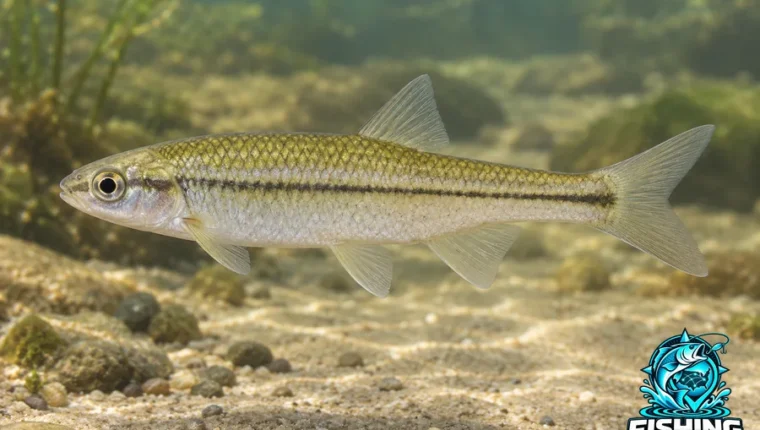
Sabine Shiner
A freshwater shiner native to the United States, associated with Gulf-draining river systems.

Browse all 258 fish starting with S. Select a name to explore its species profile.
Choose a letter to see every fish starting with that letter.
A freshwater shiner native to the United States, associated with Gulf-draining river systems.
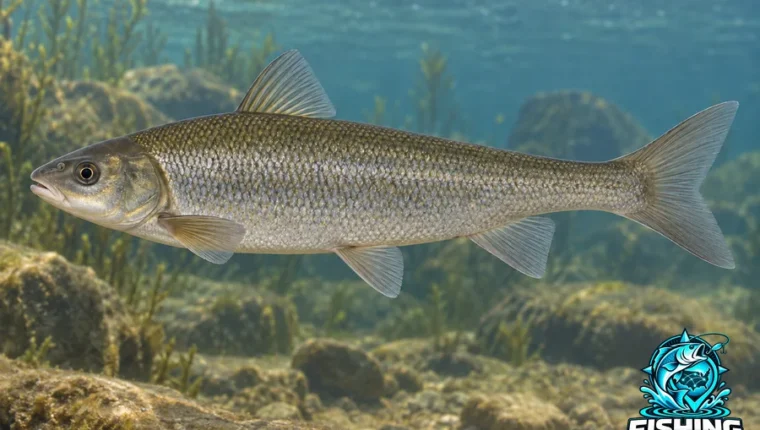
A freshwater fish native to California, with introduced populations in Nevada.
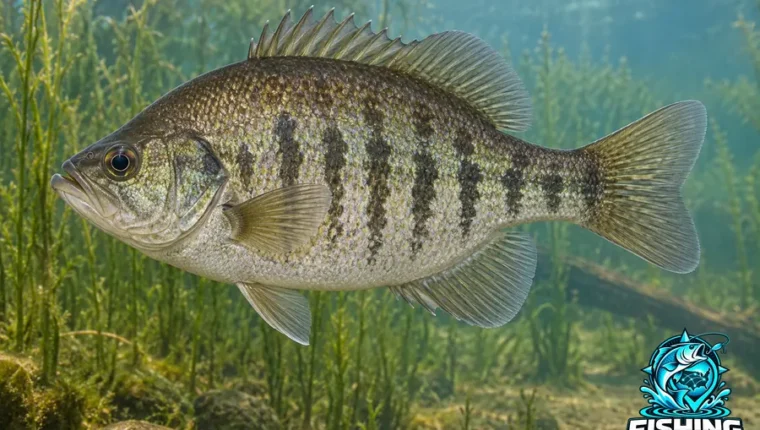
Native to California and introduced to additional waters elsewhere in the western United States.
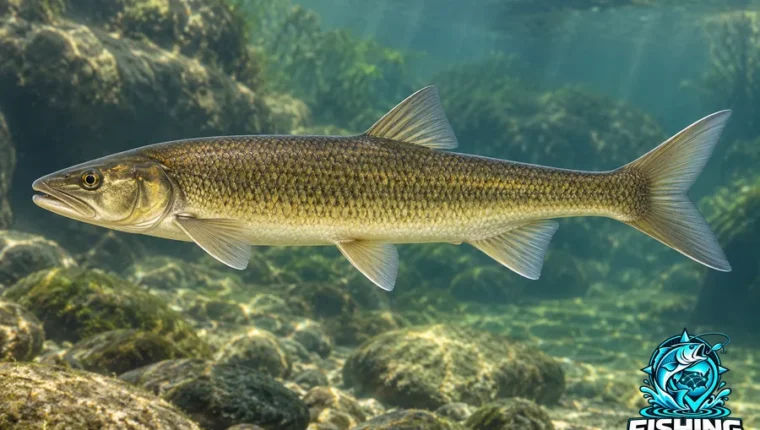
Native to several California basins, including the Sacramento–San Joaquin, Russian River, Clear Lake and upper Pit River.
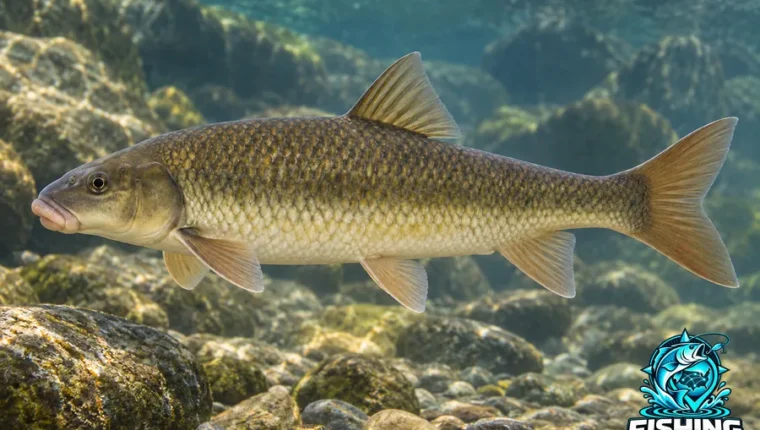
Uses habitats ranging from small headwater streams to deep lakes and estuaries.
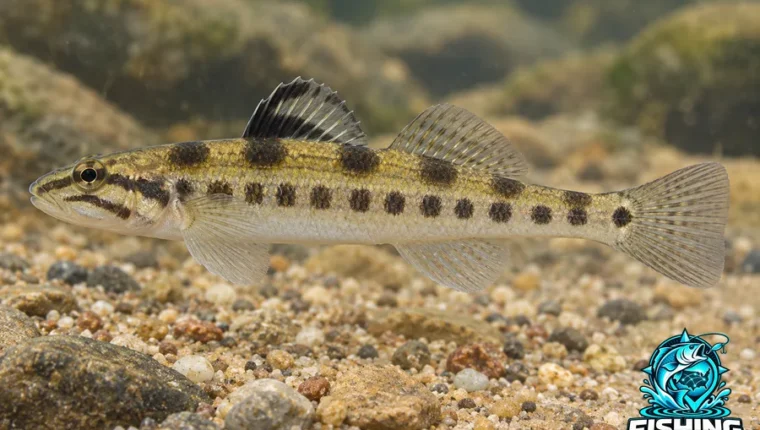
Eats river snails and aquatic insect larvae, including caddisflies, midges and mayflies.
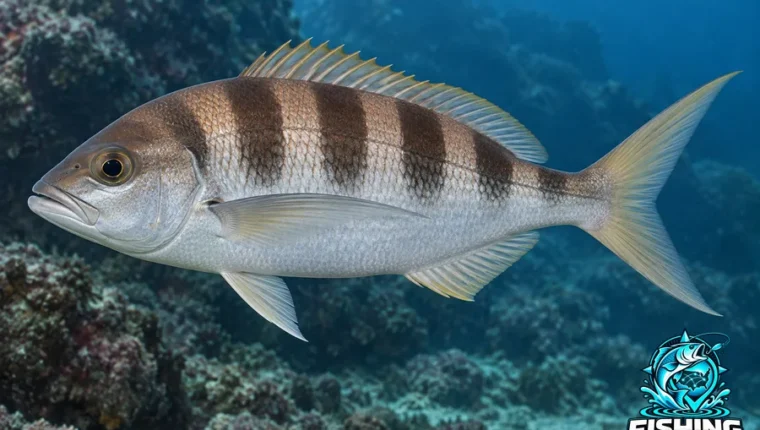
A western Pacific snapper ranging from Singapore toward Samoa, with populations around Taiwan, Japan and northeastern Australia.
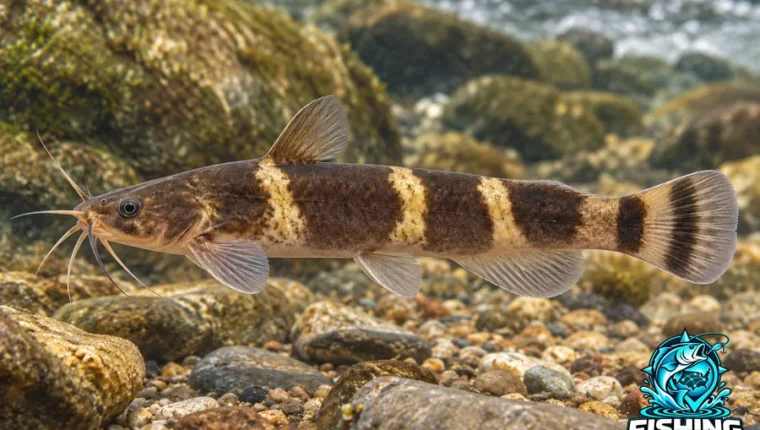
Known from two small tributaries along the lower Tennessee River.
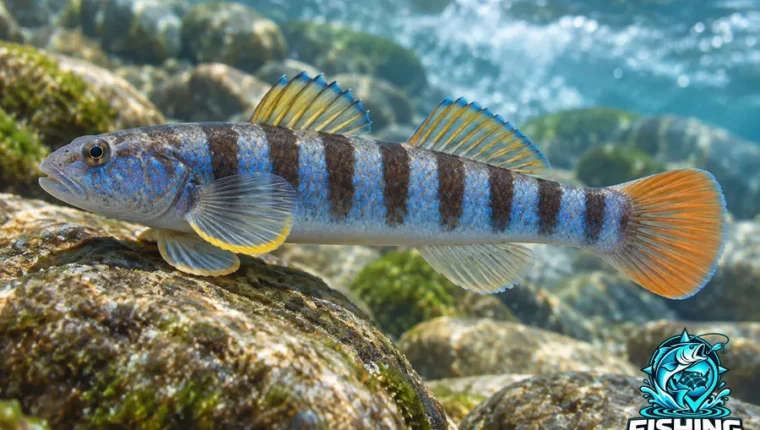
A stream goby native only to Pohnpei in the Federated States of Micronesia.
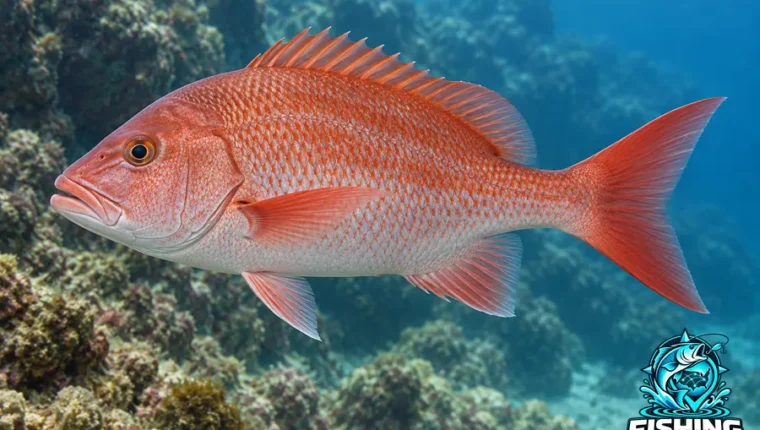
Ranges through the Indian Ocean and western Pacific, extending toward Fiji and Japan.
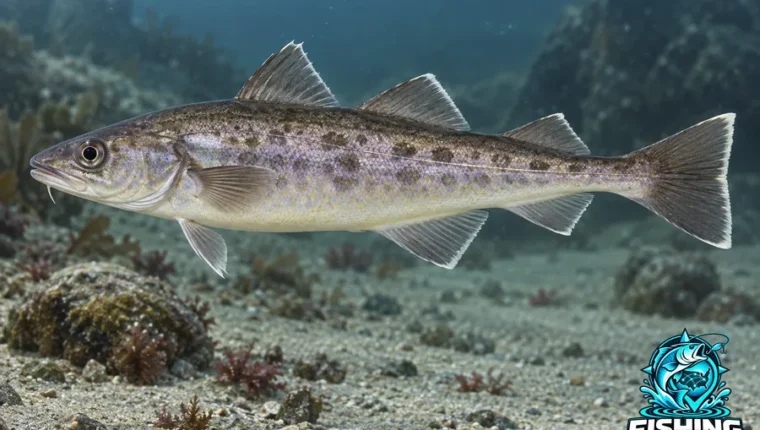
Uses shallow coastal waters, usually less than about 200 feet deep.
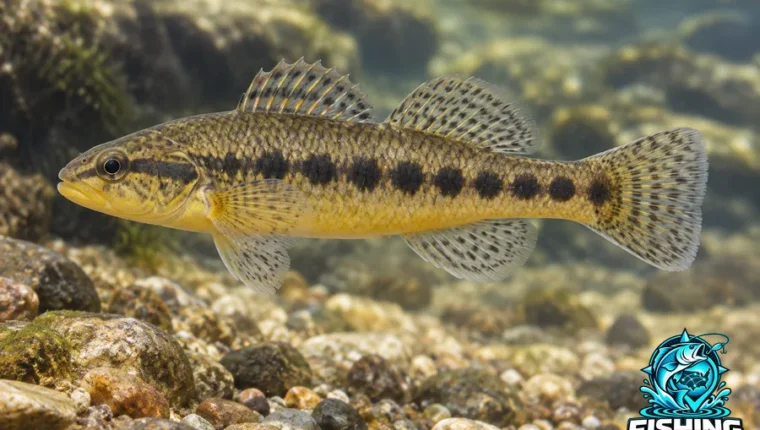
Native to streams and creeks in Kentucky and Tennessee.
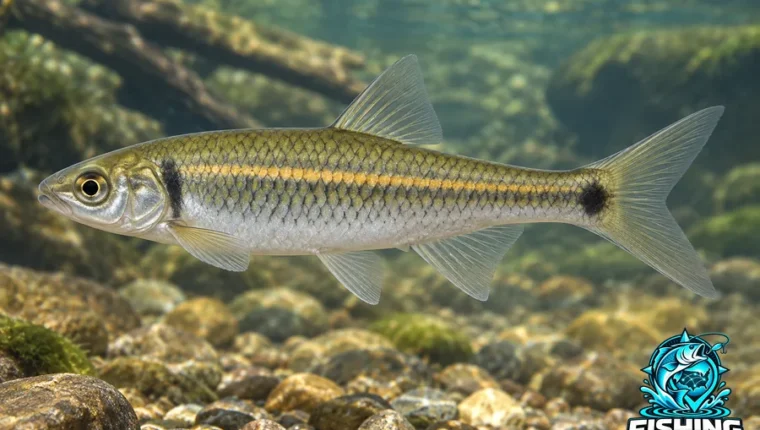
Lives in cold, clear, rocky streams of the Tennessee River drainage.

Native to Venezuela’s Orinoco basin. Uses streams, lakes and weedy canals with muddy bottoms.

A tropical flyingfish found across the Indo-Pacific and parts of the eastern Pacific, including waters off Mexico and Ecuador.

Uses both freshwater and brackish waterways along the eastern United States coast.
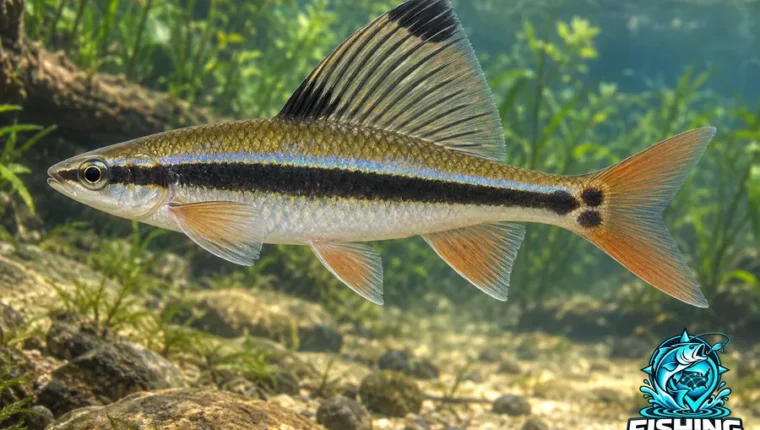
A small shiner native to southeastern United States freshwater habitats.

An Indo-Pacific flyingfish reaching Hawaii, with additional populations in eastern Pacific waters from Mexico toward Peru.

Native to Salt Creek in California’s Death Valley, where it survives in an isolated desert waterway.
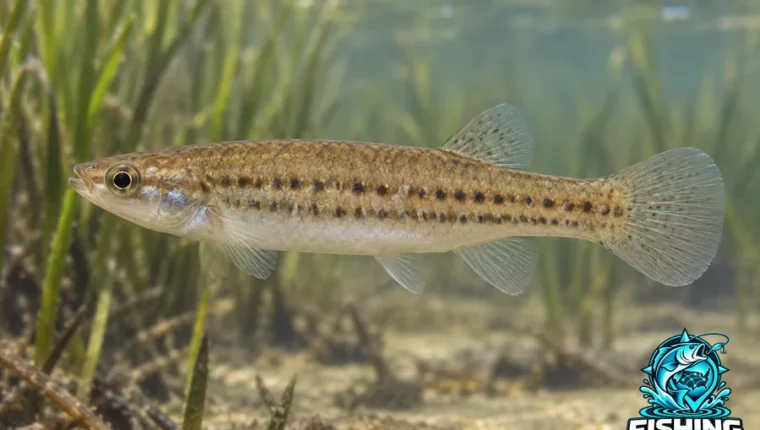
Lives in coastal wetlands along the United States Gulf of Mexico shoreline.
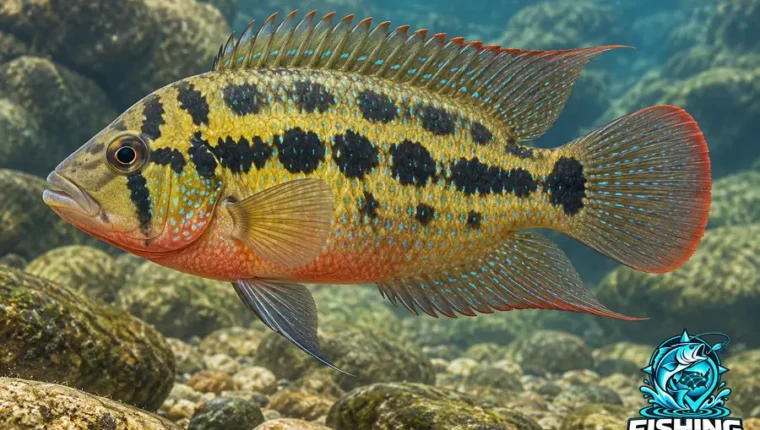
Lives in Atlantic-draining rivers of southern Mexico, Belize and Guatemala.
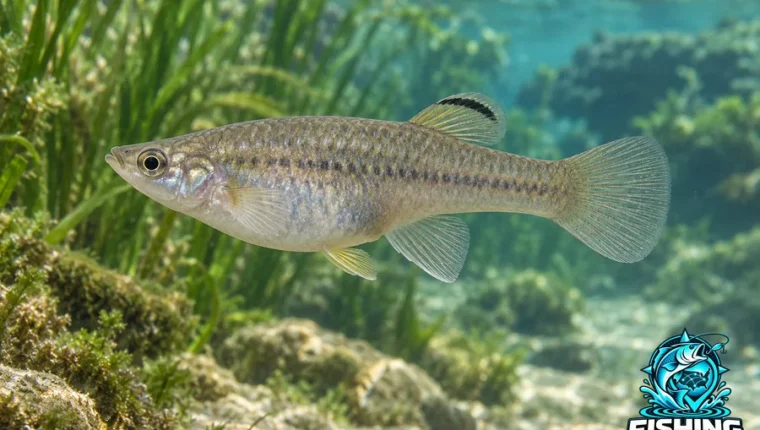
A likely extinct livebearer formerly found only around San Marcos Springs in central Texas.
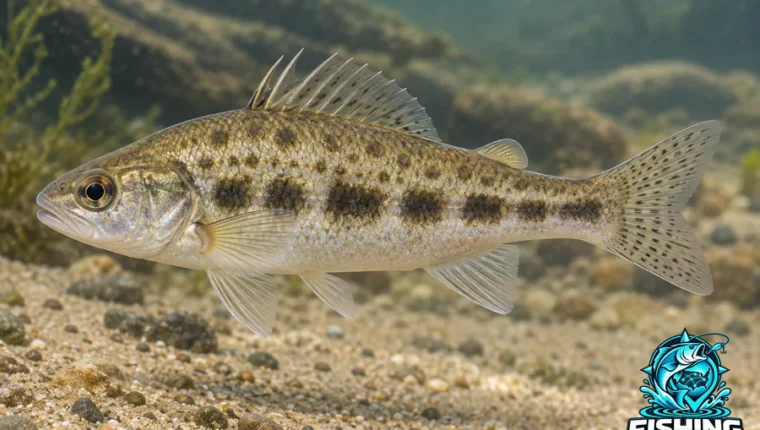
Native to the Columbia River drainage in the northwestern United States.
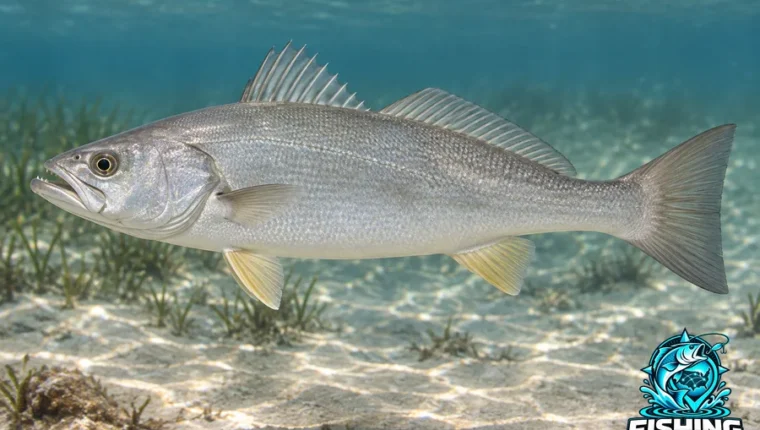
A seatrout of the western Atlantic and Gulf coastal region.
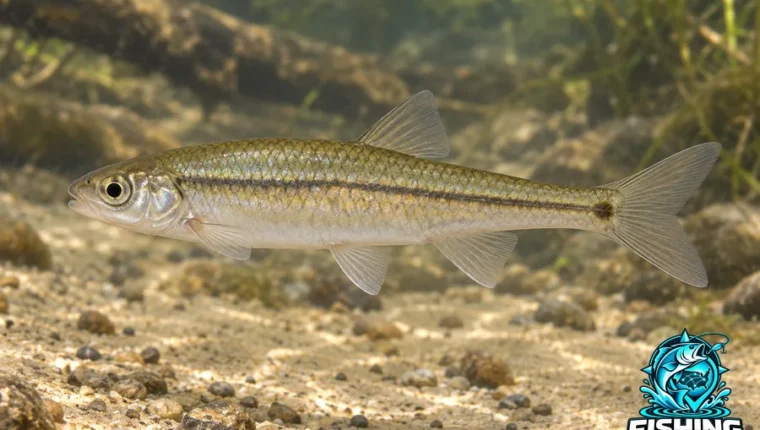
Schools in clear, sandy streams, feeding on insects, microscopic algae and organic material near the bottom.

Uses continental-shelf habitats from sandy coastal areas to submerged reefs and deeper offshore water.
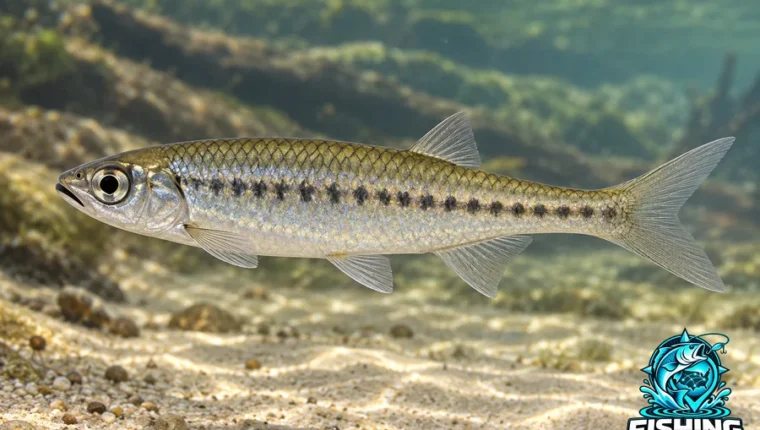
A shiner native to freshwater systems of the southeastern United States.
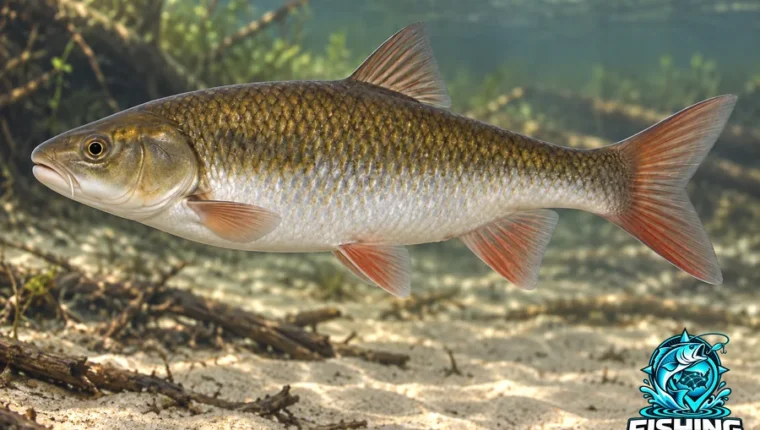
Lives in the Carolina Sandhills, including parts of the Cape Fear, Pee Dee and Santee drainages.
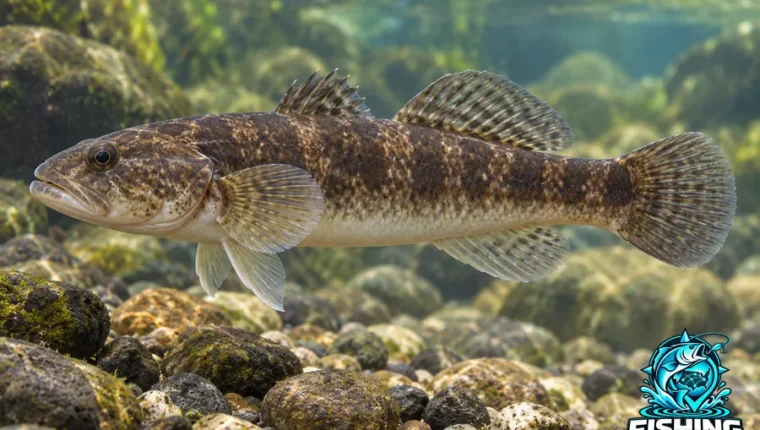
A Hawaiian sleeper found in freshwater, brackish and marine habitats around the islands’ coasts.
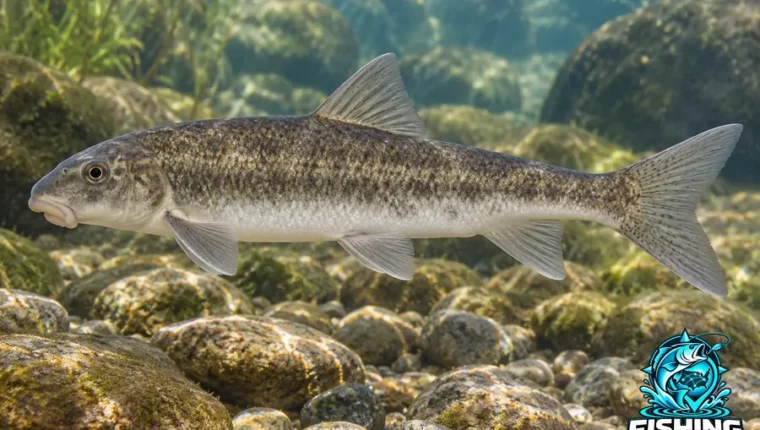
Grazes algae and organic material from shallow streambeds covered with sand, gravel or cobbles.
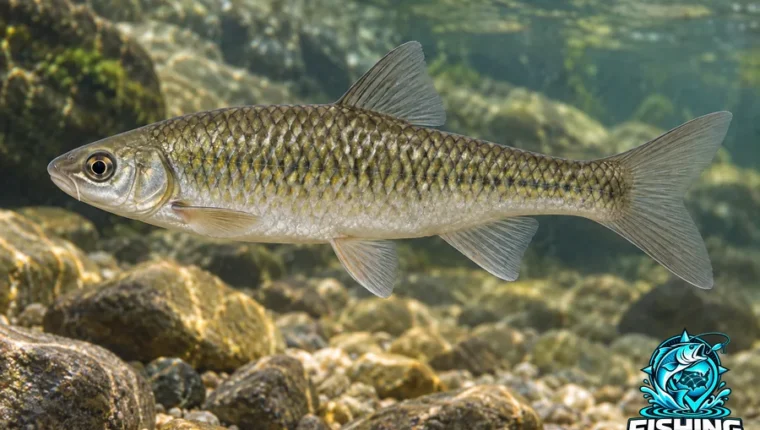
Native to the Cape Fear, Pee Dee and upper Santee river systems of the Carolinas.
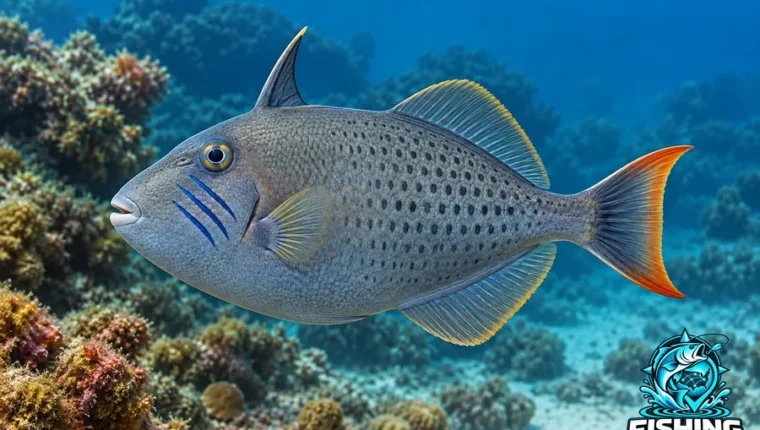
Eats shrimp, crabs, sea urchins and tiny animals drifting in ocean water.
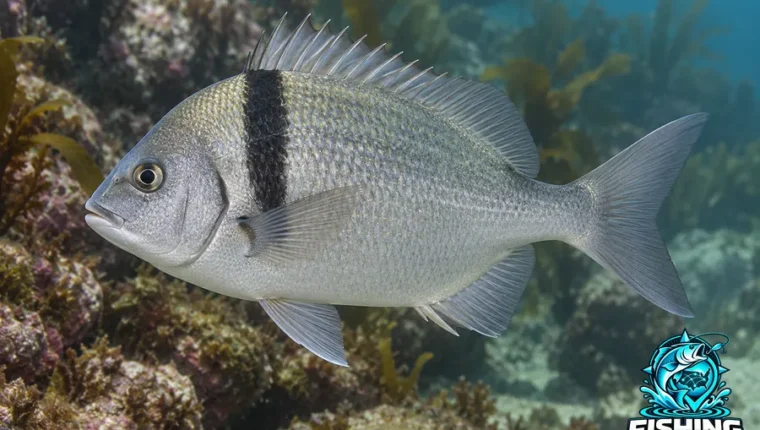
Ranges from central California to Baja California, with a separate population in the Gulf of California.
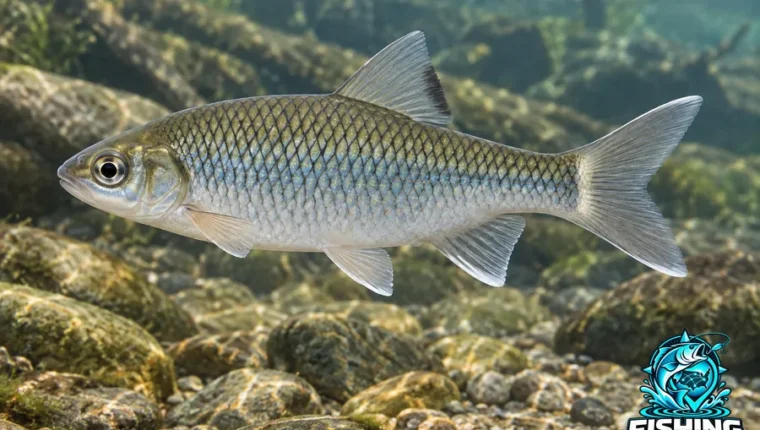
Uses rivers and creeks from headwaters toward tidal reaches, including pools and riffles.
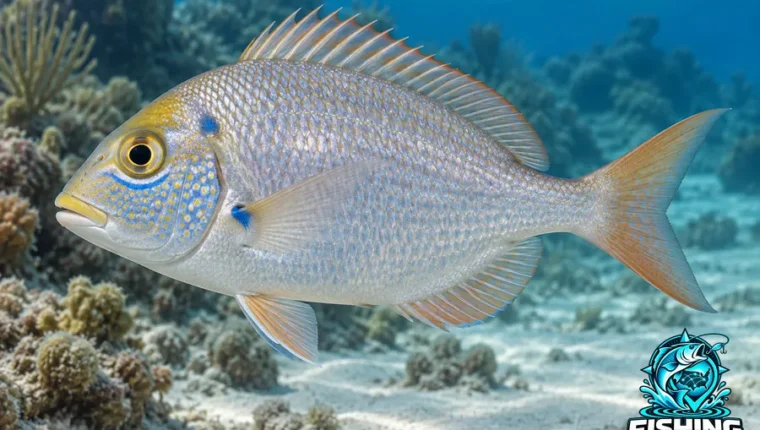
Eats bottom-dwelling animals such as mollusks, marine worms, crabs, brittle stars and sea urchins.
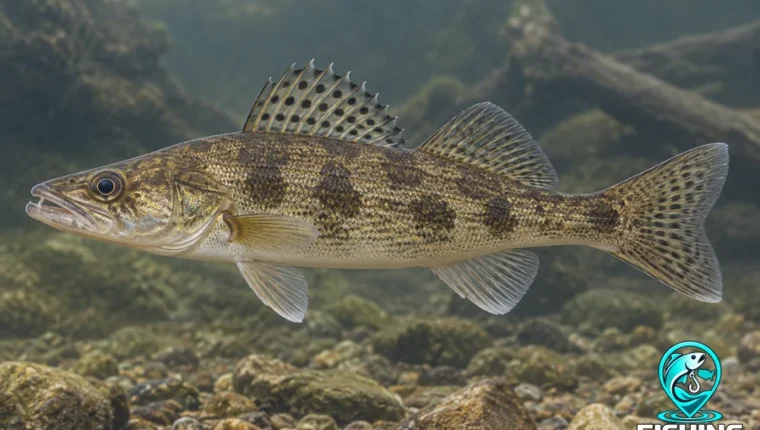
A freshwater predator commonly associated with deep pools in large rivers.
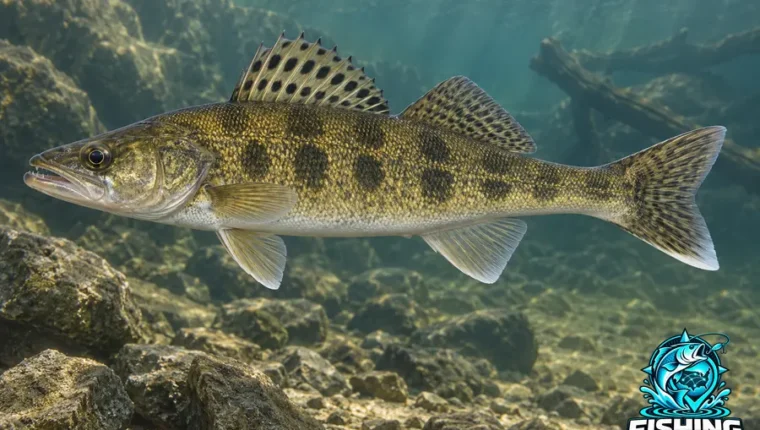
A sauger–walleye hybrid commonly stocked in inland waters for recreational fishing.
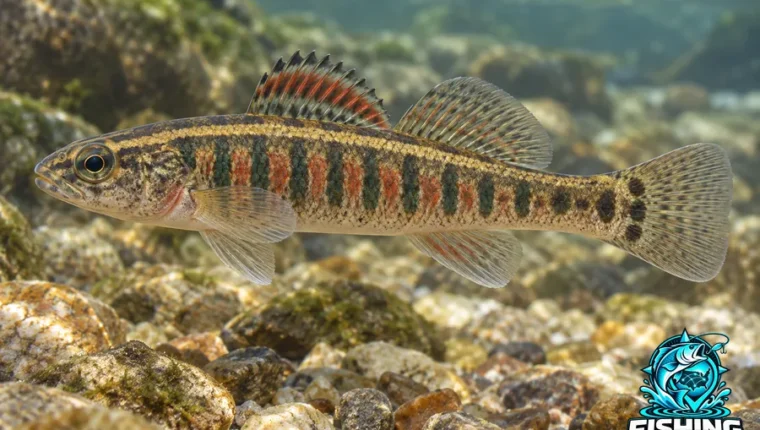
Uses gravel riffles and sandy or gravelly runs in creeks and small rivers.
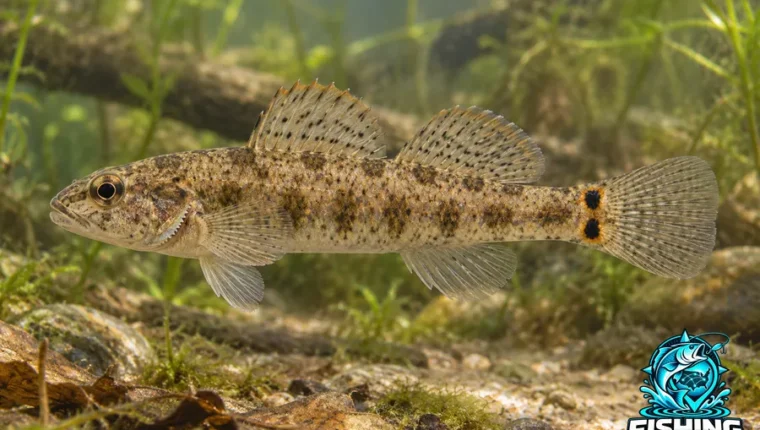
Native to Atlantic coastal-plain waters from Virginia’s Great Dismal Swamp toward Georgia’s Altamaha River.

A coastal sardine ranging through the western Atlantic from the Gulf of Mexico south toward Brazil.
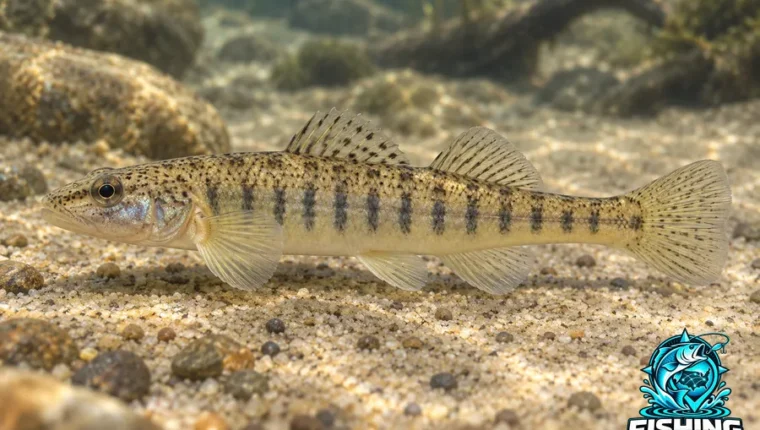
Uses sandy, slow-current streams in the coastal-plain portion of the Mississippi River basin.
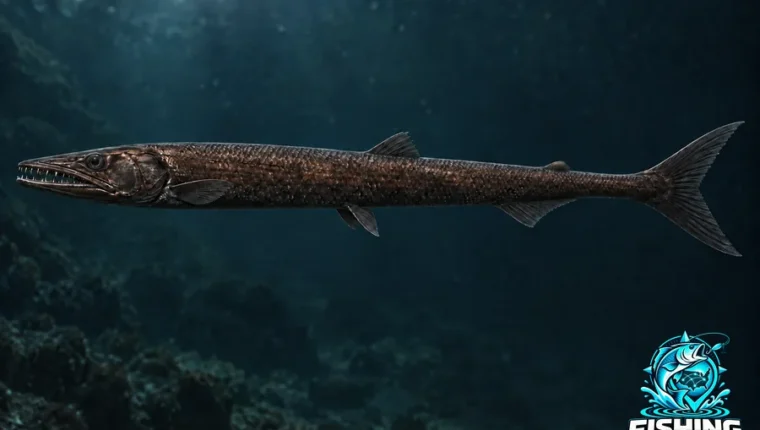
A deep-water North Pacific fish ranging from northern Japan and the Bering Sea toward Baja California and the Galapagos.
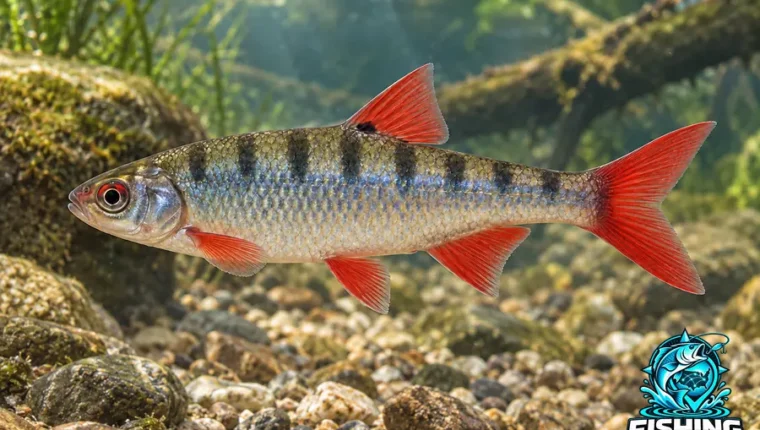
Lives in smaller streams with moderate flow over rocks, pebbles or gravel.
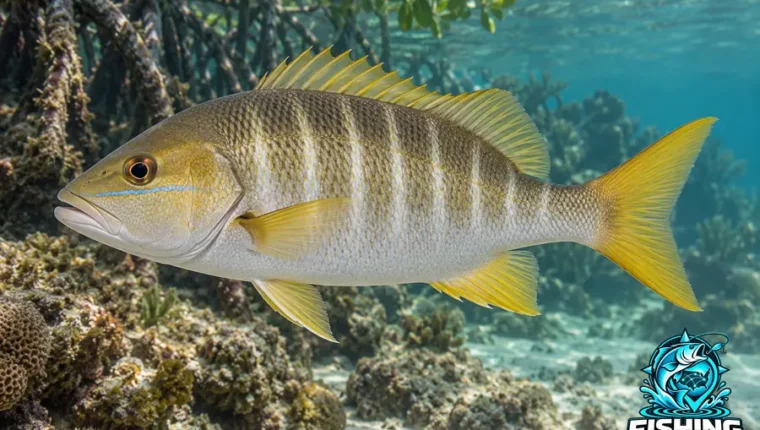
A western Atlantic snapper taken in coastal fisheries as a food fish.
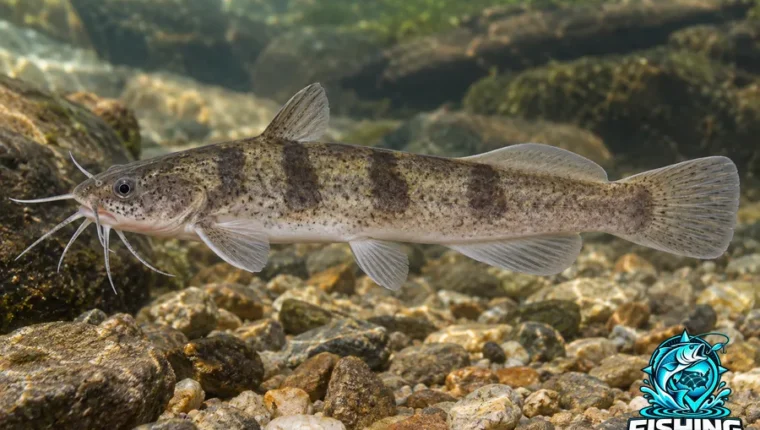
An extinct small catfish formerly recorded in Ohio’s Scioto River drainage.
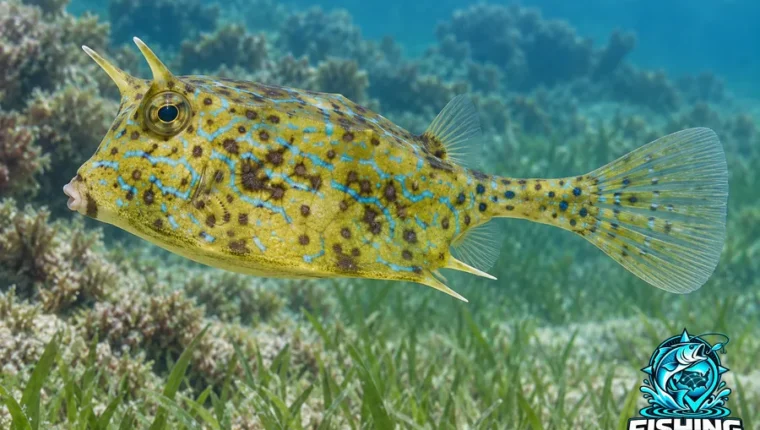
A cowfish found in western Atlantic marine habitats.
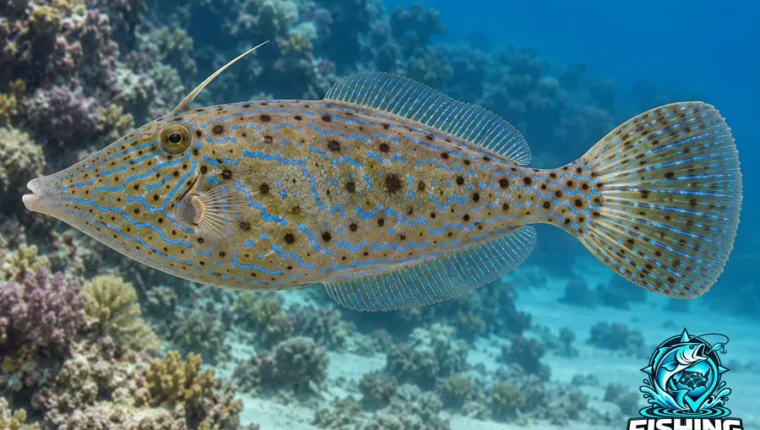
A tropical filefish with populations across the Atlantic, Indian and Pacific oceans.
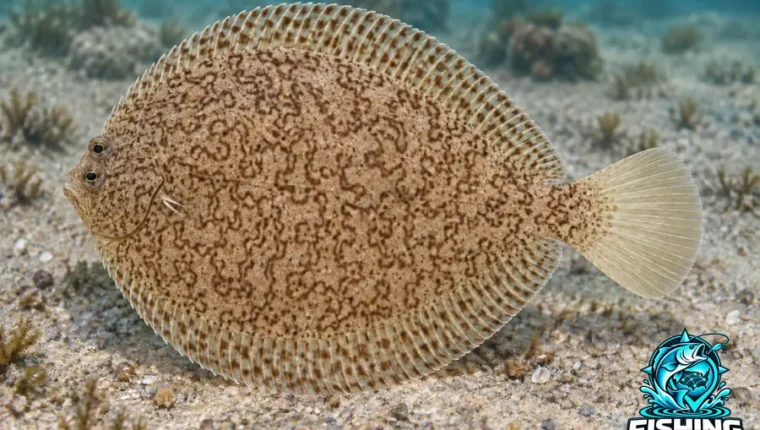
A coastal flatfish found from the Bahamas and Caribbean toward southeastern Brazil.

Native Atlantic populations use coastal river systems; introduced populations have affected the Great Lakes and Lake Champlain.
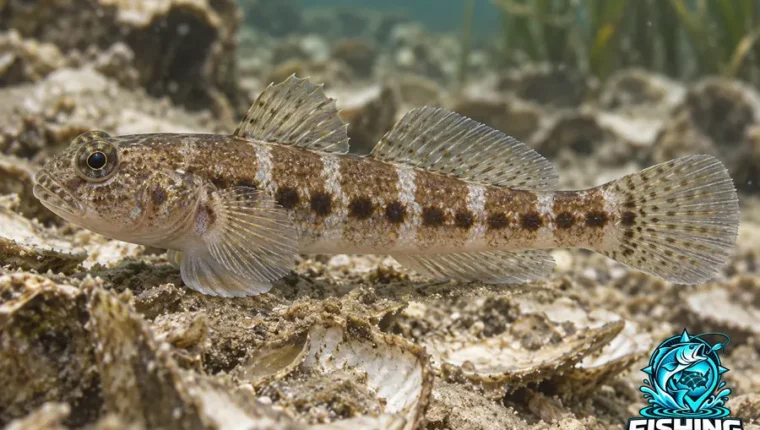
A coastal goby recorded in relatively shallow water, roughly six to thirty feet deep.
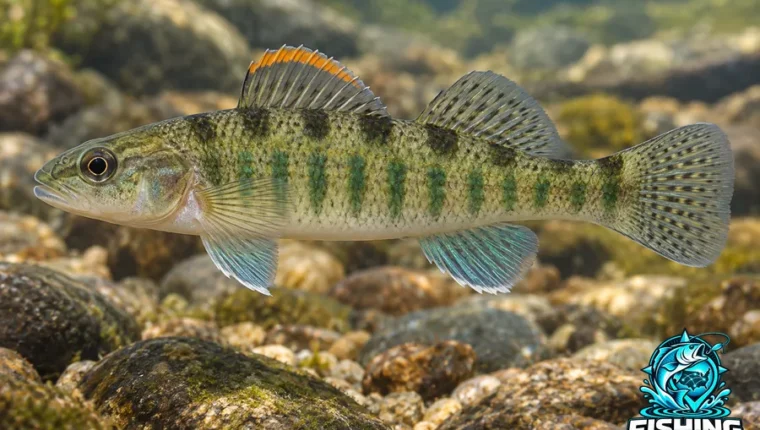
Uses rocky riffles in creeks and smaller rivers.
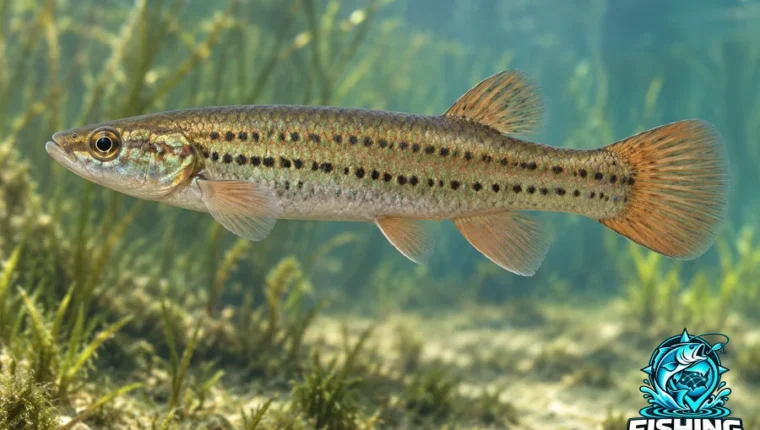
Favors open lake areas and quiet pools in freshwater streams.
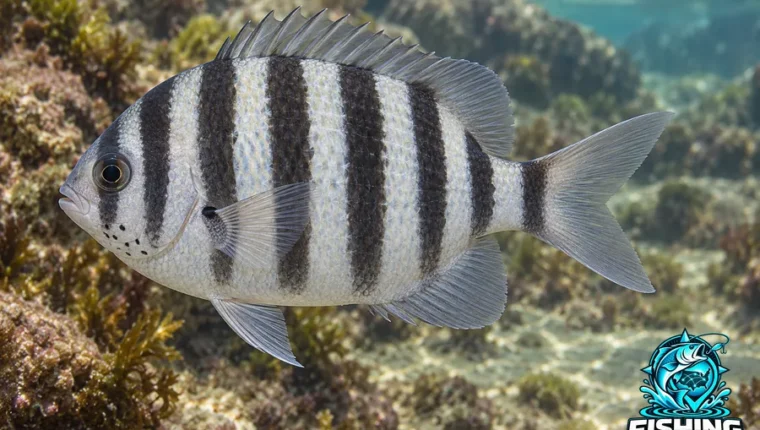
An Indo-Pacific damselfish that can grow to roughly nine inches long.
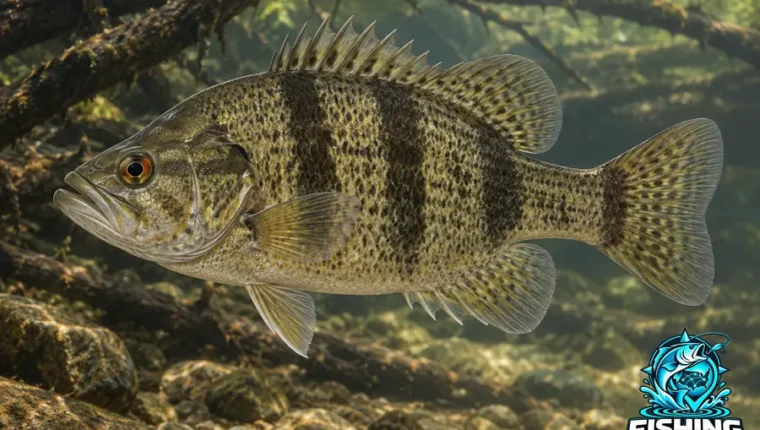
Favors slow water over clean mud, sand, gravel or pebbles.

A remora found in tropical and warm temperate seas, with a range excluding the eastern Pacific.
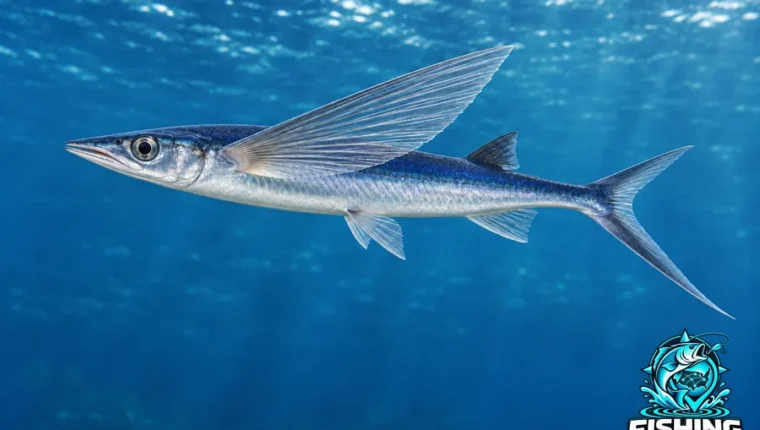
An eastern Pacific flyingfish ranging from Baja California toward Peru, including the Galapagos and Clipperton Island.
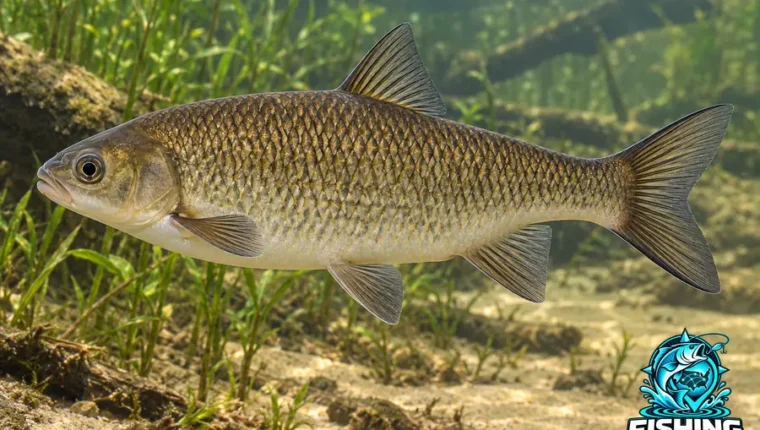
A southeastern sucker native to Alabama, Mississippi, Louisiana and Florida.
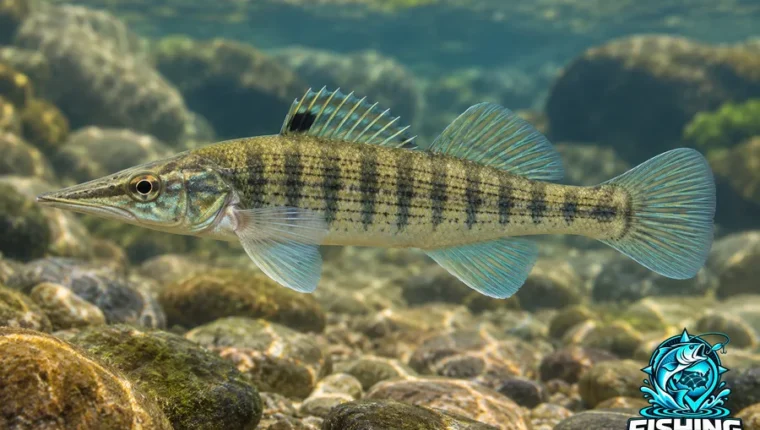
Native only to the Holston and Nolichucky river systems of the eastern United States.
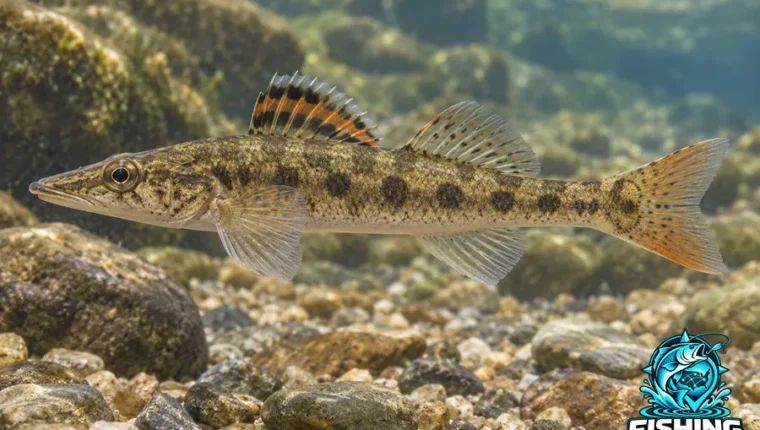
Favors flowing gravel runs and riffles in smaller freshwater rivers.
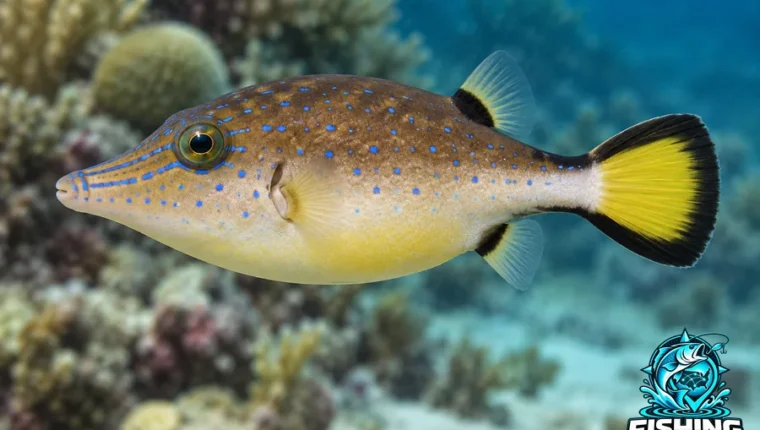
A small marine puffer ranging from South Carolina through the Caribbean toward Venezuela, usually under five inches long.
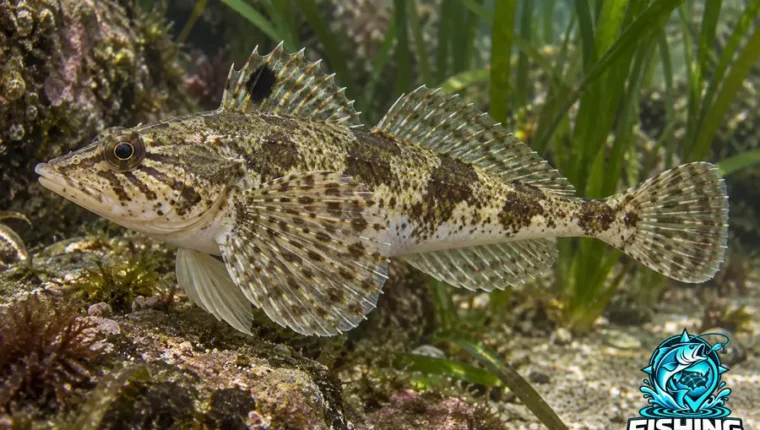
A marine sculpin recorded in the eastern Pacific Ocean.
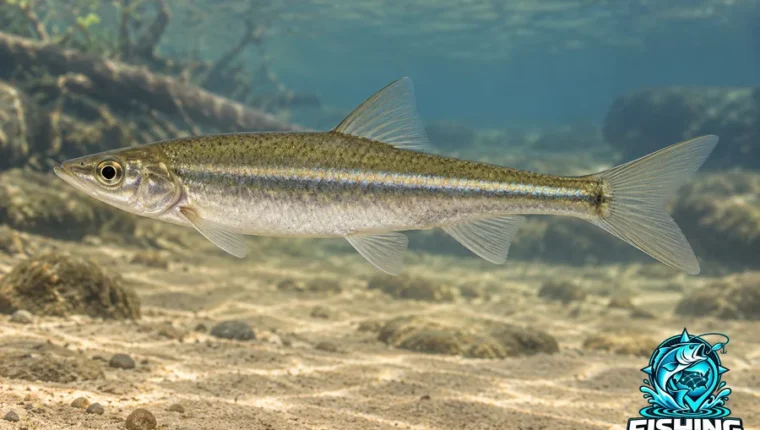
A Texas shiner whose native range is restricted to the upper Brazos River basin.
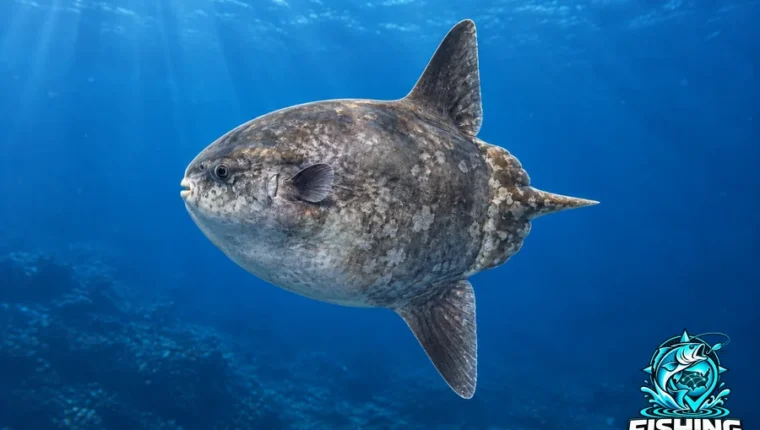
Eats jellyfish and other soft-bodied drifting animals, along with some fish, crustaceans and mollusks.
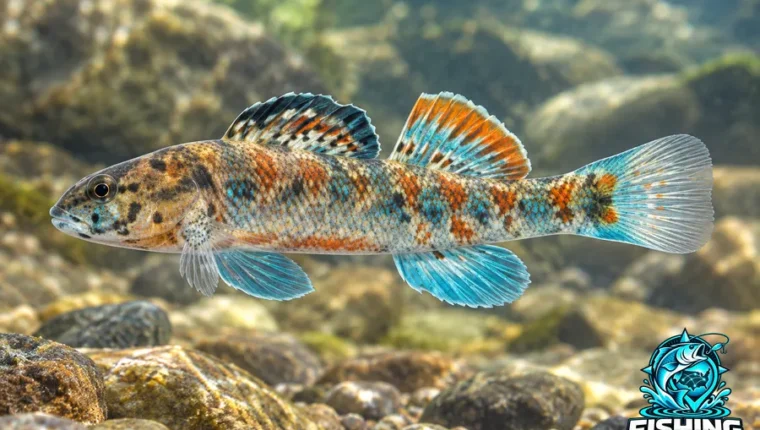
Uses shallow gravel riffles and rocky pools in headwaters, creeks and small rivers.
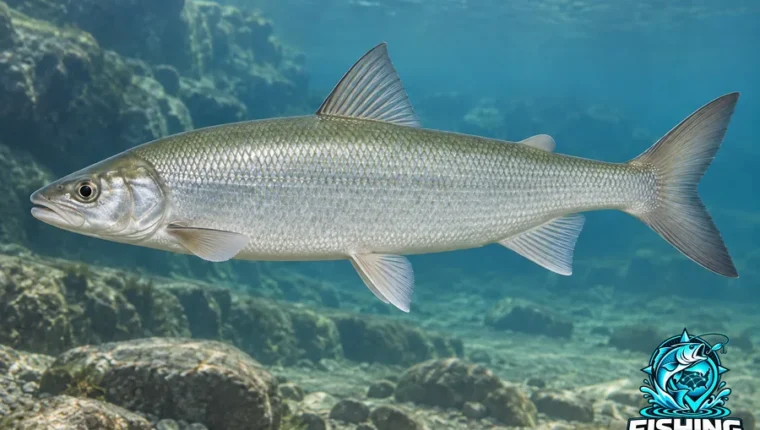
A large northern whitefish found in Alaska’s rivers and connected waters. Adults mainly feed on smaller fish.
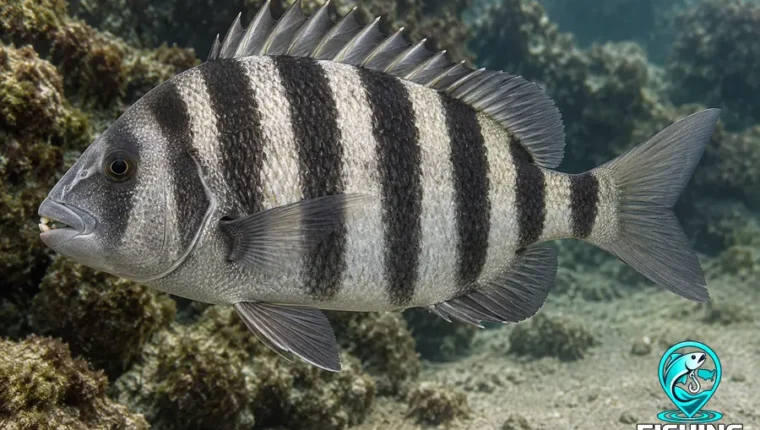
Ranges through the western Atlantic from Nova Scotia south toward southern Brazil.

Uses salt marshes and estuaries along the eastern coasts of North and Central America.
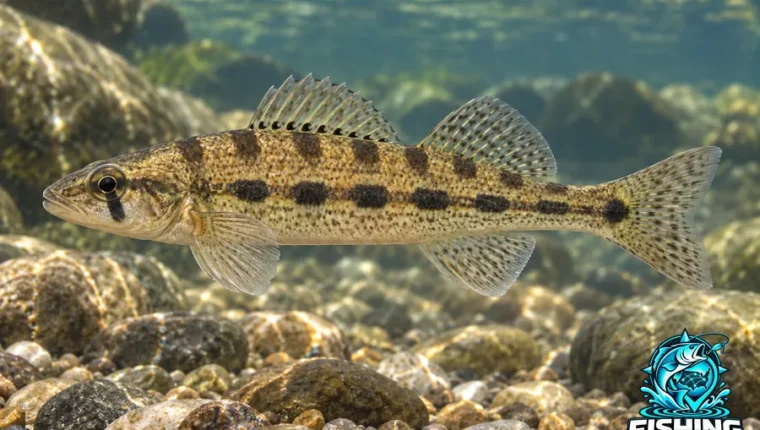
Favors strong currents over gravel and rubble in moderately sized creeks.
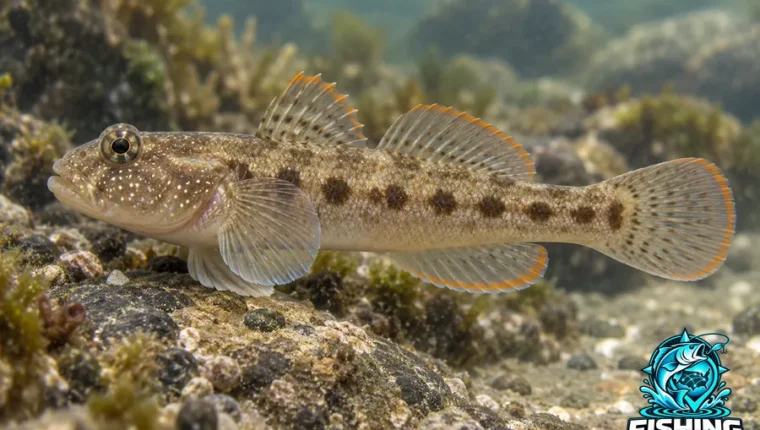
An Asian goby that tolerates both freshwater and brackish conditions.
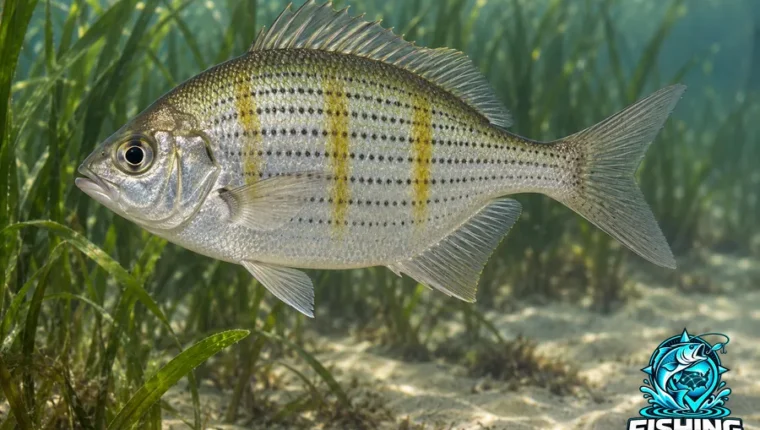
Uses estuaries, lagoons and coastal streams from Alaska to Baja California.
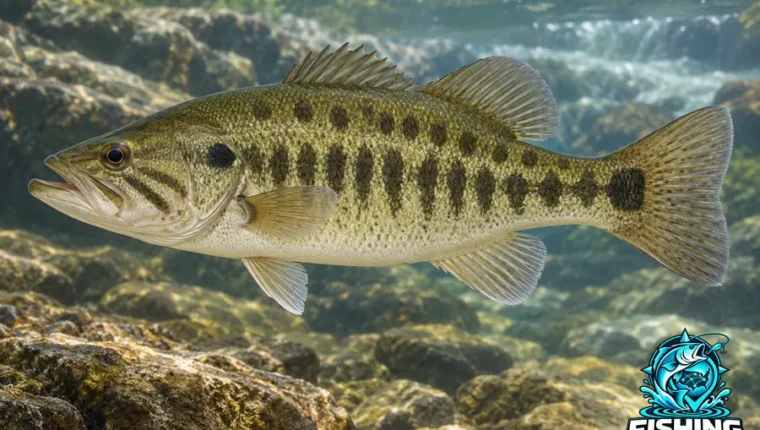
A river bass native to the southeastern United States, including waters in Florida and Georgia.
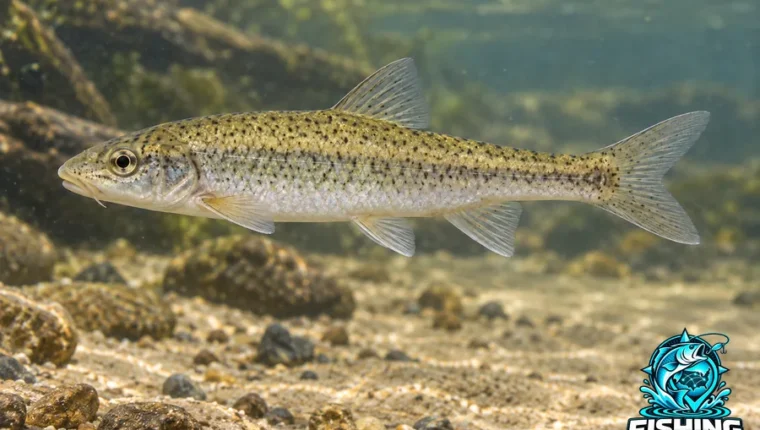
Occupies flowing runs over sand and gravel in small and large rivers.

A small herring found around southern Florida and in the Caribbean Sea.
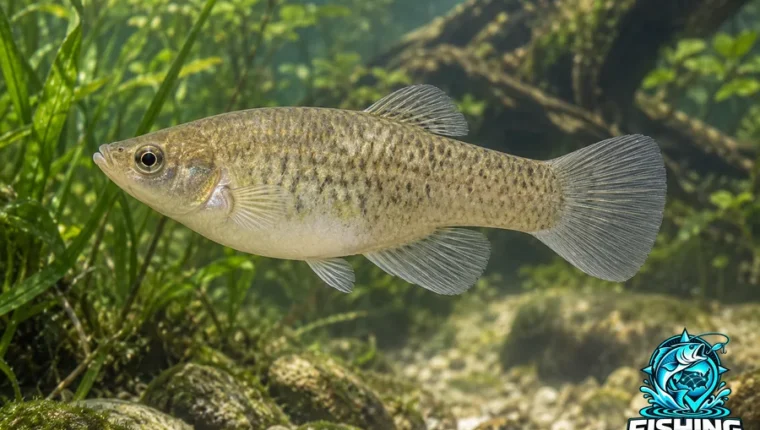
A livebearing molly of shallow, still or slow-moving freshwater and brackish habitats.
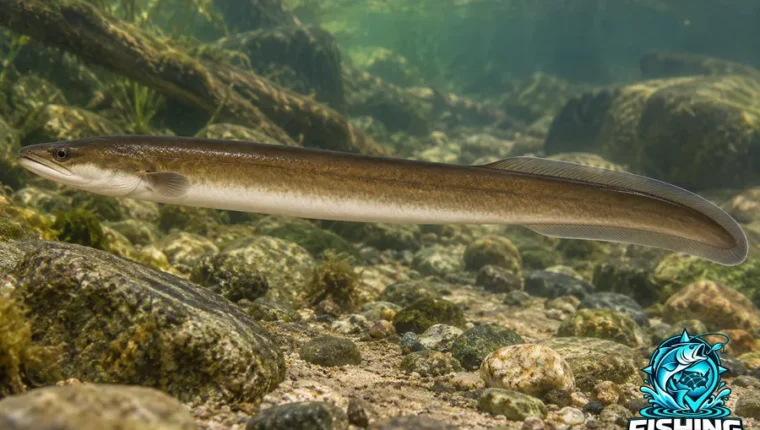
A Pacific eel ranging from eastern Australia and New Guinea toward the Tuamotu and Gambier islands.
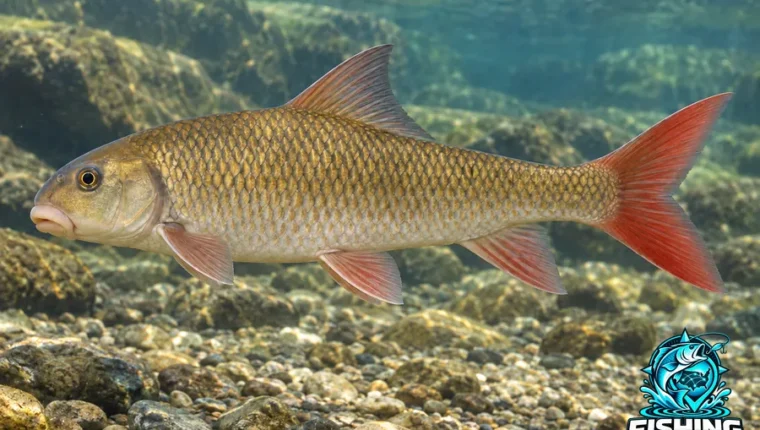
Feeds on bottom-dwelling invertebrates and also consumes plant material from the riverbed.
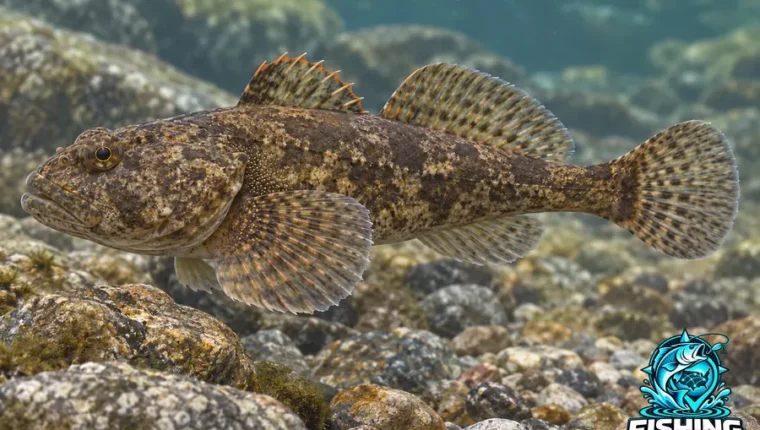
Lives in the Columbia River drainage across the northwestern United States and British Columbia.
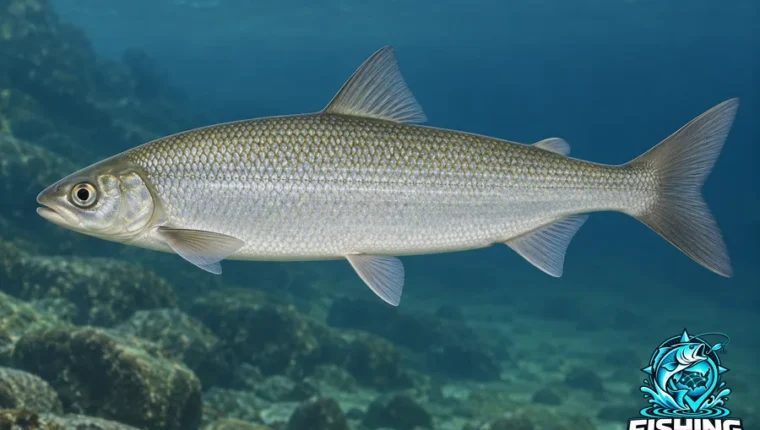
Eats crustaceans and insect larvae, then spawns on lake bottoms in autumn.
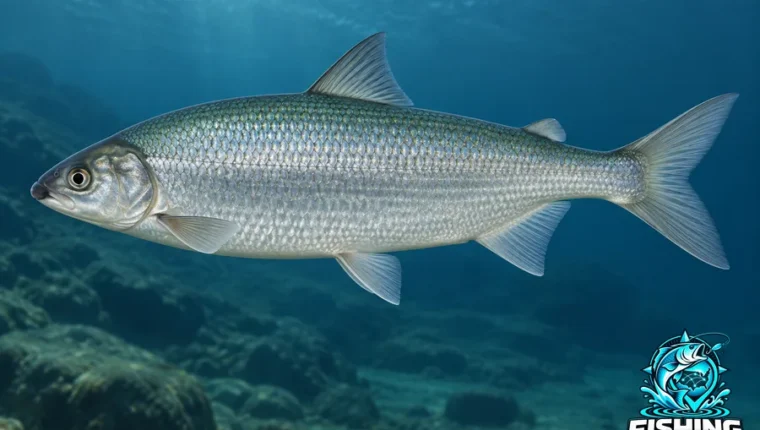
A cisco formerly native to lakes Michigan, Huron and Ontario, now considered probably extinct.
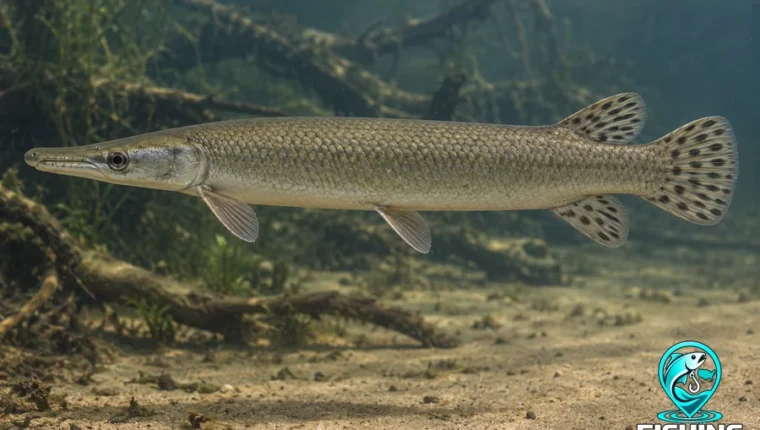
Uses quiet water in large rivers, backwaters, oxbow lakes and deep pools.
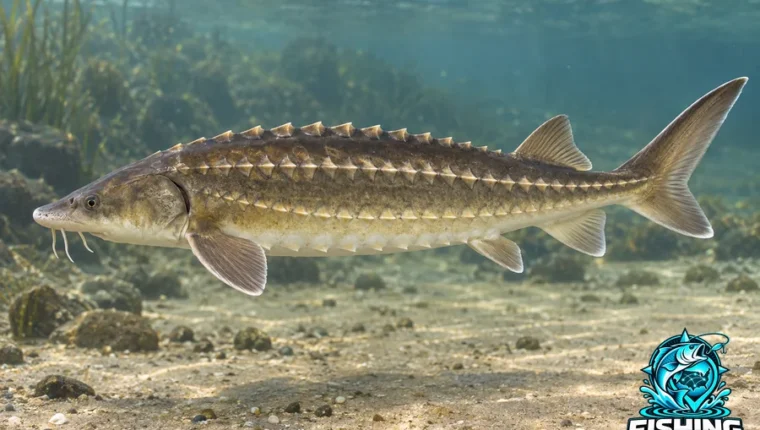
Lives in Atlantic coastal rivers and nearby waters between Canada and Florida.
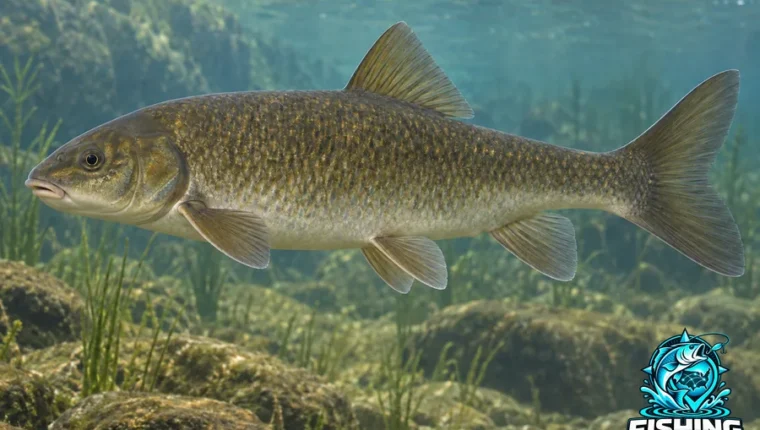
Native to freshwater habitats in southern Oregon and northern California.

A western Pacific pipefish found from Indonesia toward the Philippines, Solomon Islands and Taiwan.
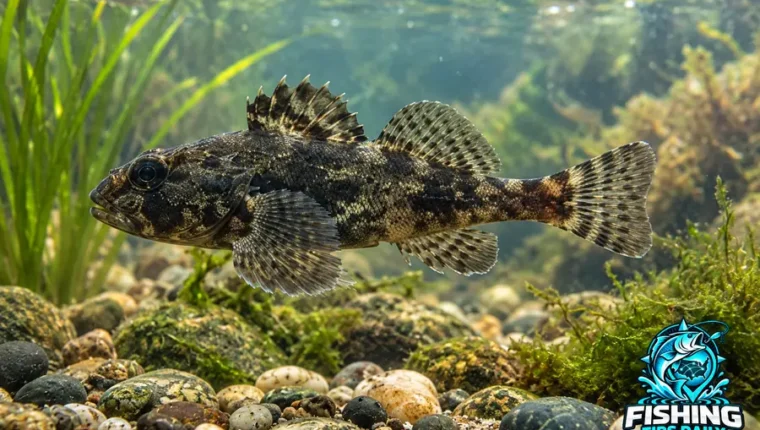
Lives in spring systems around Idaho’s Thousand Springs formation near Hagerman.
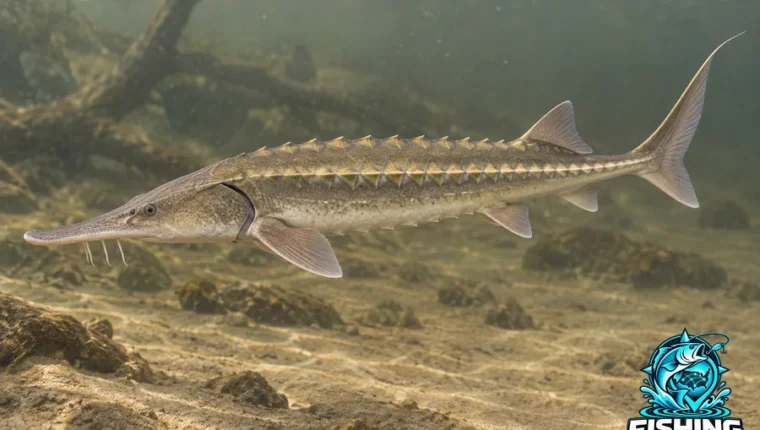
A river sturgeon of the Missouri and Mississippi systems.
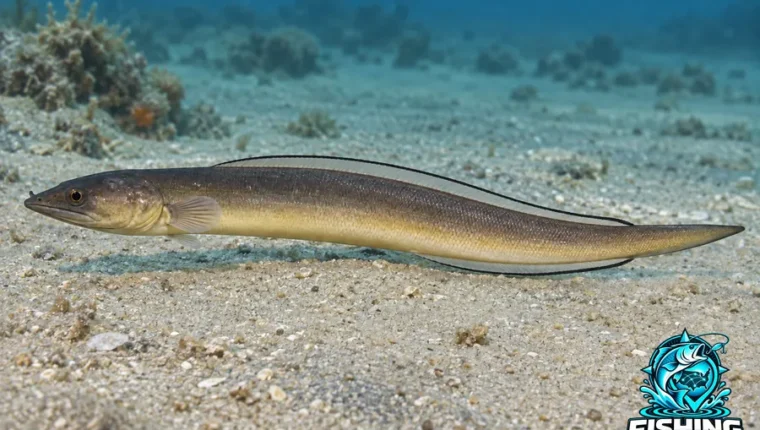
Uses muddy bottoms in the shallow Gulf of Mexico and nearby high-salinity bays.
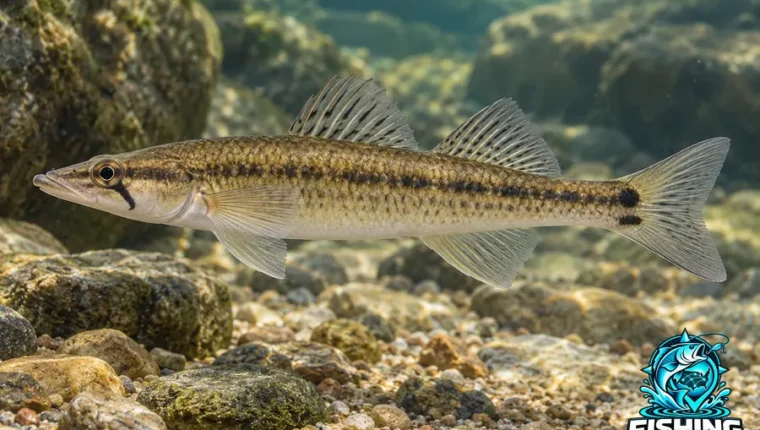
Feeds on small crayfish and mayflies, using its long snout to search for prey.
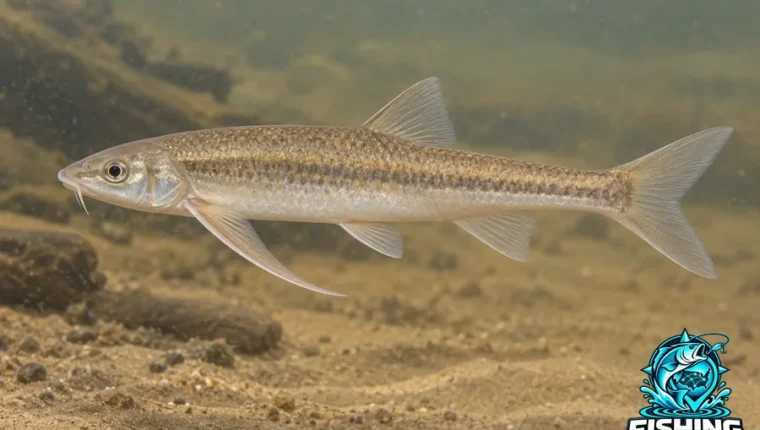
A river minnow recorded in the Missouri River system.
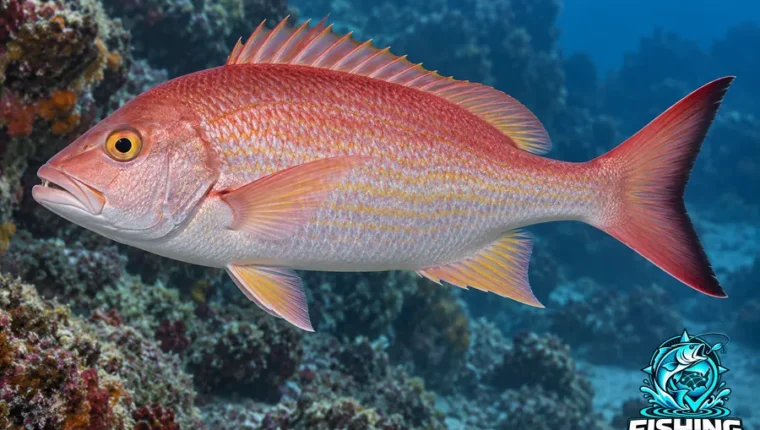
Ranges from North Carolina and Bermuda through the Caribbean and Gulf of Mexico toward southeastern Brazil.
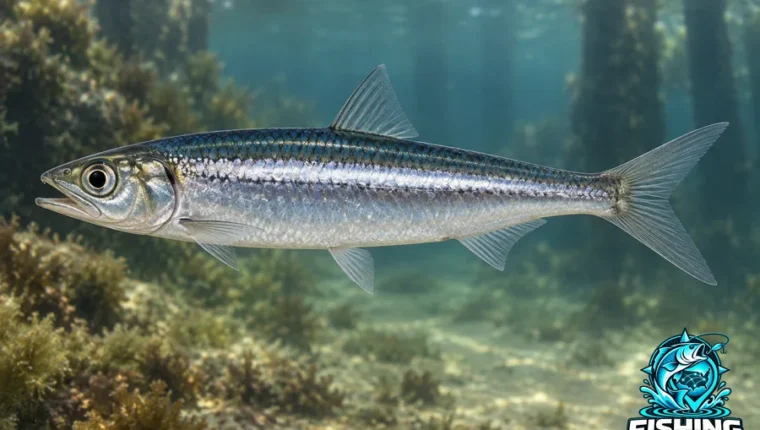
An anchovy recorded along the western Atlantic, including United States coasts, the Gulf of Mexico and northern South America.
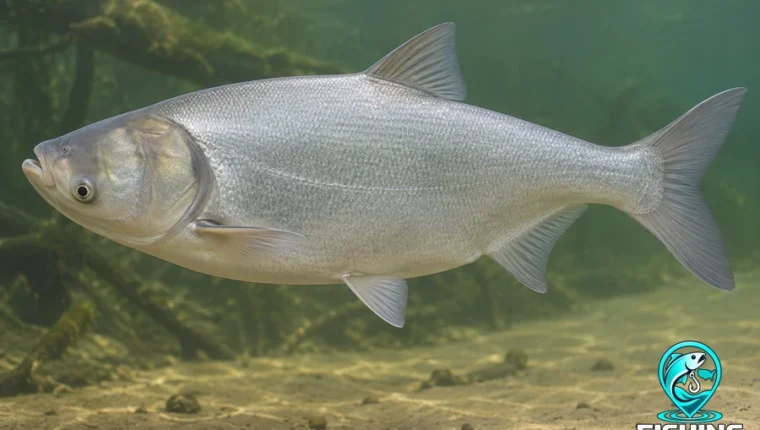
Native to China and eastern Siberia, from the Amur basin south toward the Xi Jiang system.
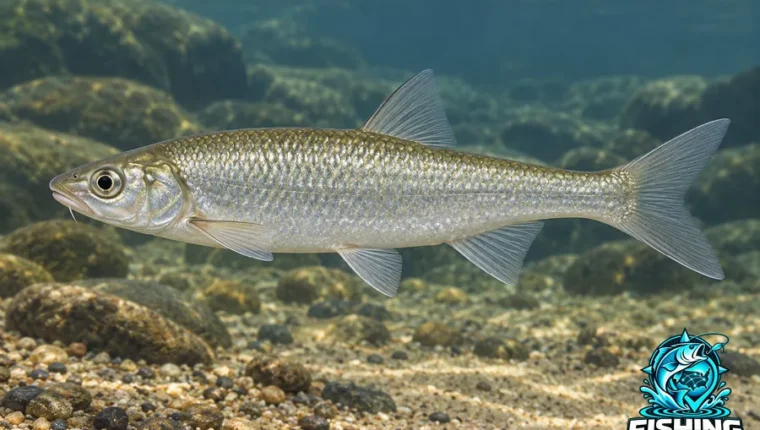
A freshwater chub with a native distribution in the United States and Canada.
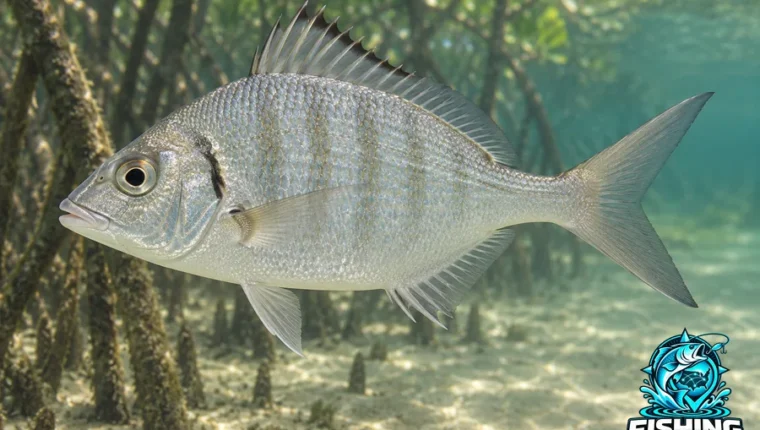
An Atlantic mojarra ranging from New Jersey and Bermuda through the Caribbean toward Argentina.

A lamprey distributed through the northern and central United States and much of southern Canada.
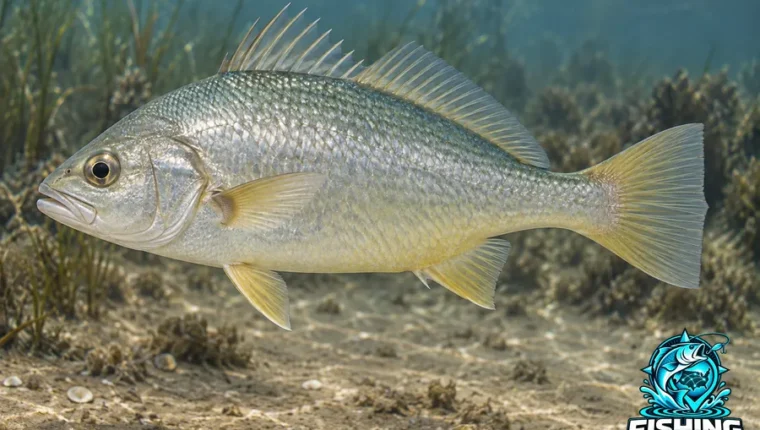
A small coastal fish native to the Atlantic side of North America.
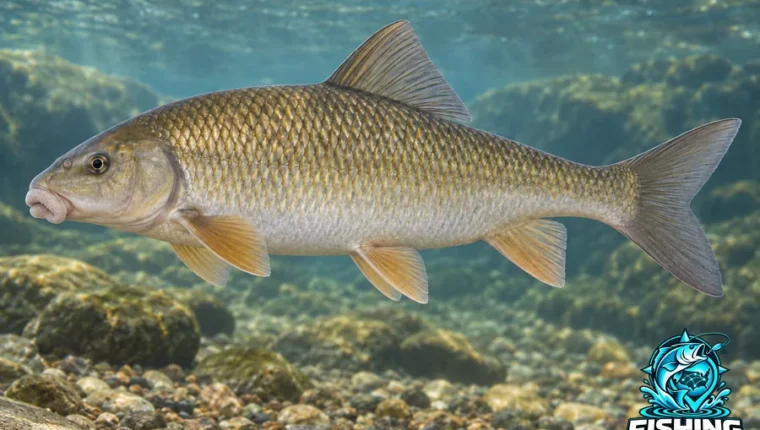
Often uses deep, sandy pools with little current in freshwater river systems.
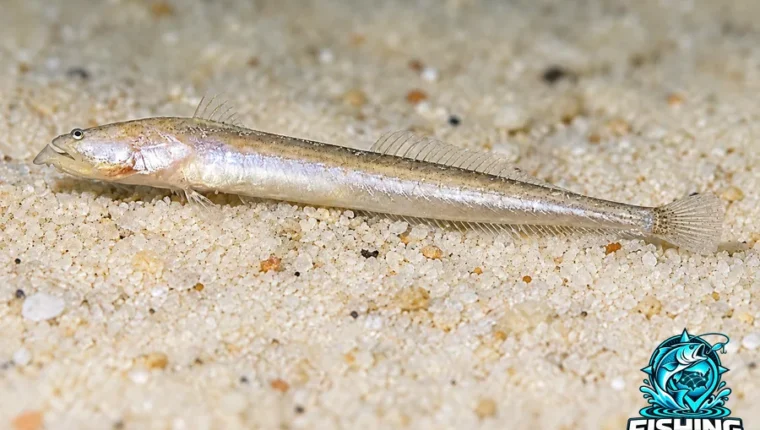
A small sandfish ranging from Southeast Asia toward Palau and Vanuatu, with records around Japan and northern Australia.
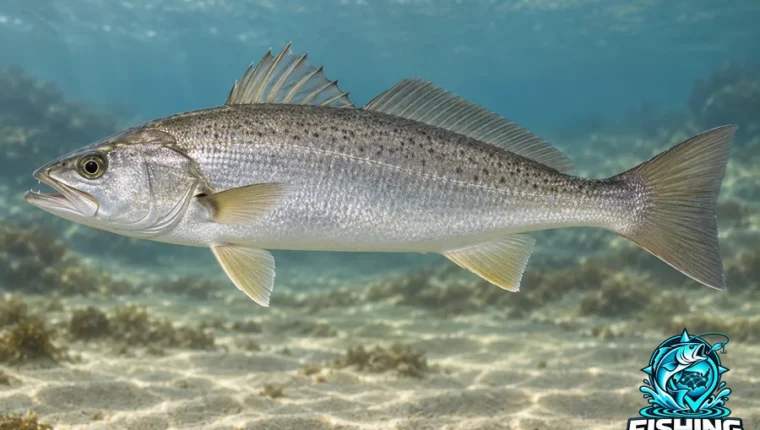
A marine seatrout associated with relatively deep coastal water.
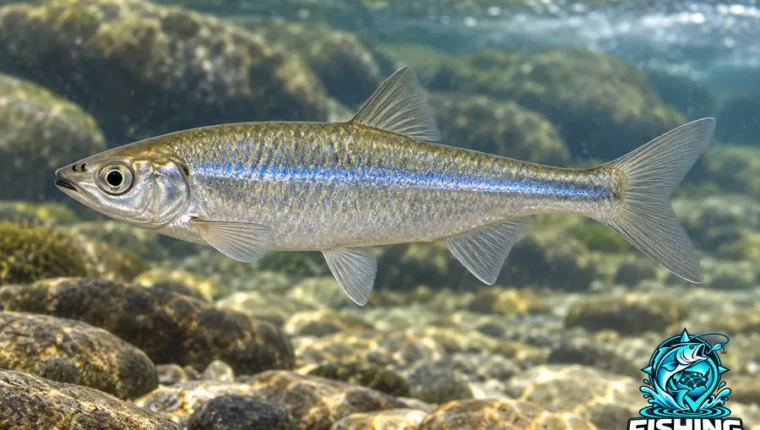
Recorded in western Lake Erie tributaries and Ontario’s Grand River system.
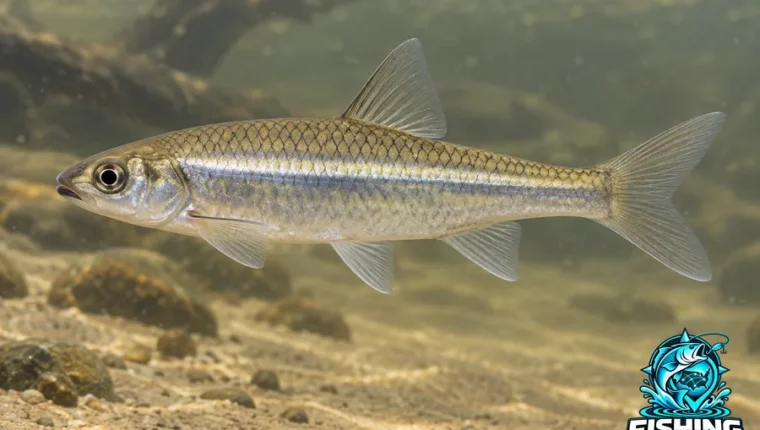
Lives in the Mississippi and major tributaries, with additional populations in several Gulf-draining systems.
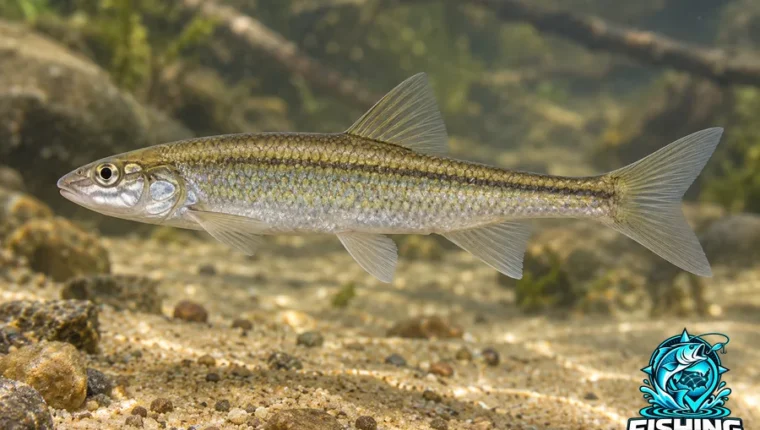
A United States stream minnow whose populations occupy separated portions of its overall range.
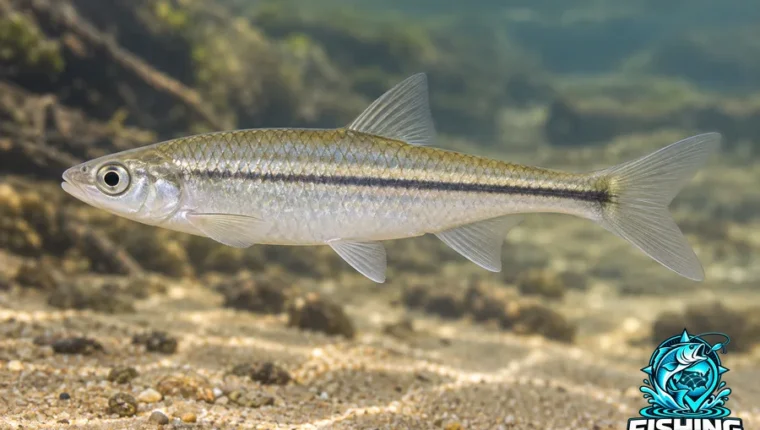
Uses flowing sand-and-gravel runs in medium and large rivers.
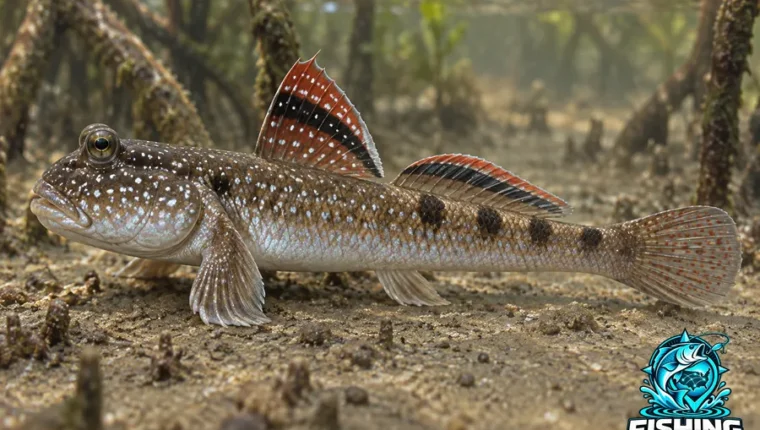
Lives among mangroves and nipa palms, moving across exposed mud outside the water.
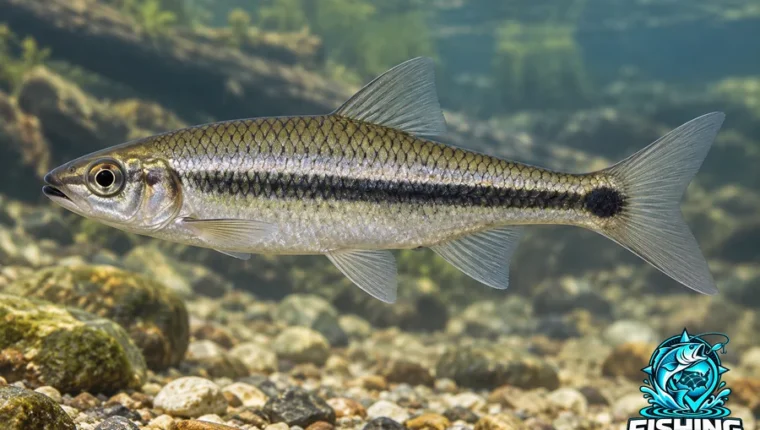
Widespread in the Mobile Bay drainage across Mississippi, Alabama, Tennessee and Georgia.

Uses flowing water that ranges from clear to moderately cloudy.
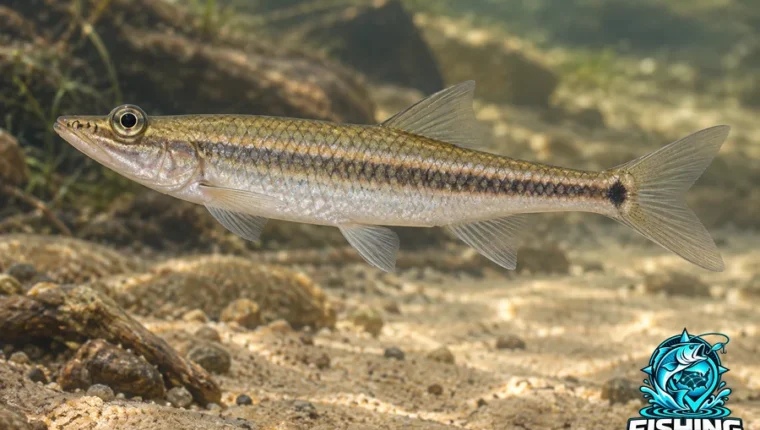
A shiner native to Alabama’s Alabama River drainage.
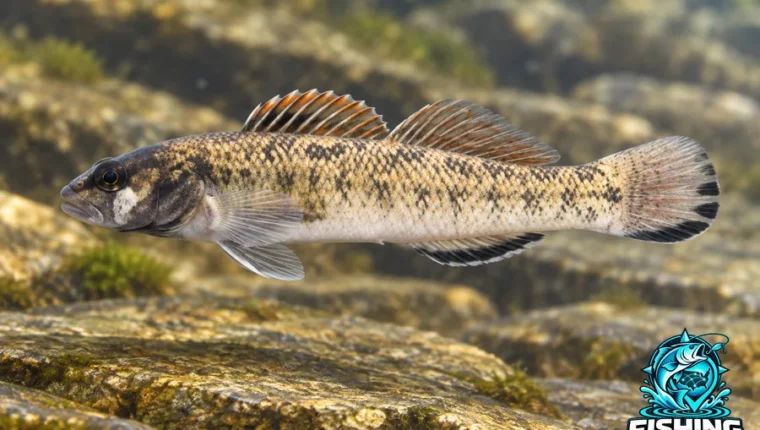
Uses rocky pools in small rivers and streams, as well as rocky edges of larger waterways.
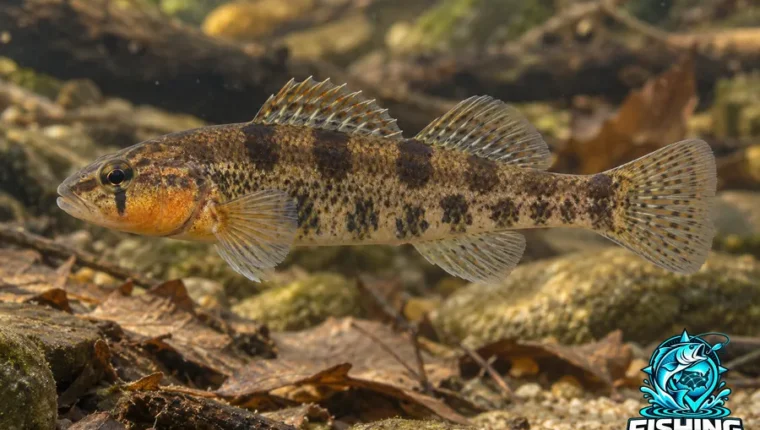
Associated with stream bottoms of clean silt, sand and fine gravel.
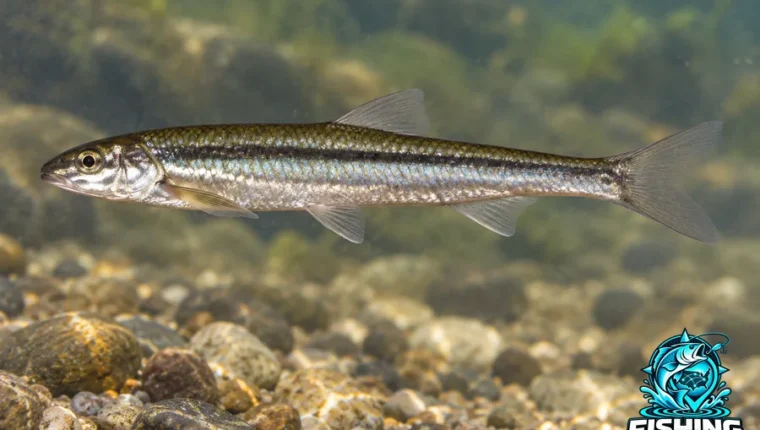
A freshwater chub native to the Clinch and Powell rivers in the eastern United States.
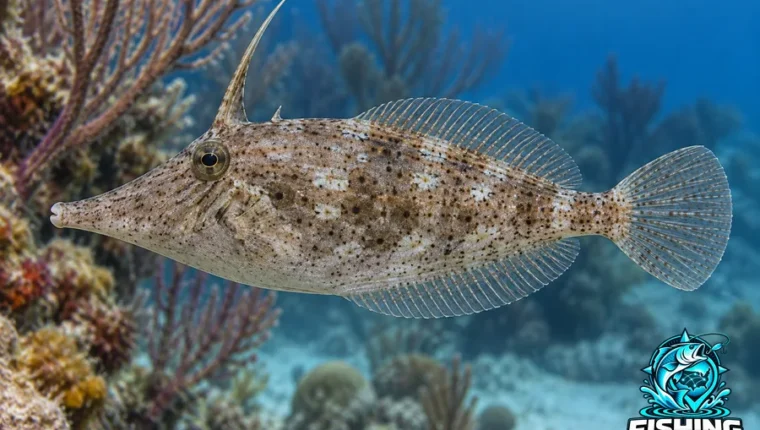
A slender marine filefish ranging from Bermuda and North Carolina through the Caribbean toward Colombia.
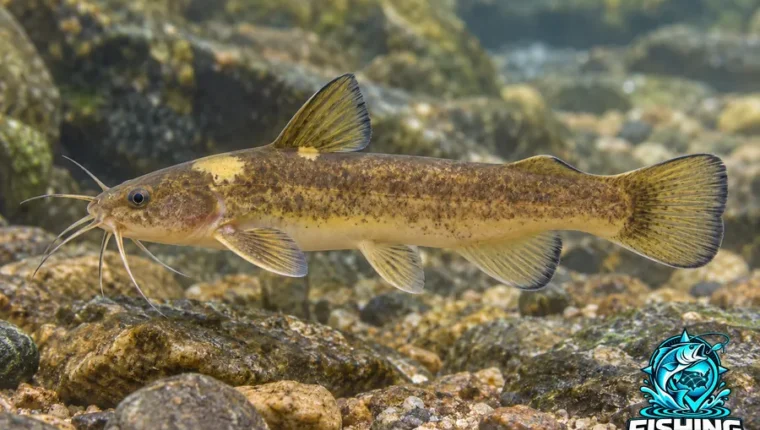
Uses flowing pools and riffles in smaller streams, over coarse gravel and flat rock slabs.
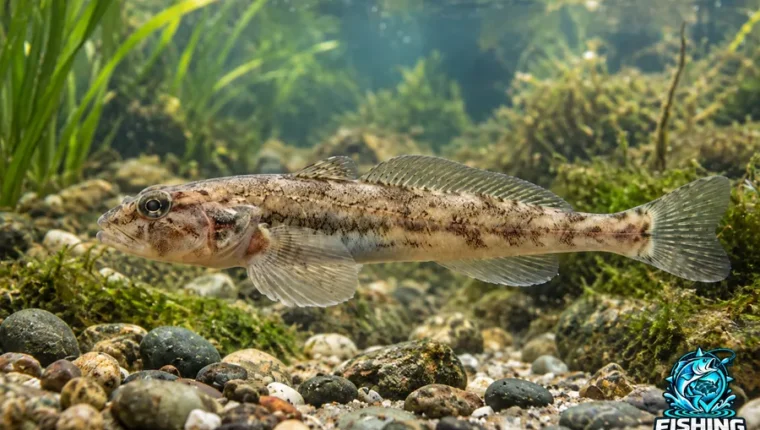
Lives along lake margins and in stream riffles, runs and pools over mud, sand or gravel.
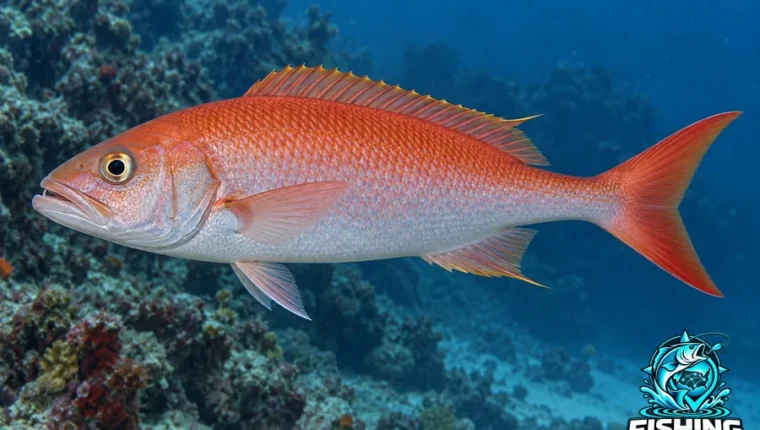
A slender snapper ranging from the southern Caribbean Sea toward southern Brazil.
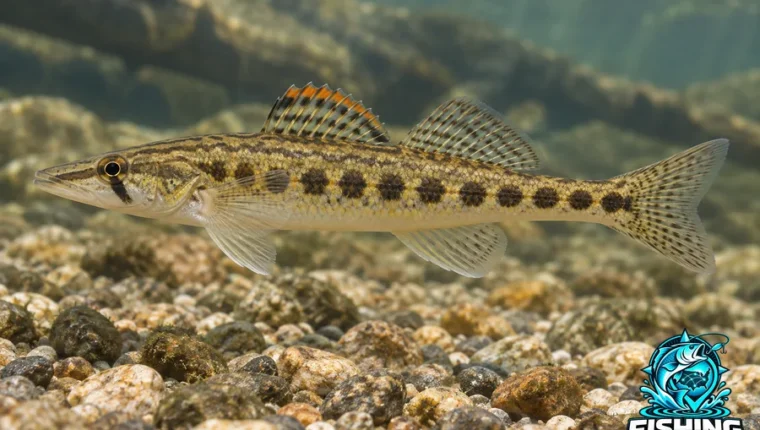
Eats insect larvae and other small invertebrates. Spawns during spring and early summer.
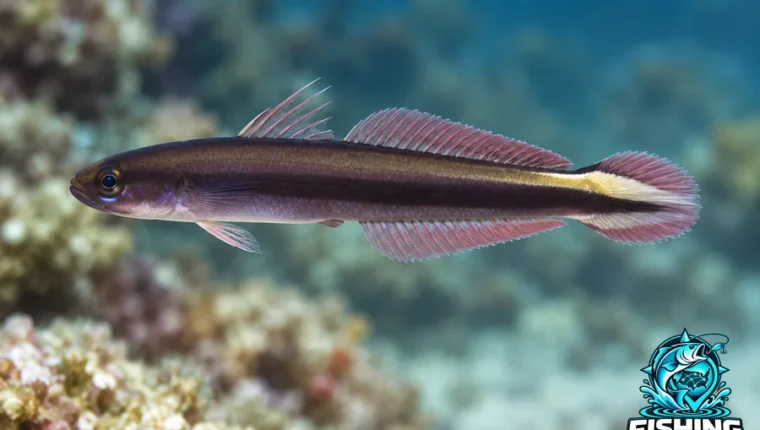
A dartfish recorded around Madagascar, the Seychelles, the Philippines, Palau, Fiji and northeastern Australia.
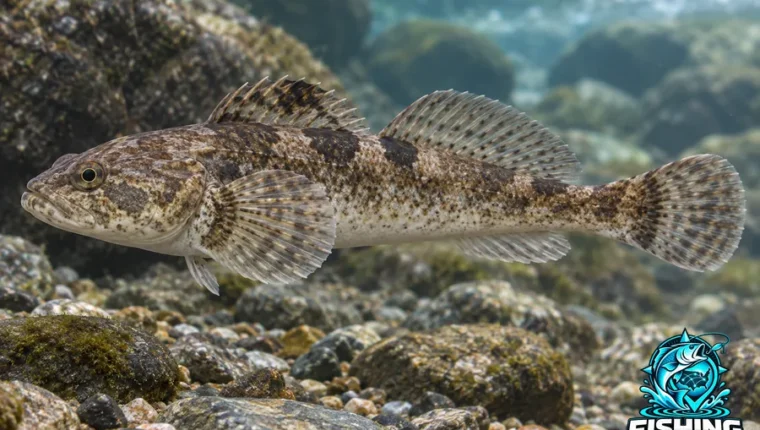
Uses cold, rocky streams and lakes across northern North America, including the Great Lakes region.
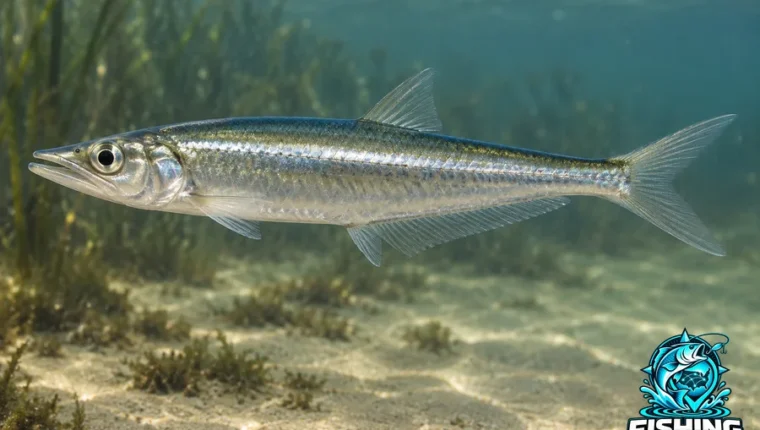
An anchovy native to Pacific coastal waters of southern California and Baja California.
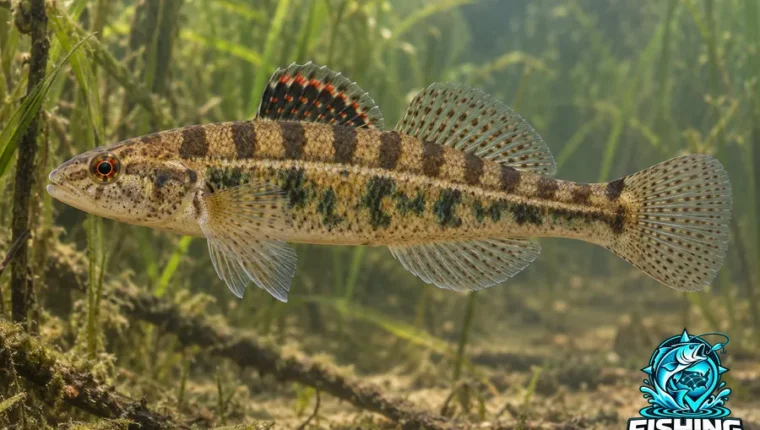
Favors slow to moderate currents over soft mud, silt or sand.
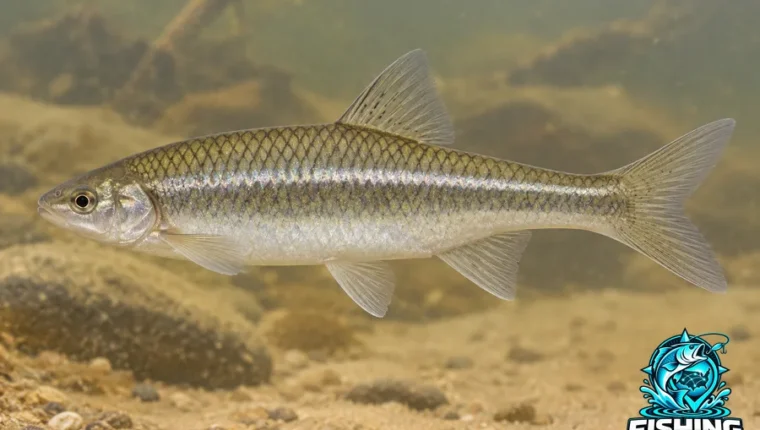
Found naturally only in the upper Brazos River basin of Texas.

Native to the upper Mississippi, Great Lakes–St. Lawrence and Hudson Bay systems, including the Champlain region.
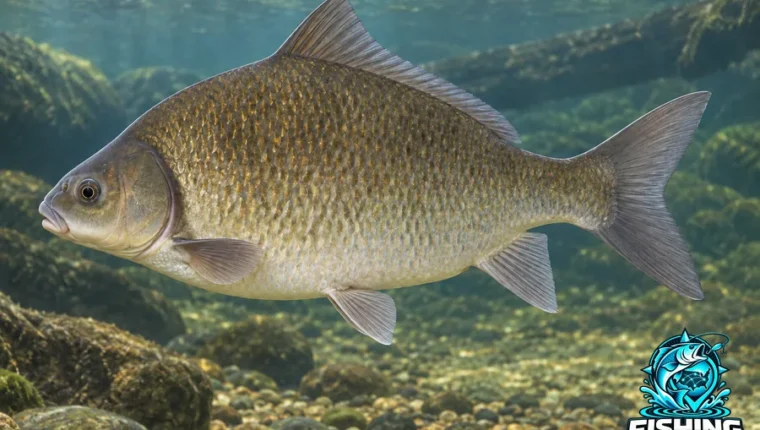
A large freshwater sucker native to Mississippi tributaries and several surrounding river systems.
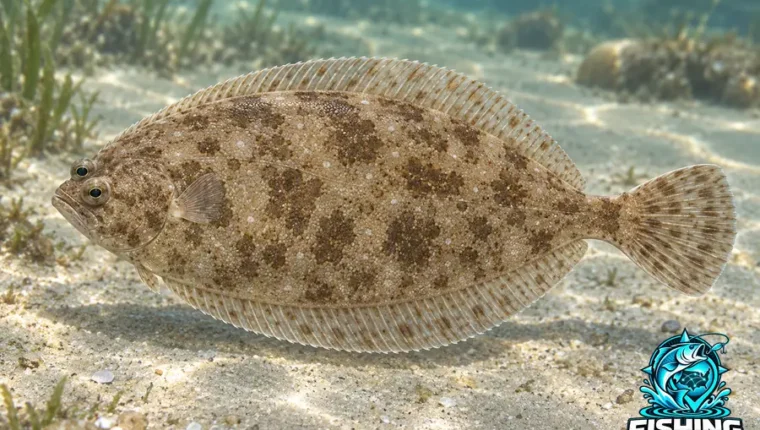
A small marine flatfish with both eyes positioned on the left side of its body.
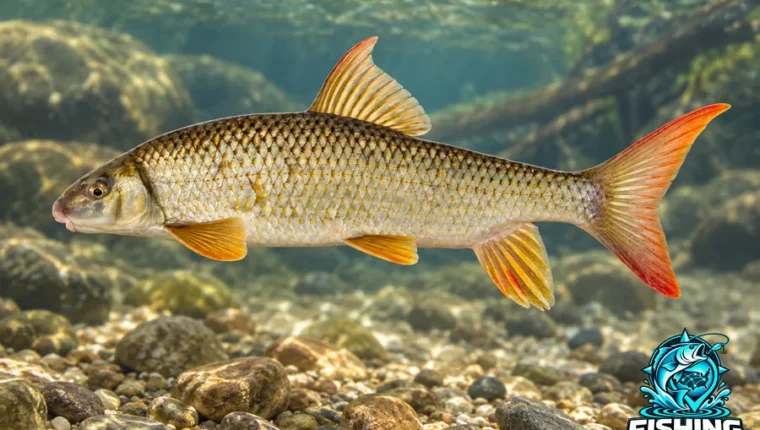
A freshwater redhorse native to the Ohio River basin.
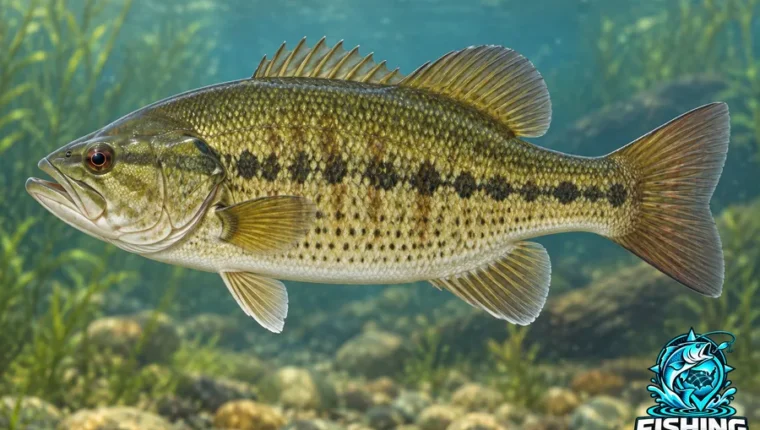
A smallmouth–spotted bass cross, combining two freshwater bass commonly associated with rocky waterways.
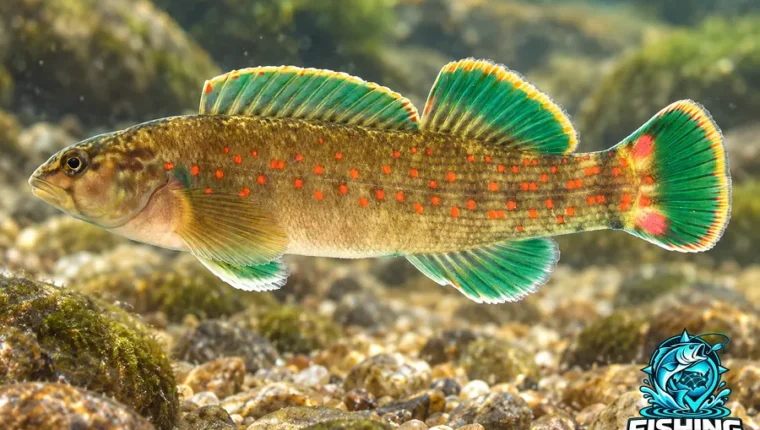
Lives in shallow, gravel-bottomed riffles of small rivers.
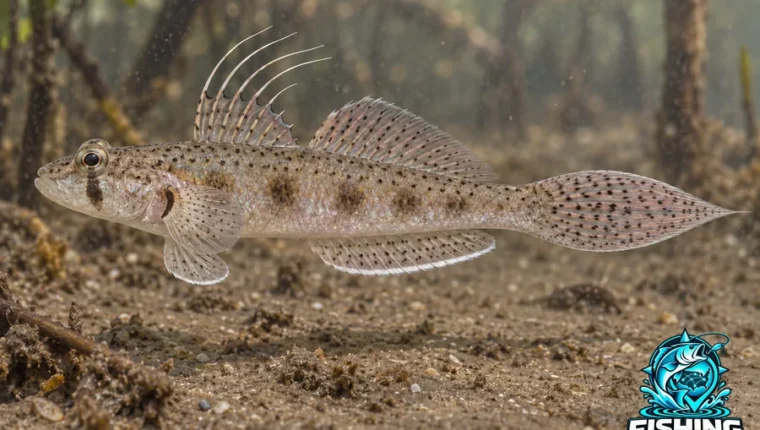
A tropical coastal goby ranging from Africa across the Indian Ocean into the western Pacific, using saltwater and brackish habitats.
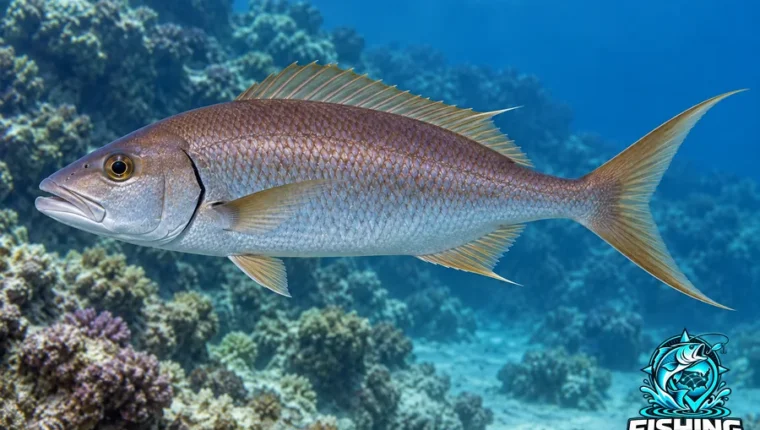
Recorded around western Pacific islands, including Micronesia, the Solomon Islands, Fiji and Raja Ampat.
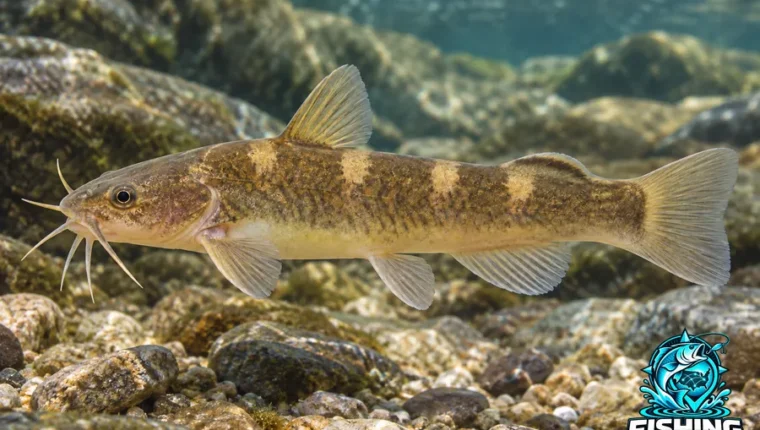
Uses the transitions between pools and riffles, spawning beneath large, flat rocks in summer.
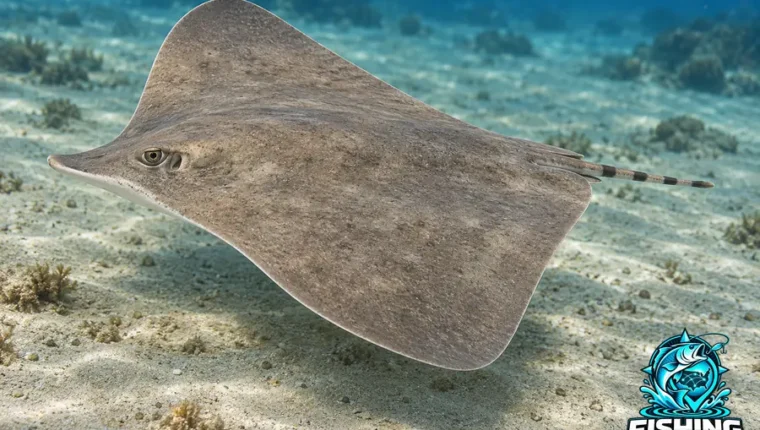
A coastal ray recorded along northern and eastern South America and the Atlantic coast of western Africa.
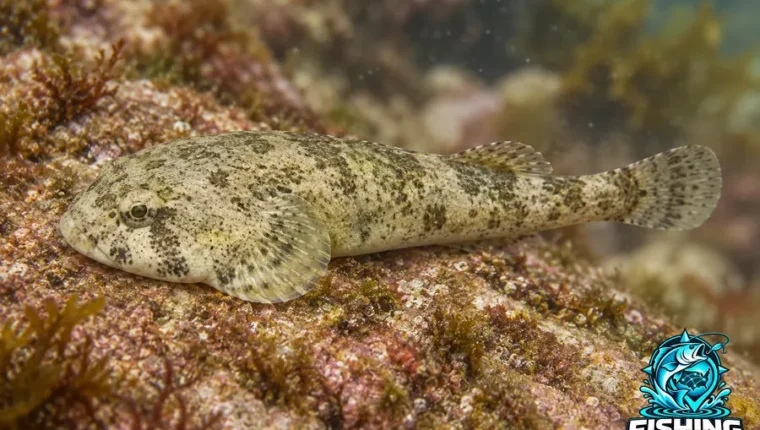
A small coastal clingfish found around the Bahamas, Caribbean islands and northern South America.
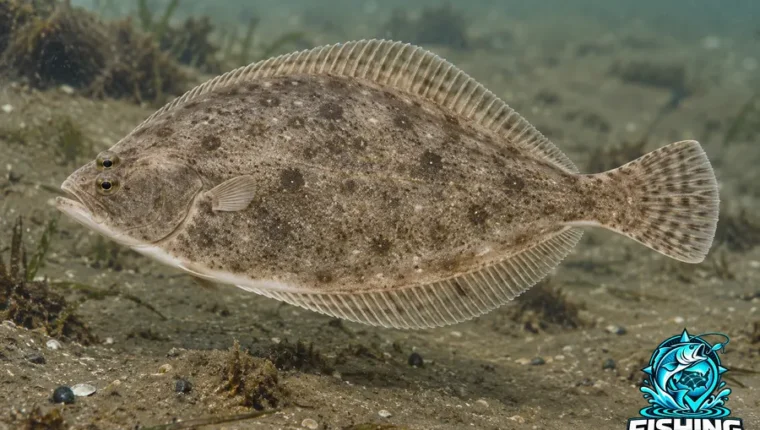
Lives in shallow inshore saltwater and brackish habitats, extending to depths of roughly ninety feet.
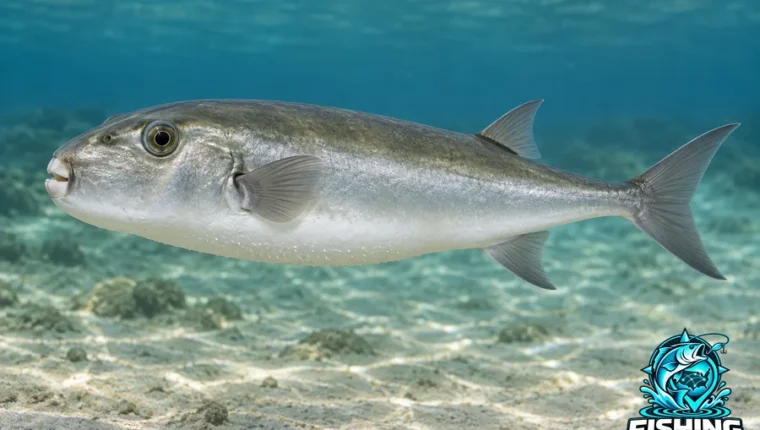
A marine puffer that feeds on fish and shrimp, using its strong mouth to handle animal prey.
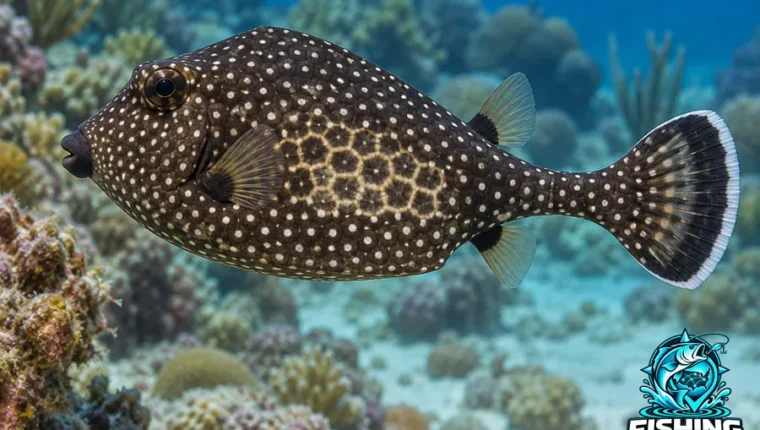
A boxfish of western Atlantic marine waters.
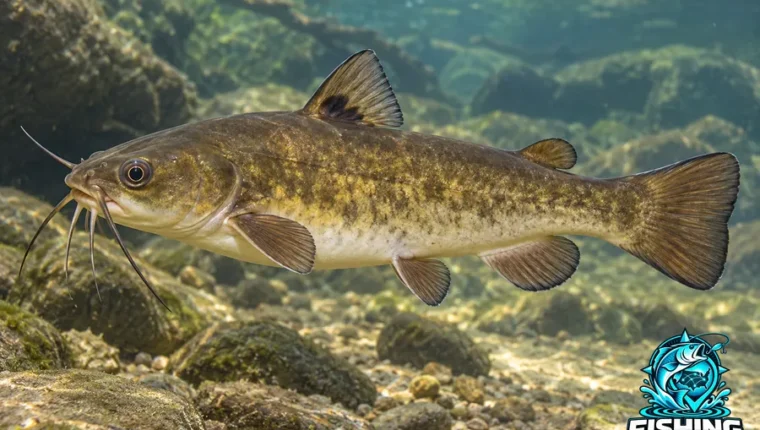
A bullhead catfish widely distributed in southeastern United States freshwater habitats.
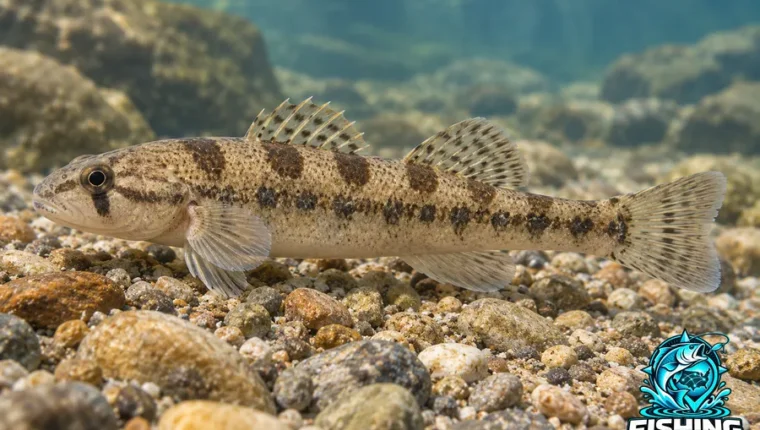
Uses sand and gravel shoals in larger creeks, rivers and reservoirs.
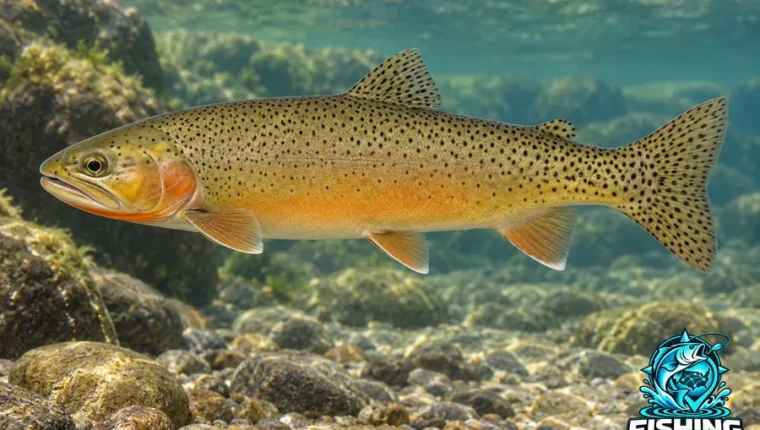
A fine-spotted cutthroat trout form also raised in hatcheries for stocking cold-water lakes and streams.
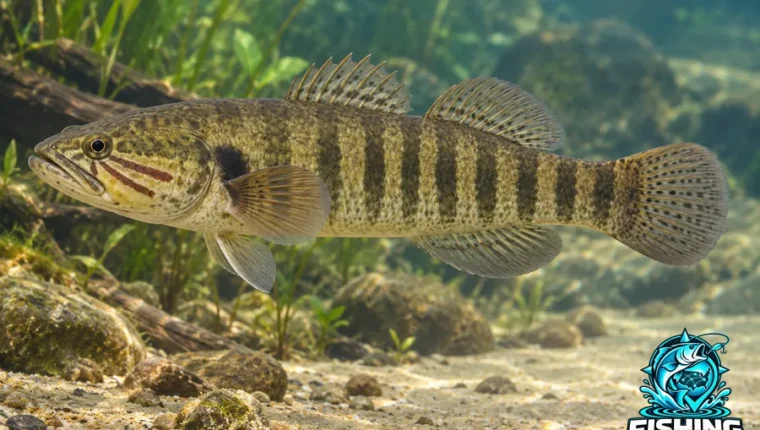
A gudgeon recorded around Indonesia, the Philippines, Palau, the Solomon Islands and nearby southwestern Pacific islands.
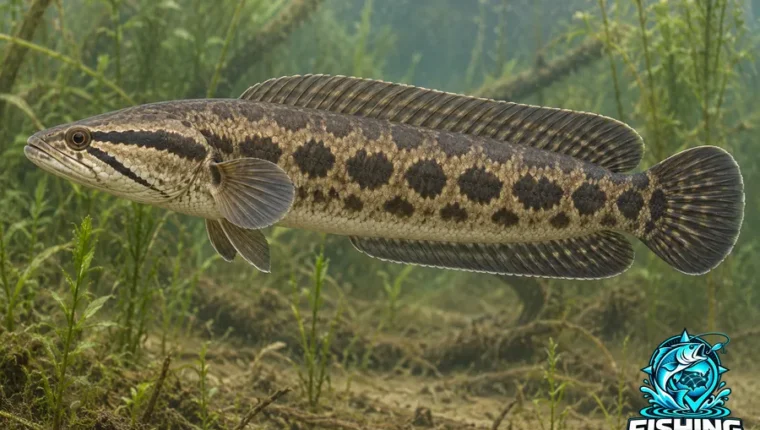
A mullet native to northern Vietnam and Taiwan.
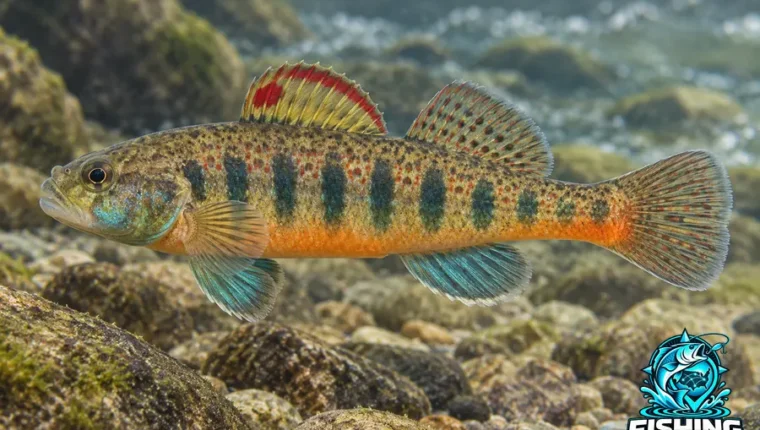
Uses rocky pools and riffles in relatively clear streams.
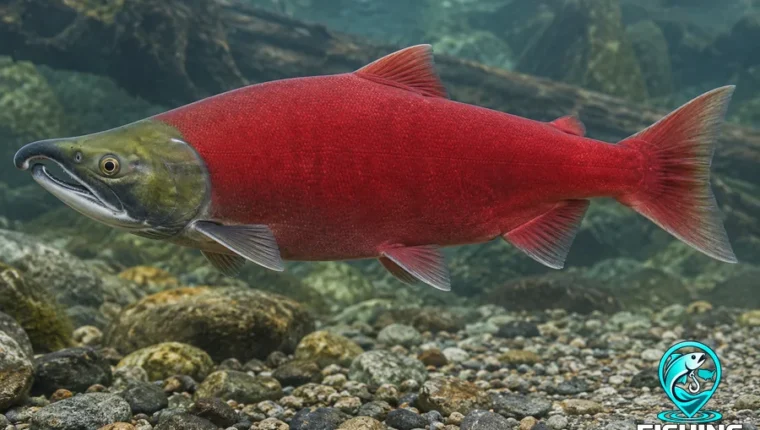
A Pacific salmon native to the North Pacific and rivers that drain into it.
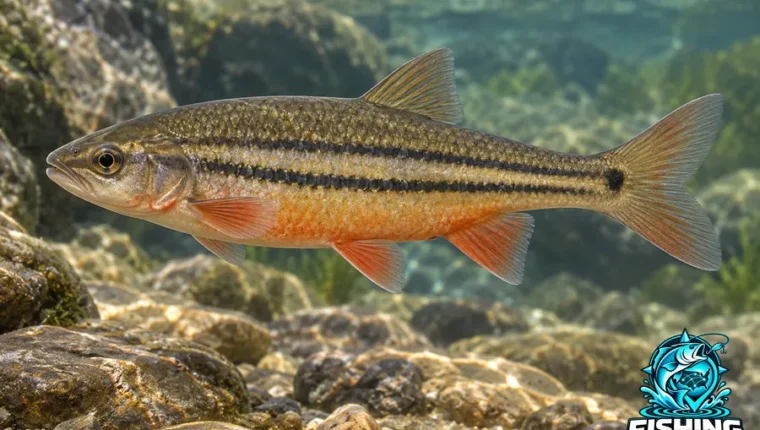
Eats aquatic and land insects, along with algae growing in larger stream pools.
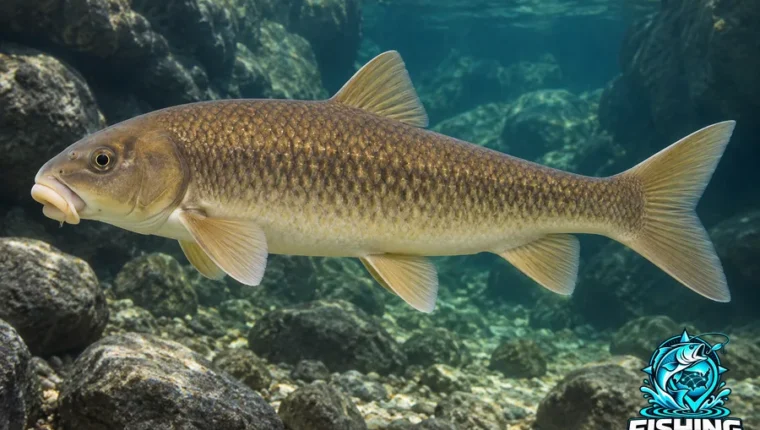
Tolerates varied flowing-water habitats, from cool trout streams to warm rivers.
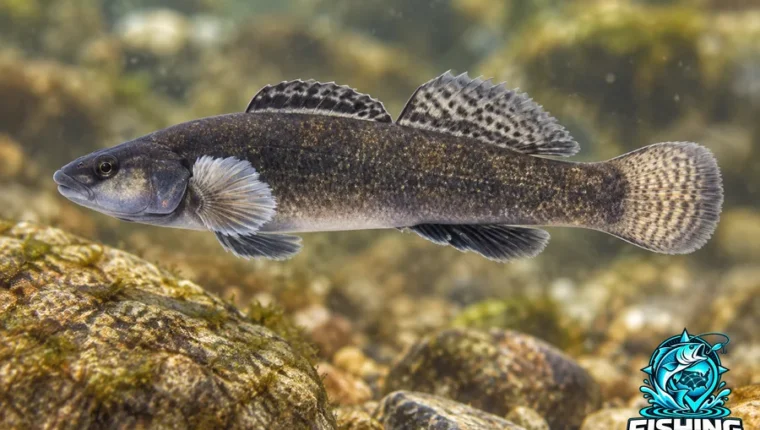
Lives in stream and creek pools together with neighboring riffles.
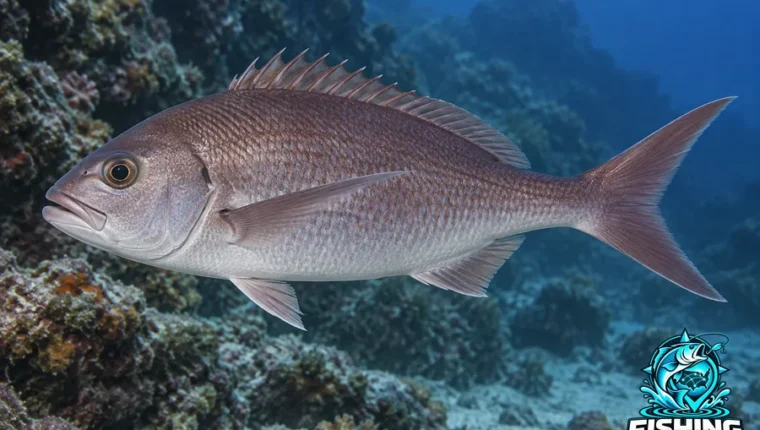
A snapper ranging from the Red Sea and western Indian Ocean islands toward the Marquesas, Pitcairn and New Caledonia.
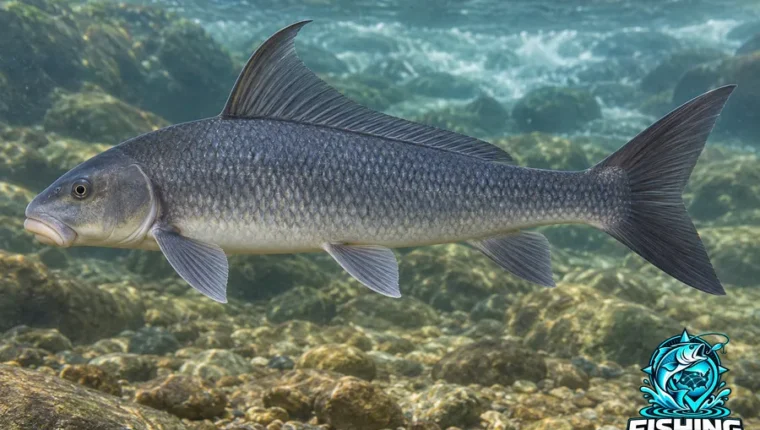
Native to Gulf-draining rivers of Alabama, Mississippi and Louisiana.

A southern lamprey recorded from Arkansas and Louisiana east through Mississippi, Alabama and Georgia.

An underground fish associated with caves and limestone groundwater systems in the eastern United States.
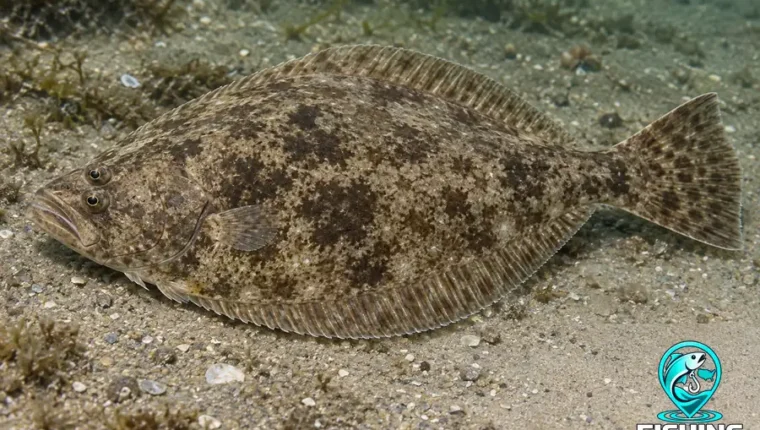
Native to the eastern United States coast and northern Gulf of Mexico.
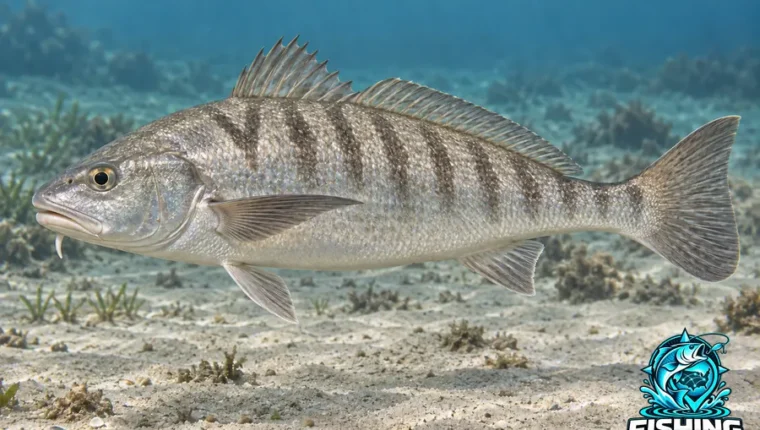
Uses shallow coastal water along the western Atlantic shoreline.
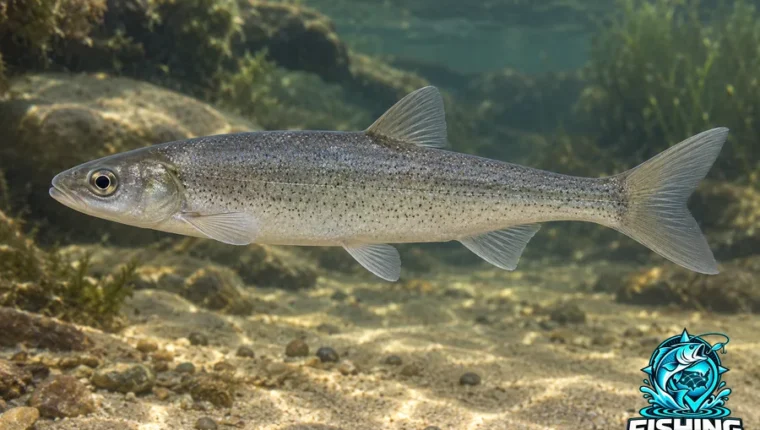
A small freshwater chub whose native range is limited to Utah.
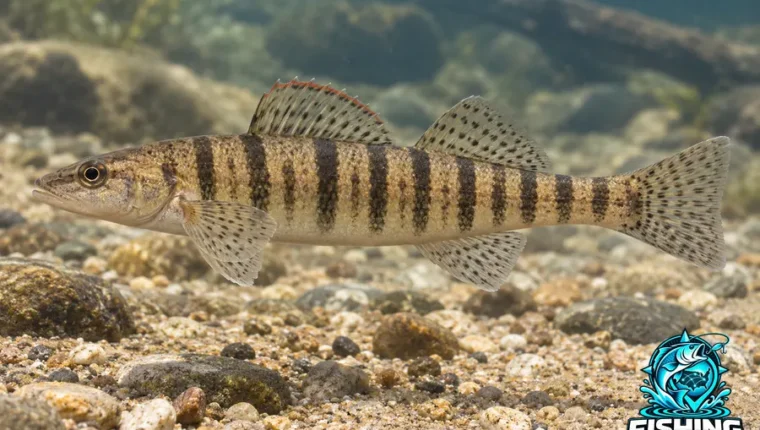
Lives in the Escambia and Choctawhatchee river systems of western Florida and southern Alabama.
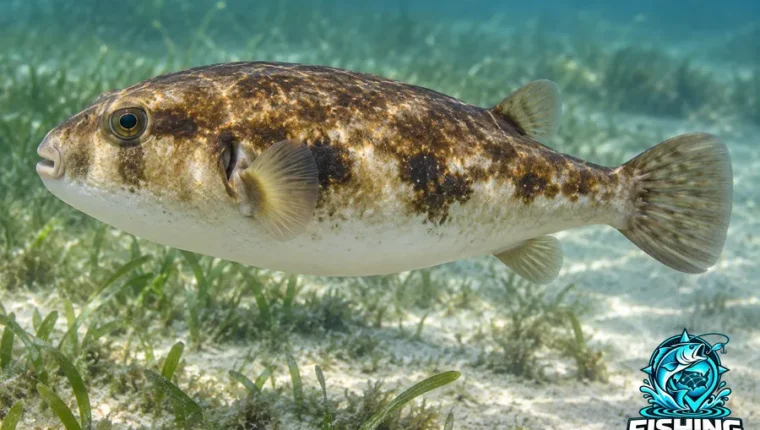
A warm-water puffer recorded in the Caribbean and neighboring western Atlantic habitats.
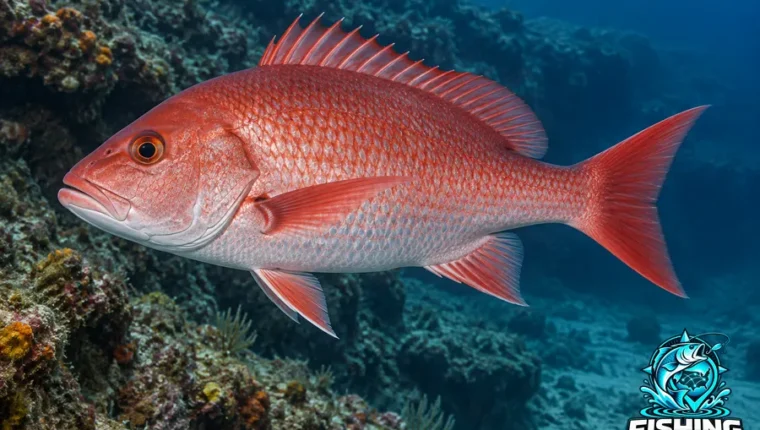
A snapper native to western Atlantic and Caribbean waters.
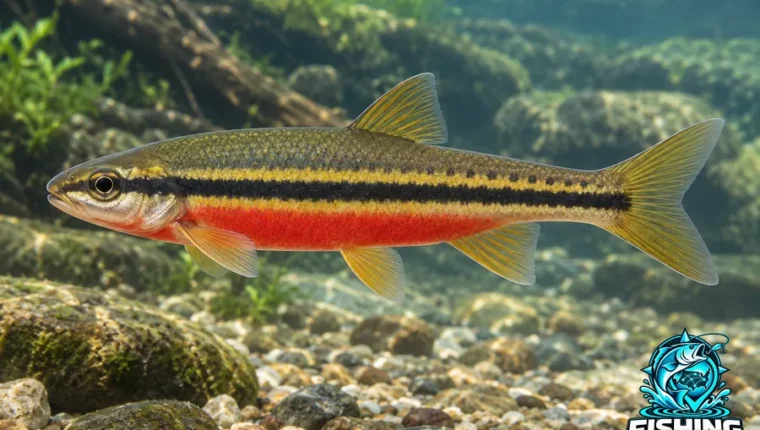
Favors clear, flowing streams and quiet pools within creek systems.

A South American armored catfish native to the Paraná and Uruguay drainages. Introduced populations also occur outside its home range.
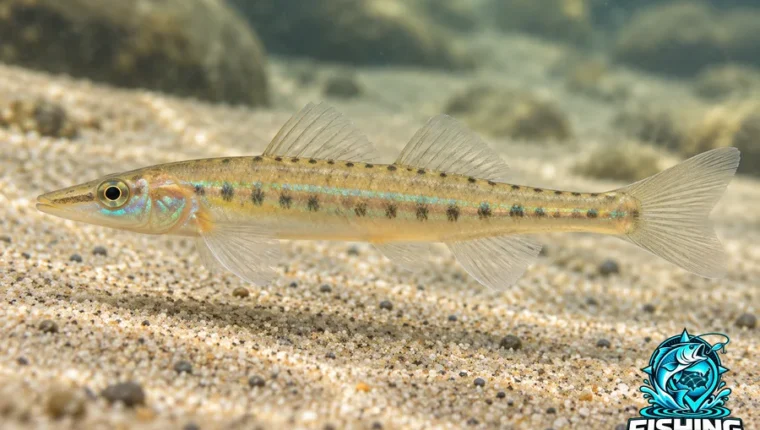
Uses sandy, flowing habitats in Mobile Bay drainage streams and rivers.
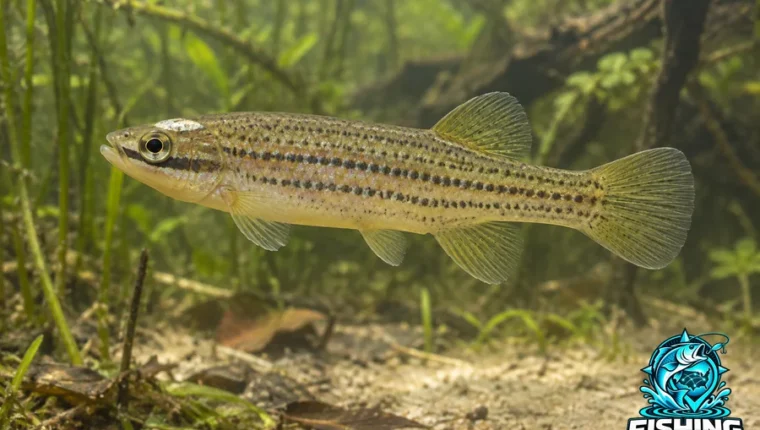
A freshwater topminnow native to the southern United States.

A coastal ray ranging through warm western Atlantic waters from New Jersey toward southern Brazil.
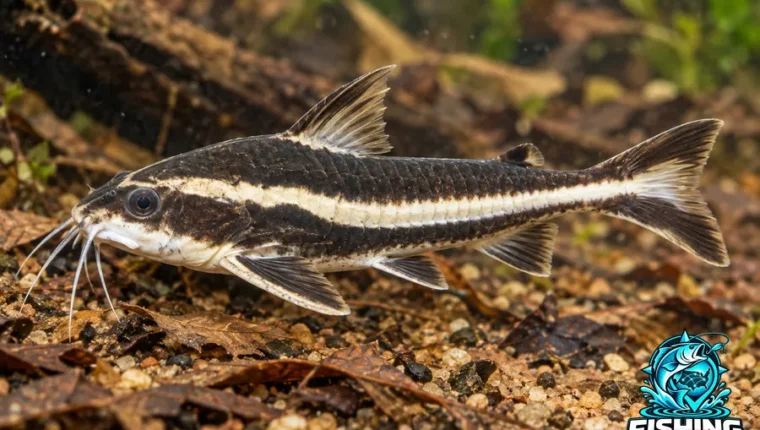
An armored catfish native to South America’s Amazon, Paraguay–Paraná and lower Orinoco basins.

A coastal goby whose native range is limited to San Diego County, California.

A small livebearing fish found in southwestern United States and Mexican freshwater systems.
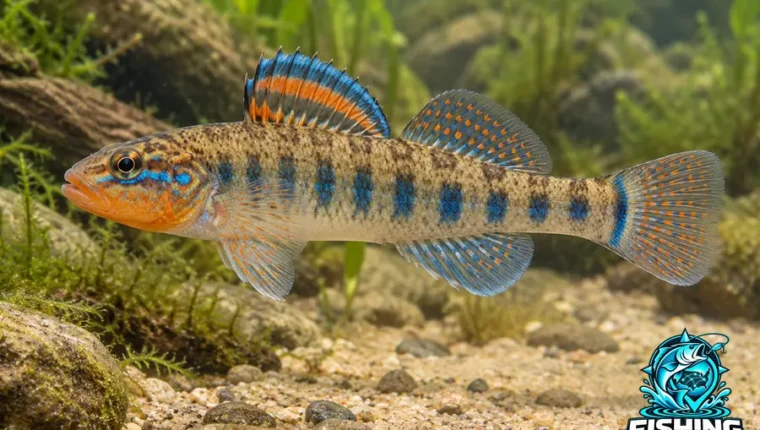
Native only to Tennessee’s Duck and Buffalo rivers.
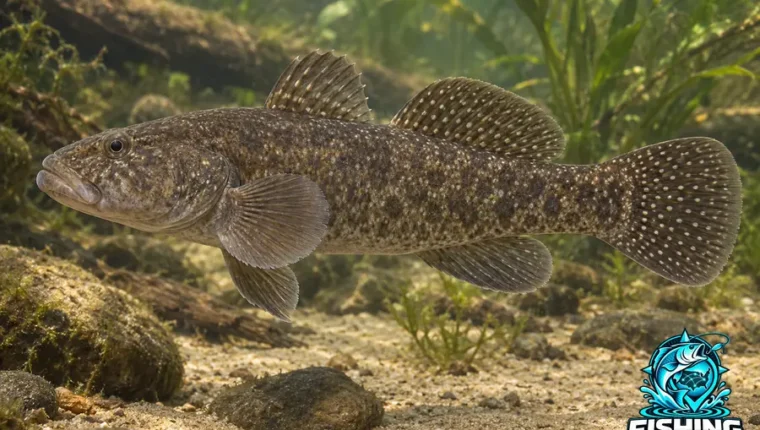
A tropical gudgeon with a native distribution in the Indo-Pacific region.
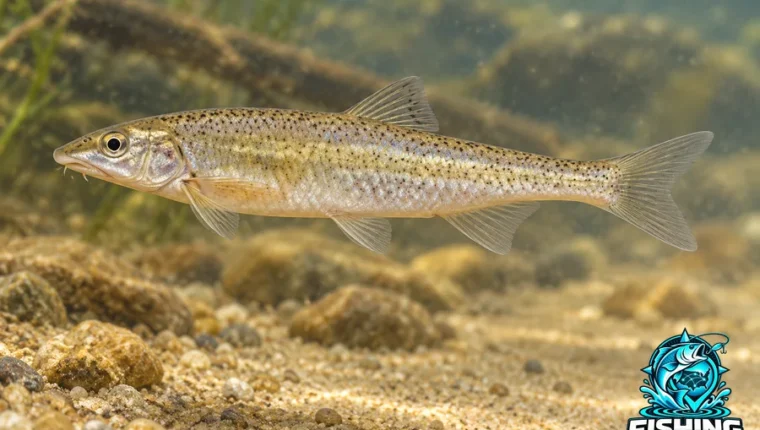
A freshwater chub recorded in the United States and Mexico.
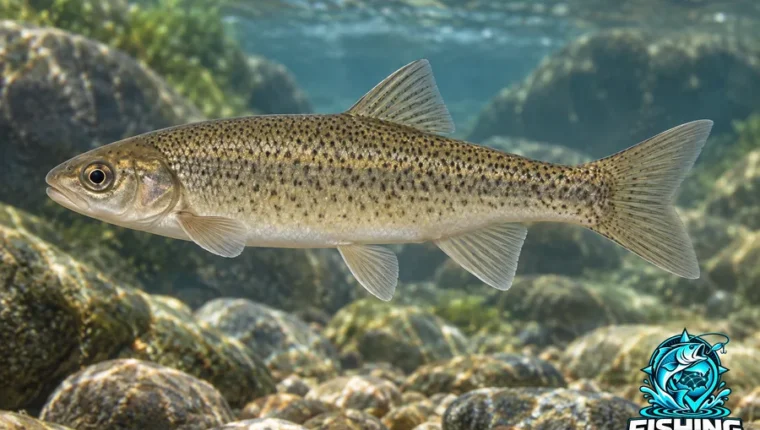
Ranges through western North American freshwater habitats from Sonora north to British Columbia.
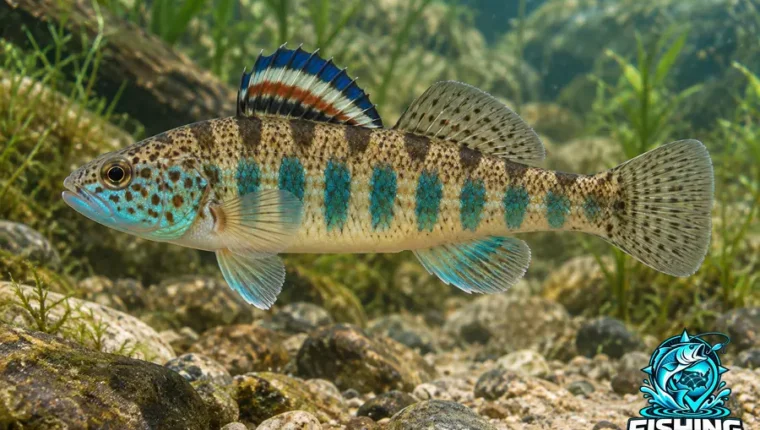
Uses rocky or sandy pools in flowing streams and medium-sized rivers, including areas with fast currents.
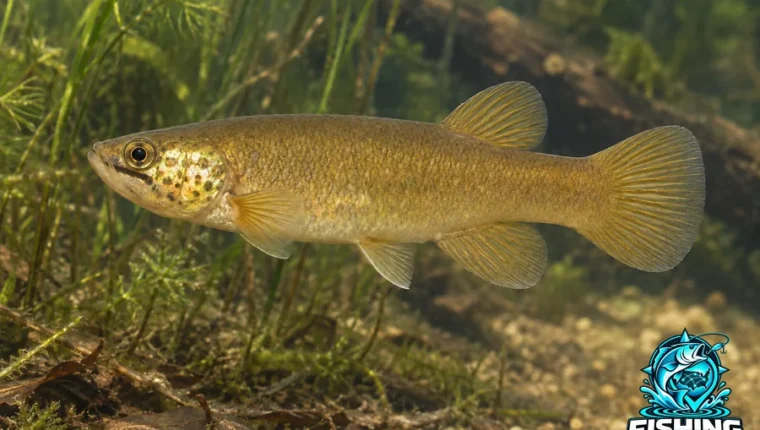
A killifish native to freshwater habitats in southern Virginia and North Carolina.
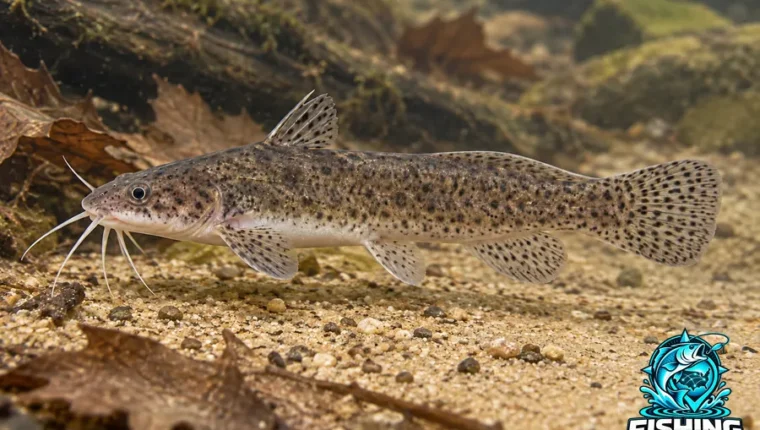
Lives in very shallow riffles over sand, gravel or rock.
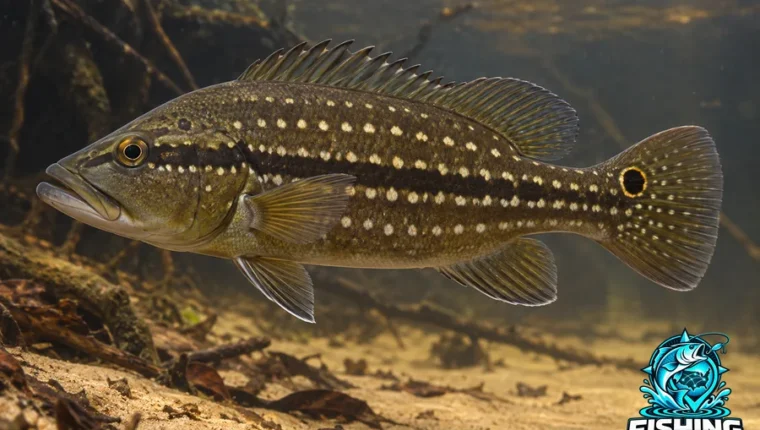
Native to the Orinoco, Rio Negro and parts of the central Amazon across northern South America.
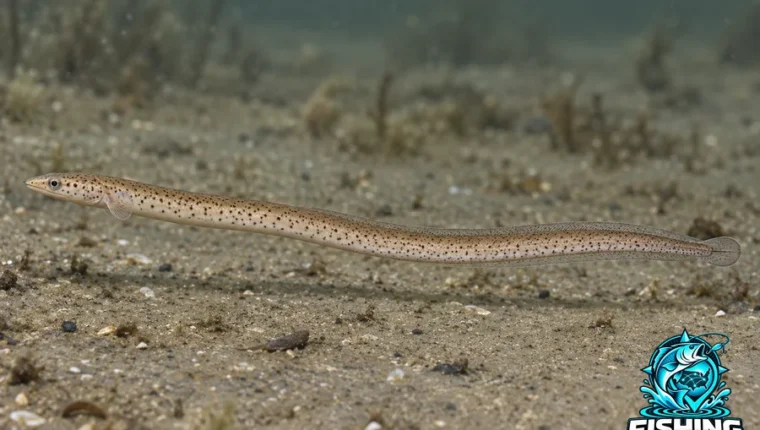
An Atlantic worm eel ranging from North Carolina and Bermuda through the Caribbean toward southern Brazil.
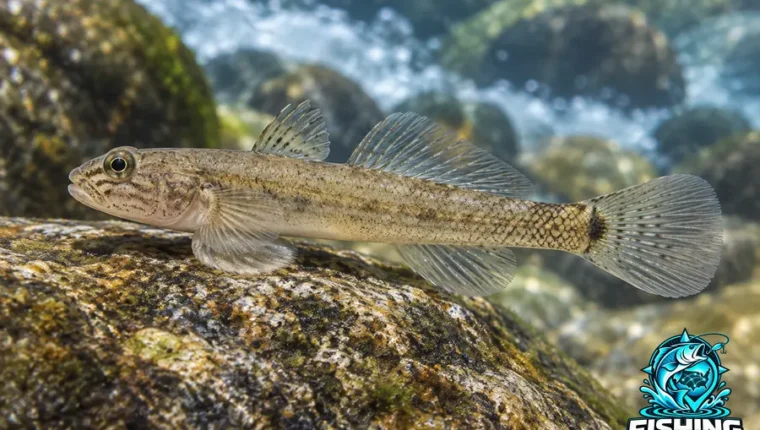
A stream goby recorded from southern Japanese islands toward New Guinea and northern Australia, with a marine larval stage.
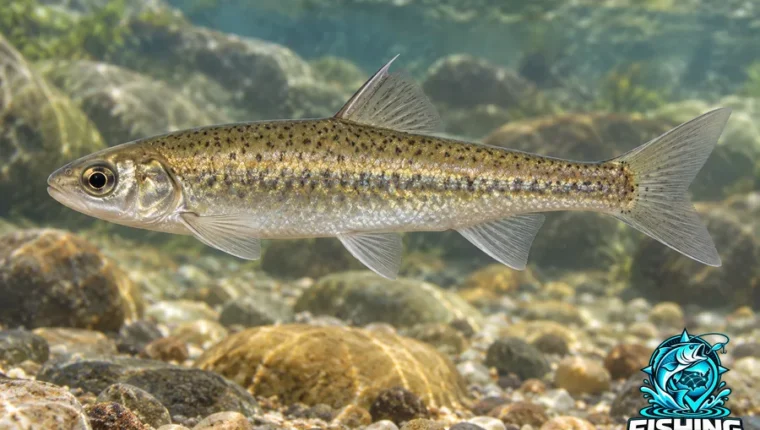
A small southwestern minnow recorded in Arizona and New Mexico.
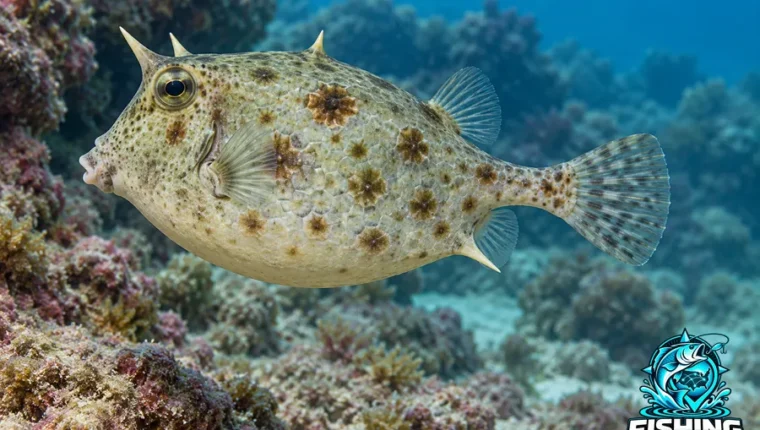
A spiny boxfish with a broad Indo-Pacific range and additional populations along the Pacific coast of the Americas.
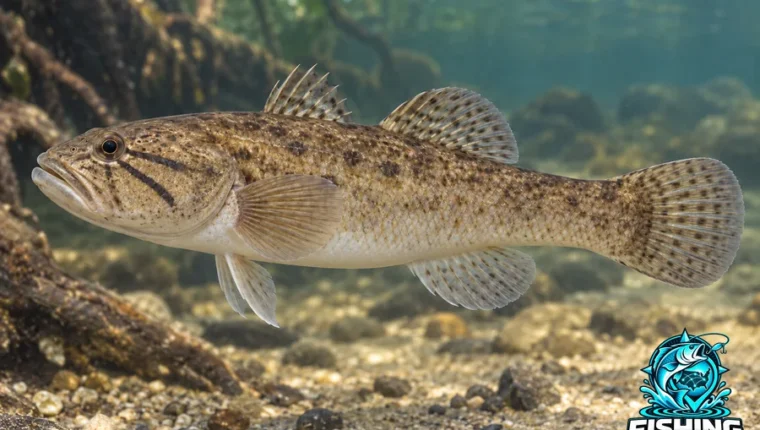
A coastal sleeper recorded from Venezuela and the southern Caribbean toward southern Brazil.
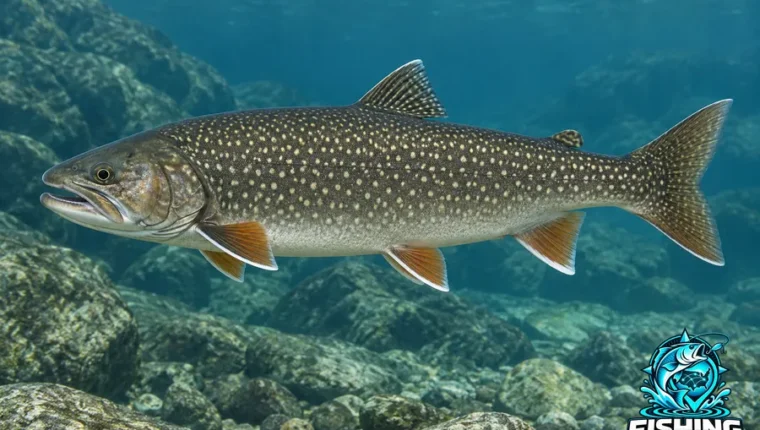
A brook trout–lake trout hybrid stocked in cold-water lakes for recreational fishing.
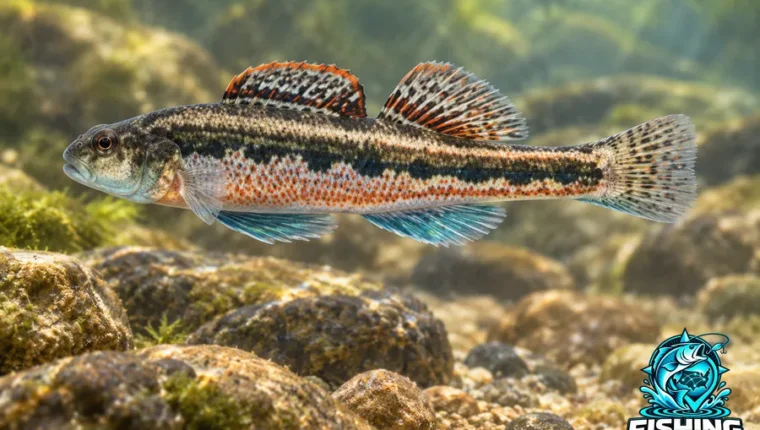
Often occupies small, rocky pools along the edges of creeks and rivers.
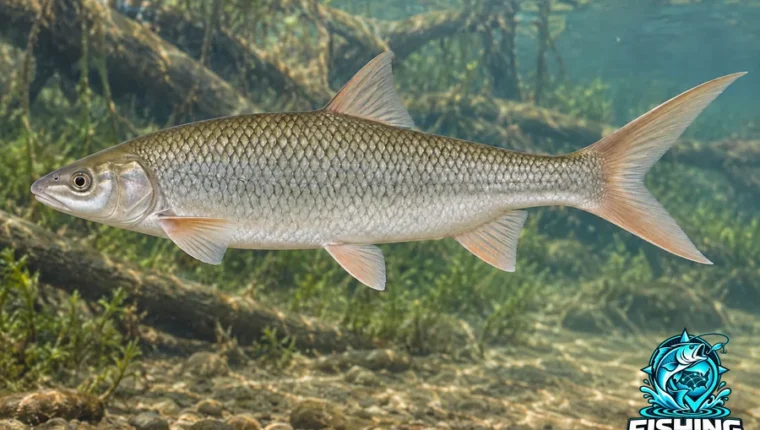
Native to low-elevation waterways in California’s Central Valley.
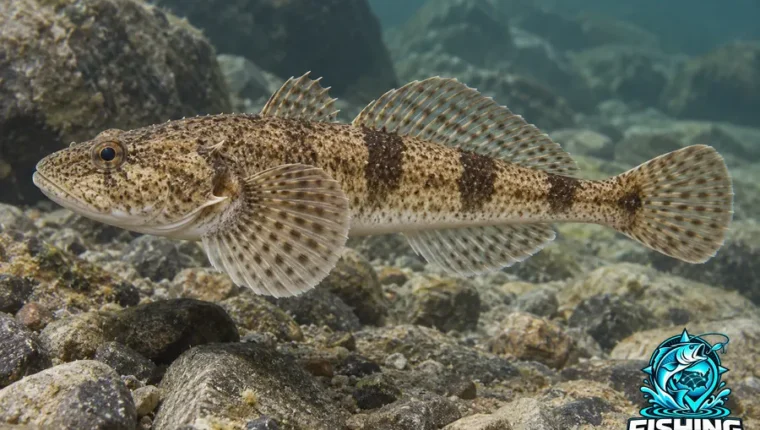
Uses rock, rubble and submerged logs as shelter from larger predatory fish.
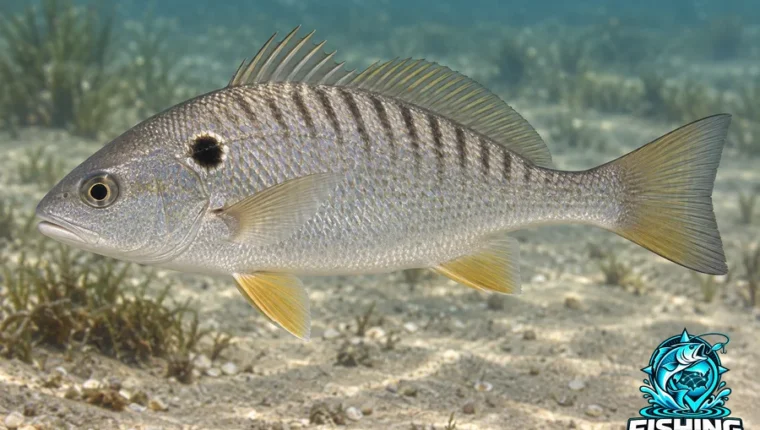
Lives in coastal waters and estuaries from Massachusetts to Texas. A dark mark behind each gill gives it its name.
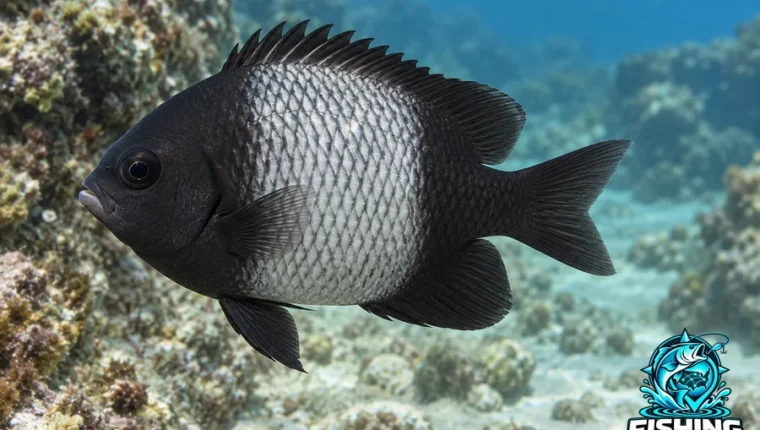
A damselfish recorded in the east-central Pacific Ocean.
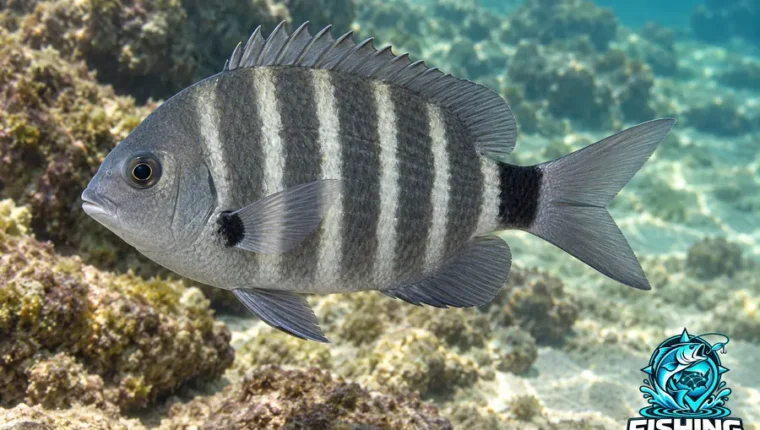
Eats algae, tiny animals and drifting plankton in its coastal habitat.
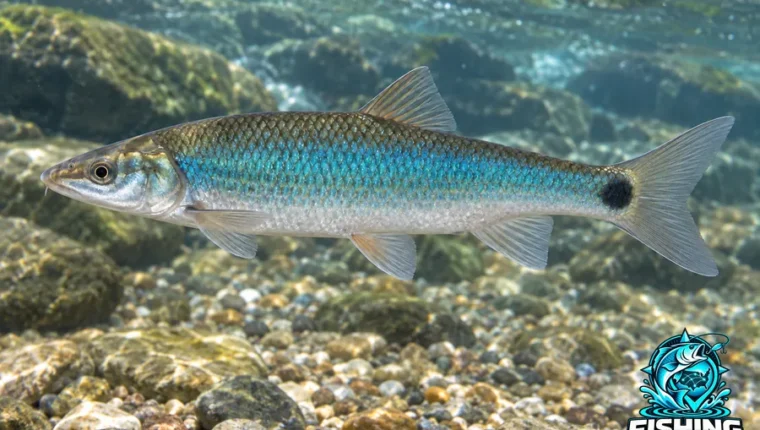
Uses clear, warm river stretches with steady flow resembling stream runs.
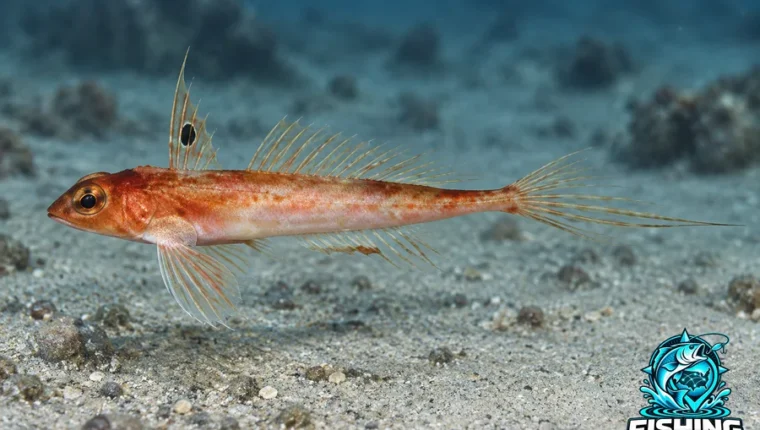
A bottom-dwelling dragonet recorded from the Caribbean Sea toward northern Brazil.

A goby ranging from the Andaman Islands toward Palau, New Ireland, the Solomon Islands and northern Australia.
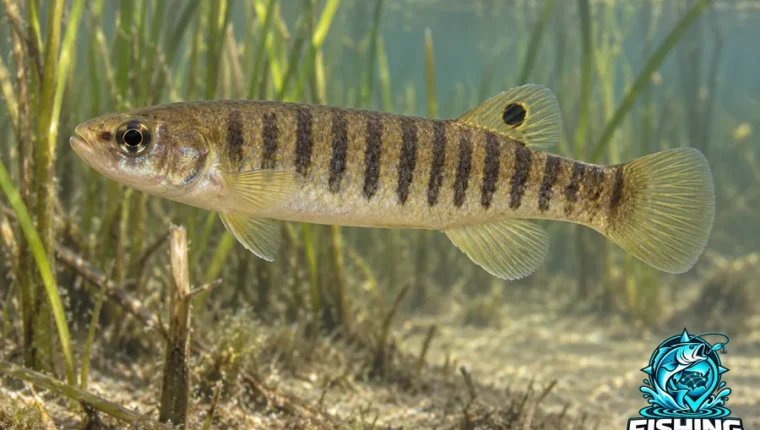
A killifish recorded in coastal and inland United States waters, plus Bermuda, Cuba and the Yucatán.
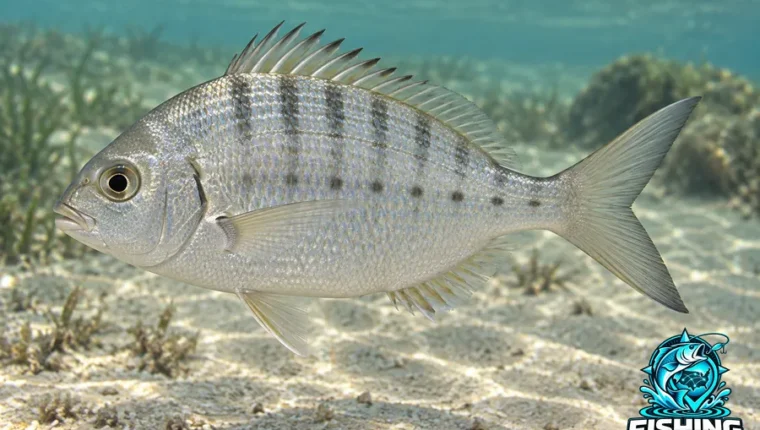
A coastal mojarra recognizable by a dark spot on its dorsal fin.
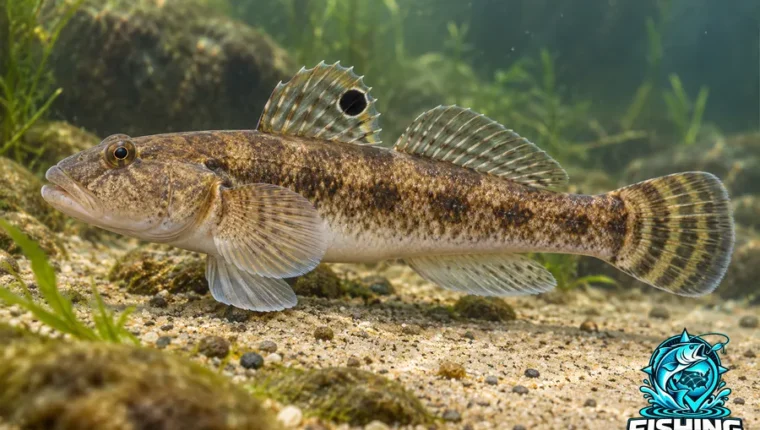
A river goby ranging from India toward Japan and Oceania, using freshwater, brackish and marine habitats.
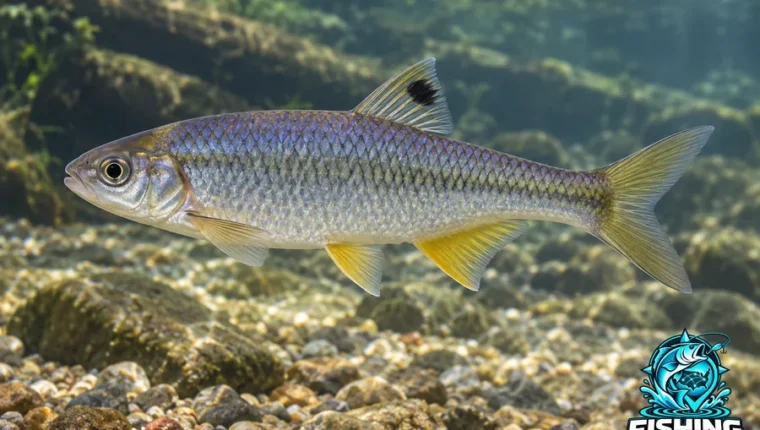
A shiner recorded from Quebec’s St. Lawrence drainage south toward Virginia’s Potomac River system.

A coastal goby recorded around Malaysia, Singapore, Indonesia, the Philippines and southern Japan.
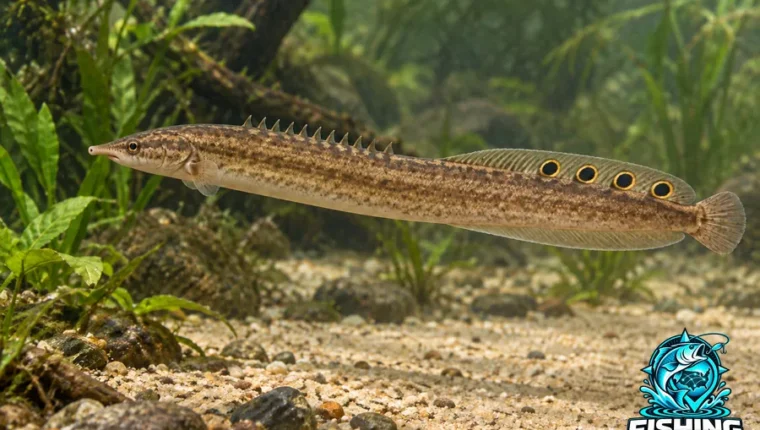
Favors slow backwaters, swamps, canals and ponds with sandy or muddy bottoms.
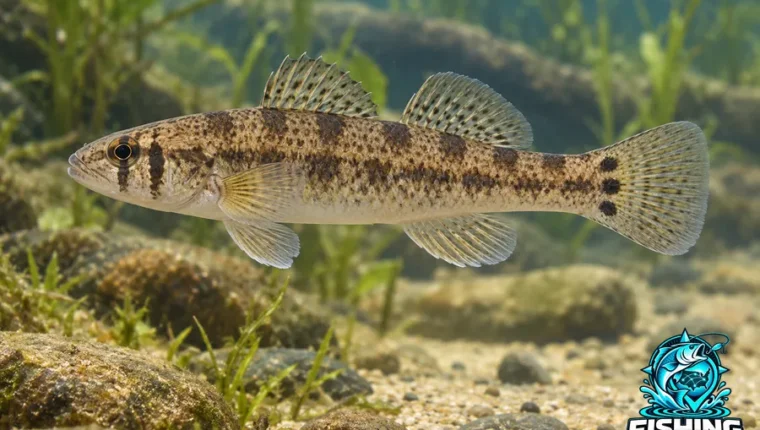
Uses rocky pools and adjacent riffles in creeks and small rivers.
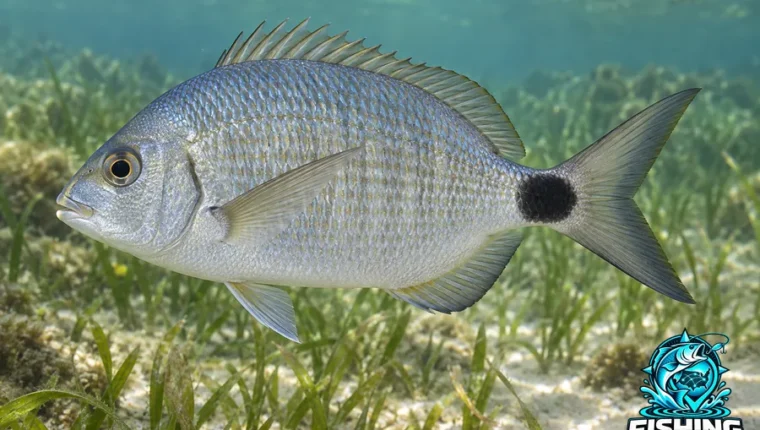
Feeds on plants and small invertebrates over flat, vegetated coastal bottoms, especially seagrass beds.
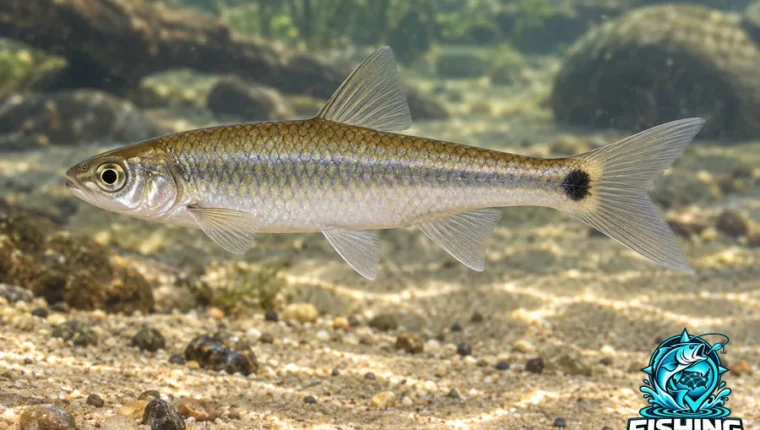
A small minnow recorded in northeastern United States lakes and other northern freshwater habitats.
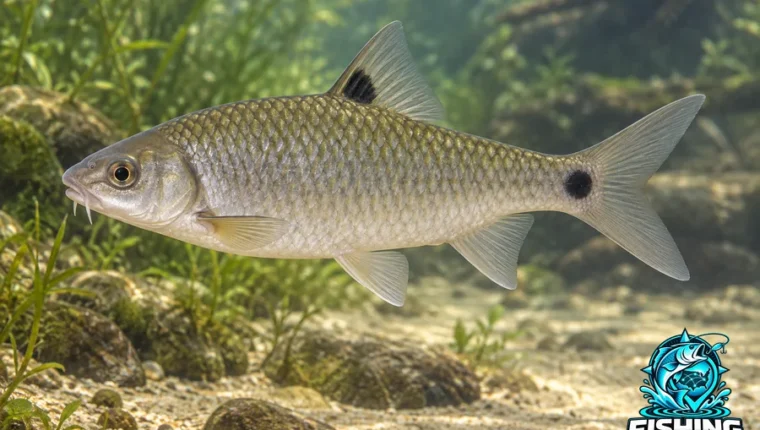
Feeds on tiny crustaceans, insect larvae and some plants in the lower portions of shallow water.

Eats insects, crayfish and smaller fish. Native to the Mississippi basin and Gulf-draining waters from Texas toward the Florida Panhandle.
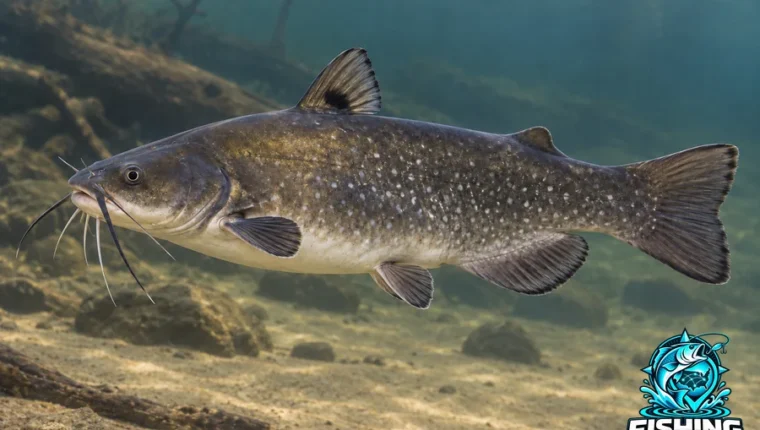
Favors deeper river holes over rock or sand where currents are moderate.
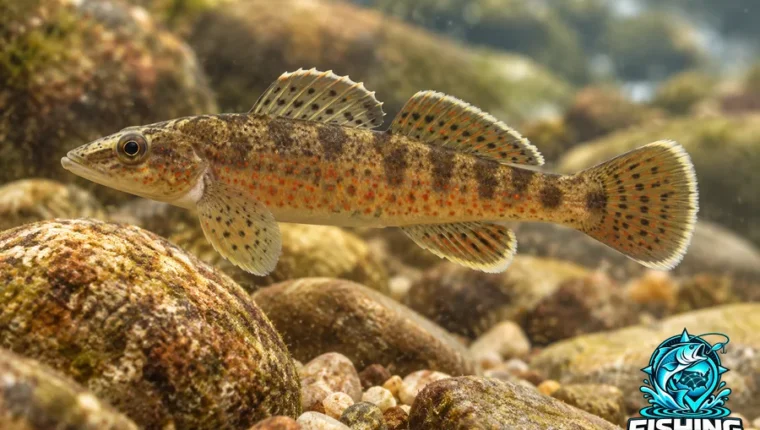
Native to the Ohio River basin in the eastern United States.

A flagtail distributed in eastern Asia and Oceania.
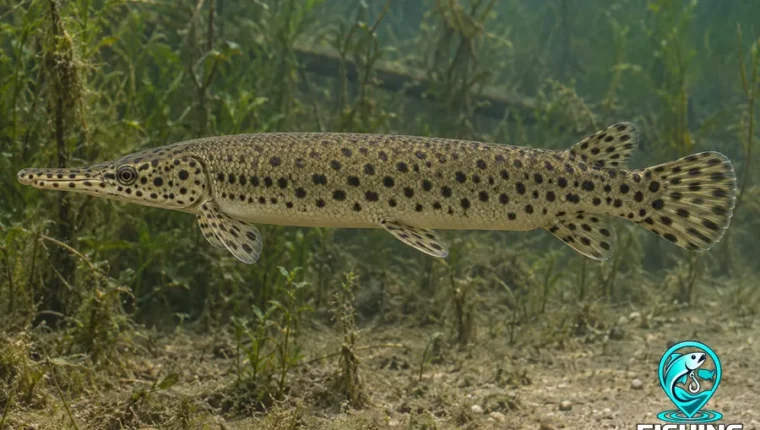
A North American gar covered with dark spots across its head, fins and long, narrow body.
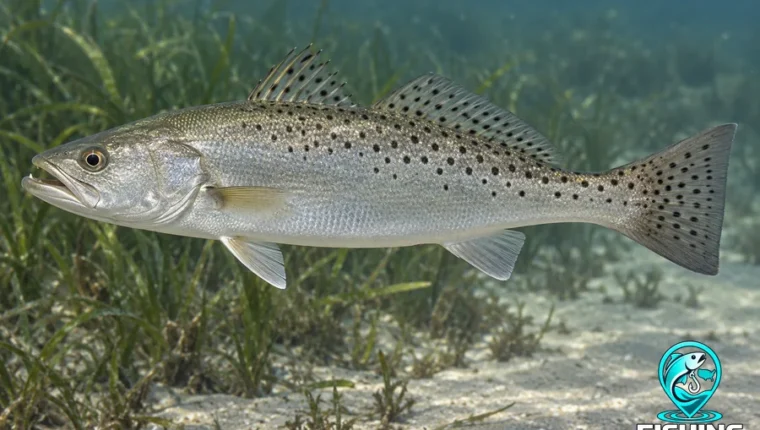
Found along Gulf of Mexico coasts and the Atlantic shoreline between Maryland and Florida.
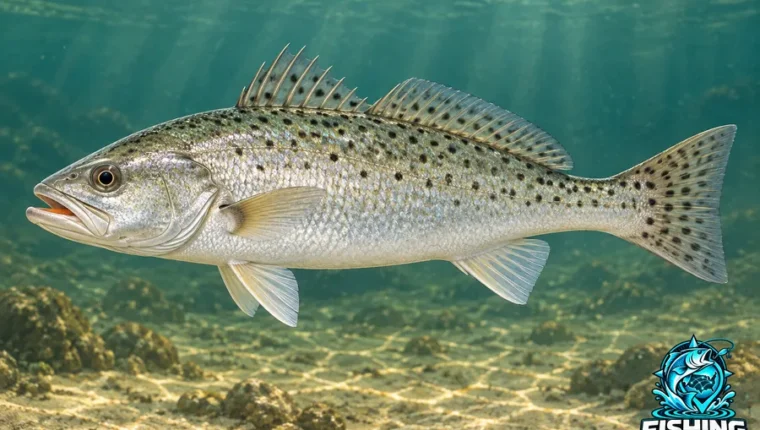
A cross between spotted seatrout and orangemouth corvina, combining Atlantic and Pacific members of the drum group.
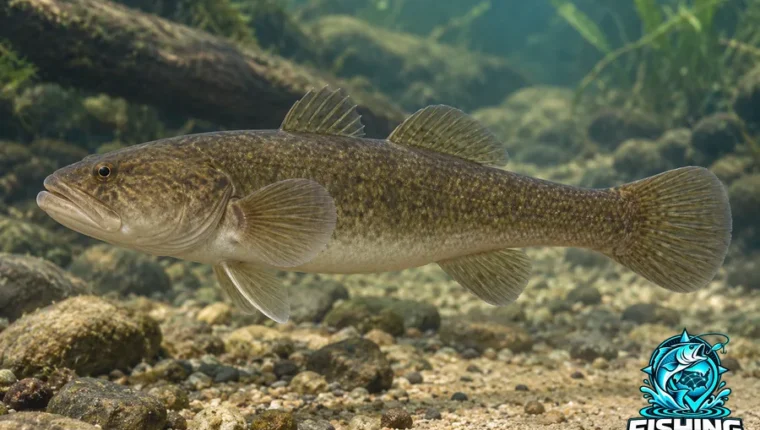
A sleeper native to eastern Pacific coastal waters from southern California toward Peru, including the Gulf of California.
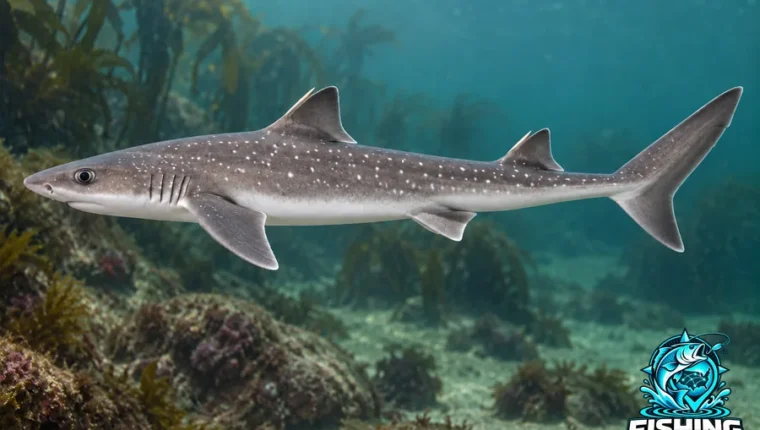
A cool-water shark that commonly uses temperatures of roughly 45–59°F.
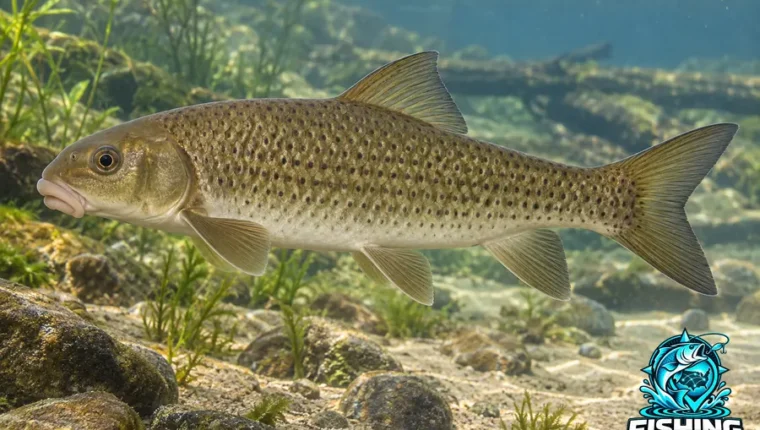
Lives in deep pools of smaller rivers over clay, sand or gravel.
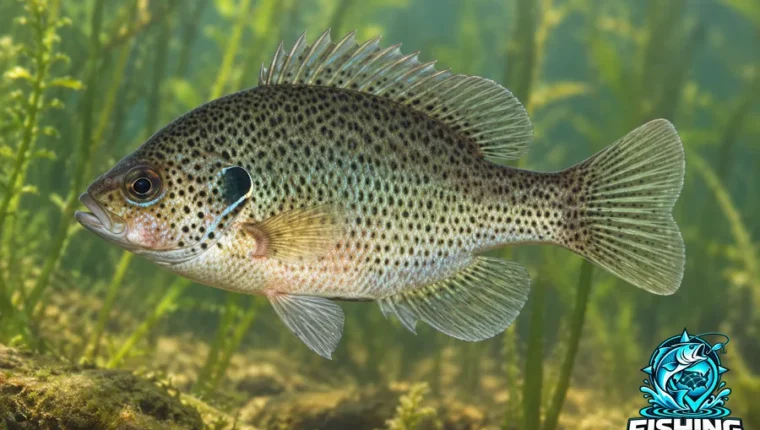
Ranges through coastal drainages from North Carolina’s Cape Fear region toward Florida’s Apalachicola River.

Native to freshwater and brackish habitats in western and central Africa.
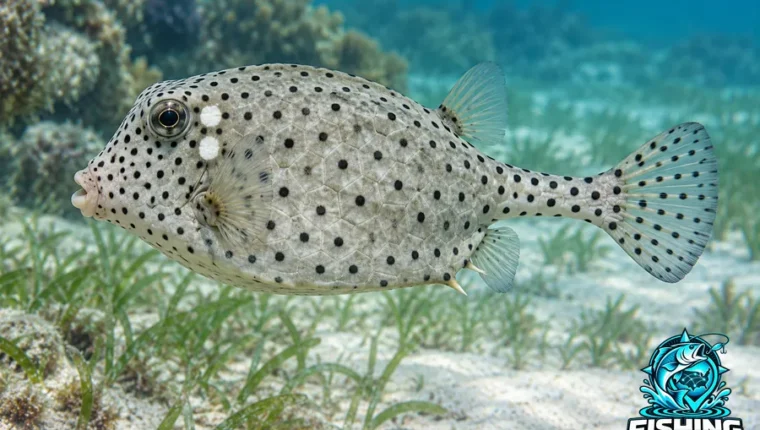
Uses reefs in the Caribbean and southwestern Atlantic.
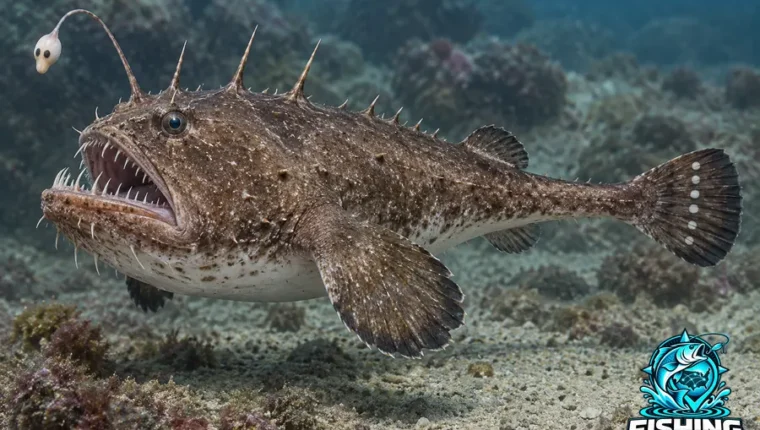
A seafloor anglerfish ranging from southern California toward Peru, including offshore islands and the Gulf of California.

Lives in selected springs, seeps and caves from Kentucky toward south-central Tennessee.
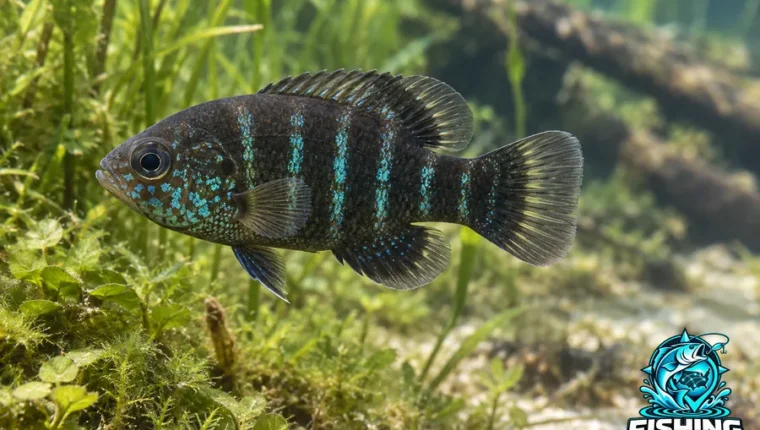
A tiny sunfish associated with springs near the Tennessee River in northern Alabama.
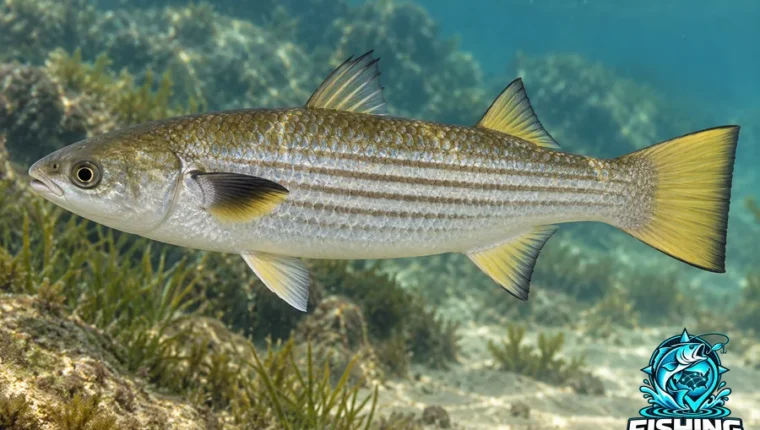
An Indo-Pacific mullet ranging from eastern Africa toward Japan, Australia and remote French Polynesian islands.
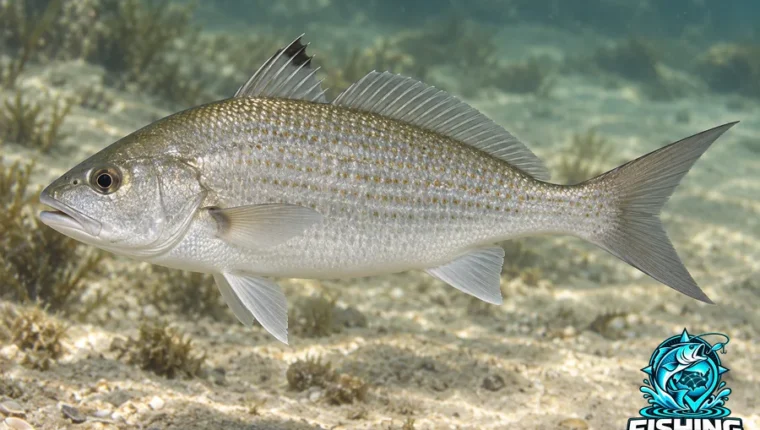
A small coastal drum found from Virginia to northern Florida and in the northern Gulf of Mexico.
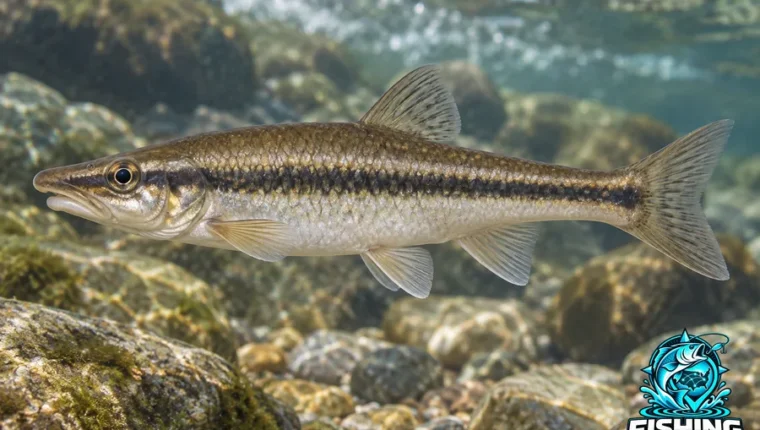
Lives in the Green, Cumberland and Tennessee river drainages across Kentucky and several neighboring southeastern states.
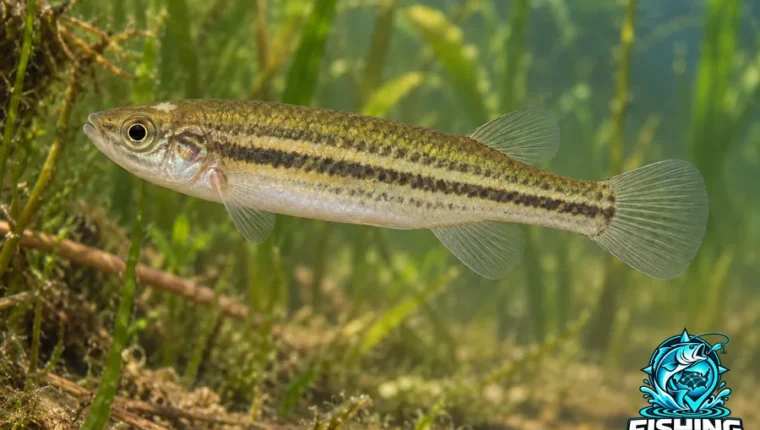
Favors quiet water with abundant submerged plants for shelter.
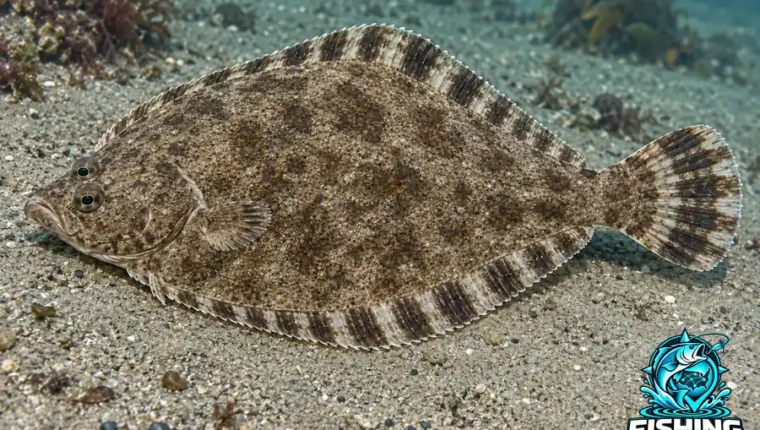
A Pacific flatfish recorded along western North America, from Canadian waters into California.
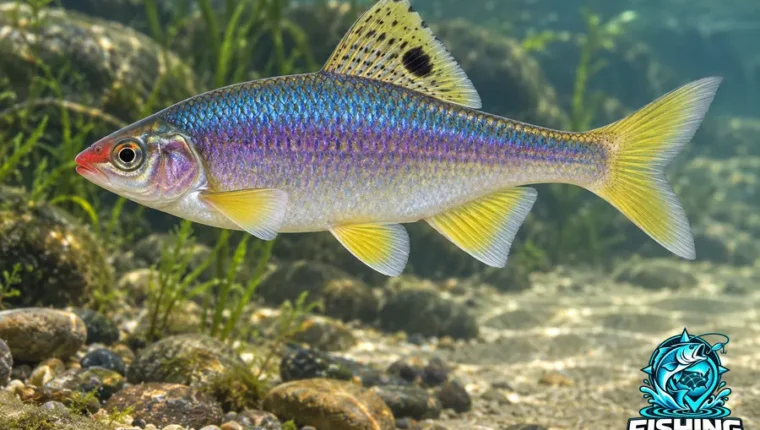
Forms schools in creeks and small rivers over rock or sand.
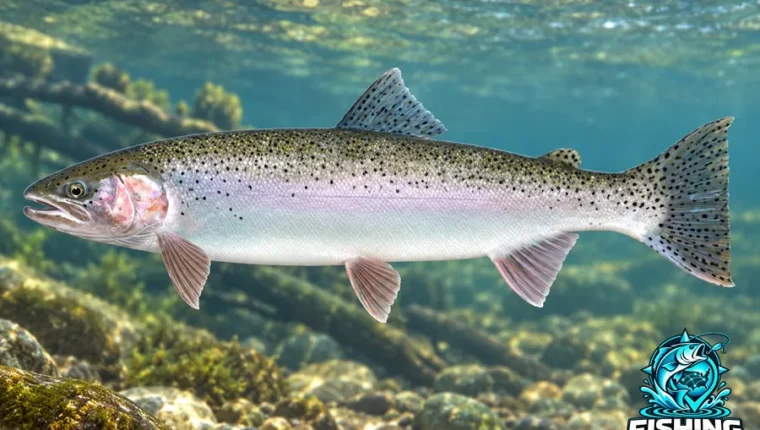
An ocean-migrating form of rainbow trout that returns to freshwater rivers to spawn.
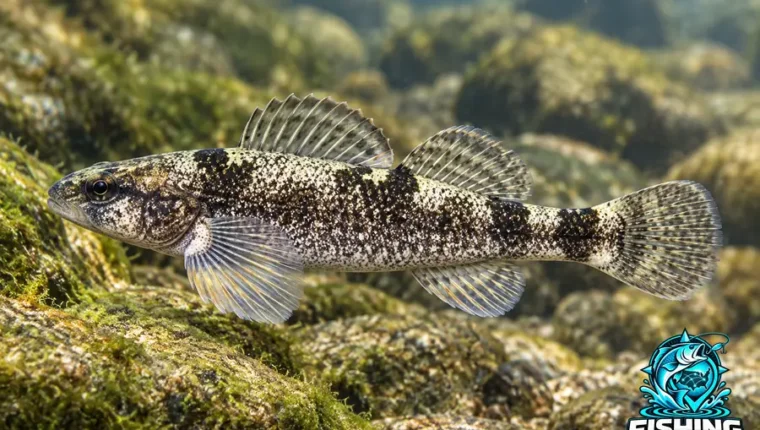
Found in Ozark portions of the Missouri and White river drainages in Missouri and Arkansas.
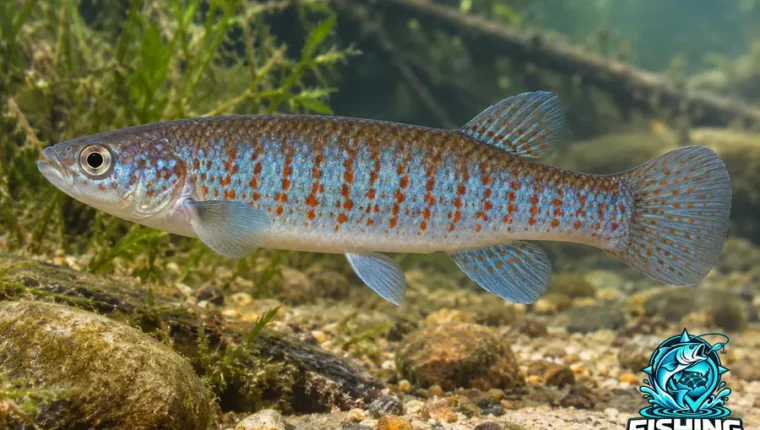
Native to the Tallapoosa River system in Georgia and Alabama, including Alabama’s Sofkahatchee Creek.
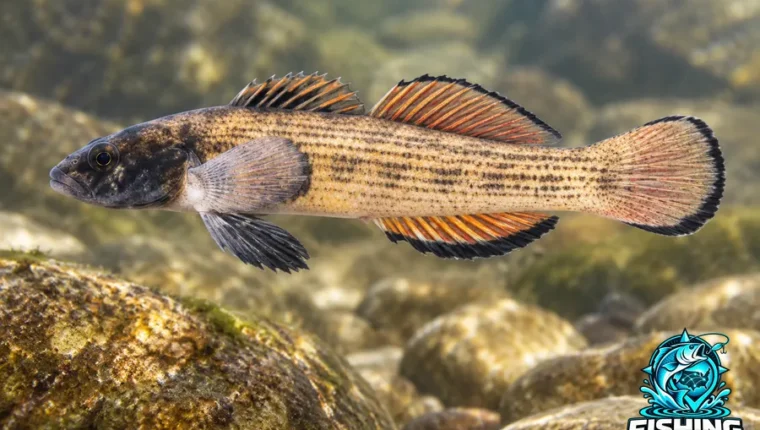
Uses shallow pools and riffle edges over gravel and sand, especially where flat rocks provide shelter.
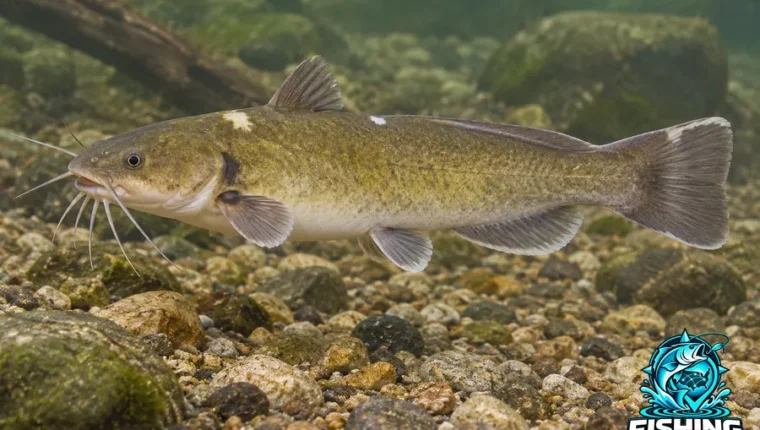
A small catfish that uses rocky and gravelly bars, including shores exposed to wave action.

Ranges from Sri Lanka toward New Guinea, using rivers, streams and brackish estuaries.
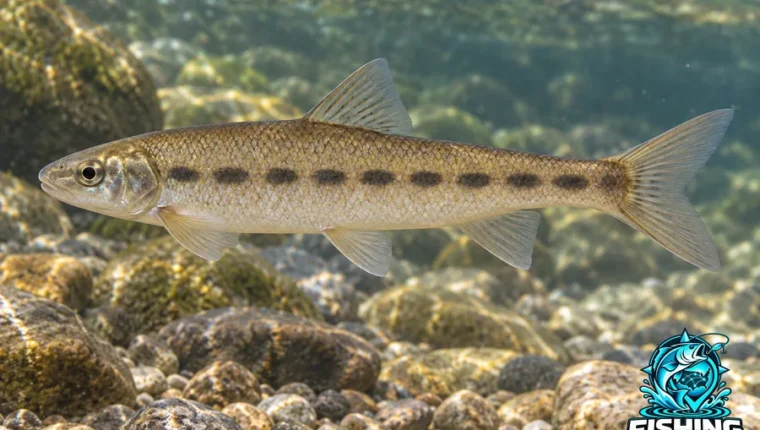
A freshwater chub native to eastern United States river systems.
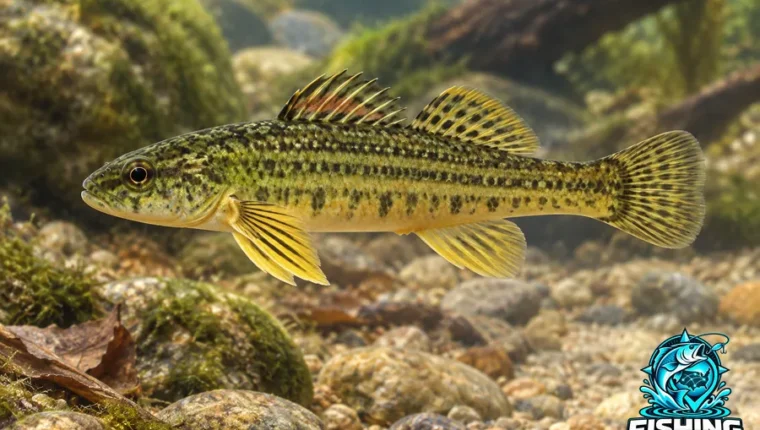
A creek darter associated with rocky pools.

An ambush predator found over sand and around rocky or coral reefs, from shallow water into deeper habitats.
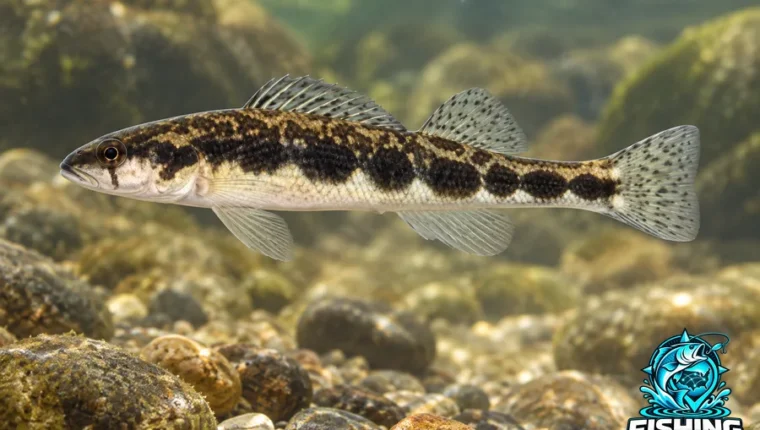
Uses gravel riffles and flowing runs in small and medium-sized rivers.
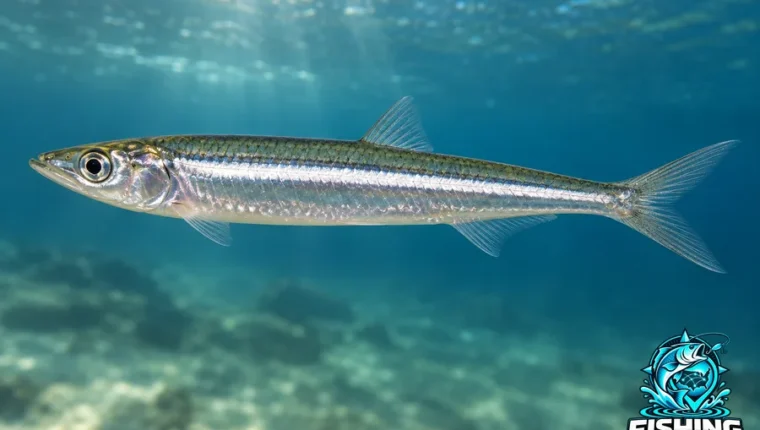
A western Atlantic anchovy recorded along the North American coast.

Native to eastern North American coastal and river systems, with introduced populations in western reservoirs and other inland waters.
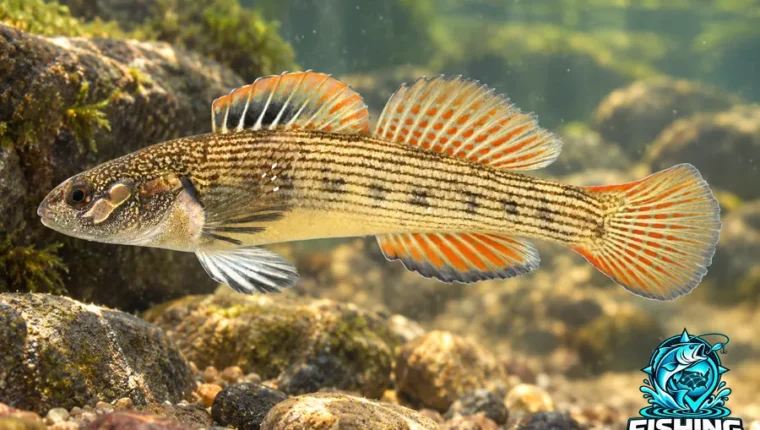
Uses rocky pools in headwater streams, creeks and smaller rivers.
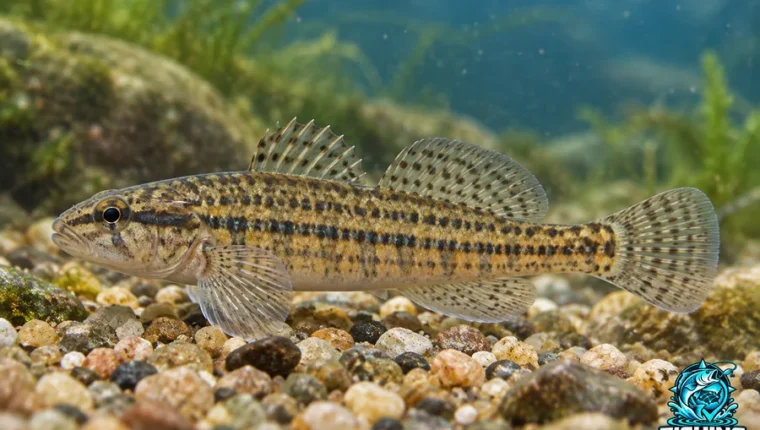
A striped fantail darter form recorded in small Illinois creeks, including waters near Quincy.
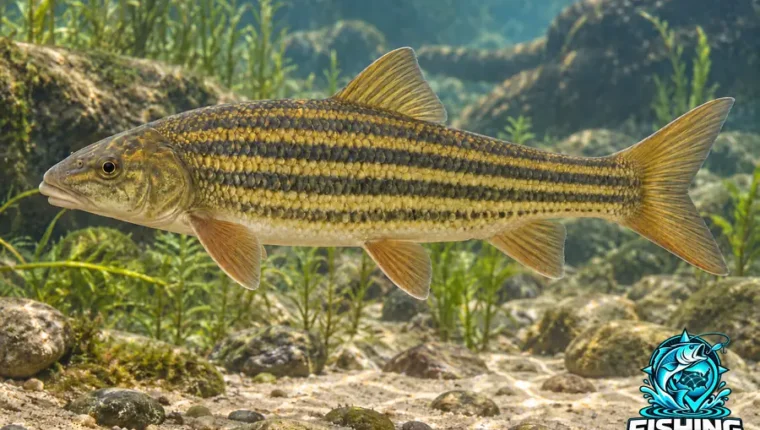
Lives in river riffles and runs with sandy to rocky bottoms.
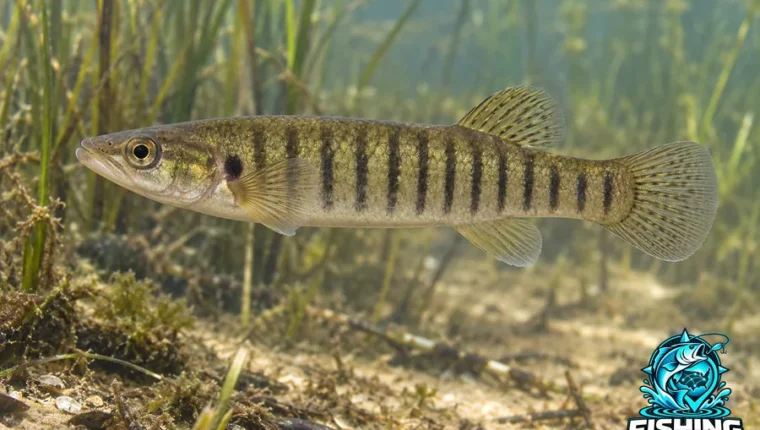
A shallow-water coastal killifish ranging from New Hampshire to Florida and into the northern Gulf of Mexico.
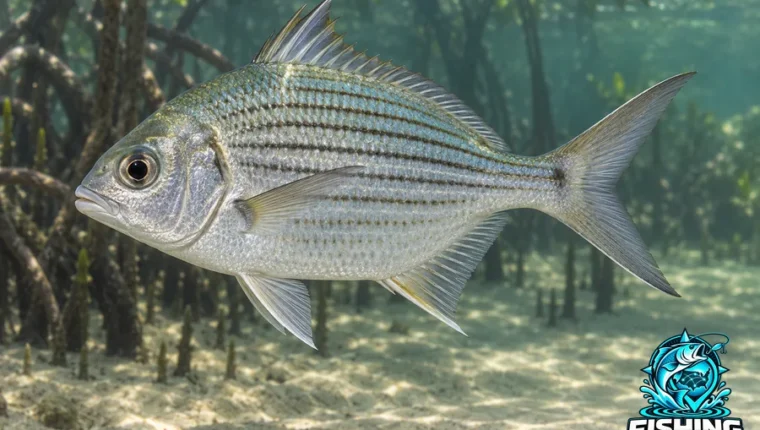
A western Atlantic mojarra with a mainly continental coastal distribution.
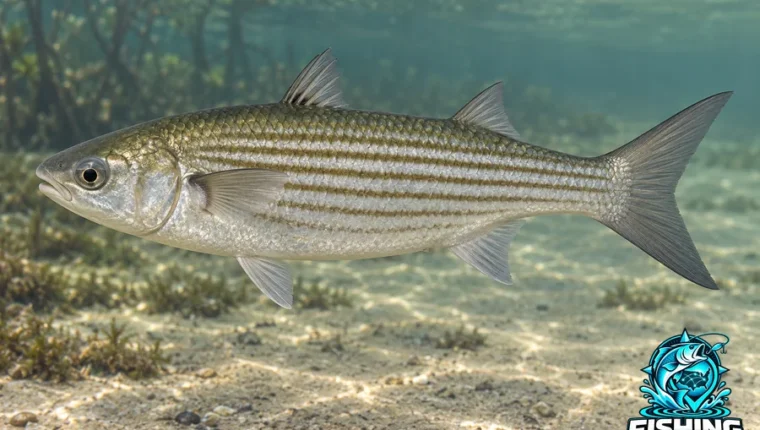
An adaptable coastal mullet that also enters freshwater, where algae form part of its diet.
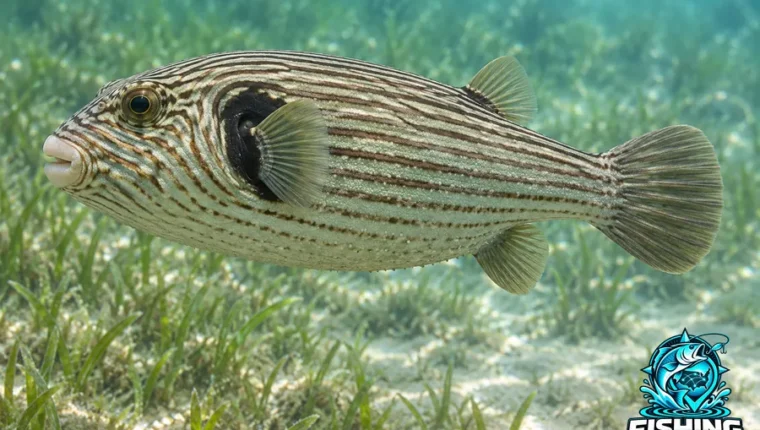
Uses shallow tropical Indo-Pacific estuaries, lagoons and sheltered reef tops.
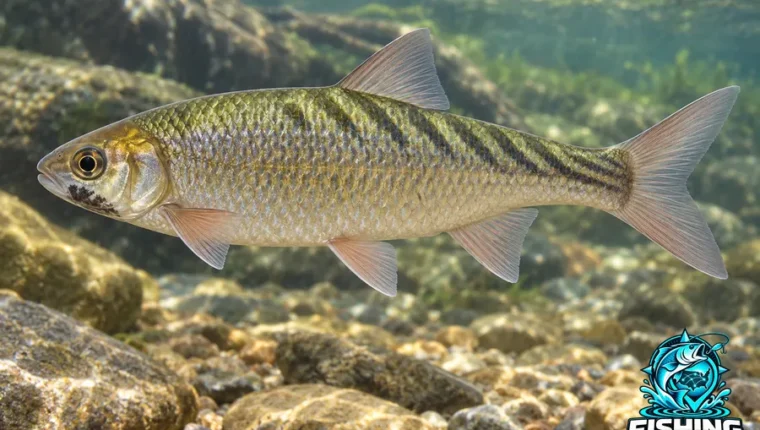
Lives in rocky creek pools and upper or middle stream reaches, tolerating both clear and cloudy water.
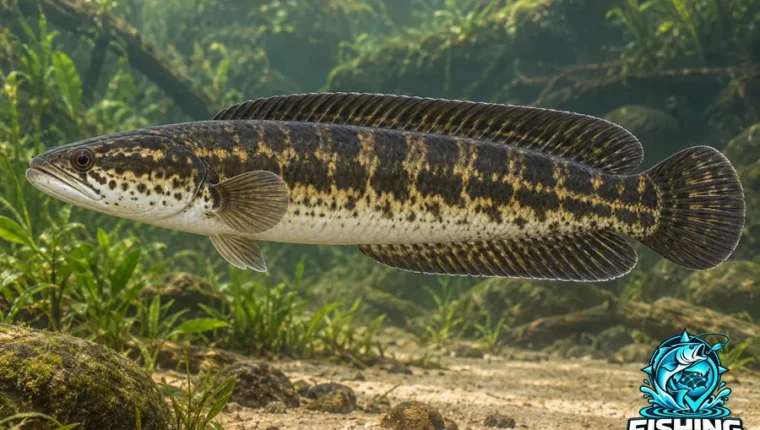
A snakehead native to South and Southeast Asia, with introduced populations on some Pacific islands.
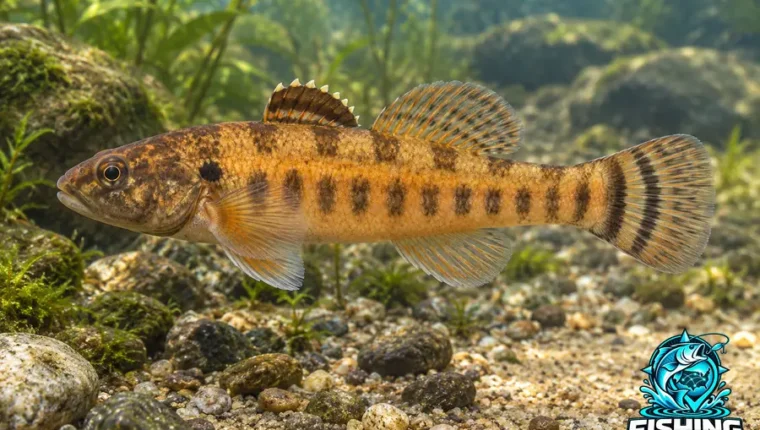
Lives in small rivers and streams across several central and southeastern United States states.
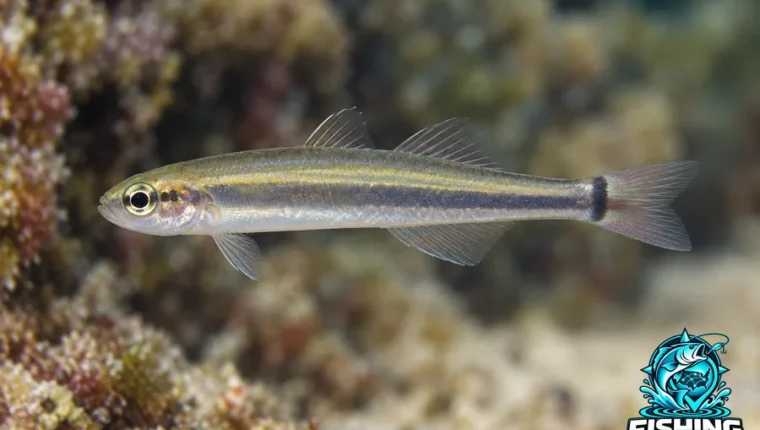
A dartfish ranging from West Papua and New Guinea toward southern Japan, northern Australia and New Caledonia.
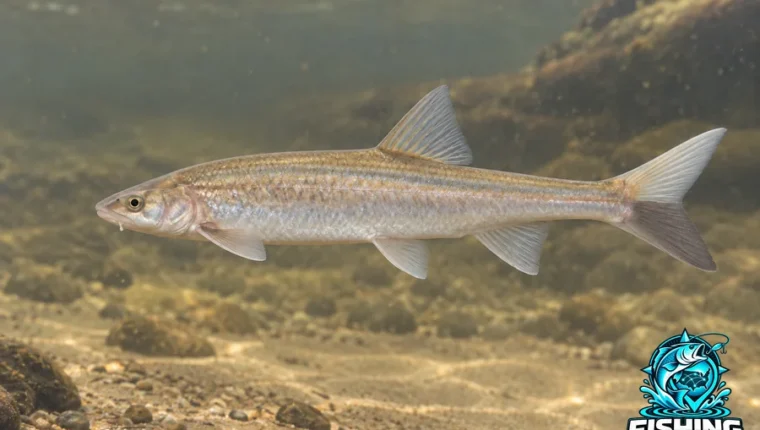
A small river chub native to the United States, associated with central North American waterways.
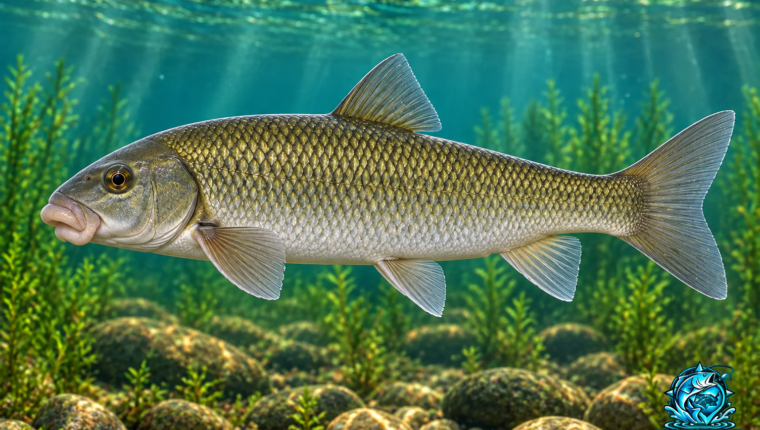
A sucker with its species unconfirmed. Most suckers gather food from the bottom using a downward-facing mouth.
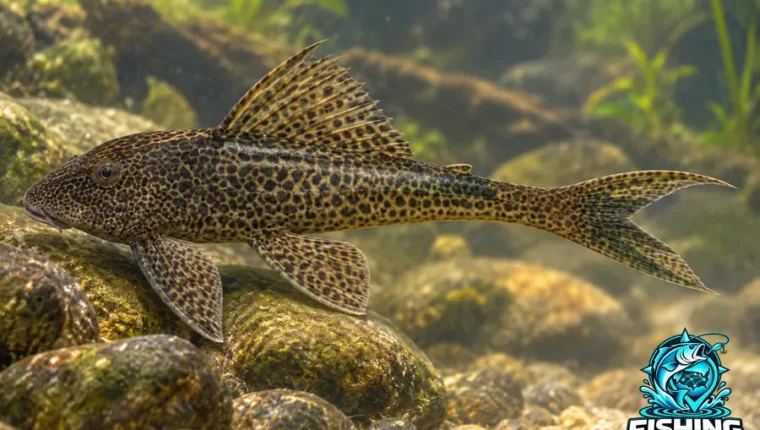
A tropical armored catfish native to northern South America, with introduced populations elsewhere.
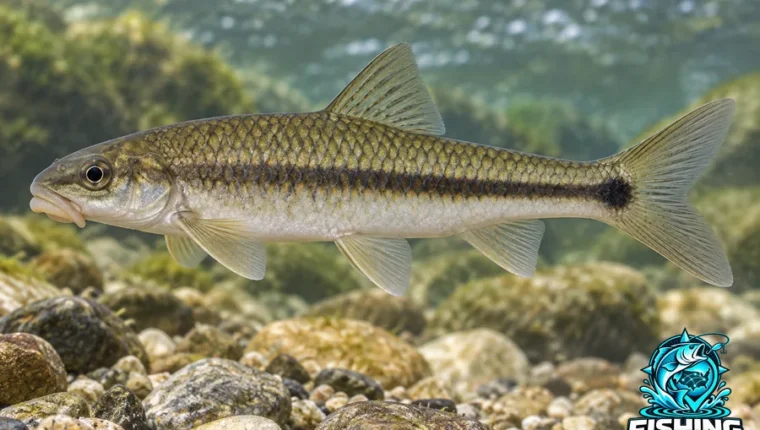
A North American minnow associated with the Mississippi River basin.
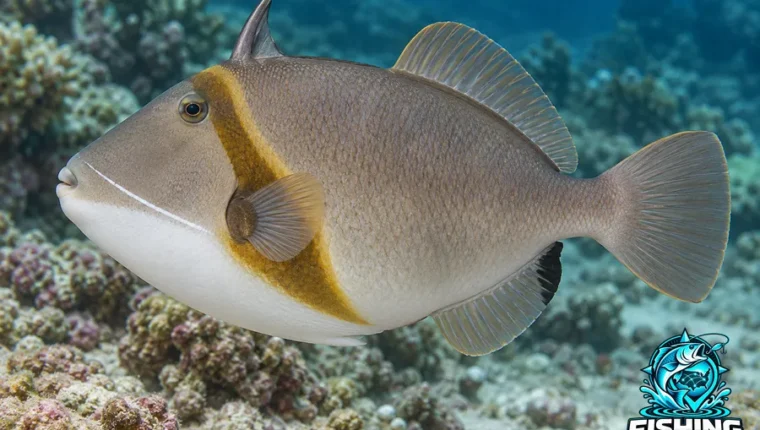
A reef triggerfish of the Indo-Pacific, including waters around Japan, Australia and Hawaii.
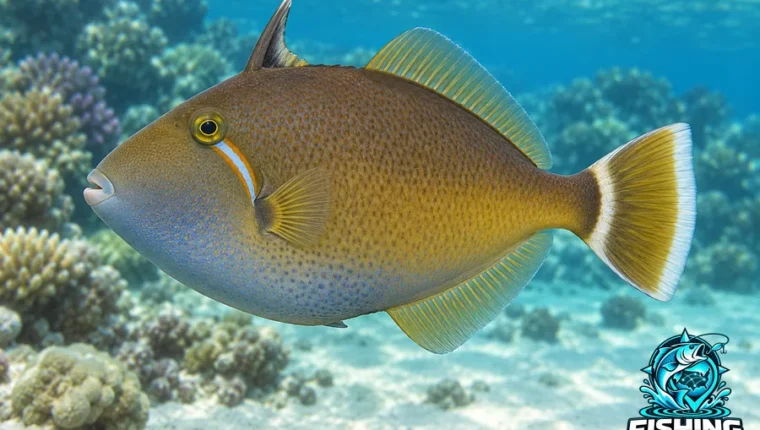
Uses tropical Indo-West Pacific reef habitats, including seaward reefs and nearby shallows.
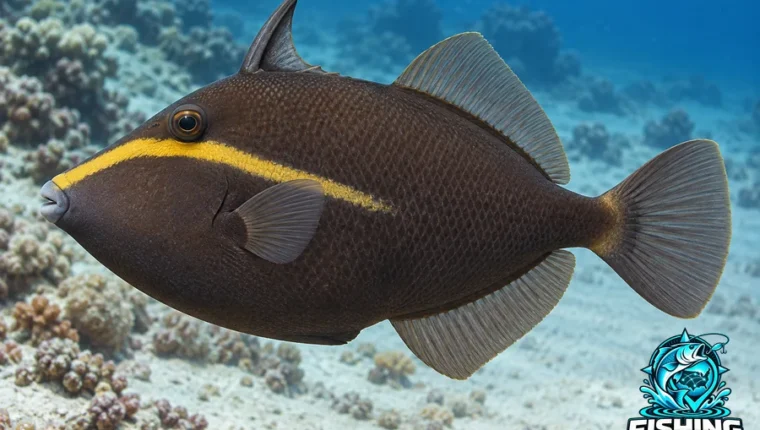
Ranges from Africa’s Indian Ocean coast through Indonesia toward the Hawaiian Islands.
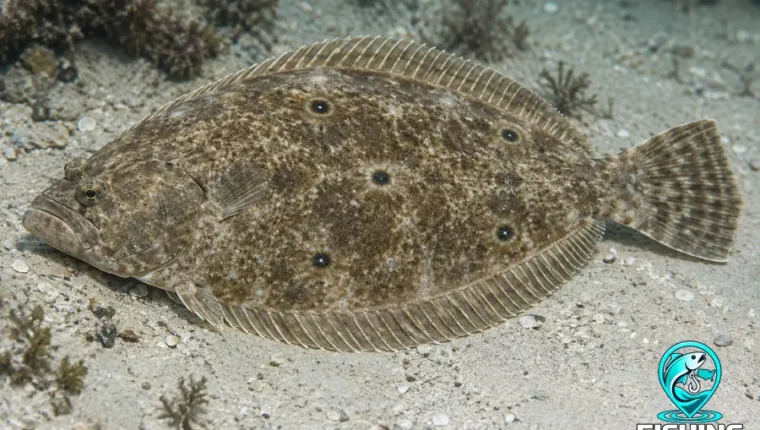
An Atlantic flatfish found off the eastern coasts of the United States and Canada.
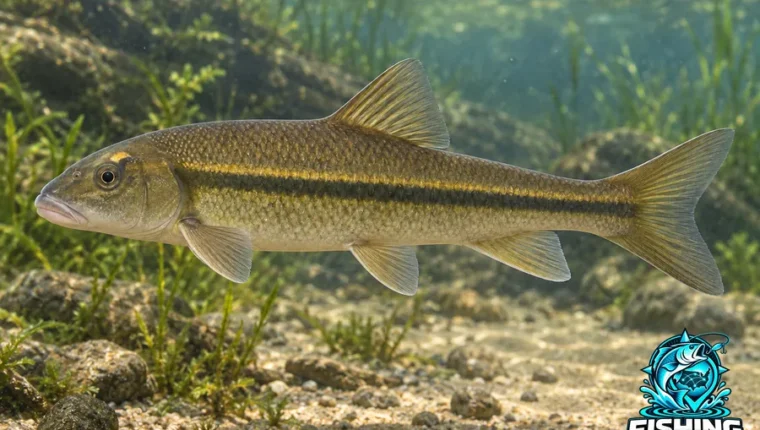
A freshwater sucker associated with New York waterways.
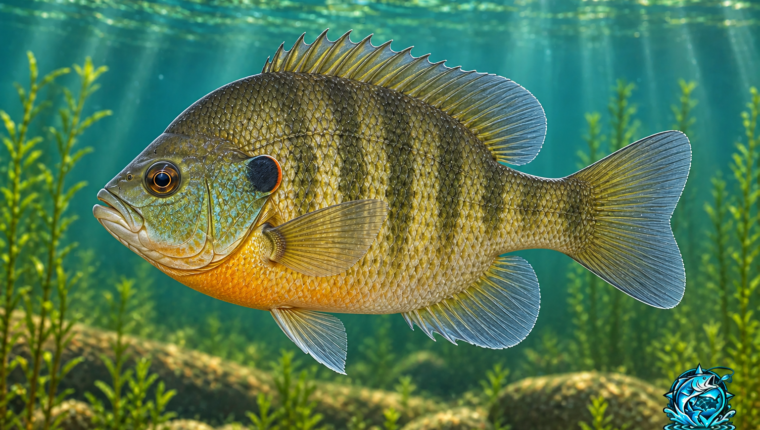
An unidentified freshwater sunfish. This group includes small stream dwellers as well as familiar lake and pond panfish.
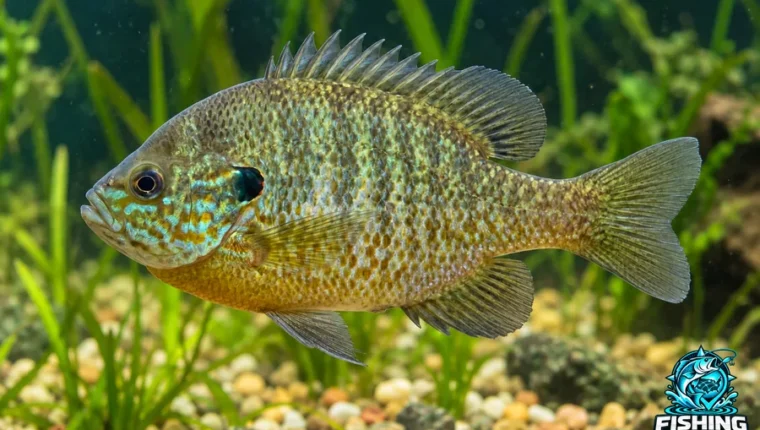
A sunfish cross with unspecified parents. Color, size and growth can vary depending on the species involved.
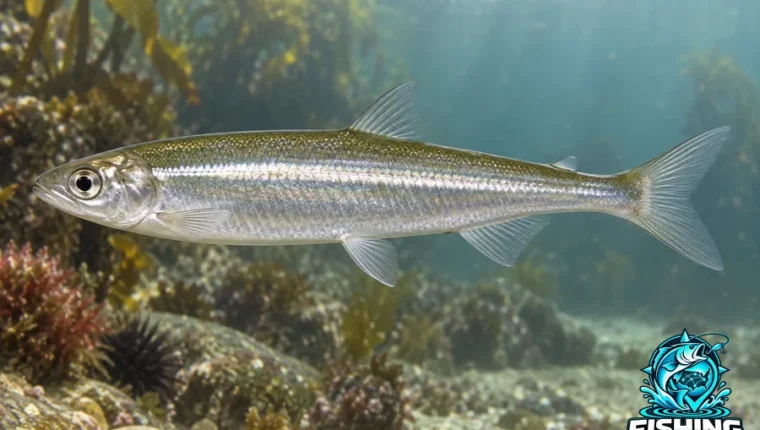
Eats marine worms, young fish and jellyfish in coastal waters.
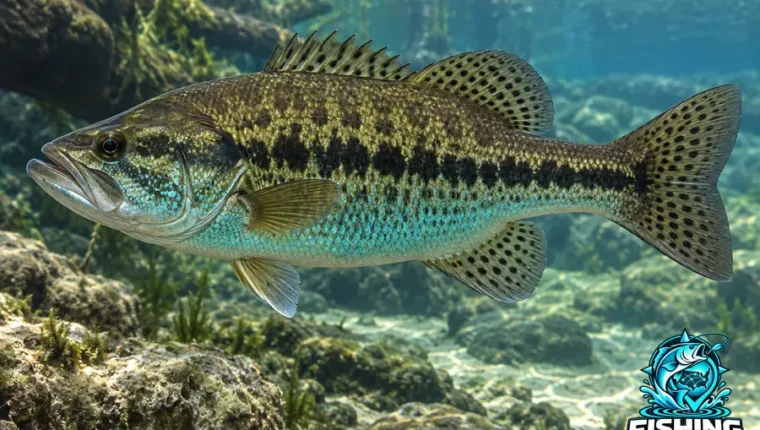
A bass originally native to just two river systems in Florida and Georgia.
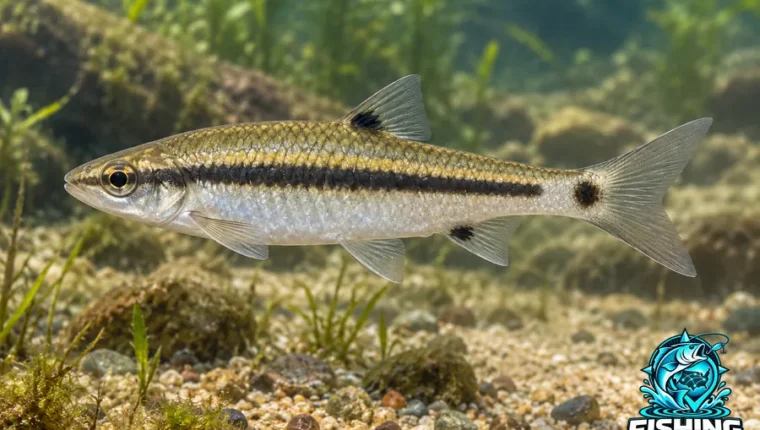
Uses warm creeks and pools within rivers.
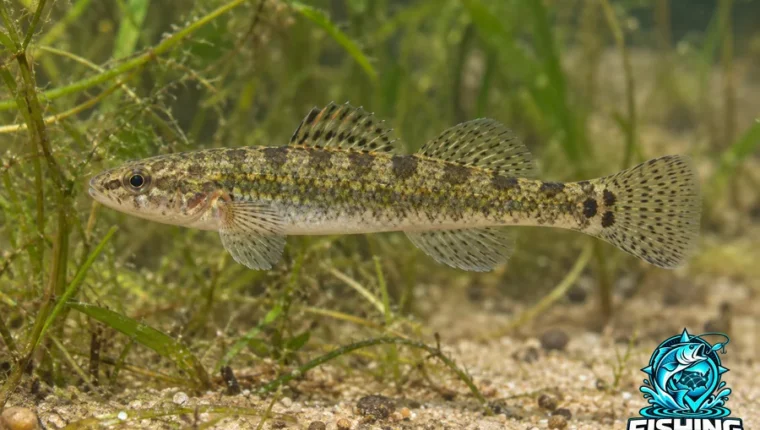
Recorded in Mississippi River tributaries north to Kentucky and southeastern Missouri.
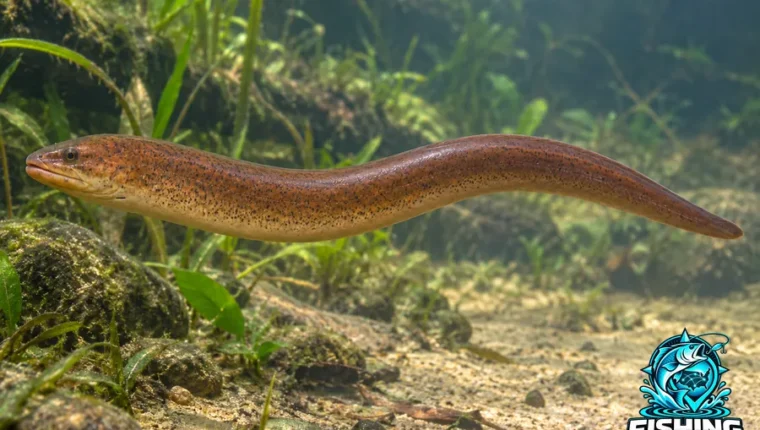
A freshwater eel-like fish native to East and Southeast Asia, where it is also used as food.

Lives in Atlantic coastal-plain drainages from southeastern Virginia to central Georgia.
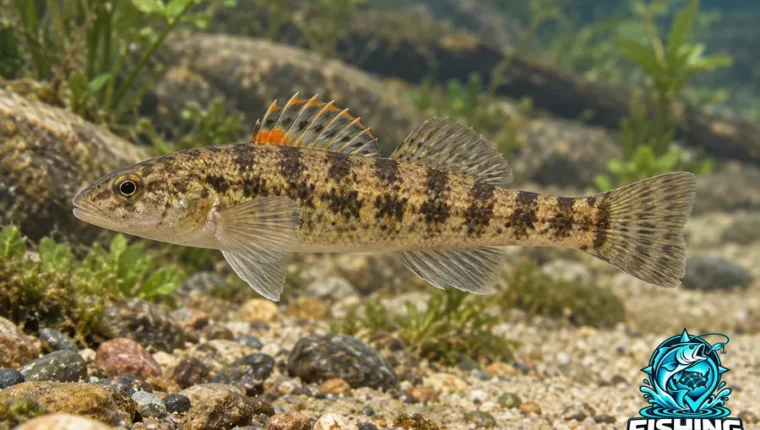
Favors boulder-filled riffles in cool, clear mountain streams.
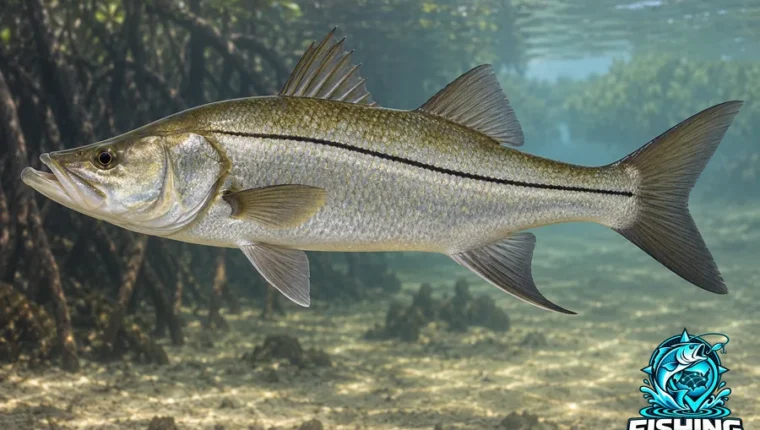
A small snook ranging from Florida through the Gulf of Mexico and Caribbean toward southeastern Brazil.