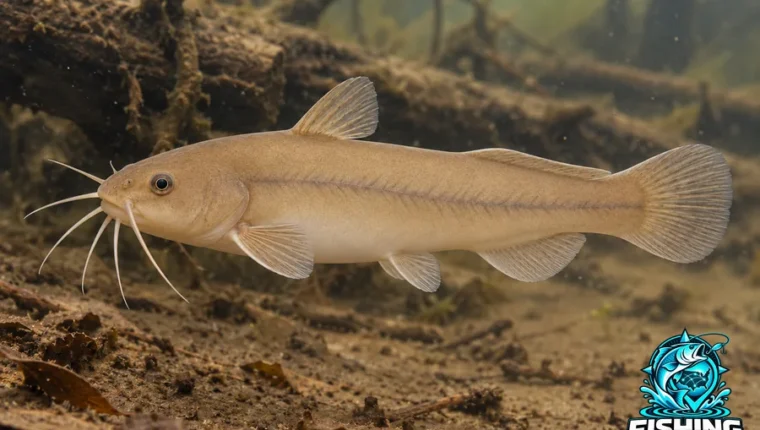
Tadpole Madtom
Uses cloudy water over mud, sand or gravel, with thick vegetation helping it stay hidden.

Browse all 62 fish starting with T. Select a name to explore its species profile.
Choose a letter to see every fish starting with that letter.
Uses cloudy water over mud, sand or gravel, with thick vegetation helping it stay hidden.
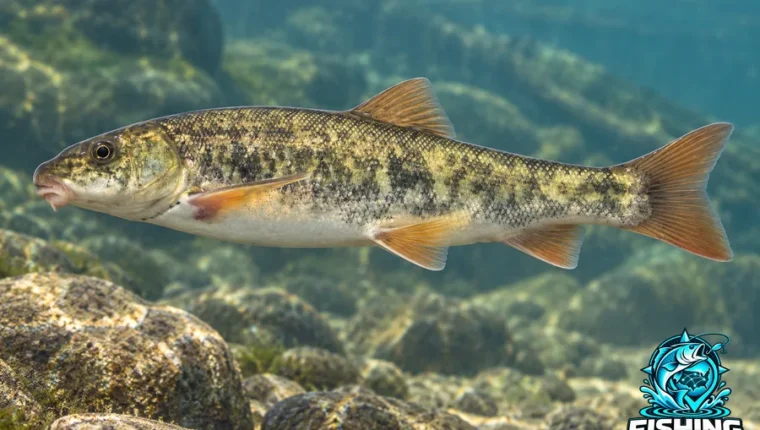
A western sucker associated with freshwater habitats of the Great Basin.

A frogfish ranging from Christmas Island and Indonesia toward Hawaii, the Society Islands and southern Japan.
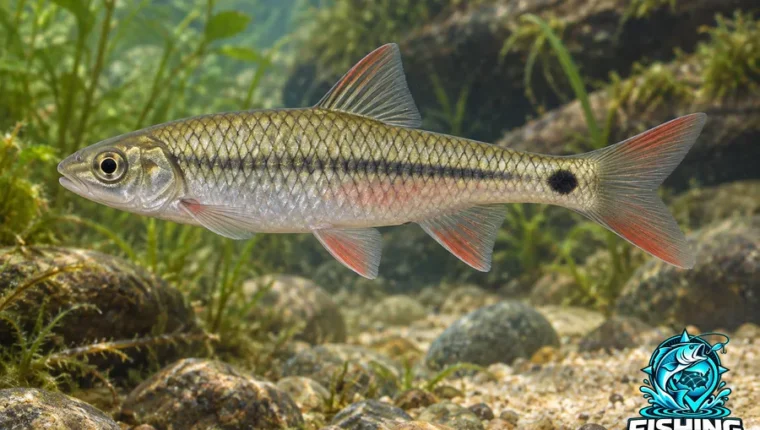
Recorded in the lower Mississippi basin, coastal Texas and North Carolina waters, and throughout Florida.
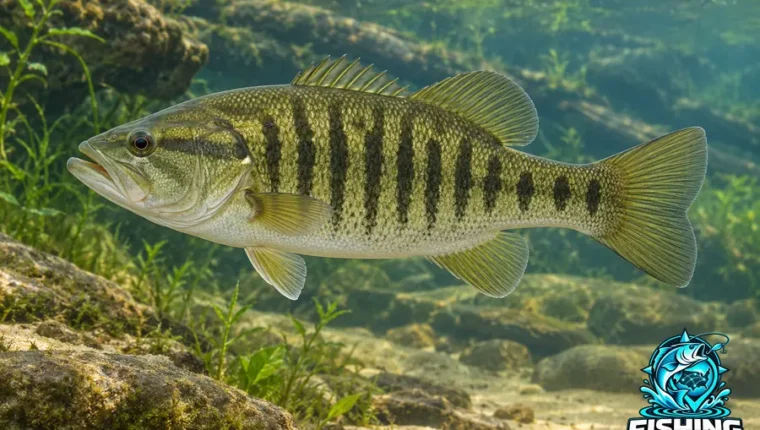
A bass native to the Tallapoosa River drainage in Alabama and northwestern Georgia.
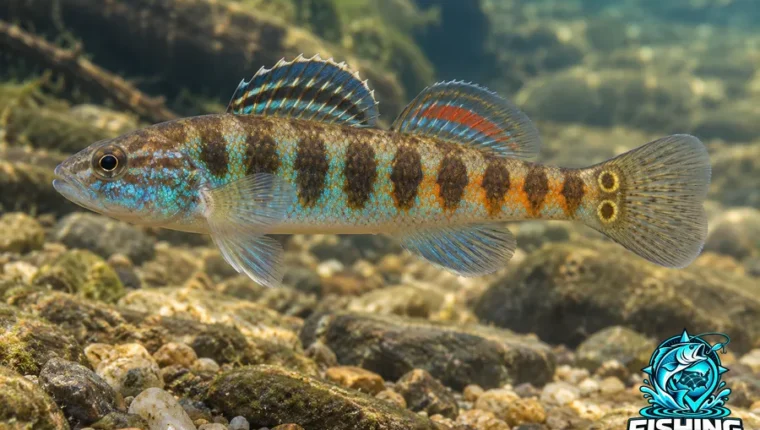
Uses bedrock pools and rocky riffles in creeks and small rivers.
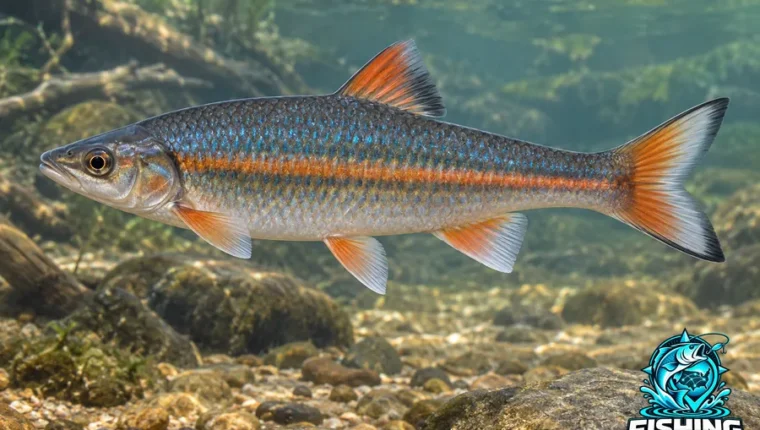
Native to the Tallapoosa River system in Alabama and Georgia.
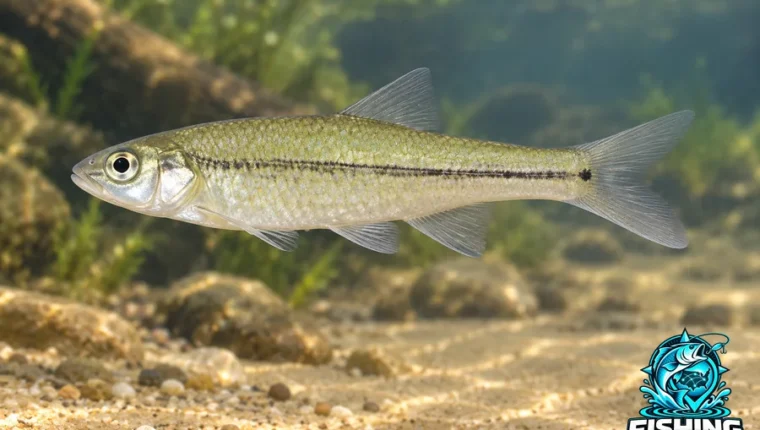
Lives in the Rio Grande drainage of Texas and northern Mexico.

A slender goby recorded between the Mariana Islands and Japan’s Pacific coast.
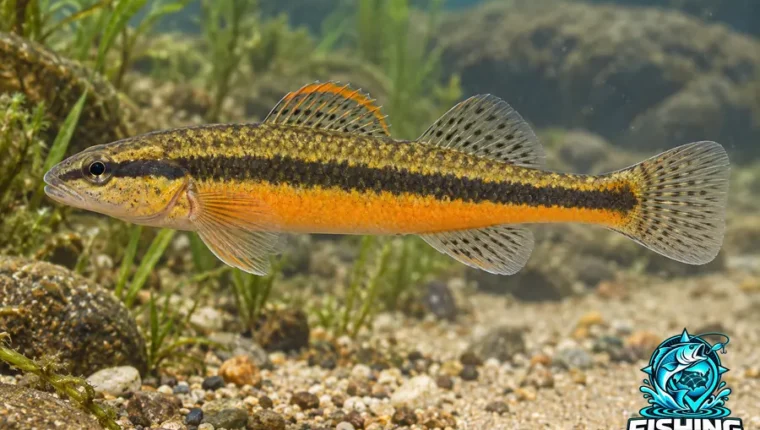
Young fish eat mayflies and midges; adults mainly take mayflies and caddisflies.
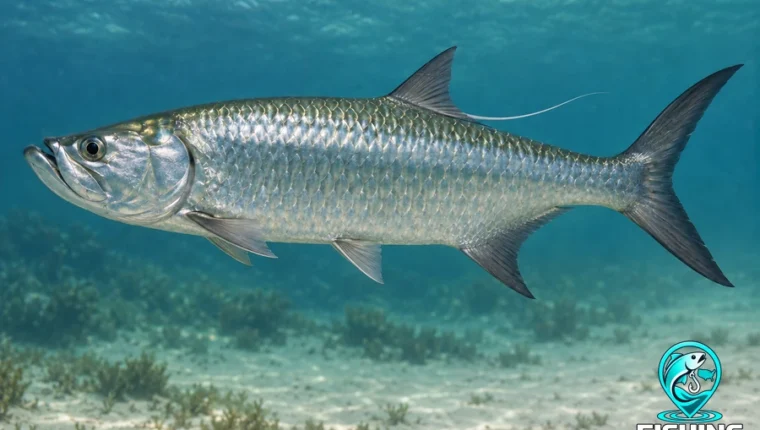
Uses warm coastal waters, estuaries, lagoons and rivers, especially around Florida, the Gulf of Mexico and Caribbean.
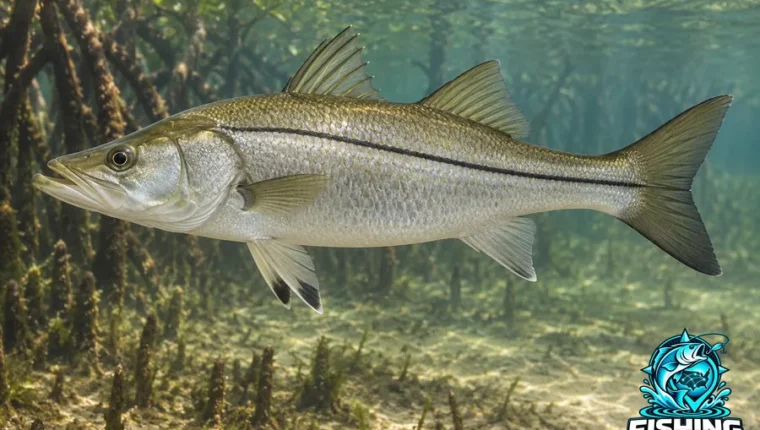
An Atlantic snook ranging from Florida through the Caribbean and Gulf of Mexico toward southern Brazil.
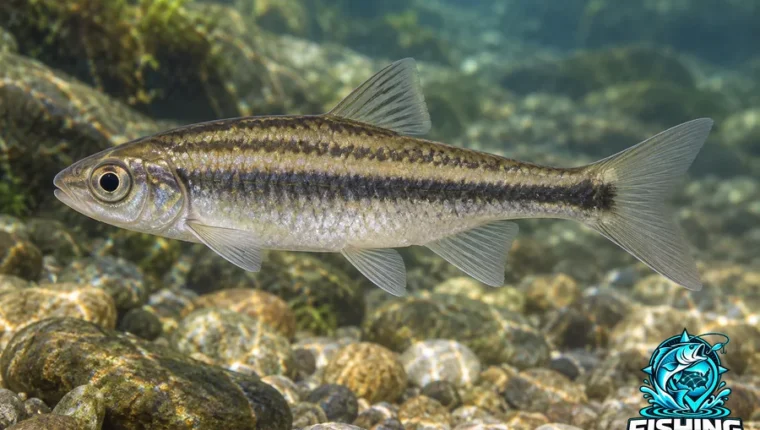
A shiner recorded in the White and Black river systems of Arkansas and Missouri.
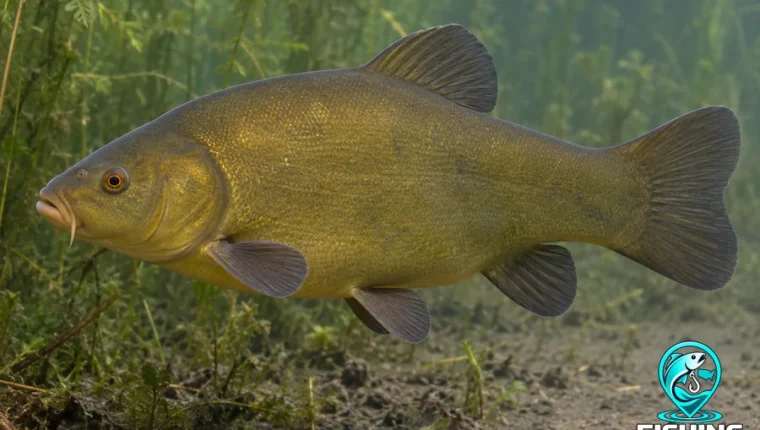
Favors slow freshwater habitats, especially lowland rivers and lakes.
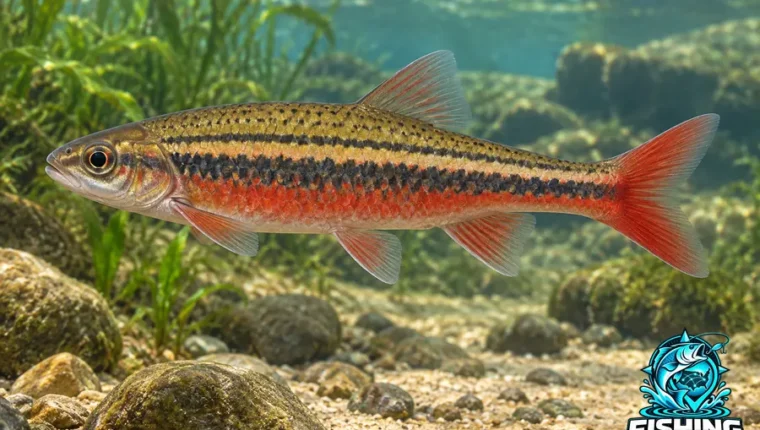
Lives in small spring-fed eastern Tennessee streams, often using silty pools, fine gravel and undercut banks.
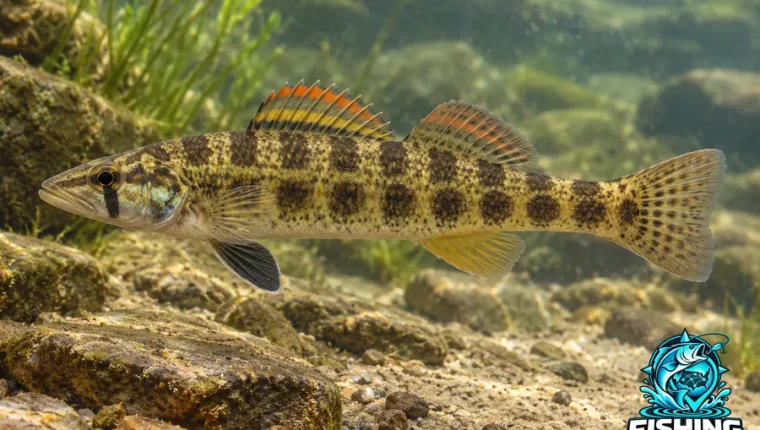
Native to Tennessee’s Duck River system and Whiteoak Creek in the Western Highland Rim.
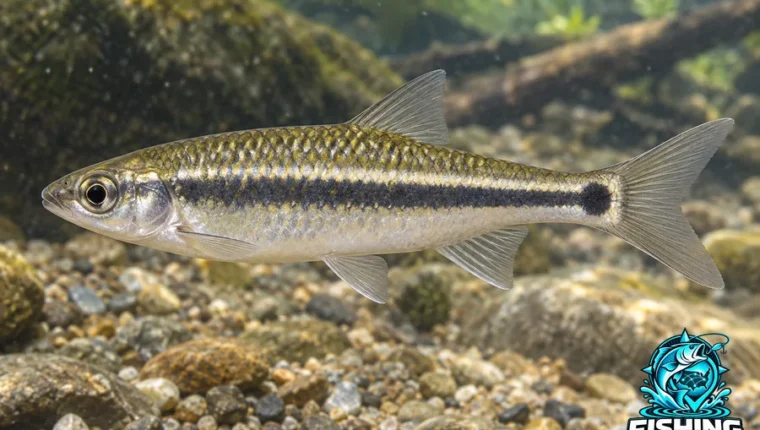
Found throughout much of the Tennessee drainage and in the Cumberland and Green river systems.
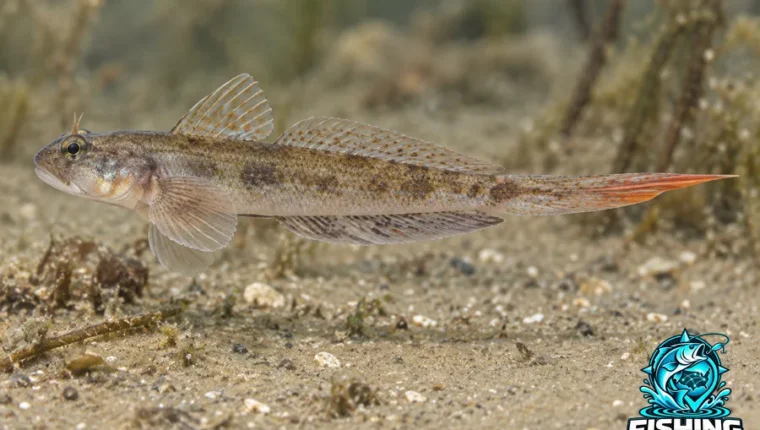
A goby ranging from southeastern Africa and Madagascar toward the tropical western Pacific.
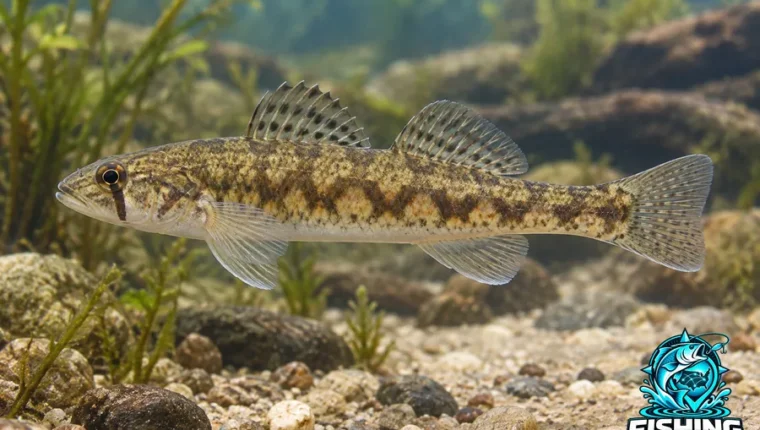
A freshwater darter with native populations in Canada and the United States.
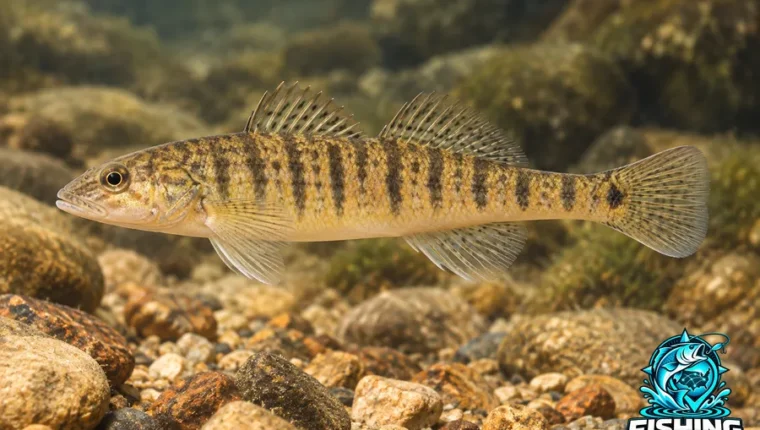
Native to several Texas drainages, including the Brazos, Colorado, Concho, Guadalupe and San Antonio rivers.
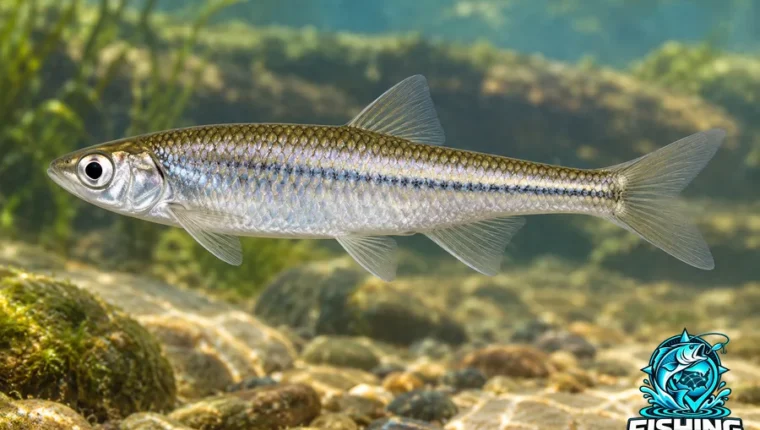
A freshwater shiner recorded from the Colorado River region of Texas toward the Rio Grande drainage.
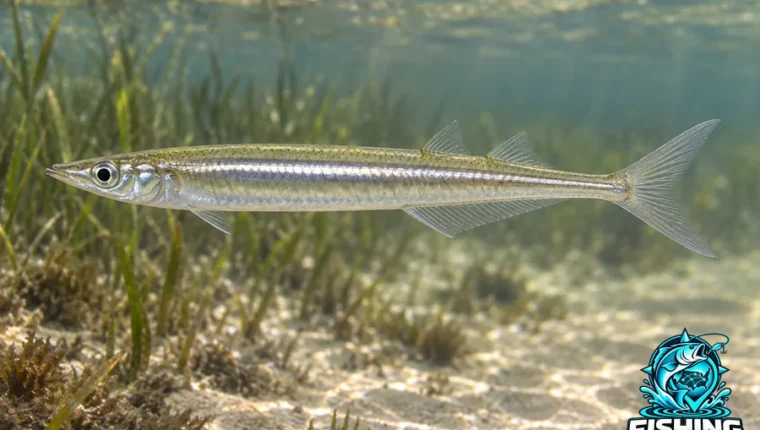
A coastal silverside native to the Gulf of Mexico.
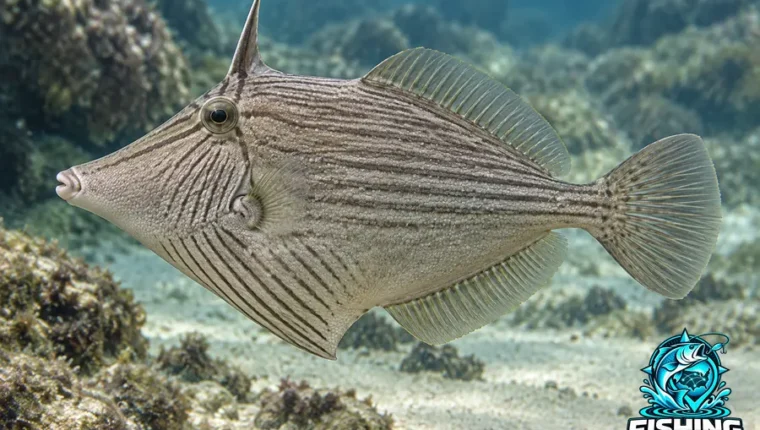
A marine filefish whose natural distribution is associated with Hawaii.
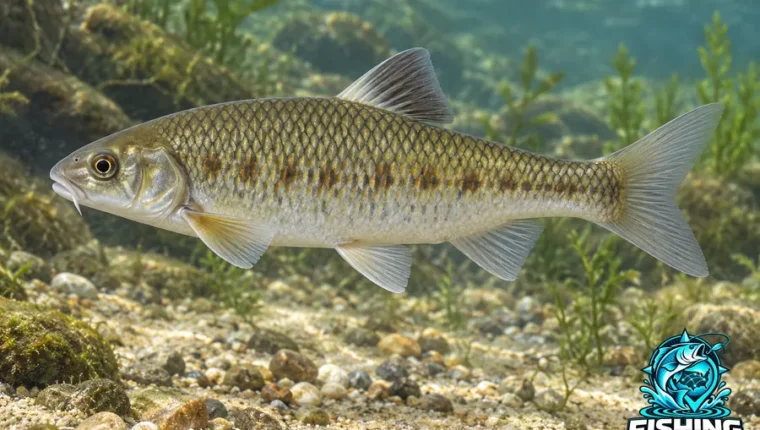
Uses Blue Ridge foothill and Piedmont waters in the Pee Dee and Santee drainages of the Carolinas.
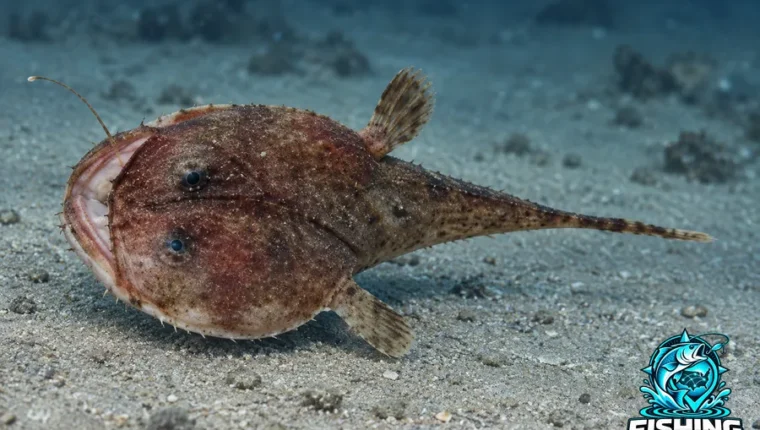
An eastern Pacific anglerfish ranging from central California toward Chile, including the Gulf of California and Galapagos Islands.
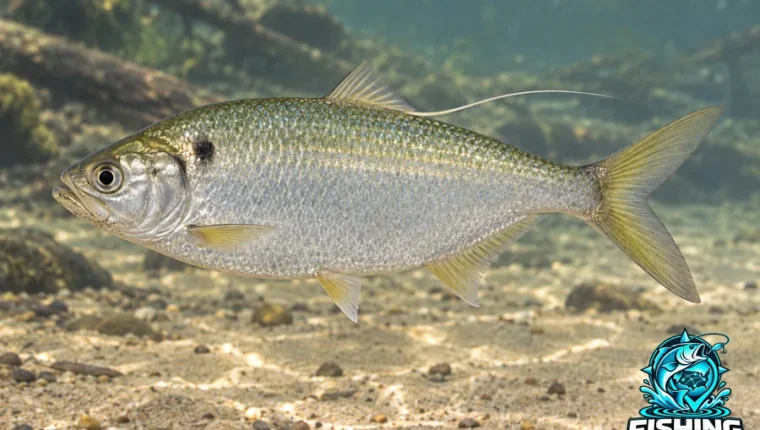
Forms large schools, sometimes mixing with gizzard shad. Often visible near the surface around dawn and dusk.
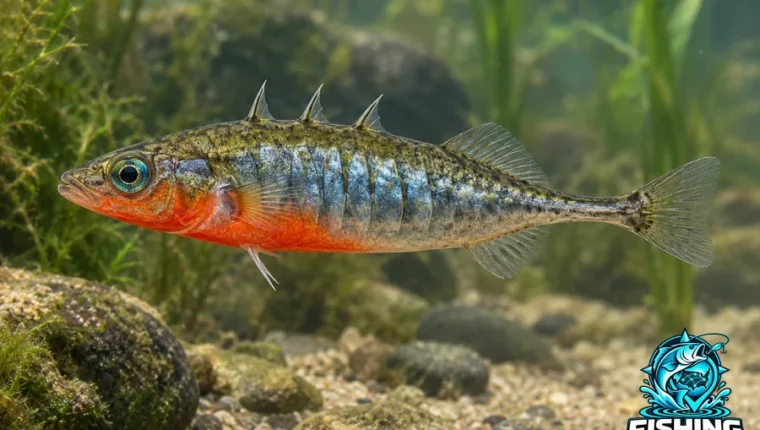
A small fish widely distributed in northern inland and coastal waters.
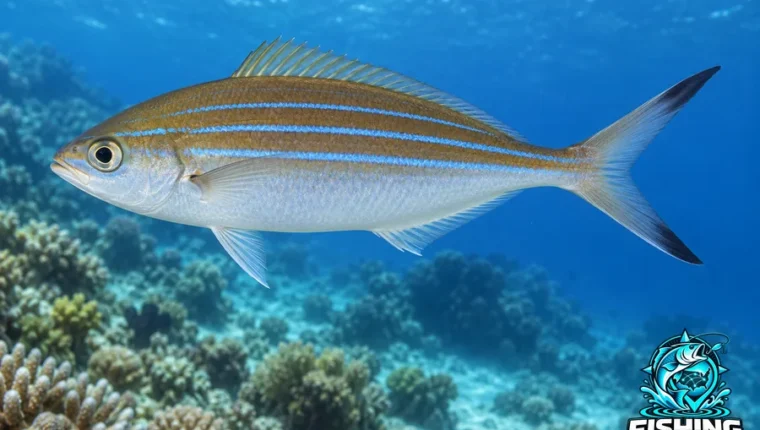
A fusilier recorded from eastern Africa and Indian Ocean islands toward the western Pacific, Fiji and southern Japan.

Native to lagoons, marshes and creek mouths along California’s coast.
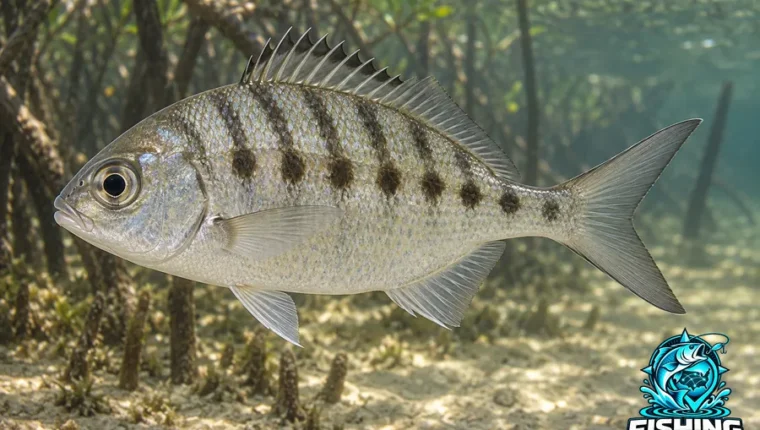
A coastal mojarra ranging from Chesapeake Bay and Bermuda through the Caribbean toward southeastern Brazil.
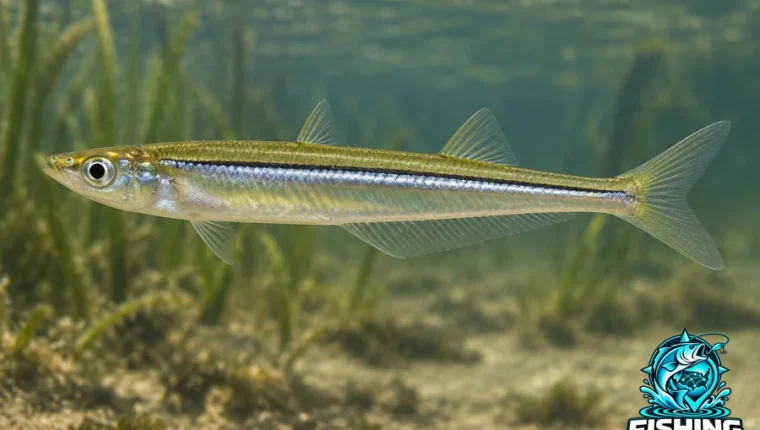
A coastal silverside recorded around Florida and the Gulf of Mexico.
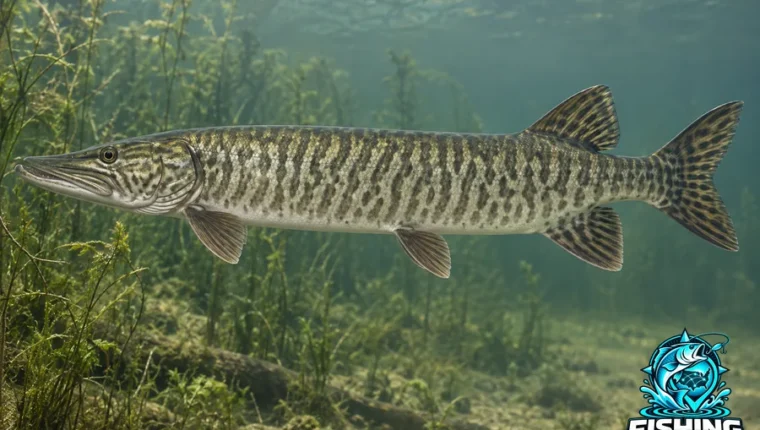
A muskellunge–northern pike cross, combining two large freshwater predators that hunt smaller fish.
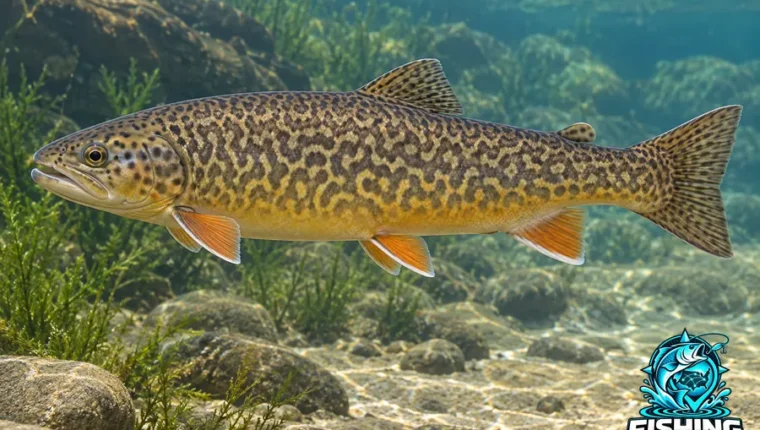
A usually sterile brown trout–brook trout hybrid with striking, maze-like markings across its body.

Uses habitats ranging from marine coasts and lagoons to estuaries and freshwater.

A tilapia with its exact species unconfirmed. Tilapias include plant grazers and more broadly feeding freshwater fish.
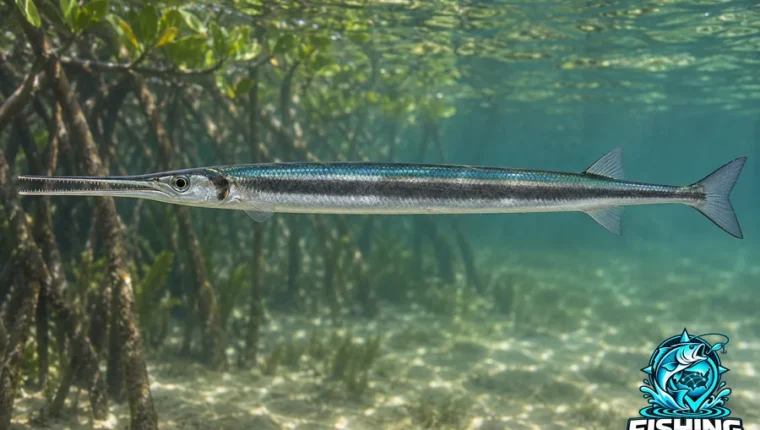
A needlefish ranging from southern Florida and the Bahamas through the Caribbean toward southern Brazil.
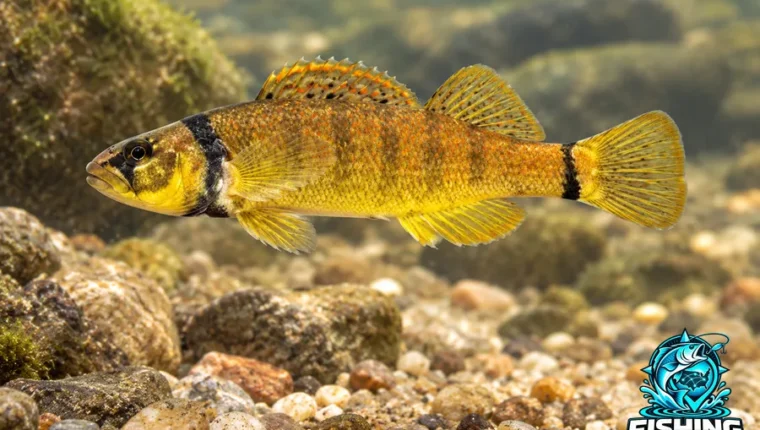
A small river darter recorded in Illinois’s Vermilion River and other parts of its inland range.
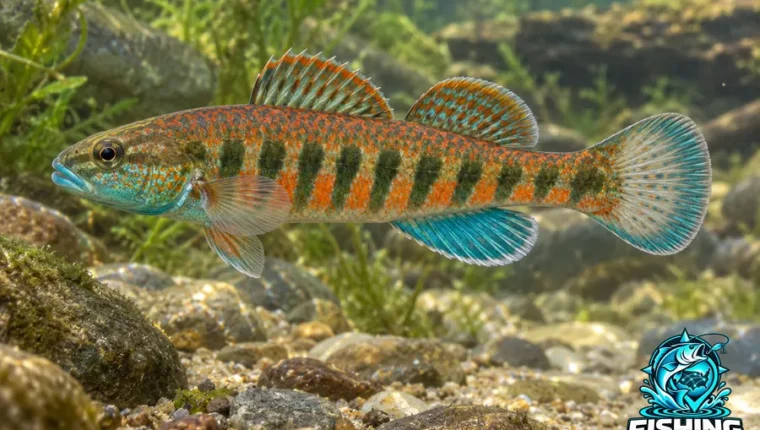
Native to the Tombigbee River system in northeastern Mississippi and Alabama.
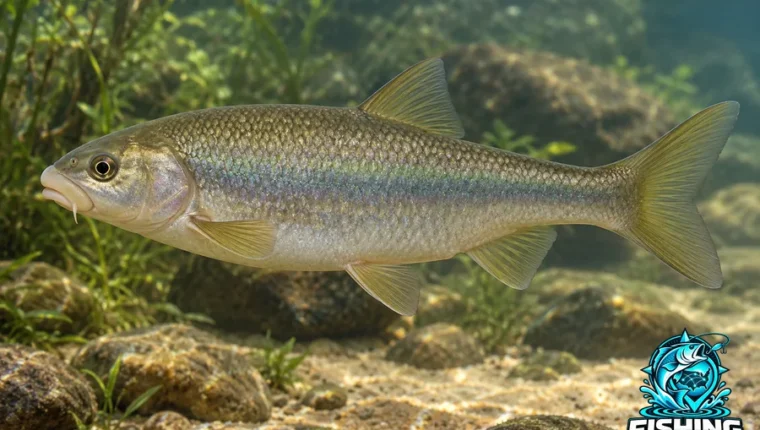
A stream minnow recorded in Ohio’s Great Miami and Little Miami river systems.
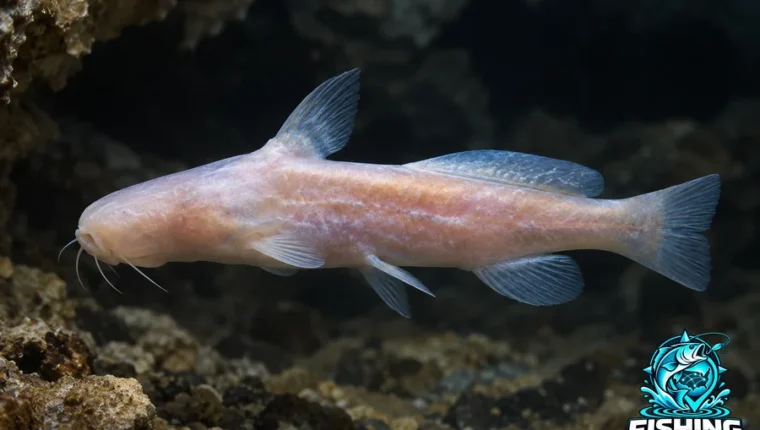
An underground catfish with a natural range restricted to Texas.
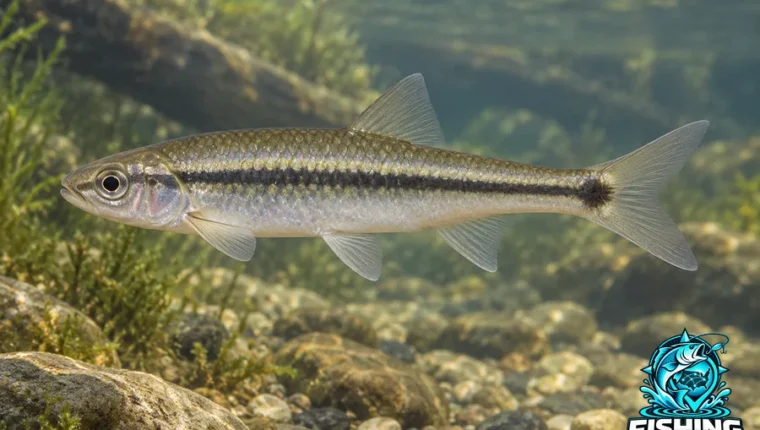
A small prairie-stream minnow associated with freshwater systems of the central United States.
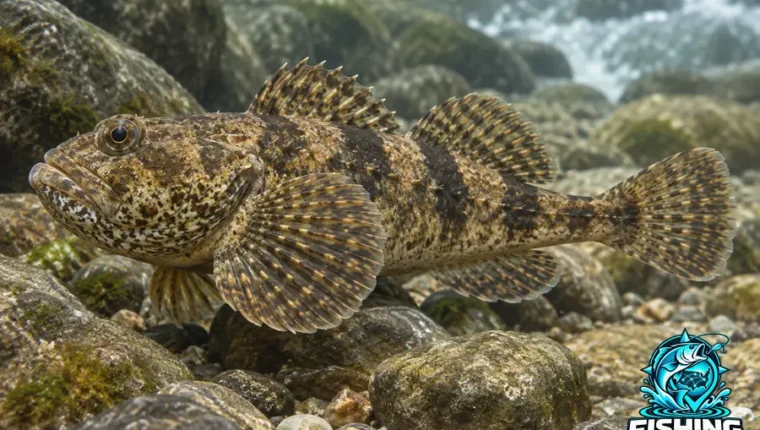
Favors swift rivers with stable gravel or rubble bottoms, and also uses rocky lake shores.
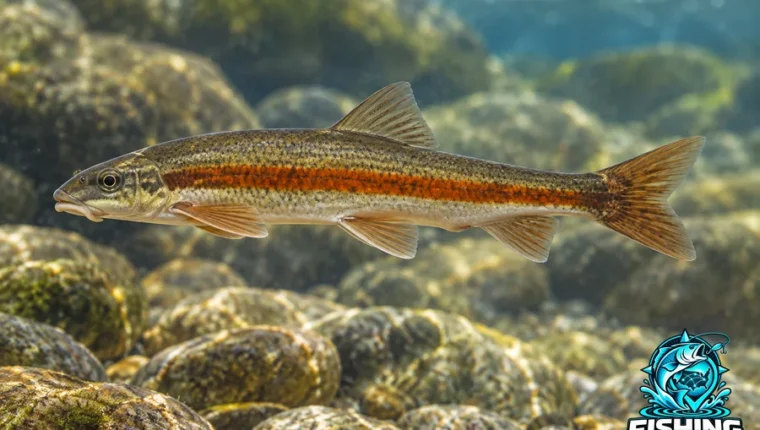
A freshwater sucker native to Virginia and West Virginia.
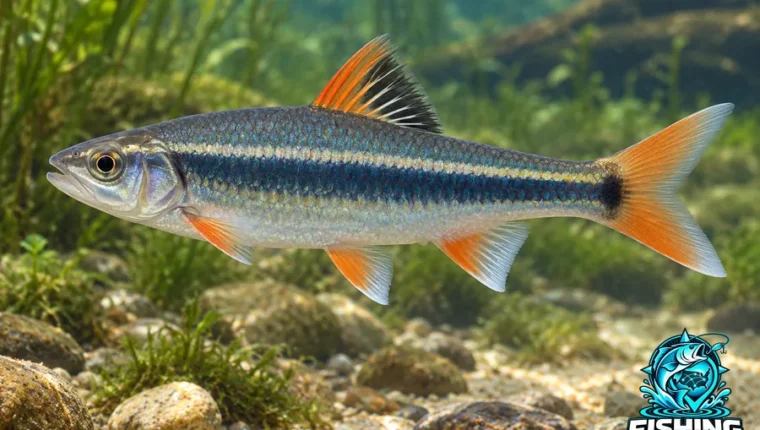
Lives in the Alabama River drainage across Alabama, northwestern Georgia and southeastern Tennessee.
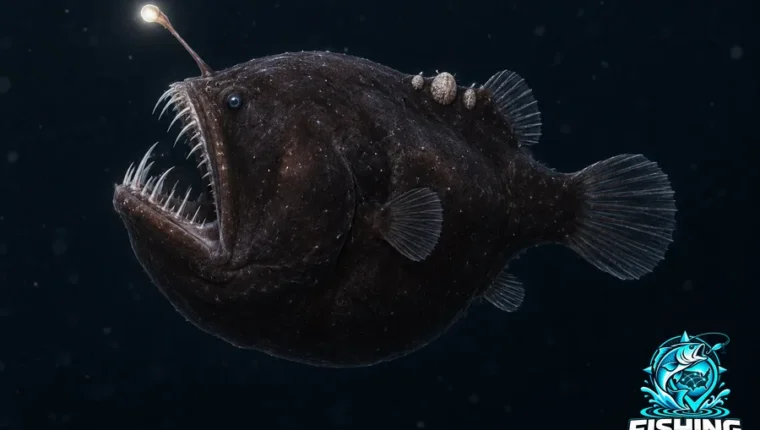
A deep-ocean anglerfish found below the brightly lit surface layers.
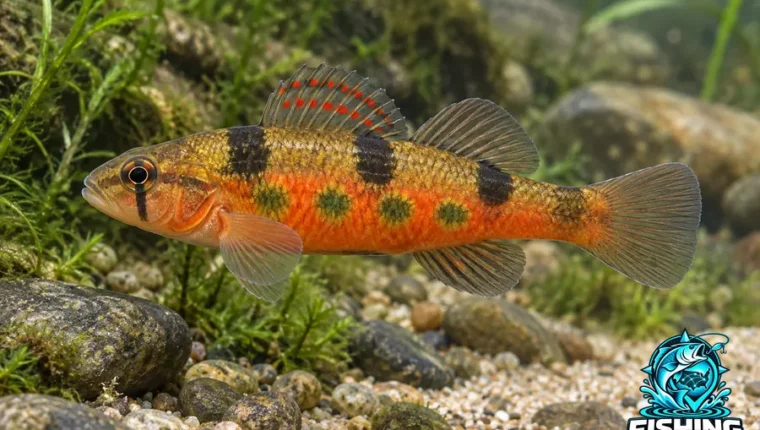
Recorded in the Conasauga River and its tributaries, with historical populations elsewhere in the Alabama River system.
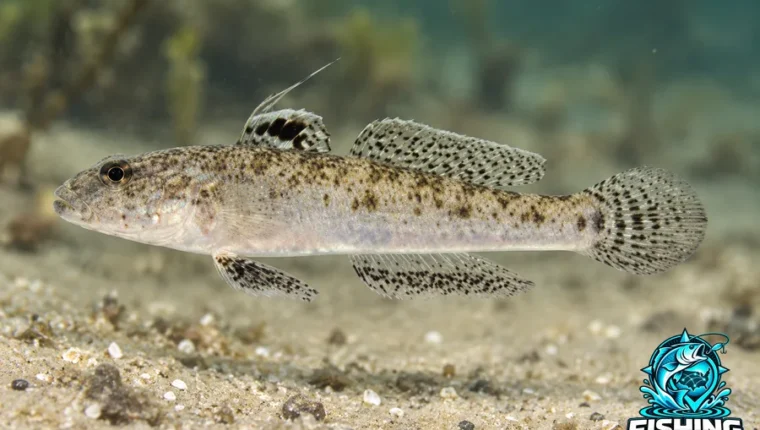
An Indo-Pacific sand goby that uses freshwater, brackish and marine habitats.

Lives near the surface both offshore and close to tropical coastlines.
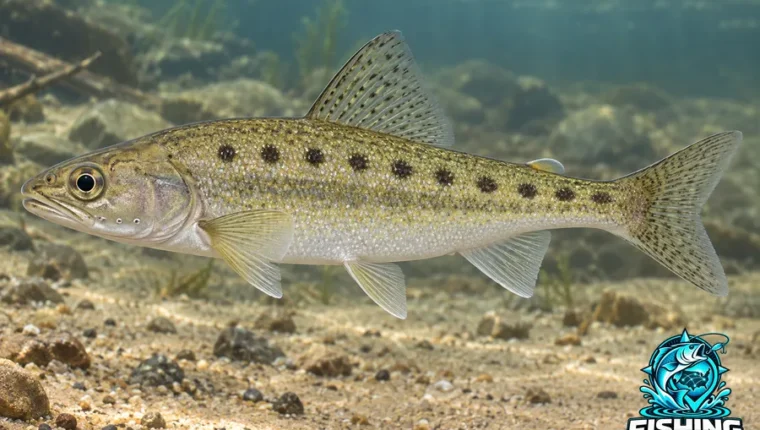
Uses lakes and rivers with clear to somewhat cloudy water across North America.
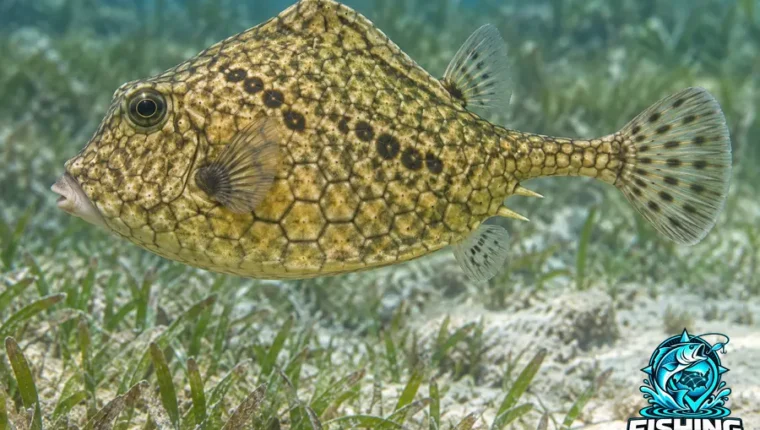
Associated with coral rubble, seagrass beds and offshore reef habitats.

Native to brackish parts of the Black Sea and Sea of Azov along eastern European and nearby coasts.

A tropical frogfish recorded in the Indian and Pacific oceans.
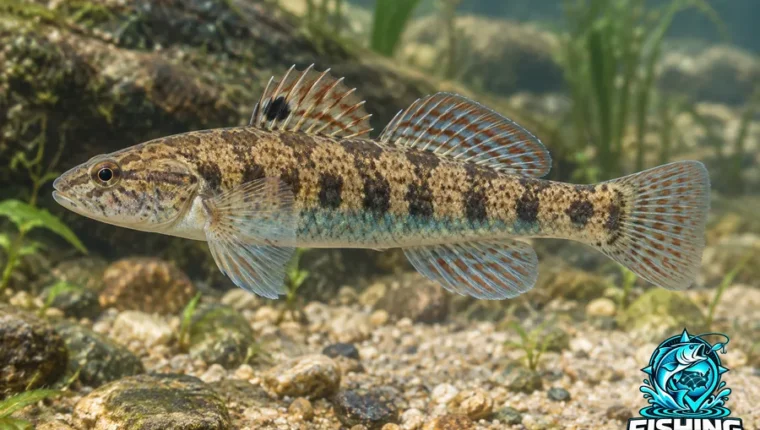
Uses fast, rocky riffles in creeks and small rivers.
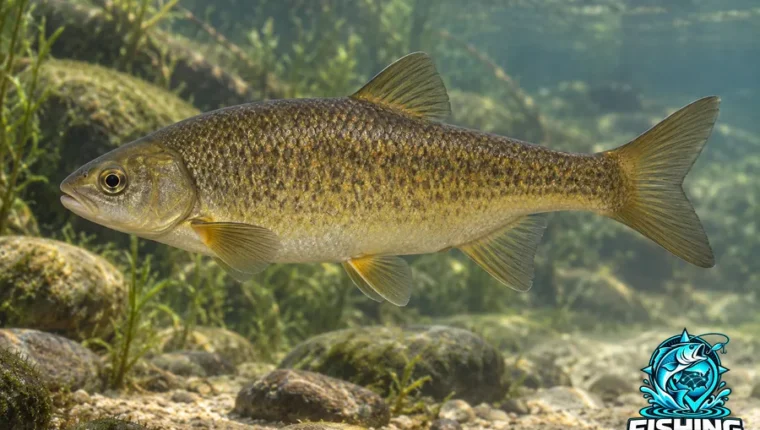
Occupies many freshwater habitats, from fast little streams and springs to meandering rivers, ponds and lakes.
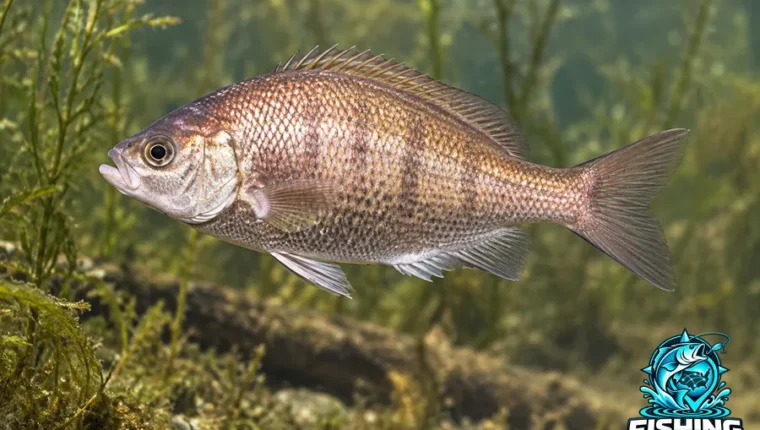
Lives in streams, rivers, lakes and estuaries of northern and central California.
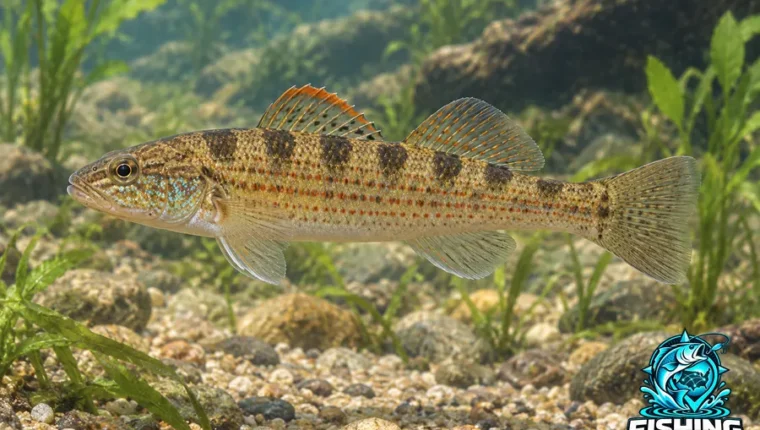
A stream darter that uses rocky riffles in smaller flowing waterways.
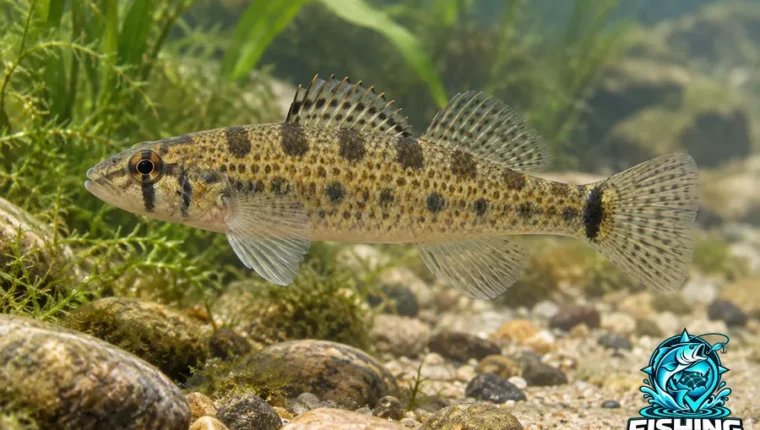
Native to well-vegetated springs along the Tennessee River in Alabama.
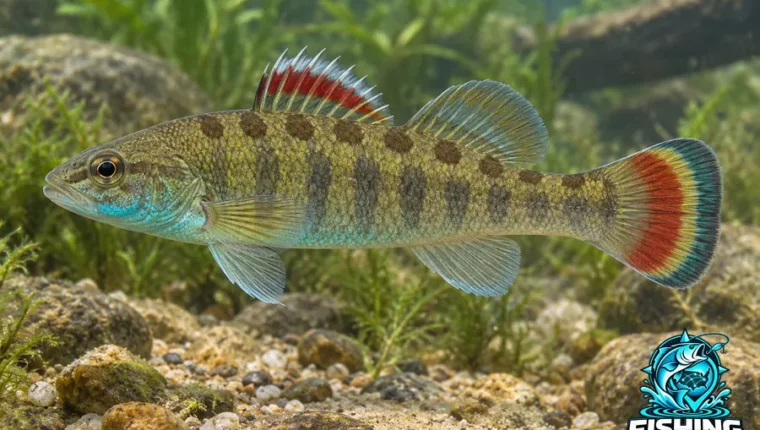
Uses rocky creek and river riffles within its southeastern freshwater range.
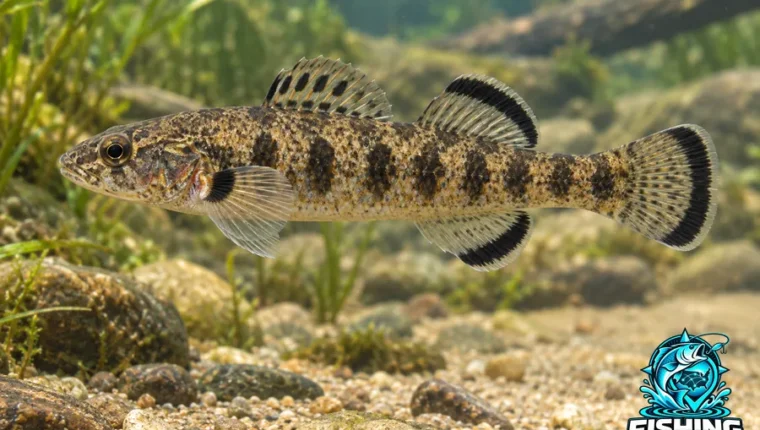
Native to the Cumberland River system in the southeastern United States.
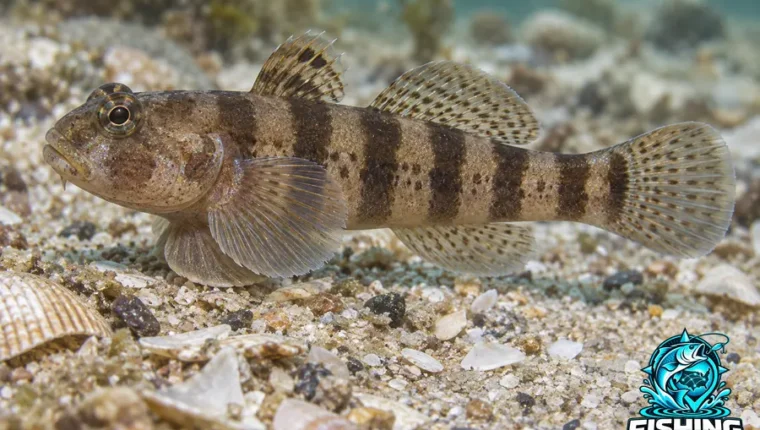
A small goby native to the northern Gulf of Mexico.
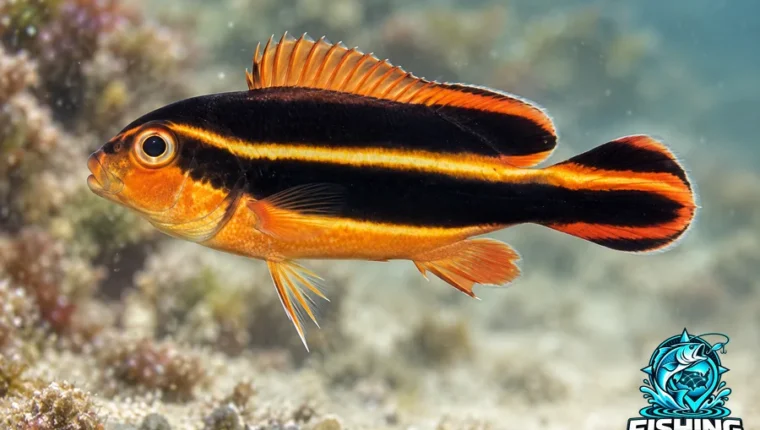
A marine sweetlips native to the Indian Ocean and western Pacific.
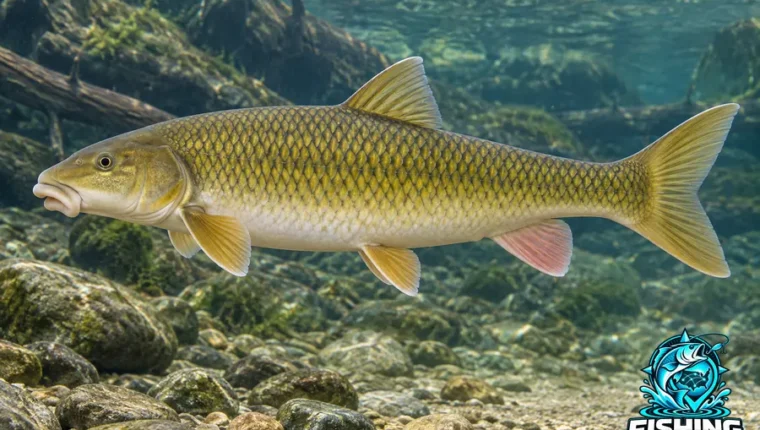
A sucker native to coastal streams and lakes of Oregon.