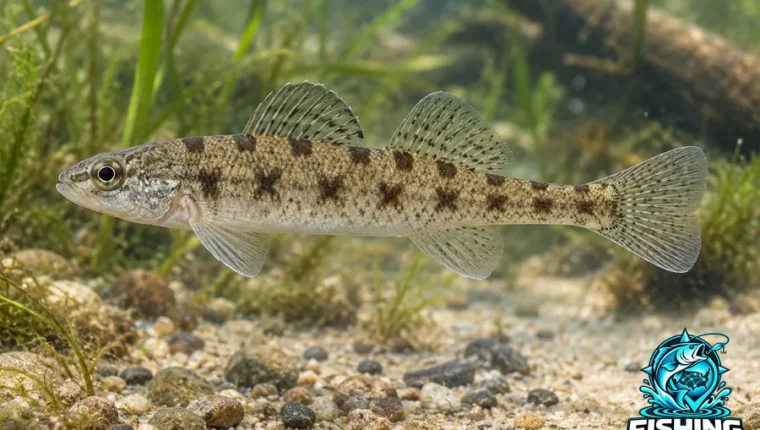
Waccamaw Darter
A North Carolina darter found naturally only in Lake Waccamaw.

Browse all 54 fish starting with W. Select a name to explore its species profile.
Choose a letter to see every fish starting with that letter.
A North Carolina darter found naturally only in Lake Waccamaw.
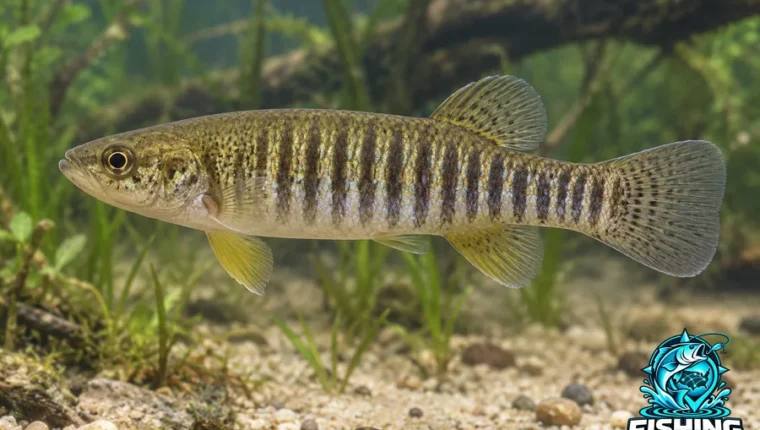
Native to Lake Waccamaw and its tributaries in North Carolina.
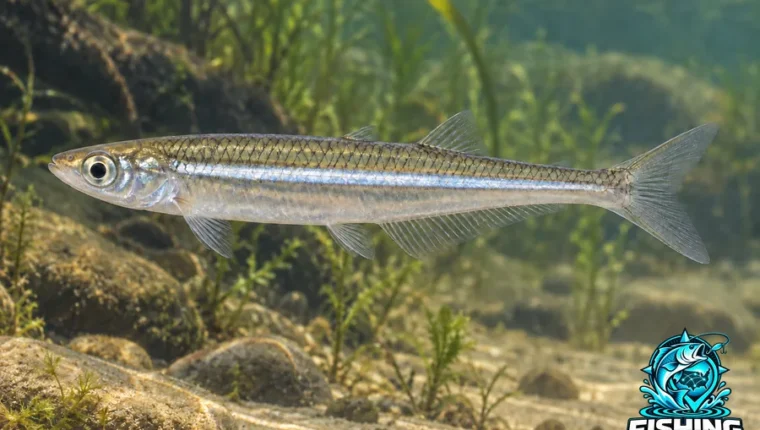
Schools in Lake Waccamaw’s open water, often near the surface above shallow, dark-bottomed areas.
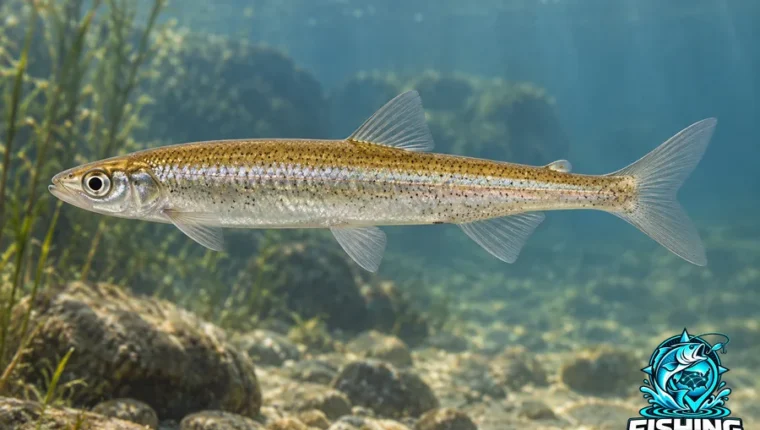
Native to northern Japanese lakes and estuaries, with populations in Korea and the Russian Far East.

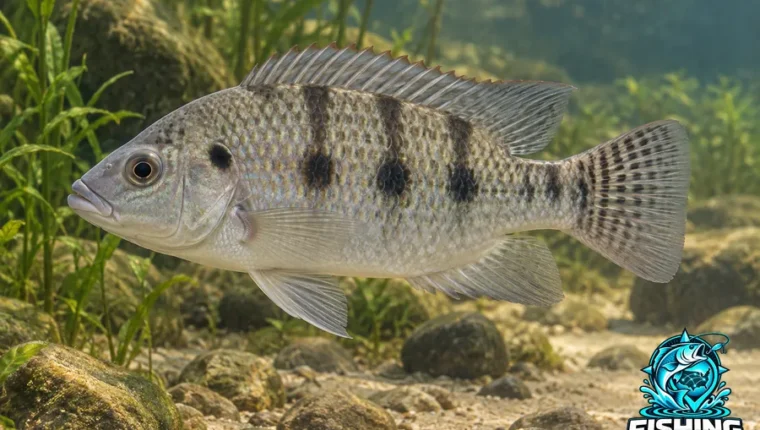
A tilapia native to Tanzania’s Morogoro region.
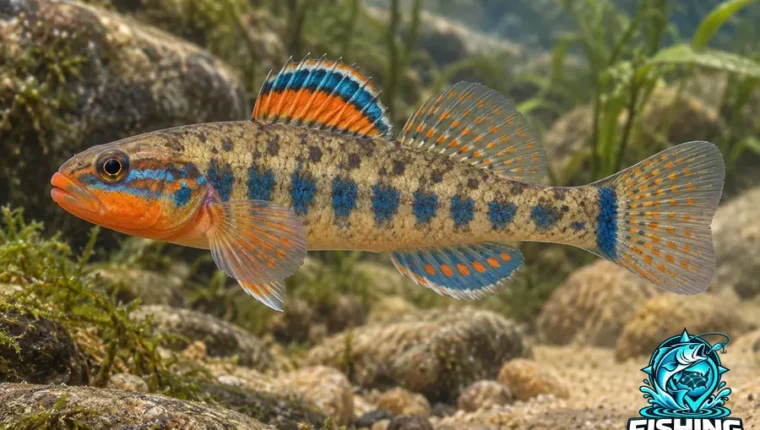
Lives in the Cumberland drainage below Cumberland Falls in Kentucky and Tennessee.
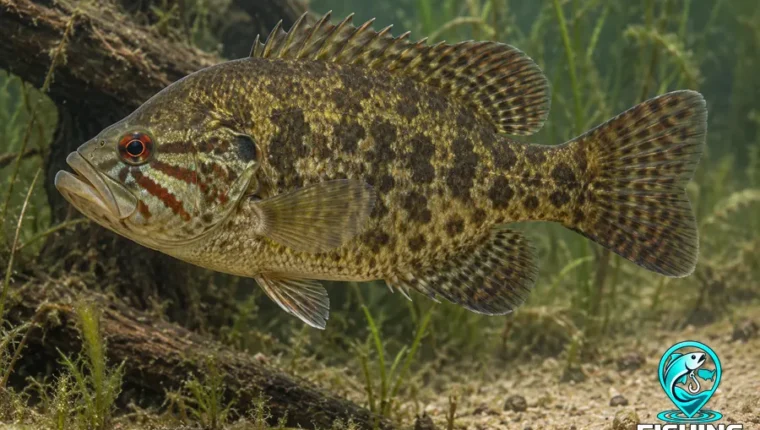
Favors slow-moving freshwater habitats where quiet water provides suitable cover and feeding areas.
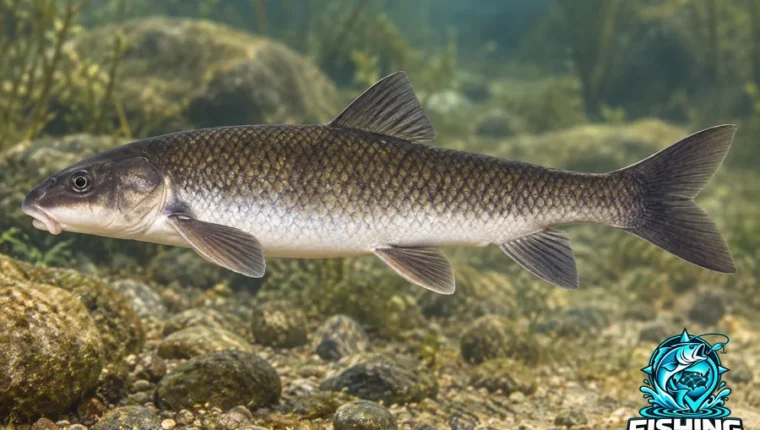
Native to the Warner Basin of Oregon, with its range extending slightly into Nevada and California.
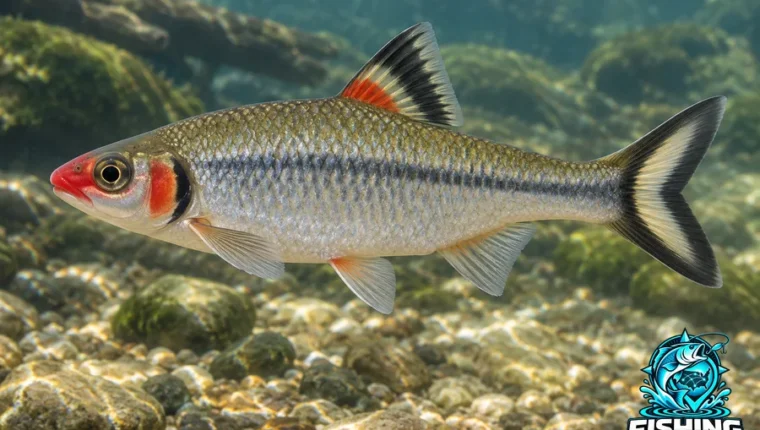
Eats aquatic insect larvae and insects that land on the water’s surface.
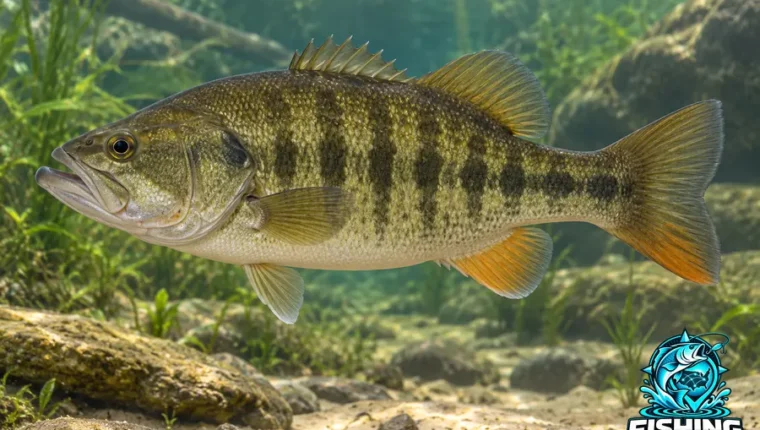
Native to Alabama’s Black Warrior River system, with a much smaller natural range than largemouth bass.
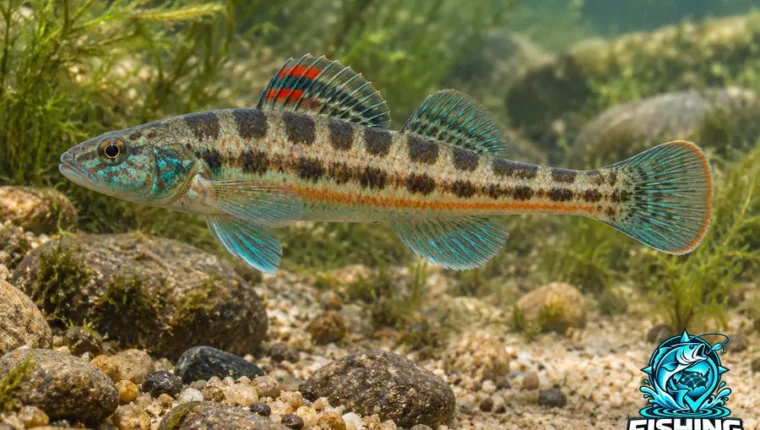
Lives above the fall line in Alabama’s Black Warrior system, including Mulberry Fork, Locust Fork and Valley Creek.
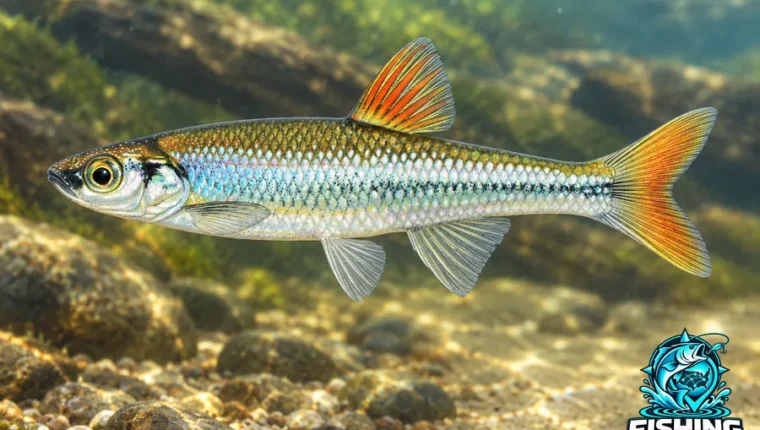
Favors deeper stream pools immediately downstream of water-willow plants.
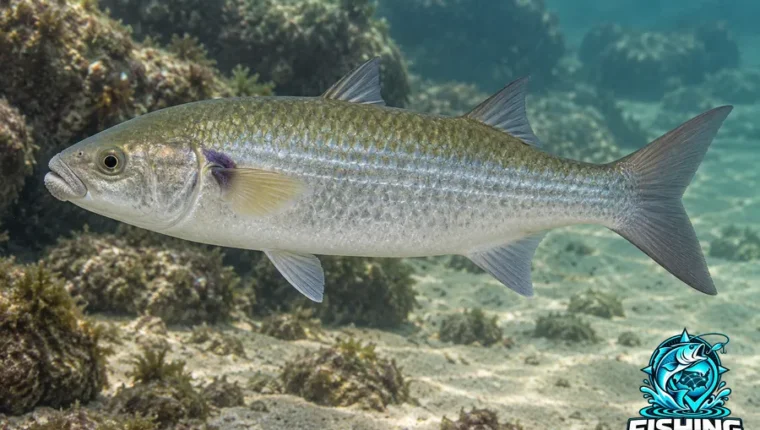
A coastal mullet distributed across the Indo-Pacific region.
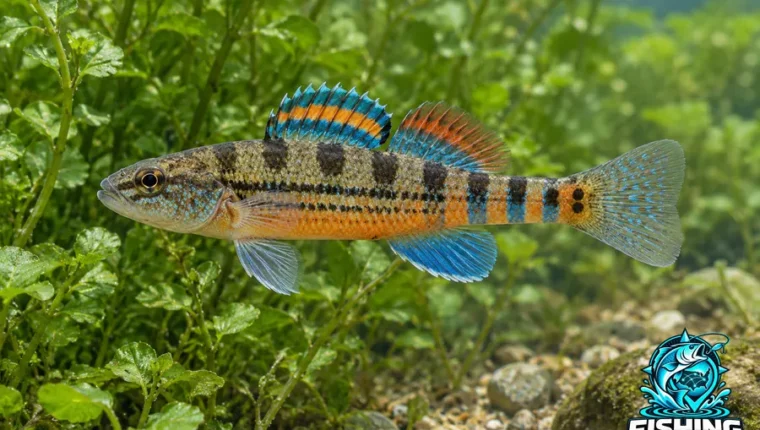
Native to the Black Warrior drainage near Birmingham, Alabama, with a particularly restricted freshwater range.
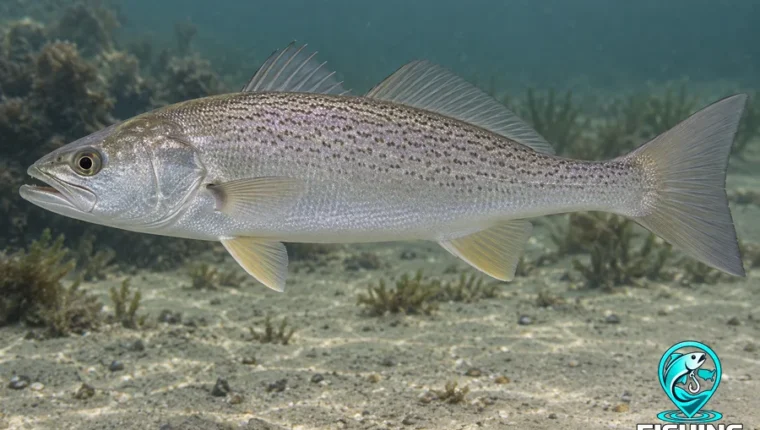
An Atlantic coastal fish ranging from Nova Scotia to northern Florida, taken by both recreational and commercial fisheries.
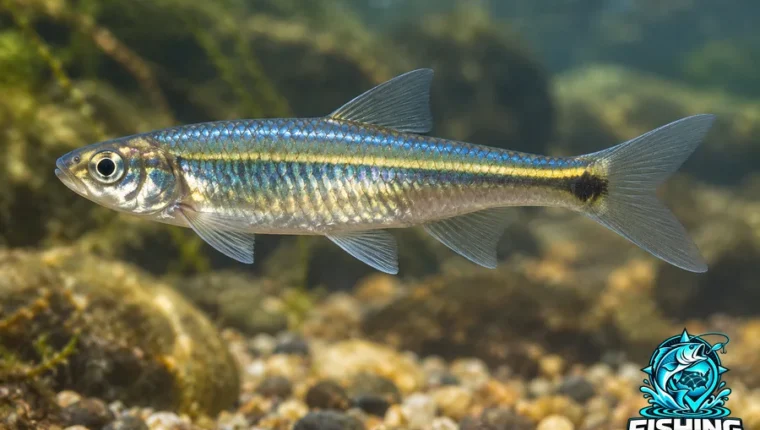
Lives in Ozark tributaries of the middle Arkansas River across Arkansas, Oklahoma and Missouri.
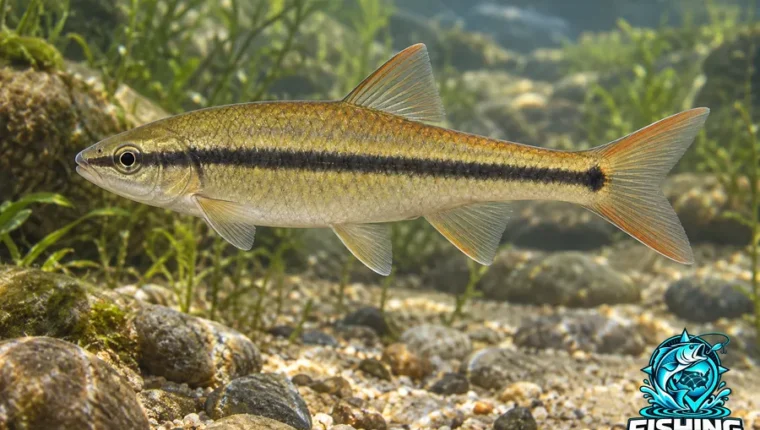
Ranges through the Mississippi basin from Minnesota and Wisconsin south toward the Gulf of Mexico.
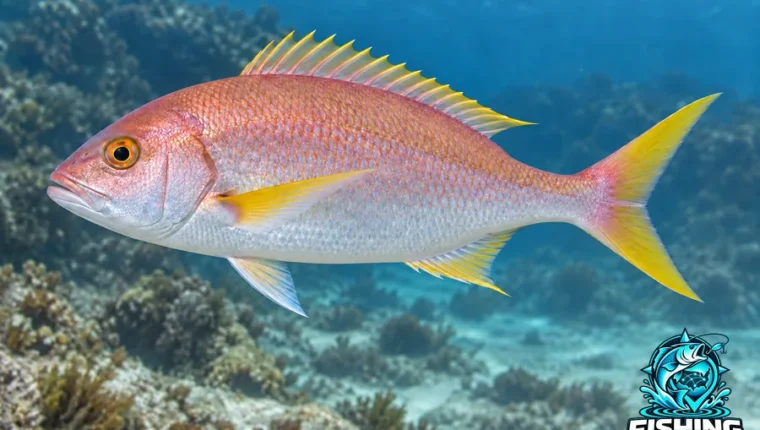
A deep-water snapper ranging from North Carolina through the Gulf of Mexico and Caribbean toward southeastern Brazil.
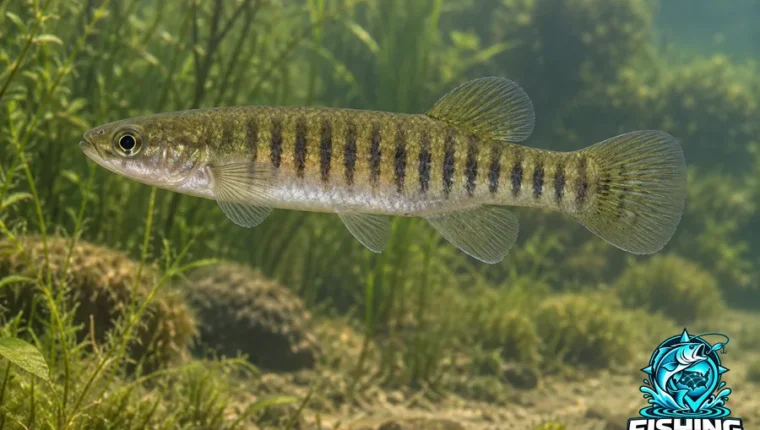
Occurs in Great Lakes–St. Lawrence and Mississippi basin waters, including parts of central Canada and the northern United States.
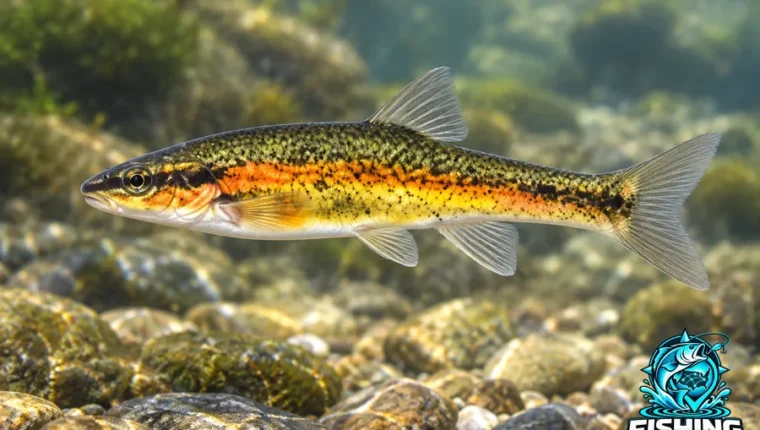
Feeds on fly larvae when available, including the immature stages of aquatic insects.

A Pacific-draining lamprey ranging from southern Alaska toward central California, including British Columbia’s coastal islands.
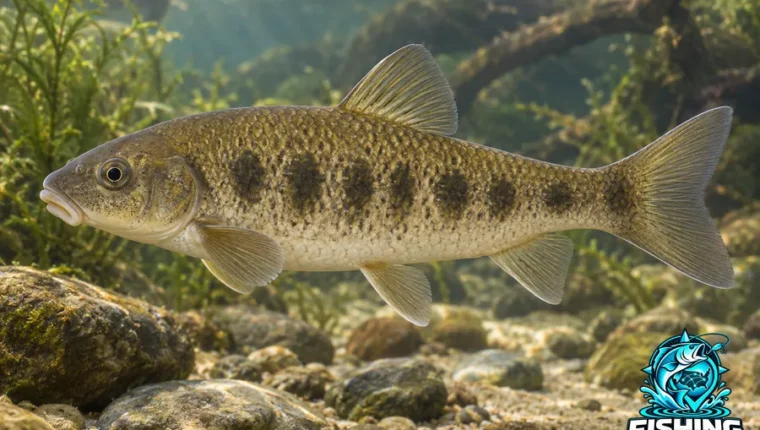
A creek-dwelling sucker native to the eastern-central United States.
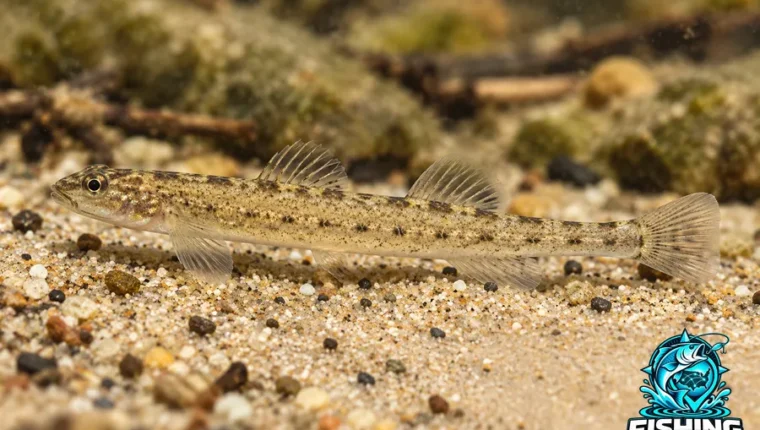
Lives in medium and large rivers over sand and gravel.
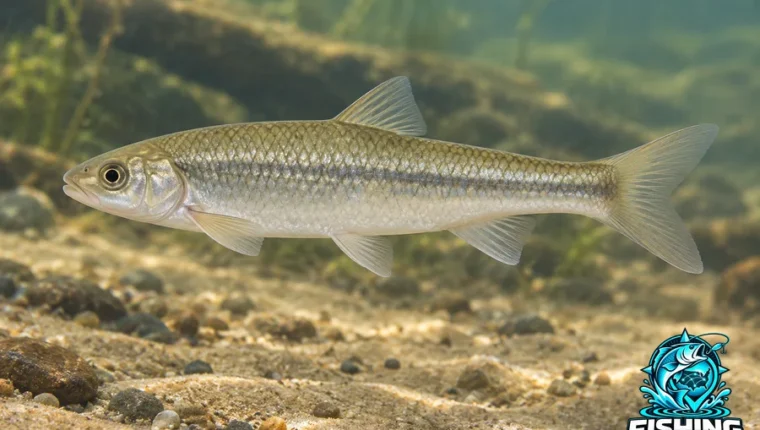
Native to North American waters of the Missouri and Mississippi river basins.
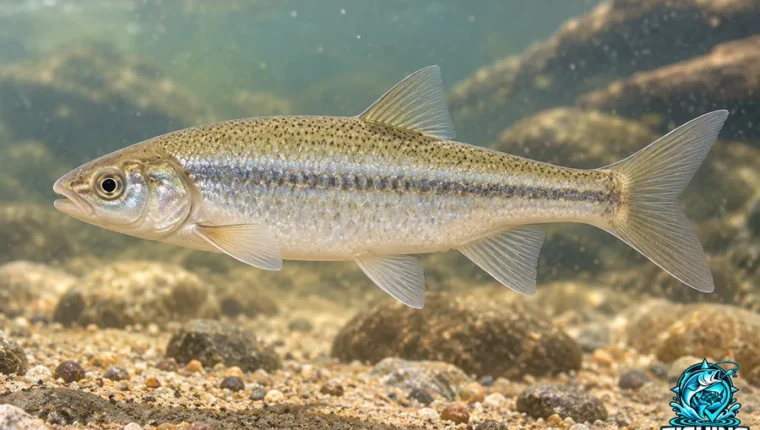
A minnow identified as either western silvery or plains minnow, two related fishes of central North American river systems.
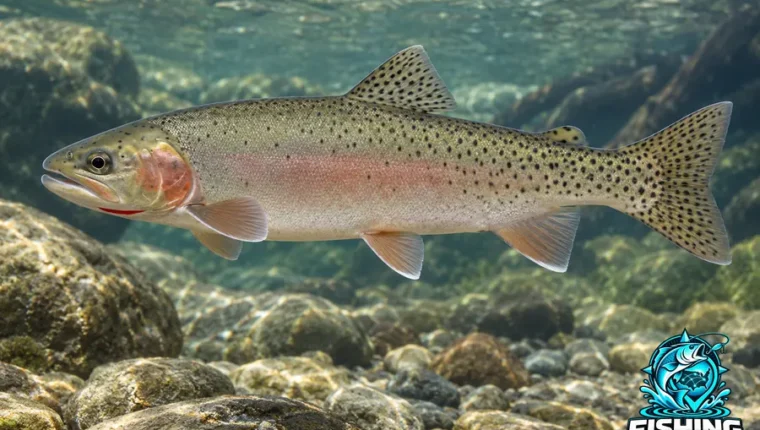
Favors headwaters, streams and lakes in the northern Rockies, especially streams with ample pools and cover.
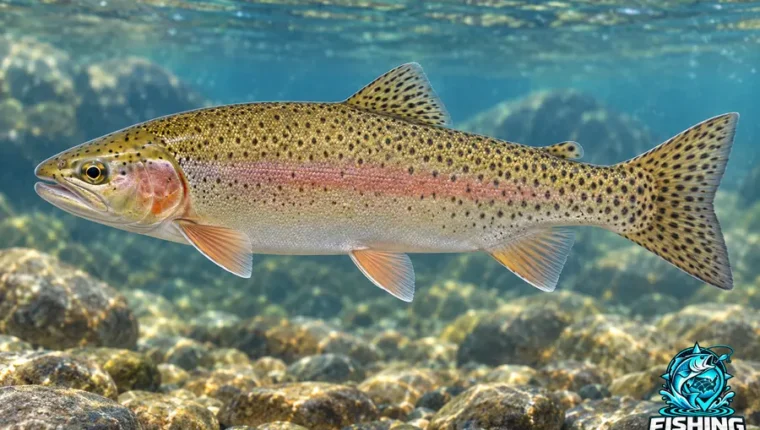
A mixed trout cross with westslope cutthroat, Yellowstone cutthroat and rainbow trout ancestry.
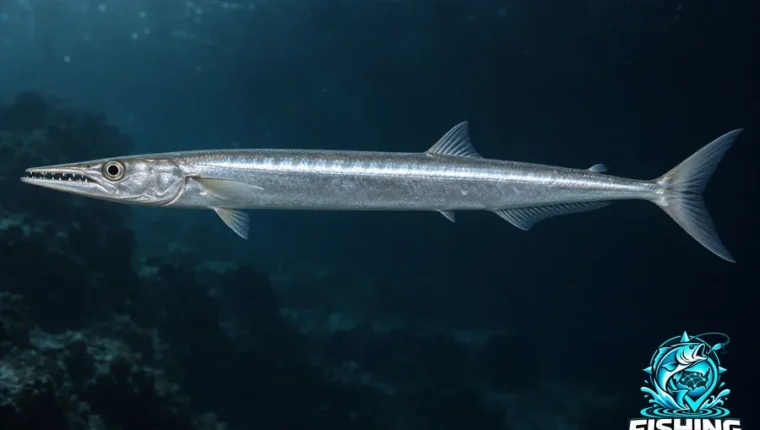
An oceanic fish recorded from upper open-water layers down into deeper marine zones.
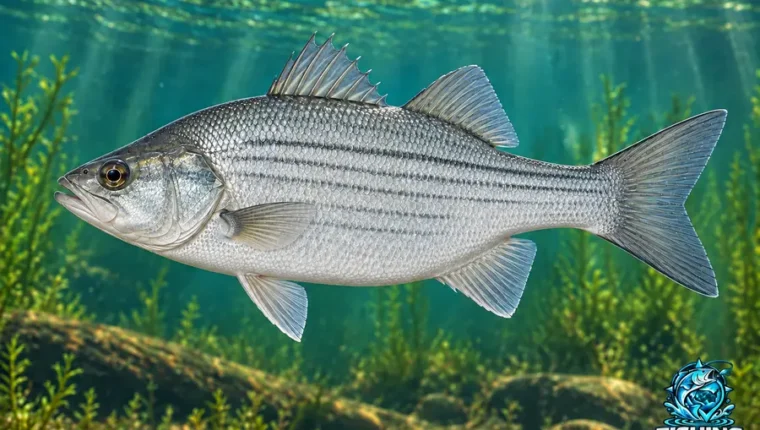
Feeds on smaller fish, with the proportion of fish in its diet changing seasonally.
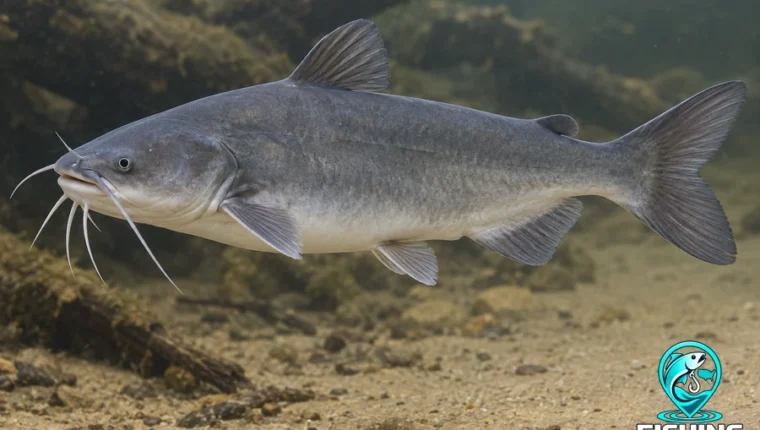
Favors muddy, slow river pools and backwaters. Also does well in lakes and large reservoirs.

Takes minnows and small jigs, often around brush piles or standing timber. Common in reservoirs and slower river habitats.

An anglerfish of warm western Atlantic waters.
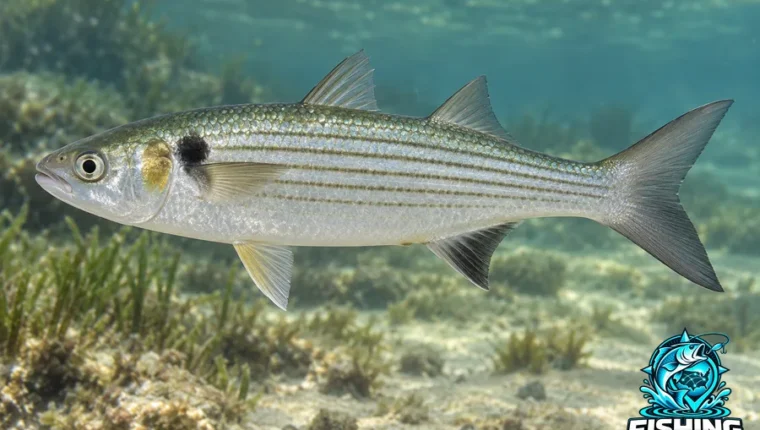
Uses muddy estuaries and brackish lagoons, sometimes moving into rivers.
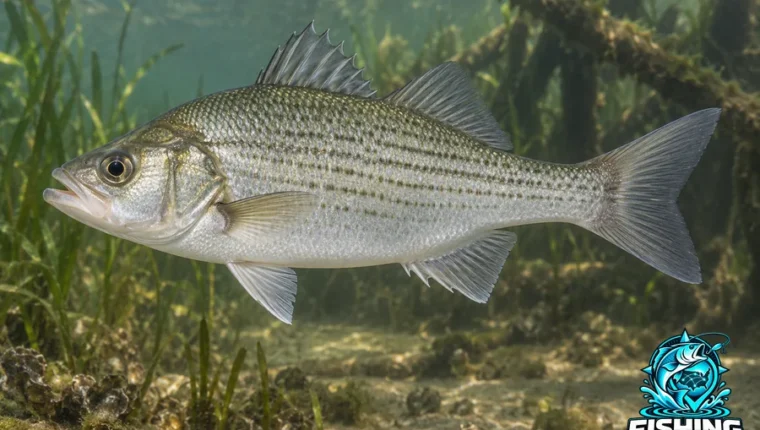
Occurs in northeastern lakes and coastal systems, including the Hudson, Delaware Bay and Chesapeake Bay.
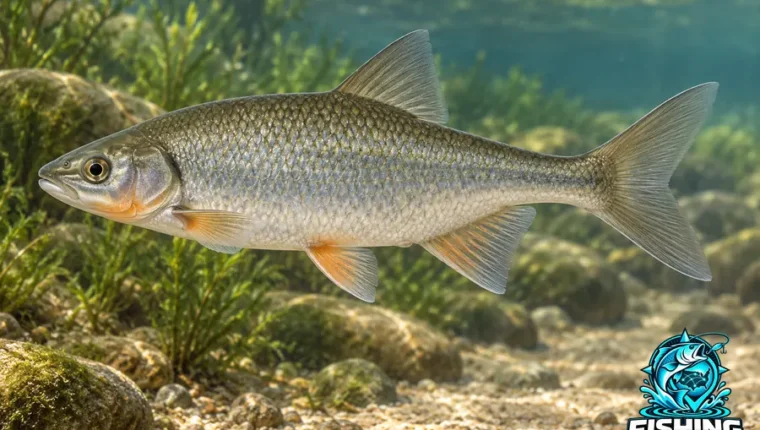
Lives in warm-spring outflows and river habitat in Nevada’s Pahranagat Valley.
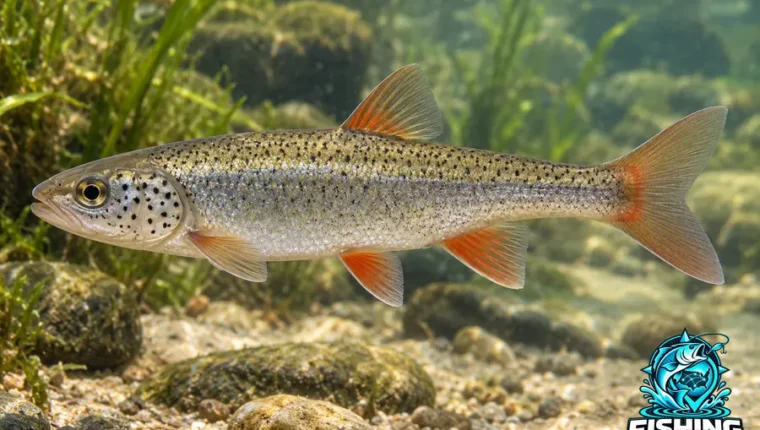
Native to the White River system in southeastern Nevada.
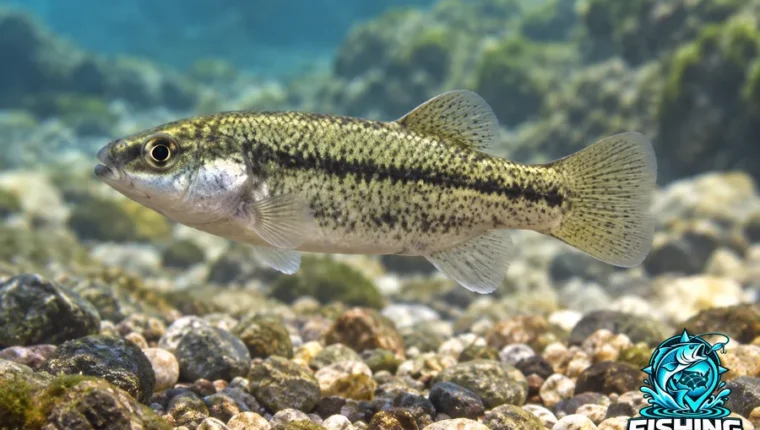
A desert springfish confined to isolated warm springs in eastern Nevada’s White River drainage.
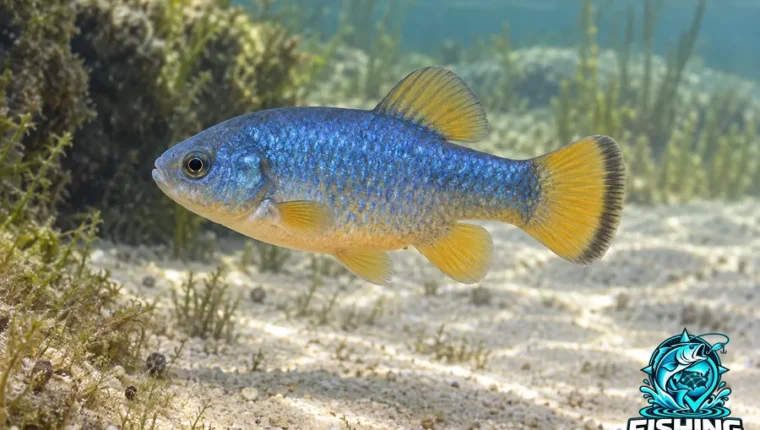
Native populations use Salt Creek and Malpais Spring, with additional introduced populations in nearby refuge waters.
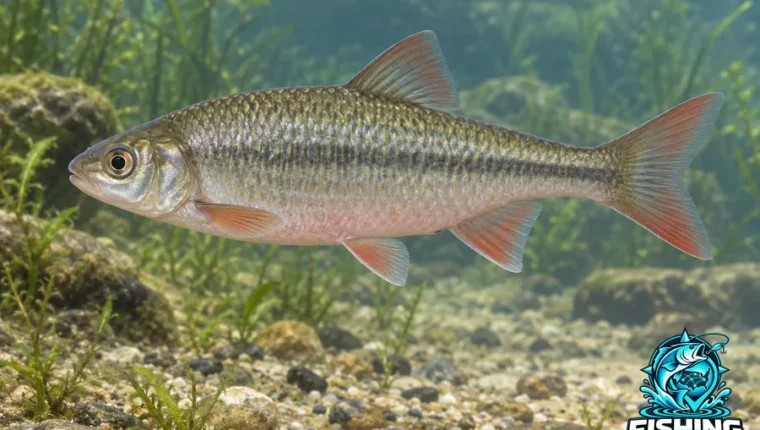
Occupies rocky or sandy pools and runs in headwater streams, creeks and small rivers.
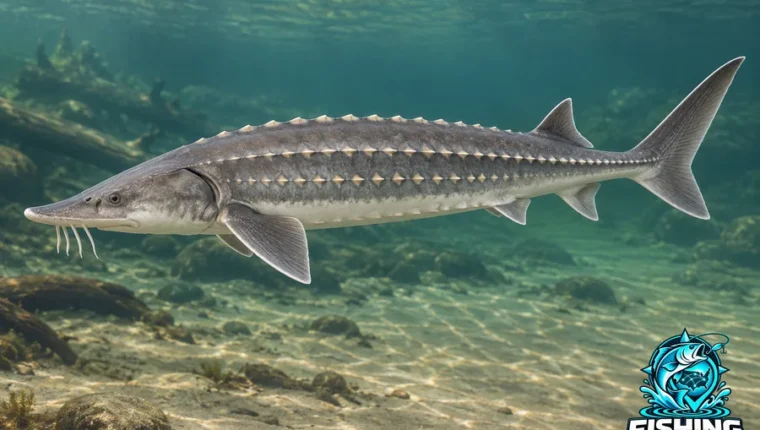
Feeds along the bottom on crustaceans and other invertebrates, also taking fish eggs and young fish.
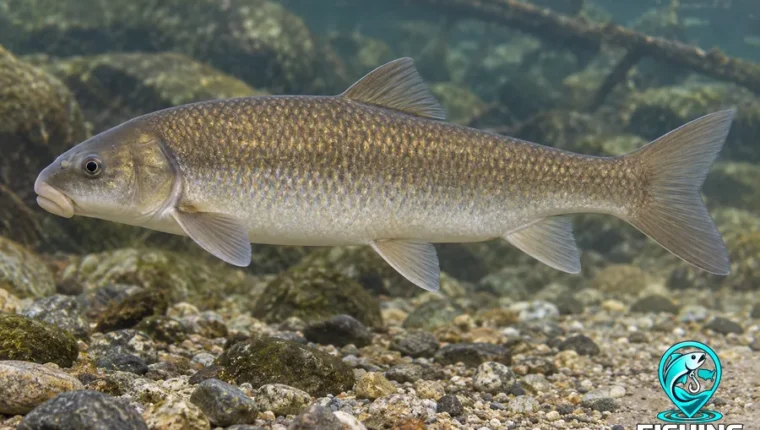
Widespread in the upper Midwest and Northeast, with a range extending south toward Georgia and west toward New Mexico.
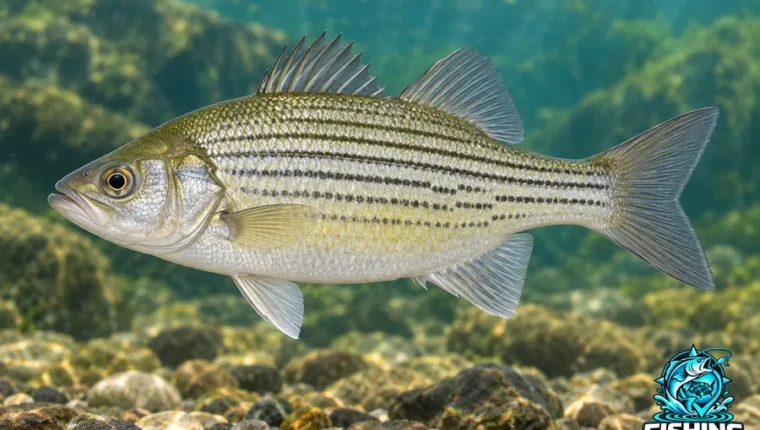
A white bass–yellow bass hybrid, combining two schooling freshwater fish.
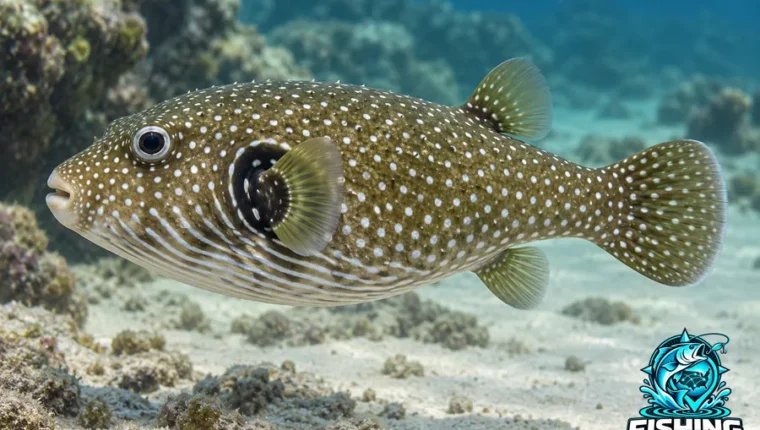
A large tropical puffer that can grow to nearly twenty inches long.
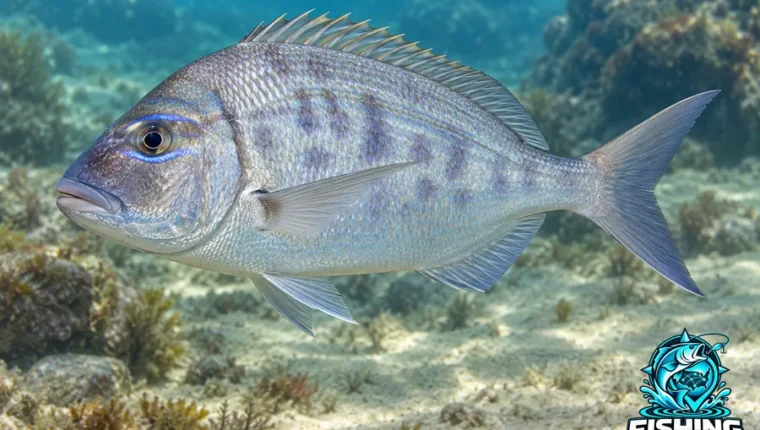
A coastal porgy ranging from North Carolina to Florida and around the Gulf of Mexico and northwestern Caribbean.
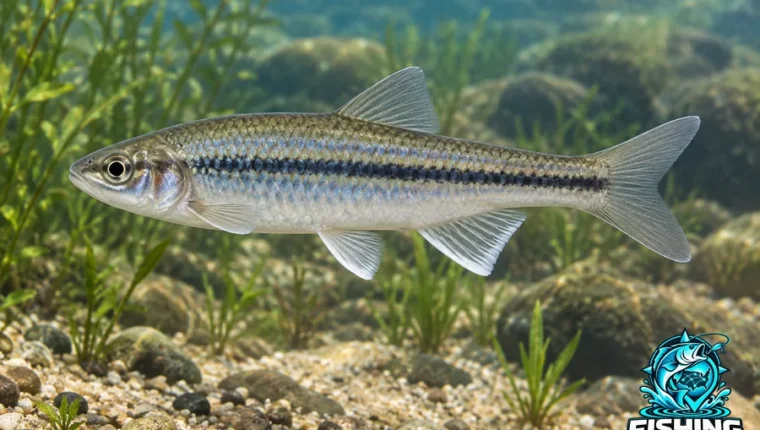
Native to Atlantic-draining rivers from North Carolina’s Neuse River south toward Georgia’s Savannah River.
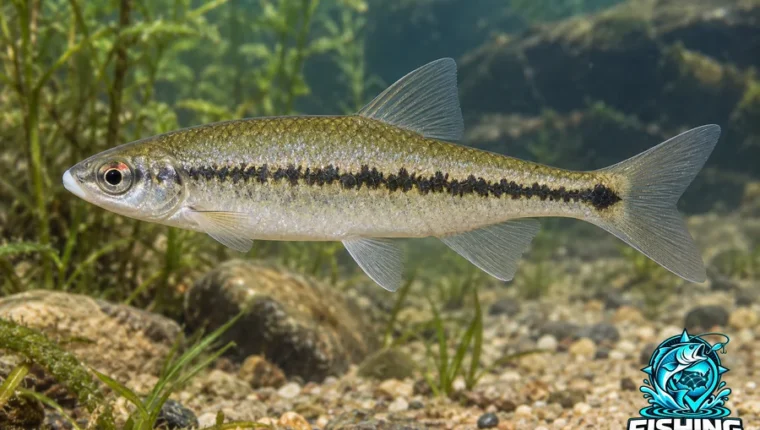
A Piedmont shiner native to Virginia, North Carolina and South Carolina.
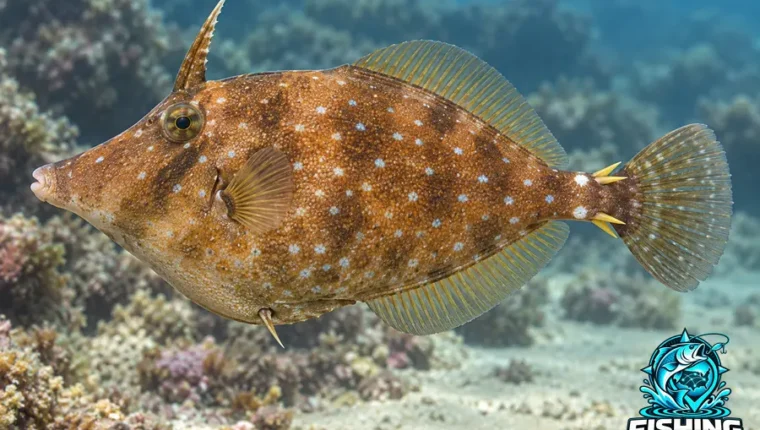
A reef-associated filefish found from Florida south through Caribbean waters.
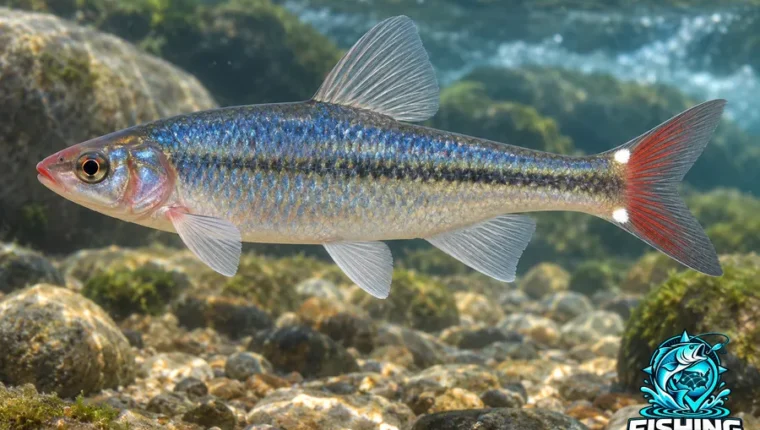
A freshwater shiner found in the Tennessee and Cumberland river drainages.
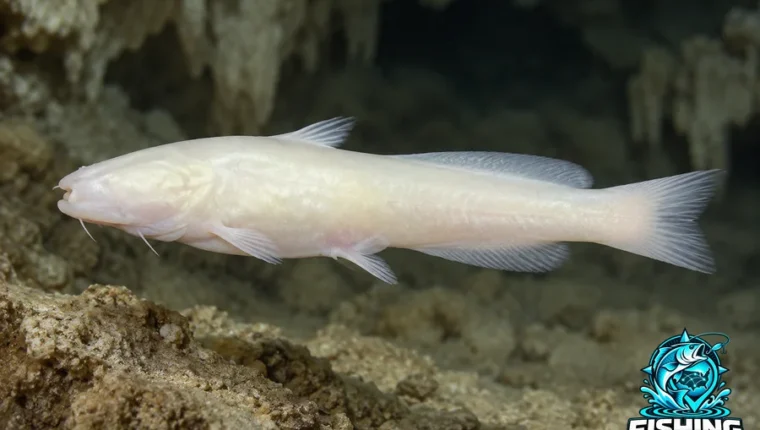
An underground catfish adapted to permanent darkness, known from deep groundwater reached by wells.
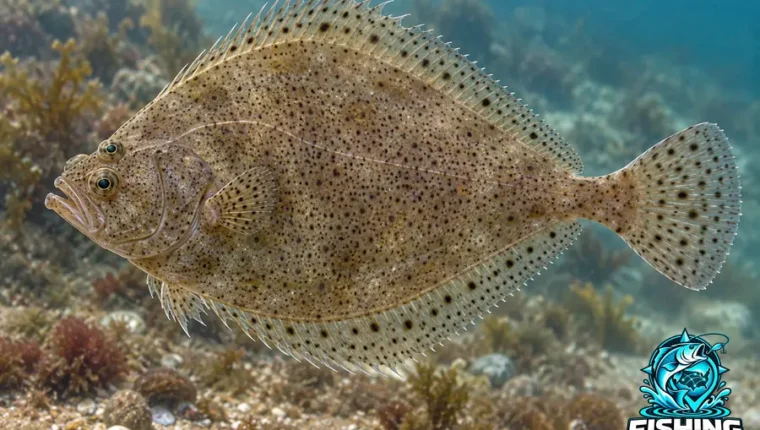
A western Atlantic flatfish living over coastal seafloors from the shallows into water a few hundred feet deep.

A stocked white bass–striped bass hybrid, widely known as a wiper in freshwater sport fisheries.
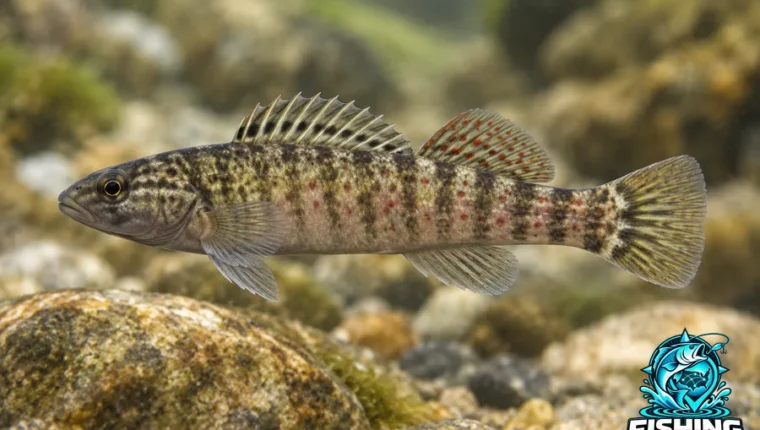
Shelters among boulders, coarse rubble and ledges in medium and large rivers with gentle currents.
A desert minnow whose remaining natural range is restricted to the Virgin River in the Southwest.