Fishing tips that help you put the pieces together.
Choose a fish. Read the water. Give your bait a job. Build a freshwater fishing plan with clear starting points, practical examples, and a useful next move when the bite changes.
Begin with the fish you can reach in your local water. These are starting approaches, not fixed rules. Follow each guide for more detail on habitat, baits, rigs, and seasonal adjustments.
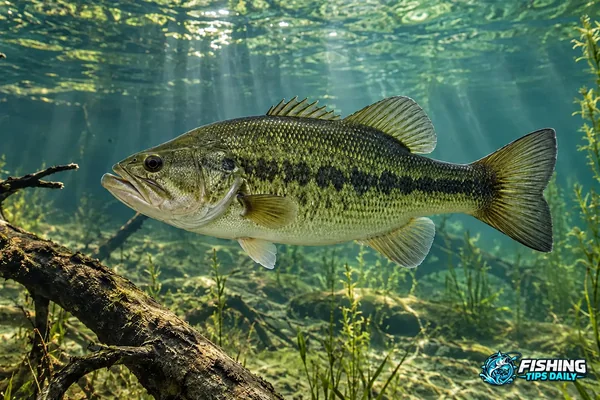
Bass
Look here first
A weed edge, shaded dock, or point with deeper water close by.
Give it a try
Try a compact spinnerbait along the edge, then a Texas-rigged plastic beside individual pieces of cover. Match the weight to depth and vegetation.
Make the next move
If follows do not become bites, pause or slow the presentation. After a bite, repeat the casting angle before changing lures.
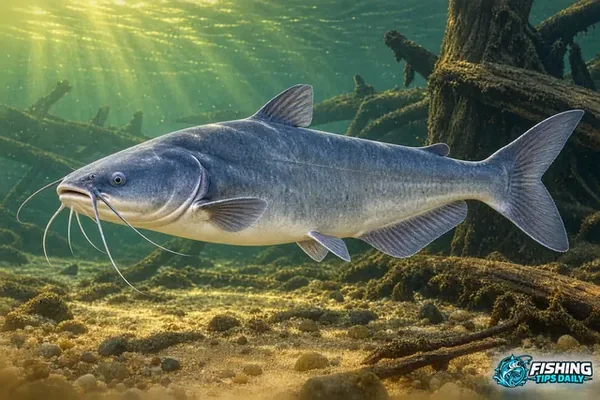
A flat beside a channel, the edge of a hole, or a slower pocket beside current.
Give it a try
Fresh cut shad or legally usable bluegill on a bottom rig is a useful starting option for blues and channels. Keep the hook point and gap clear.
Make the next move
Compare positions before adding more weight. Worms or prepared bait are alternatives for channels; flatheads often call for a different, live-bait approach.
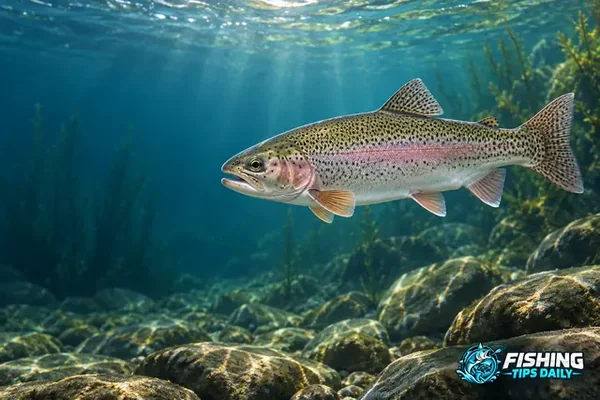
Cool water with useful flow, a seam beside slower water, or a reachable lake edge.
Give it a try
Retrieve a small inline spinner or drift a nymph through a seam. For stocked trout, permitted natural or prepared bait can offer another approach.
Make the next move
Watch the line and current: a dragging drift may need a new angle or less weight. Warm, stressful water can make another location or target the better choice.
A promising spot offers more than open water. Look for food, shelter, and a route between feeding and holding areas. Compare a few distinct features instead of making every cast at the same empty bank.
Find the food
Look for small fish, insect activity, or repeated feeding disturbances. A lone splash is a clue to investigate, not proof that your target species is feeding.
Find the edge
Compare the outside of weeds, a shadow line, or where rock meets sand. Cast along the boundary so your bait spends more of its retrieve in that zone.
Compare depths
Work a shallow option and nearby deeper water. Count down a sinking lure consistently, remembering that current, line, and lure weight change the descent.
Repeat the clue
After a bite, note the depth, angle, cover, and retrieve. Repeat those details on the next cast, then look for similar features nearby.
What you see → what to try
Condition
A useful first adjustment
Example on the water
Clear, calm water
Keep your distance and avoid unnecessary disturbance. Compare a smaller profile or quieter presentation.
Cast beyond the edge of a bass holding area and bring the lure through it, rather than landing directly on the fish.
Stained water
Help fish locate the bait with a clear silhouette, vibration, scent, or a closer pass beside cover.
Work a spinnerbait near the outside of visible wood, then slow down with a plastic if fish will not chase.
Moving water
Find seams and slower pockets. Adjust weight and casting angle to control the drift.
Cast upstream of a trout seam so the offering settles before it reaches the holding area.
Bright light
Compare shade, cover, and deeper reachable water; do not assume every fish has moved deep.
Try the shaded side of dock posts for panfish before abandoning the dock.
Wind on a bank
Check whether food is gathering there and whether you can cast and return safely.
Compare a wind-touched point with a protected pocket. Keep a sheltered alternative when conditions worsen.
Depth and location usually deserve attention before a long search through lure colors. Keep a short note of what each change actually did.
Choose the job, then the bait
Hold it. Swim it. Let it drift.
Bait is what the fish encounters. A rig arranges the hook, line, weight, and other components to deliver it. Decide where the offering needs to travel before choosing the arrangement.
01 / STAY AT A DEPTH
A float presentation
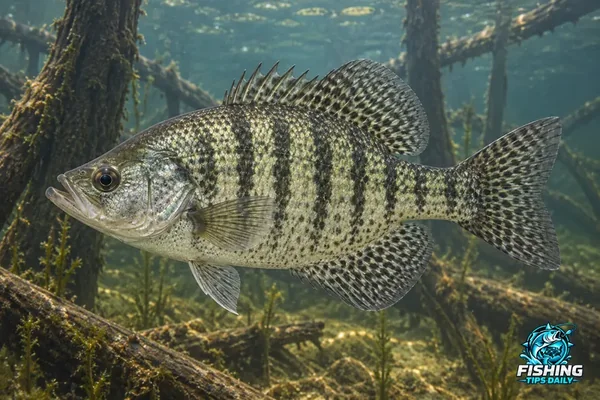
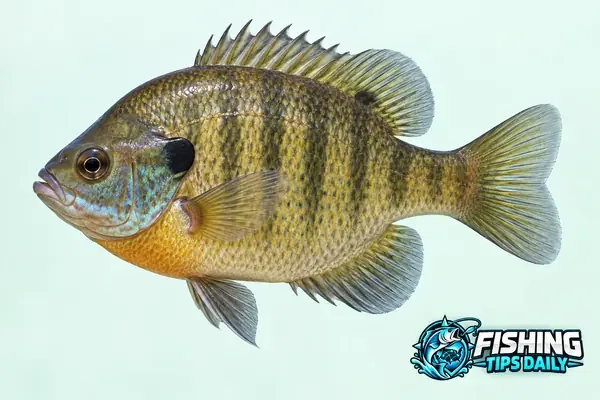
Useful when crappie or sunfish are holding near cover. Adjust the distance below the float so the bait hangs above weeds or brush. A float that is too large can hide light bites.
Try this: Fish a worm just above a weed top. If the bait comes back coated in weeds, shorten the depth setting before changing bait.
A spinner, swimbait, or crankbait can cover a stretch of water. Pick a running depth that reaches the target zone and retrieve at a speed that gives the lure its intended action.
Try this: Make parallel casts beside vegetation. Change your angle if a lure immediately buries in weeds; simply retrieving faster may pull it away from fish.
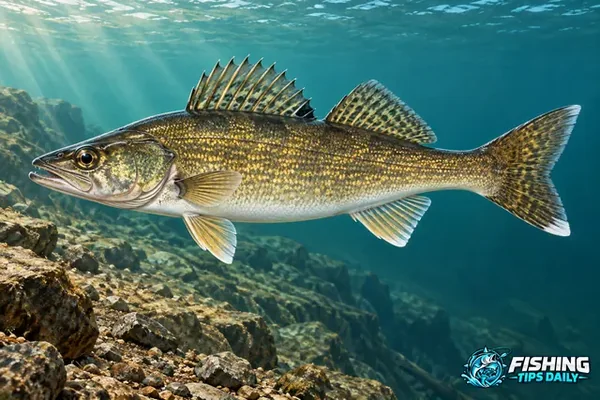
Use enough weight to reach and control the offering. A bottom rig can hold cut bait in a catfish travel area; a jig can be lifted and allowed to fall along a walleye edge.
Try this: If the weight rolls continuously in current, change position or weight. If it wedges into every rock, try a lighter presentation or a new angle.
Use only bait and tackle permitted on that water. Do not move live baitfish between waters. Keep hook points clear and check the bait after missed bites or hard casts.
Make the setup work together
A useful outfit starts with what you will cast.
Match the rod's lure rating to the complete casting load, then choose line and a reel that suit the cover and fish. Reel size numbers vary by brand; compare actual capacity and weight.
Small baits, open water
A light spinning outfit can help cast small panfish or trout offerings. A small hook, modest piece of bait, and light float work together; a large float on the same outfit may cast but show bites poorly.
Read the rod's printed lure and line ranges. Include the sinker, hook, and bait when considering casting weight. Check that the reel balances comfortably and holds enough of your chosen line.
A heavier sinker, thicker vegetation, or larger bait calls for more control. Choose equipment rated for that job rather than forcing a small outfit to cast a heavy catfish rig.
Rod power, action, hook strength, and drag work as a system. Check that the drag releases smoothly. Inspect the line near the hook after contact with rock, wood, or a fish's mouth.
Weather, latitude, depth, and the individual fishery affect timing. Use a seasonal pattern as a question to test, then let today's conditions refine your plan.
Spring
Compare protected shallows with their deeper approaches. A cold front can change activity without removing every fish from the area.
These sample sessions show how to make decisions. The timing is flexible: stay with useful evidence, change when the approach stops teaching you something, and keep access and weather in mind.
A pond with sunfish
First 10 minutes: Find a safe open casting space beside vegetation or shade. Set a small float rig so a piece of worm clears bottom.
Next 20 minutes: Compare two depths and a few nearby positions. If the float gets pecked without hooking fish, shorten the bait.
Next 20 minutes: Try slightly deeper water if only tiny fish respond. Repeat the setting that produces better bites.
Final 10 minutes: Record the depth and cover. Check line damage and pack out bait containers and discarded line.
A reservoir bass bank
First 10 minutes: Identify a point, weed edge, and a shaded piece of cover you can reach without trespassing or climbing a steep bank.
Next 20 minutes: Search the edge with a moving lure. Vary the casting angle to keep it close to useful cover.
Next 20 minutes: Work promising cover more slowly with a plastic. A follow or missed strike gives you a specific place to revisit.
Final 10 minutes: Repeat the most useful depth and retrieve elsewhere. Note whether bites came on the fall, pause, or steady retrieve.
A catfish channel edge
First 10 minutes: Choose a safe position where a flat meets deeper water. Rig permitted fresh cut bait with an exposed hook point and gap.
Next 20 minutes: Compare a closer and farther cast, sequentially or with additional rods only where allowed. Keep track of where each bait lands.
Next 20 minutes: Check bait condition and move to another part of the edge if nothing happens. Keep the weight controlled rather than tumbling.
Final 10 minutes: Repeat the productive position. With a circle hook, let the line load and reel steadily rather than making a sharp strike.
A better next move
Change one thing you can explain.
No bites at all
Check whether your offering reaches a likely holding area. Compare depth, then a different feature or position. Changing five colors at the same empty depth gives you little new information.
Bites, but no hookups
Check bait length, hook exposure, and line slack. Small fish can pull a long worm without reaching the hook. Match your response to the hook type; a circle hook and a small jig are not set the same way.
Snagging on every cast
Try a different angle or less weight, or keep the bait above the obstruction. Learn whether you are hitting wood, rock, or weeds before selecting a different rig.
Fish come off during the fight
Inspect the hook and knot, check drag release, and maintain steady pressure. Sudden slack and abrupt force can both lose fish. Have the landing method ready before casting again.
Common questions
Start simple. Keep learning.
What should a complete beginner target first?
Accessible sunfish in a pond or small lake can make a useful first target. A small float and piece of worm provide visible feedback. Confirm the fish are present, that access is public, and that your bait is allowed. Start with short, controlled casts.
Is live bait always better than a lure?
No. Natural bait can offer scent and movement while a lure can help you search water efficiently. Choose the presentation that reaches the fish and fits local rules. A bait held at the wrong depth can be less useful than a lure moving through the right zone.
How long should I stay in one spot?
Give the approach enough time to test a few deliberate casts or bait positions. Stay longer when you see forage, get bites, or have a clear reason to expect fish. With no evidence, compare another depth or feature. There is no reliable universal number of minutes.
Can I use these tips from the bank?
Yes. Focus on water you can reach and land fish from safely. Parallel shoreline casts, nearby cover, and a manageable float rig can all be useful. Public land near water does not always mean fishing access is permitted; check the actual access point.
What should I check before leaving home?
Confirm access hours, licensing and water-specific fishing rules, weather, and your route back. Carry suitable safety equipment, drinking water, pliers, and a way to collect waste. Check current local guidance for boating, wading, or ice conditions rather than assuming a familiar location is unchanged.
✉Join the Fishing Tips Daily newsletter waiting list
Our newsletter is not sending yet. Leave your email if you would like to hear from us when it launches.
By joining, you agree to receive our newsletter when it launches. To request removal before then, contact us. Read our privacy policy.