Natural bait
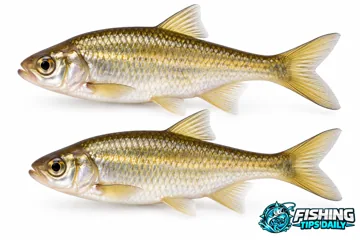

Worms, minnows, leeches, and pieces of fish bring scent, texture, or live movement. The rig places that food where a fish can find it.
Explore live bait →
Every bait has a job.
Find the one that fits your next cast.
Get to know the shapes in your tackle box, the natural baits worth carrying, and the conditions that make each one useful. Start with the fish, then choose the depth and presentation.

Anglers often use “bait” to mean all three. The difference matters when you rig up—and when a water has restrictions on what you can use.
Worms, minnows, leeches, and pieces of fish bring scent, texture, or live movement. The rig places that food where a fish can find it.
Explore live bait →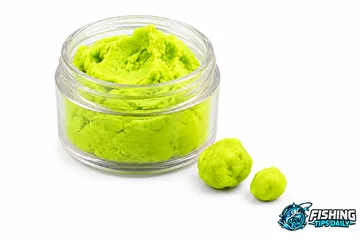
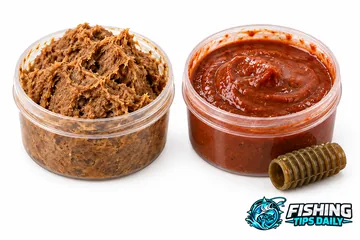
Dough, punch bait, and dip bait are made to attract fish. Some float; others need a holder. Read the product’s intended use before choosing a rig.
Explore prepared bait →
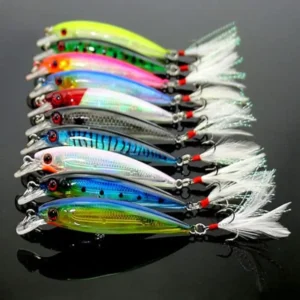
Plastic, metal, feathers, and hard bodies create a shape or action fish respond to. The way you move a lure is part of the presentation.
See an artificial lure →These links take you to the full fishing guides, including rigs, seasons, and destination ideas.
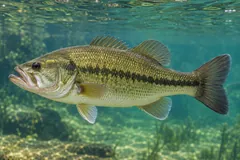
A worm around cover, a moving lure along an edge, or a compact jig for a precise target.
Explore bass fishing →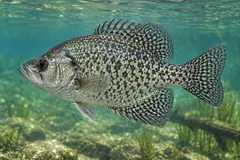
Small minnows and compact jigs that stay close to the feeding depth.
Explore crappie fishing →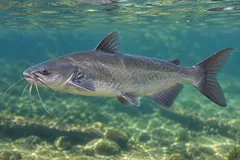
Chicken liver for channels, fresh cut bait for blues, and species-specific bait choices.
Explore catfish fishing →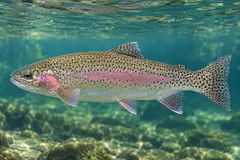
Spinners, spoons, flies, and permitted natural or prepared baits.
Explore trout fishing →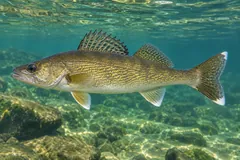
Minnows, leeches, crawler rigs, jigs, and plugs with controlled depth.
Explore walleye fishing →Tell us the fish and the water in front of you. We’ll suggest two starting options and a presentation to try. They are starting points, not promises.
Use only bait and tackle permitted on your water.
Choose something you can keep in the feeding zone. Then change one thing at a time: size, speed, or color.
Illustrations show representative styles. Sizes, hook arrangements, and diving depths vary between actual products.
18 bait and lure styles to explore
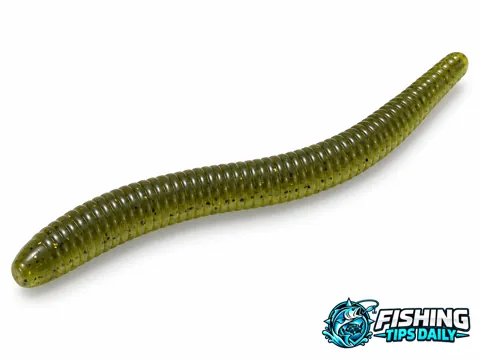
Flexible worm-shaped plastics that can be rigged several ways. The rig changes how the same bait falls and moves.
A crooked bait can twist on the retrieve. Rig it straight before changing colors.

A weighted hook dressed with a skirt, hair, or plastic. This illustration shows a skirted bass jig and trailer.
Too much weight can wedge into rock or bury the lure in soft bottom.
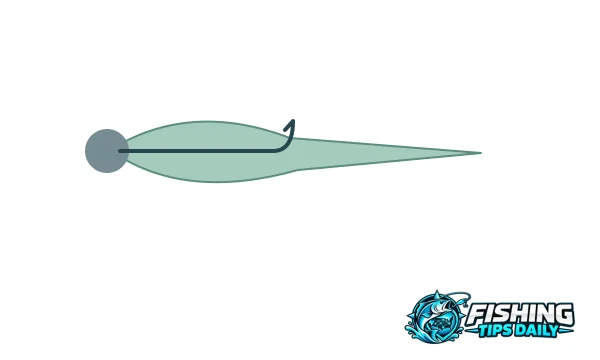
A compact fish-shaped plastic on a weighted hook. Small changes in weight change its fall and running depth.
Constant shaking can pull the lure out of a small feeding window.
A bent-wire lure with spinning blades above a weighted, usually skirted hook. Flash and vibration help fish notice it.
Reeling faster is not always better; check where the lure actually travels.
A hard-bodied lure whose bill helps it dive and wobble. Different designs work at different depths.
A deep-diving model is a poor fit when every cast plows through shallow weeds.
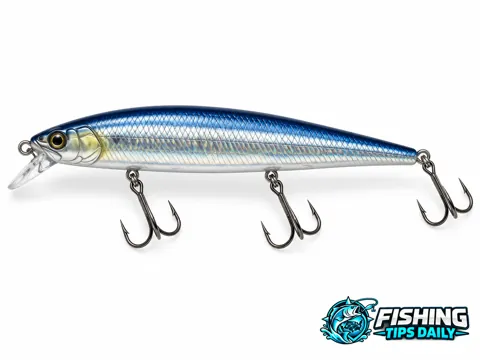
Slender hard lures that suggest a small fish. Some float, some suspend, and others sink.
Suspending behavior varies with the lure, tackle, and water. Test it rather than assuming.

A soft fish-shaped lure with a tail that kicks as it moves. Small and large versions serve different fish.
A heavier head can put the bait underneath suspended fish.
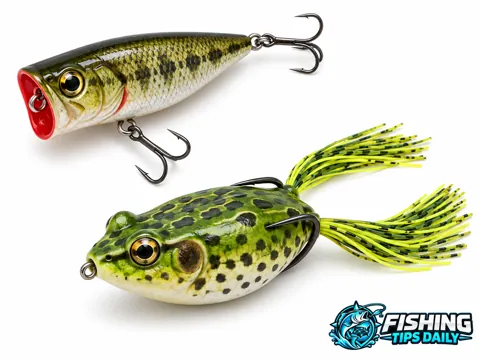
Lures made to work on the surface. Open-water plugs and weedless hollow-body frogs have different jobs.
Exposed treble hooks and thick grass are often a frustrating combination.

A shaped metal lure that flashes as it wobbles or flutters. Casting and vertical-jigging designs differ.
Continuous spinning can twist line; slow down and check the action.
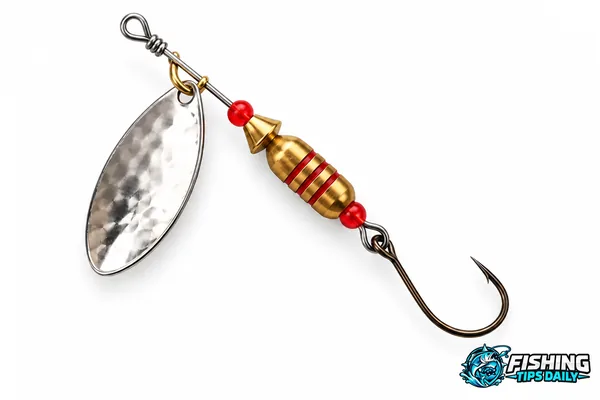
A blade rotates around a straight wire shaft. It is a different design from the bent-wire spinnerbait above.
A fouled blade cannot do its job. Inspect the lure when it stops vibrating.
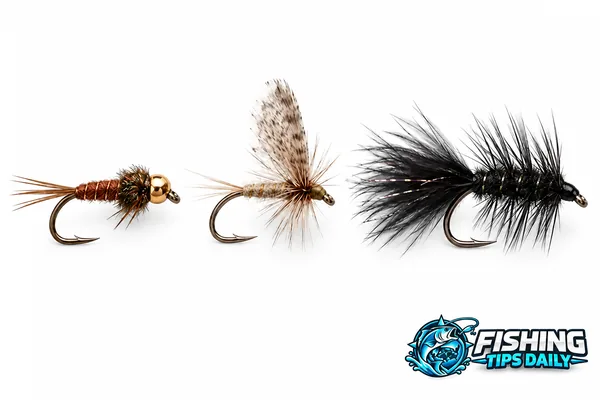
Nymphs represent underwater food, dry flies sit on top, and streamers suggest a swimming meal.
A believable drift matters more than repeatedly casting the same fly into dragging line.

Small live baitfish, purchased or collected only as local rules allow. The permitted species varies by water.
Do not release unused bait or move live fish between waters.
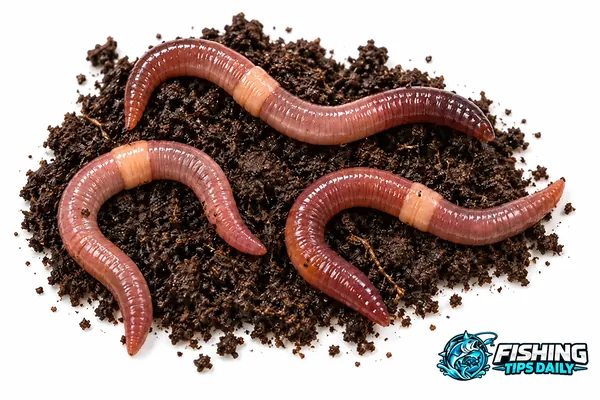
Natural worms used whole or in smaller portions, depending on the hook and target fish.
A large dangling bait is not always better; small fish may strip it without reaching the hook.

Flexible aquatic bait that can keep swimming while the rig moves very little.
A bulky hook or too much weight can overwhelm the presentation.
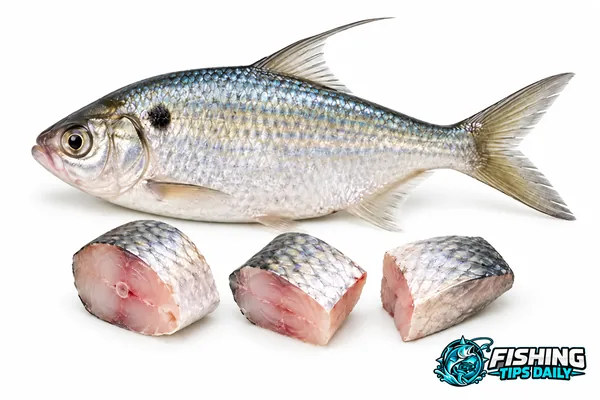
Pieces of a legally usable fish that provide scent and a substantial meal. Freshness is useful; spoilage is not the goal.
Rules may restrict bait species or the use of game fish. Check before cutting bait.
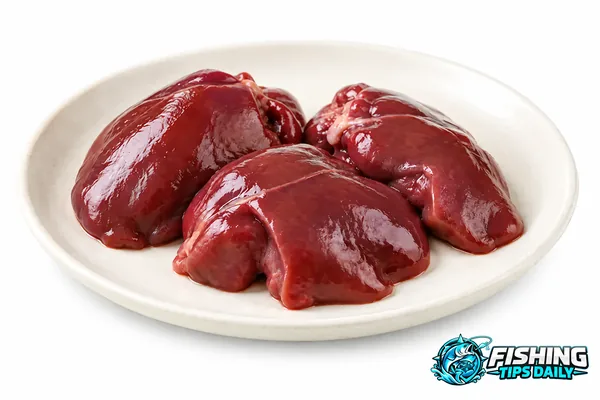
Soft, strongly scented bait that is easy to find and useful for channel catfish.
A hard cast can throw it off. Check after missed bites and keep the hook gap clear.

Prepared bait designed to float a small hook above a bottom weight. Buoyancy depends on the finished bait-and-hook combination.
Some trout waters prohibit prepared bait or scented offerings. An artificial-only rule may exclude it.
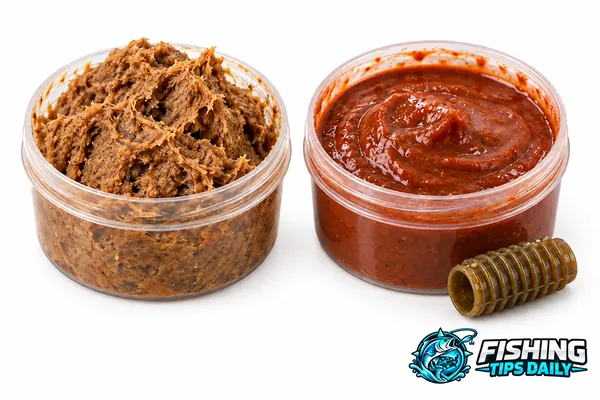
Prepared scented baits with different textures. Firmer punch bait and softer dip bait may need different hooks or carriers.
Treat the two styles differently; a thin dip bait may not stay on a bare hook.
Try a broader name or reset the filters to see every style.
A different lure is useful when it solves a problem. Start by figuring out whether the fish can find, reach, and catch the one you already have.
In clear water, begin with a believable size and a careful approach. In stained water, contrast, flash, or vibration can help an offering stand out. Neither situation has one guaranteed color.
A weedless plastic can pass through cover that catches exposed hooks. A plug may work beautifully beside a weed line and poorly through its thickest part. Choose a route the bait can actually travel.
Count down a jig, change the float setting, or choose a suitable diving lure. When fish suspend, dragging the bottom misses their feeding level. Repeat the depth that gets attention.
A moving lure helps search for willing fish. If they follow without eating, try a pause, a smaller profile, or a slower presentation before abandoning the area.
A little chop can change light and bait movement. Too much wind can make it hard to feel a jig or hold a float over the target. Adjust position and weight, or find more manageable water.
A small bait on an oversized hook loses some of its advantage. Match hook, weight, line, and rod to the offering so it casts and moves the way you intend.

A spinnerbait has a bent wire frame with blades above the hook. An inline spinner puts its blade around a straight shaft. Both create flash, but they move through cover differently.

A worm is bait. A Texas rig is a way to arrange a hook, weight, and plastic. A slip-float rig is a way to control depth. One bait can work on several rigs.
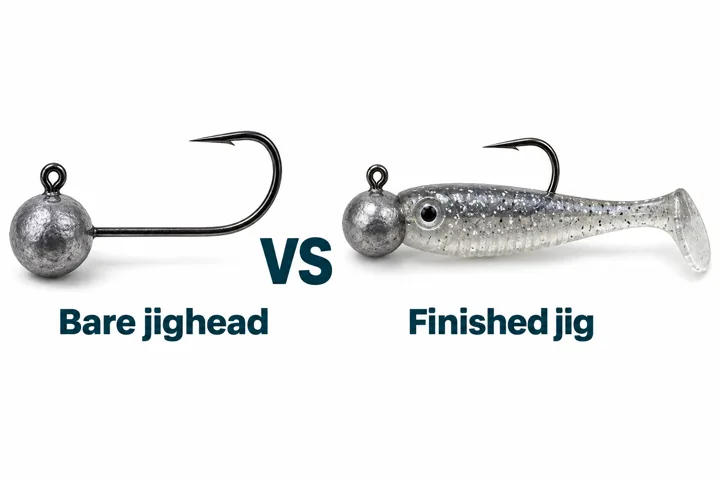
A jighead is the weighted hook. Add a plastic, hair, skirt, or permitted bait and you have a presentation to fish. Choose the weight for control, not simply for a longer cast.
The names describe overlapping families, not strict rules. Crankbaits are often retrieved steadily; jerkbaits commonly use twitches and pauses. Read the model’s intended action and test it in the water.
Once you know what a bait should do, the product choices become easier to compare.
Explore the rigs, retrieves, and presentation skills behind a productive cast.
Explore techniques →Compare actual productsLook at product photos, features, and buying options when you are ready to fill a gap in your box.
Browse lure products →Learn the styles, rigs, retrieves, and small adjustments that make each offering useful.
Pick the running depth first. Then give the fish a reason to bite.
Two kinds of spinning blades. Two different ways to fish them.
Fresh bait, a clear hook gap, and a place worth waiting.
Keep it lively. Put it at the right depth. Leave room for the hook to work.
One flexible body can fish several ways. The rig gives it a job.
The weighted hook is simple. What you put on it—and how you move it—changes everything.
Dough, punch, and dip bait each need the right hook and presentation.
Watch the surface—but wait to feel the fish.
A simple piece of metal becomes useful when you control its wobble and depth.
Choose the feeding layer before choosing the pattern.
A small permitted natural bait under a float makes depth and bites easier to understand. A compact jig or spinner is also a practical way to learn. Choose the method that suits the fish, water, and kind of fishing you enjoy.
No. Pick a few that do different jobs. For example, one offering for a slow presentation and another for covering water will teach you more than a pile of nearly identical colors.
Yes. Jigs, small swimbaits, and minnow-shaped plugs can catch several species. Size, hook strength, depth, and the way you fish them determine how well they fit a particular trip.
No. Some waters restrict baitfish, live bait, scent, or prepared bait. Definitions of artificial lures can also vary. Check the rules for the exact water, and never release unused live bait.
The Fishing Gear section has the individual product pages. This guide explains the styles so you can compare products with a clearer idea of what you need.