Skip to content
Know the tackle. Make the cast.

Cut Bait Fishing Guide

Fresh bait, a clear hook gap, and a place worth waiting.

See practical examples ↓
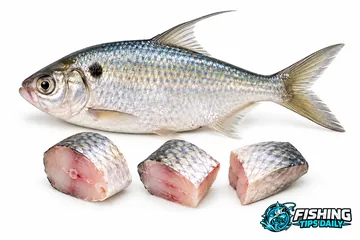
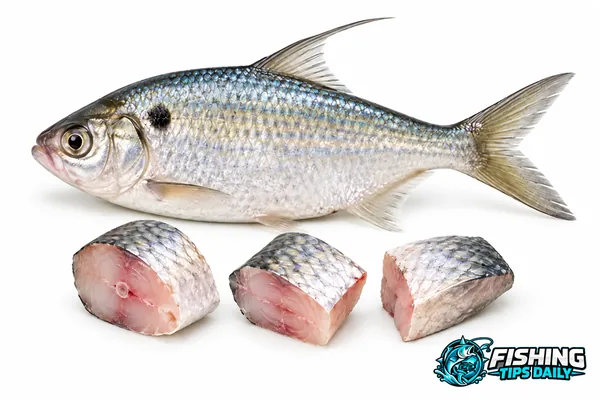
Fresh shad cut into fishing-bait pieces
Fresh cut bait · Representative illustration

What counts as cut bait?

Cut bait is a piece of fish used as an offering: a chunk, strip, head, or other section. It is different from a live minnow and from manufactured punch bait. Skin, flesh, oil, and scent all contribute to the presentation.

Shad and herring are familiar examples, but the usable species depend on local rules. Catching a fish legally does not automatically make it legal bait. Check possession, harvest, and transport rules before preparing any fish for the hook.

Choose a piece that fits the hook

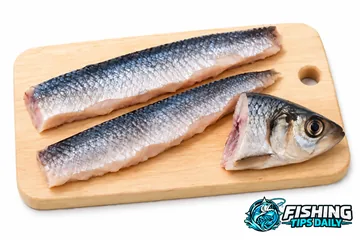
A chunk is compact and often convenient for a bottom rig. A strip has more movement but may fold over or twist. A head section can be durable and substantial. None is automatically the best choice for every catfish.

Hook through a firm section while leaving the point and gap open. A large piece wrapped around a small hook can prevent the hook from finding purchase. With a circle hook, preserve that open gap and follow its intended steady-pressure hook-setting method.

Fresh does not mean warm

Keep bait chilled in a sealed container and separate from food. Use a stable cutting surface and handle the knife away from your body. Prepare manageable amounts, returning the rest to the cooler.

Spoiling bait is not a required improvement. Replace washed-out or badly damaged pieces, and dispose of scraps according to local rules. Do not dump unused baitfish or bait water into a different water body.

Choose the fish before choosing the piece

Fresh cut bait is a useful starting point for blue and channel catfish. Flatheads often respond well to legal live fish, so a cut-bait result should not be assumed to apply equally to all three. The location and presentation can matter more than the size of the chunk.

A practical starting routine

Make the first casts count.

Make one deliberate adjustment at a time so you know what changed.

  1. Confirm that the bait species and its use are permitted on the exact water.
  2. Cut a fresh, chilled piece with enough firm material to stay attached.
  3. Match hook and bait size; keep the point and gap exposed.
  4. Present it on a controlled rig, monitor the rod, and inspect the bait after a missed bite.
Picture the next cast

Put the idea on the water.

These are starting situations to try, not reports of a guaranteed bite.

01

Bank fishing beside a channel edge

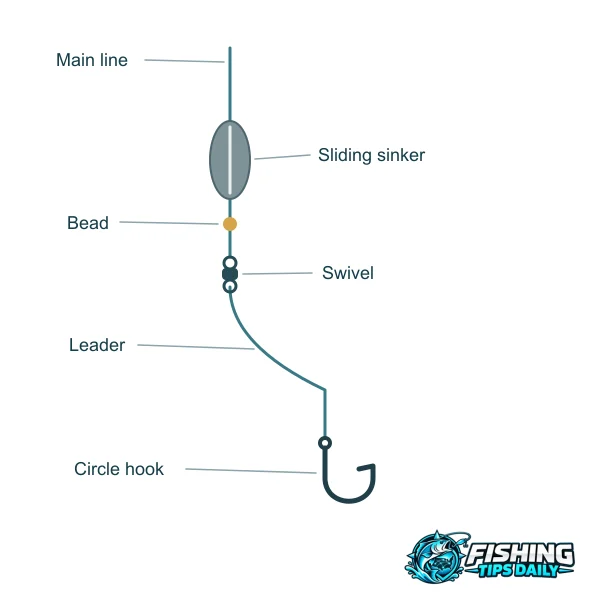
Place a sliding-sinker presentation on a reachable edge with a clear landing route. Use only enough weight to hold the intended position. If bites do not develop, test another distance or angle before assuming the bait is wrong.

02

Current pulling a strip into a spin

Shorten or reshape the strip and check its attachment. A compact piece often holds a cleaner position. Avoid adding weight until you have checked whether the bait itself is catching the flow badly.

03

Small taps without a hookup

Inspect the bait and hook gap. Smaller fish may be pulling at the edge, or the piece may be masking the hook. Scale the offering sensibly rather than automatically setting harder.

Recognize the offering

A closer look at cut bait.

Fresh shad cut into fishing-bait pieces

Fresh cut bait

Pieces of a legally usable fish that provide scent and a substantial meal. Freshness is useful; spoilage is not the goal.

A useful starting situation
Blue and channel catfish around feeding routes and current edges.
Give it the right action
Size the piece for the hook, retain skin where it helps, and leave the point and gap exposed.
Before you switch everything

A problem worth fixing.

Bait masks the hook

Use a smaller piece or larger suitable hook rather than burying the point.

Bait tears off during the cast

Hook firmer skin and use a smooth cast. Recheck the piece before sending it farther.

Too much loose line

Adjust position and weight so you can monitor a take without dragging the rig away from its spot.

See the arrangement

A closer look at the rig.

Slip-sinker rig: weight, leader, and baited hook
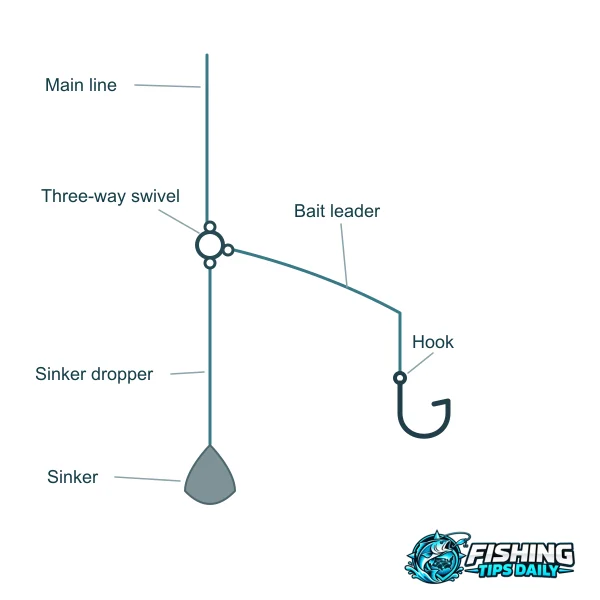
Three-way rig: separate sinker and hook leaders

Illustrations show the arrangement; hook size, weight, and leader length must suit your fish, depth, cover, and local rules.

Check the rules for your exact water before choosing bait, hooks, or a fishing method.

Join the Fishing Tips Daily newsletter waiting list

Our newsletter is not sending yet. Leave your email if you would like to hear from us when it launches.

By joining, you agree to receive our newsletter when it launches. To request removal before then, contact us. Read our privacy policy.