Find the right water. Choose a bait with a purpose. Learn what largemouth, smallmouth and spotted bass are doing—and put your next cast where it matters.
UNDER THE SURFACE Cover. Food. A place to ambush.Illustrated bass habitat
Less guessing. Better decisions.
Start with the water in front of you.
You don't need a boat full of tackle. You need somewhere bass can feed, a lure you can control, and a reason for your next cast. Use this starting point, then let the bites tell you what to change.
These are starting approaches, not a catch forecast. Water temperature, forage and local conditions still matter.
Same family. Different habits.
Which bass are you chasing?
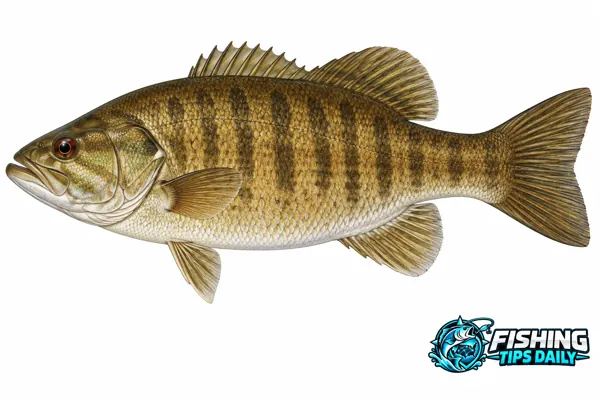
These three black bass belong to the sunfish family. Striped bass and white bass are different fish, with their own habits and approaches.
01 / THE COVER HUNTER
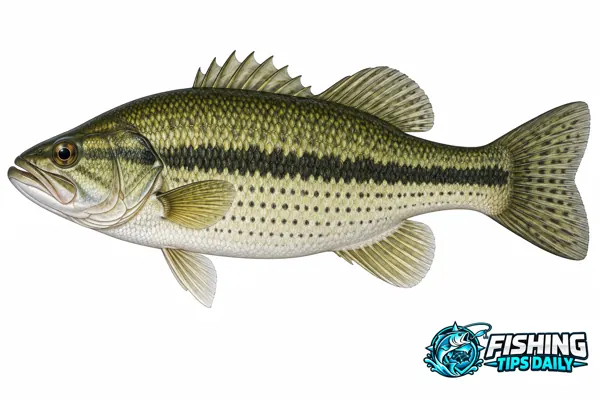
Largemouth bass
Think grass edges, laydowns and a well-placed worm.
Recognize it
A broad mouth with the upper jaw extending behind the eye in adults, plus a dark band along the side.
Where to look
Ponds, lakes, reservoirs and quieter river backwaters. Vegetation, submerged wood and shoreline cover are useful starting places.
First approach
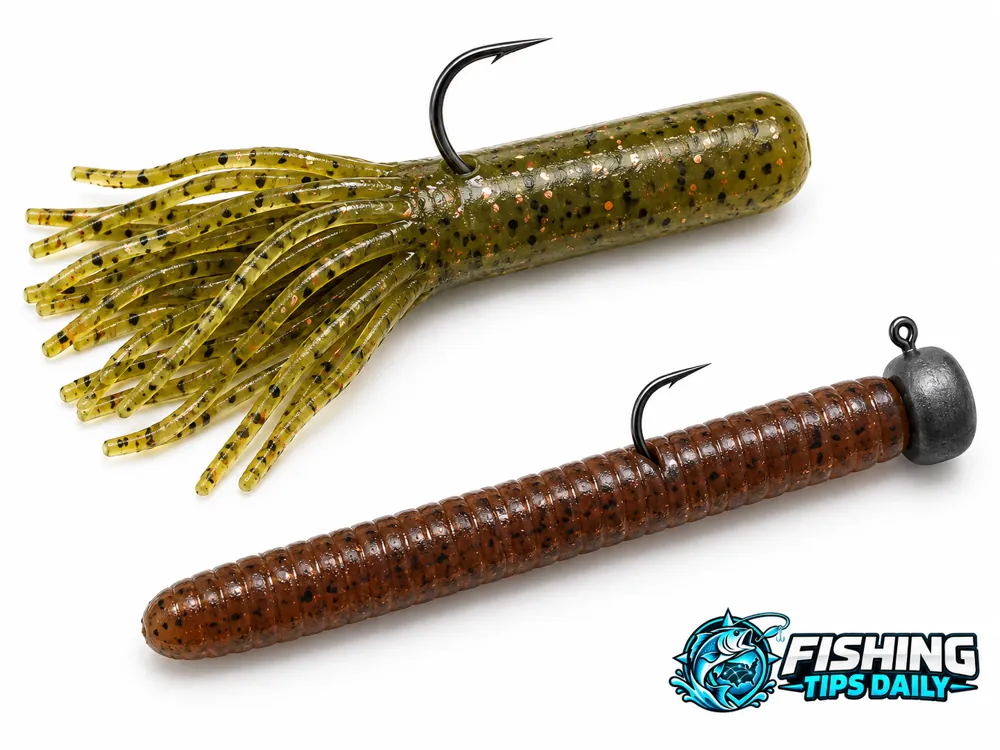
Put a Texas-rigged worm beside cover. When fish are roaming, run a spinnerbait along the outside edge.
Other black bass, including Florida and Alabama bass, occur in U.S. waters. Color alone isn't a reliable identification tool; check the local species and rules before keeping fish.
The year on the water
Fish the season. Read the day.
A warming afternoon in March can fish very differently from a cold morning a week later. Follow the trend in water temperature and bait activity instead of treating the calendar as a promise.
01 — SPRING
Follow the warming water
Start near protected spawning areas and work the route leading out to deeper water. Fish won't all move shallow at once.
Put it to work
Search with a jerkbait or spinnerbait. Slow down with a worm or jig when you find a productive piece of cover.
Watch: stable warming trends02 — SUMMER
Find a comfortable edge
Try shallow feeding areas in low light, then examine shade, healthy vegetation and deeper edges. Deep water only helps when oxygen and food are available.
Put it to work
Give topwater a chance early. Later, work a worm through shade or a drop shot along an offshore edge.
Watch: shade & oxygen03 — FALL
Stay with the groceries
Look for baitfish activity in pockets, along points and around creek arms. Some fish move shallow; others stay with offshore forage.
Put it to work
Use a crankbait or paddletail to cover water. After a bite, repeat the depth and retrieve before swapping colors.
Watch: baitfish movement04 — WINTER
Give a good spot more time
Check steep banks, channel turns and places with a short route between feeding water and deeper refuge. Cold fish often reward a measured pace.
Put it to work
Try a compact bottom bait or a suspending jerkbait with pauses. A sunny afternoon may be more useful than an early start.
Watch: small warm spells
Learn to read a shoreline
Find the edge. Then fish the details.
Structure is the shape of the bottom: points, humps, ledges and channels. Cover is something on it: grass, brush, docks or timber. A useful fishing spot often brings both together.
Don't simply cast at the biggest tree. Check where its outer limbs reach deeper water, where shade falls, and whether small fish are using it. Those details give your cast a purpose.
Bass eat what's available.
Fish, crayfish and aquatic insects all matter. Watch the size and behavior of the forage. A lure that travels through the right feeding zone is more useful than a perfect paint job in empty water.
A
Points & drop-offs
Fan-cast from shallow to deep. A bite halfway back tells you to pay attention to that contour, not just the shoreline.
B
Weed edges
Follow the outside wall and openings. Pick a lure that comes through the vegetation without collecting it on every cast.
C
Docks & wood
Approach quietly and work the outside first. Change your angle before dropping a bait into the thickest branches.
D
Current breaks
Check the softer water behind a boulder or beside a seam. Bring your lure past the holding area with the flow.
Understand the spawn
Spring changes everything.
Black bass build nests and lay eggs in shallow, protected habitat. The male guards the nest and young. Timing varies by species, latitude and local warming.
Around 60°FA useful largemouth spawning reference—not a nationwide switch.
Southern waters can see nesting months before northern lakes. One cove can also warm sooner than the next.
Before the nest
Look between winter holding areas and protected shallows. Secondary points and the first drop outside a flat give you a practical route to search.
During nesting
Firm bottom, shelter and suitable temperature matter. Avoid repeatedly disturbing visible nests; there are other bass to target nearby. Some waters have seasonal closures or special restrictions.
After spawning
Fish spread back out. Check nearby shade, cover and the first useful depth change, then widen your search as feeding activity returns.
Build a smaller, smarter tackle box
The right lure has a job.
Bass don't have one favorite bait everywhere. Choose by the depth, cover and retrieve you need. These eight options cover very different jobs.
Work a small bottom presentation around rock and sparse cover. Move it deliberately and leave pauses. Exposed hooks are a poor match for tangled brush.
A useful finesse option when bigger presentations get ignored.
Keep color simple
Start with natural greens or baitfish shades in clear water and stronger contrast when visibility is poor. Before changing color five times, change the depth, speed or casting angle.
What about live bait?
Locally legal minnows and crayfish can catch bass. Check bait rules for that water, use a rig suited to the bait, and never release unused bait or move live fish between waters.
Hook a stick worm through its middle, or use a suitable ring system.
Cast beside the target and let the ends flutter on the fall. Watch the line; many bites arrive before the bait reaches bottom.
An exposed hook catches brush as readily as fish. Choose open lanes or an appropriate weed-guard hook.
FINESSE AT DEPTH
The drop shot
View larger ↗Bait above the weight. Hook point facing up.
Tie a drop-shot hook onto the line, leaving a long tag end.
Pass the tag back through the eye so the hook stands point-up, then attach a drop-shot weight below it.
Nose-hook a small plastic for open water. Keep the weight in contact while gently moving—or simply holding—the bait above it.
Adjust the distance between hook and weight to the cover and fish position. More shaking isn't always better.
You can start with one outfit
Spinning for finesse. Baitcasting for heavier work.
Match the rod's printed lure and line ratings to what you actually throw. A comfortable, balanced outfit is more useful than buying the most expensive reel.
Practical starter setups
Setup
Starting point
Good jobs
Spinning
6′6″–7′ medium rod; 2500-size reel; 8–10 lb mono
Small plastics, wacky rigs and lighter lures
Baitcasting
Around 7′ medium-heavy rod; 12–17 lb line suited to the lure
Worms, jigs, spinnerbaits and heavier cover
Dense vegetation
A heavier rod and braid matched to the lure, cover and equipment ratings
Frogs and pulling fish out of thick grass
These are starting combinations. Reel sizing varies by brand; very light baits and heavy-cover fishing call for different tackle.
Put the pieces together
Your first hour on unfamiliar water.
01
Look before casting
Check clarity, wind, bait movement and reachable cover. Choose a short stretch with a few different features rather than roaming aimlessly.
02
Make a search pass
Use a moving bait where it can travel cleanly. Cover a range of angles and note the depth of follows, strikes and visible forage.
03
Slow down on a clue
Return to a bite or promising piece of cover with a worm or jig. A second presentation can reach fish that wouldn't chase.
04
Repeat what worked
Find another place with the same depth, cover and conditions. If nothing develops, change the kind of water you're fishing before emptying the tackle box.
From the bank
You don't need a boat.
Stay back from the edge for your first casts and fish the water close to shore before stepping forward. Cast parallel to the bank when possible; it keeps a lure beside shoreline cover longer.
Travel light: one dependable outfit, a few moving baits, a worm rig, pliers and spare line. Move quietly between legal access points. A beautiful dock isn't an invitation to cross private property.
When a fish runs toward cover, use steady pressure and a useful rod angle. Don't lift a heavy bass out by the line or swing it onto the bank.
From a boat or kayak
Position makes the cast.
Give yourself room to bring the lure along an edge. Sitting directly above the fish can turn a good spot into a poor presentation, especially in shallow, clear water.
Electronics can help locate contours and bait, but they don't make every mark a catchable bass. Fish the level where the activity is, and pay attention to how wind or current changes your drift.
Wear a properly fitted life jacket. In moving water, plan your route and avoid anchoring in hazardous current. No fishing spot is worth losing control of the boat.
Build your next trip
Bass waters to explore.
SAMPLE LAKE SELECTION
A preview of this guide's lake section. These example destinations will be replaced with our final ten selections; this is not a ranked list.
A slow stretch doesn't always mean the lake has switched off. Make one useful adjustment at a time so you can learn from the result.
What is the best bass lure for a beginner?
A soft-plastic worm is a useful first choice because you can fish it slowly and learn to detect a bite. Add a spinnerbait or small paddletail when you want to search. Learn those presentations before trying to master every lure in the shop.
What if bass follow but won't bite?
Try a change in speed or a pause before changing everything else. Then change the angle or offer a smaller bait. A following fish has already given you a location clue—use it.
How deep should I fish?
There is no universal bass depth. Start with reachable cover and the nearest depth change, then search outward. If you find baitfish or get a bite, repeat that level. The deepest water isn't automatically the best water.
Can I catch bass in muddy water?
Yes. Fish close to cover and give them a lure they can locate, such as a spinnerbait or a contrasting jig. Make deliberate passes. If the water has suddenly become extremely muddy, look for a less affected pocket or a clearer inflow that is safe to fish.
Why am I missing bites on a worm?
Check that the plastic is straight and isn't bunching over the hook. Reel down to remove excess slack before setting, and match the hook to the bait. A line that jumps, moves sideways or goes slack unexpectedly can be your first clue.
Do I have to fish at sunrise?
No. Low light can bring fish into approachable feeding areas, but shade and current can produce later. During colder periods, an afternoon warming window may be worth more than arriving in the dark.
Should I keep changing lures when nothing bites?
Give each change a reason. First ask whether you're fishing near food and useful cover at an appropriate depth. Adjust your location or retrieve before cycling through a dozen nearly identical colors.
Plan the next cast
Know the fish. Find the water. Bring the right tackle.