
Featured
Largemouth Bass
Try plastic worms, spinnerbaits or jigs around shoreline cover. Native to eastern and central North America and widely introduced elsewhere.

Explore popular U.S. game fish first, then browse the rest alphabetically. Or find a fish by name.
Showing 1–20 of 1,481 fish · Page 1 of 75
Try plastic worms, spinnerbaits or jigs around shoreline cover. Native to eastern and central North America and widely introduced elsewhere.

Native to the upper Mississippi, Great Lakes–St. Lawrence and Hudson Bay systems, including the Champlain region.

Try small jigs or minnows around submerged brush. Often found in lakes and reservoirs with plenty of underwater cover.

Takes minnows and small jigs, often around brush piles or standing timber. Common in reservoirs and slower river habitats.

Takes small worms, crickets and tiny jigs. Look around vegetation, brush and shallow cover in ponds and lakes.
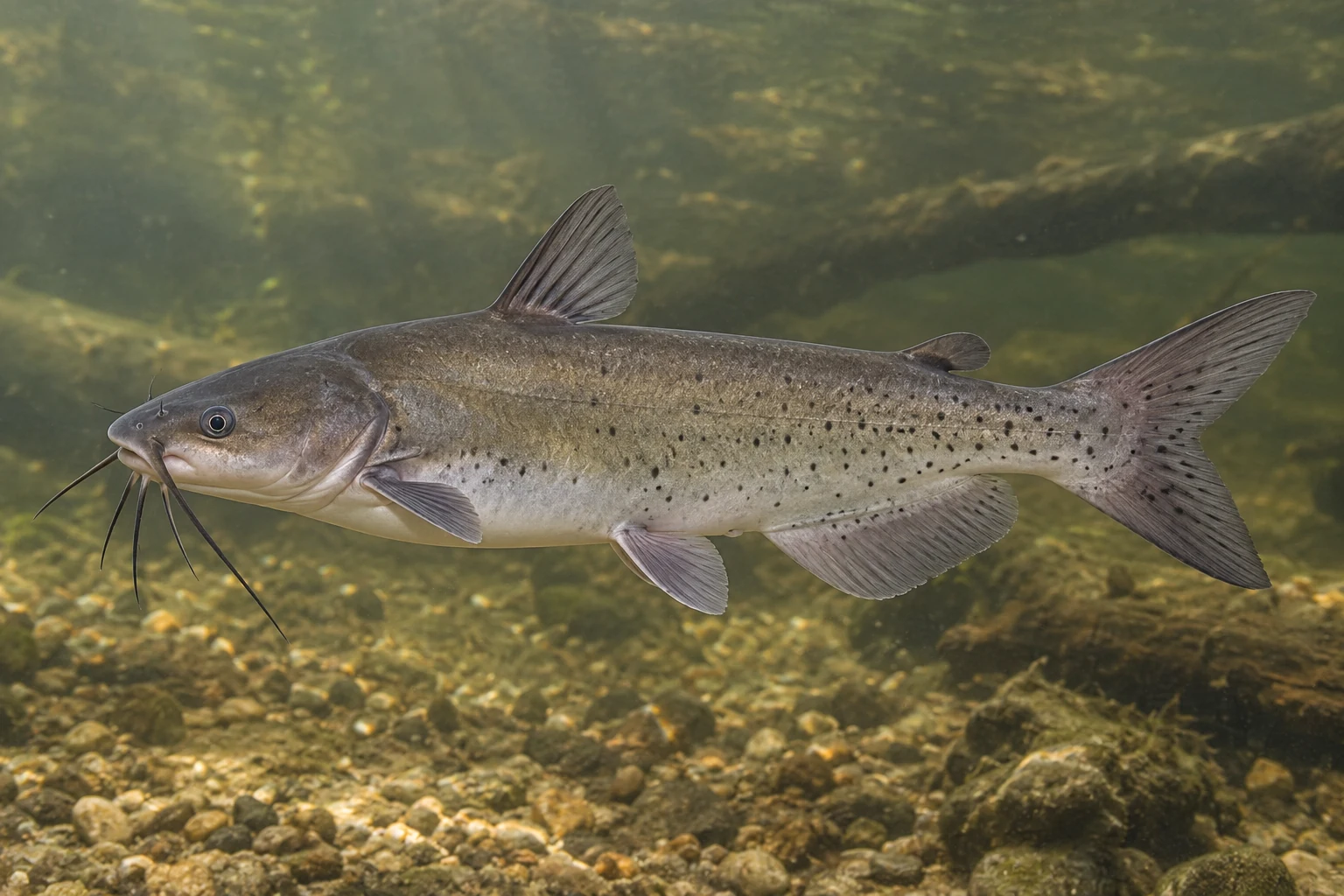
Takes worms, shrimp and prepared baits fished near the bottom. Commonly found in lakes, ponds and rivers.

Native to cold Pacific-draining streams in North America and Asia, with introduced populations in many other regions.


Cut bait is a proven choice for this large catfish. Found in major rivers and reservoirs across much of central North America.
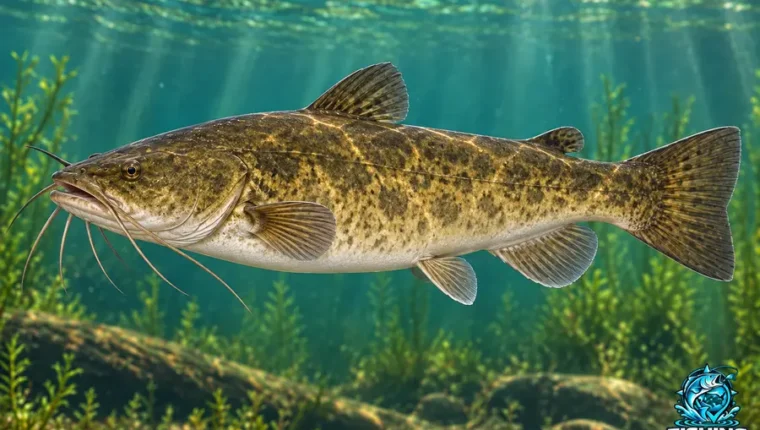
Adults mainly eat live fish. Favors warm rivers with steady, slow currents and substantial depth.

Can live in large lakes or flowing rivers. Lake populations use deep water with distinct temperature layers.
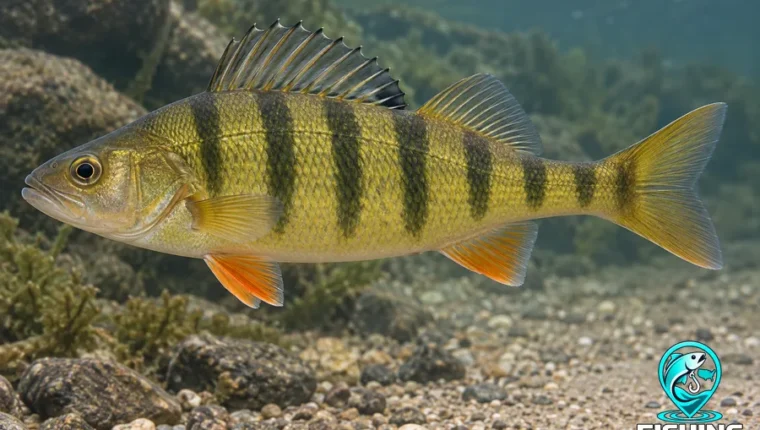
Native to central North American waters, especially the Great Lakes–St. Lawrence and upper Mississippi systems.

Native to eastern North American coastal and river systems, with introduced populations in western reservoirs and other inland waters.
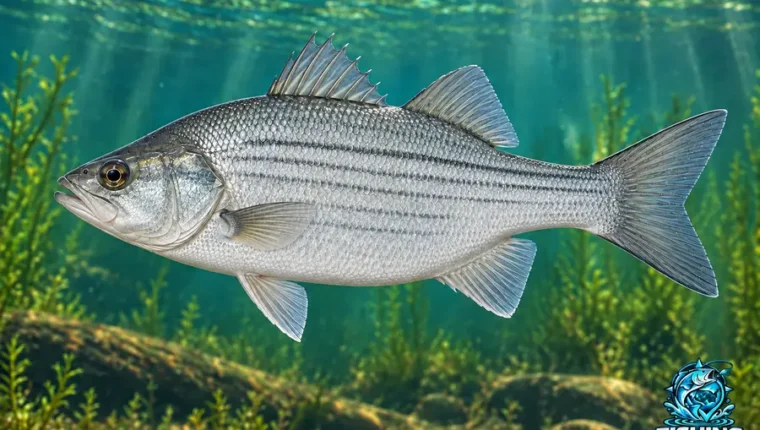
Feeds on smaller fish, with the proportion of fish in its diet changing seasonally.

Eats insects, crayfish and smaller fish. Native to the Mississippi basin and Gulf-draining waters from Texas toward the Florida Panhandle.

An ambush predator of weedy lakes, reservoirs and sluggish streams, also found in clear, rocky northern waters.
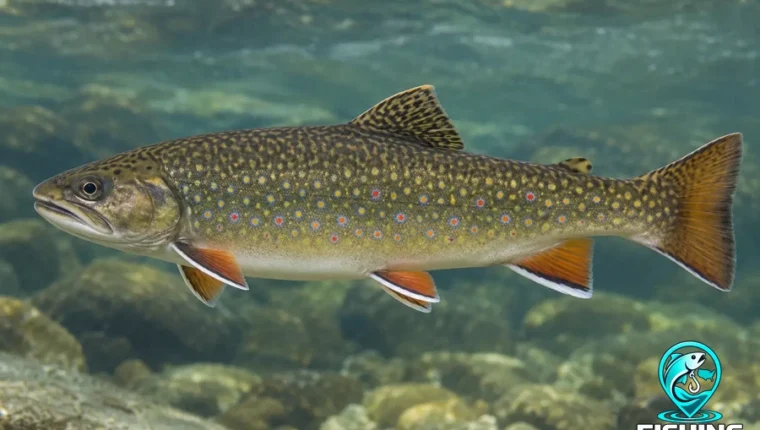
A northern trout found in lakes and coastal river systems extending from Long Island toward Hudson Bay.

A cold-water trout native to North America and introduced to additional lakes elsewhere.
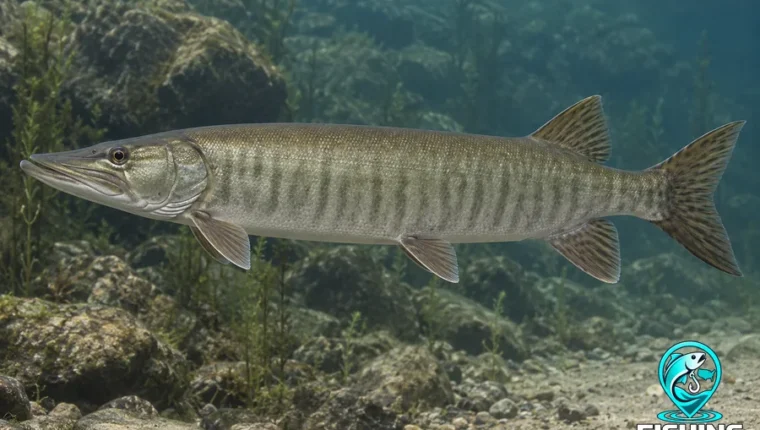
An ambush predator that rests near weed edges, rocky outcrops and other cover in clear water.

Native to the North Pacific and western North American rivers. River systems provide important freshwater habitat.