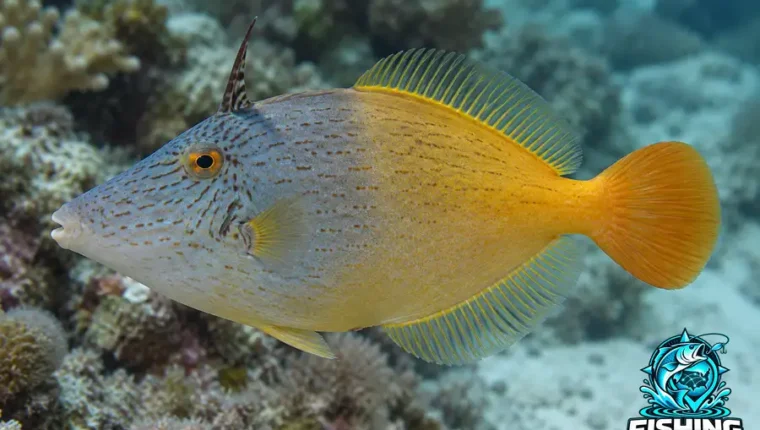
Lacefin Filefish
A filefish recorded across the Indo-West Pacific, including Hawaii, Japan, Australia and Christmas Island.

Browse all 62 fish starting with L. Select a name to explore its species profile.
Choose a letter to see every fish starting with that letter.
A filefish recorded across the Indo-West Pacific, including Hawaii, Japan, Australia and Christmas Island.
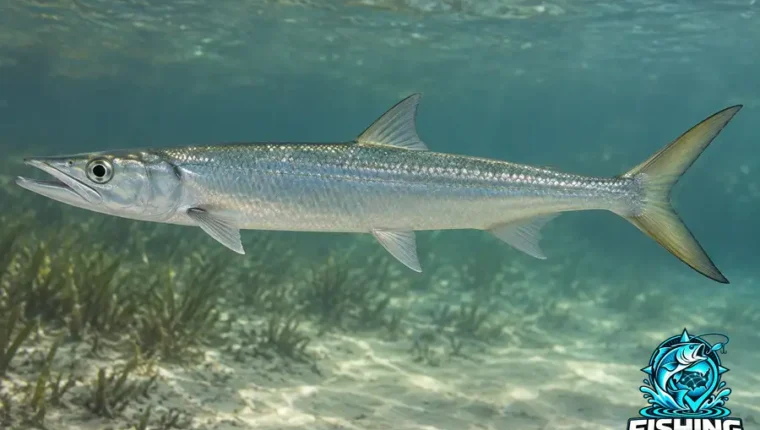
A coastal Atlantic fish ranging from Massachusetts to Florida and into the Gulf of Mexico.
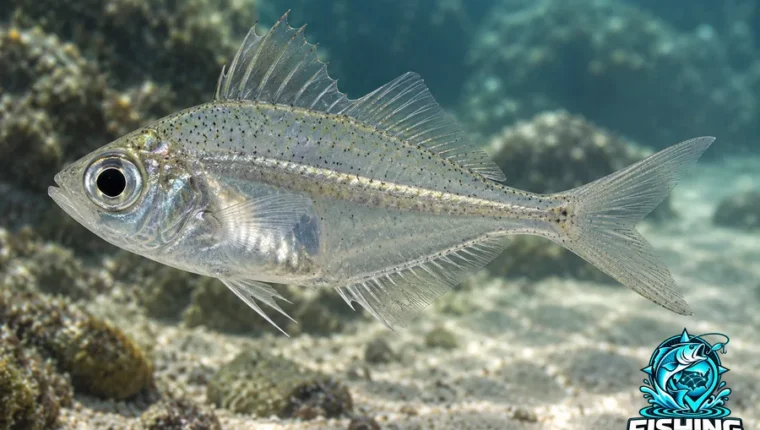
Known from a small number of coastal localities in northern Queensland, Australia.
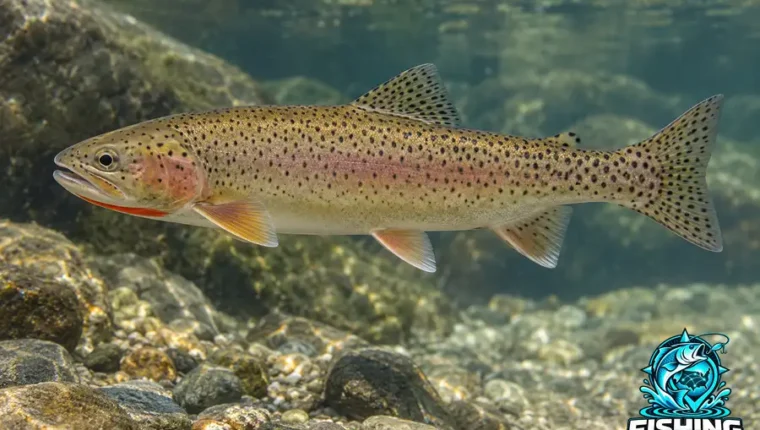
Native to cold-water habitats of Nevada and neighboring parts of southeastern Oregon and northeastern California.
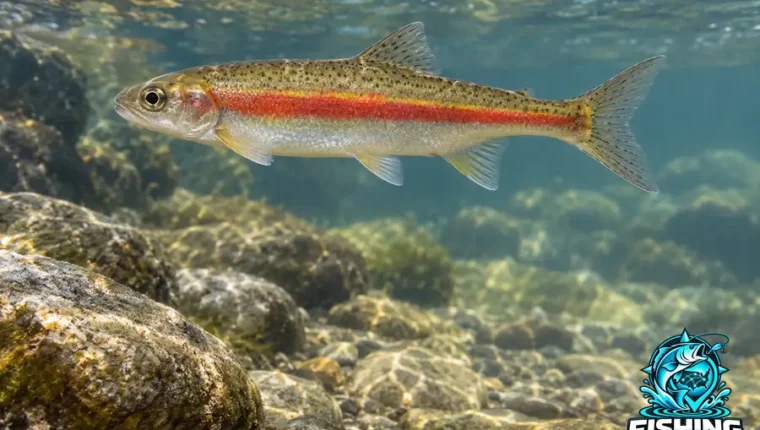
Lives in Great Basin waters of eastern California, western Nevada and far southern Oregon.
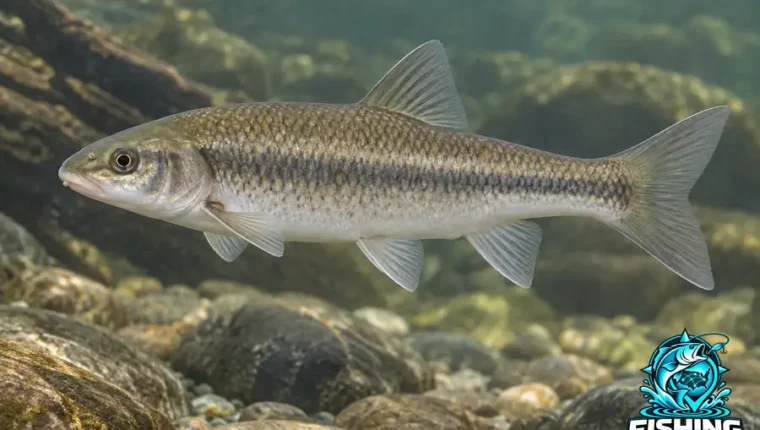
A small northern minnow with populations across Canada and parts of the United States.
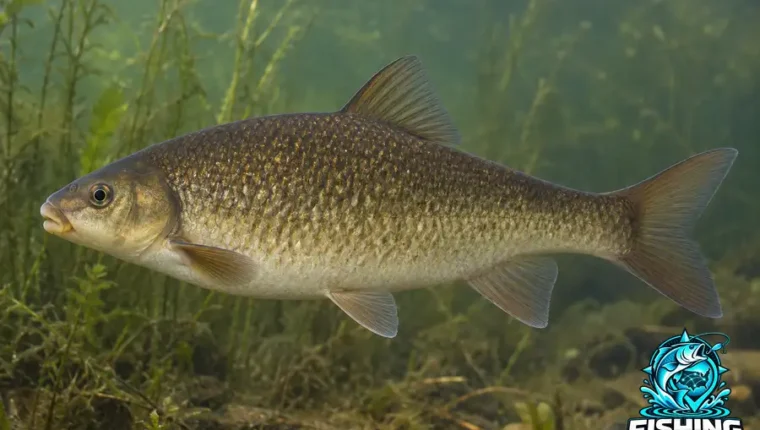
A North American sucker ranging from the Great Lakes and southern Ontario toward the Mississippi basin and Gulf Coast.

A small freshwater pupfish native to central Florida’s Ocklawaha headwater lakes, including the Lake Eustis region.
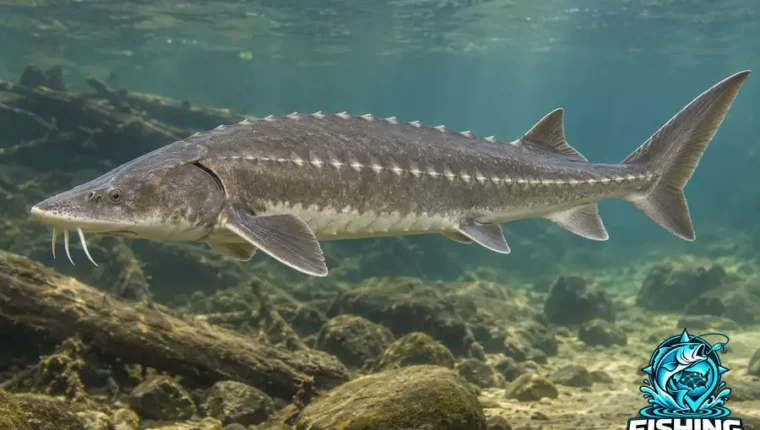
A freshwater sturgeon native from the Hudson Bay region south into the eastern-central United States.

A cold-water trout native to North America and introduced to additional lakes elsewhere.
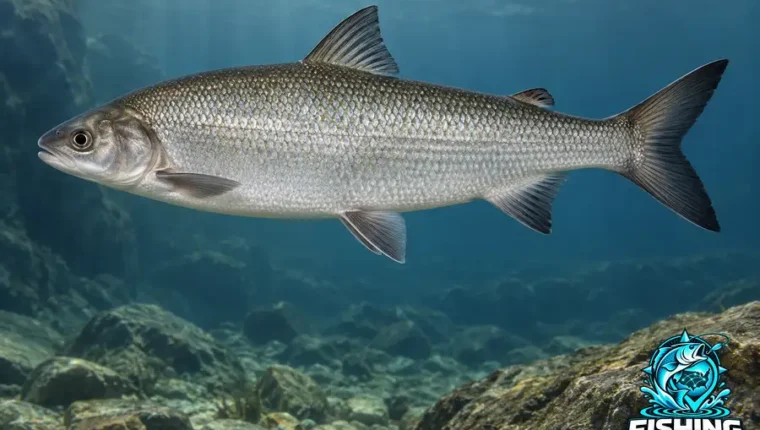
Found across much of Canada and the northern United States, including every Great Lake.
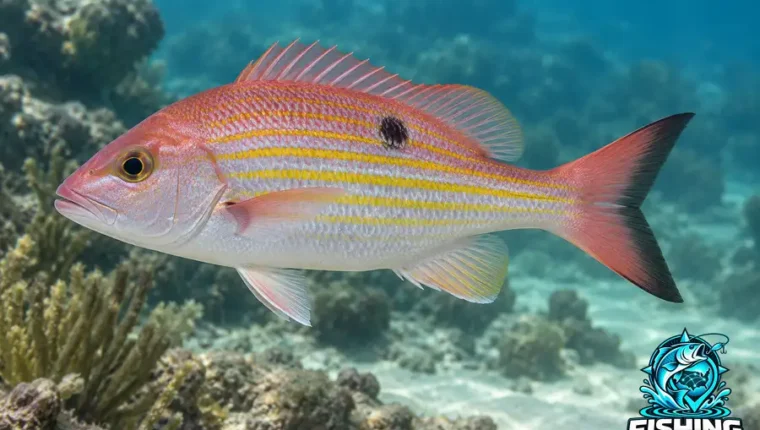
A snapper ranging from Bermuda and North Carolina through the Caribbean and Gulf of Mexico toward southern Brazil.

Try plastic worms, spinnerbaits or jigs around shoreline cover. Native to eastern and central North America and widely introduced elsewhere.
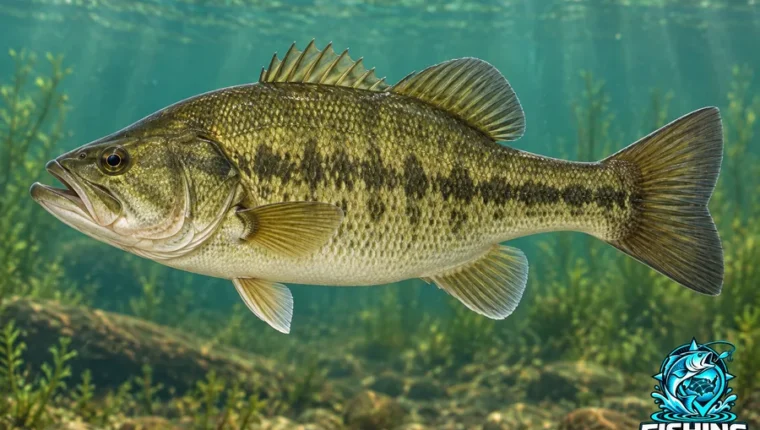
A largemouth–smallmouth bass hybrid, combining two well-known North American freshwater predators.
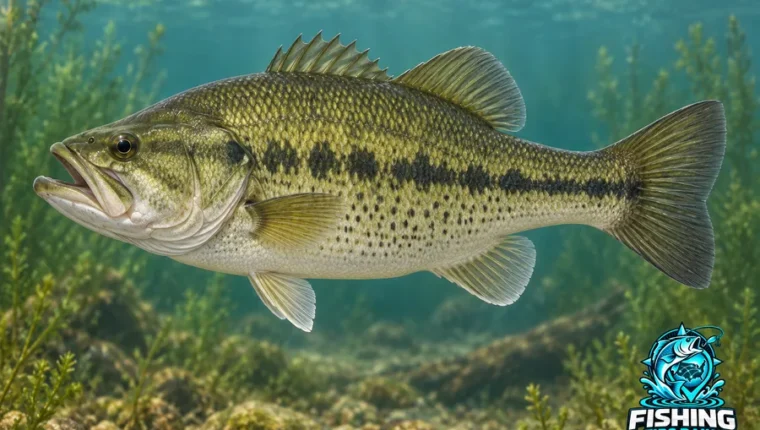
A cross between largemouth and spotted bass, both native to North American freshwater systems.
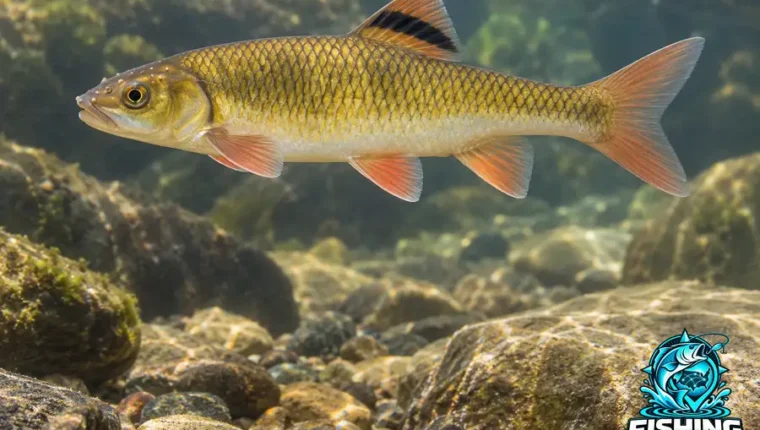
Favors upland streams above the fall line, where terrain changes from coastal plain to higher ground.
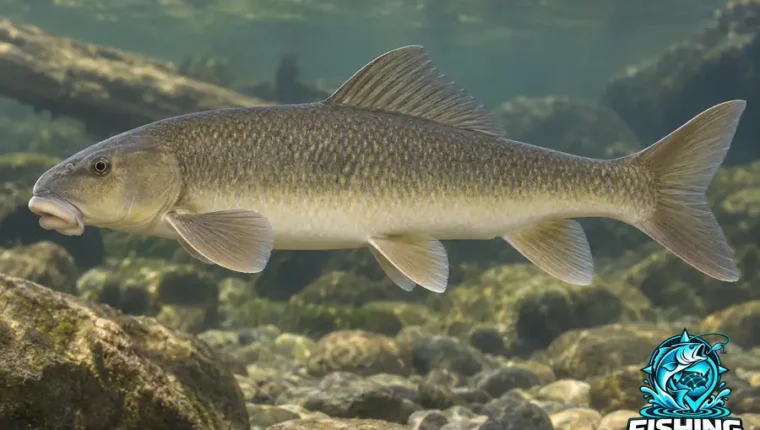
Uses lakes and the slower-moving sections of streams and rivers.
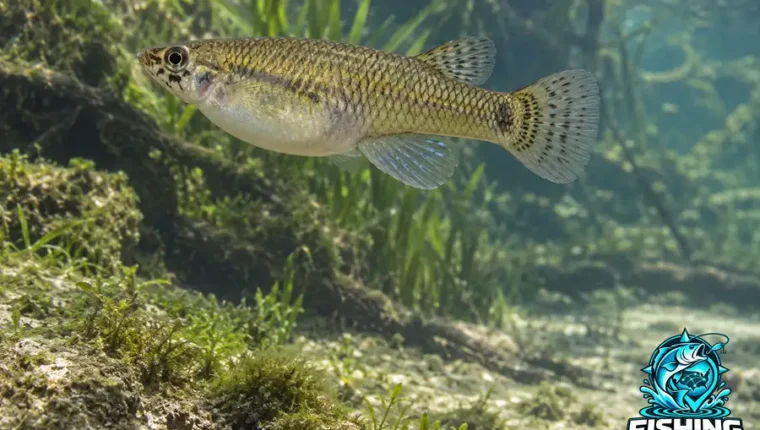
A livebearing fish native to spring habitats in Texas and Durango, Mexico.
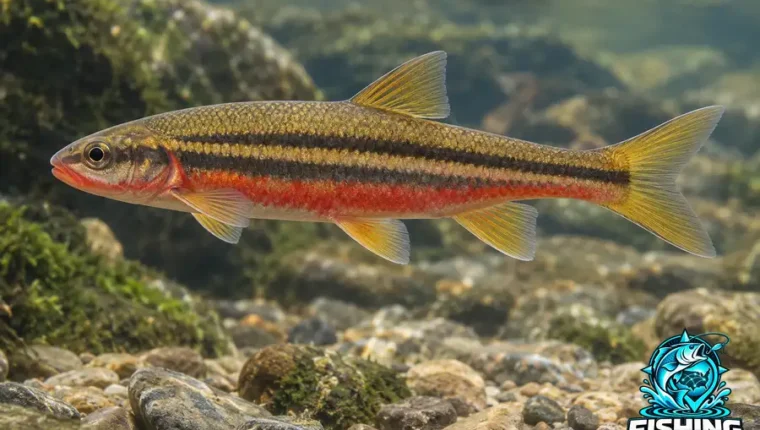
Native to a handful of small streams on Tennessee’s Walden Ridge in the Cumberland Plateau.
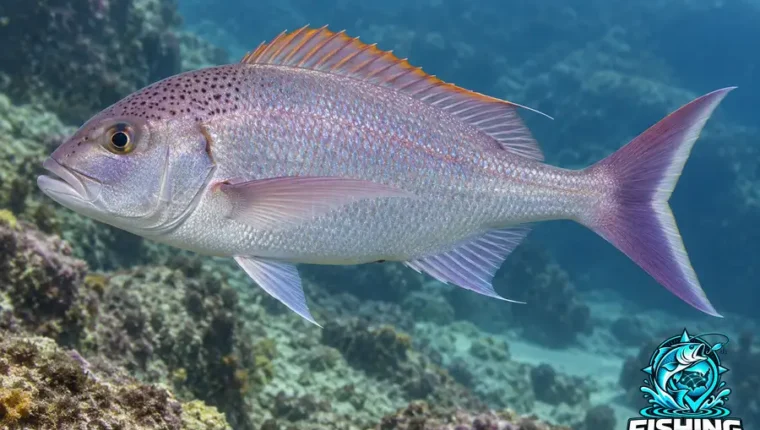
A Pacific snapper whose range extends toward Hawaii and Japan.
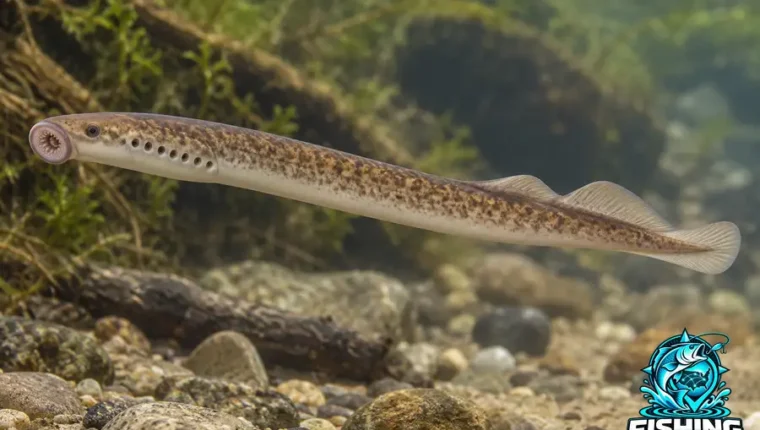
A nonparasitic lamprey found in the Mississippi watershed and portions of the Atlantic drainage.
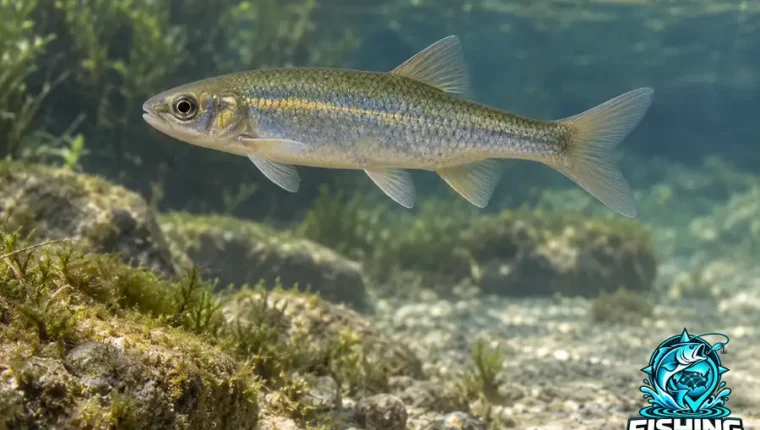
A small western chub associated mainly with Utah, with additional populations reported in Idaho.
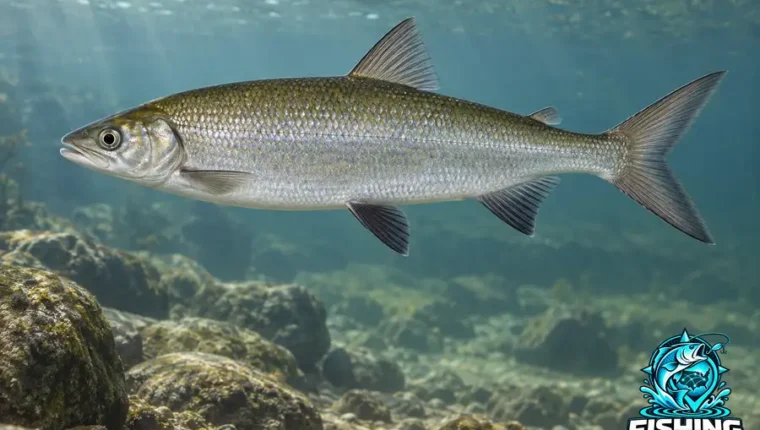
Uses Arctic-basin rivers, estuaries and coastal waters, as well as some larger northern lakes.
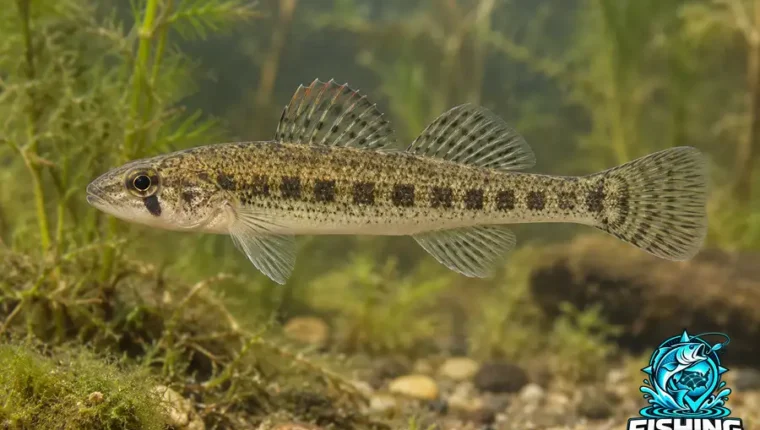
A tiny darter recorded in northeastern United States lakes and streams and the Mississippi River system.
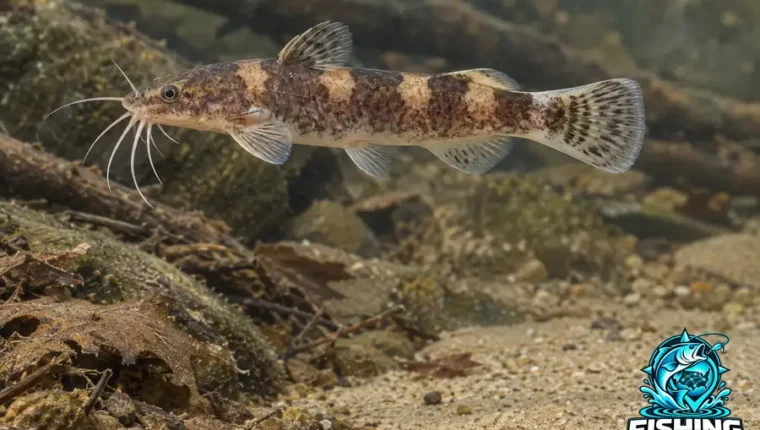
Uses creek and small-river pools and riffles over sand or mixed rock.
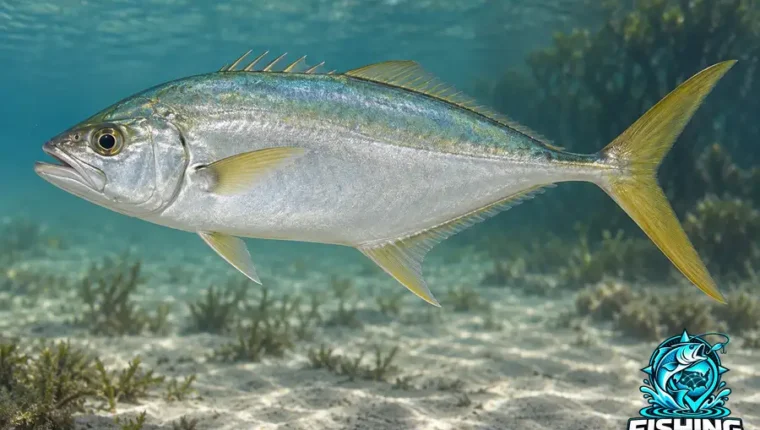
Ranges from Baja California and the Gulf of California toward Ecuador, including the Galapagos and Malpelo islands.
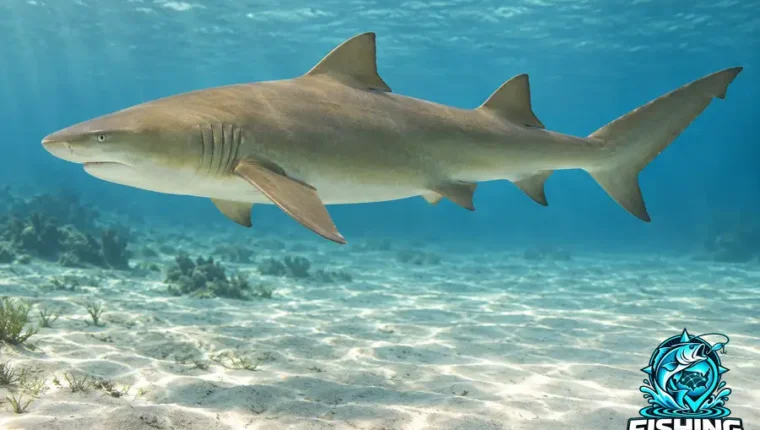
A shark of shallow subtropical waters that returns to particular nursery areas to reproduce.

A desert pupfish associated with Diamond Y Draw, a tributary of the Pecos River in Texas.
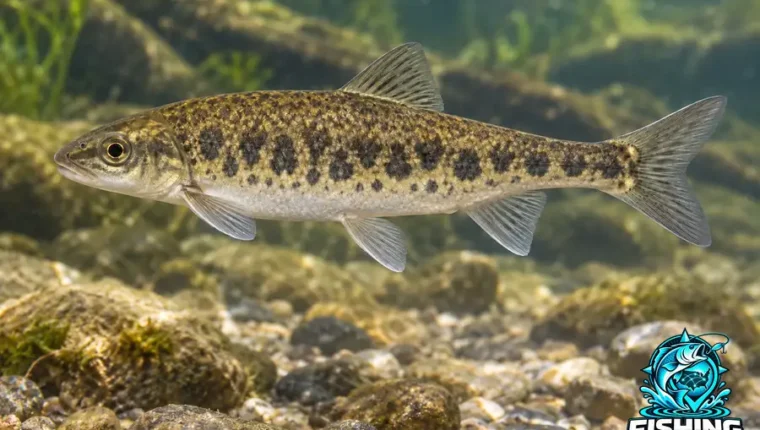
Lives in the Fraser and Columbia drainages across British Columbia and parts of the northwestern United States.
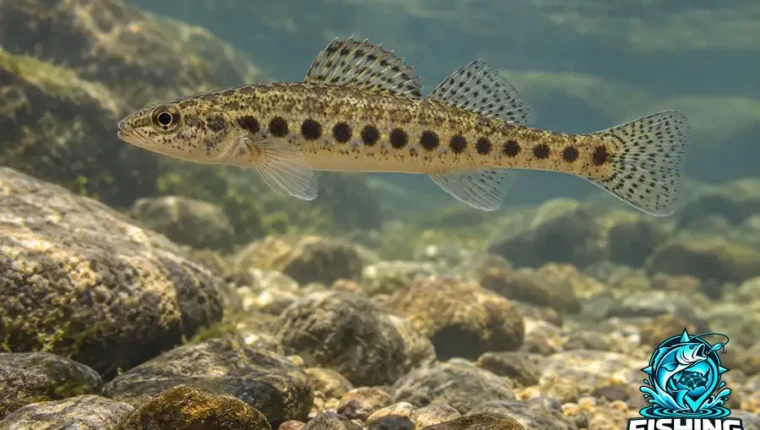
Eats small invertebrates from the riverbed. Spawning takes place mainly during March and April.
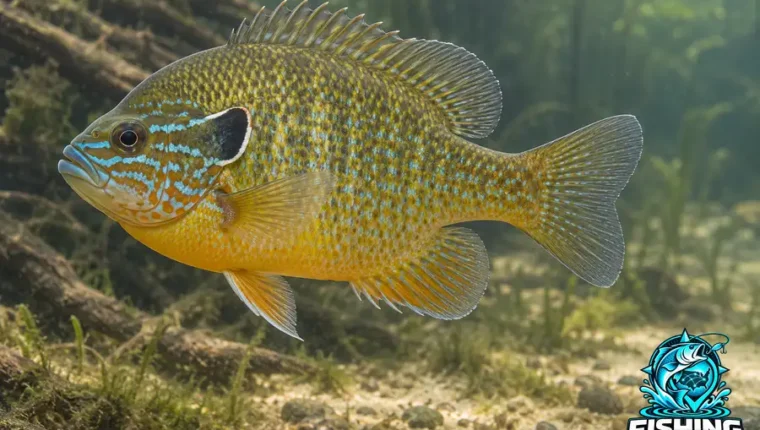
A freshwater sunfish native to the southeastern United States.
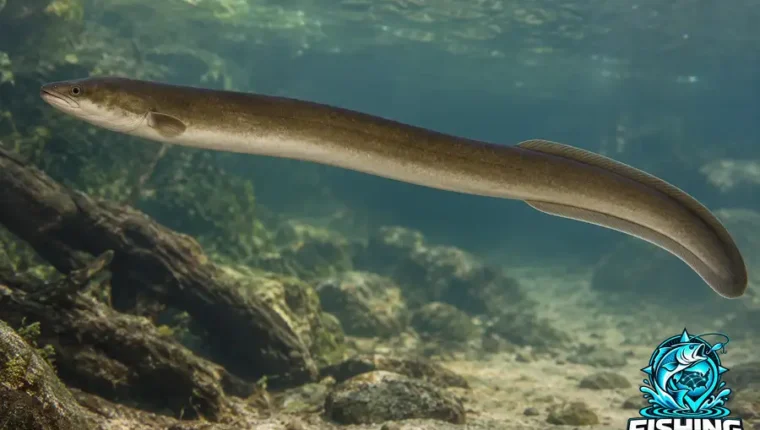
An Indo-Pacific eel ranging from western Indian Ocean islands toward Southeast Asia, New Guinea and northern Australia.
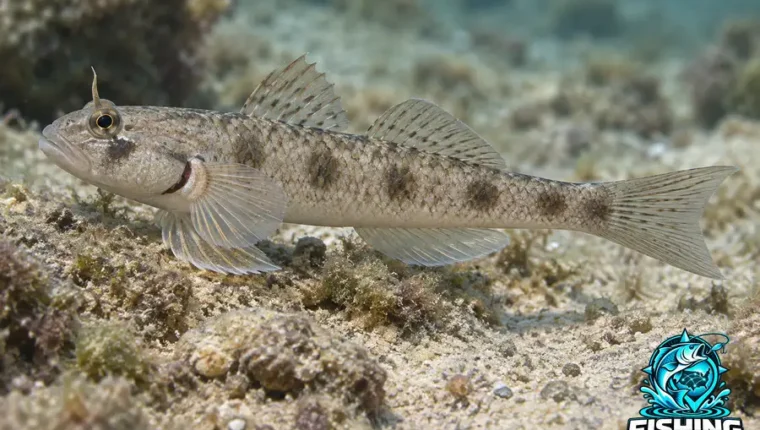
A goby recorded across the Indo-West Pacific and western-central Pacific.
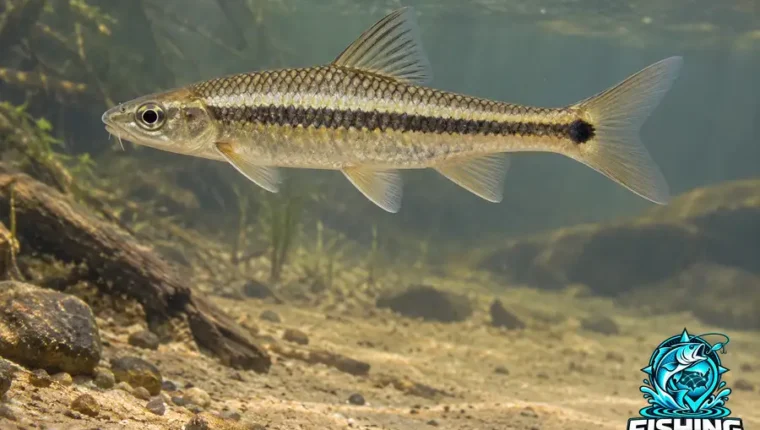
Feeds on midge larvae, pupae and larger aquatic insects in its native river habitats.
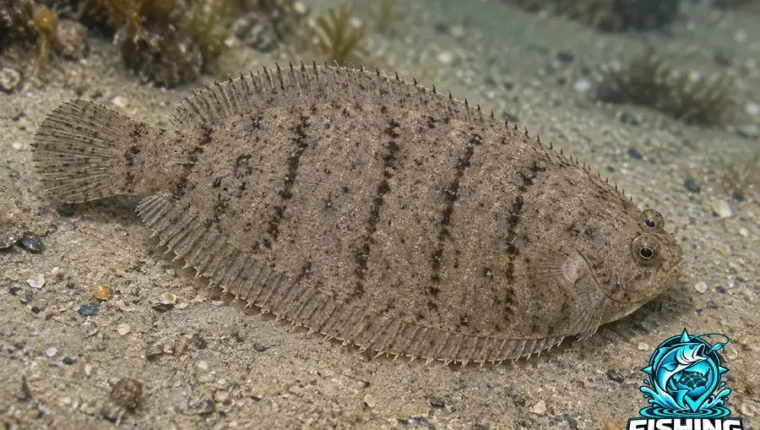
Eats worms, crustaceans and small fish over sandy or muddy coastal bottoms, including estuaries and salty lagoons.
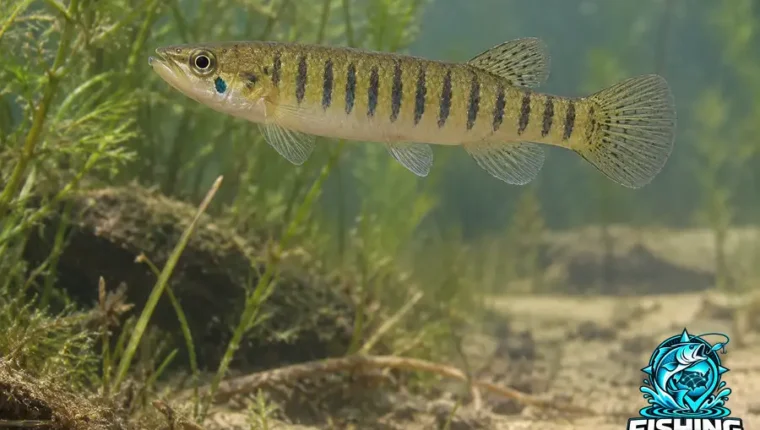
Uses swamps and quiet backwaters between southern Virginia and Florida’s Lake Okeechobee region.
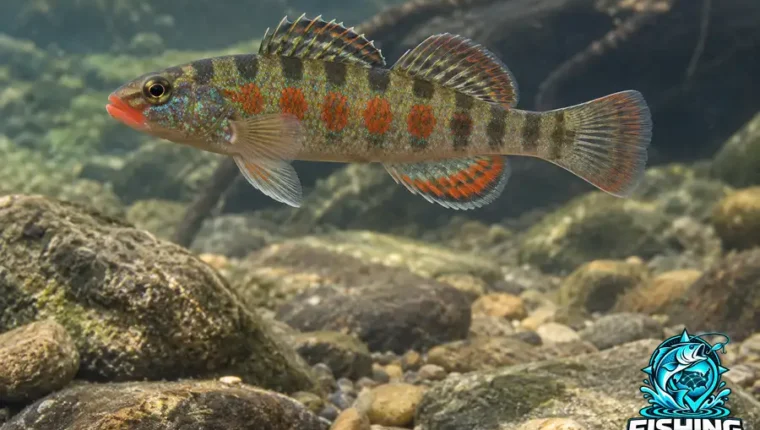
Lives in rocky riffles of creeks and small to medium-sized rivers.
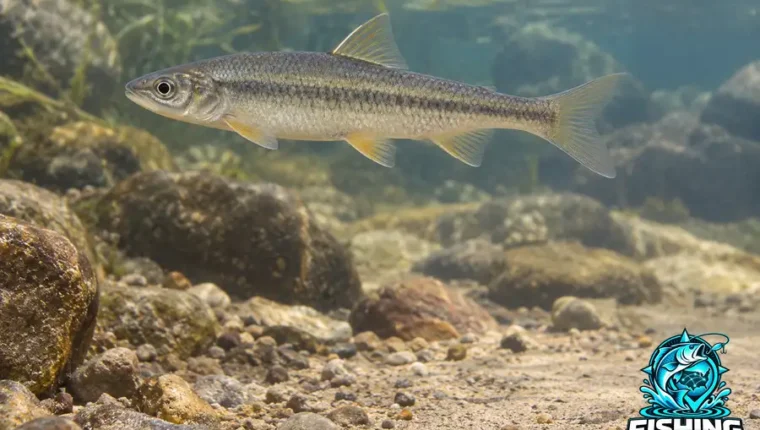
Favors open, unshaded pools, using rocks and undercut banks for shelter.
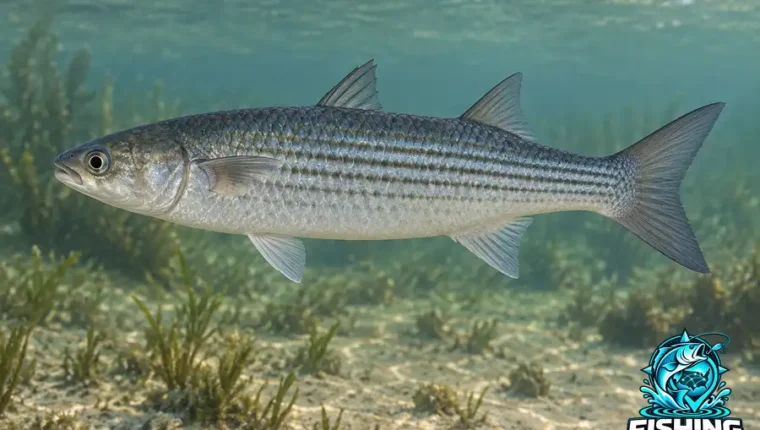
A coastal mullet of the western Atlantic and Caribbean, where it is also commercially harvested.
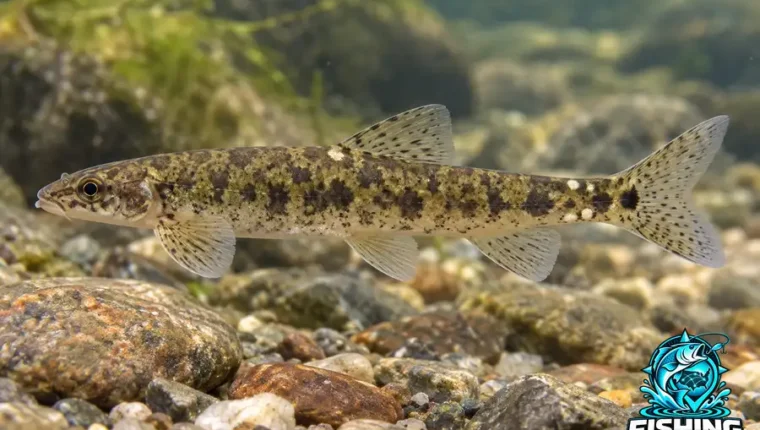
Native to the Gila River system in Arizona, New Mexico and Sonora, Mexico.
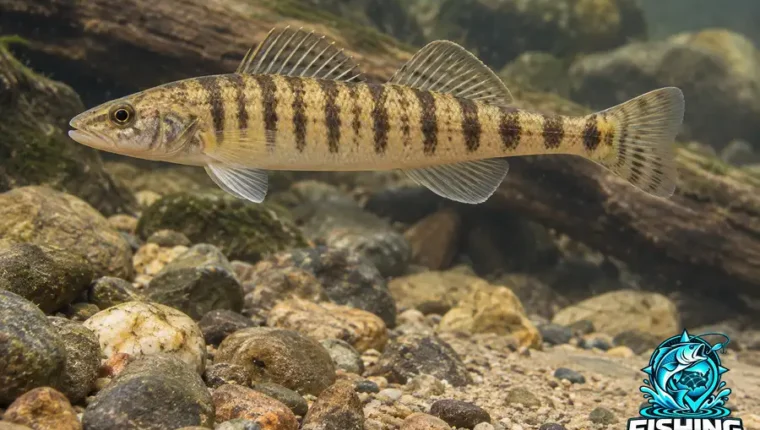
Lives in clear streams and lakes with gravel bottoms, reaching roughly seven inches long.
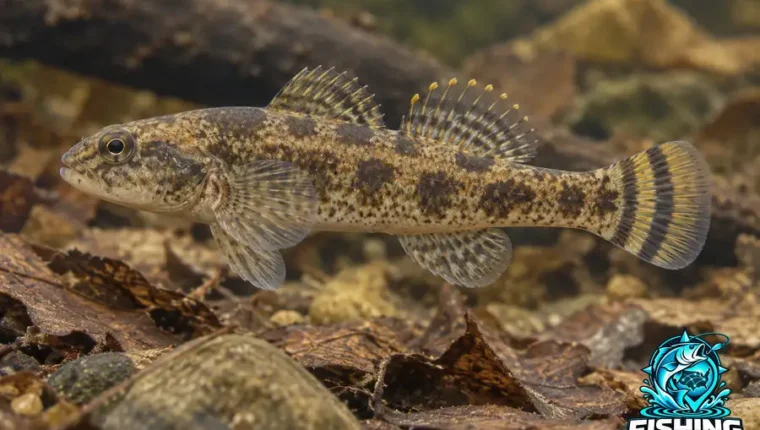
Uses shallow, clear water with little or no current.
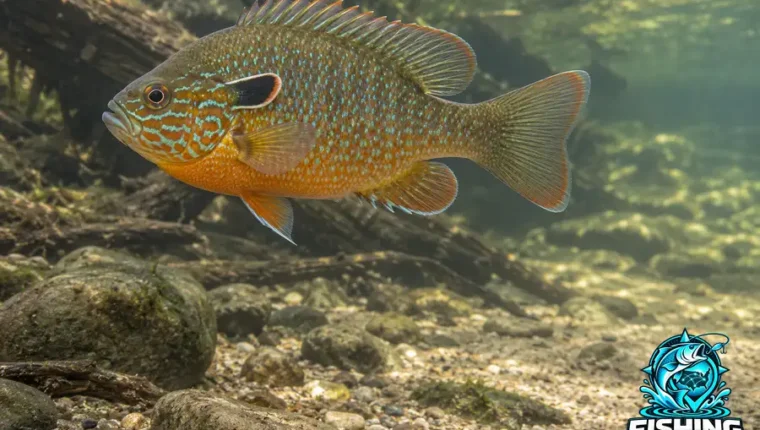
Favors plant-filled shallows in ponds, lakes and slow streams.
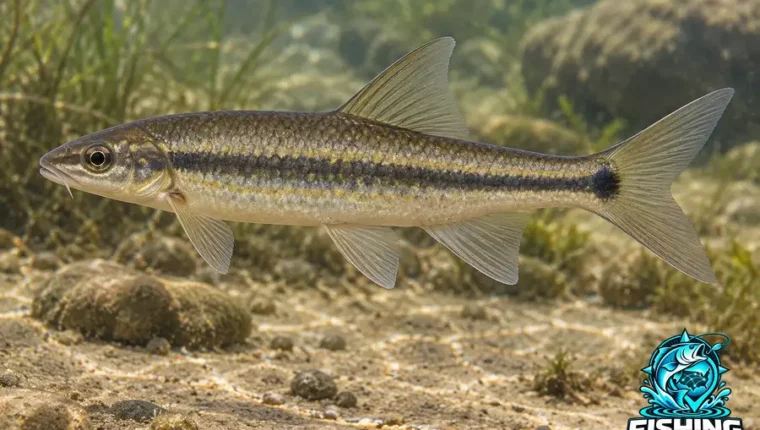
Native to desert waters in Arizona, New Mexico and northern Mexico, including Sonora and Sinaloa.
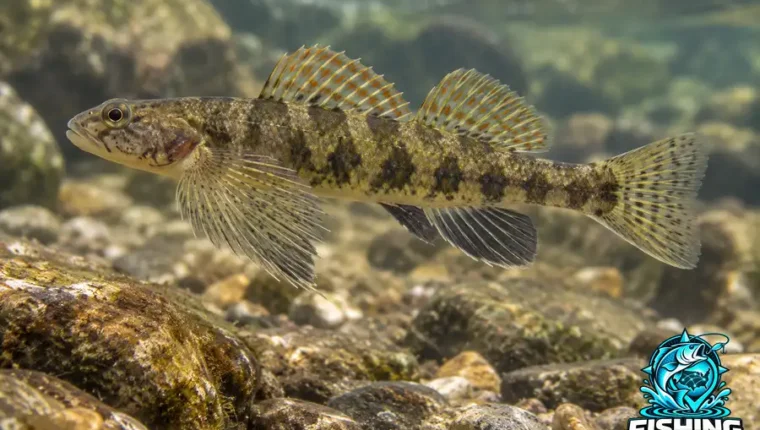
A darter of the upper James River drainage in Virginia and West Virginia.
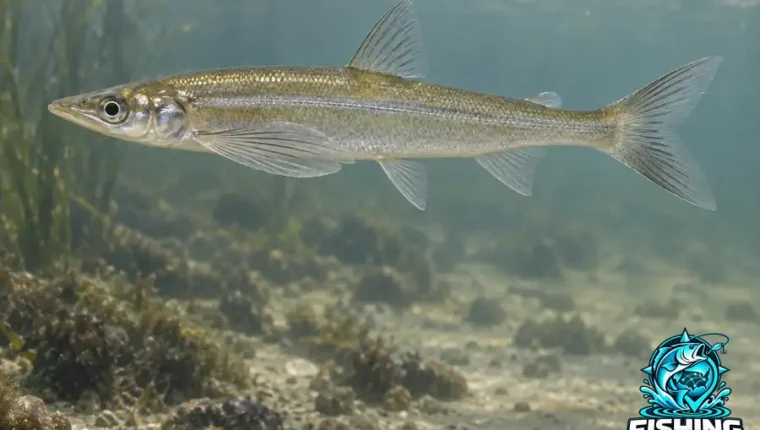
Native to the North Pacific and nearby freshwater systems, including connected streams and lakes.
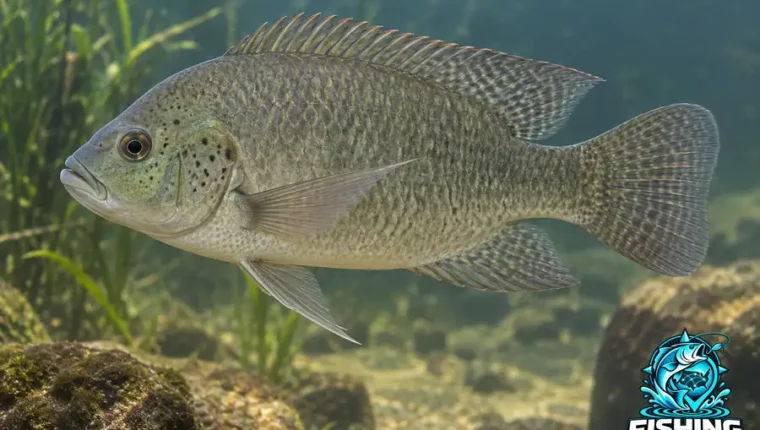
An African tilapia native to the Zambezi basin and lakes Mweru and Bangweulu.
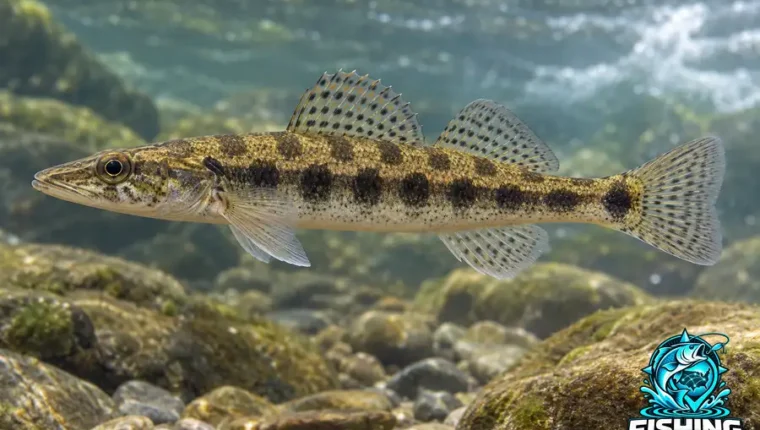
Lives in the Ohio River basin, from the Appalachian states west toward Kentucky and Tennessee.
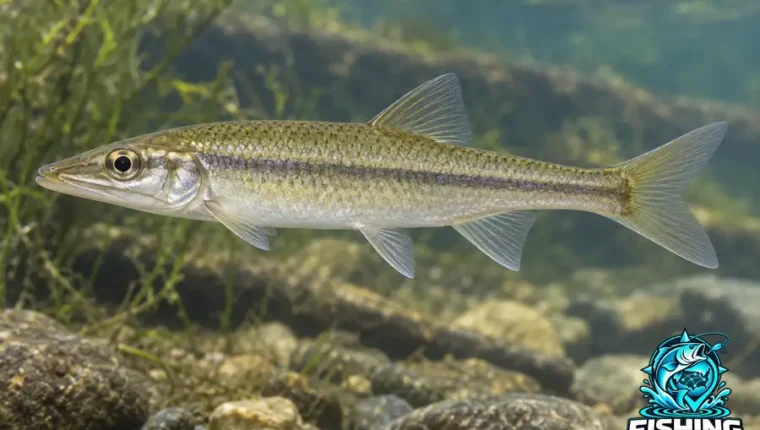
A southeastern United States minnow with a regional freshwater distribution.
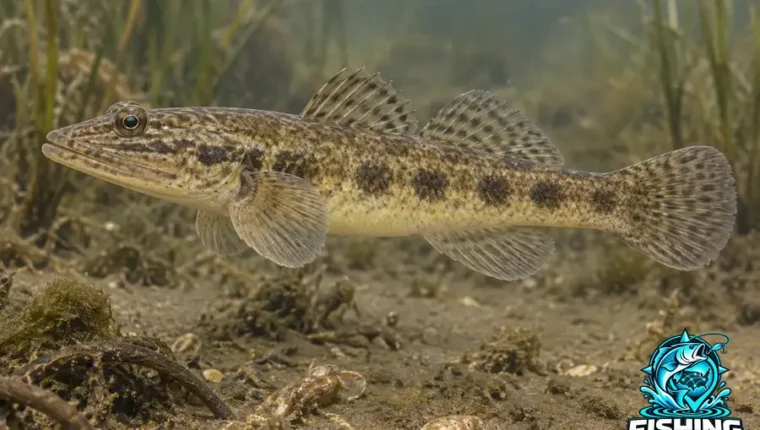
Found along the Pacific coasts of California and Baja California.
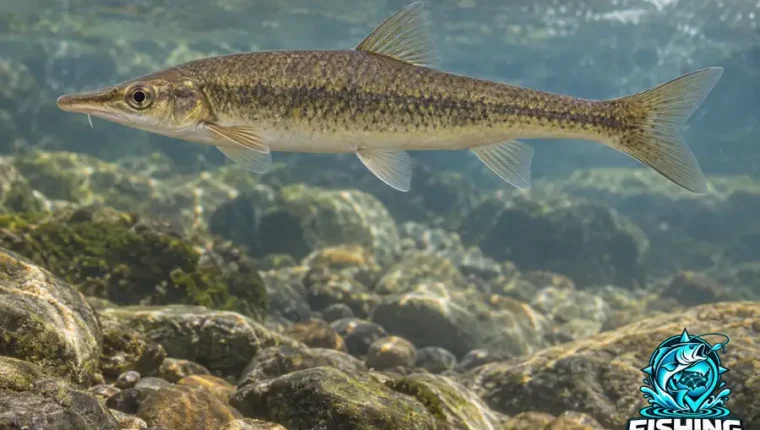
Uses moderately cool streams, rivers and lakes, feeding opportunistically on available small foods.
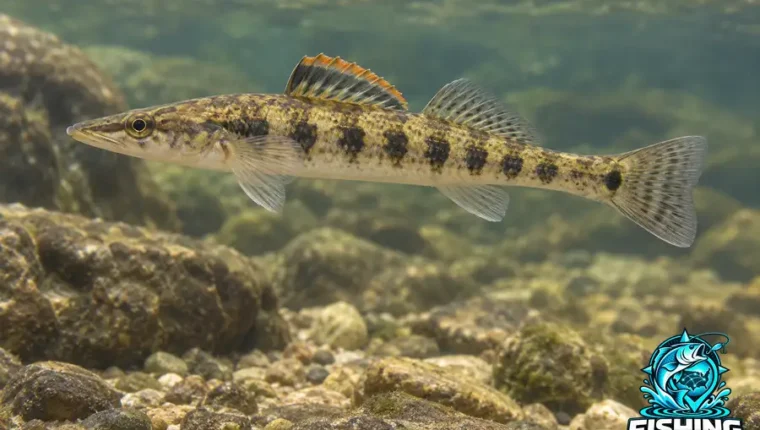
Occurs in Ozark and Ouachita river systems across southern Missouri, Arkansas and eastern Oklahoma.
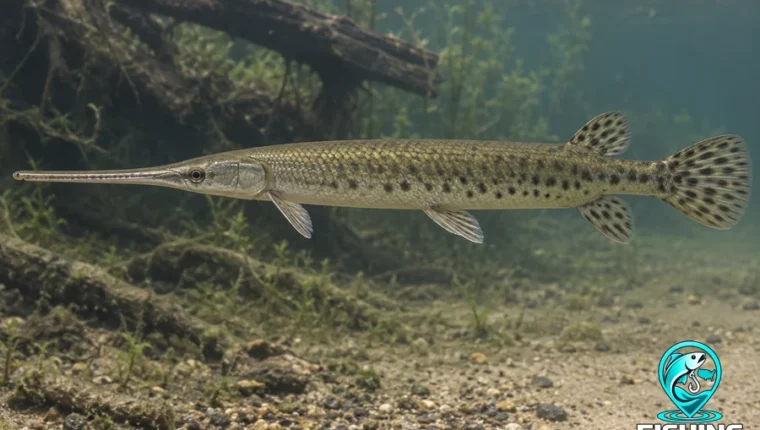
Uses freshwater lakes, swamps and slow river backwaters, and also enters brackish coastal water.
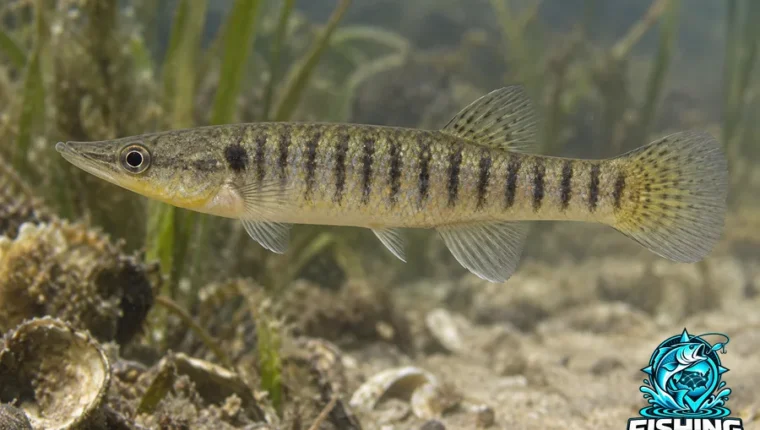
A Gulf Coast killifish ranging from the Florida Keys west and south toward Tampico, Mexico.
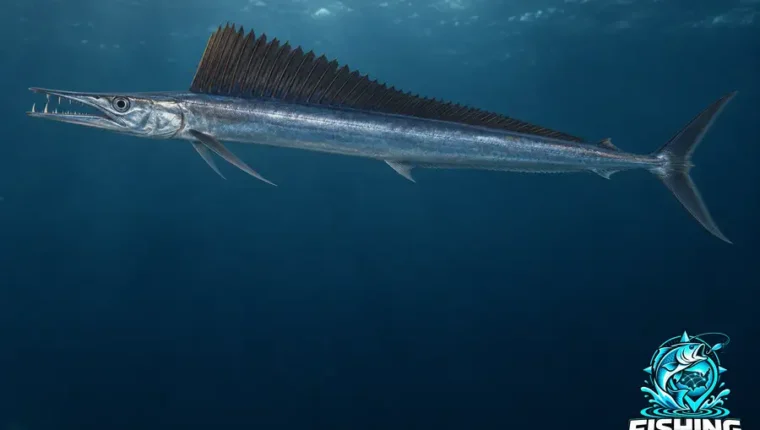
An open-ocean predator found worldwide in tropical through cold temperate seas.
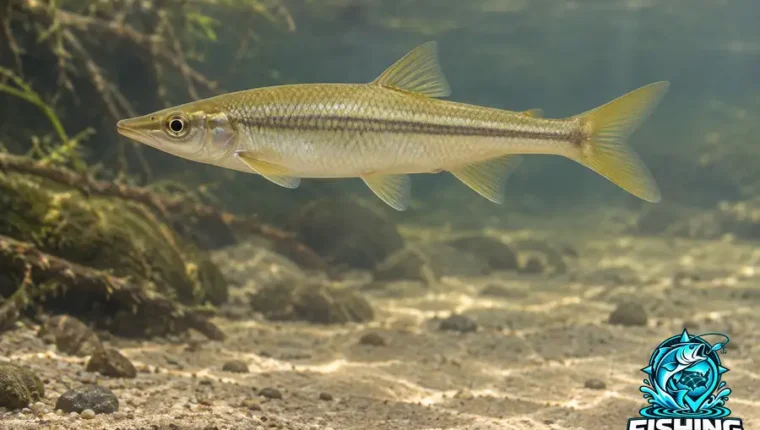
A small shiner usually less than two and a half inches long, with a pale yellow back and sides.
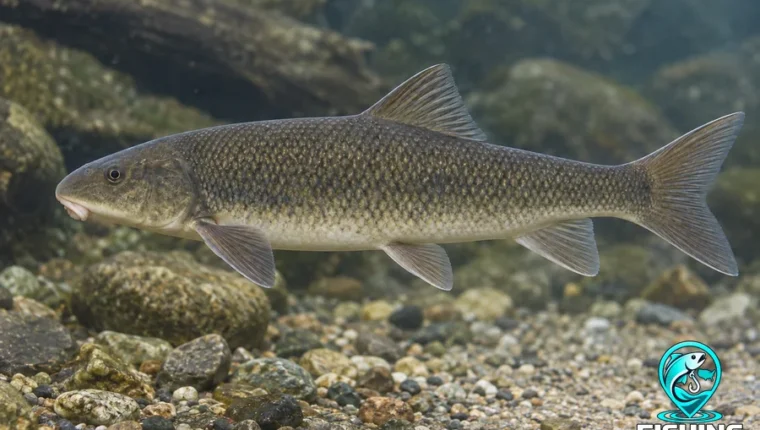
Native across northern North America, extending from the northern United States into Arctic regions.
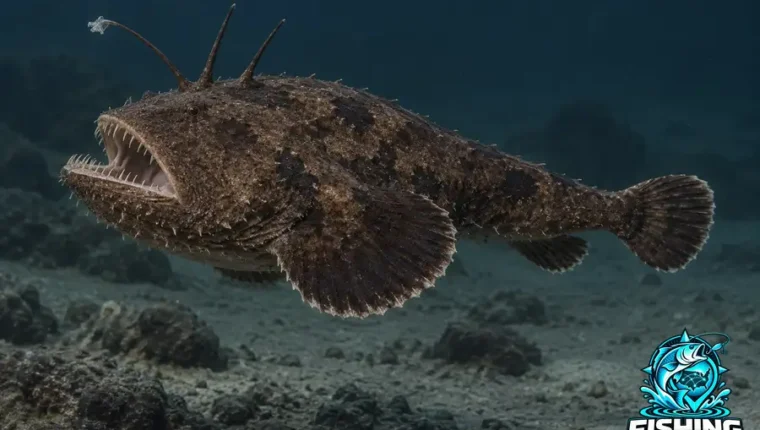
A deep-water anglerfish ranging from the eastern Indian Ocean toward Hawaii, New Caledonia and Wallis and Futuna.
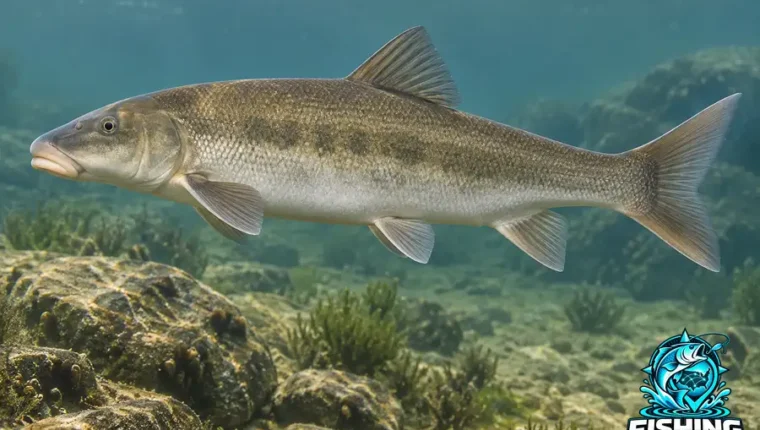
A large sucker associated with deep lakes and river pools in the Klamath basin.
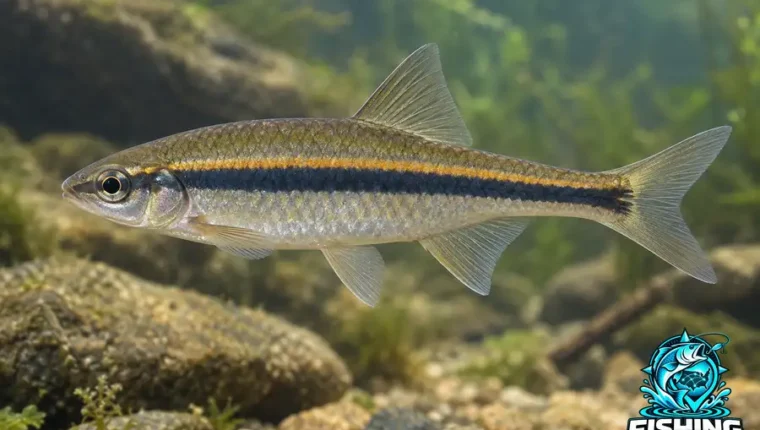
Lives in southeastern river systems between South Carolina’s Pee Dee and Georgia’s Satilla River.
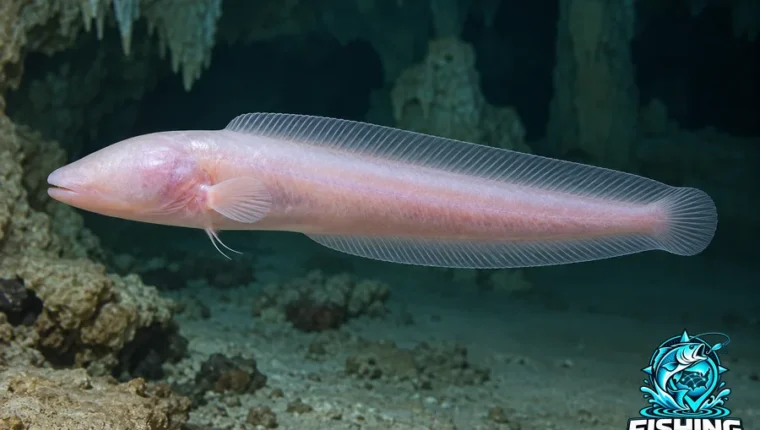
A Cuban cavefish recorded in both fresh and brackish water.
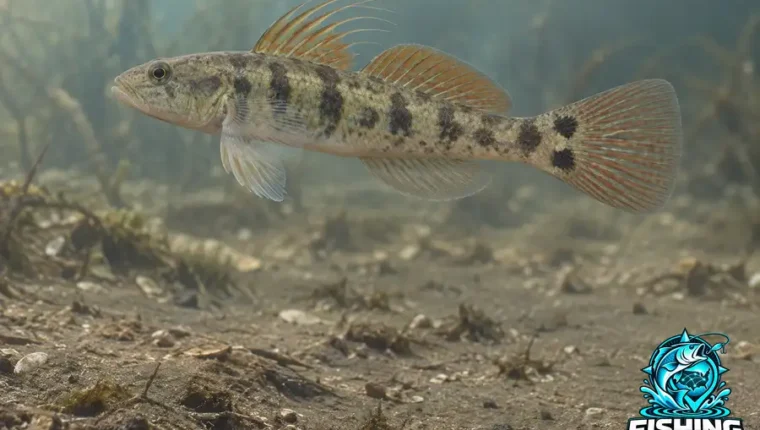
A coastal goby ranging from New York through the Gulf of Mexico and Caribbean toward southern Brazil.