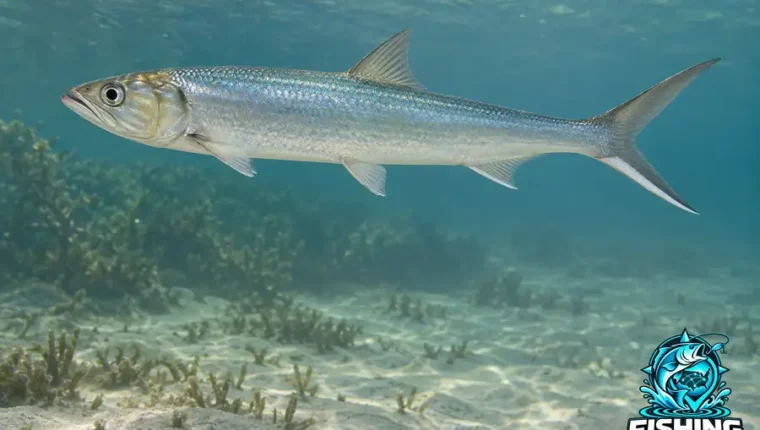
Machete
An eastern Pacific fish ranging from southern California toward Peru, including the Gulf of California and Galapagos Islands.

Browse all 60 fish starting with M. Select a name to explore its species profile.
Choose a letter to see every fish starting with that letter.
An eastern Pacific fish ranging from southern California toward Peru, including the Gulf of California and Galapagos Islands.
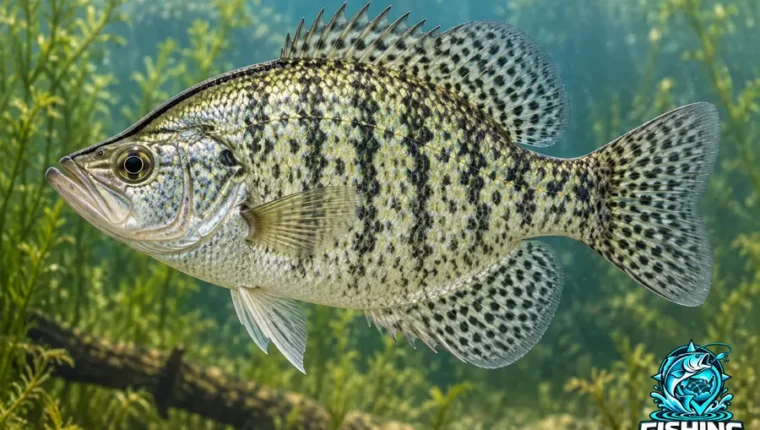
A specially produced crappie hybrid used in managed fisheries, combining white crappie and black crappie ancestry.
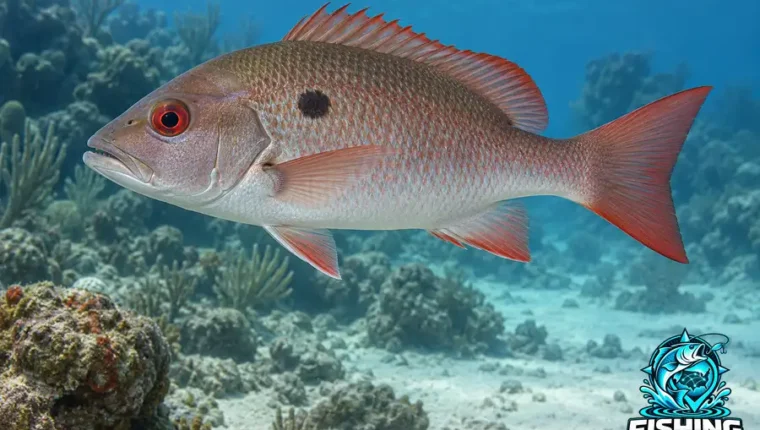
A snapper ranging from North Carolina through the Gulf of Mexico and Caribbean toward Trinidad and Tobago.
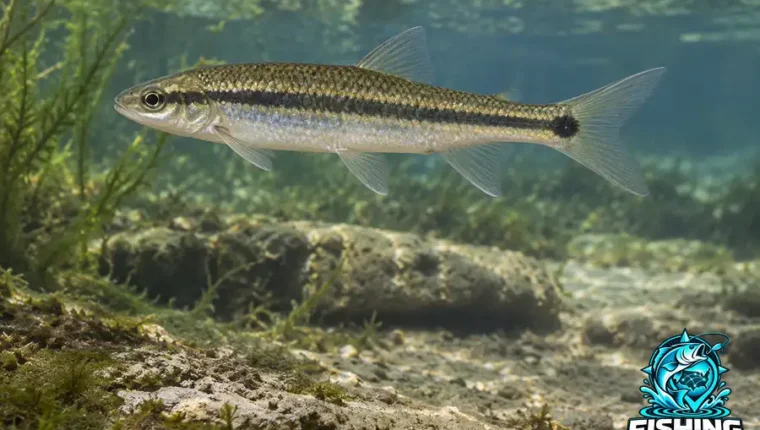
Native to Texas’s Devils River and San Felipe Creek, giving it a particularly small natural range.
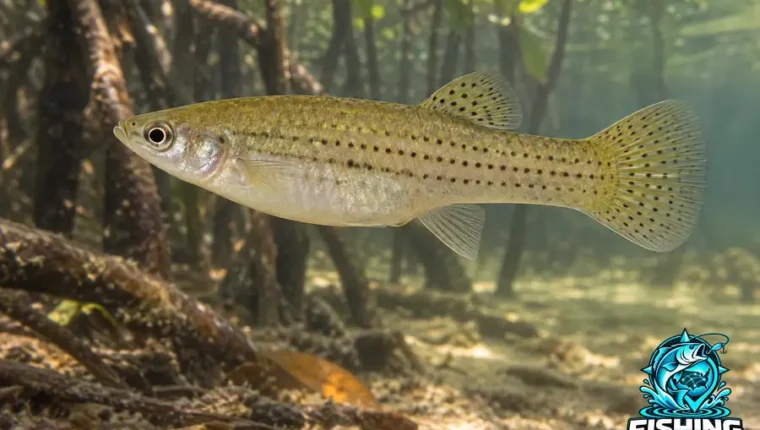
A livebearer with separated populations in northwestern Cuba and southern Florida’s coastal region.
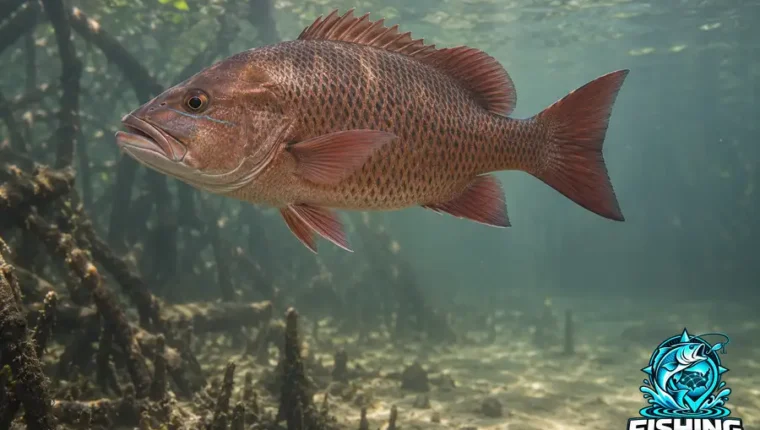
Younger fish use inshore waters and rivers; mature fish are more often encountered offshore.

Lives among red mangroves and sometimes shelters in burrows made by land crabs.
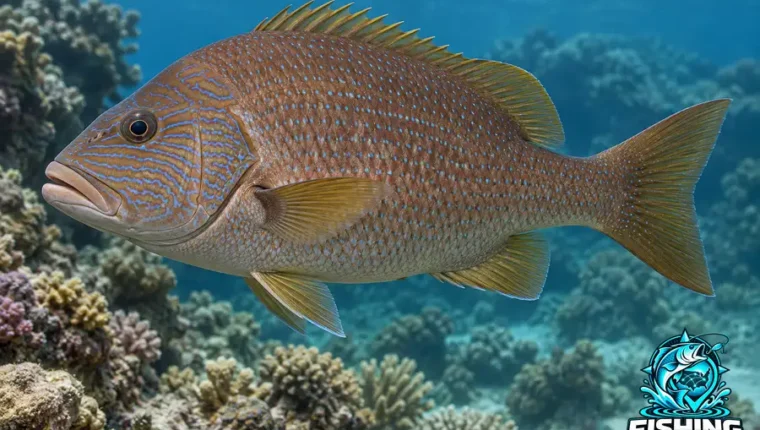
A tropical snapper ranging from the Indian Ocean into Pacific waters.
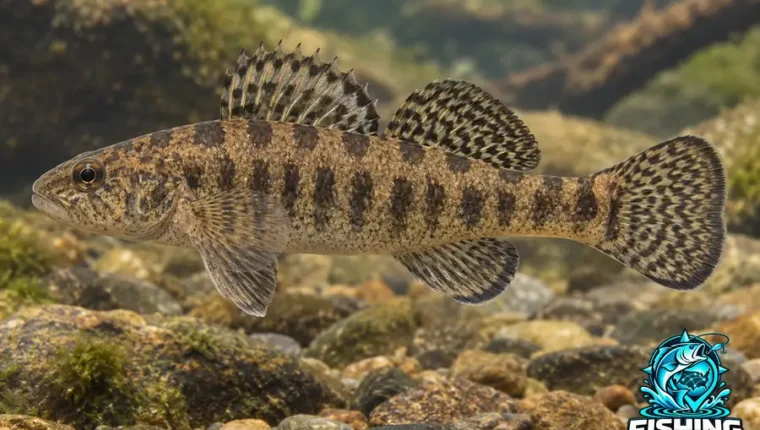
Associated with Tennessee’s Little River drainage, with historical records from the Holston River.
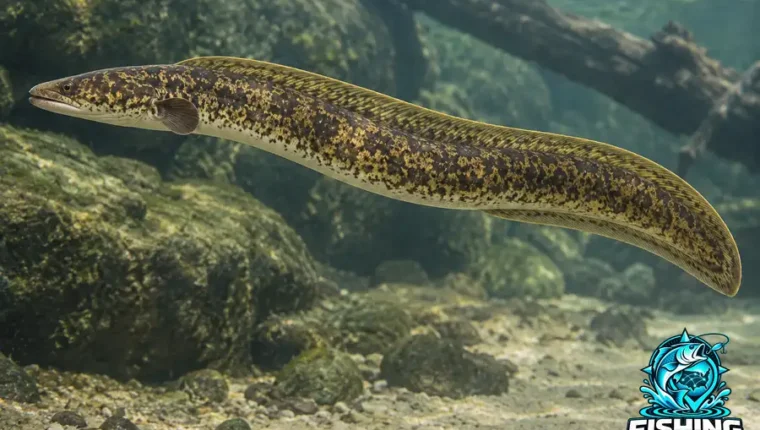
Grows in freshwater or estuaries, then migrates into the ocean to reproduce.
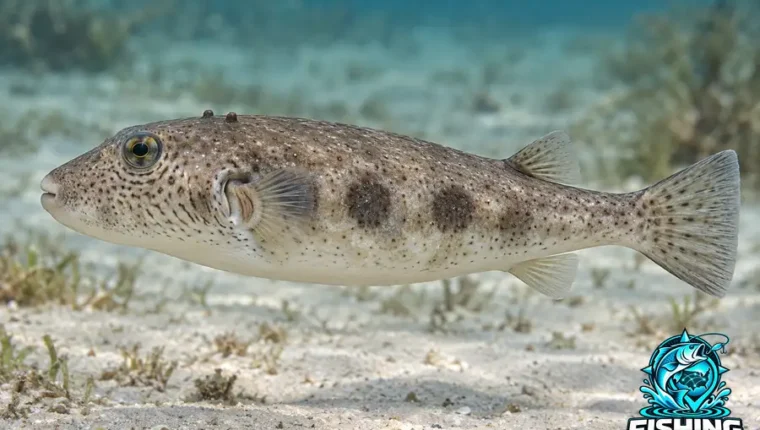
A western Atlantic puffer ranging from North Carolina toward Suriname, usually in water deeper than the immediate shoreline.
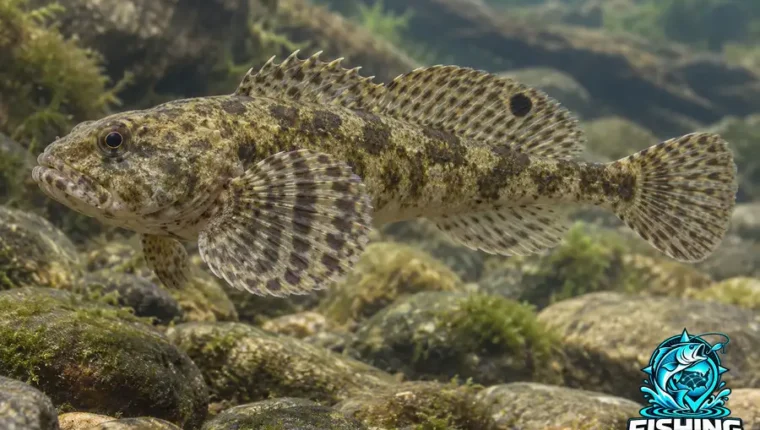
Found in the Klamath and Pit river drainages of northern California and southern Oregon.
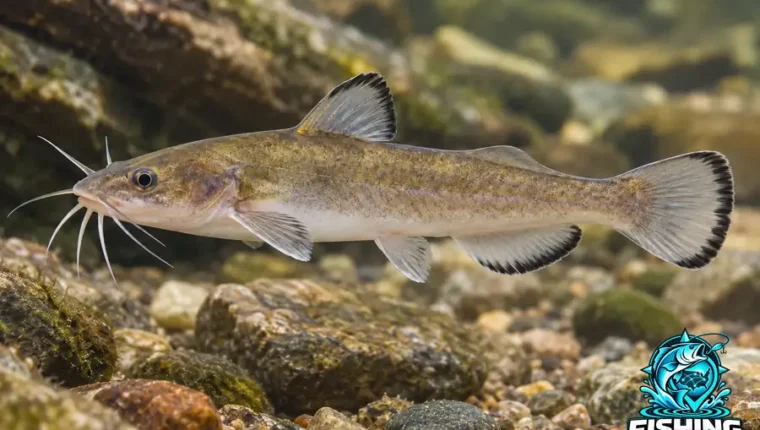
Shelters among rocks, gravel and boulders in clear-water streams.
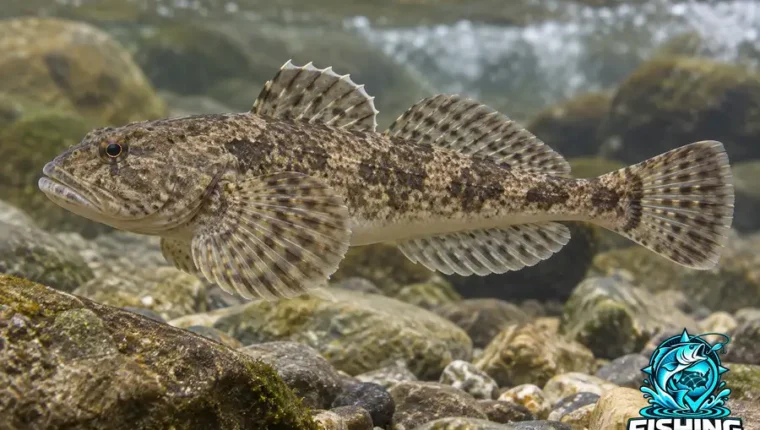
Native to the Columbia drainage between Washington’s Walla Walla and Oregon’s Umatilla river systems.
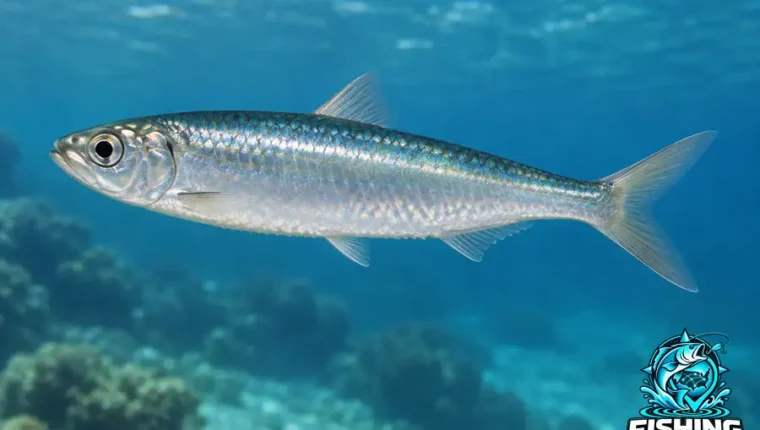
A small sardine with a natural range limited to the Marquesas Islands.
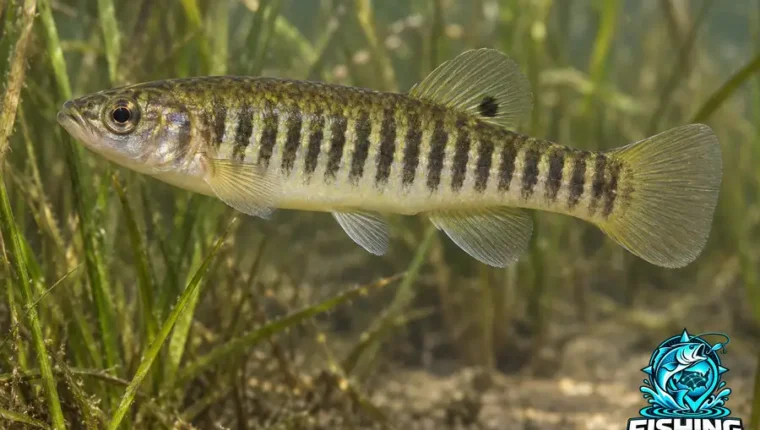
A small coastal killifish native to Florida and Alabama.
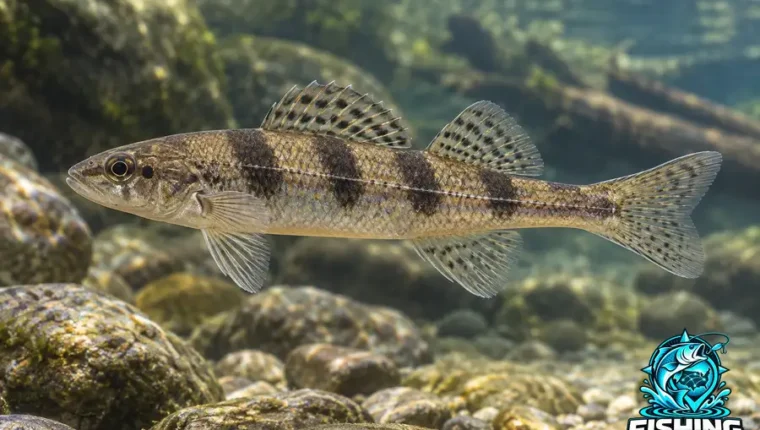
Historically fed on small stream invertebrates, including snails and the immature stages of caddisflies, mayflies and stoneflies.

A freshwater cichlid native to southeastern Mexico and Central America.

A slender Atlantic halfbeak ranging from eastern Canada toward Florida and the Gulf of Mexico.
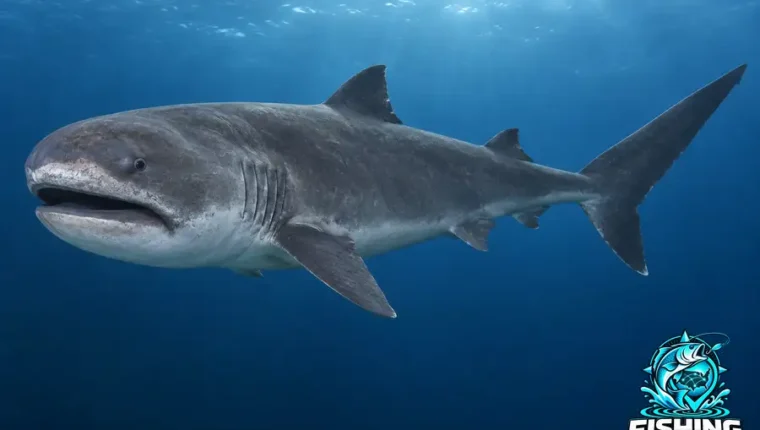
A rarely encountered deep-water shark that filters small organisms from the water for food.
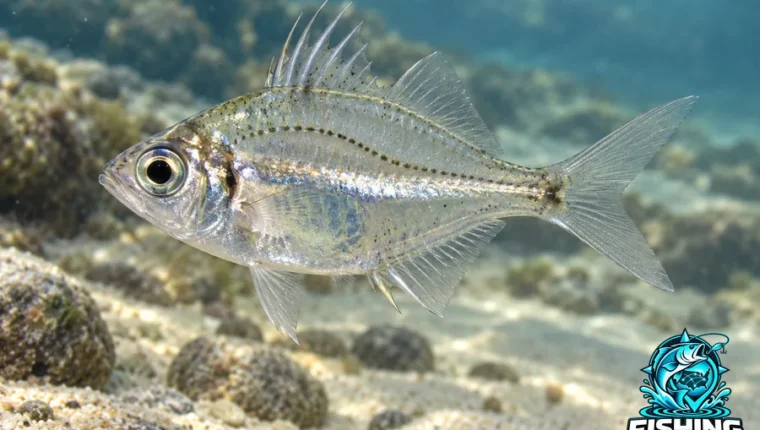
A coastal glassfish recorded from Thailand and Indonesia toward New Guinea and southern Japan.
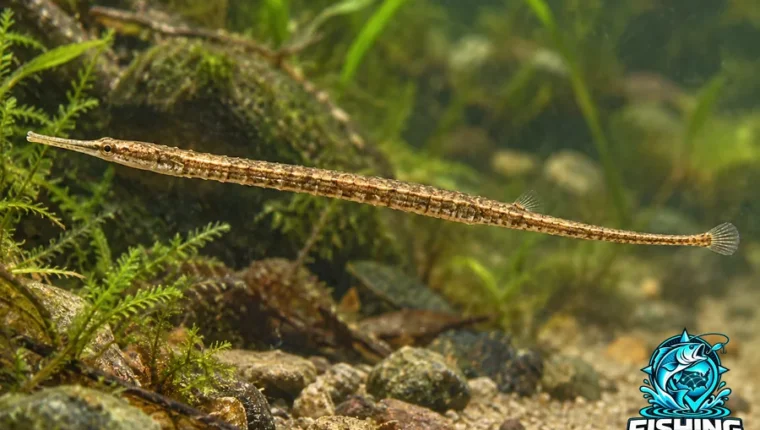
Uses shaded, well-oxygenated streams with flowing water and rocky or pebbly bottoms.
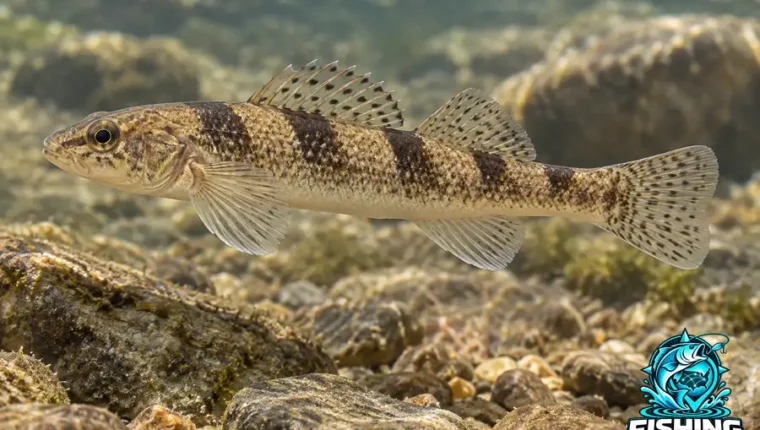
Occupies fast riffles over gravel and broken rock in small and medium-sized rivers.
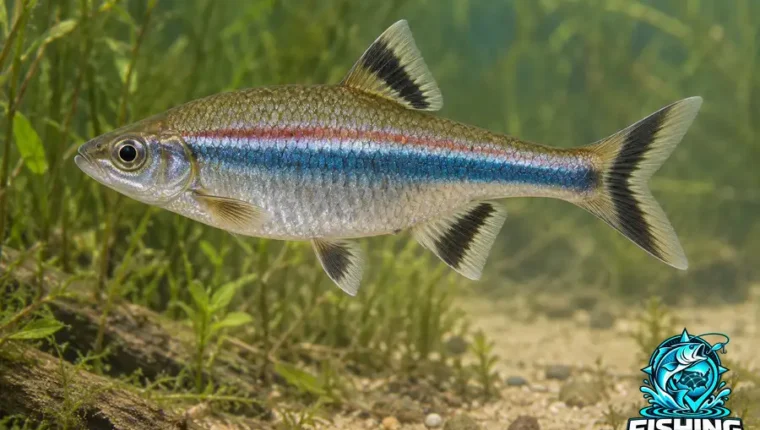
A small freshwater shiner native to the southeastern United States.
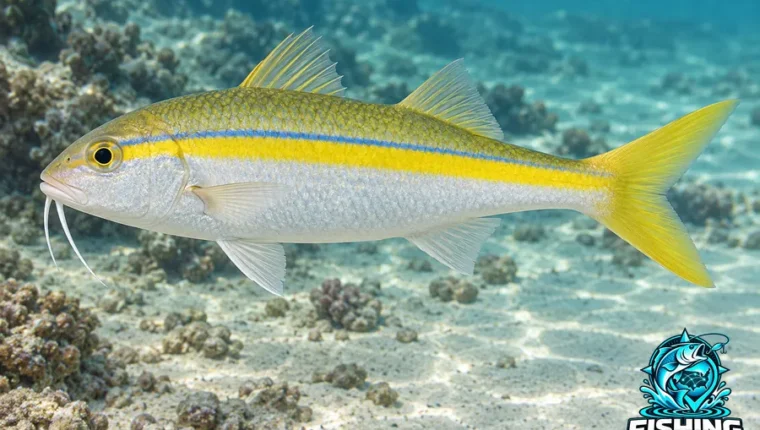
A goatfish that commonly forms small schools in coastal marine waters.
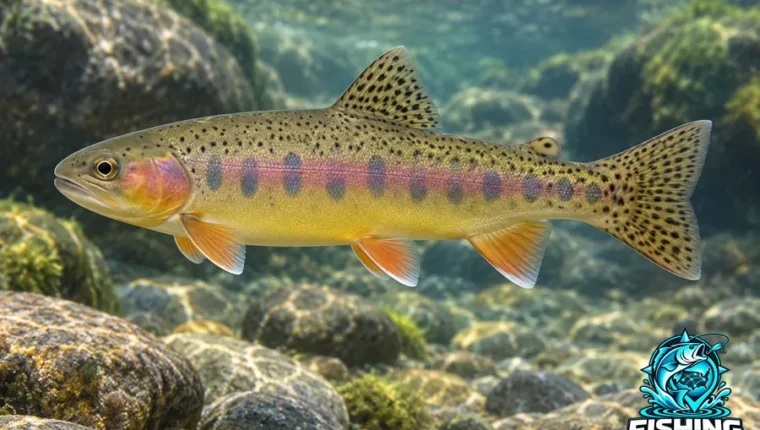
Native to high mountain headwaters of the Fuerte, Sinaloa and Culiacán rivers in Mexico’s Sierra Madre Occidental.
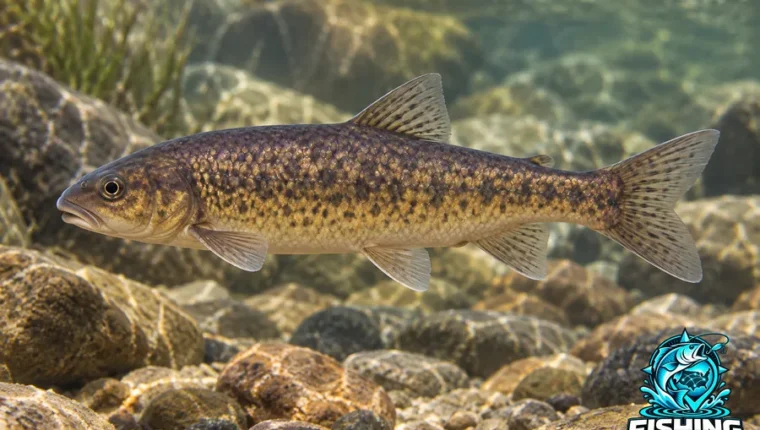
A southwestern stoneroller recorded in Arizona, Texas and nearby parts of Mexico.

Ranges from the lower Rio Grande and other Texas rivers into central and eastern Mexico.
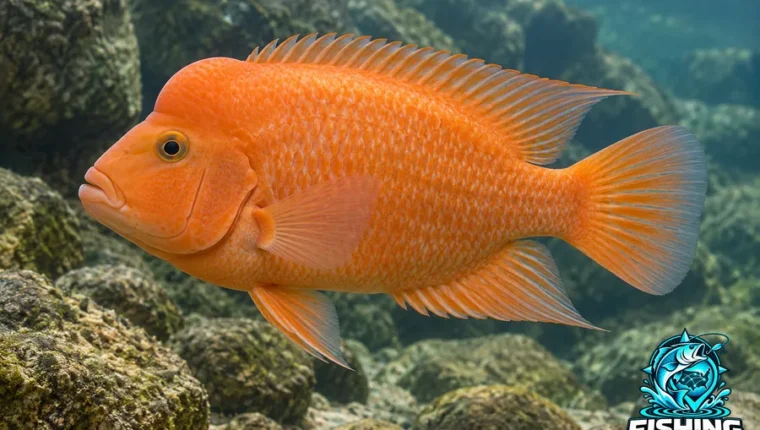
Native to the San Juan River and neighboring watersheds in Costa Rica and Nicaragua.

A schooling herring of the eastern Pacific, from southern California south toward Peru.
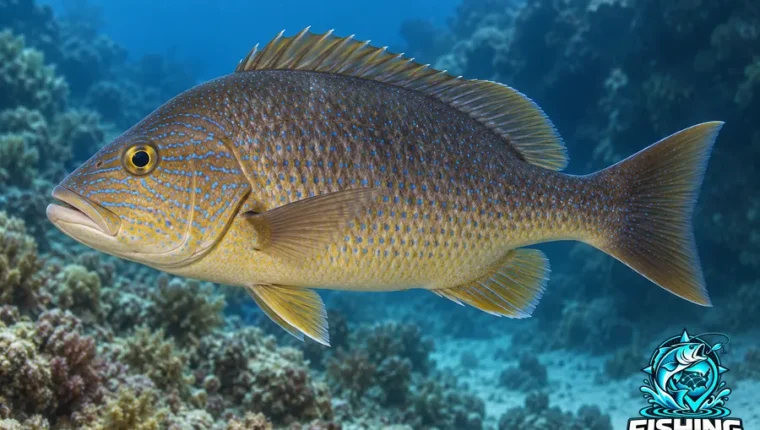
Feeds on larger drifting animals, crustaceans and fish.
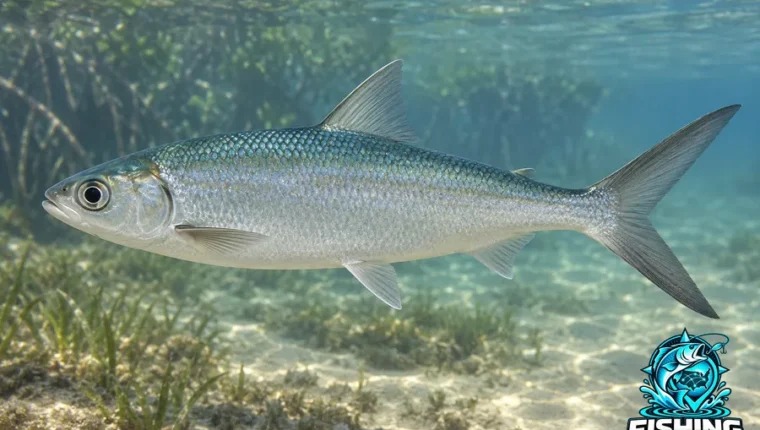
Uses shallow habitats including coral lagoons, estuaries, tidal creeks, marsh flats and tide pools.
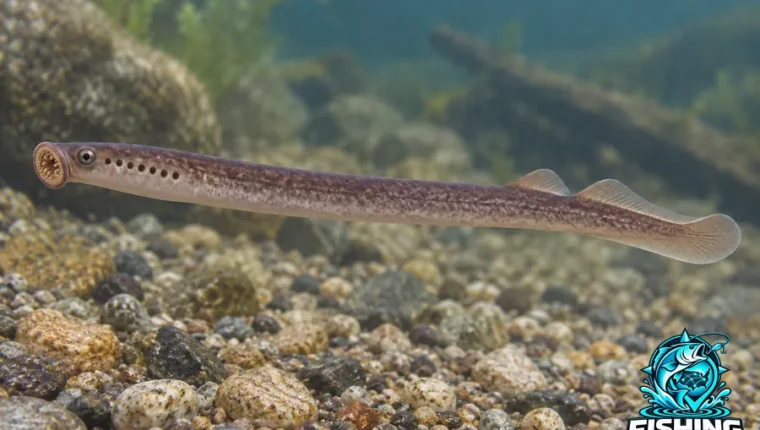
A small lamprey native to Oregon’s Miller Lake drainage.
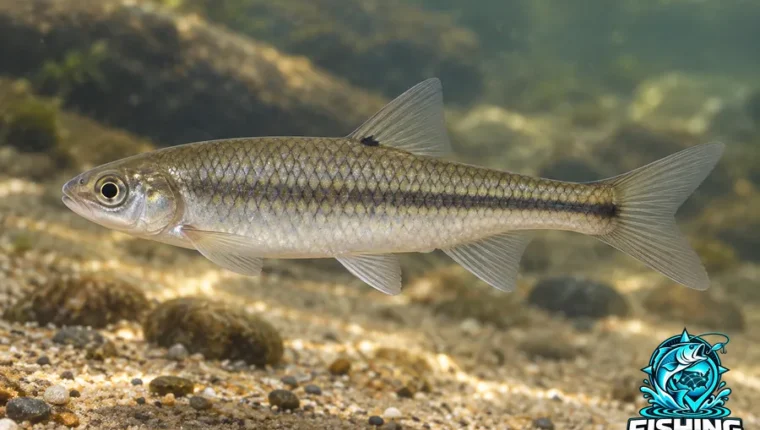
Native to parts of the Hudson Bay and Great Lakes drainages and much of the Mississippi basin.
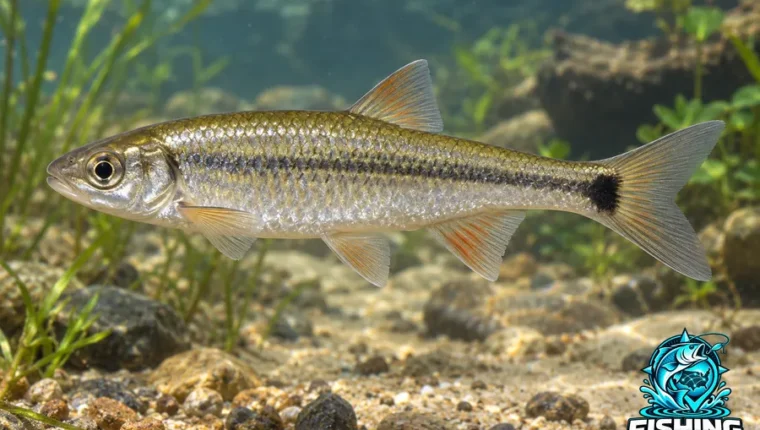
A shiner of the upper Tennessee River system across several Appalachian and southeastern states.

A flyingfish found widely in tropical and warm temperate seas, including the Caribbean and South China Sea.
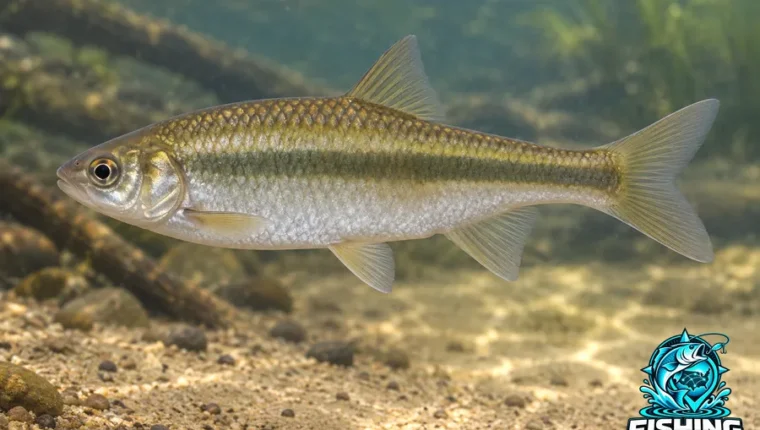
Associated with lowland waters of the Mississippi River basin.
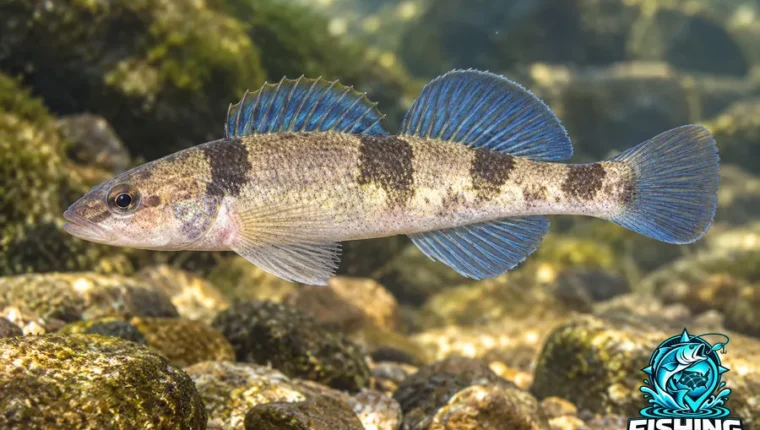
Uses swift riffles with gravel and rubble bottoms in smaller rivers.
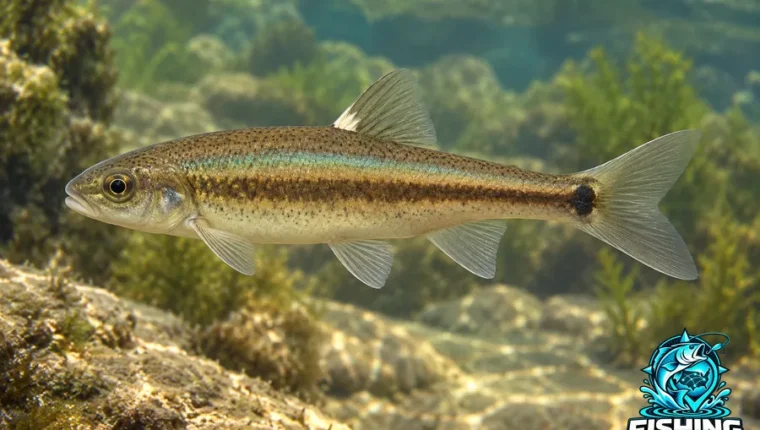
Lives only in the upper Muddy River and its warm source springs in southern Nevada.
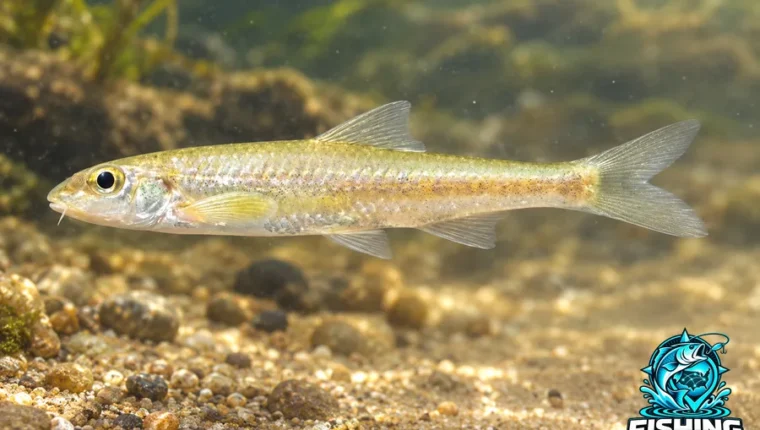
Native to the lower Mobile River basin in Alabama and northeastern Mississippi.
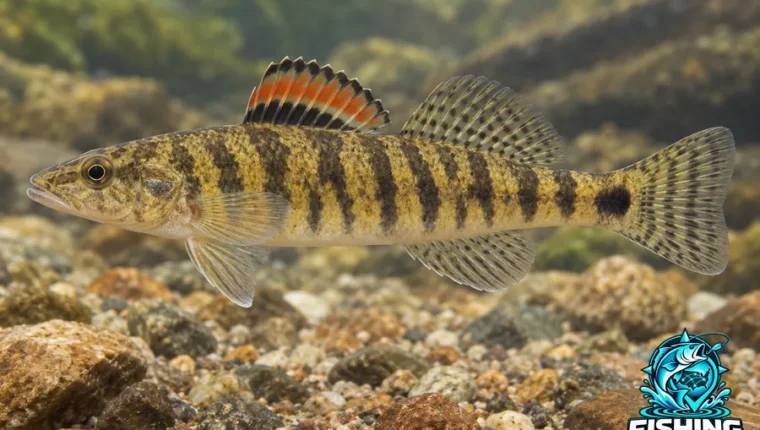
Native to the Mobile River basin across Mississippi, Alabama, Tennessee and Georgia.
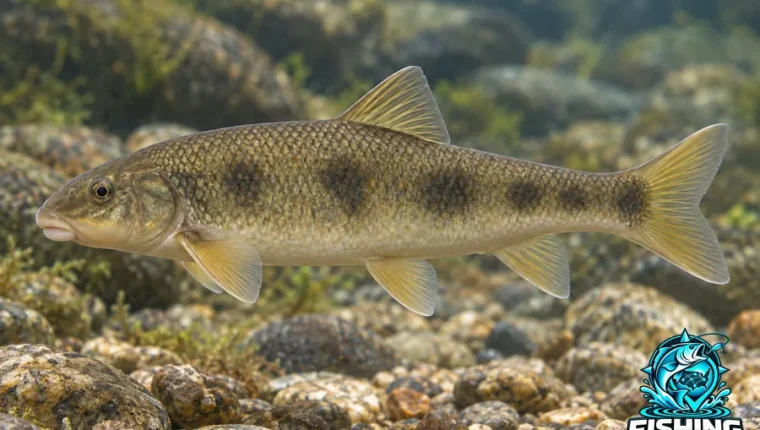
Eats algae, small invertebrates and organic debris, sheltering beneath stones and overhanging vegetation.
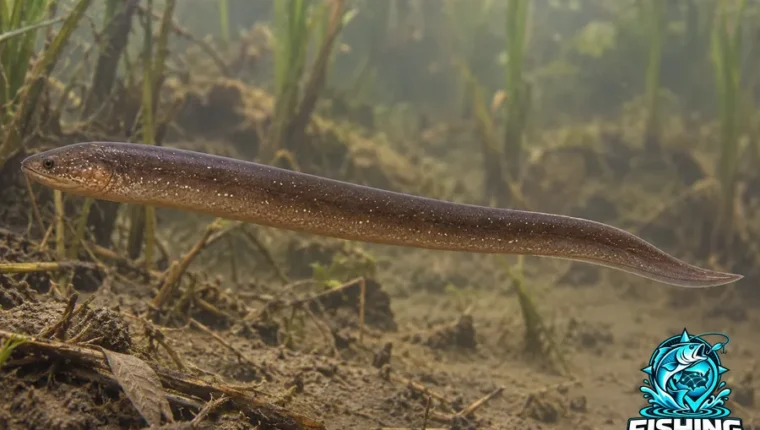
An Asian swamp eel ranging from Sundaland and Thailand toward southern China, with introduced populations elsewhere.

A freshwater fish associated with clear lakes and rivers.
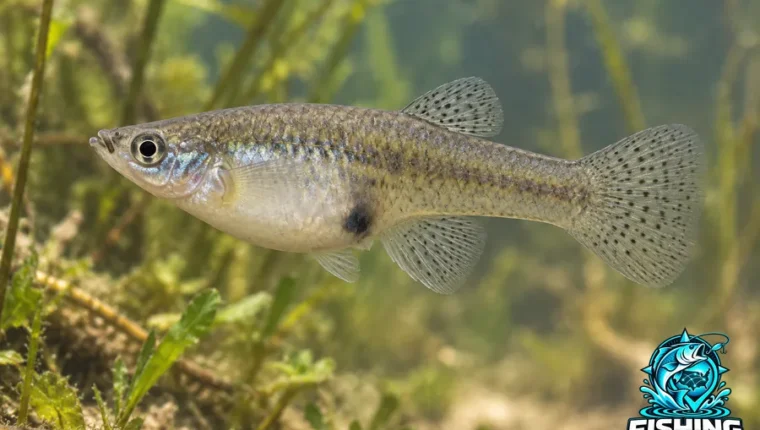
A small livebearer native to central and southern United States waters and northeastern Mexico.
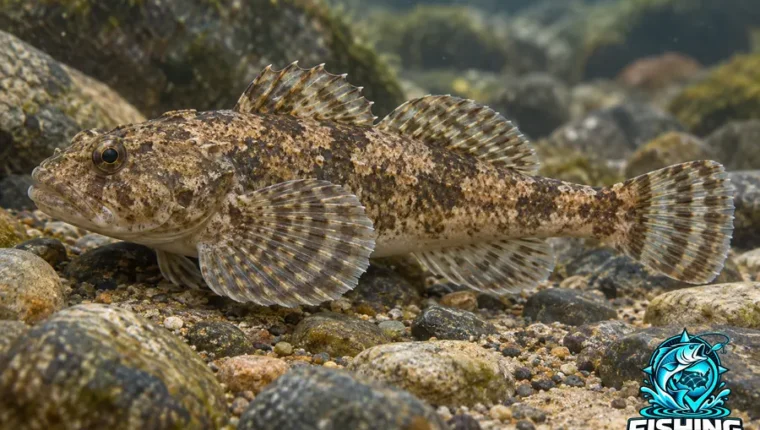
Recorded in the Missouri and Columbia river systems and the Great Basin’s Bonneville drainage.
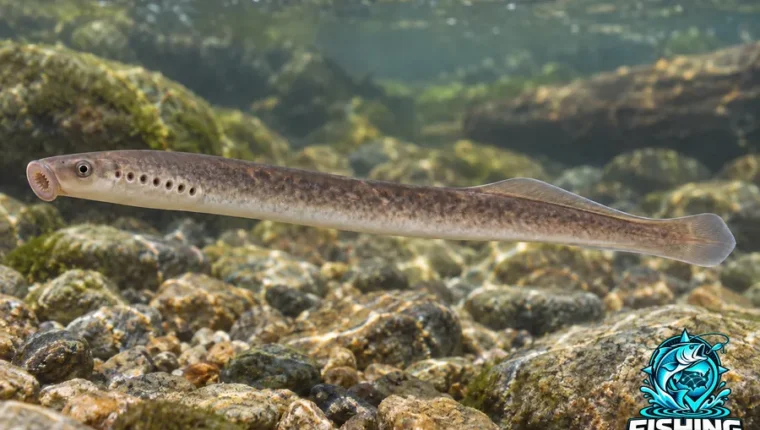
Larvae eat algae and organic material; transformed adults rely on stored fat rather than feeding.
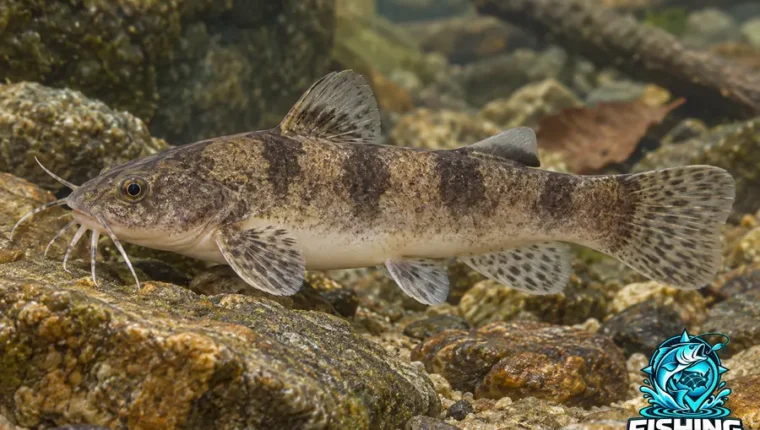
A small catfish recorded in the Ohio, Mississippi, Tennessee, Ouachita and Red river systems.
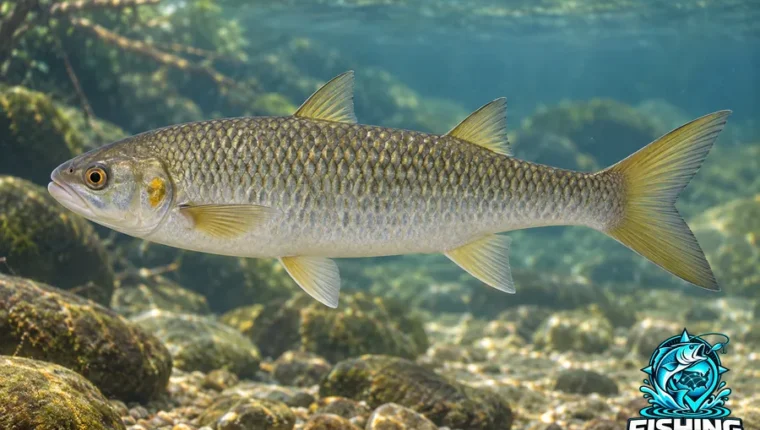
Ranges from southeastern United States coastal drainages through Central America toward Colombia and Venezuela.
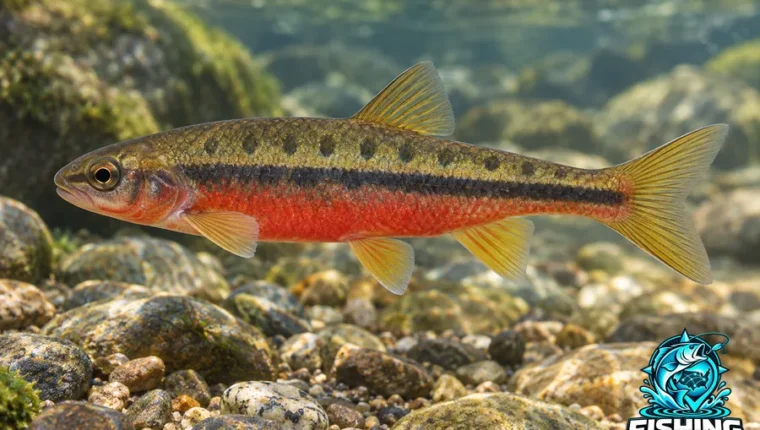
A dace of mountain and Piedmont streams draining toward North America’s Atlantic coast.
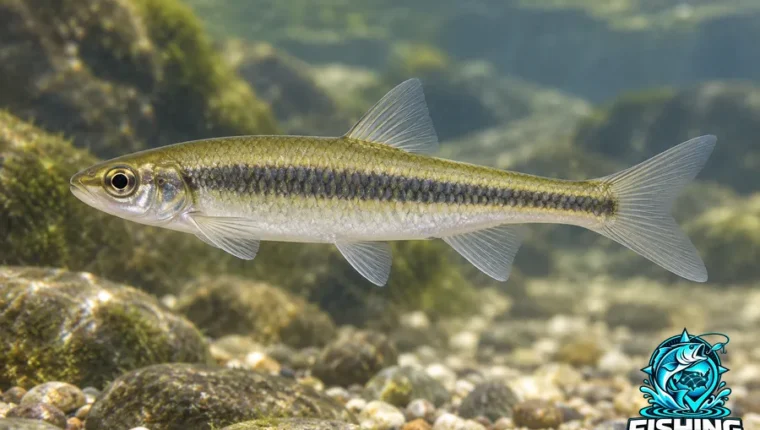
Favors clear, flowing creeks and small rivers.
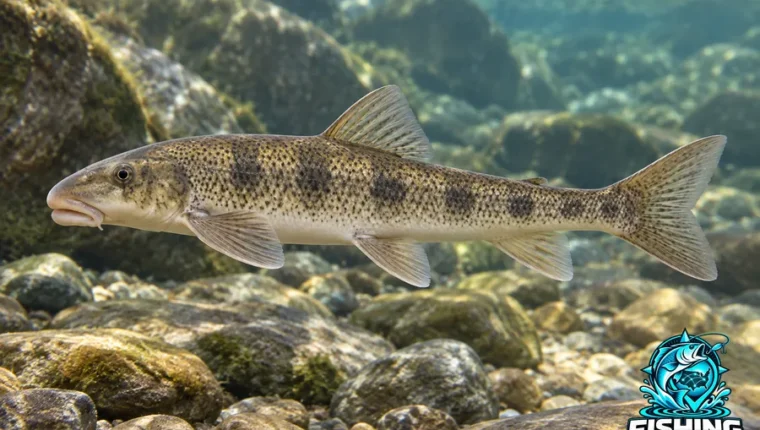
A western sucker found on both sides of the Rocky Mountains, including several major Pacific and interior river basins.
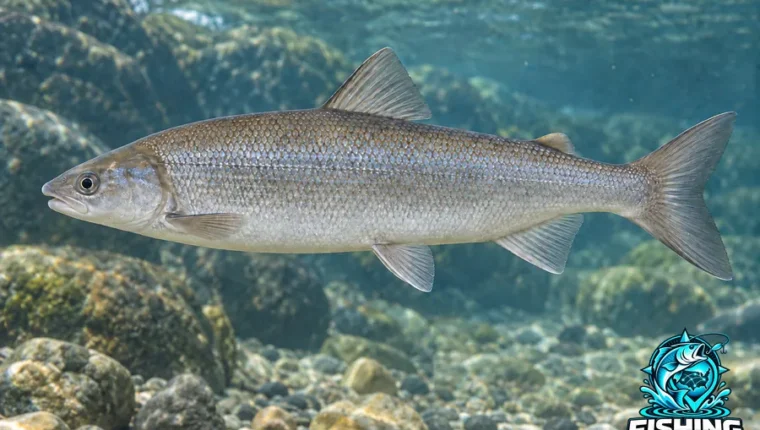
A widespread western North American whitefish, recorded in northern and mountain river systems.
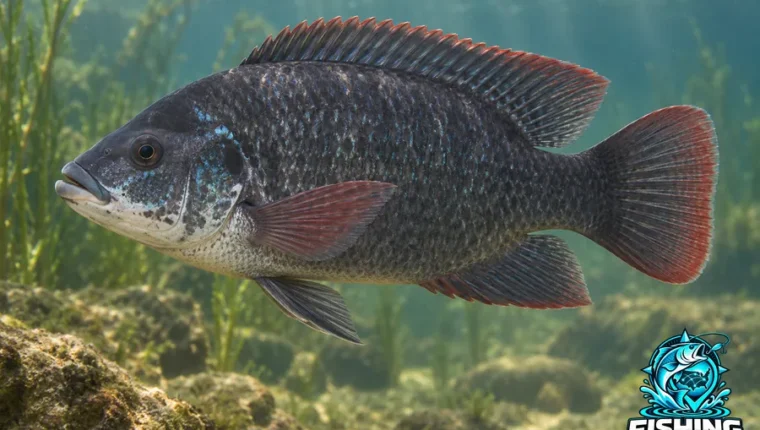
Introduced populations occur in tropical and subtropical waters around the world, sometimes becoming invasive.
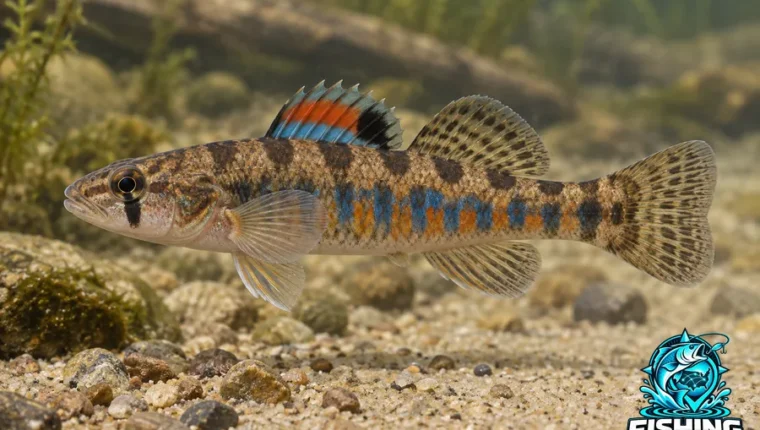
Uses slow-flowing river areas and other quiet habitats, including creeks, swamps, lakes and reservoirs.
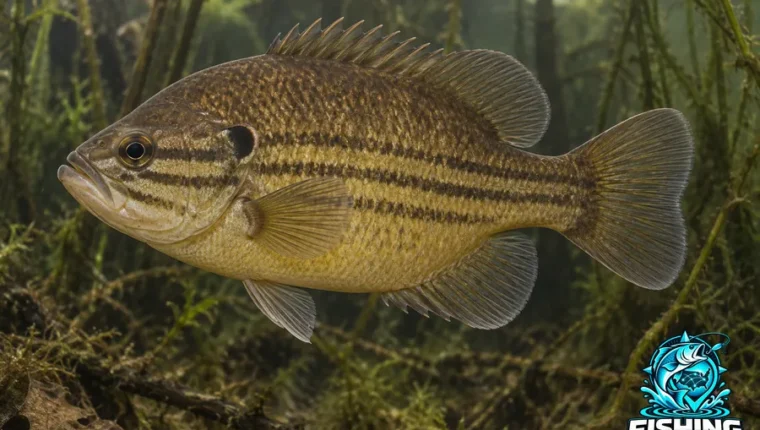
A freshwater sunfish distributed along the Atlantic-draining side of the eastern United States.
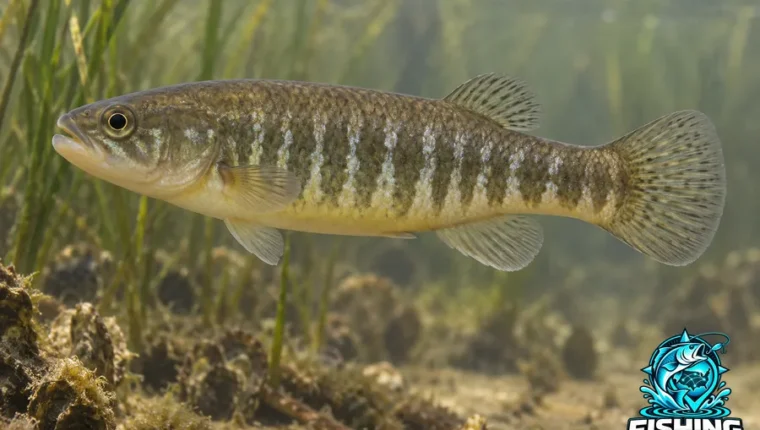
Lives in estuaries, salt marshes and other brackish coastal habitats.
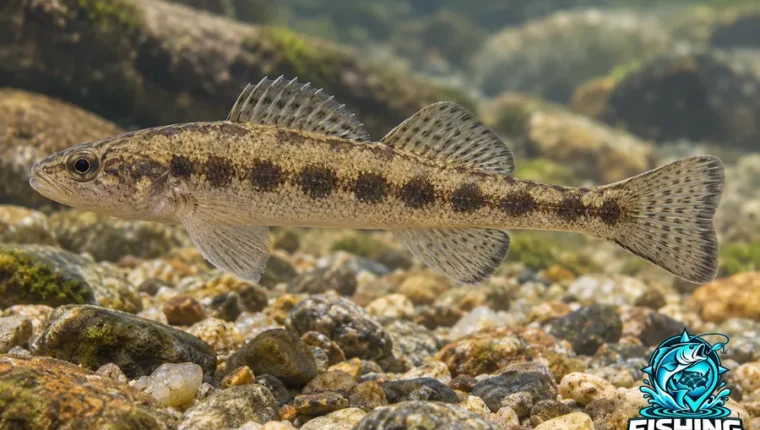
Favors gravel riffles and flowing runs in small and medium-sized rivers.
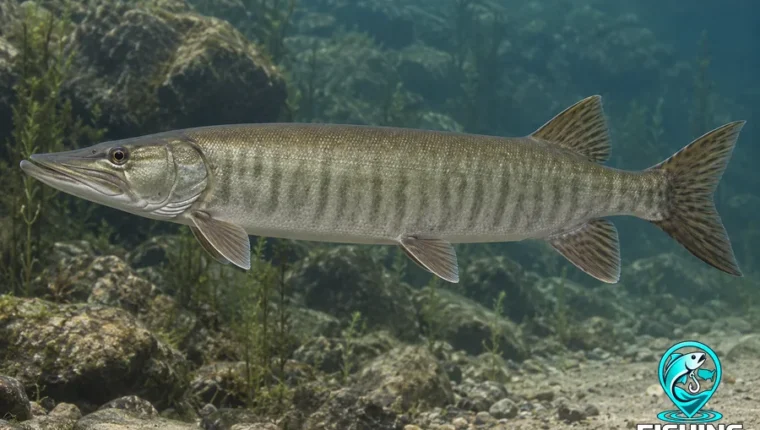
An ambush predator that rests near weed edges, rocky outcrops and other cover in clear water.
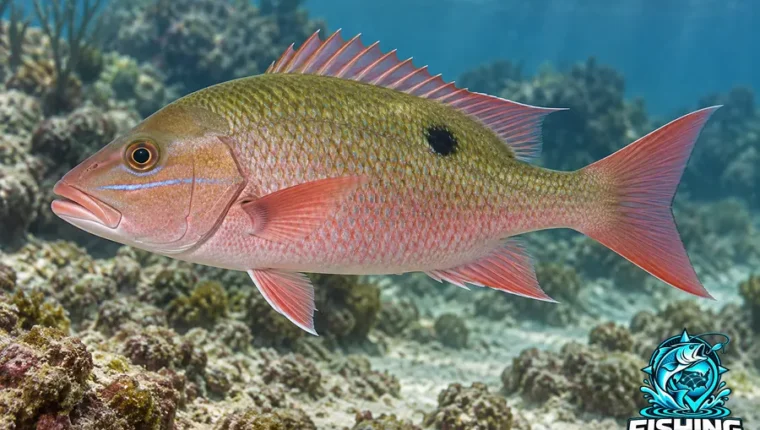
An Atlantic snapper ranging from Massachusetts through the Gulf of Mexico and Caribbean toward southern Brazil.