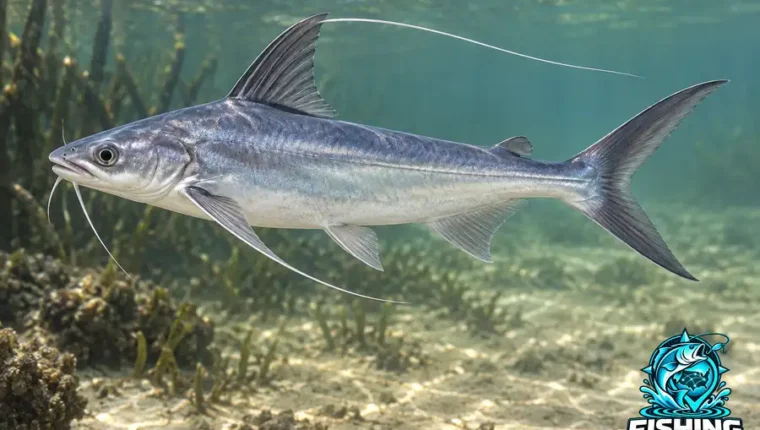
Gafftopsail Catfish
A saltwater catfish of the Gulf of Mexico, Caribbean and western Atlantic, rather than an inland lake species.

Browse all 80 fish starting with G. Select a name to explore its species profile.
Choose a letter to see every fish starting with that letter.
A saltwater catfish of the Gulf of Mexico, Caribbean and western Atlantic, rather than an inland lake species.
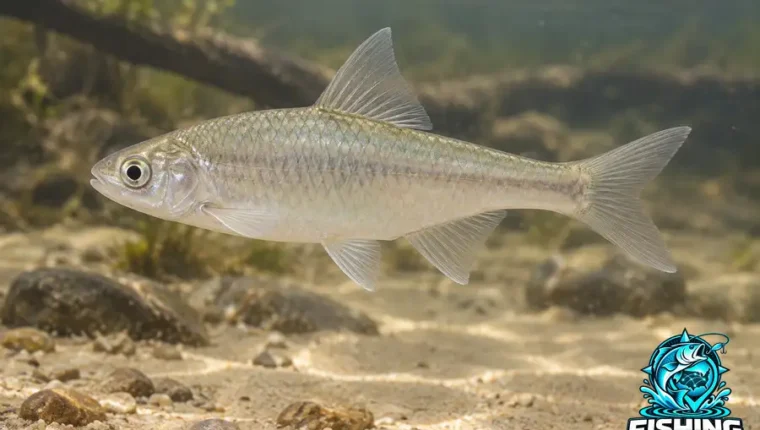
Favors sheltered backwaters and larger pools where little current is noticeable.
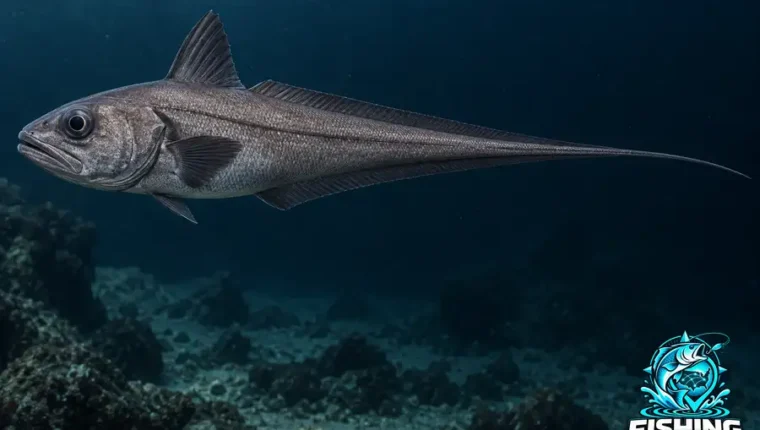
A deep-water North Pacific fish ranging from Japan and the Bering Sea south toward northern Baja California.
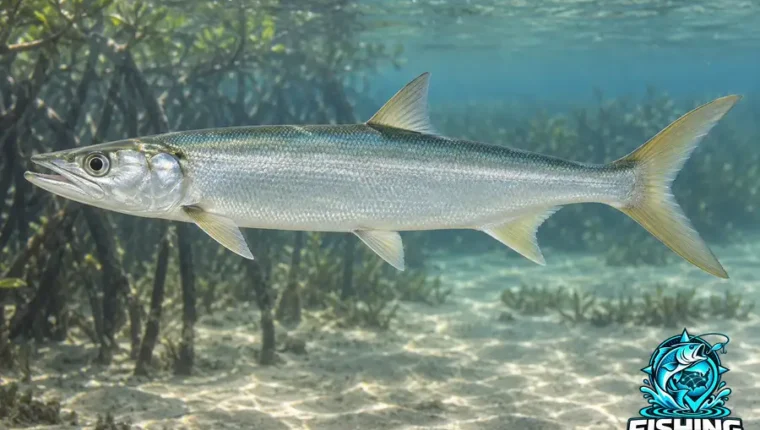
A herring associated with the western-central Pacific Ocean.

Lives in Caribbean-draining rivers around Trinidad, Tobago, Venezuela and nearby islands, with introduced populations in Mexico.
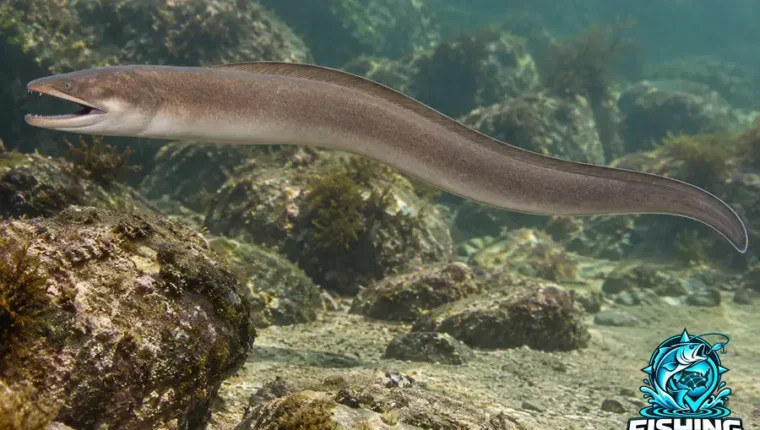
Uses muddy bottoms in bays, estuaries and rivers, including sheltered coastal marine habitats.
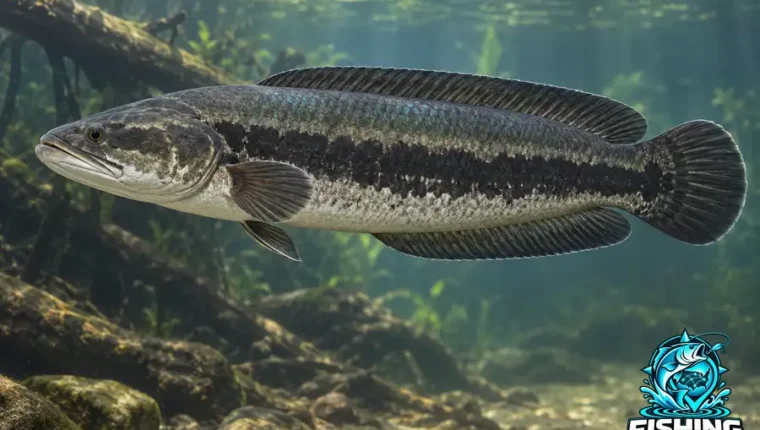
A large freshwater snakehead native to Southeast Asia.
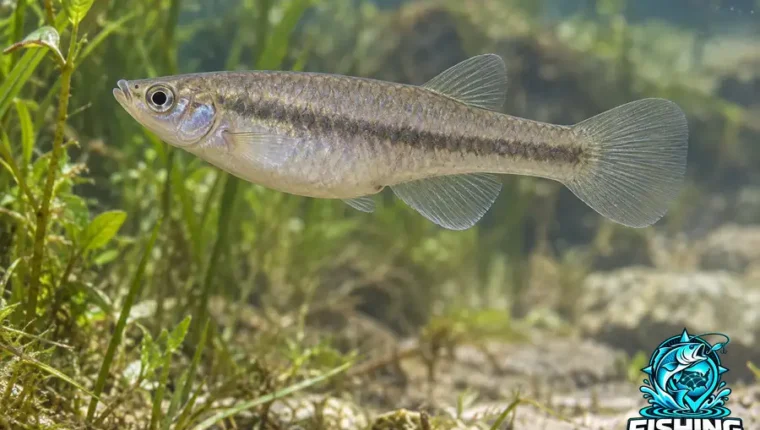
Favors shallow, warm water in headwater springs.
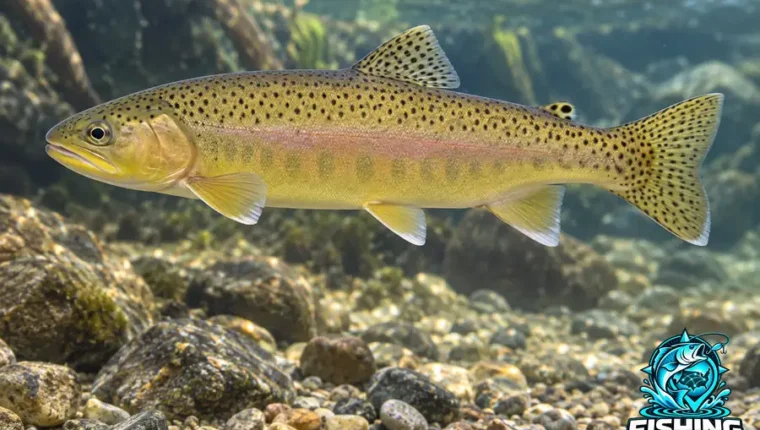
Eats aquatic insects, including mayflies, caddisflies and midges, with small fish also taken.
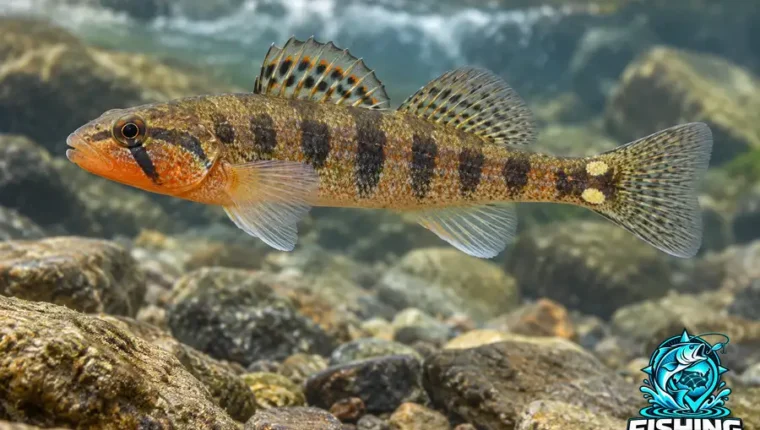
A river darter recorded in several states within the Mississippi River drainage.
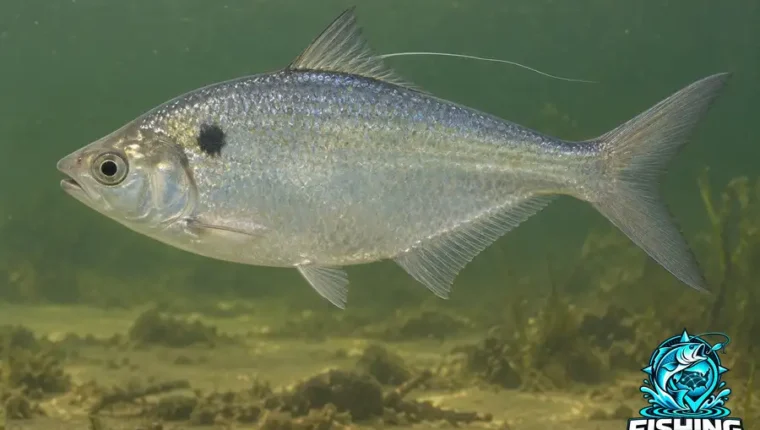
Uses freshwater and brackish habitats across much of the United States and parts of Canada and Mexico.
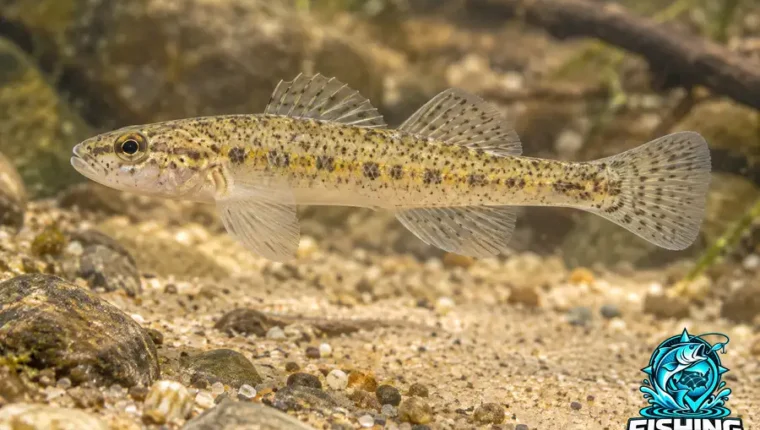
Lives in sandy runs of creeks and small to medium-sized rivers.
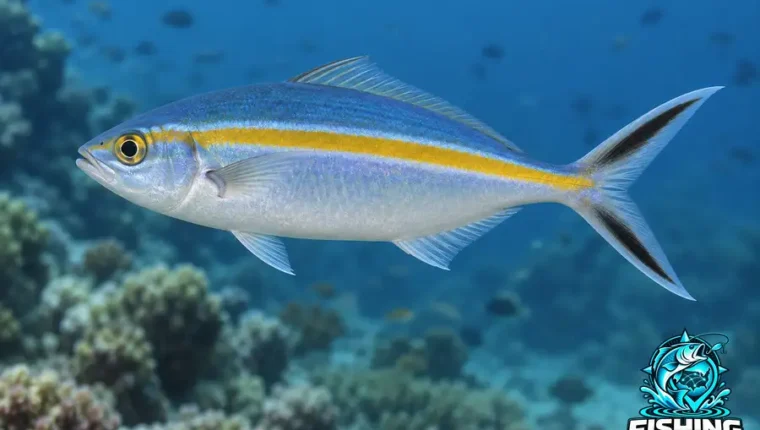
Ranges along eastern Africa from the Red Sea toward South Africa and eastward into the Indian Ocean.
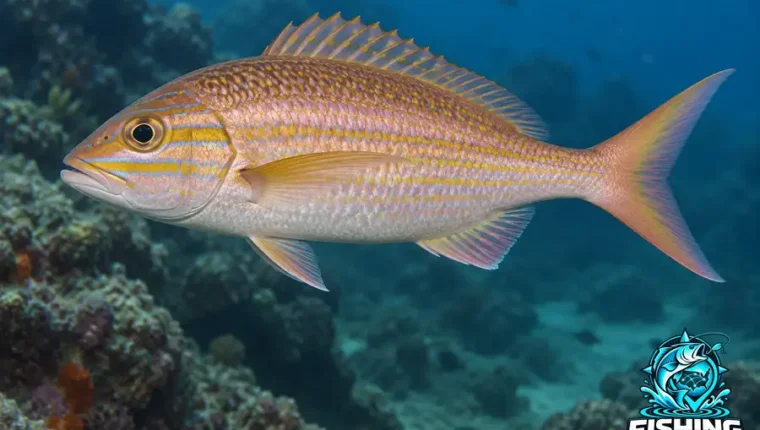
An Indo-Pacific snapper with a range reaching Samoa, Japan and Australia.
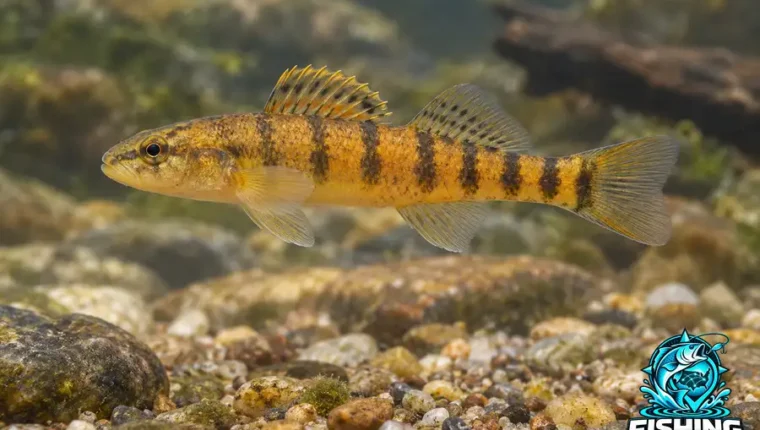
A freshwater darter found in the upper Tennessee River system.
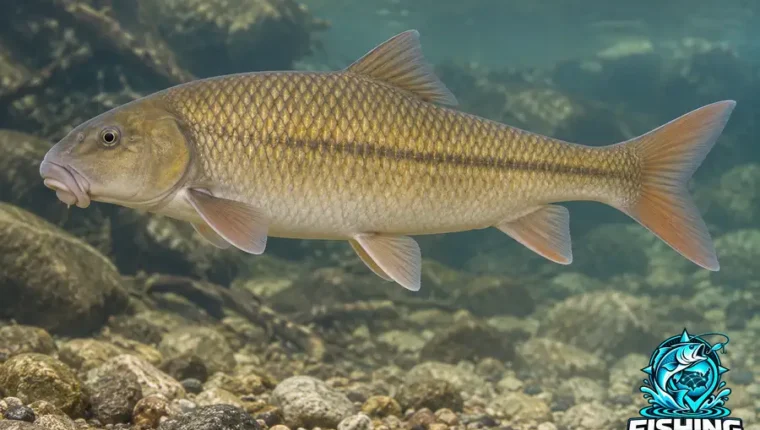
Uses calm water in streams, rivers and lakes, often over sand or silt.
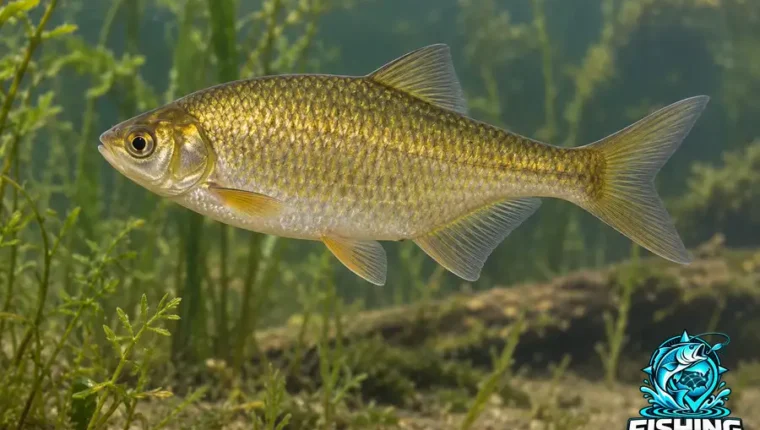
A widespread North American minnow with Canadian populations extending from Quebec west into the prairie provinces.
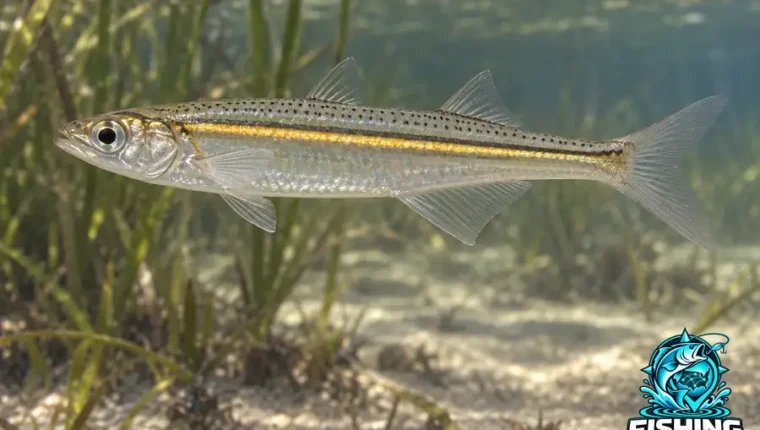
A silverside with a natural range restricted to the northern Yucatán Peninsula of Mexico.
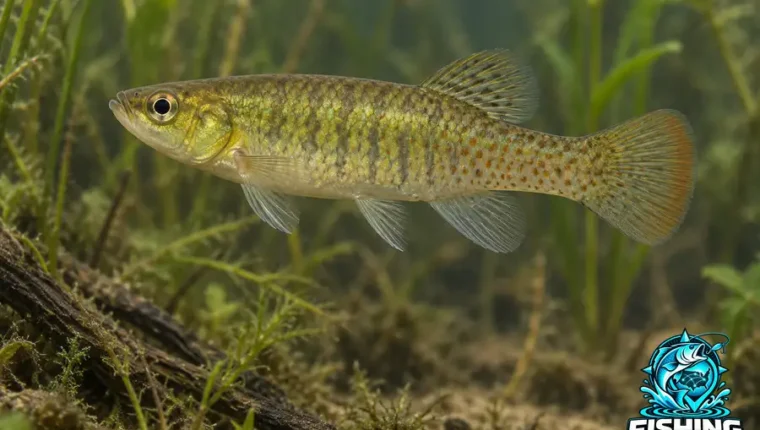
Feeds near the surface among vegetation, taking small organisms drifting through the water.
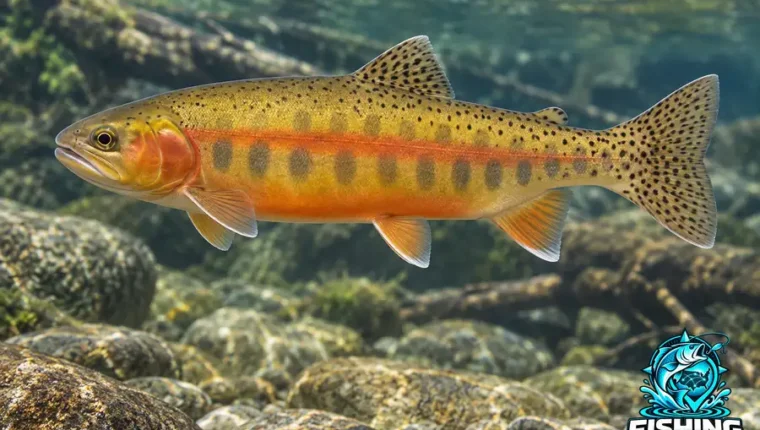
Native to California’s Golden Trout Creek, Volcano Creek and South Fork Kern River.
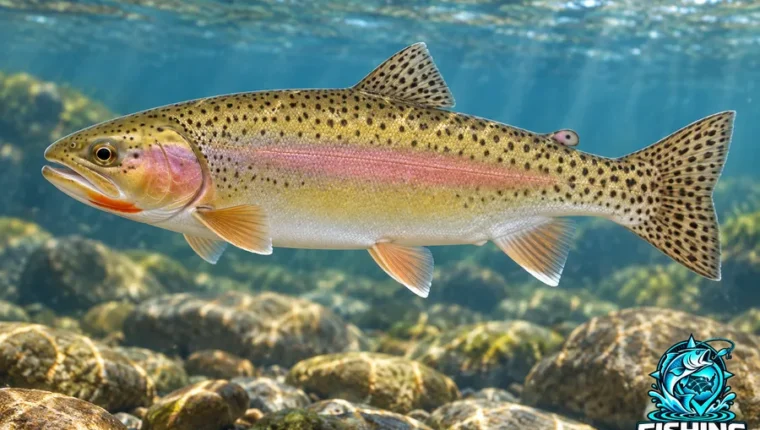
A mixed trout cross with golden, rainbow and cutthroat ancestry rather than a single native trout form.
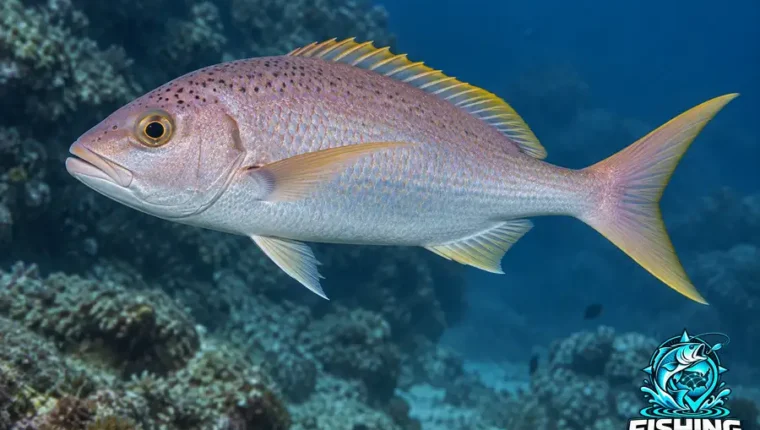
Eats bottom-dwelling fish, with crustaceans, squid and drifting marine animals supplementing its diet.

Favors cloudy, slow-moving water in lakes and rivers.
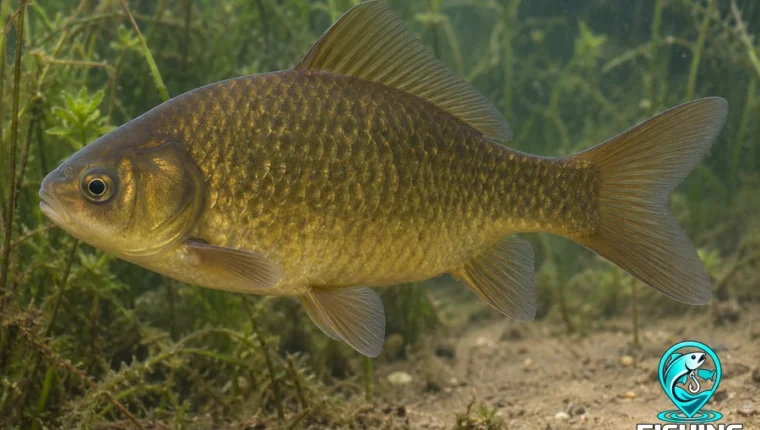
A freshwater fish native to China. Released pets have established wild populations in parts of North America and Australia.
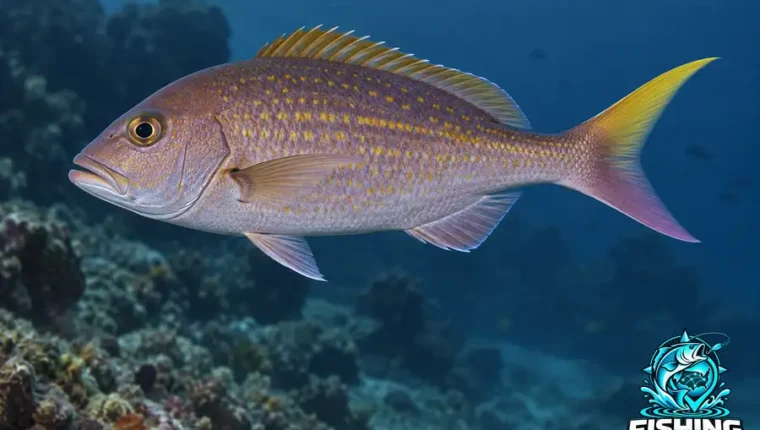
An Indo-Pacific snapper with a marine range spanning tropical island and continental waters.
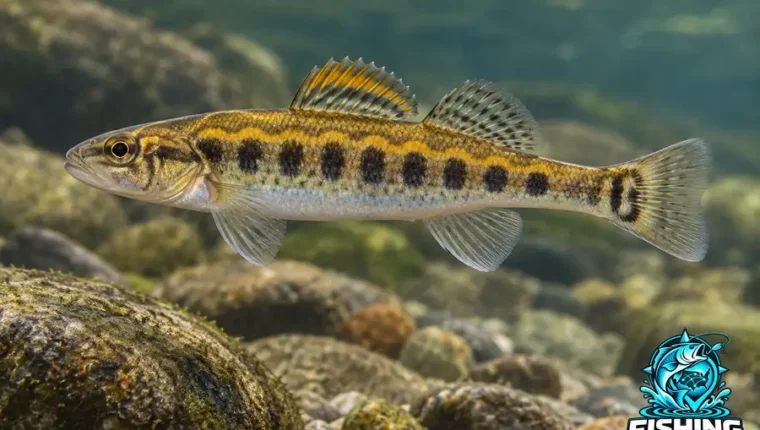
Associated with the Cahaba River in Alabama and the Coosa system in Alabama and Georgia.

A schooling herring widely distributed in the Indian Ocean and western Pacific.
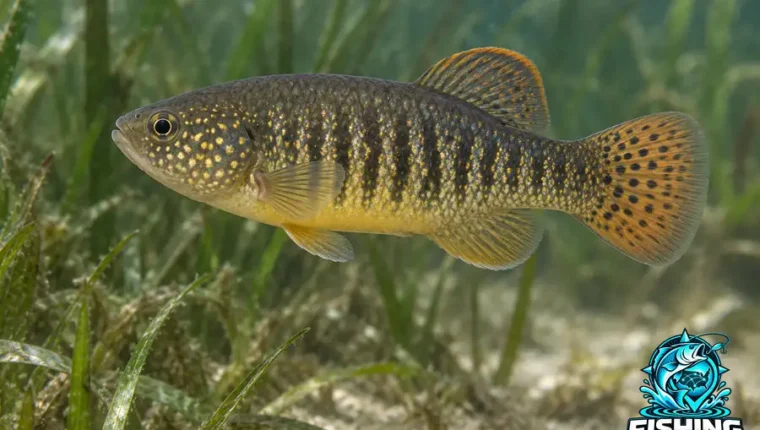
A killifish native to Florida’s coastal waters.
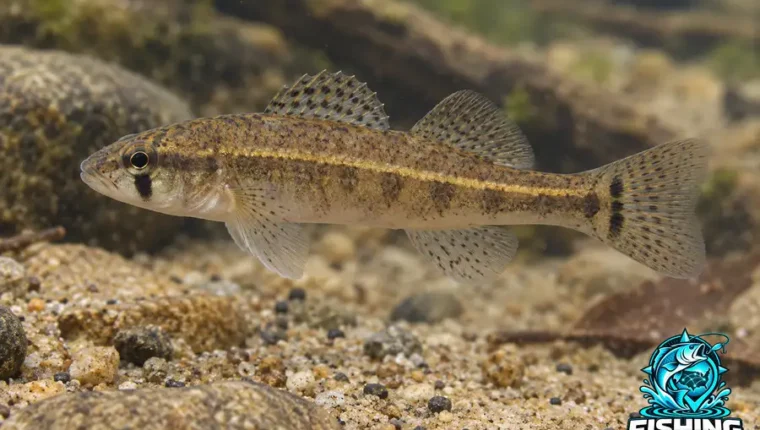
Uses small springs and creeks with aquatic plants, bank vegetation and accumulated organic material.
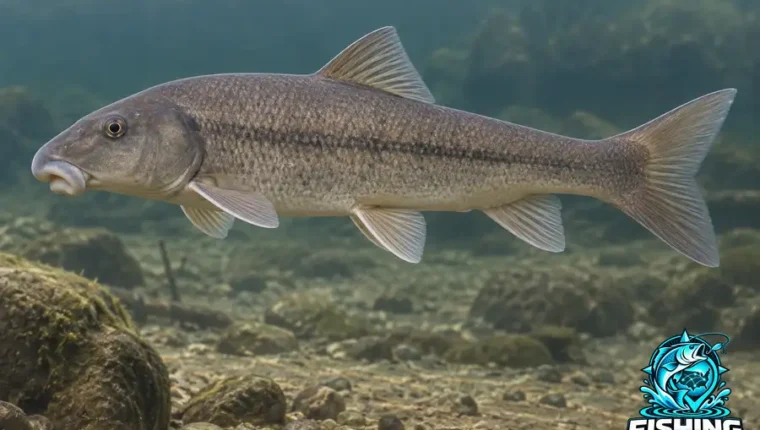
A western sucker native to freshwater habitats in California and southern Oregon.

A seafloor anglerfish native to eastern North America, from Newfoundland and Quebec south toward northern Florida.
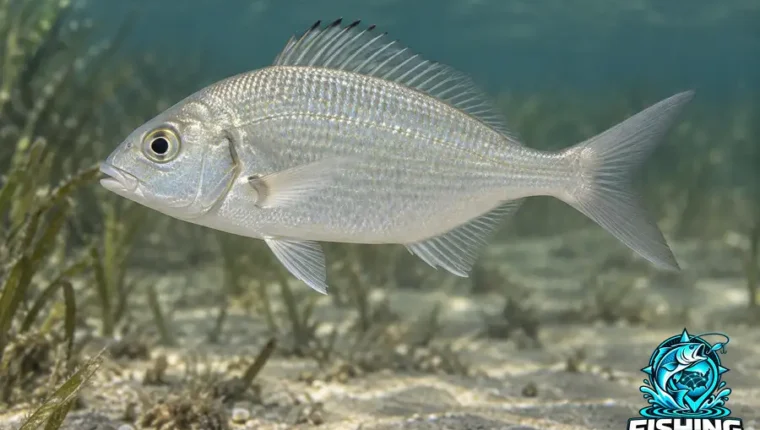
A coastal mojarra ranging from southern California to Ecuador, including the Gulf of California and Galapagos Islands.
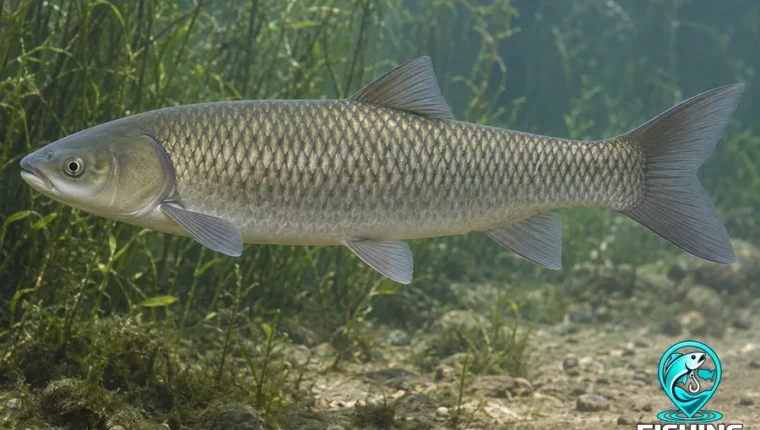
Native to eastern Asia, from northern Vietnam toward the Amur River on the Russian-Chinese border.
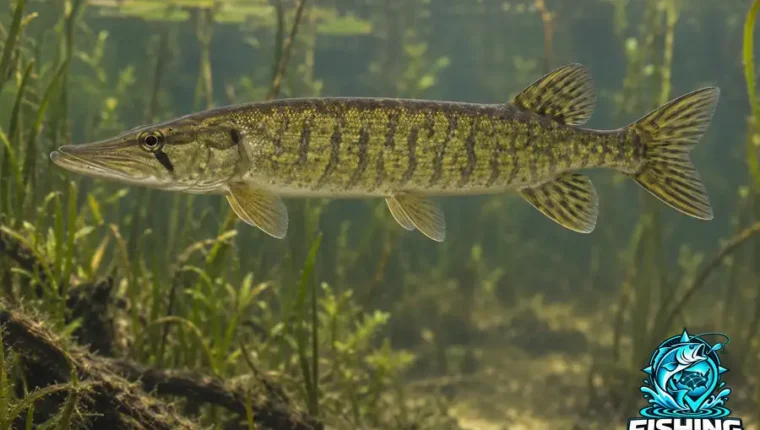
Hunts small fish among vegetation in quiet pools and wetlands, favoring sluggish water over strong currents.
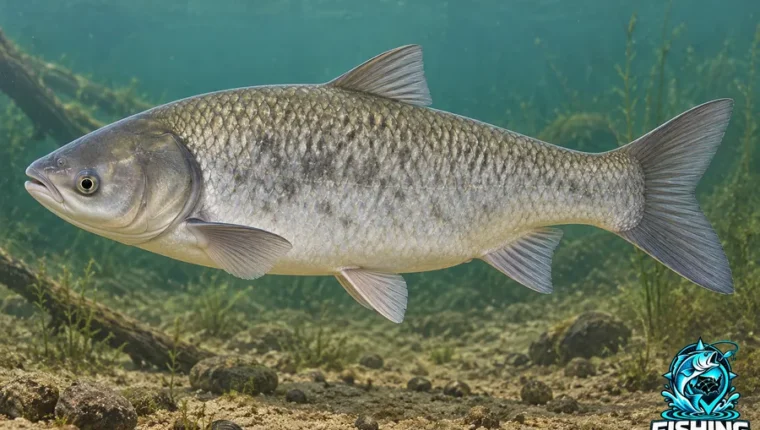
A hybrid combining grass carp and bighead carp, two Asian freshwater fishes with different feeding habits.
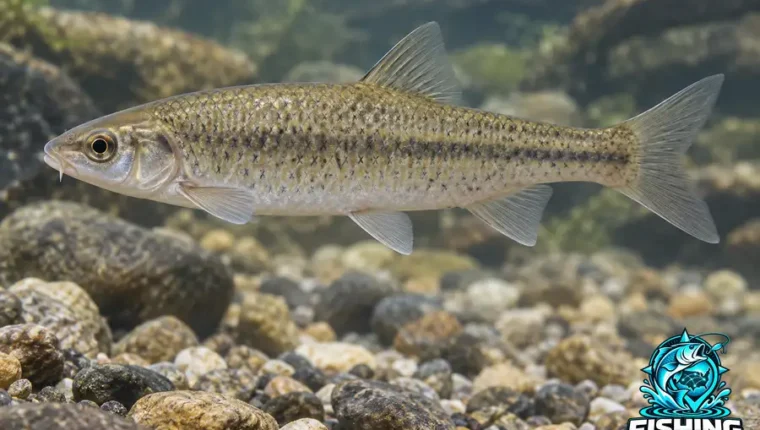
A freshwater chub found in small rivers and streams across parts of North America.
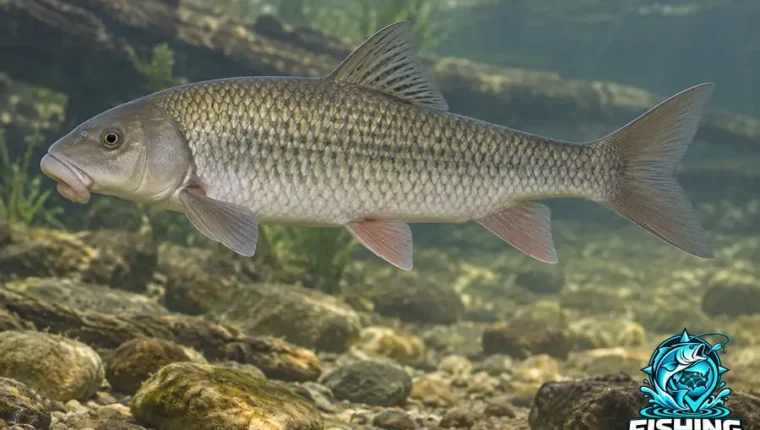
A redhorse sucker with native populations in Mexico and the United States.
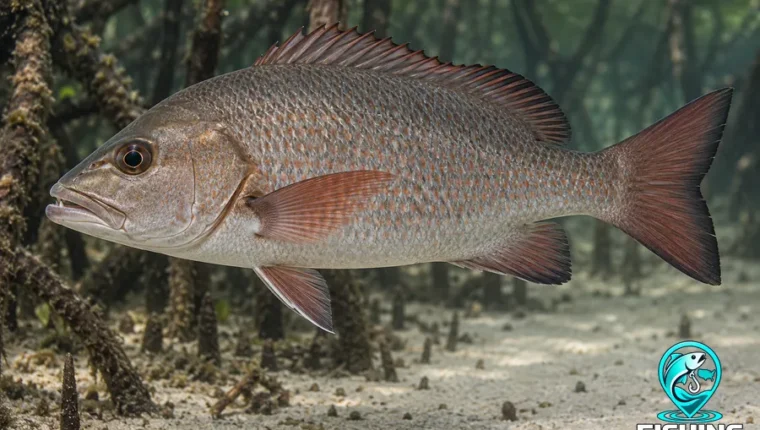
Ranges from Massachusetts to Brazil, including Bermuda, the Caribbean and the Gulf of Mexico.
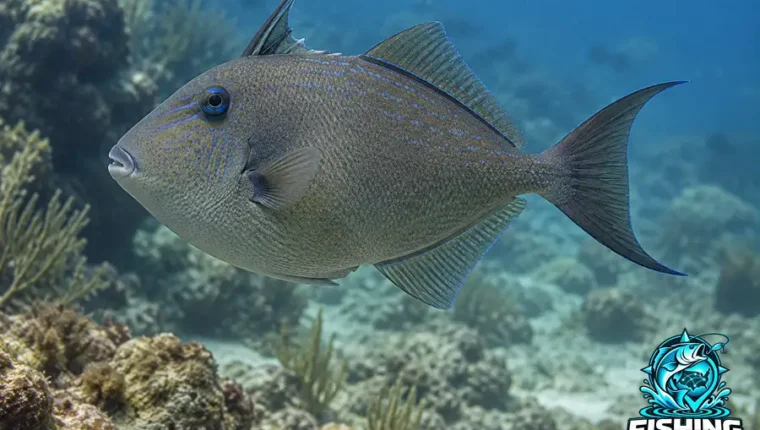
Feeds on attached marine animals and algae, including barnacles, small worms and hydroids.
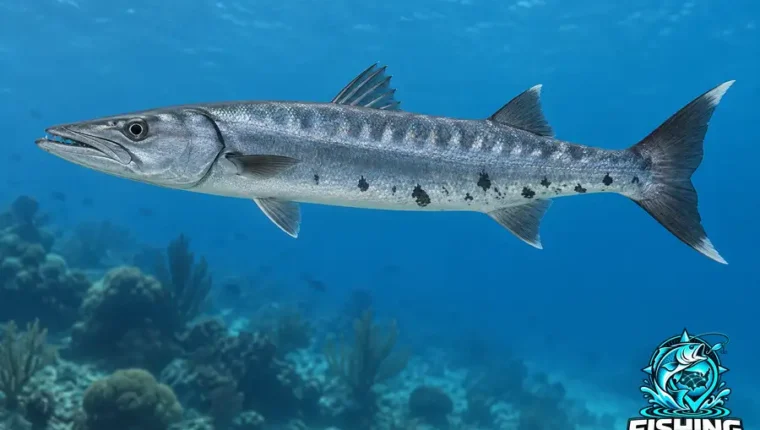
A tropical marine predator found around mangroves, seagrass beds and reefs.

Eats tiny drifting animals and small fish. Can leap from the water and glide above the surface.
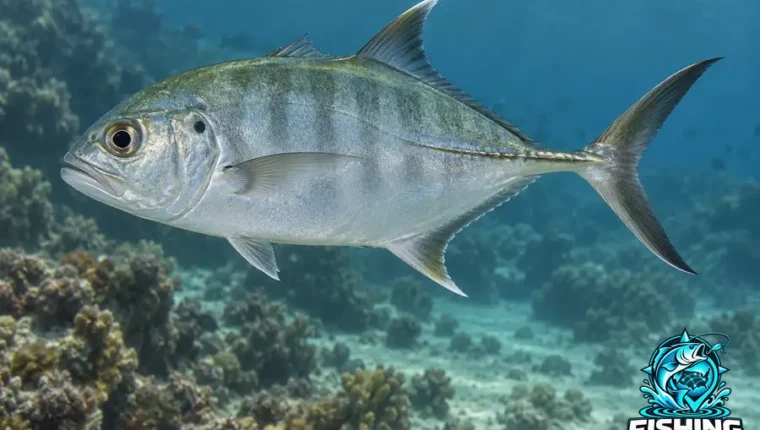
Adults use coastal and offshore reefs; younger fish also enter estuaries and sandy bays.
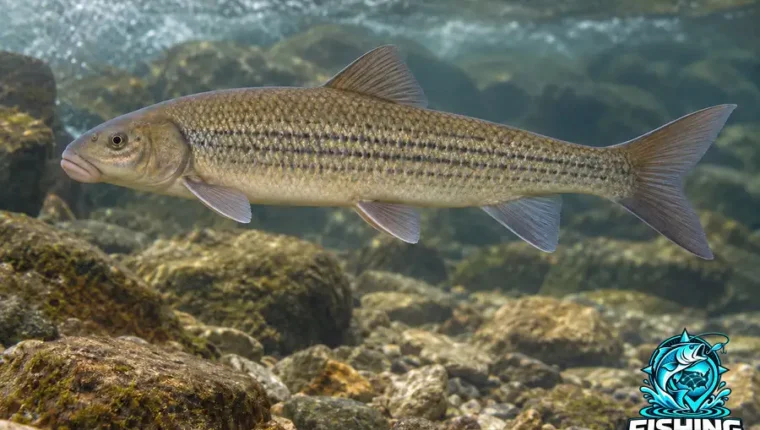
A southeastern freshwater fish native to Georgia and Alabama.
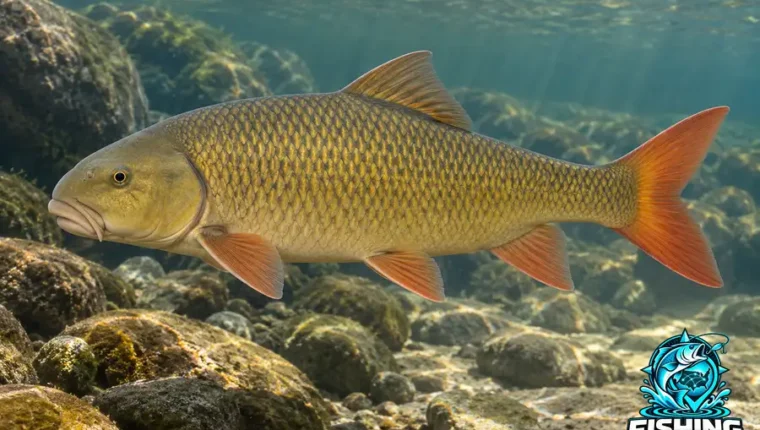
Uses clear rivers with relatively strong currents, plus both shallow and deep areas of some lakes.
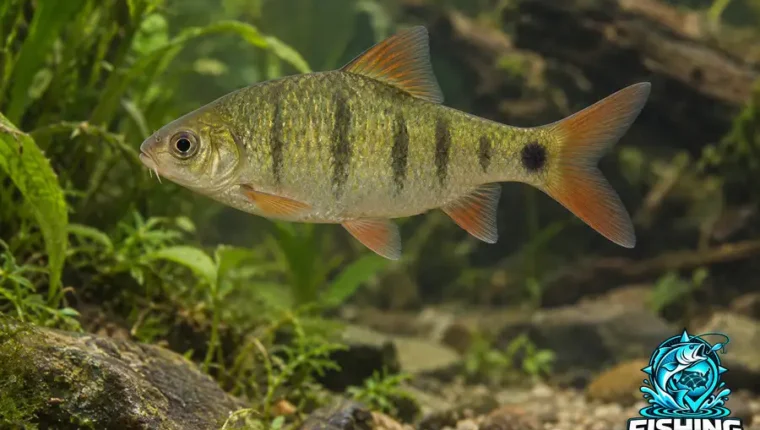
Native to Southeast Asia’s Red River basin, usually in freshwater no more than about 16 feet deep.
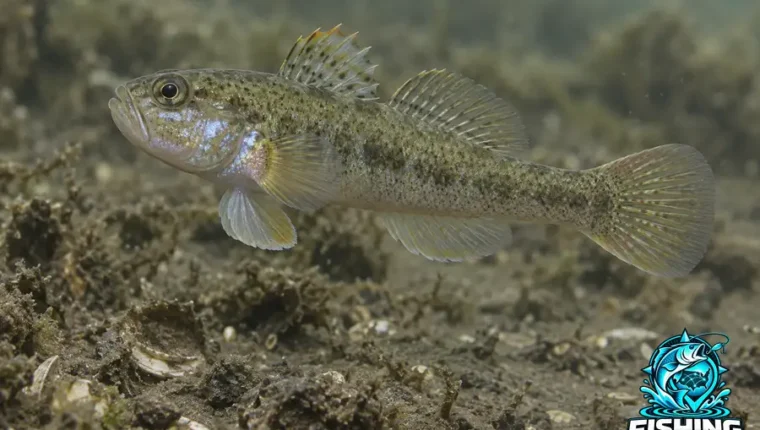
A coastal goby found from the mid-Atlantic United States toward Florida and Gulf of Mexico waters.
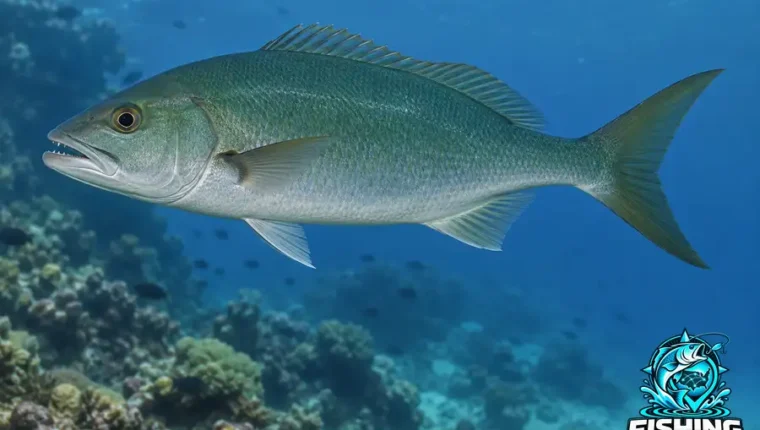
Uses varied reef habitats from near the surface down to several hundred feet.
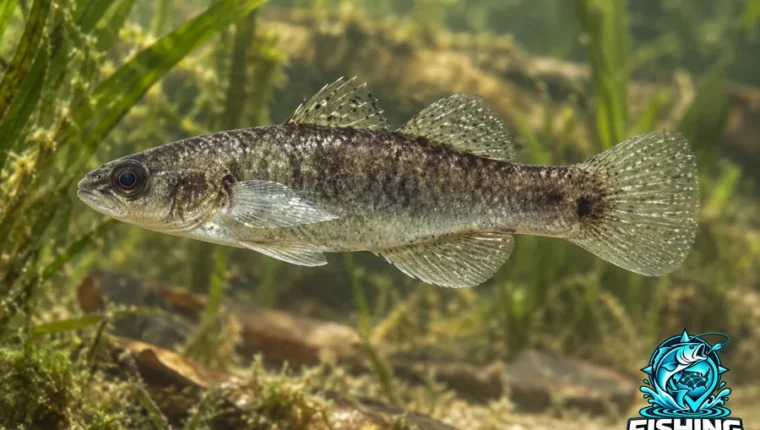
Ranges from Africa through southern Asia toward Pacific islands, using freshwater, brackish and coastal marine environments.
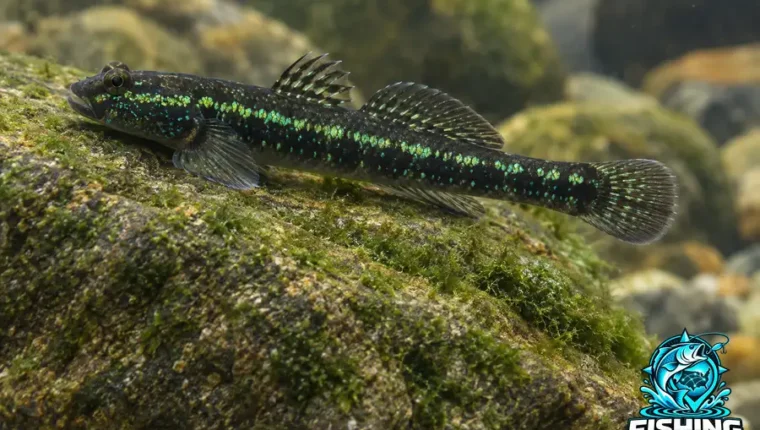
Found around tropical Pacific islands, including Samoa, the Cook Islands and French Polynesia.
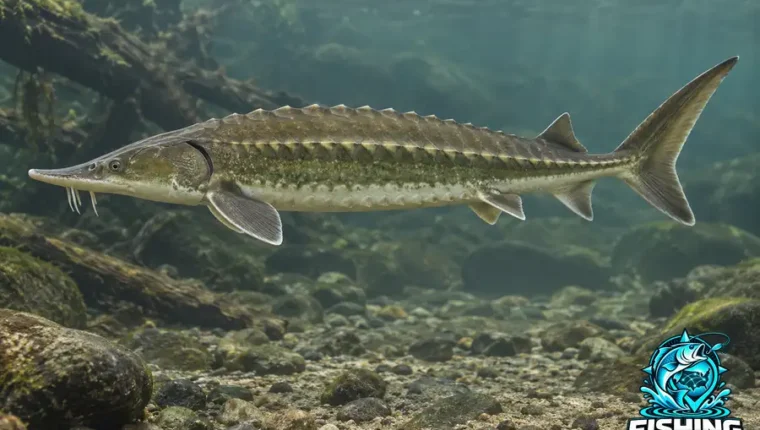
A Pacific sturgeon ranging from the Bering Sea and Alaska south toward northern Baja California.
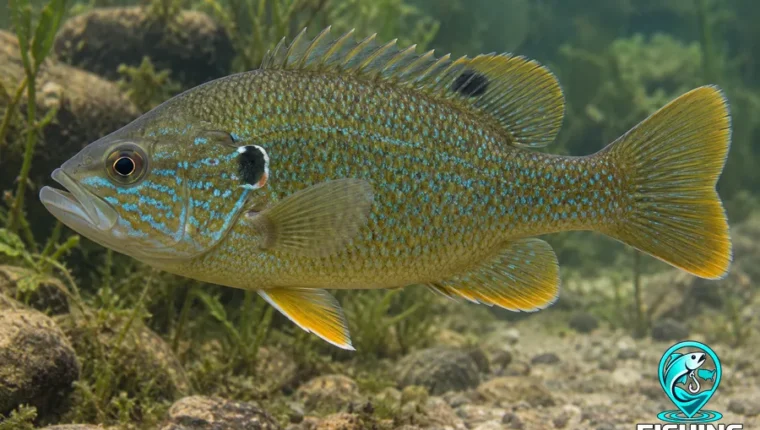
Uses quiet backwaters, ponds and lakes with sand, gravel or exposed rock bottoms.
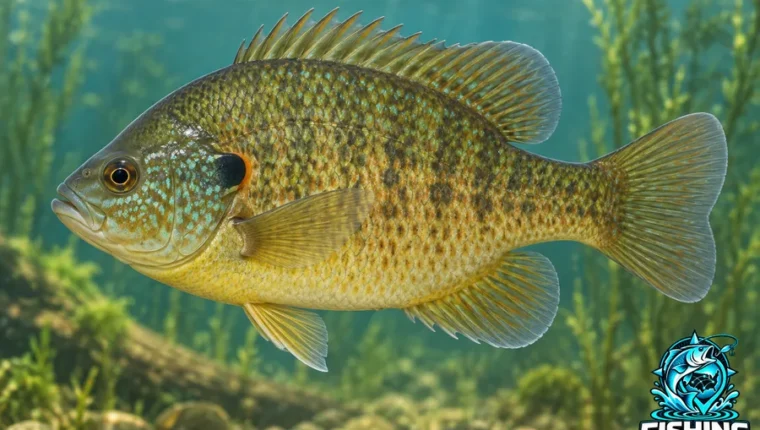
A green sunfish–redear sunfish cross, combining two North American freshwater sunfish.
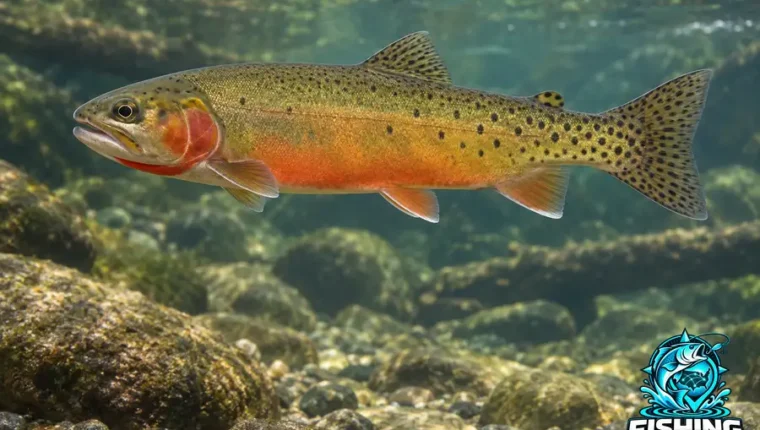
A surviving native population is associated with Colorado’s Bear Creek, within the Arkansas River drainage.
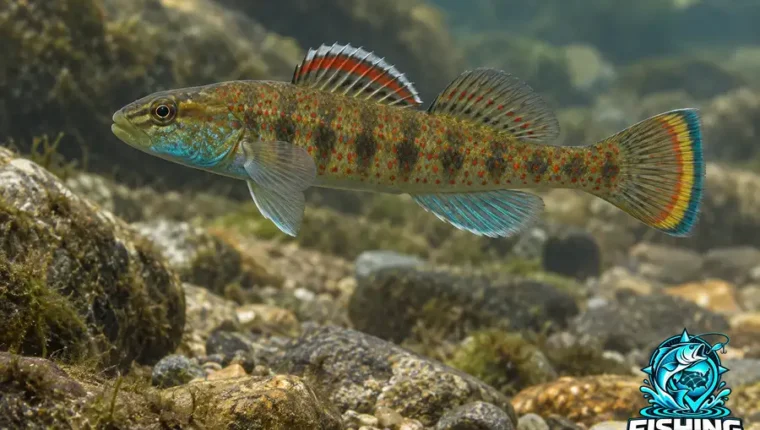
Native to the Alabama and Black Warrior river systems in the southeastern United States.
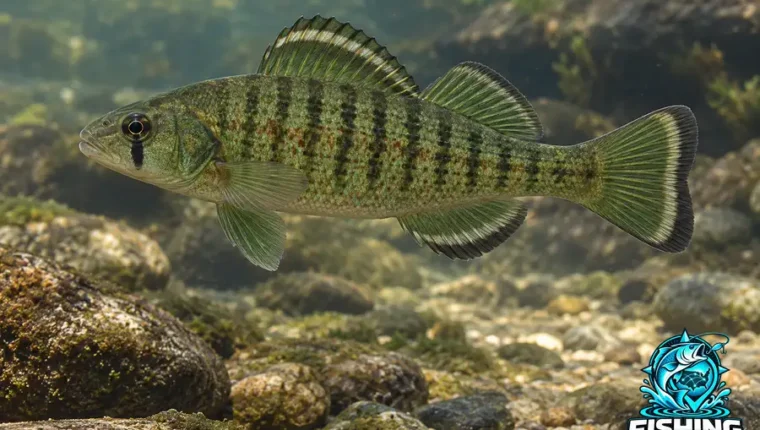
Native to the Tennessee River system across Virginia, North Carolina, Tennessee and Georgia.
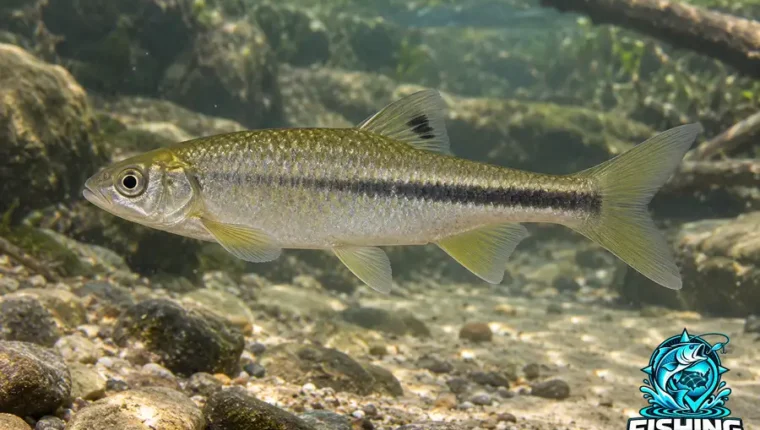
Lives in the Santee River drainage of the Carolinas and South Carolina’s Pee Dee system.
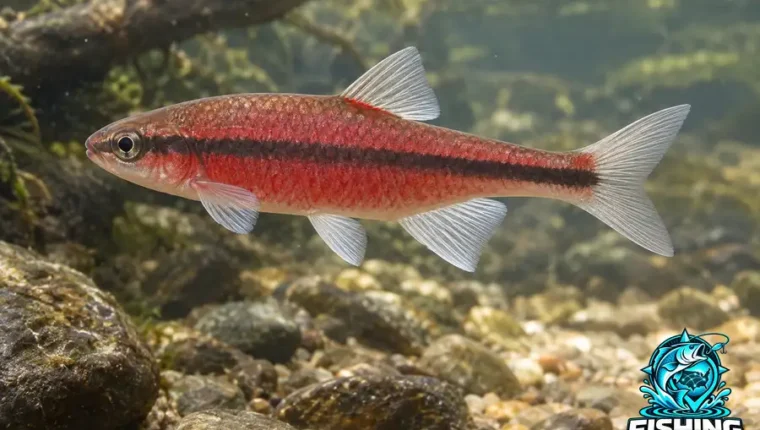
A shiner of the Catawba and broader Santee river systems in North and South Carolina.
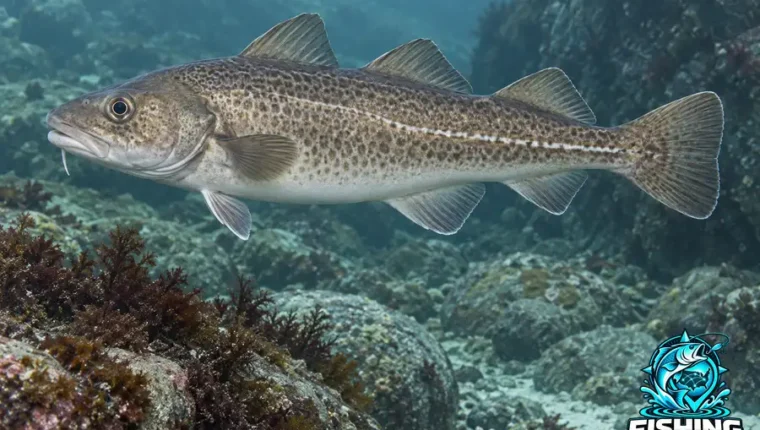
A cod associated with the northwestern Atlantic and Arctic Ocean.
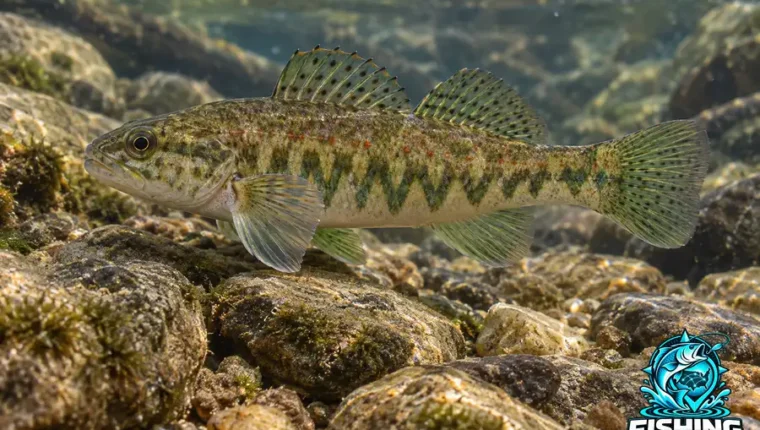
Favors swift riffles in streams of the eastern United States and southern Ontario.
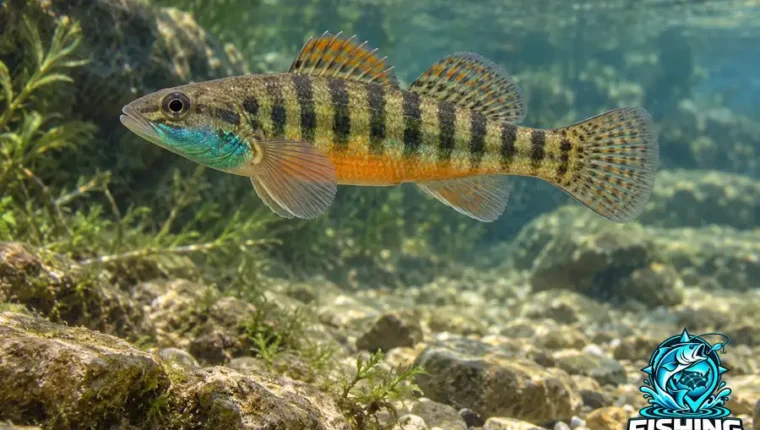
Occurs in Texas river systems including the Colorado, Guadalupe and Nueces, and in New Mexico’s Pecos drainage.
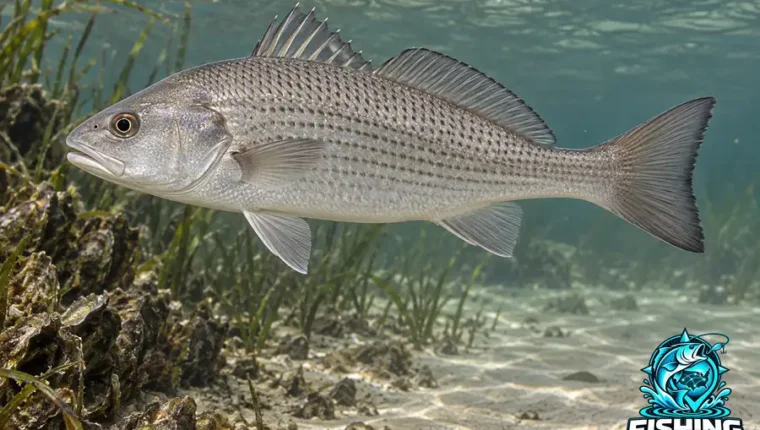
A coastal grunt ranging from Bermuda through Caribbean waters toward Venezuela.
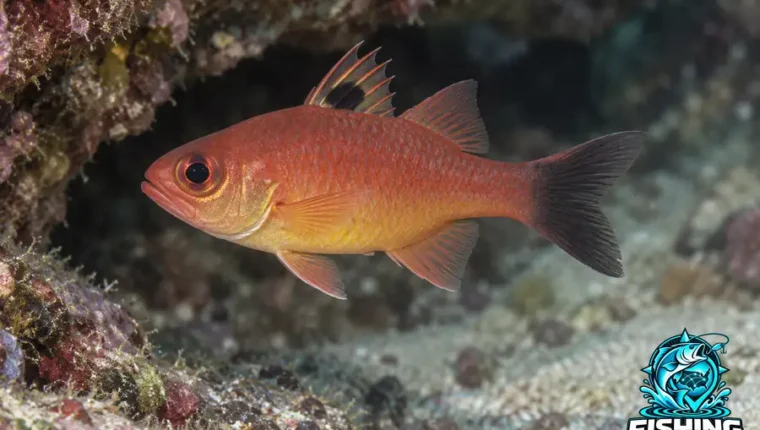
An eastern Pacific cardinalfish recorded around California, Baja California and offshore islands including Guadalupe and Cocos.
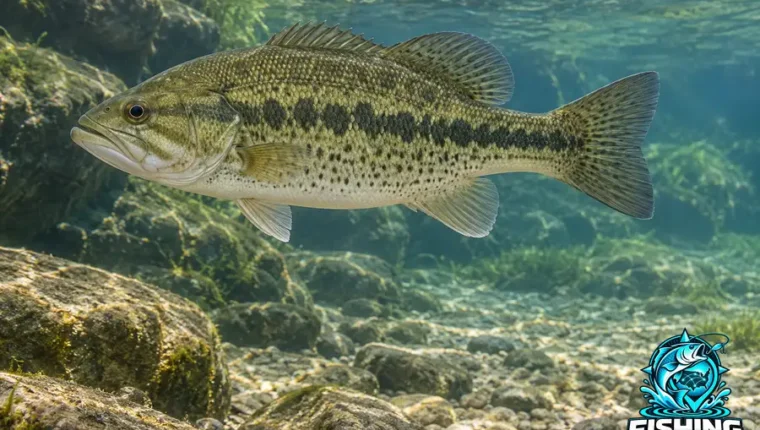
A bass native to Texas, where it is recognized as the official state fish.
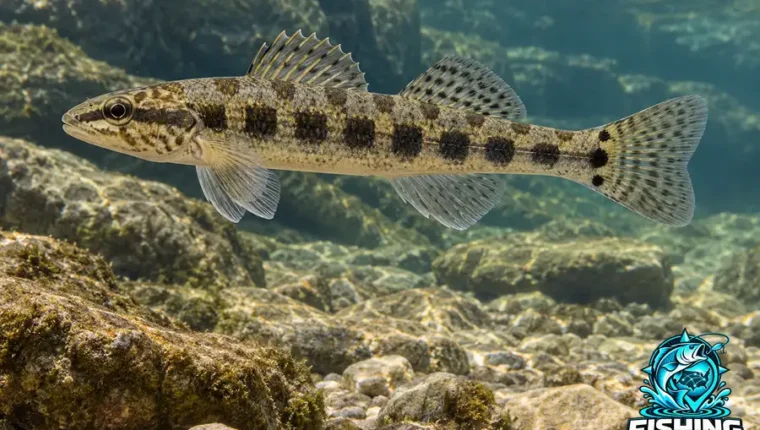
Favors fast-flowing, rocky runs in small and medium-sized rivers.
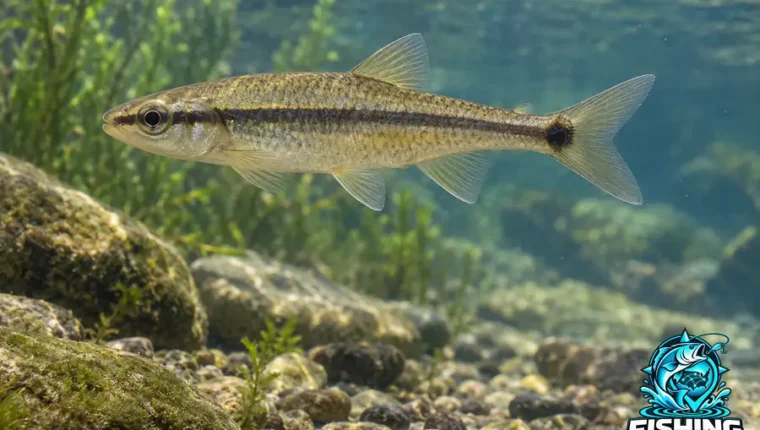
A Texas minnow recorded in the Colorado and San Antonio river systems.
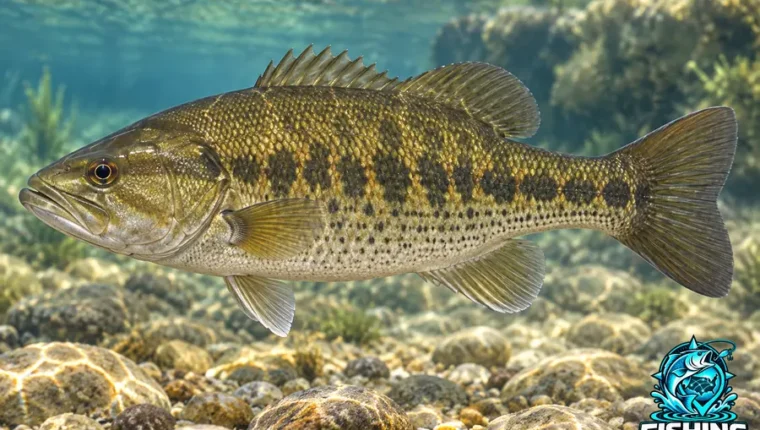
A Guadalupe–smallmouth bass hybrid. These crosses occur where introduced smallmouth overlap native Guadalupe bass.
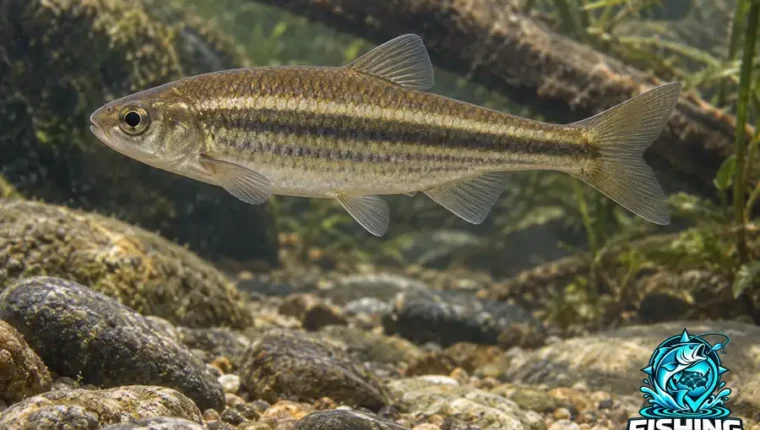
Native to the Gualala River system in coastal Sonoma County, California.
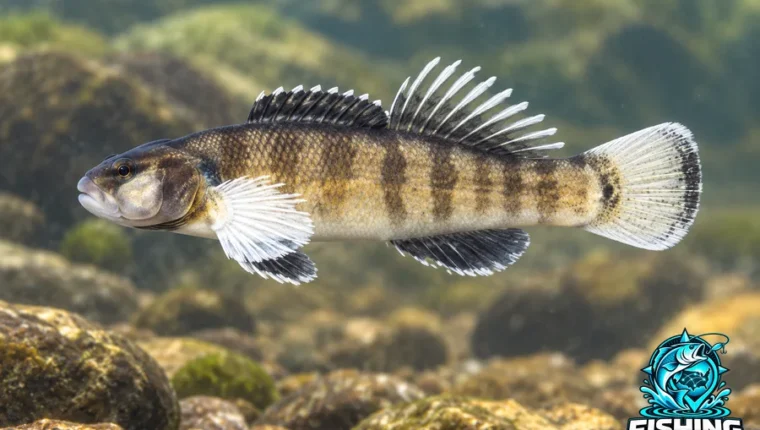
Uses gently flowing pools and nearby riffles in creeks and headwater streams.
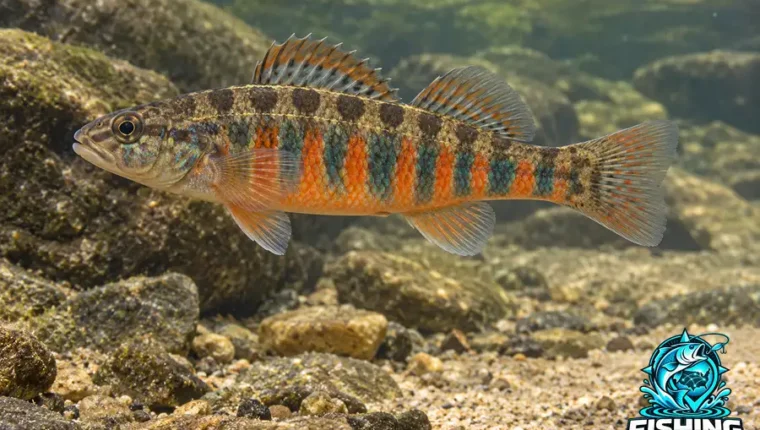
Often occupies very shallow water in small and medium-sized creeks.
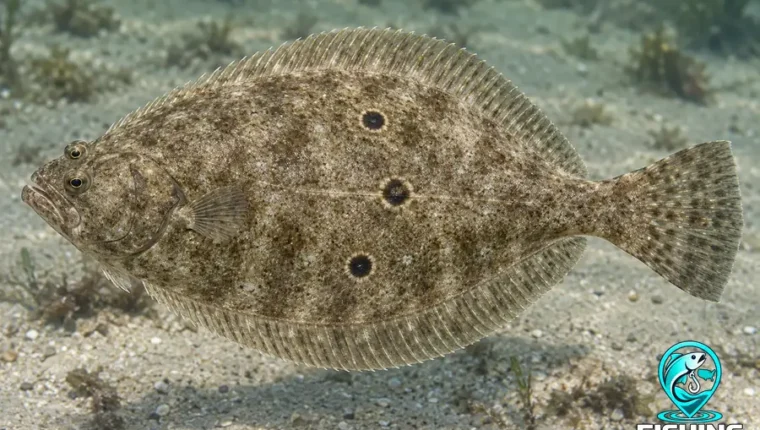
Adults favor firm sandy bottoms; young fish settle into salty coastal seagrass beds.
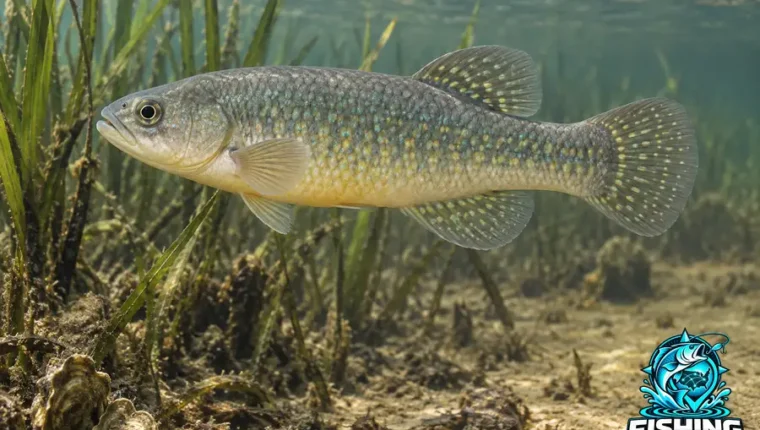
A coastal killifish ranging around the Gulf of Mexico from Texas to Florida and into nearby Atlantic waters.
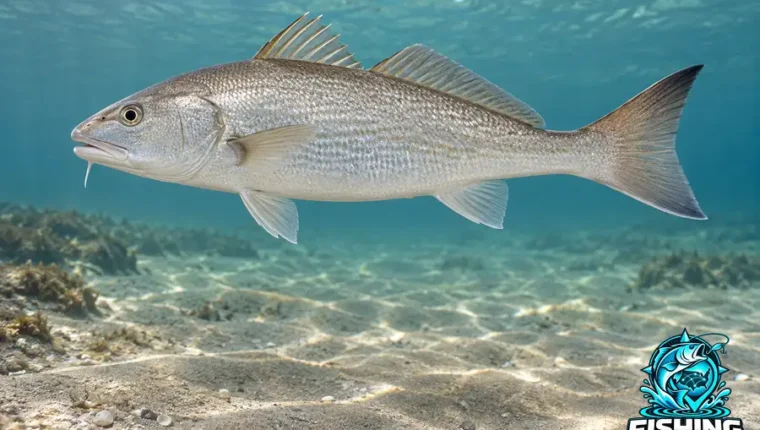
A coastal kingfish ranging from North Carolina to Florida and around the Gulf of Mexico.
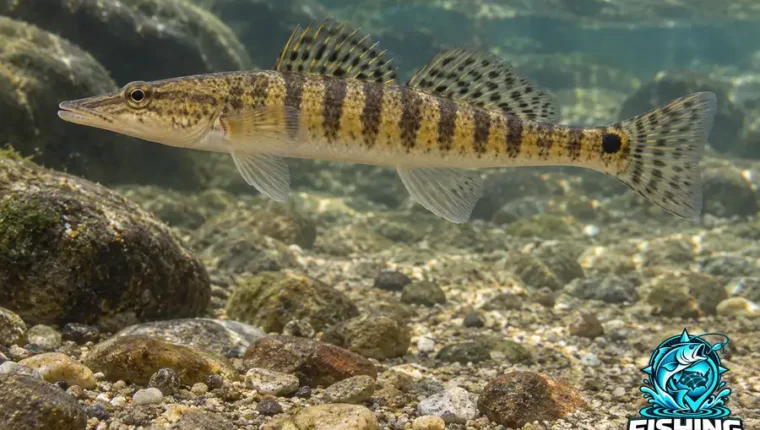
Associated with gravel runs and riffles in smaller rivers.
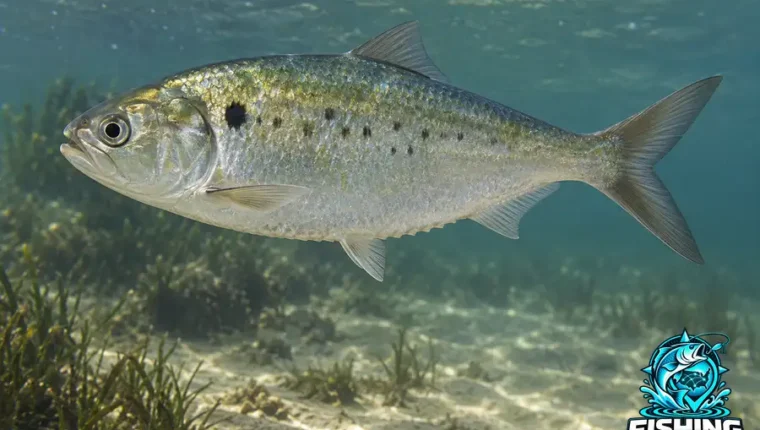
A schooling fish whose natural range is centered on the Gulf of Mexico.

A slender pipefish recorded in southern Florida and nearby Atlantic coastal waters.
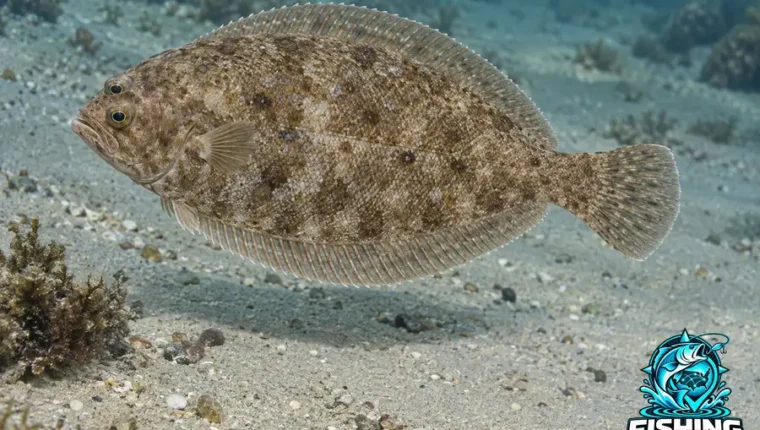
A marine flatfish native to waters off eastern North America.
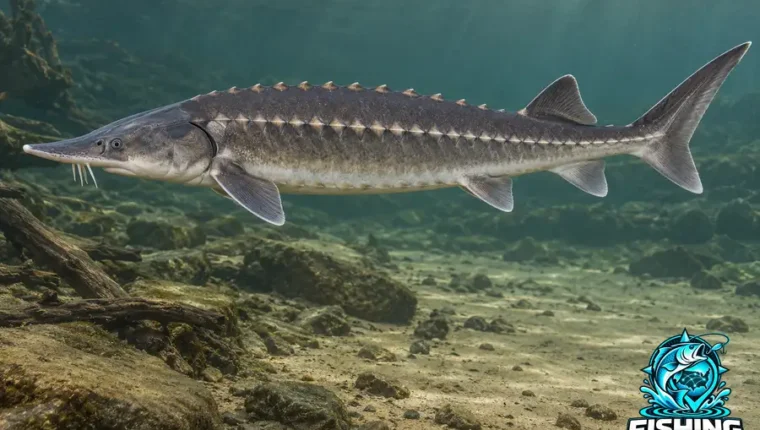
Moves from Gulf coastal waters into rivers during spring, using upstream freshwater reaches for spawning.
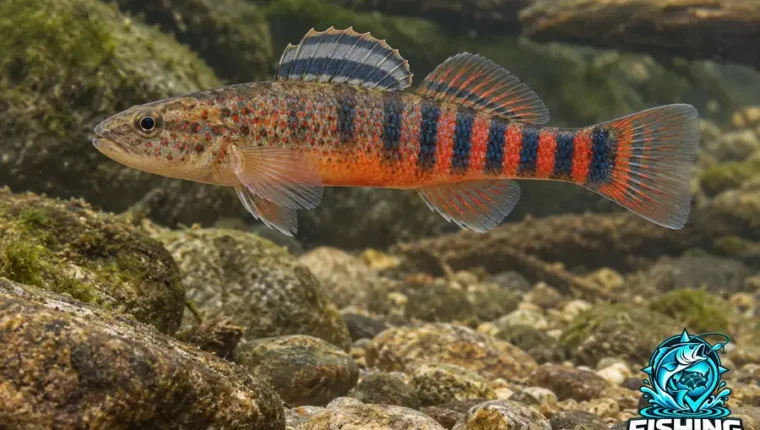
Uses river margins around exposed roots and plant debris, over sandy or mixed sand-and-gravel bottoms.
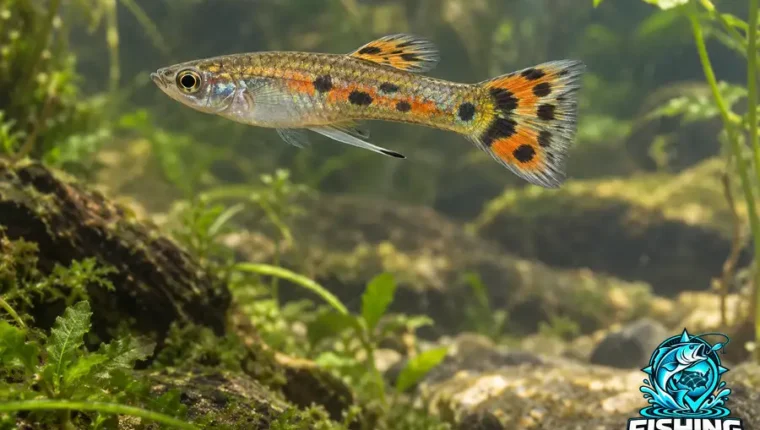
Eats algae and aquatic insect larvae, among other small foods available in freshwater habitats.

A flyingfish associated with warm Atlantic Ocean waters.