
Pacific Brook Lamprey
A nonparasitic brook lamprey native to Oregon’s Columbia River basin.

Browse all 95 fish starting with P. Select a name to explore its species profile.
Choose a letter to see every fish starting with that letter.
A nonparasitic brook lamprey native to Oregon’s Columbia River basin.
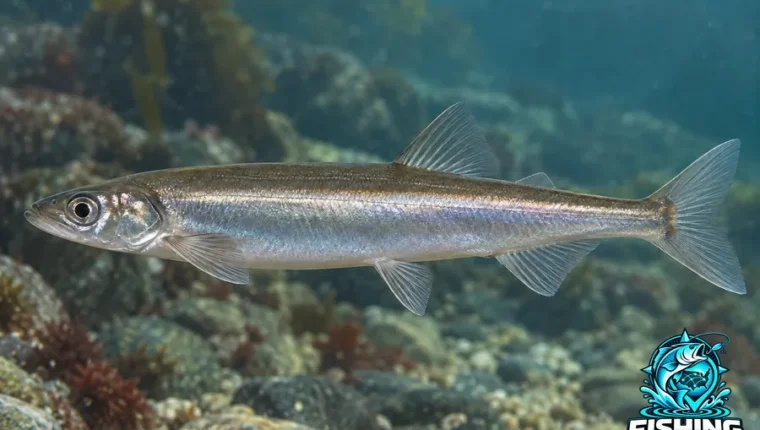
A small schooling fish of the North Pacific and nearby Arctic waters.
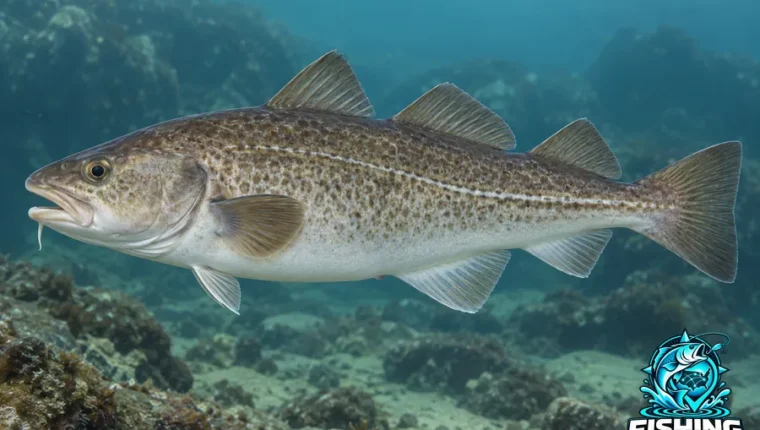
Found across the North Pacific, chiefly over the continental shelf and upper ocean slopes.
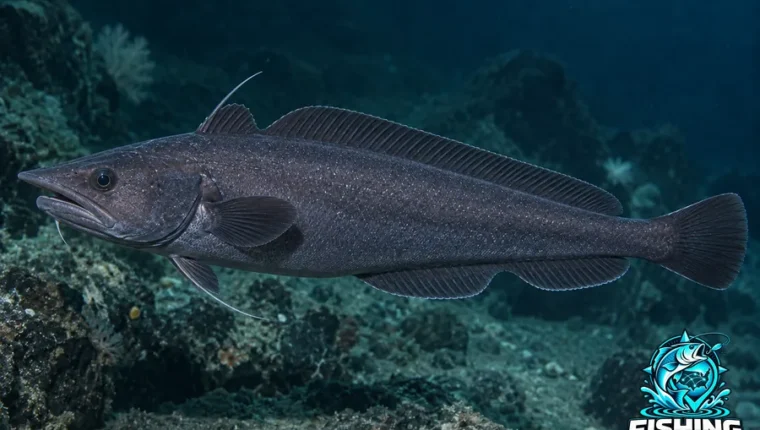
A deep-water North Pacific fish recorded from Japan and the Bering Sea toward Hawaii and the Gulf of California.
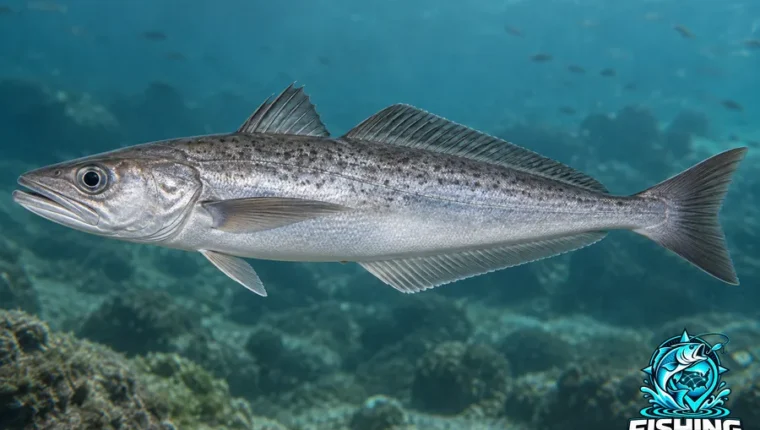
Ranges through the northeastern Pacific, from northern Vancouver Island toward the northern Gulf of California.

Uses sheltered bays and estuaries as spawning habitat.
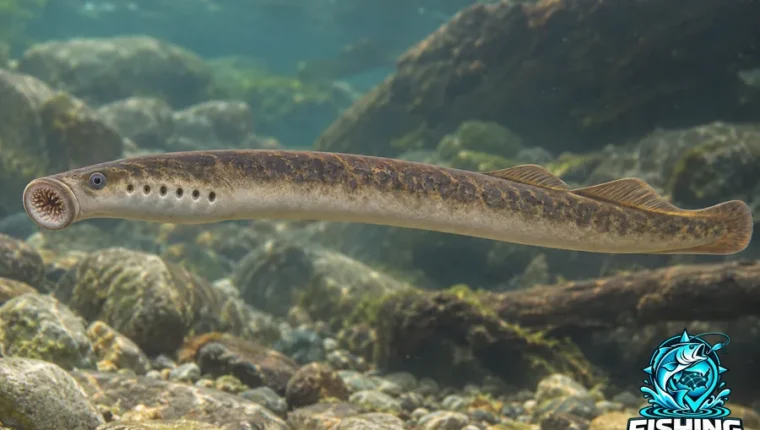
Spends several years developing in freshwater before later life stages migrate between rivers and the ocean.
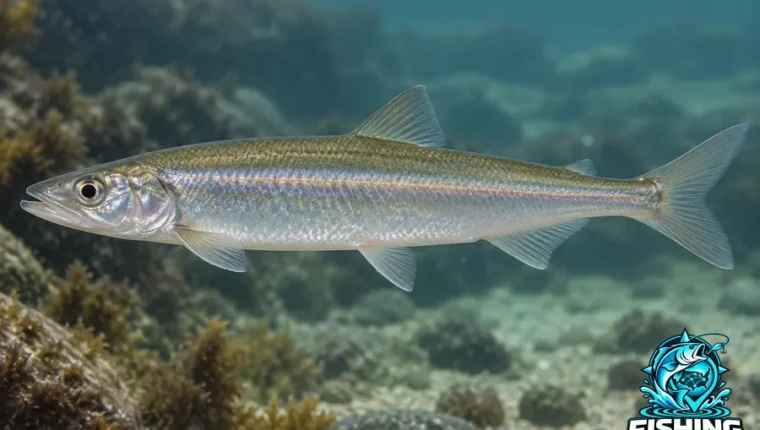
A northern smelt distributed in Arctic and North Pacific waters.
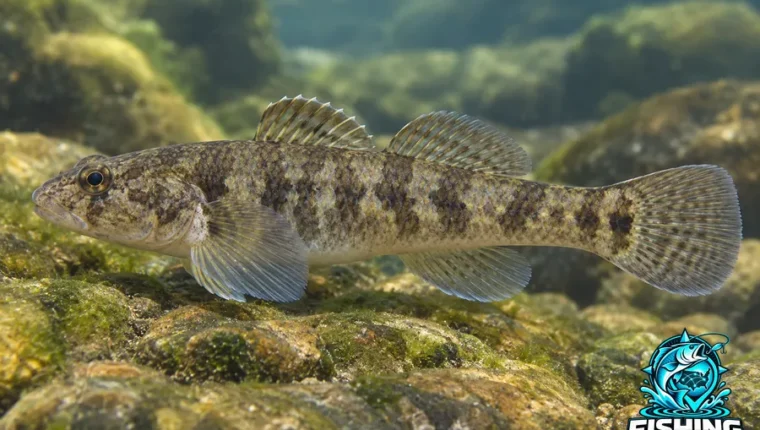
A Pacific island goby found from the Marianas toward Vanuatu, New Caledonia and Fiji, using fresh and brackish waters.

Eats plankton in Pacific coastal waters from southeastern Alaska to Baja California, forming schools that feed larger marine predators.
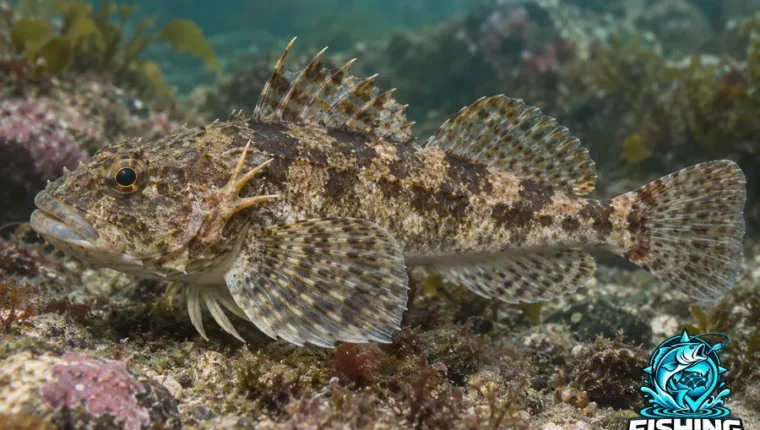
Lives along western North America’s Pacific coast.
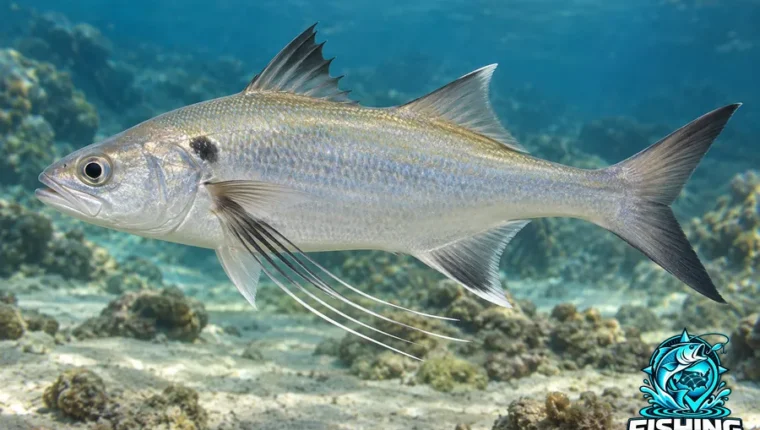
Ranges from Indonesia and southern Japan east to Hawaii, French Polynesia and Pitcairn Island.
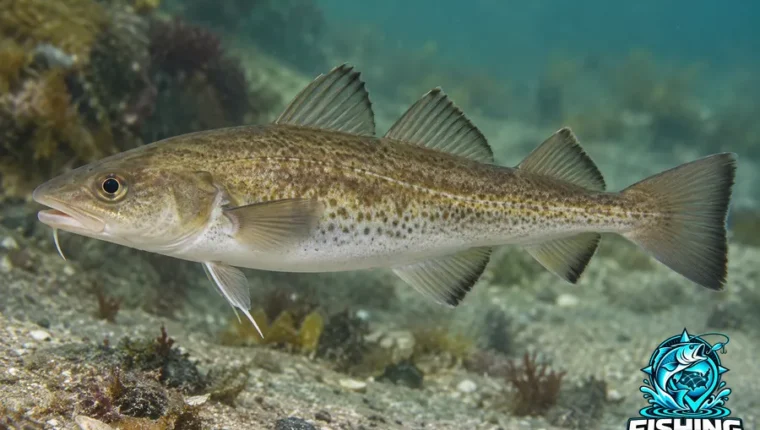
A coastal cod ranging from the southeastern Bering Sea to central California.
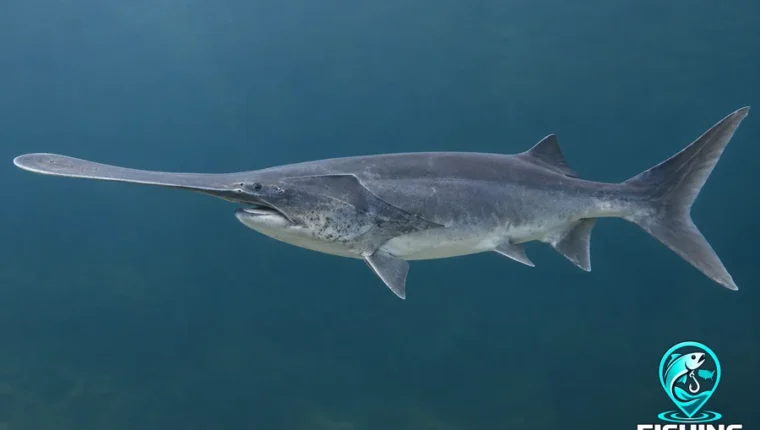
Native to the Mississippi River basin, where large connected river systems historically supported its movements.
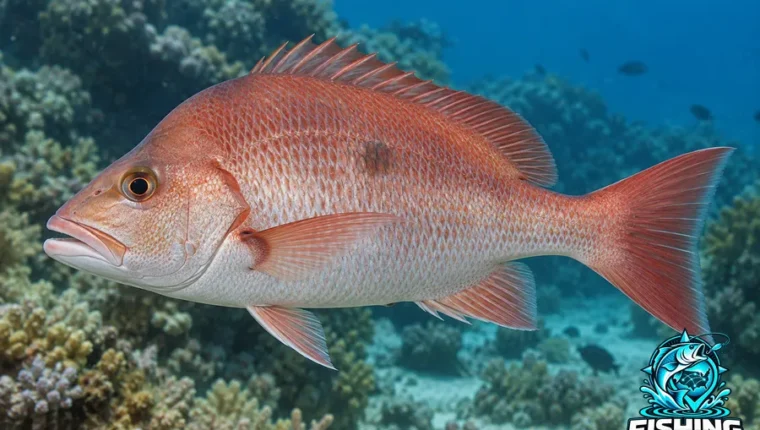
Eats fish and a wide variety of marine invertebrates, including shrimp, crabs, lobsters and squid.
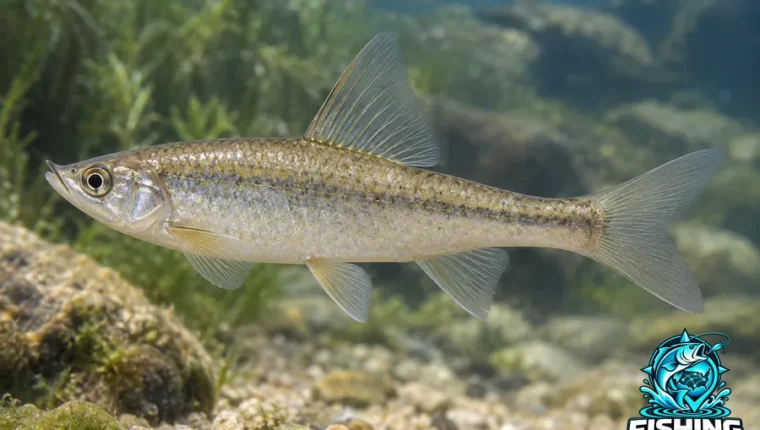
An extinct spinedace formerly native to freshwater habitats in Nevada.
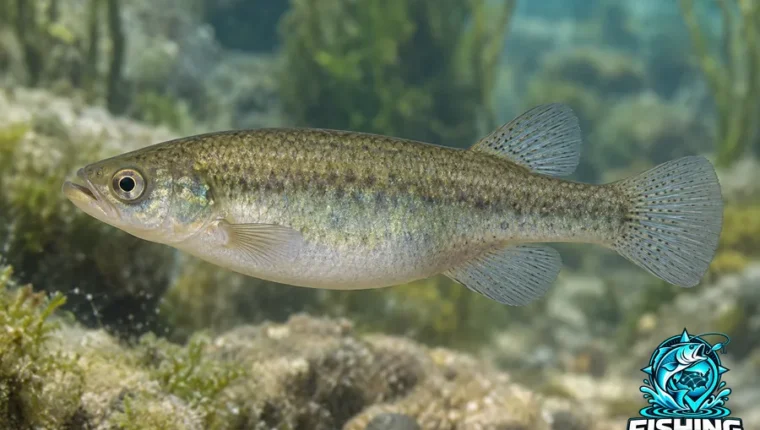
A desert poolfish originally native to Nevada’s Pahrump Valley.
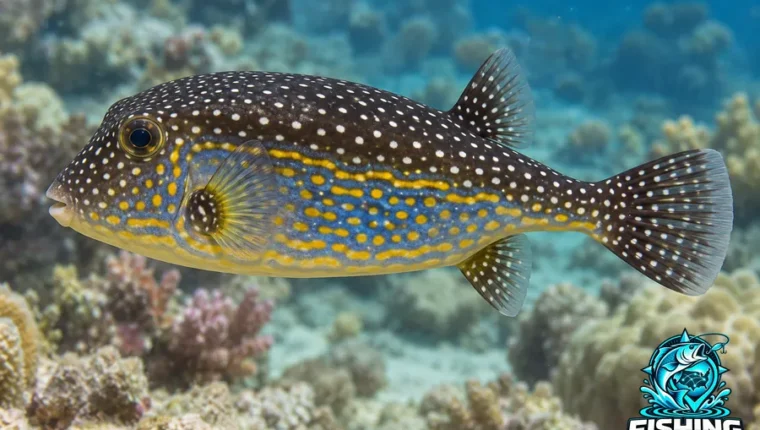
A marine boxfish recorded in both the Indian and Pacific oceans.

An Indo-Pacific frogfish associated with tropical marine habitats.
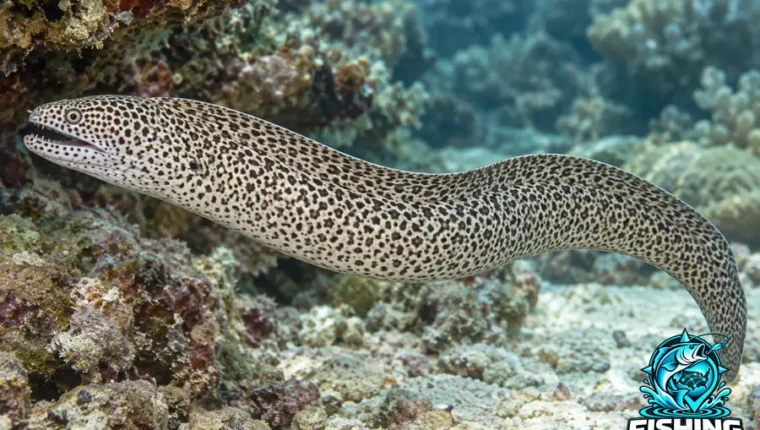
A moray of tropical Indo-Pacific waters, also found around some eastern Pacific islands.
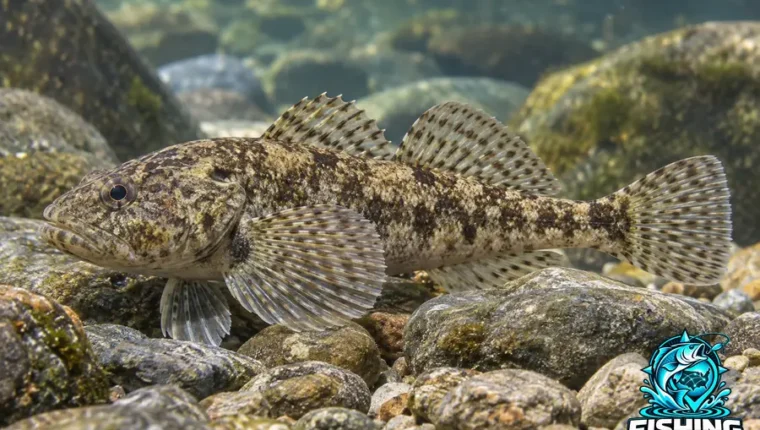
Favors cold creeks and smaller rivers, especially riffles covered with gravel and broken rock.
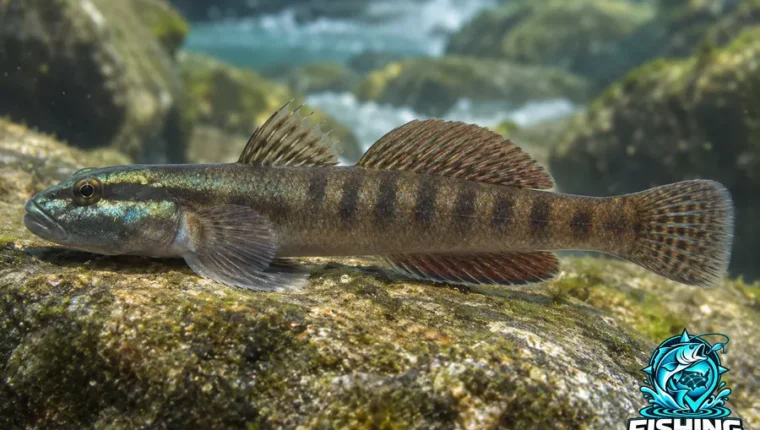
A stream goby ranging from Java through Micronesia toward Vanuatu, northern Australia and New Caledonia.
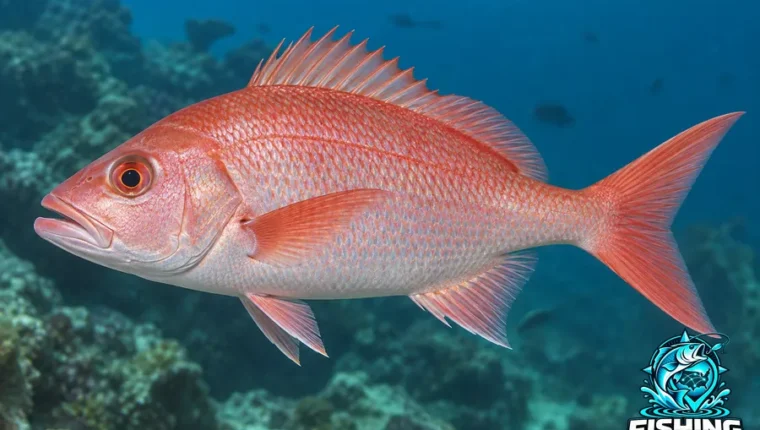
A deep-water snapper recorded from the western Indian Ocean toward Micronesia, southern Japan and New Caledonia.
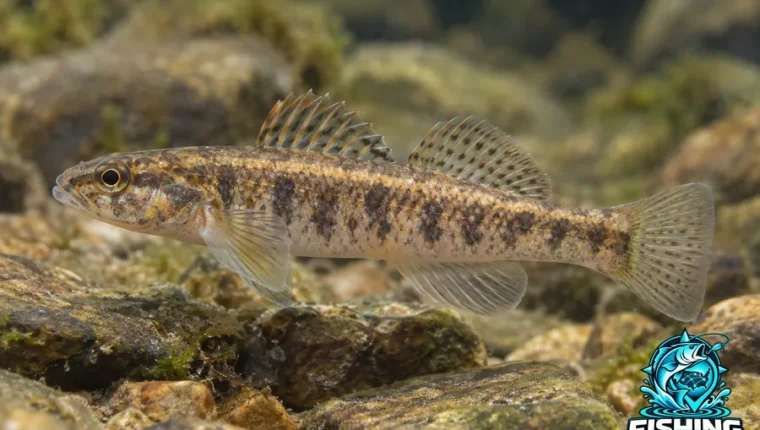
Uses shallow, rocky headwater pools and springs with abundant vegetation.
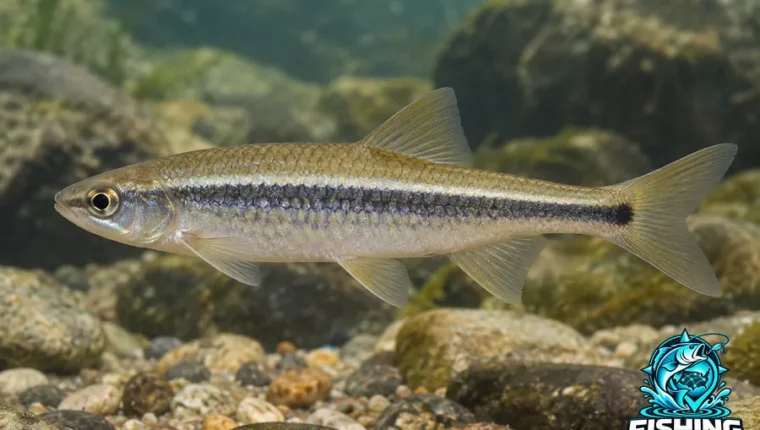
Lives in clear, flowing streams over a mixture of rock and sand.
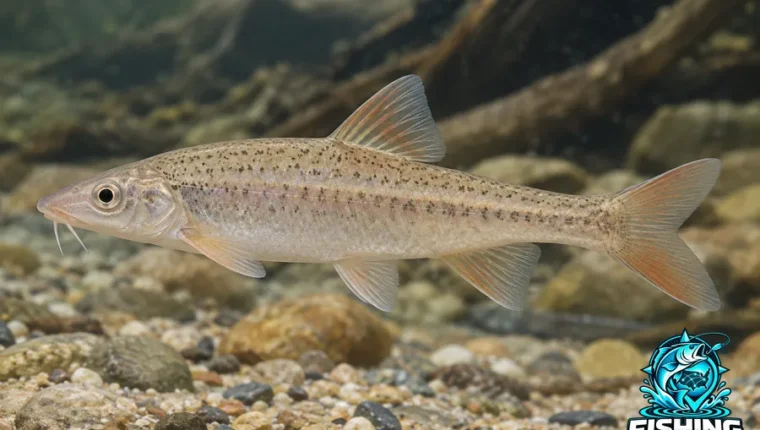
A small chub native to southeastern Alabama and the western Florida Panhandle.
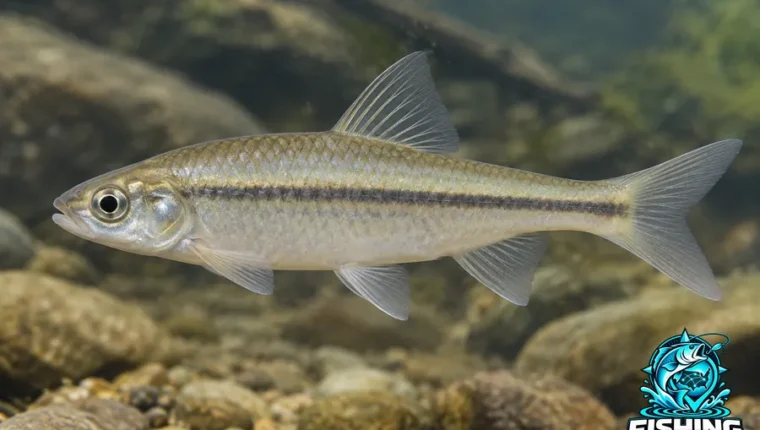
A North American shiner associated with the Mississippi watershed.
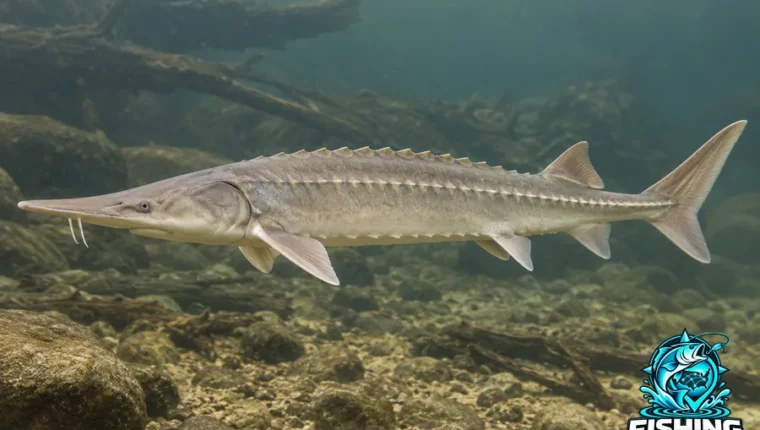
Native to the Missouri and lower Mississippi river basins, where it inhabits major flowing waterways.
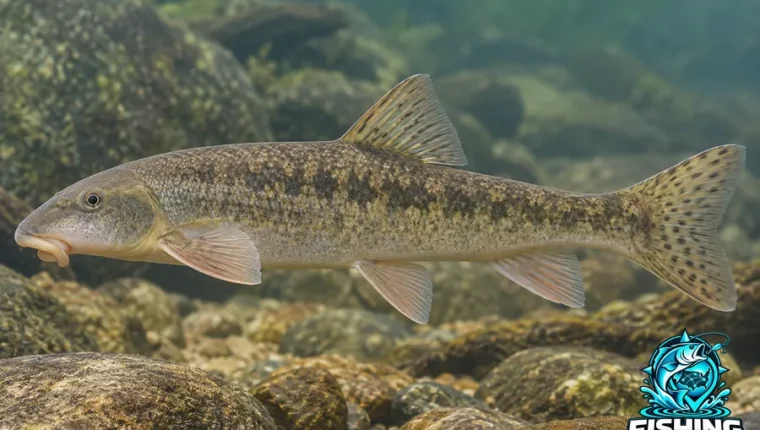
A western sucker native to the Columbia and lower Snake River drainage region.
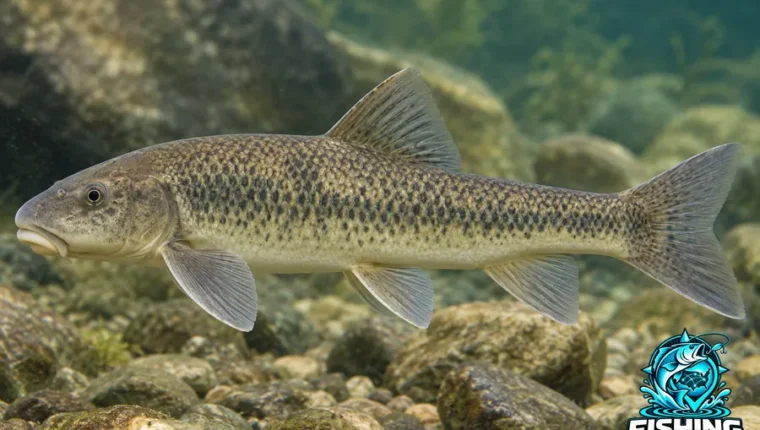
A sucker of the upper Missouri basin, from the Black Hills toward Wyoming, Montana and Alberta.
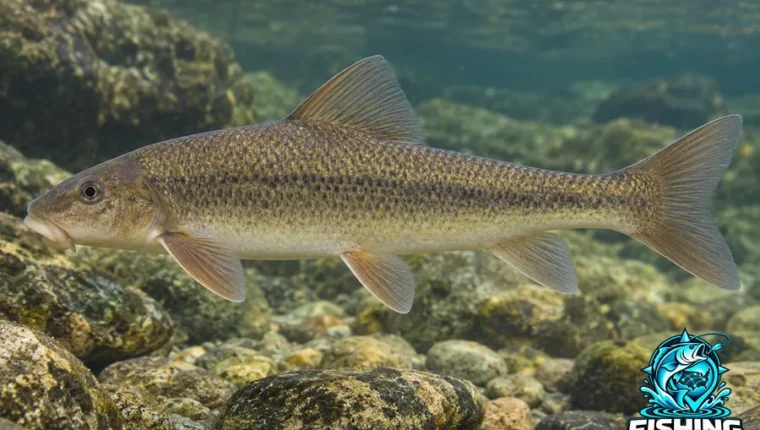
Native to the Lahontan basin across Nevada, Oregon and California.
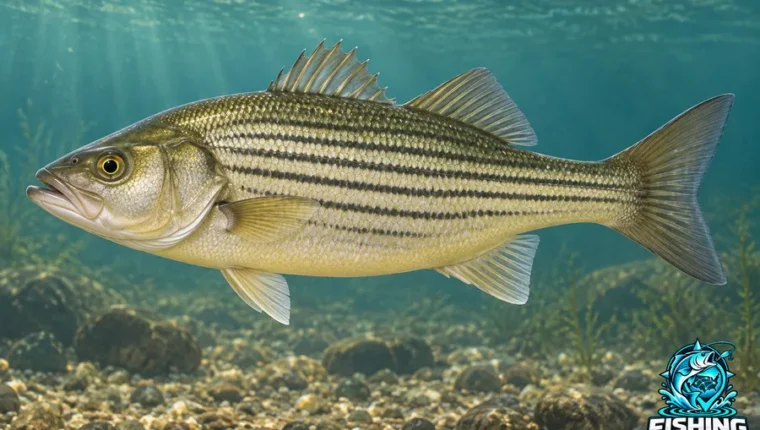
A striped bass–yellow bass hybrid, distinct from the more familiar white bass–striped bass cross.
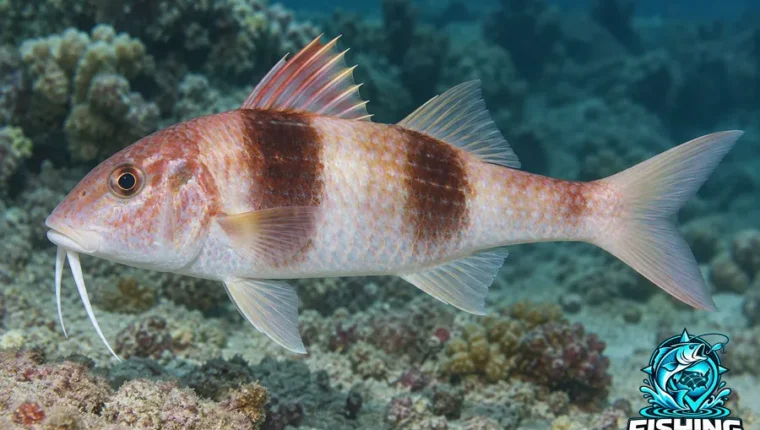
A Pacific goatfish recorded around island groups including the Marianas, Hawaii, Samoa, the Cook Islands and French Polynesia.
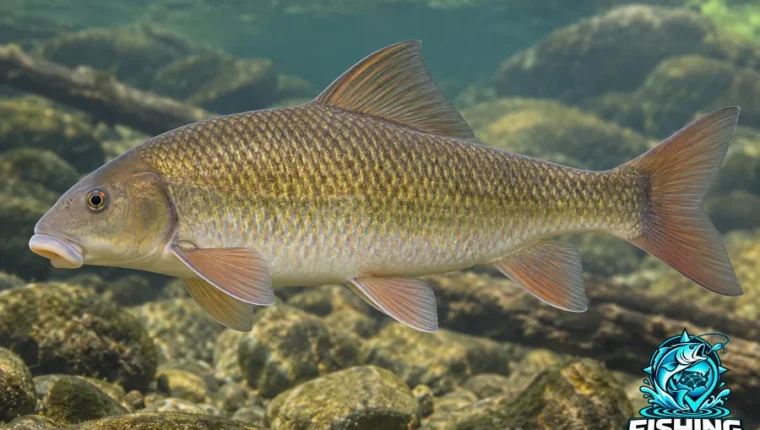
A freshwater redhorse native to Missouri, Kansas and Oklahoma.
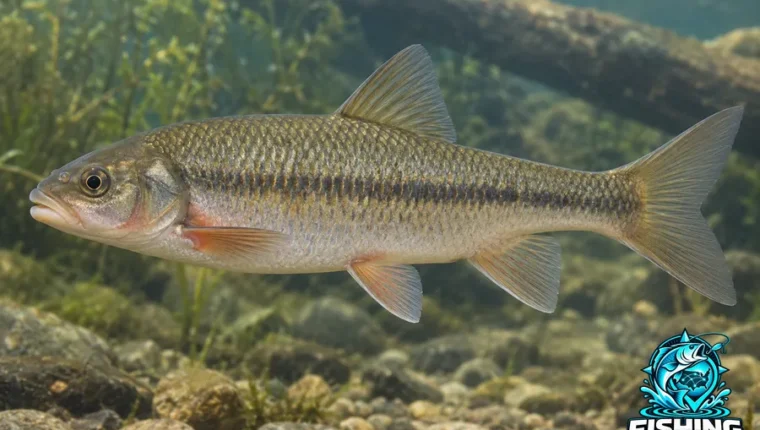
Uses shallow, weedy parts of lakes and rivers. Young fish school near shore before moving deeper later in summer.
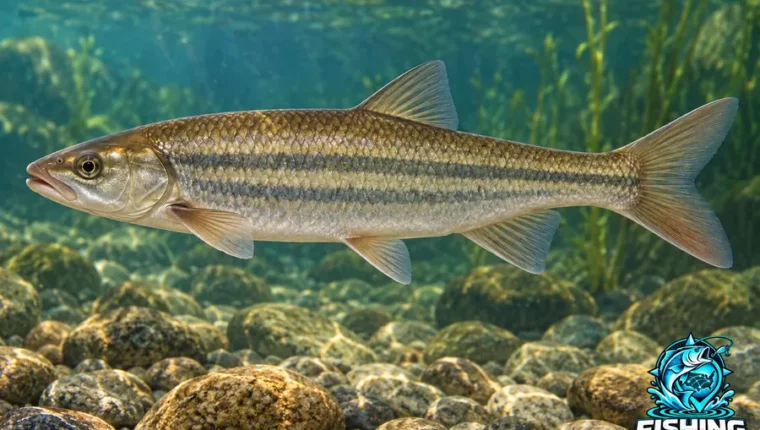
A peamouth–northern pikeminnow hybrid, combining two freshwater fishes of northwestern North America.
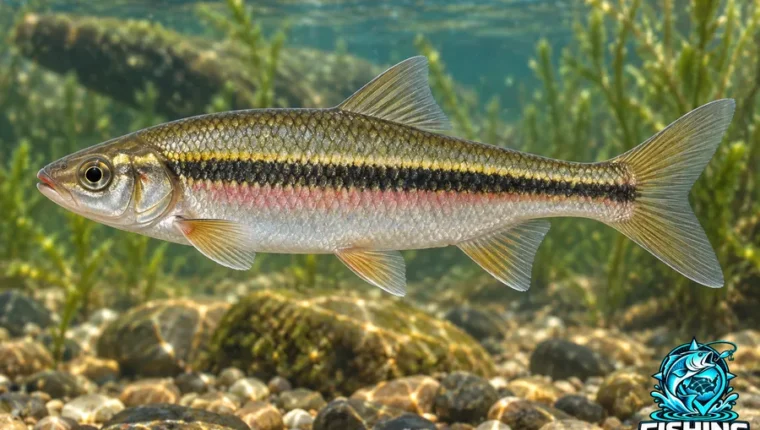
A cross between peamouth and redside shiner, two western North American freshwater fishes.
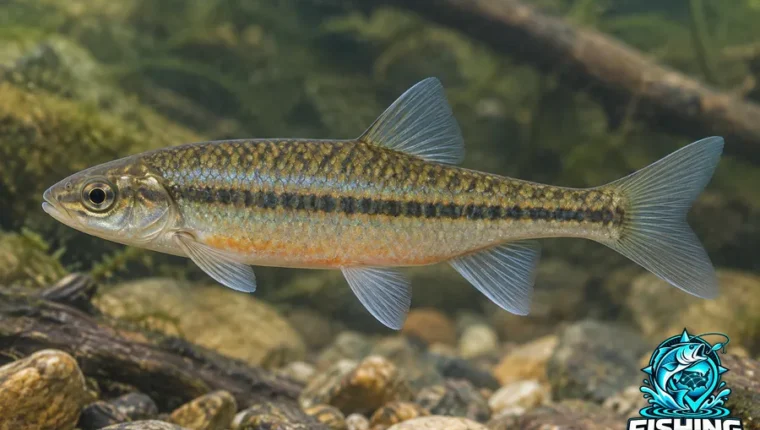
Lives in cool headwaters, small lakes and bog-fed streams, including peaty beaver ponds over sand or gravel.
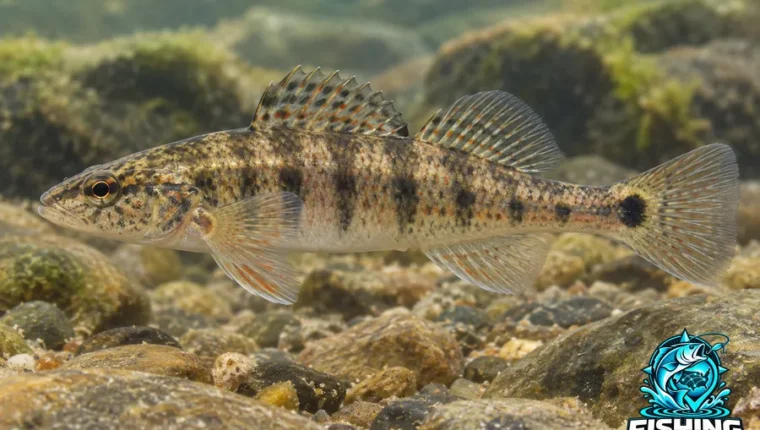
A southern darter with a native range in Louisiana and Mississippi.
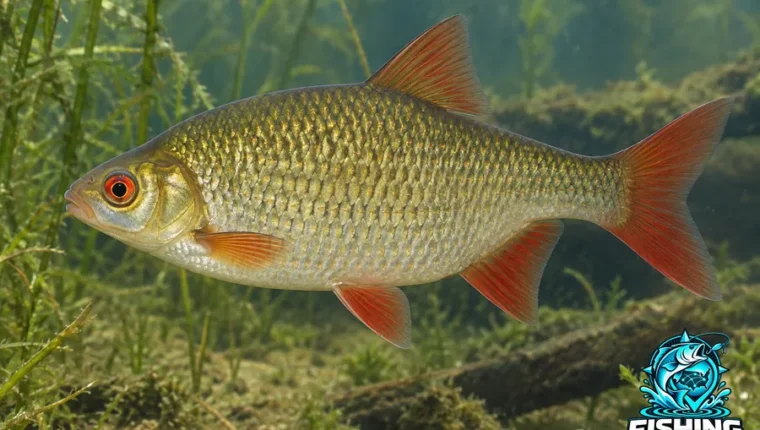
Favors shallow, plant-filled lake areas and river backwaters, laying eggs on submerged vegetation.

Native to the Pecos River system in Texas and New Mexico.

A desert pupfish of the Pecos watershed in eastern New Mexico and western Texas.
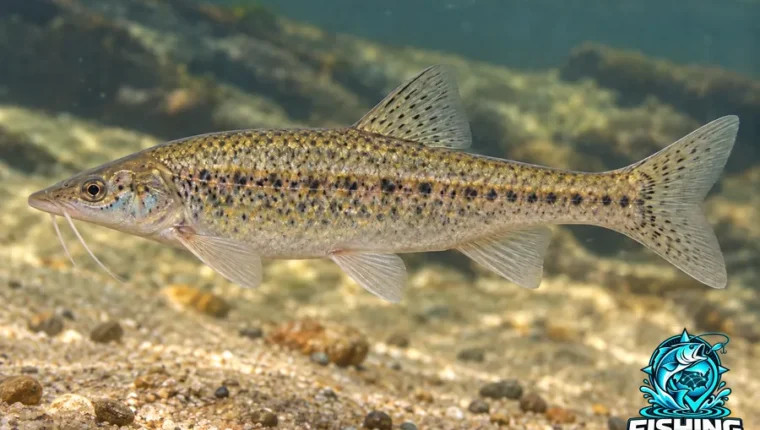
Favors shallow channels of permanently flowing sandy streams, especially currents over clean, fine sand.
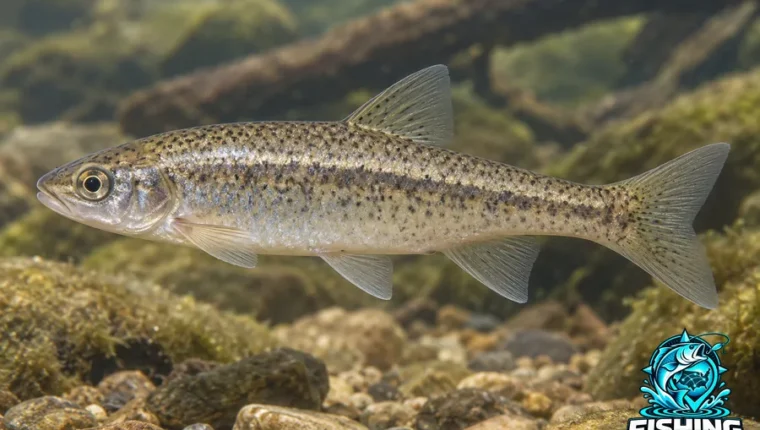
Lives in the Red and Ouachita drainages of southeastern Oklahoma and southern Arkansas.
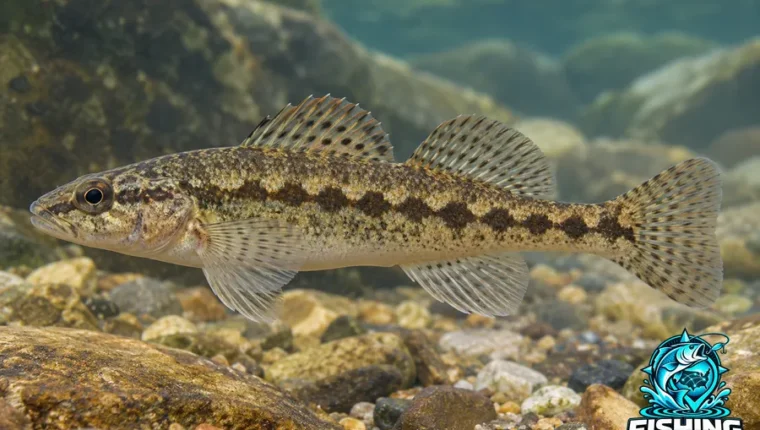
Uses gravel-bottomed riffles and flowing runs in smaller rivers.
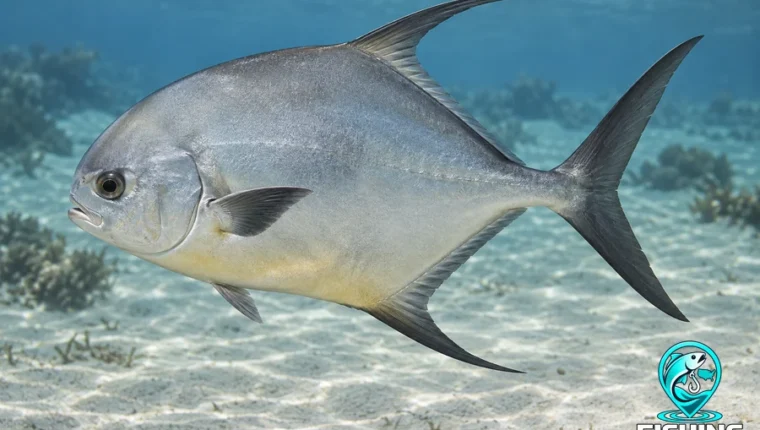
A western Atlantic fish ranging from Massachusetts to Brazil and around much of the Caribbean.
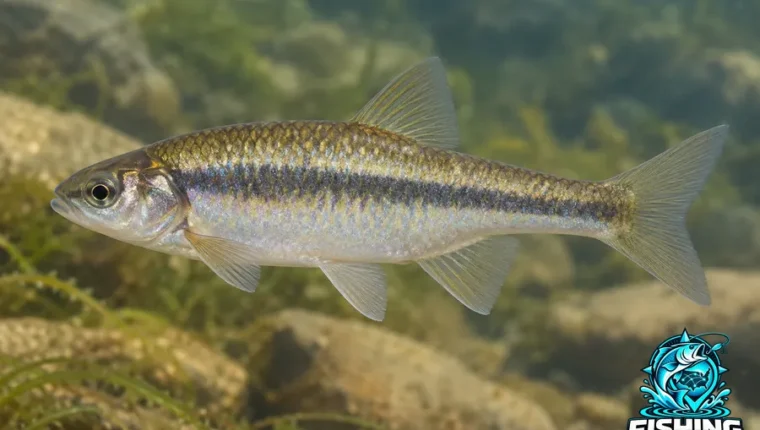
An extinct shiner formerly found in warm Rio Grande reaches from central New Mexico toward southern Texas and northeastern Mexico.
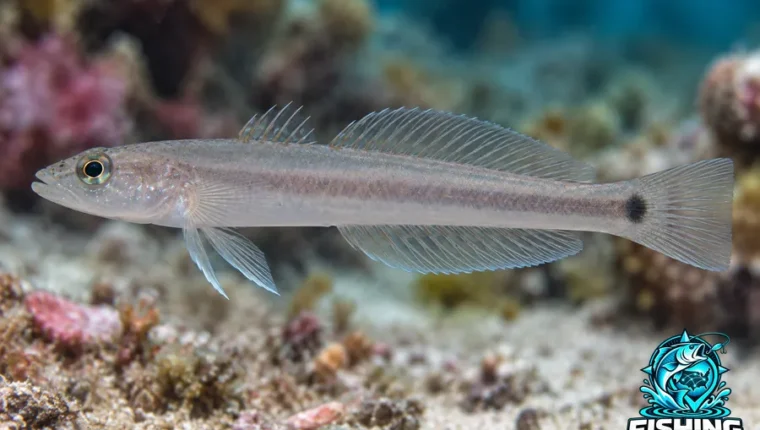
A dartfish recorded from Madagascar and India toward New Guinea, southern Japan and northern Australia.
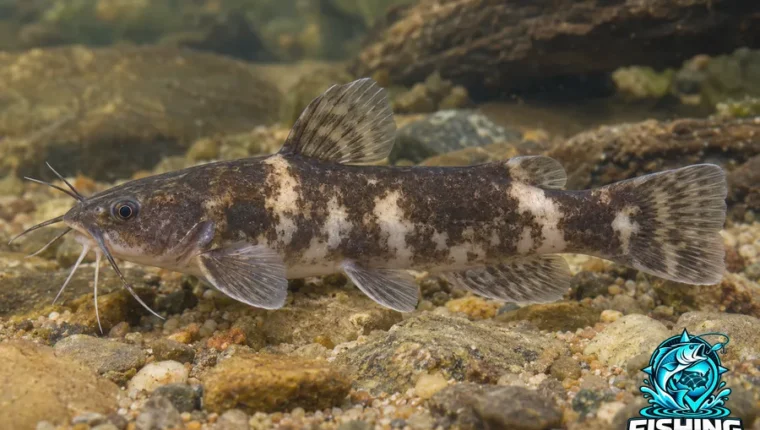
A small catfish recorded in several river systems associated with Tennessee and Mississippi coastal tributaries.
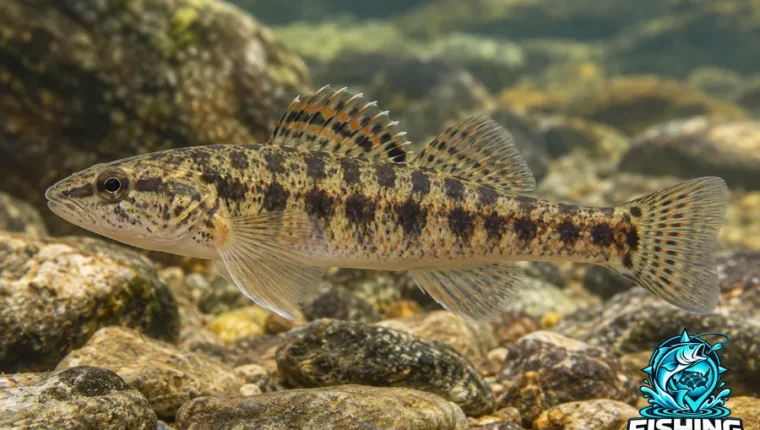
A darter of gravel runs and riffles in small to medium-sized rivers.

A predatory killifish with a native range extending from Mexico to Nicaragua.
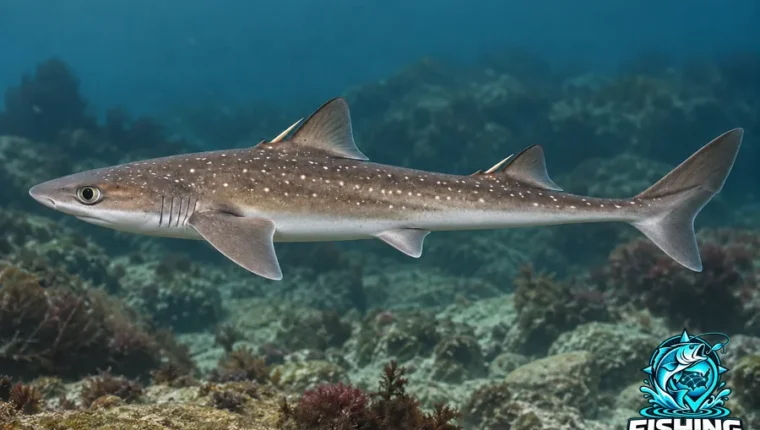
A shark found in shallow and offshore waters, especially in temperate seas.
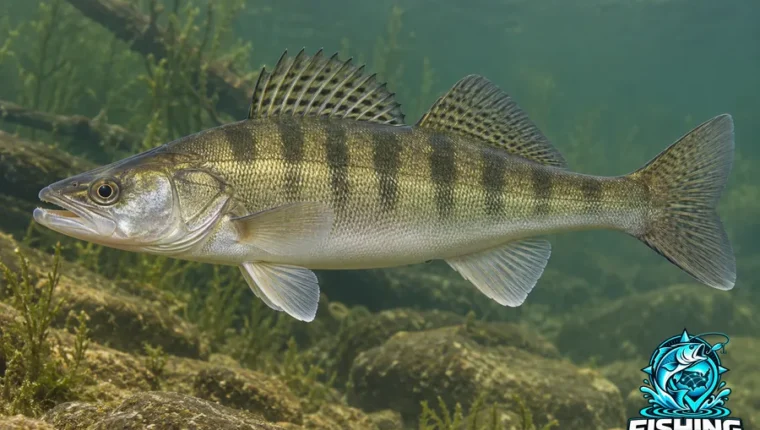
A freshwater predator associated with large rivers and productive lakes.
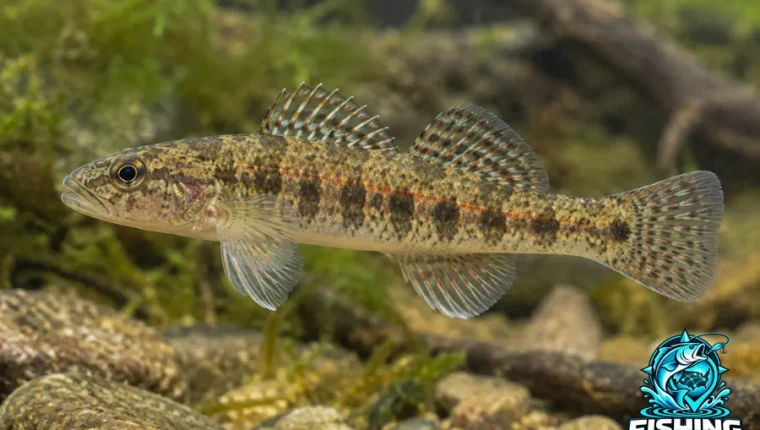
Uses creek riffles over gravel and plant-filled areas with strong currents.
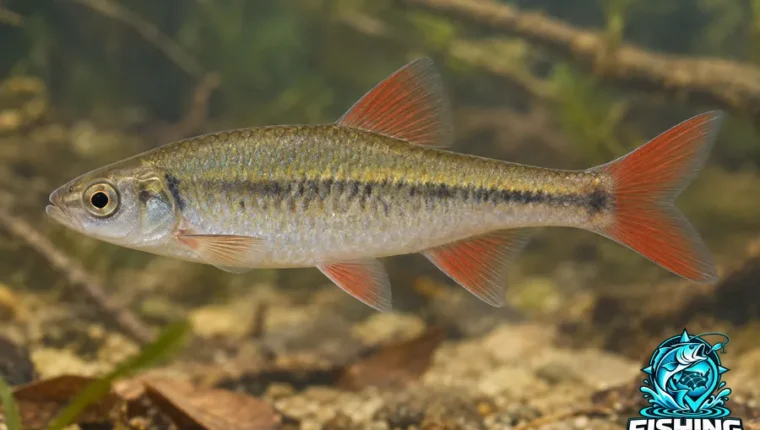
Native to North Carolina’s Neuse River basin, with an introduced record from the Haw River.
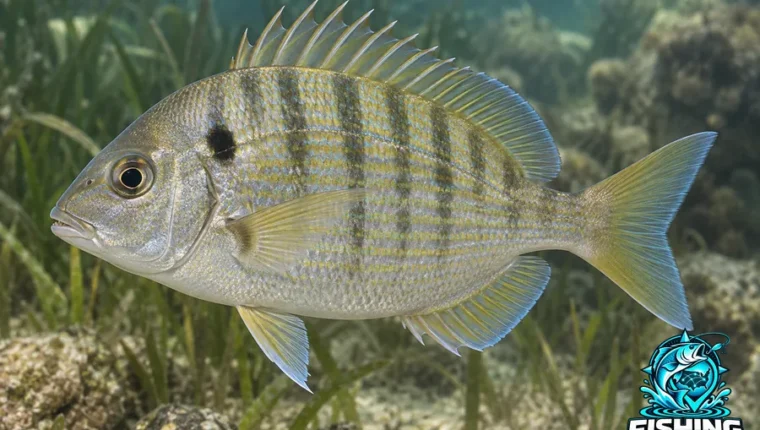
A coastal fish of the western Atlantic and Gulf of Mexico.
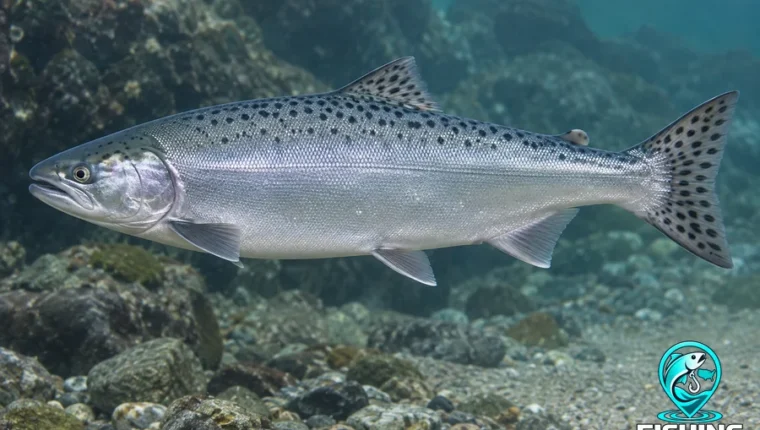
A North Pacific salmon with additional introduced populations in the upper Great Lakes and northern European waters.
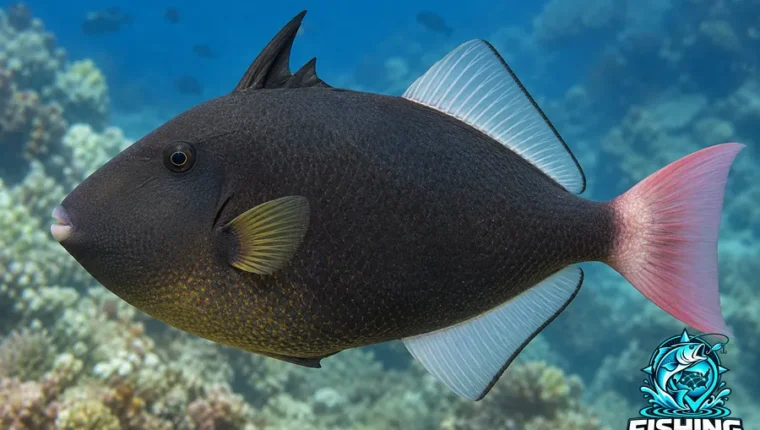
Adults favor large coral structures; younger fish use rockier reef areas that provide hiding places.

A freshwater fish of Atlantic coastal-plain waterways and quiet backwaters in the Mississippi Valley.
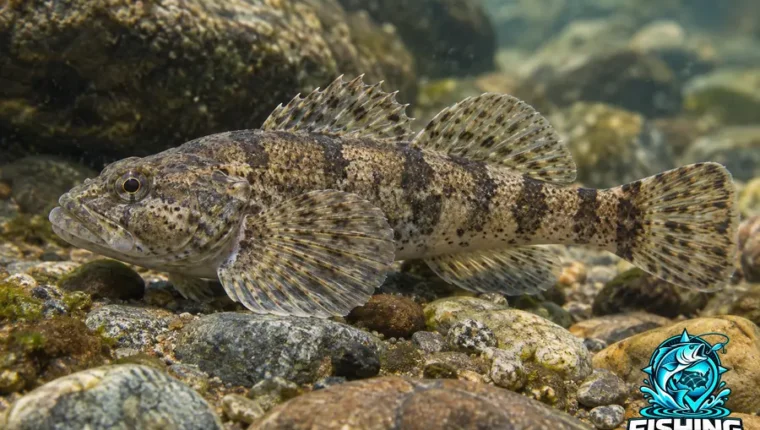
Lives in the Pit and upper Sacramento river systems of Oregon and California.

A brook lamprey native to the Pit and Klamath region of Oregon and California.
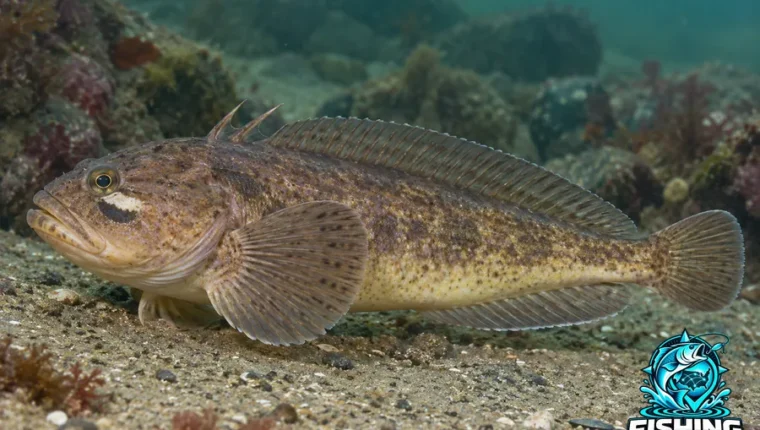
Moves into rocky intertidal habitats along the Pacific coast each spring to breed.
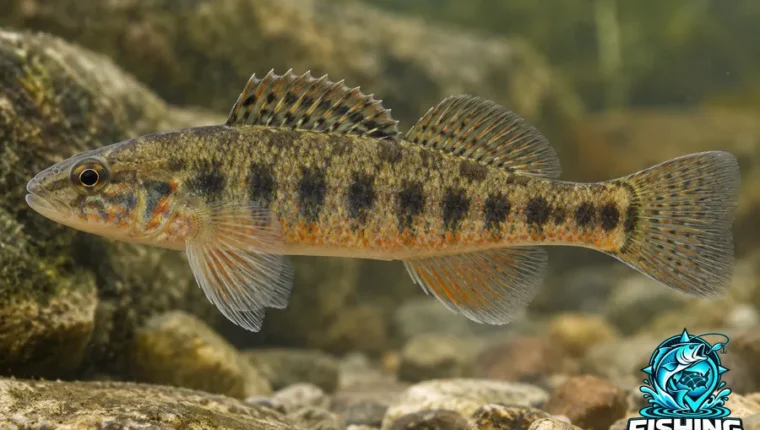
A freshwater darter form associated with Texas and neighboring southern Great Plains waters.
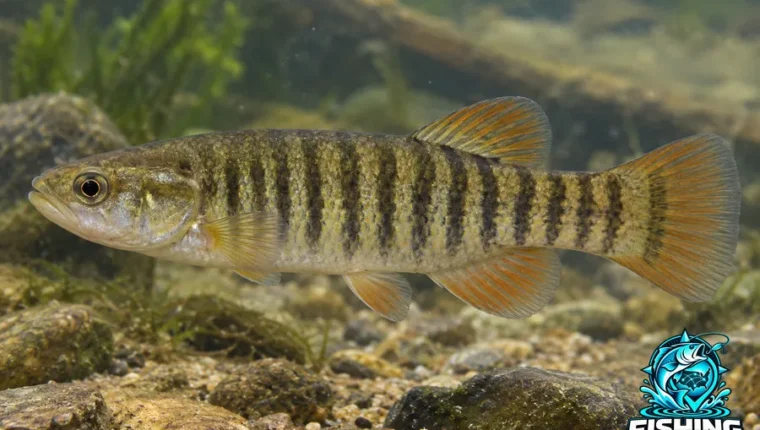
Uses a variety of shallow river and stream habitats in its inland range.
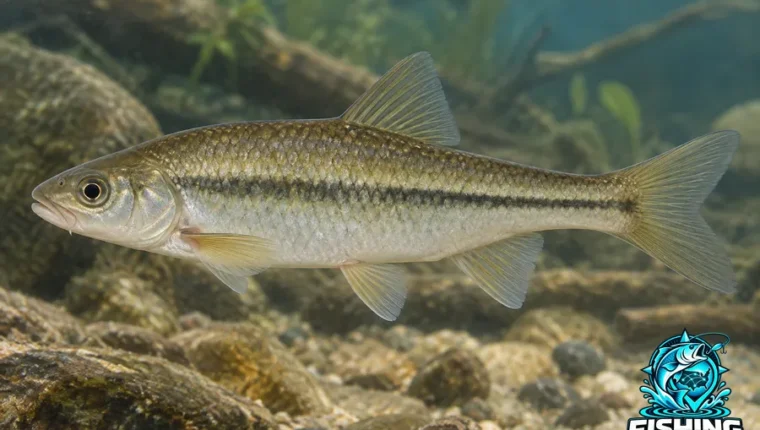
Favors quiet river eddies and backwaters with aquatic vegetation.
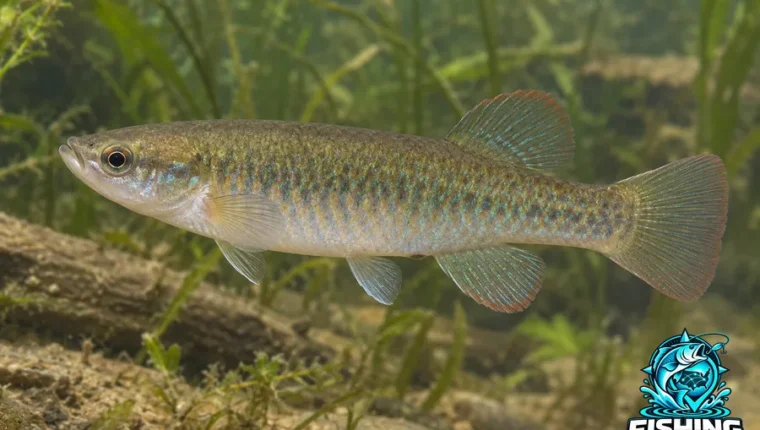
Associated with shallow, clear water and thick vegetation.
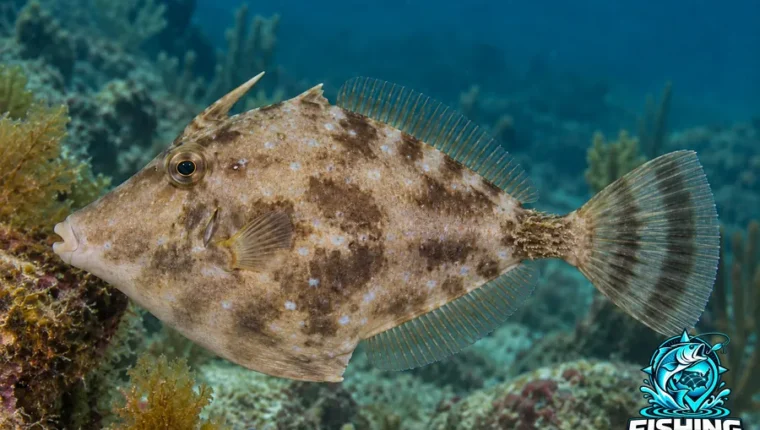
An Atlantic filefish ranging along the Americas from Canada to Brazil and along western Africa from Morocco to Angola.
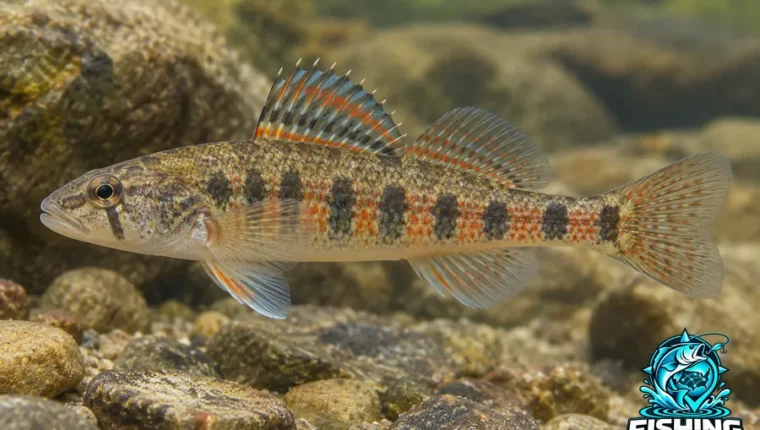
A plateau darter form found in central United States freshwater systems, including the Ozark region.
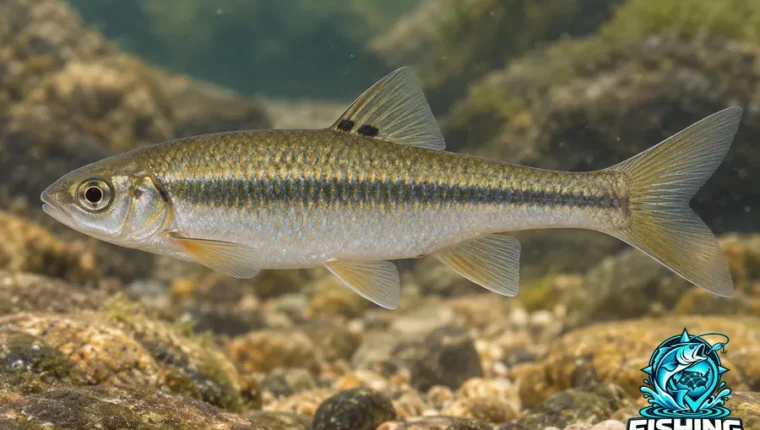
A Texas shiner of the Edwards Plateau, including upper Guadalupe and Nueces river habitats.

Uses slow-moving water in canals, ditches and warm springs.
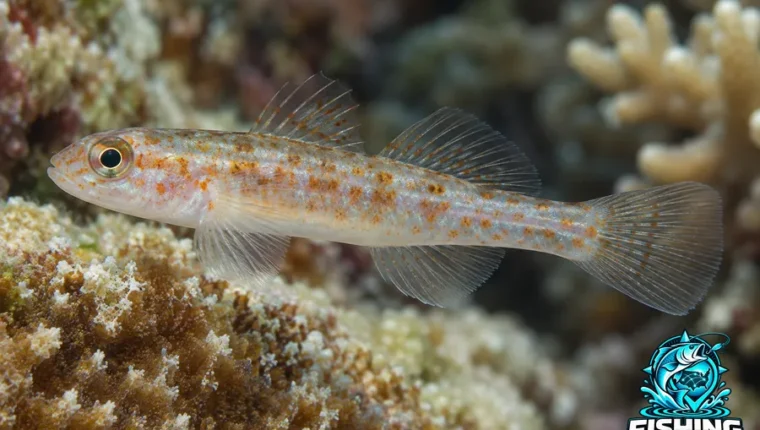
A tiny marine goby whose natural range is restricted to the Hawaiian Islands.

Eats organic debris and small pieces of plant and animal material.
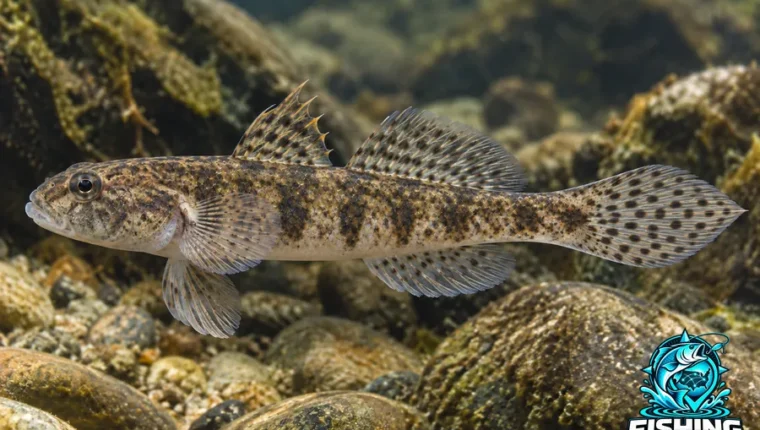
Uses muddy estuaries and coastal bays, tolerating marine, brackish and some freshwater conditions.
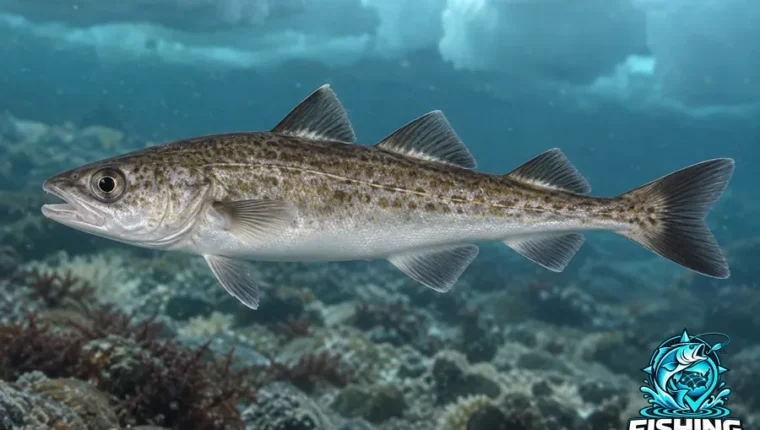
A cold-water cod of the Arctic region, adapted to northern marine habitats.
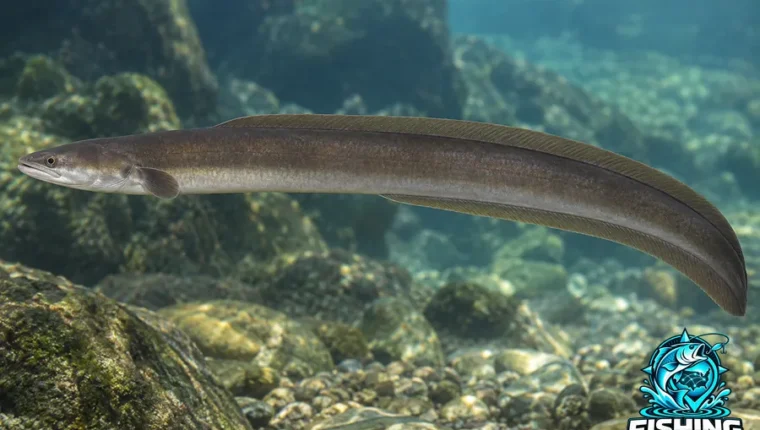
Found in Pacific freshwater systems, including Indonesia, the Society Islands and Pitcairn.
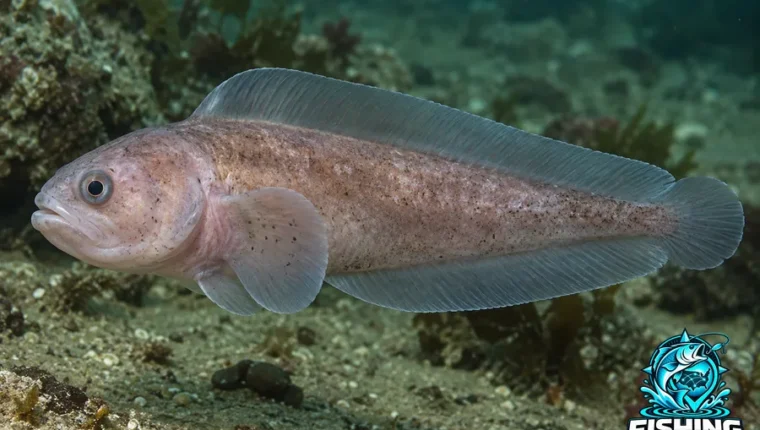
A North Pacific snailfish recorded around the Aleutian and Pribilof islands and south toward Washington.
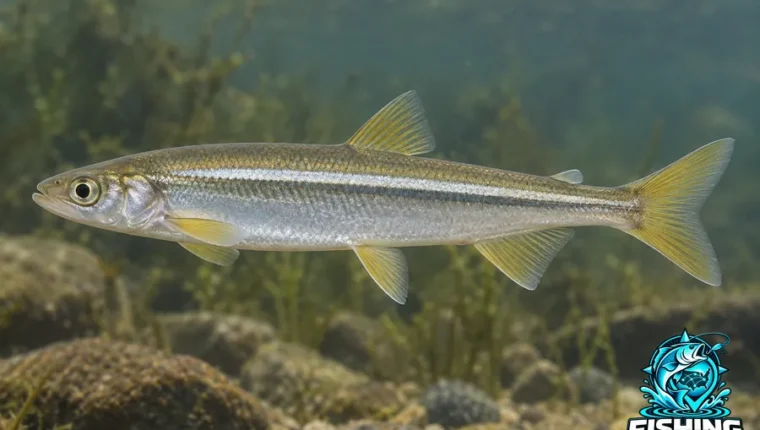
A small smelt recorded in eastern Asia and northwestern North America.
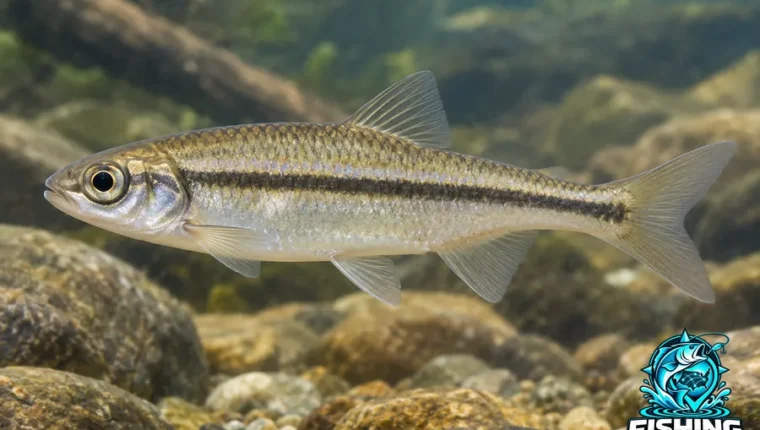
Uses temperate freshwater habitats with gravel along the bottom.
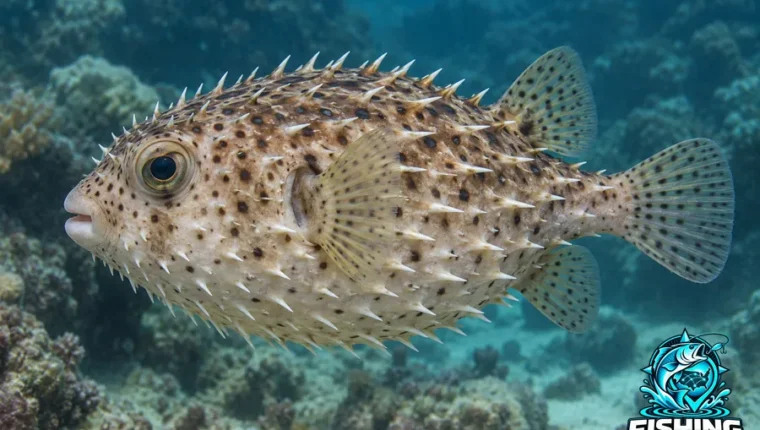
A spiny marine fish distributed in tropical and subtropical waters.

A livebearer native from Mexico to Honduras, with introduced populations in California and Venezuela.

A western Pacific pipefish ranging from Indonesia toward the Caroline Islands, Fiji and New Caledonia.
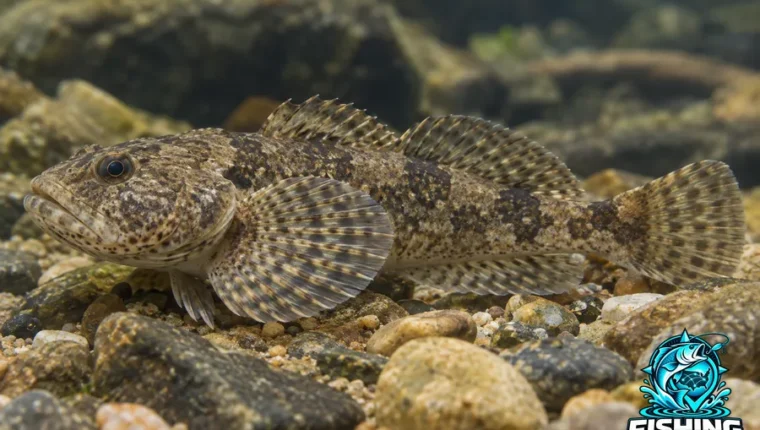
Lives in the James and Potomac drainages across Virginia, West Virginia, Maryland and Pennsylvania.
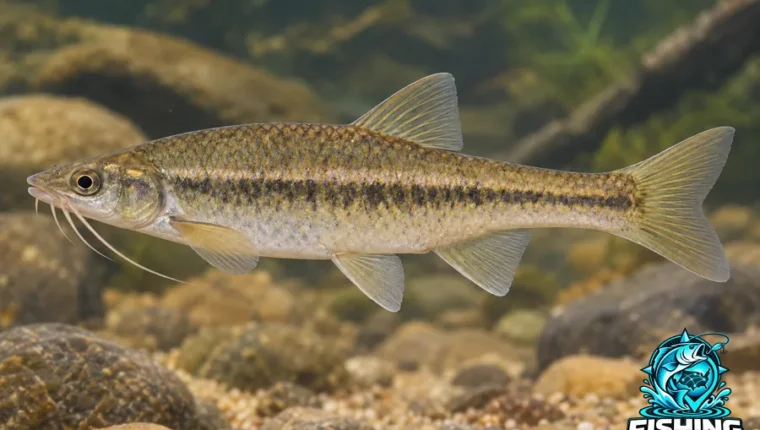
Occupies flowing sand-and-gravel runs in creeks and rivers of varying sizes.
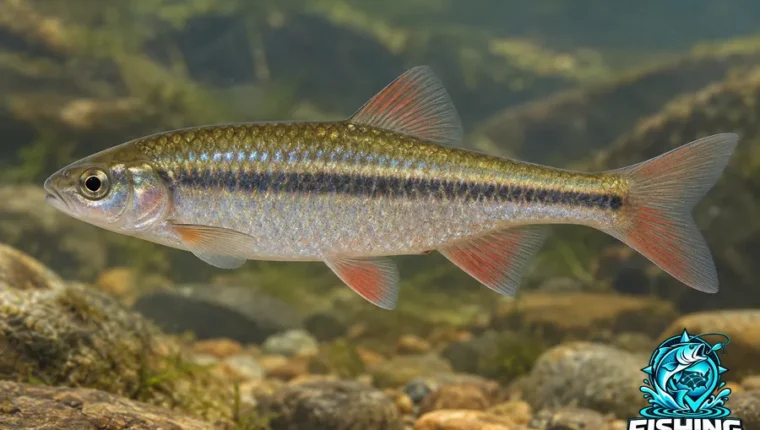
Uses pools and runs with sandy or clay bottoms in headwater creeks and small rivers.
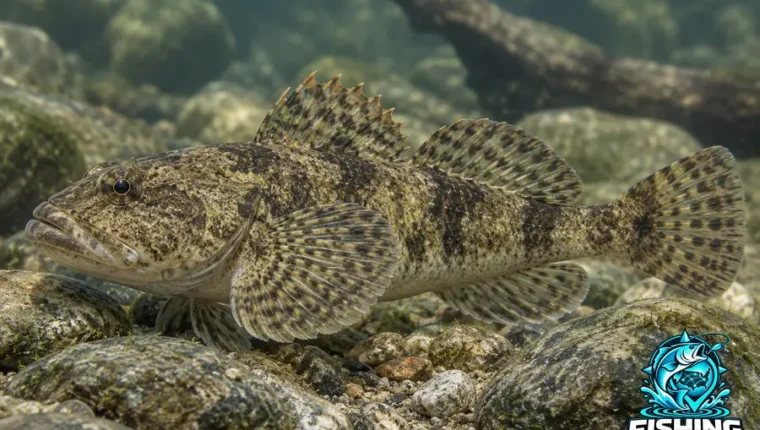
Native to Pacific-draining waterways from Alaska south to southern California’s Ventura River.
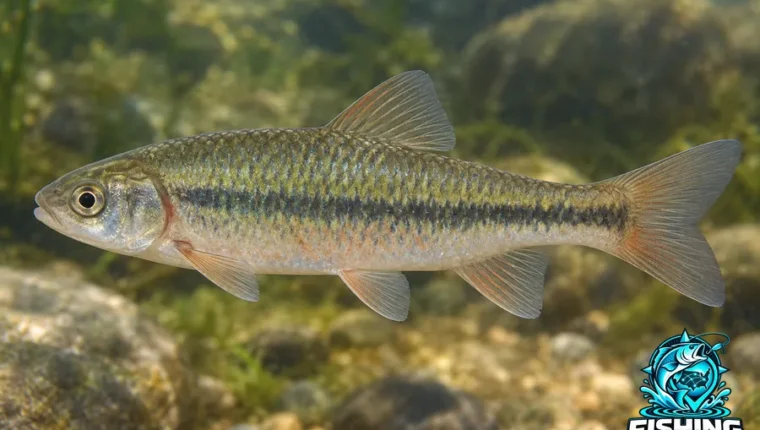
A freshwater shiner recorded in Mexico and the United States.
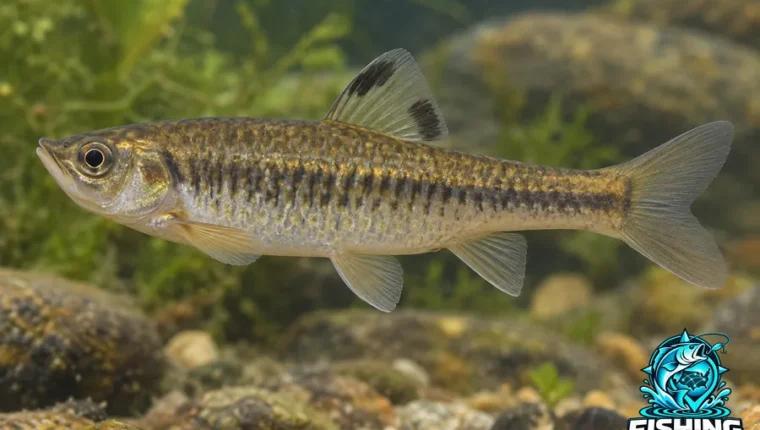
A North American minnow distributed mainly in the eastern United States and Canada.
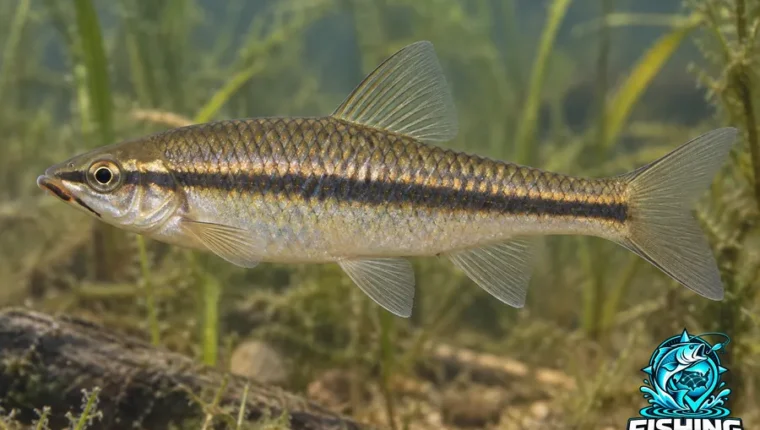
Favors clear, weedy lakes and gently flowing freshwater streams.
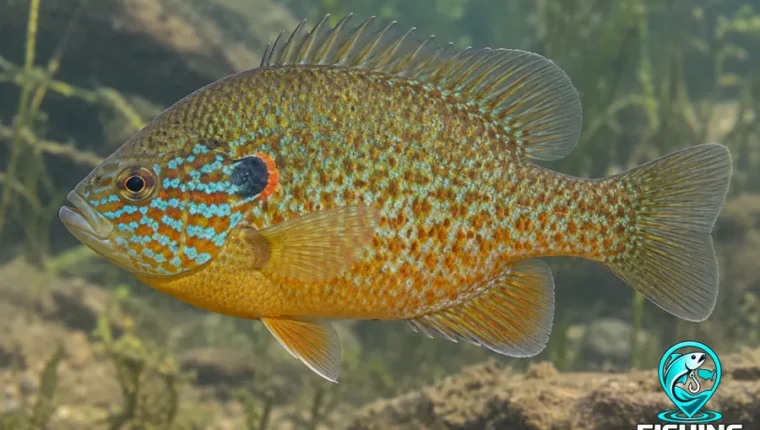
Uses warm, quiet ponds, lakes and creek pools with plenty of aquatic plants.
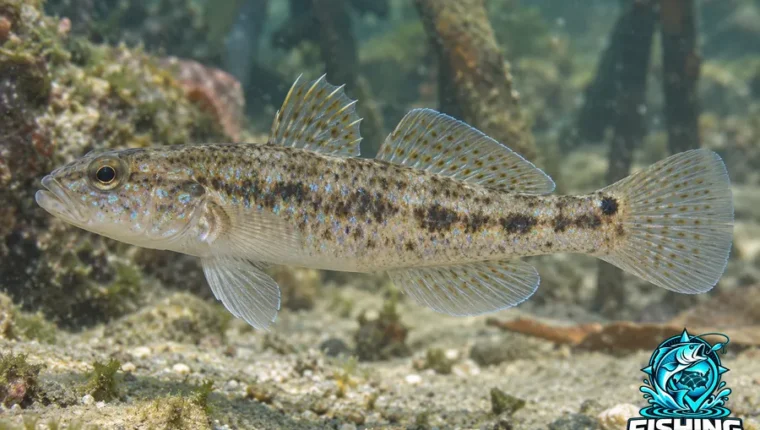
A goby ranging from southern India and the Andaman Islands toward New Guinea, southern Japan and northern Australia.
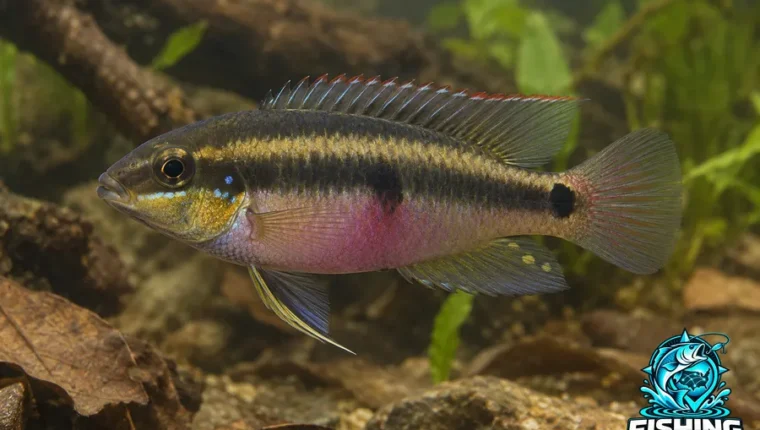
Feeds on small animals, including worms, crustaceans and insects.
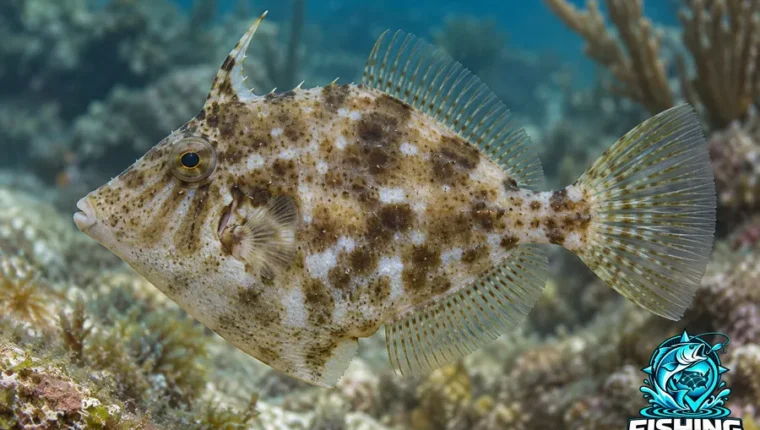
A tiny marine filefish ranging from North Carolina through the Gulf of Mexico and Caribbean toward southeastern Brazil.
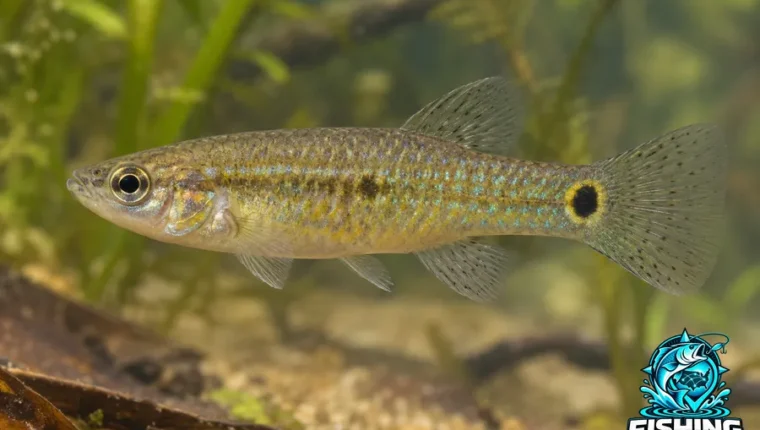
A tiny killifish native to Mississippi, Alabama, Georgia and Florida.
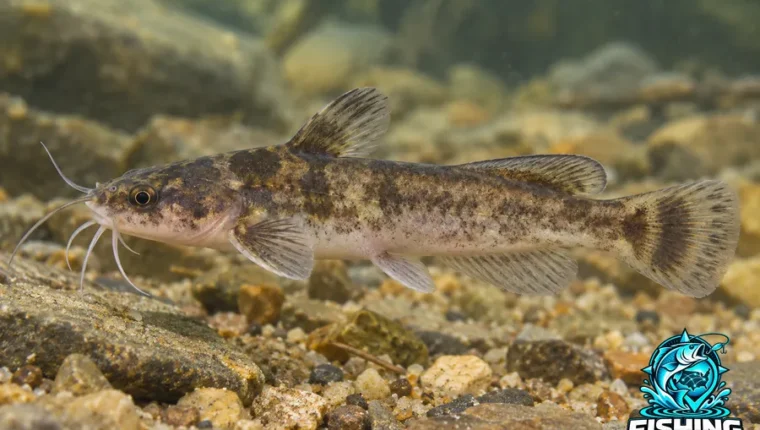
A tiny catfish known from only two regions of Tennessee.
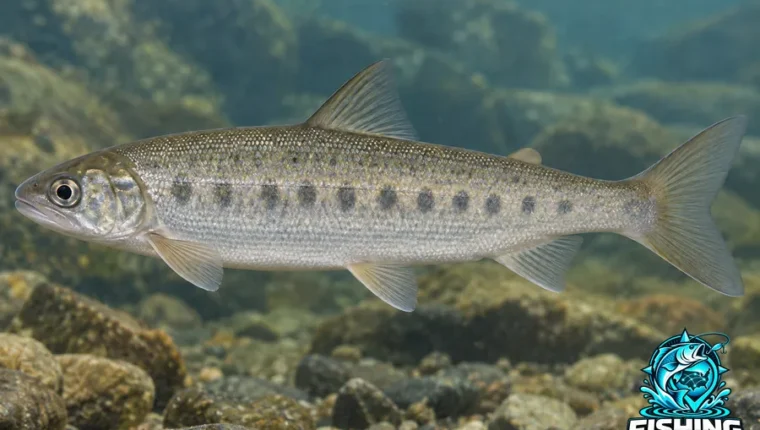
Lives in western North American mountain lakes and streams, with isolated populations in Lake Superior and eastern Siberia.