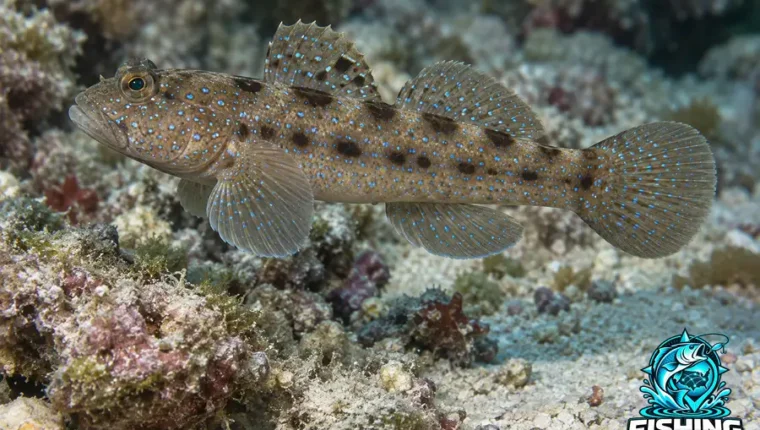
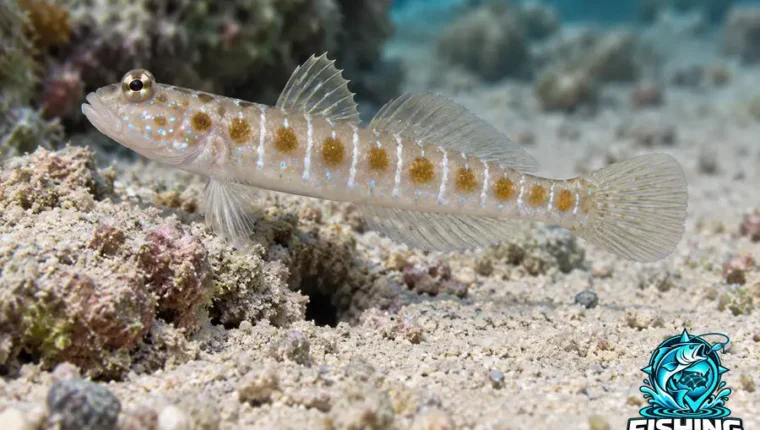
Half-spotted Goby
A small goby ranging from the Red Sea and Persian Gulf across the Pacific toward Hawaii and Japan.

Browse all 37 fish starting with H. Select a name to explore its species profile.
Choose a letter to see every fish starting with that letter.
A small goby ranging from the Red Sea and Persian Gulf across the Pacific toward Hawaii and Japan.

An Atlantic pipefish ranging from Bermuda and Florida through the Caribbean toward southern Brazil.
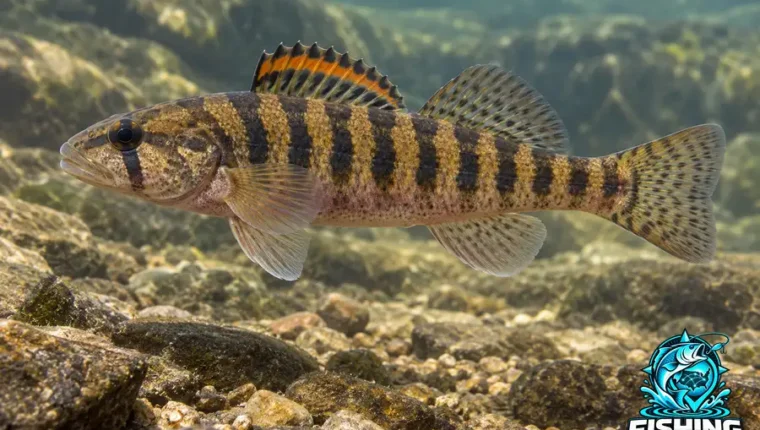
Favors shallow, fast-moving riffles with gravel bottoms in small and medium-sized rivers.
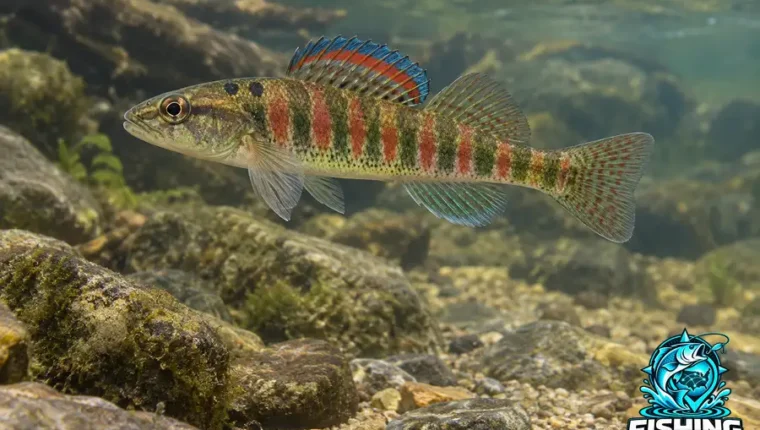
A darter native to the Savannah River drainage in Georgia and South Carolina.
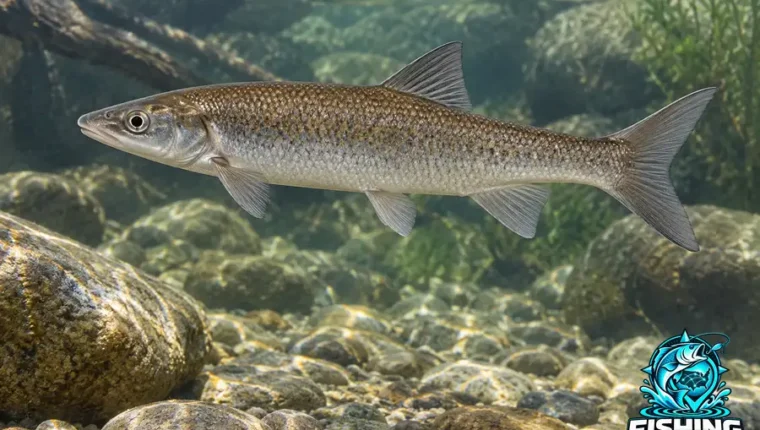
Often stays near stream edges where thick aquatic vegetation provides cover.
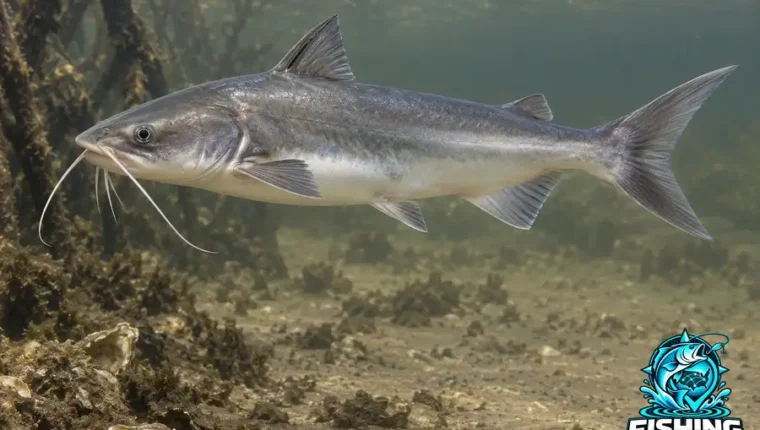
A coastal catfish of the northwestern Atlantic and Gulf of Mexico, commonly associated with saltwater rather than freshwater lakes.
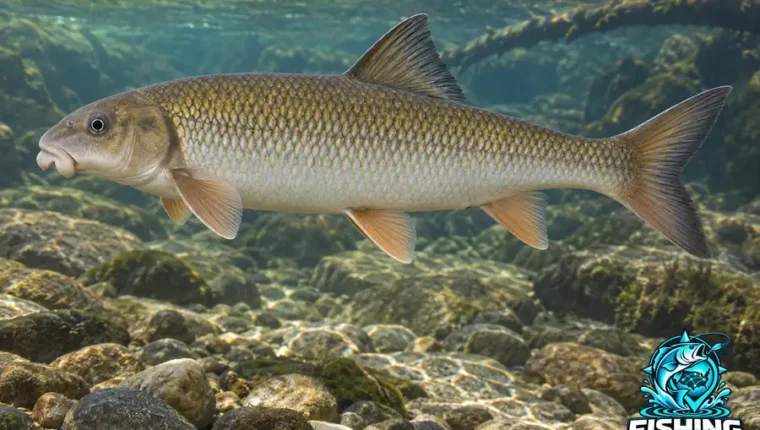
An extinct sucker formerly found in river systems of the eastern-central United States.
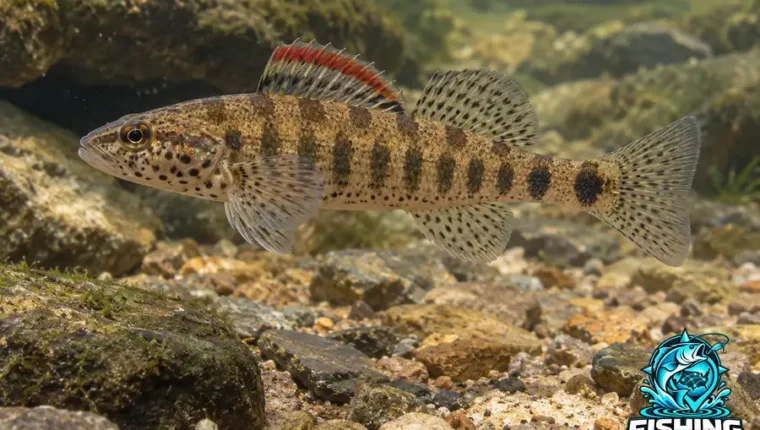
Favors clean-water riffles with moderate to fast currents.
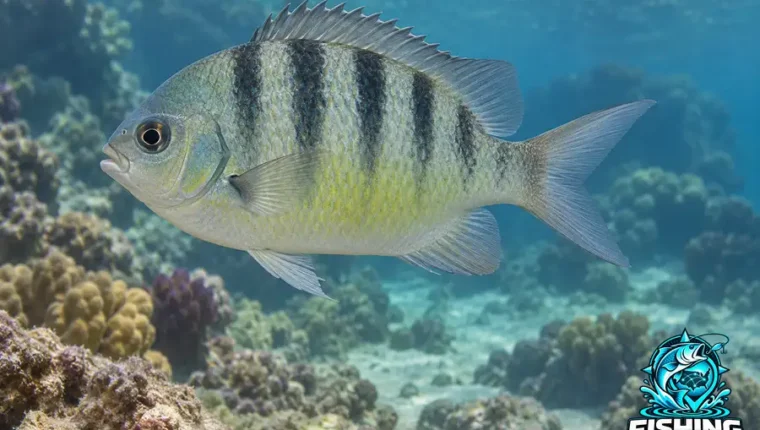
Uses quiet water over rocky bottoms around Hawaiian reefs, from the shallows into deeper coastal habitat.
A small shrimp-associated goby recorded around Hawaii and the Marshall Islands.
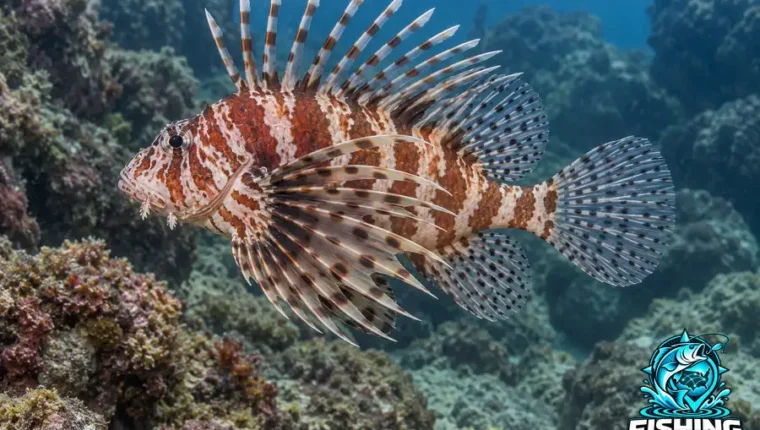
Lives around seaward reefs and lagoons, with records from shallow water to several hundred feet deep.
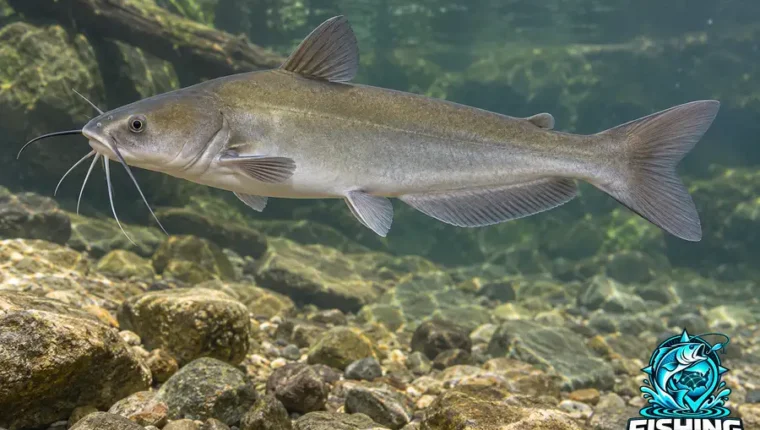
Native to the southwestern United States and northeastern Mexico. Its natural range is narrower than that of channel catfish.
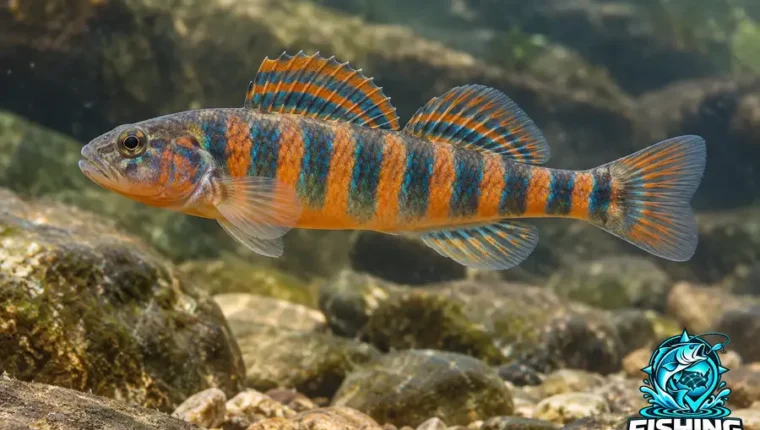
Occurs in Kentucky and Tennessee, including parts of the Green, Cumberland and upper Salt river systems.

A migratory shad native to the Atlantic coast from Canada south to Florida.
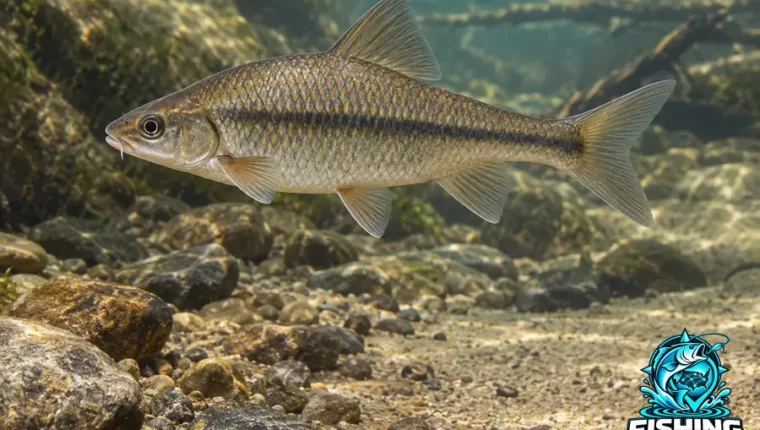
Uses sandy or rocky creeks and smaller rivers, tolerating both clear and somewhat cloudy water.
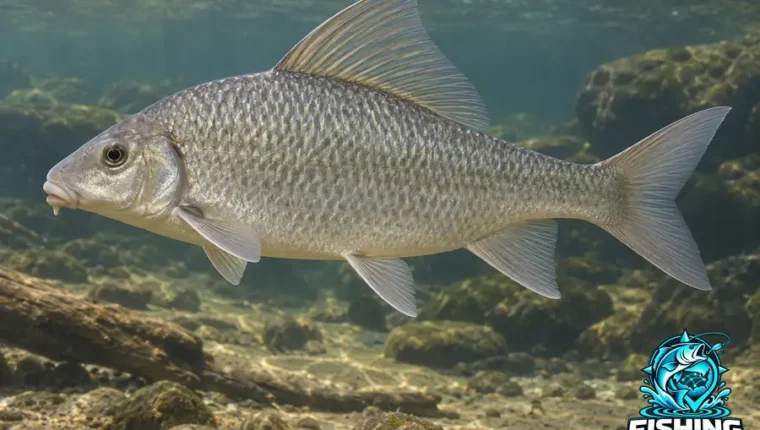
Ranges from the northern Great Plains and upper Midwest south through the Mississippi drainage to Louisiana.
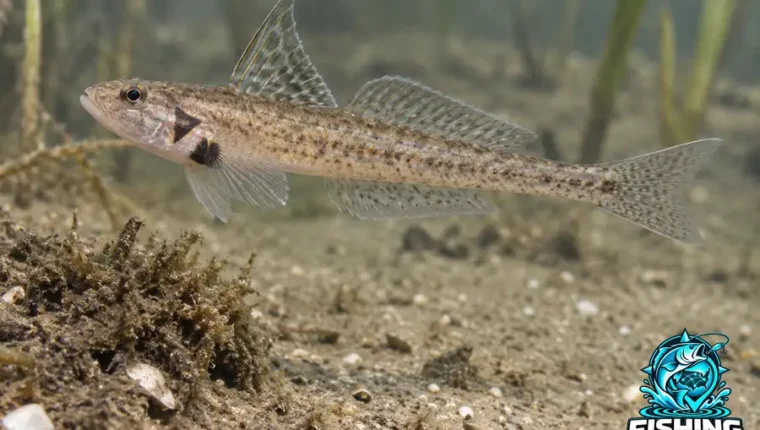
A goby that uses both freshwater and brackish water.
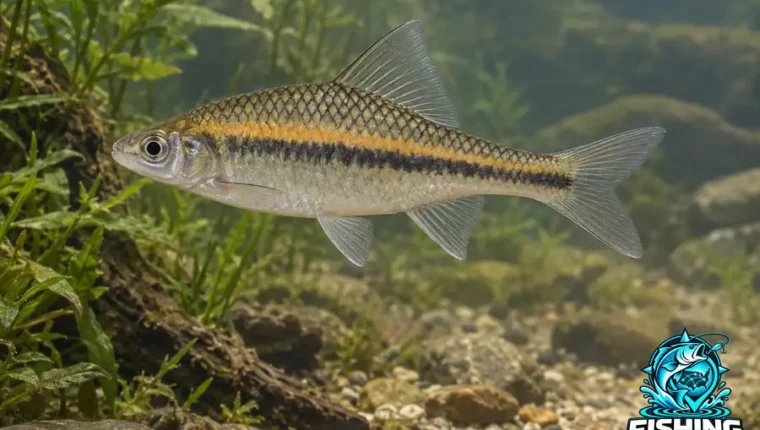
Ranges from the lower Roanoke drainage in Virginia through southeastern river systems toward South Carolina’s Savannah River.
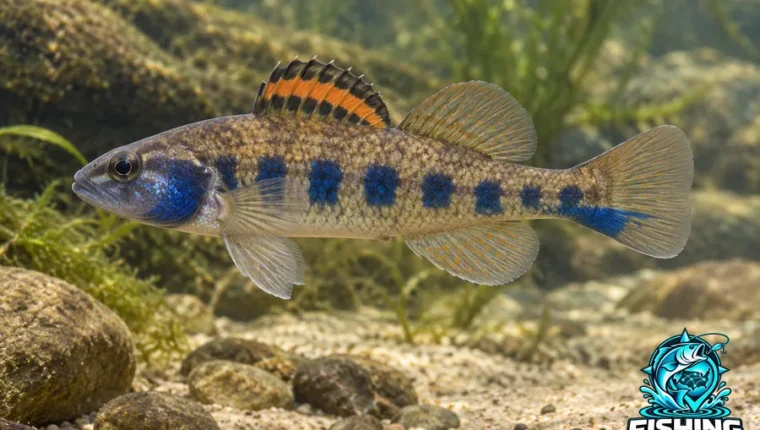
Native to Ozark drainages of the Arkansas and upper White rivers across Missouri, Arkansas, Kansas and Oklahoma.
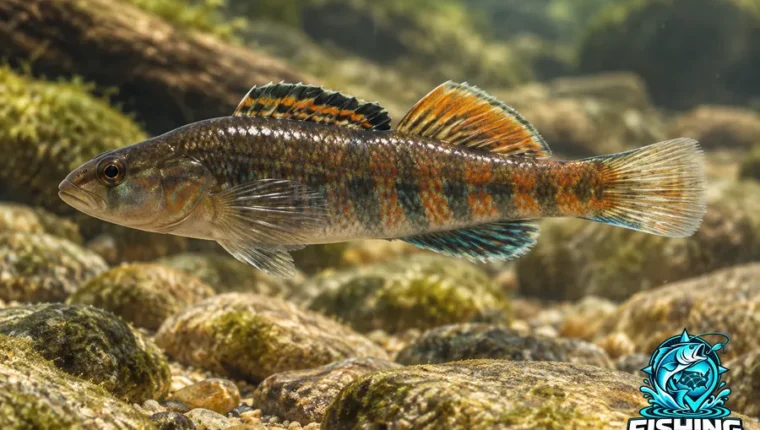
Found naturally in the Barren River system of Kentucky and Tennessee.
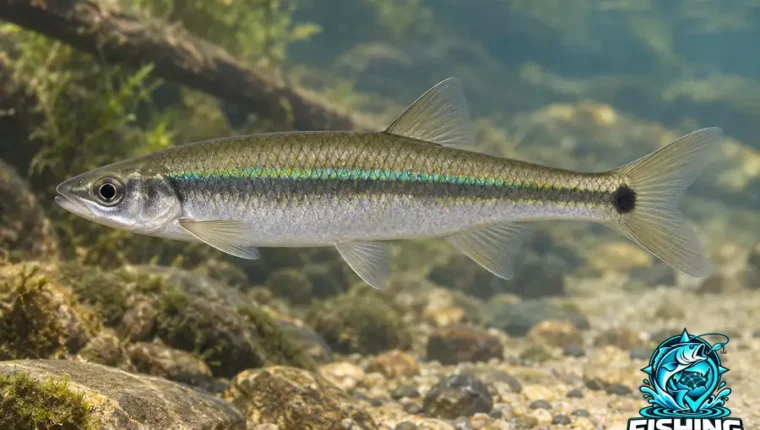
Lives in tributaries of the Green, Cumberland and Tennessee rivers across parts of the Appalachian region.
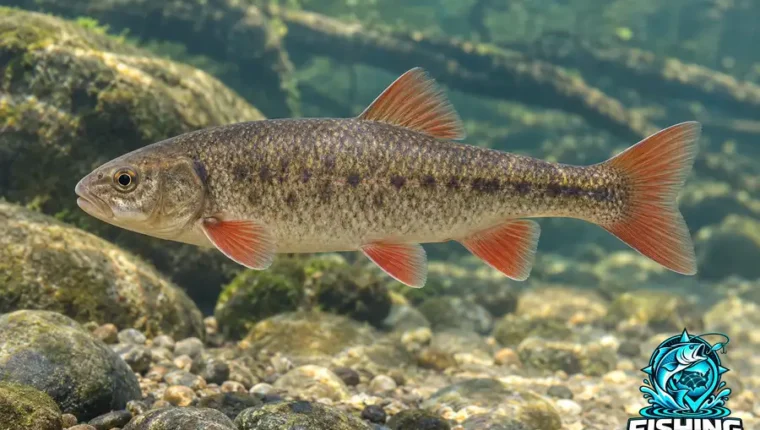
Occurs in selected Red, Ouachita and lower Arkansas tributaries between eastern Oklahoma and central Arkansas.
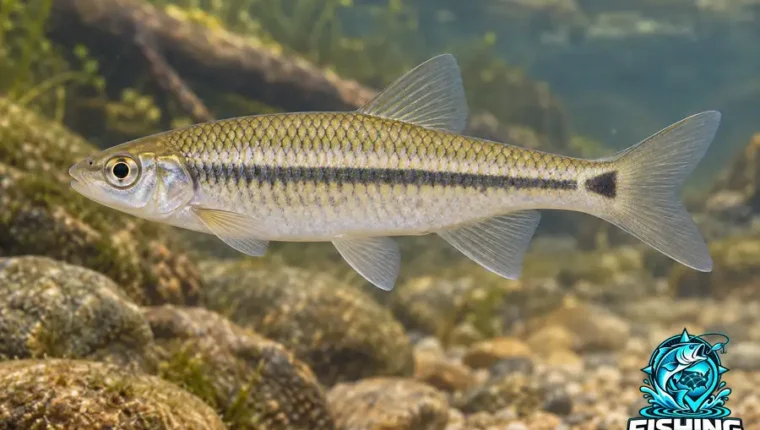
Uses sandy-bottomed tributaries of the Chattahoochee and Flint systems in Georgia and eastern Alabama.
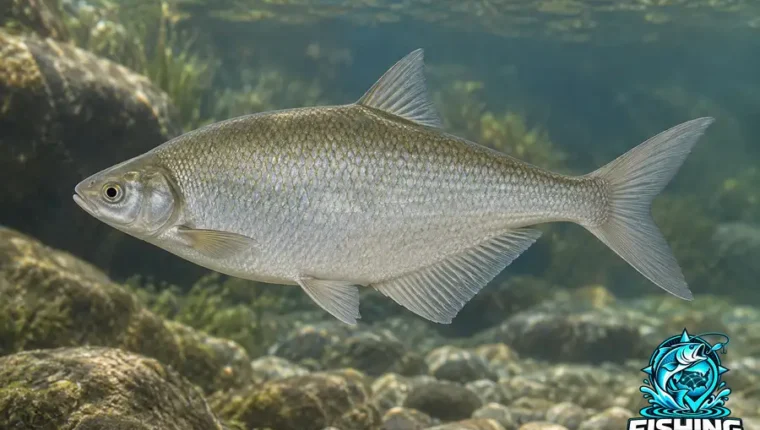
A freshwater minnow native to California’s inland waterways.
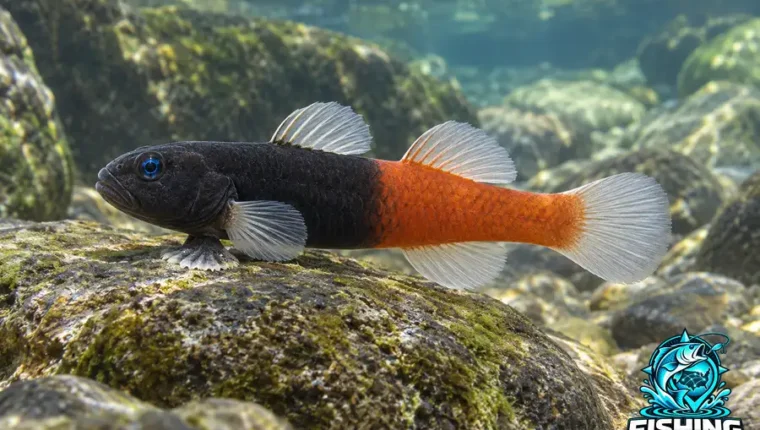
A Hawaiian goby associated with freshwater mountain streams, including higher-elevation reaches.
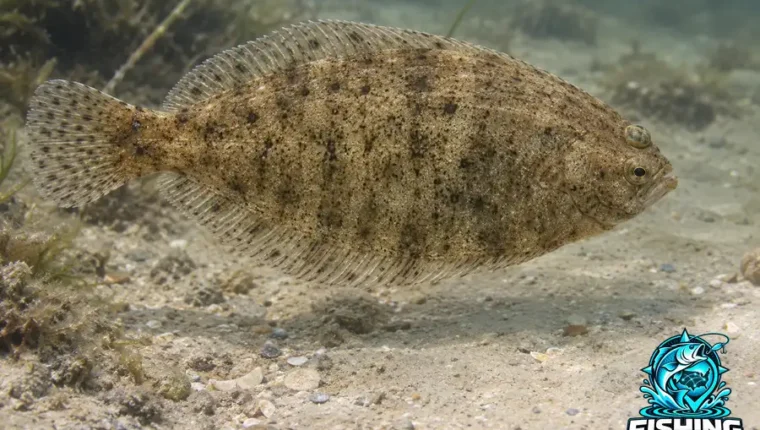
Favors brackish water and occurs in numerous Atlantic bays and estuaries.
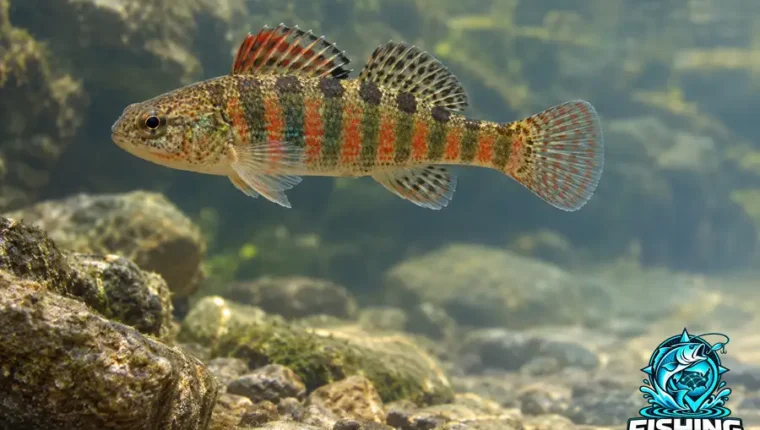
Lives in fast streams with mixed bottoms of sand, gravel, cobbles and large boulders.
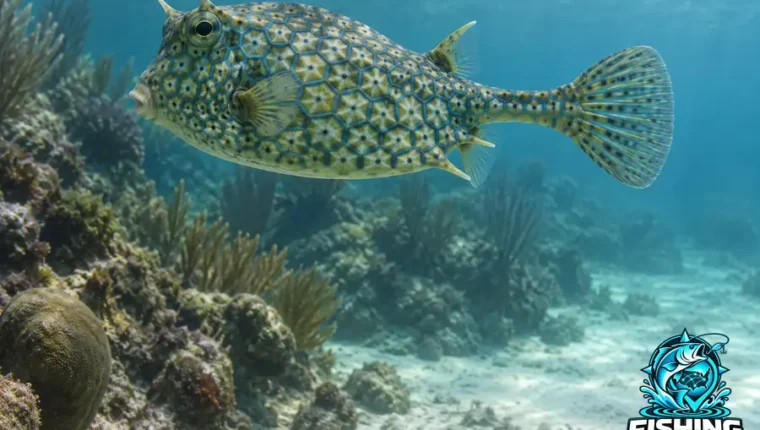
A boxfish of the western Atlantic, recognizable by its honeycomb-like body markings.
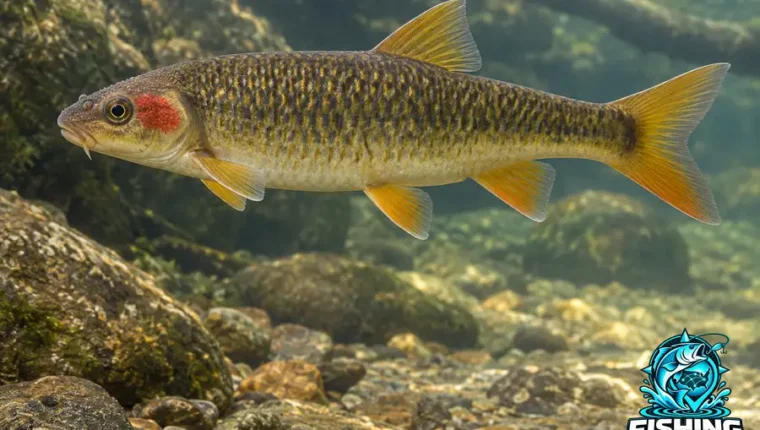
Uses small streams and rivers of the north-central United States and neighboring Canada.
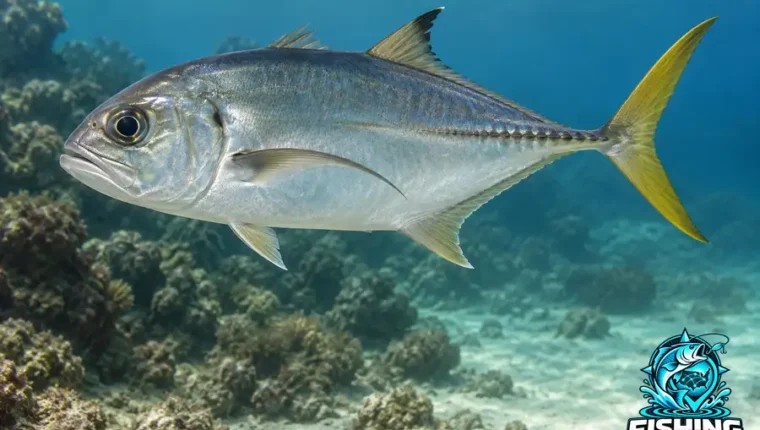
Eats smaller fish, shrimp, crabs and other marine invertebrates.
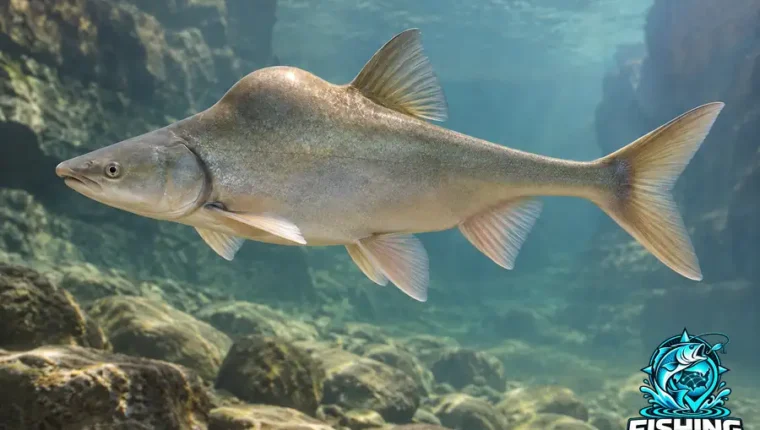
Young fish use shallow, quiet shoreline pools; larger fish move into deeper, faster sections of the Little Colorado River.
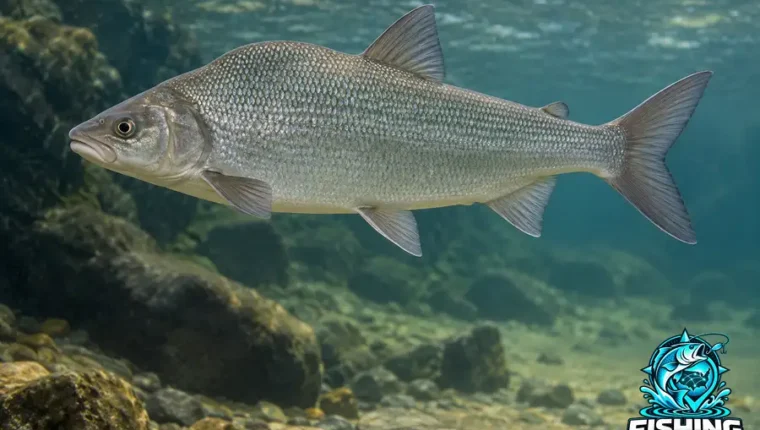
Uses slow rivers, deltas, floodplain lakes and larger lakes, as well as brackish river mouths.
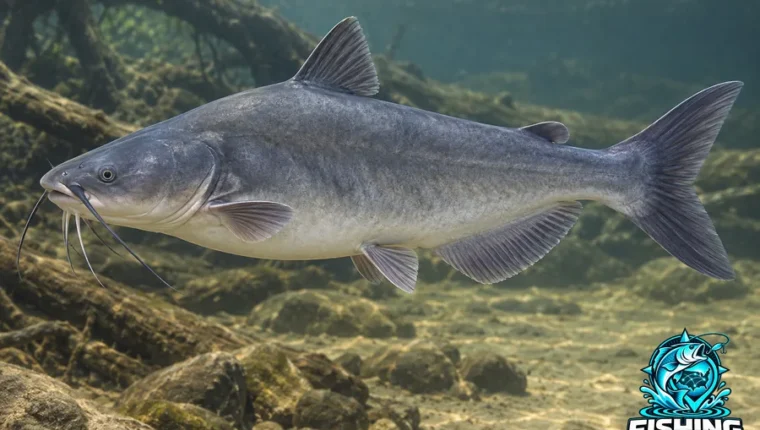
A channel catfish–blue catfish cross commonly raised in aquaculture and managed fisheries.
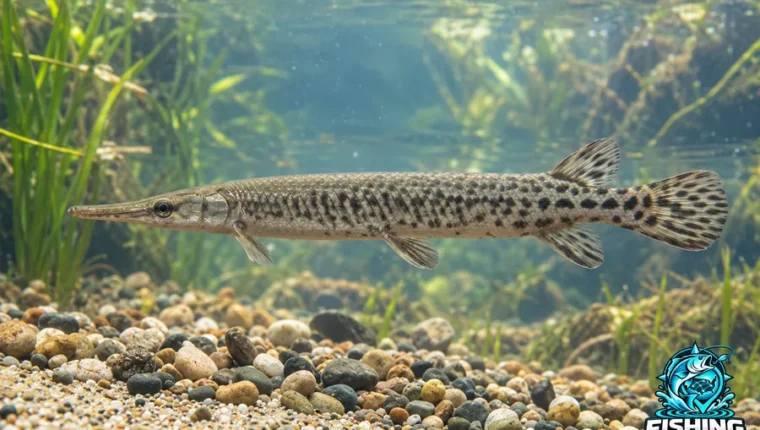
A hybrid gar, combining ancestry from more than one gar species. Gars have elongated jaws and protective scales.
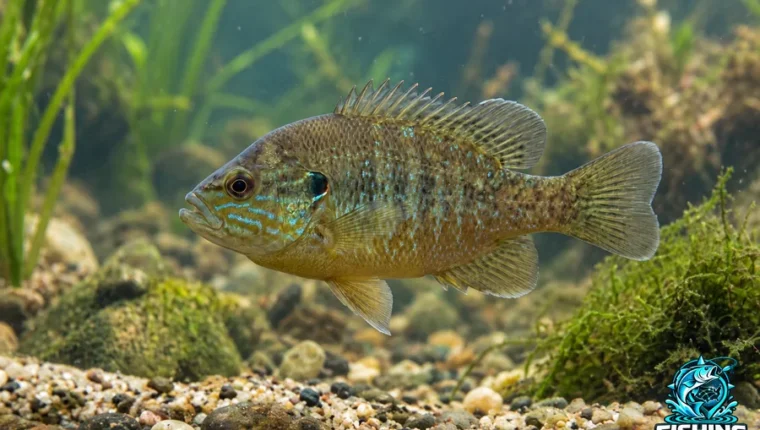
A green sunfish hybrid with an unspecified second parent. Exact size and feeding habits depend on the cross.
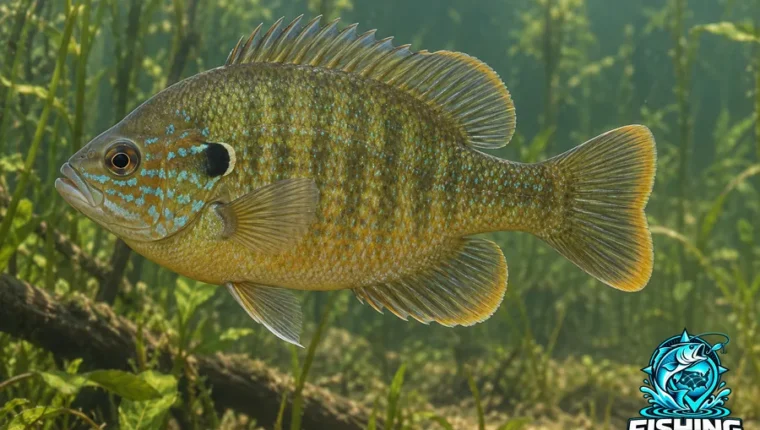
A green sunfish–bluegill hybrid that combines traits of two familiar freshwater panfish.

A mixed tilapia cross. Parent species influence its growth, appearance and tolerance of different water conditions.