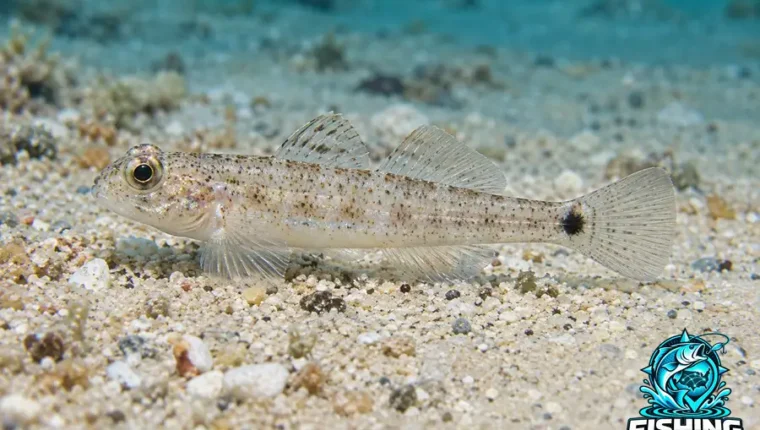
Cabillus caudimacula
A small goby with a natural range restricted to the Hawaiian Islands.

Browse all 124 fish starting with C. Select a name to explore its species profile.
Choose a letter to see every fish starting with that letter.
A small goby with a natural range restricted to the Hawaiian Islands.
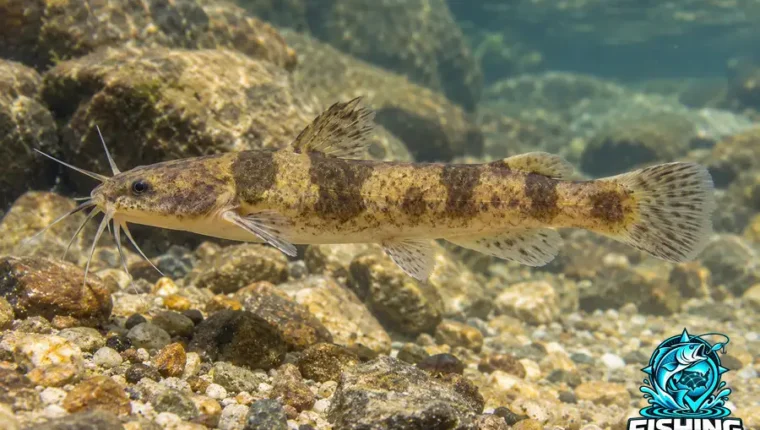
Lives in southwestern Arkansas, including the Caddo, Ouachita and Little Missouri river systems.
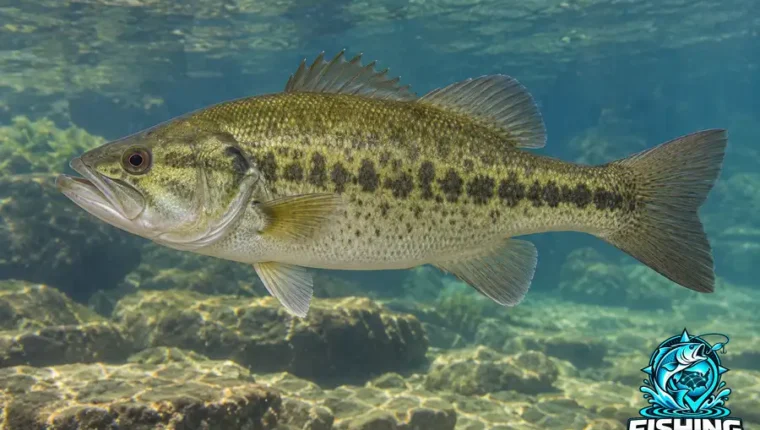
A bass native only to Alabama’s Cahaba River system.
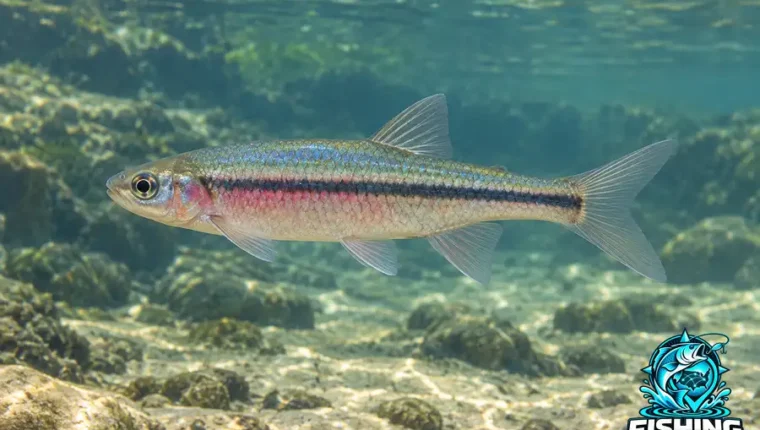
An Alabama shiner with a naturally narrow range centered on the Cahaba River.
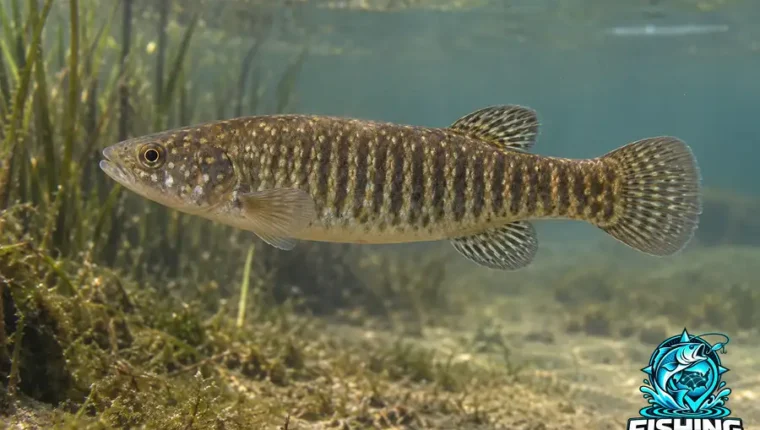
A coastal killifish found along southern California and Mexico’s Baja California Peninsula.
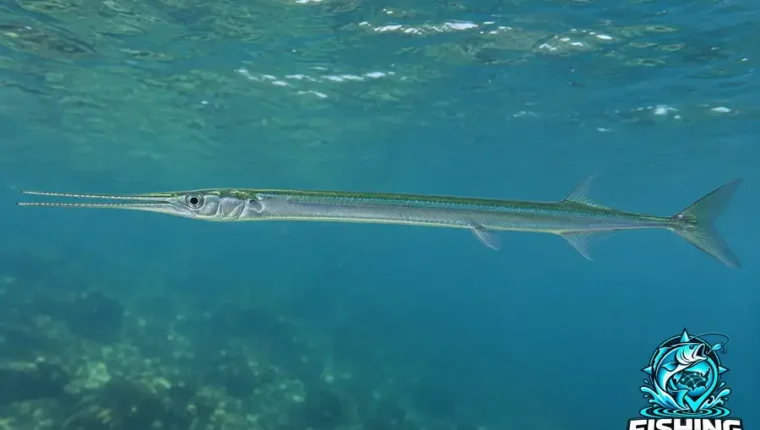
An eastern Pacific needlefish ranging from northern California toward Peru, including the Gulf of California and Galapagos Islands.
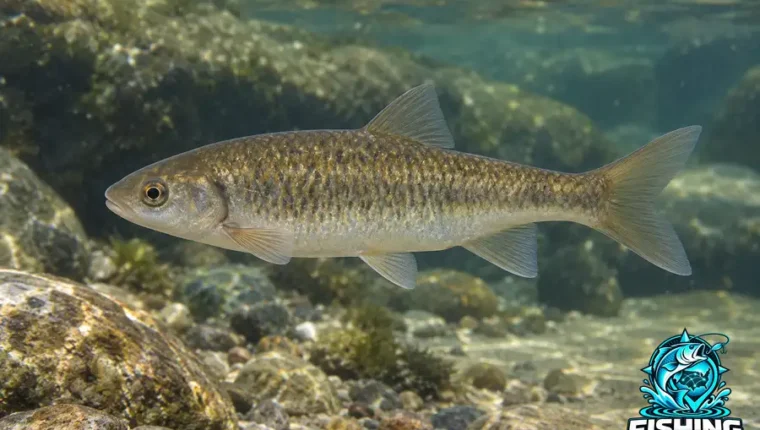
A western North American minnow common in central California’s seasonally flowing streams.
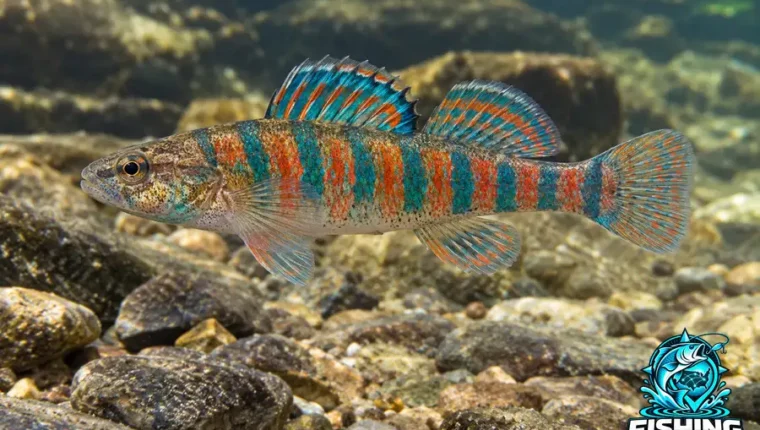
Native to the Kanawha River system in Virginia and West Virginia. Its natural range is limited to this Appalachian drainage.
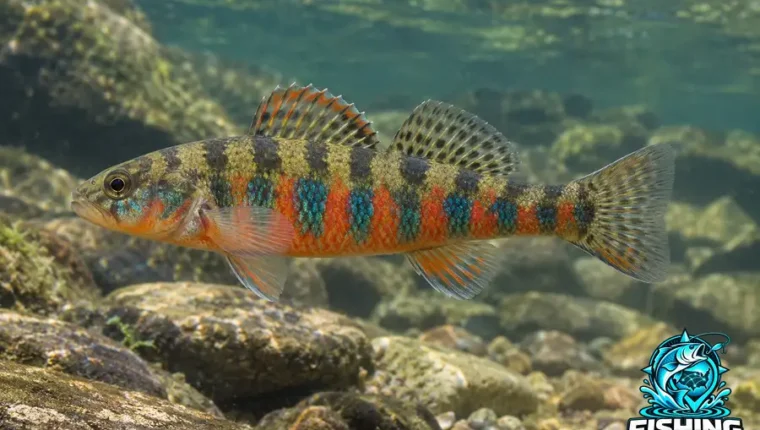
Uses clear riffles in small rivers, especially where gravel covers the streambed.
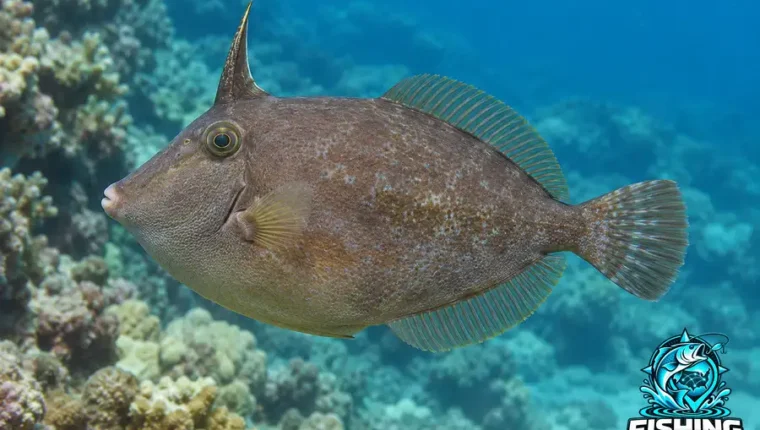
A marine filefish whose natural distribution is associated with the Hawaiian Islands.
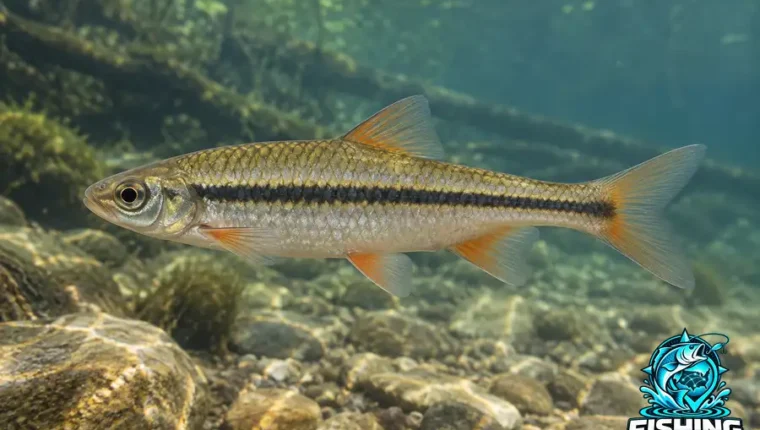
Lives in shallow streams within North Carolina’s Cape Fear River basin.
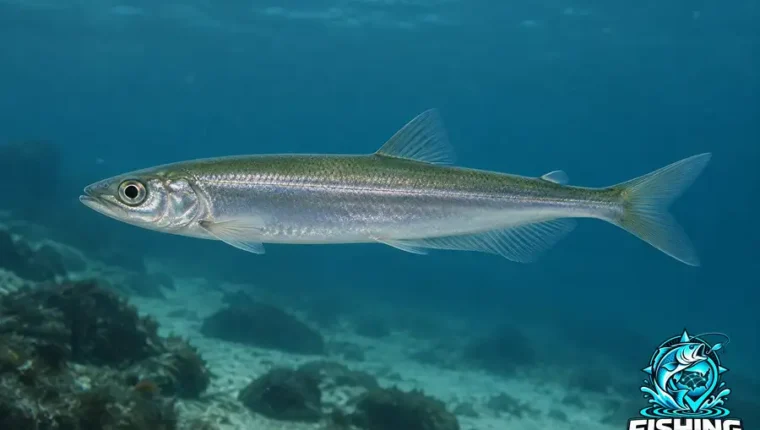
A small schooling fish of cold northern seas, including the Arctic, North Atlantic and North Pacific.
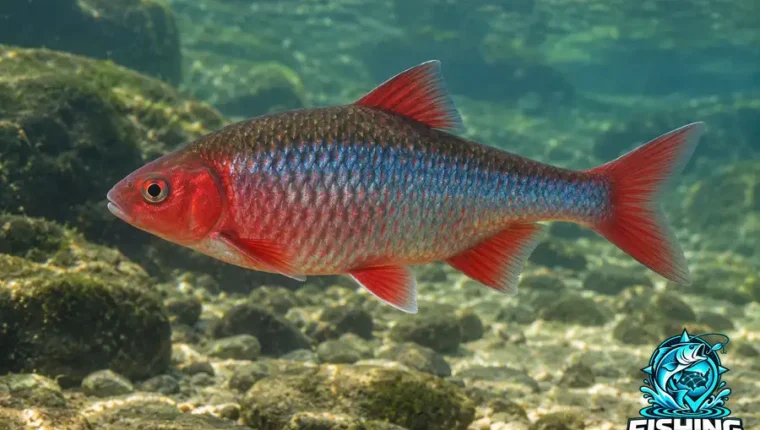
Found in rocky and sandy pools and flowing runs, from headwater creeks to smaller rivers.
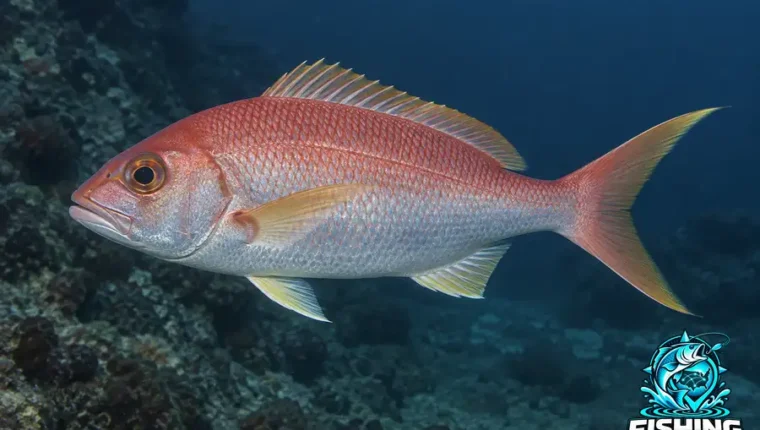
A Caribbean snapper recorded around Cuba and the Lesser Antilles and along Central America’s Caribbean coast toward Colombia.
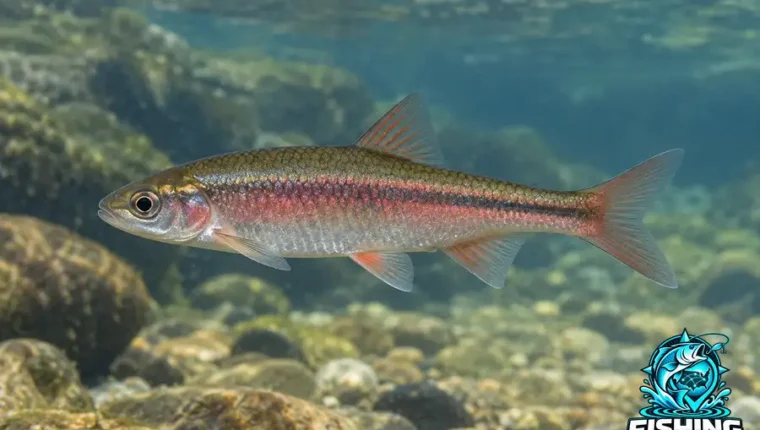
Canadian populations occur in the Winnipeg River system, including the Whitemouth watershed.
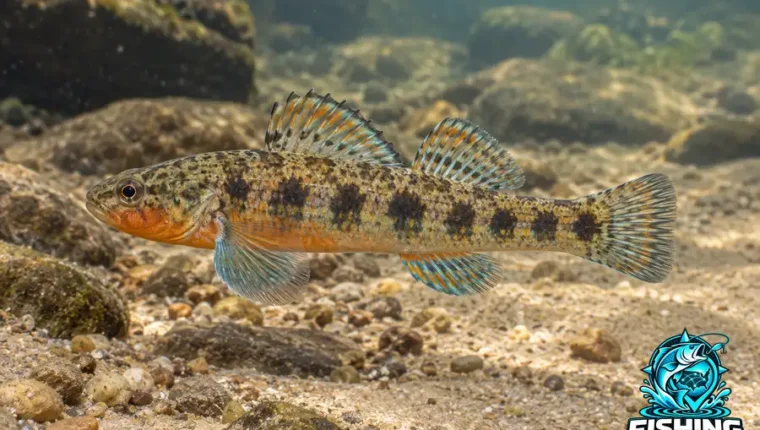
Favors sluggish creeks and headwaters, using muddy or rocky pools and quiet backwaters.
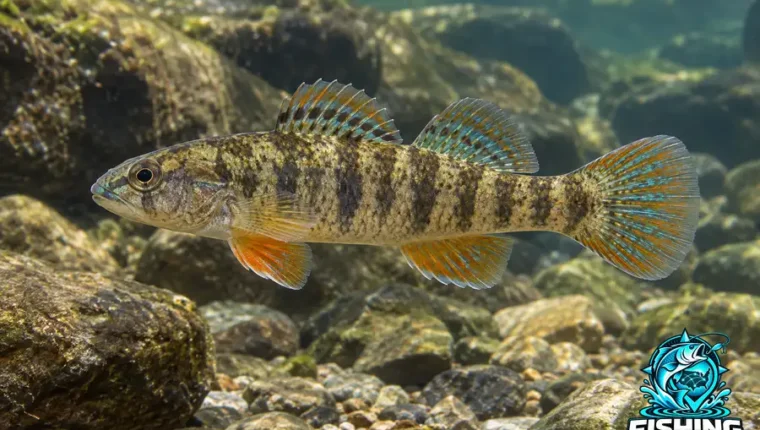
Lives in Carolina and Virginia river systems, including the Santee, Savannah and Yadkin drainages.
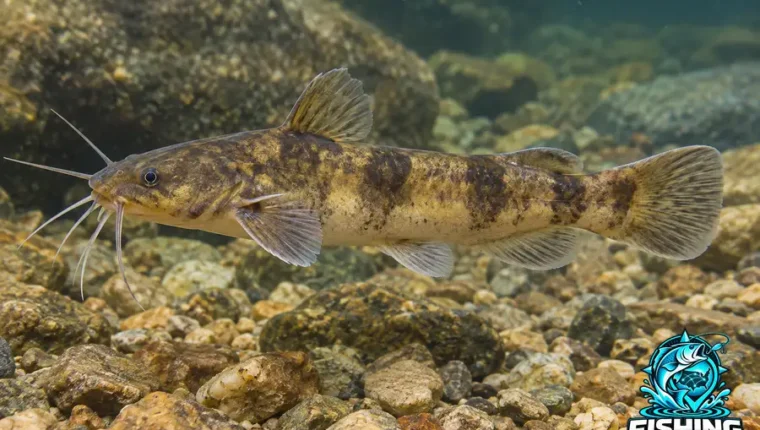
A small catfish native only to North Carolina, with a much narrower range than familiar sport catfish.
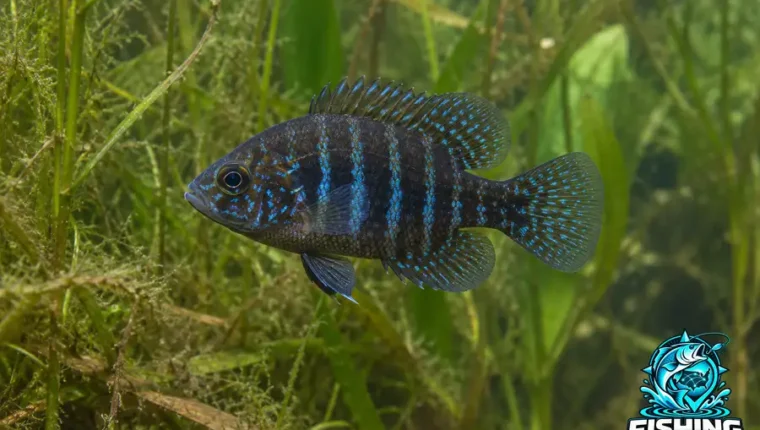
A tiny sunfish native to the Waccamaw and Santee river systems of the Carolinas.
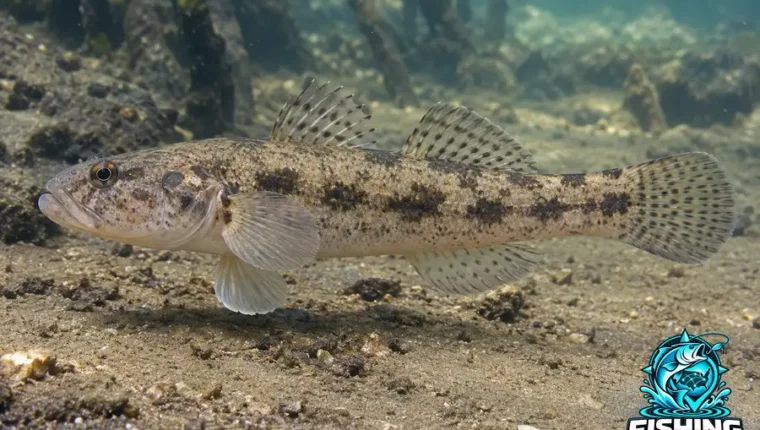
A goby recorded around the Andaman Islands, Sulawesi, the Philippines and southern Japan.
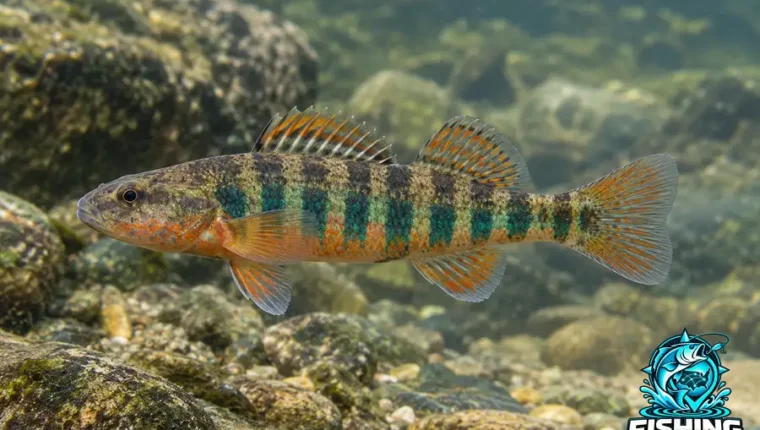
A greenside darter form recorded in Illinois’s Middle Fork River system, including Bean Creek.
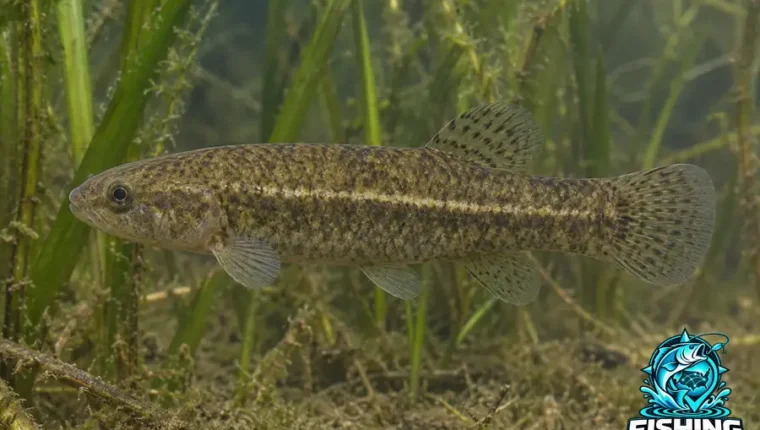
A small fish of central and eastern North America, associated with productive inland waters.
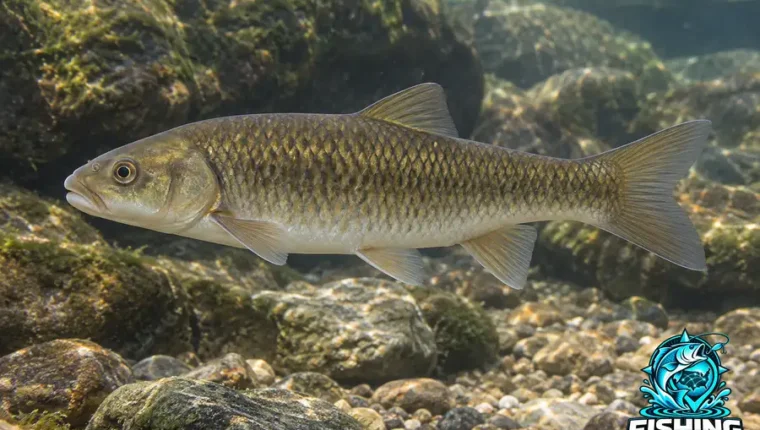
Uses gravel-bottomed riffles and pools in streams with moderate or relatively steep gradients.
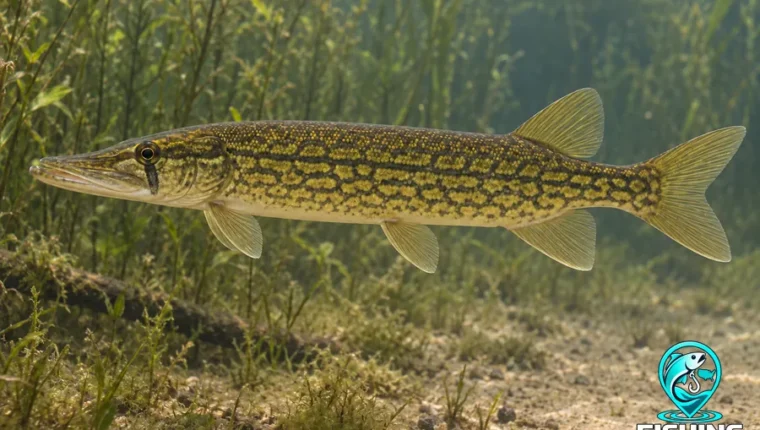
Uses flooded vegetation as spawning habitat in late winter and early spring.

A slender pipefish ranging from Virginia and Bermuda through the northern Gulf of Mexico to Jamaica and Campeche.
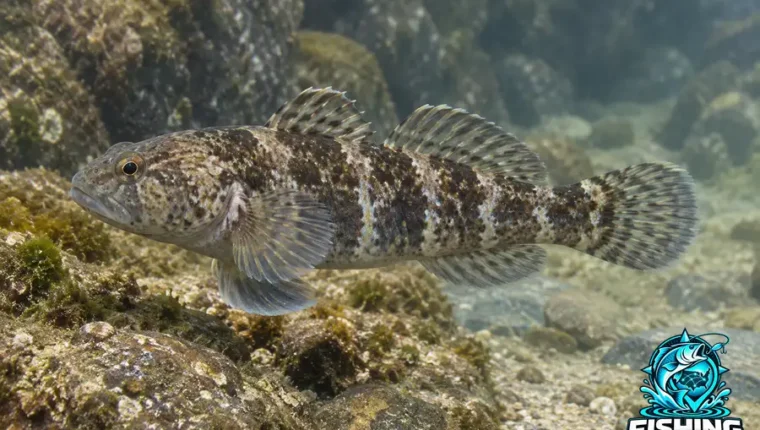
A coastal East Asian goby that uses both saltwater and brackish habitats.
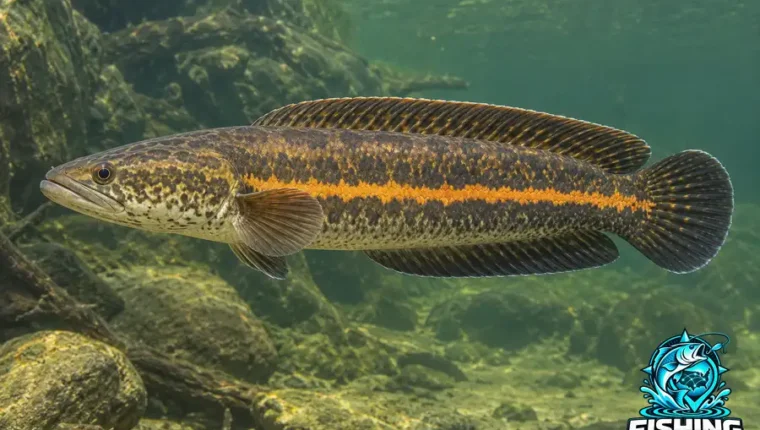
A snakehead with introduced populations recorded in southeastern Florida.
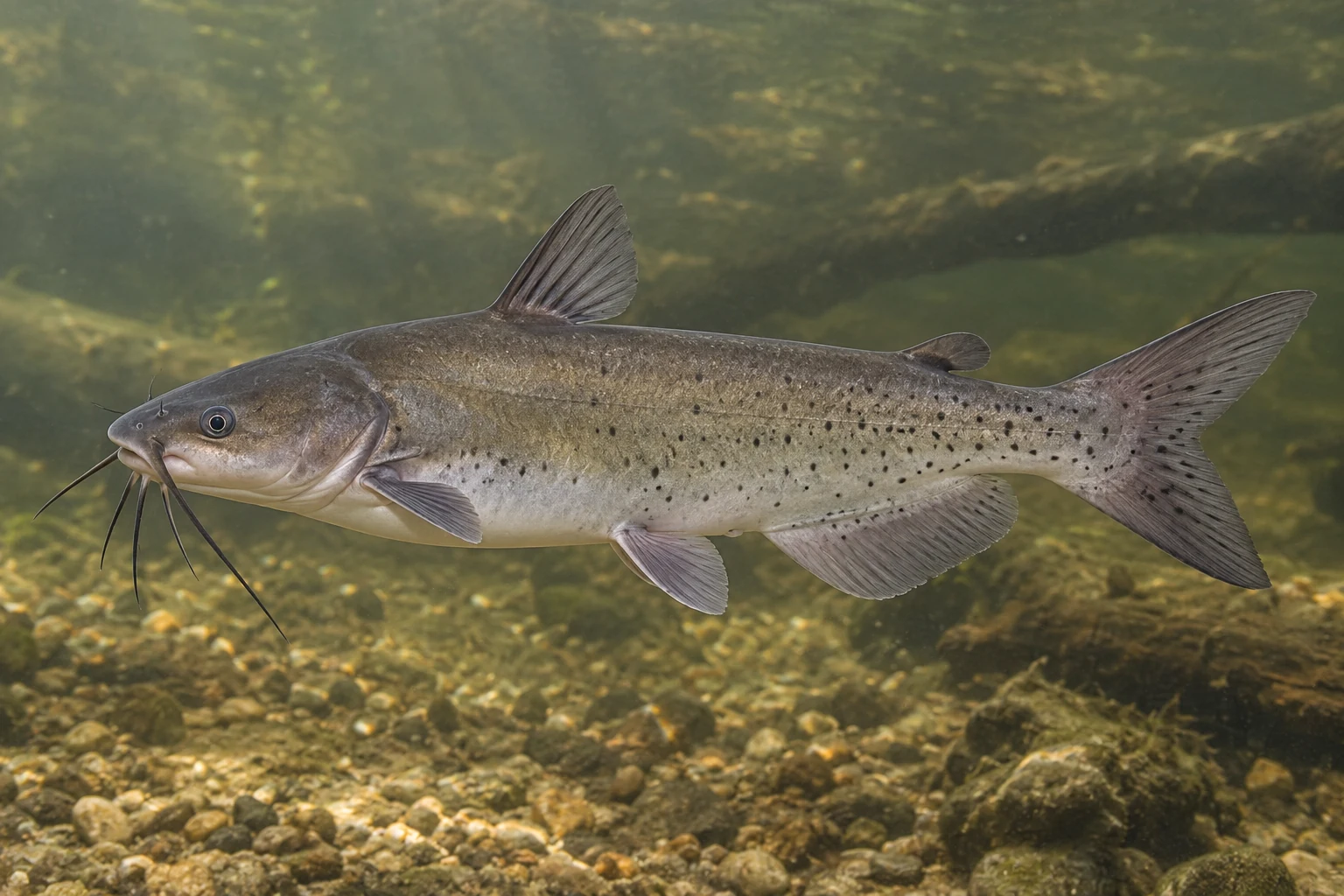
Takes worms, shrimp and prepared baits fished near the bottom. Commonly found in lakes, ponds and rivers.
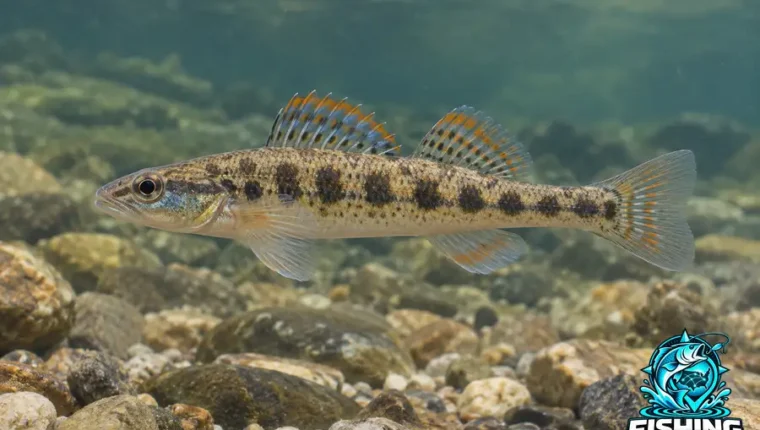
Uses shallow sand and gravel along lake shores, plus riffles in small and medium-sized rivers.
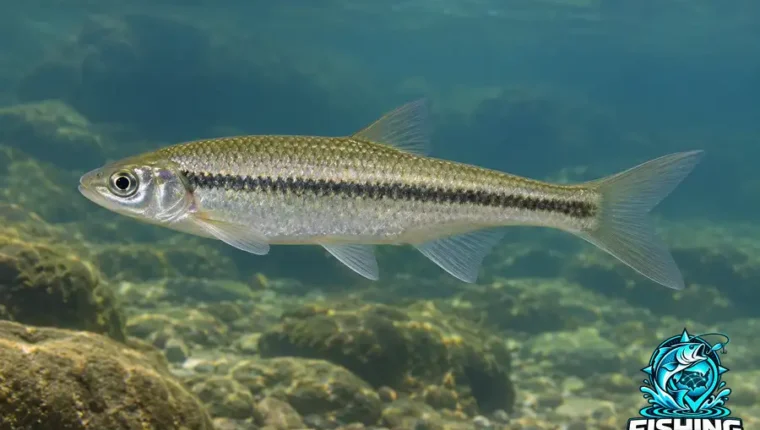
A freshwater shiner widely distributed within the Mississippi River basin.

An unidentified characin; this diverse group includes small tetras and much larger fishes with very different diets.
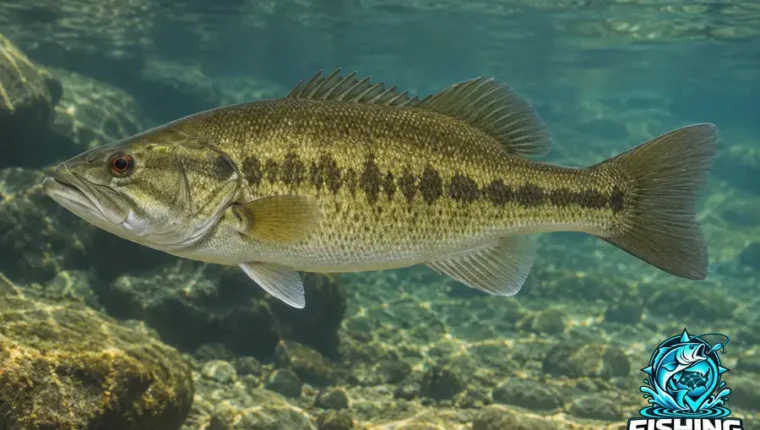
Native to the Chattahoochee River system in eastern Alabama and western Georgia, with introduced populations in Puerto Rico.
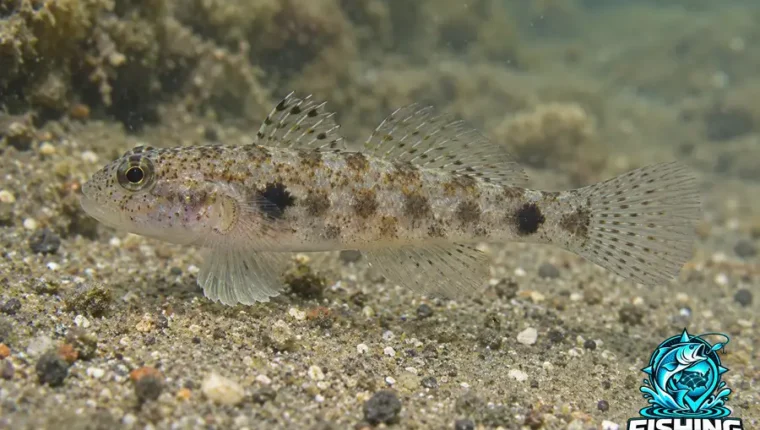
Lives in creeks, streams and estuaries, sometimes traveling upstream beyond the reach of the tides.
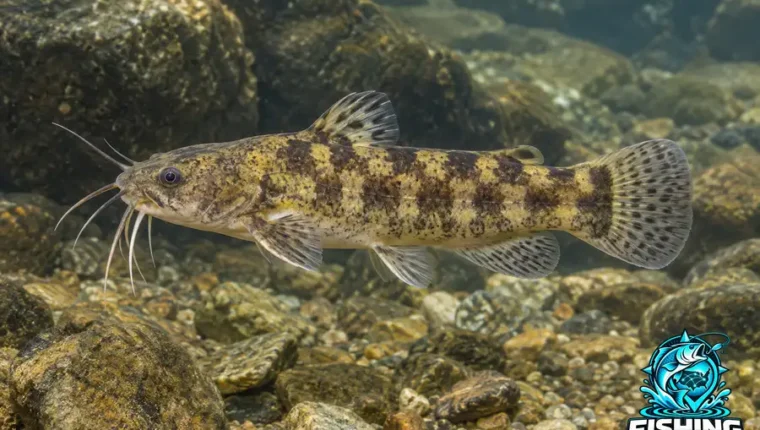
A small catfish associated with river systems in Arkansas and Missouri.
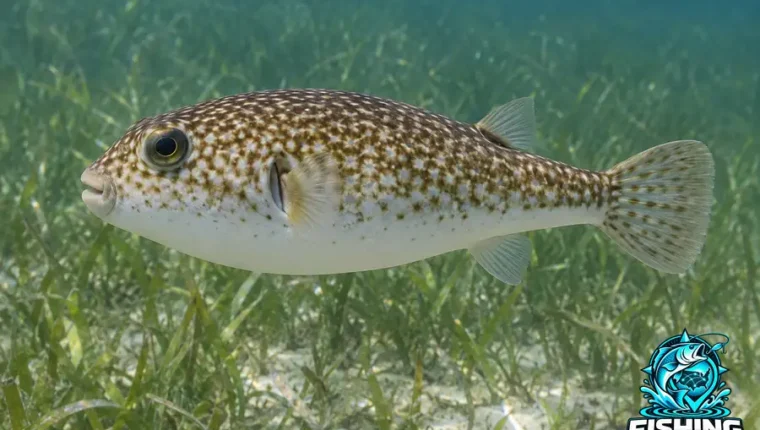
A coastal puffer recorded in Florida’s Indian River Lagoon, among other parts of its range.
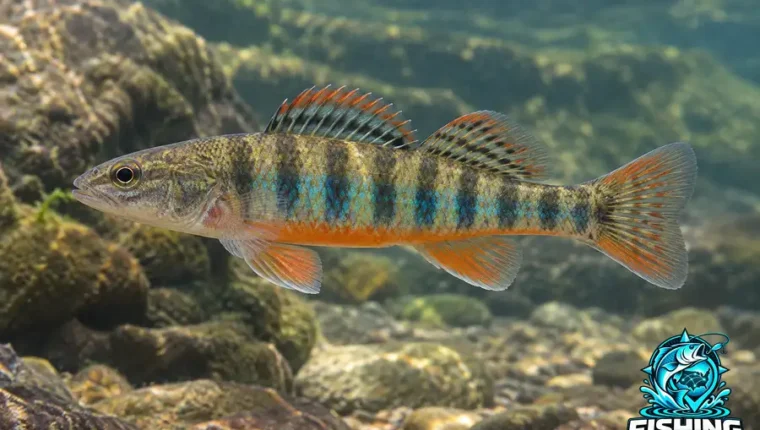
Found naturally only in Georgia’s Etowah River system. This darter has a restricted freshwater range.
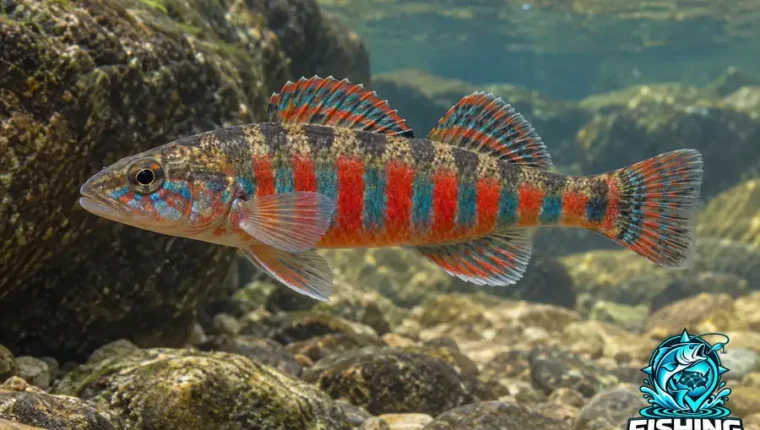
Native to the upper Caney Fork system in Tennessee, within the Cumberland River drainage.
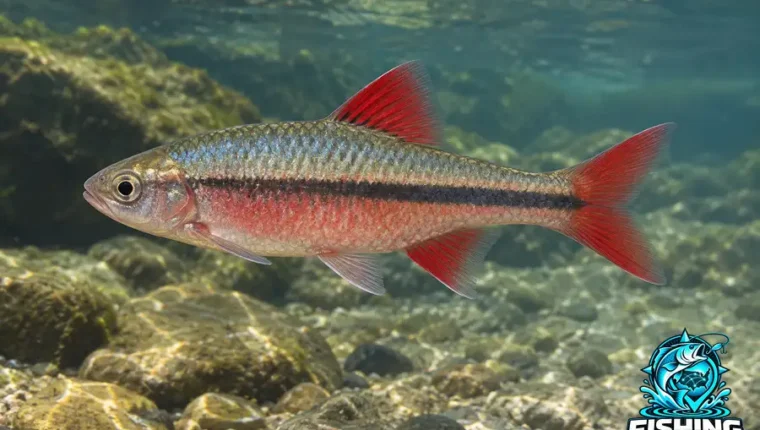
A southeastern shiner native to Mississippi, Alabama and Louisiana.
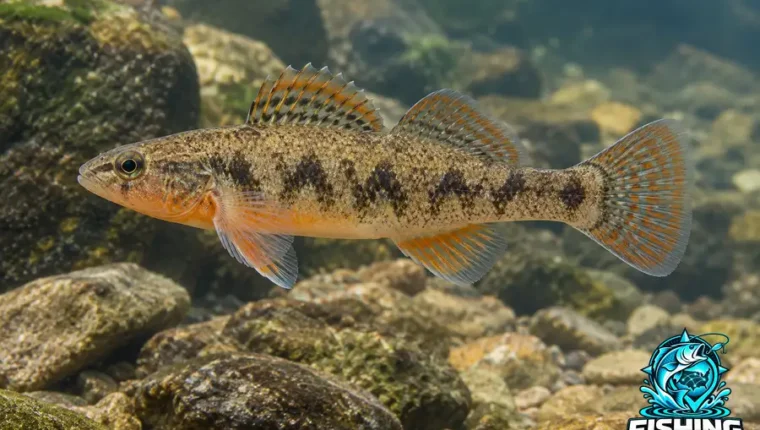
A freshwater darter associated with the southeastern United States, including Florida.
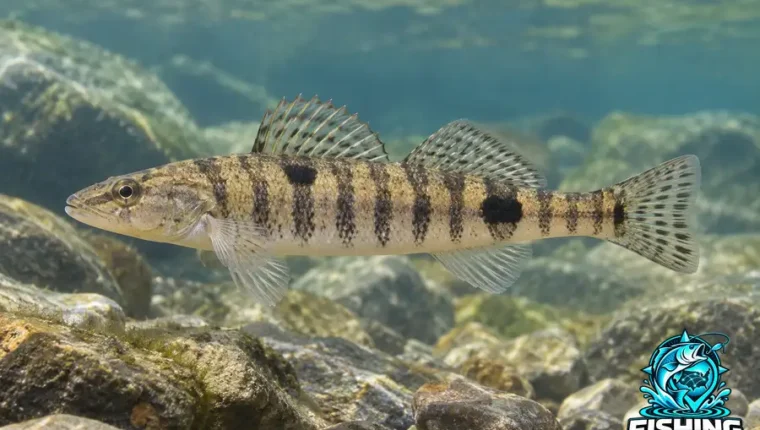
Favors gravel runs and riffles in small and medium-sized rivers.
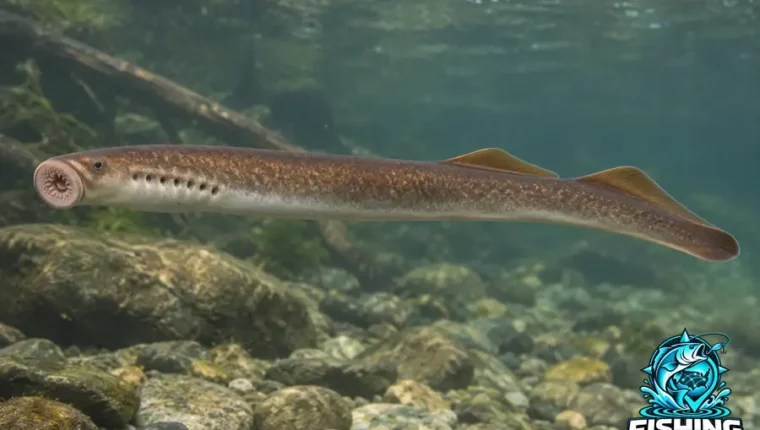
Often uses quiet pools and backwaters over sand or soft, sandy mud.
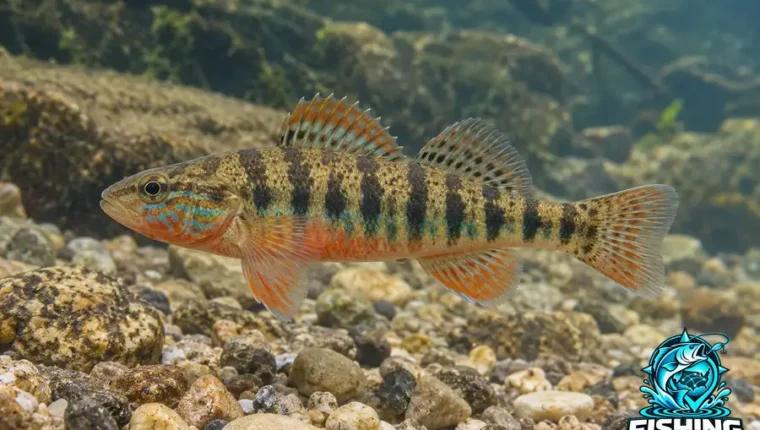
Lives in smaller streams within western Tennessee’s Forked Deer River system.
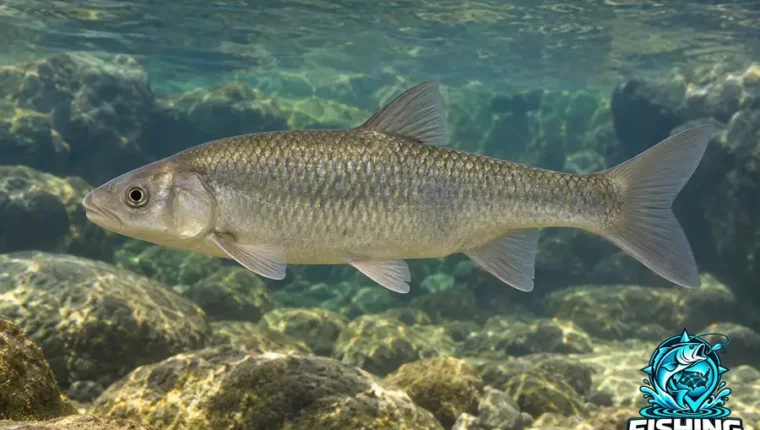
A freshwater chub found in Chihuahua, Mexico, and across the border in New Mexico.
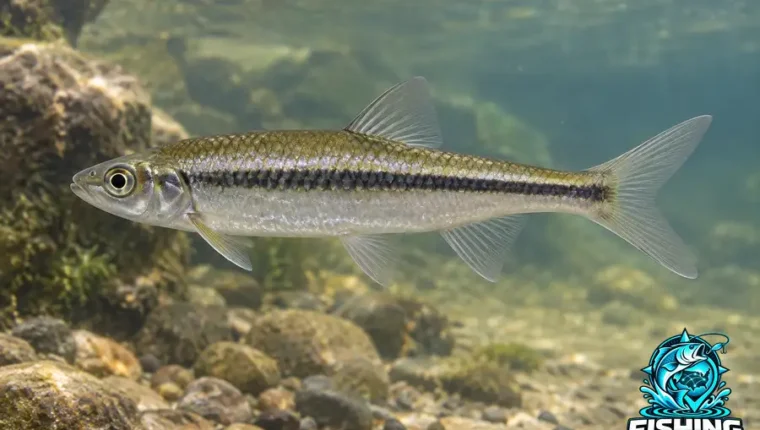
Occurs in the Rio Grande drainage, including the lower Pecos River and waters near the Rio Conchos junction.
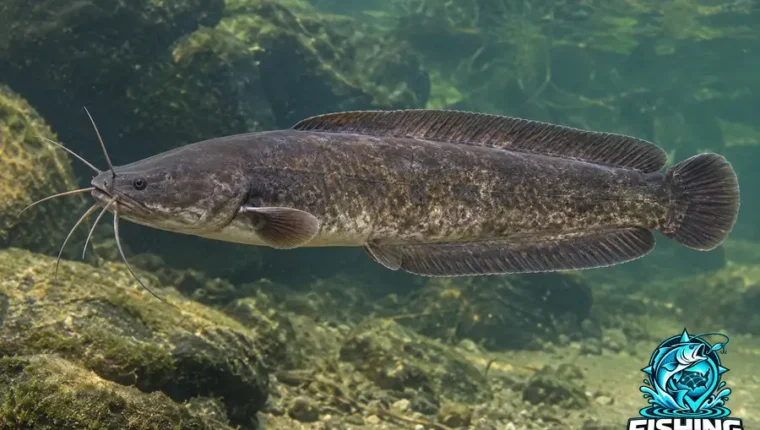
An East Asian catfish native to waters of southern China, Taiwan, Japan and northern parts of mainland Southeast Asia.

Native to the North Pacific and western North American rivers. River systems provide important freshwater habitat.
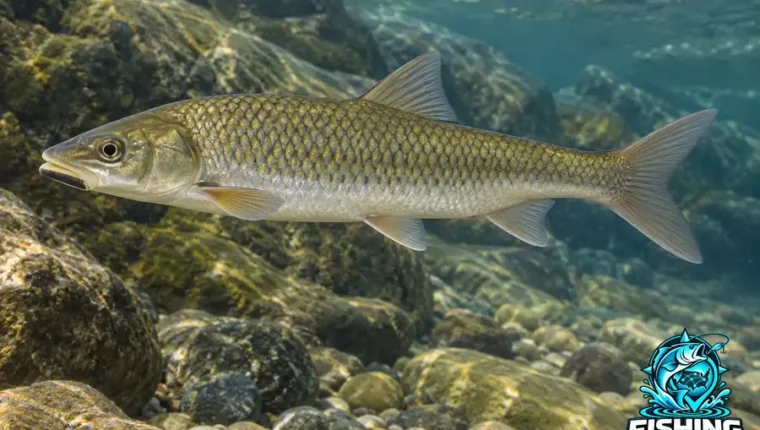
Uses warmer stretches of streams and rivers in the Columbia, Fraser and Harney-Malheur drainage systems.
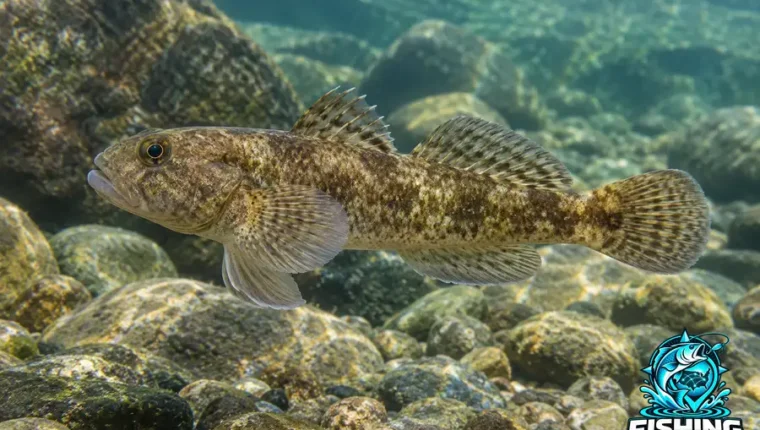
Uses freshwater and brackish habitats around Japan, the Philippines, Indonesia, Palau and Micronesia.
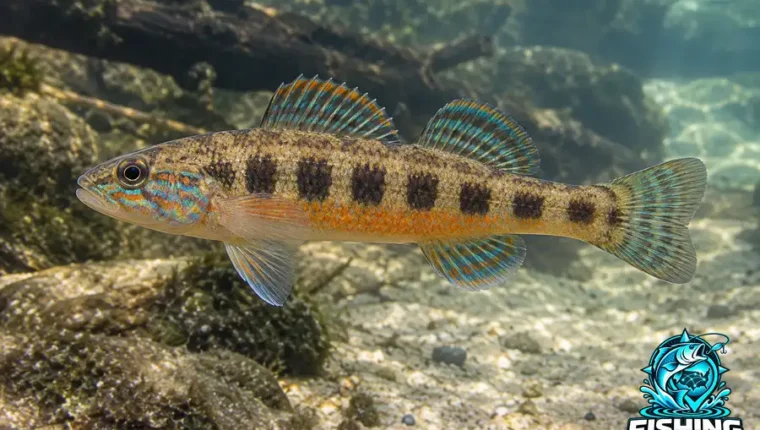
Lives in quiet creek and small-river pools, particularly over sand and mud.
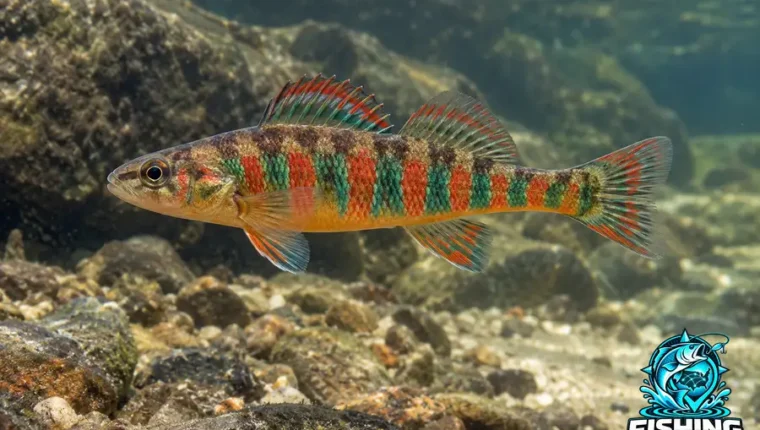
A darter of the Savannah, Ogeechee and Altamaha river systems in Georgia and South Carolina.
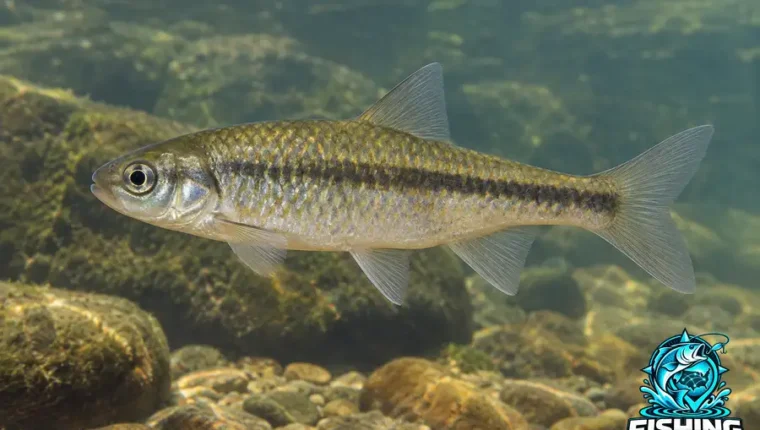
Occurs in parts of the lower Mississippi and in Gulf-draining river systems of Texas.
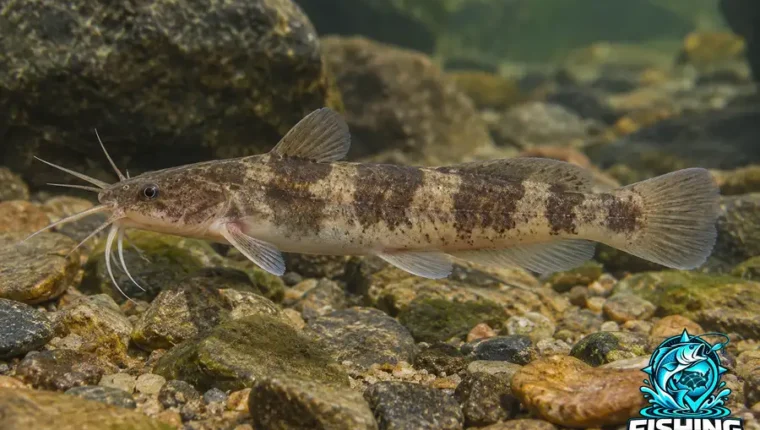
A small catfish associated with streambeds of gravel, cobble and larger rock slabs.
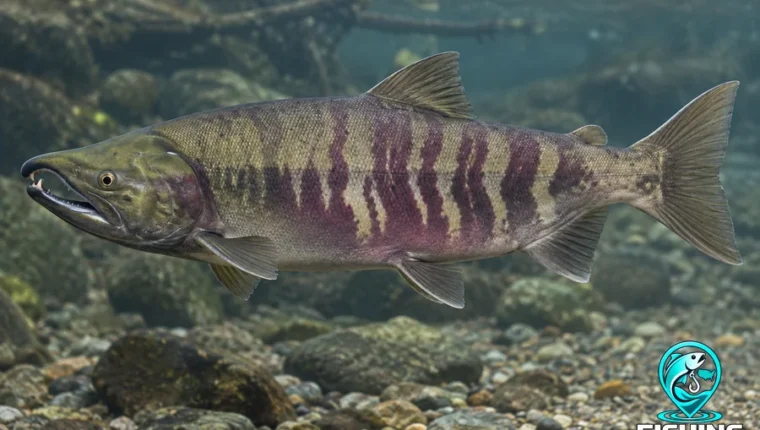
Native to North Pacific coastal rivers and the Arctic waters around Beringia.
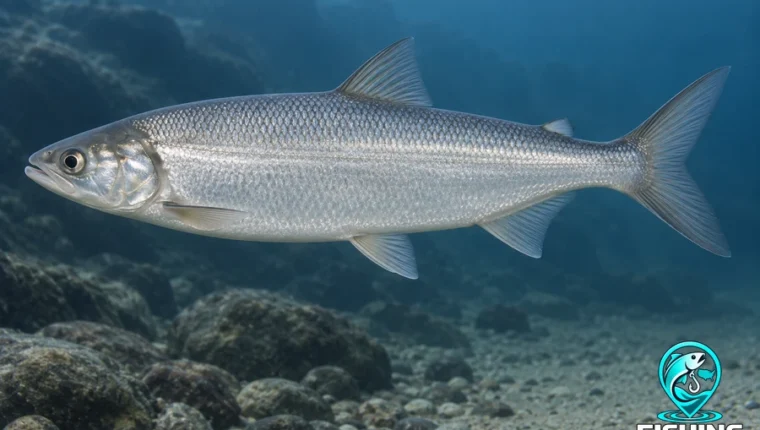
A cold-water fish recorded in relatively shallow portions of the Great Lakes, alongside other northern lake populations.
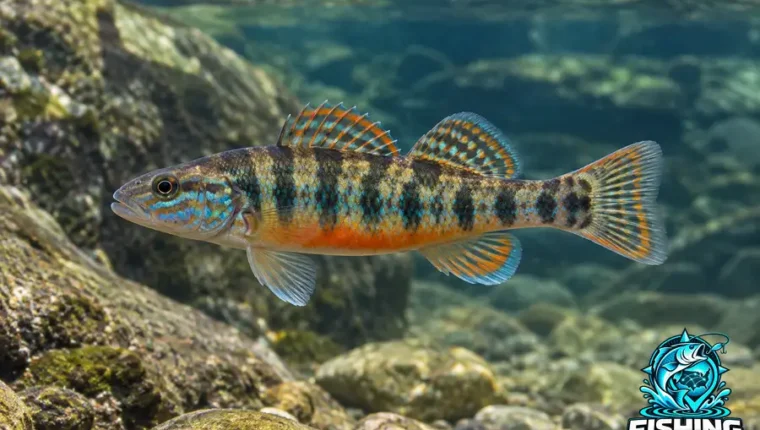
Known from a few isolated eastern Tennessee waters, including Abrams Creek, Citico Creek and the Tellico River.
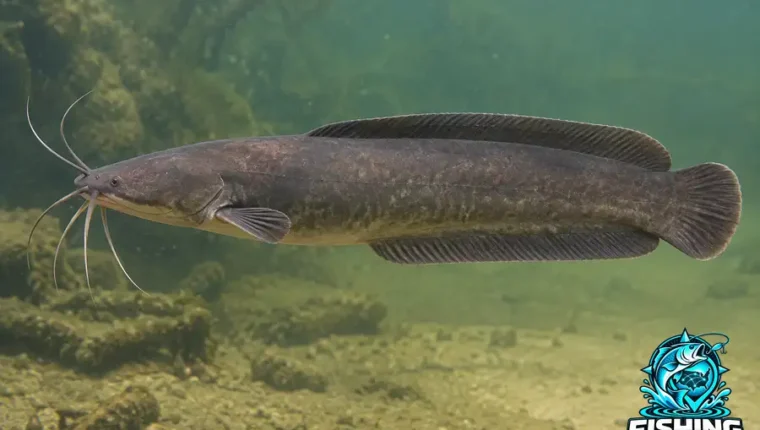
An air-breathing catfish of slow or stagnant water, including swamps, ponds, rice fields and temporary pools.
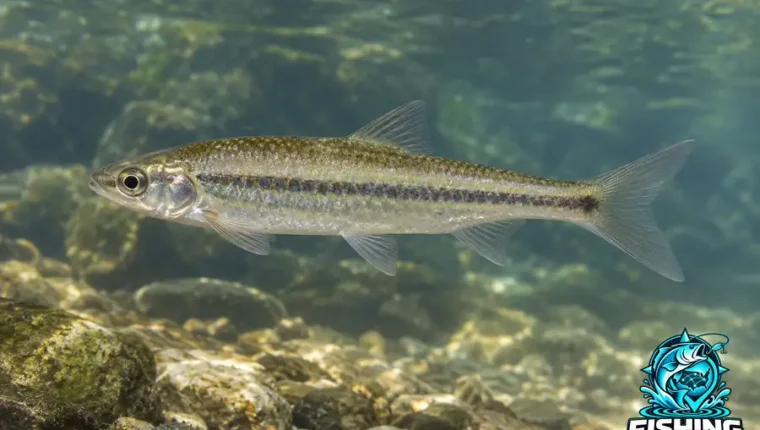
Favors sandy or silty bottoms and quieter pools beside flowing riffles.
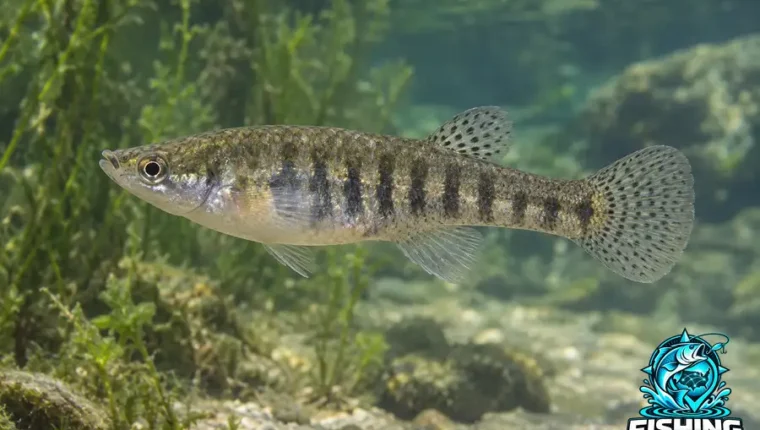
Lives in clear spring water within the Clear Creek tributary of Texas’s San Saba River.
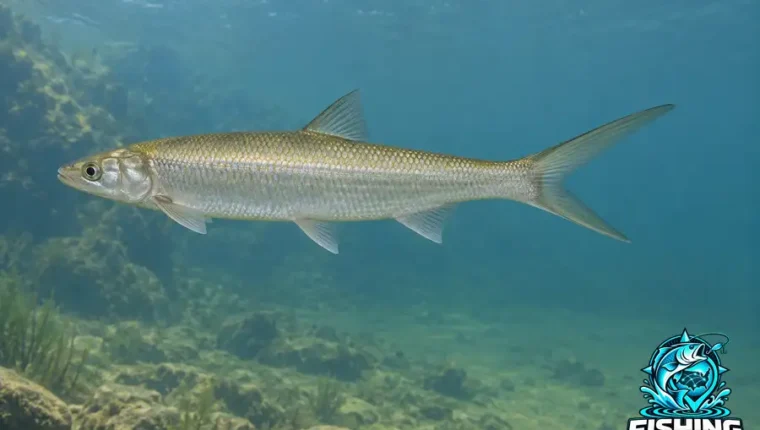
An extinct minnow formerly found only in California’s Clear Lake and its tributaries.

An Atlantic flyingfish ranging from New York and Florida through Caribbean waters toward northeastern Brazil.
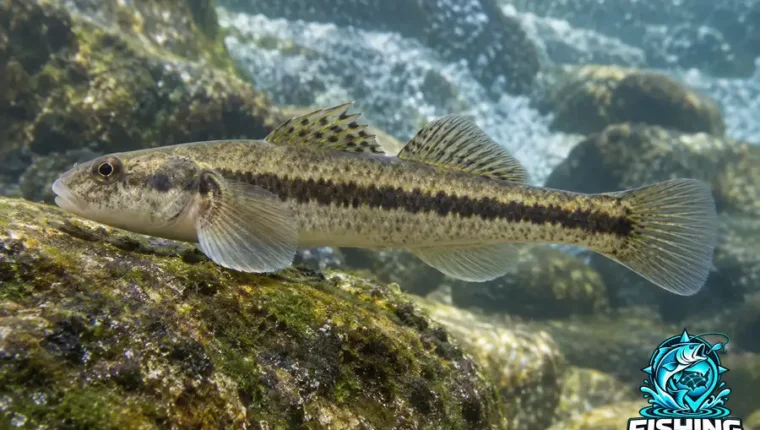
A goby with records from Timor and the Maluku Islands of Indonesia.
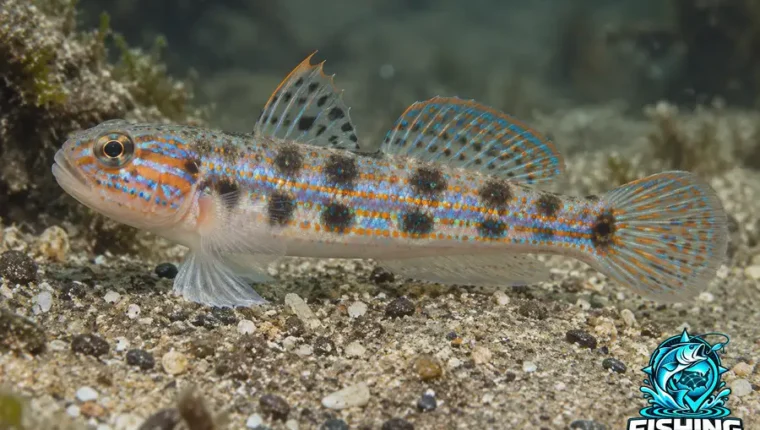
A small goby recorded along Atlantic United States coasts and the northern and western Gulf of Mexico.
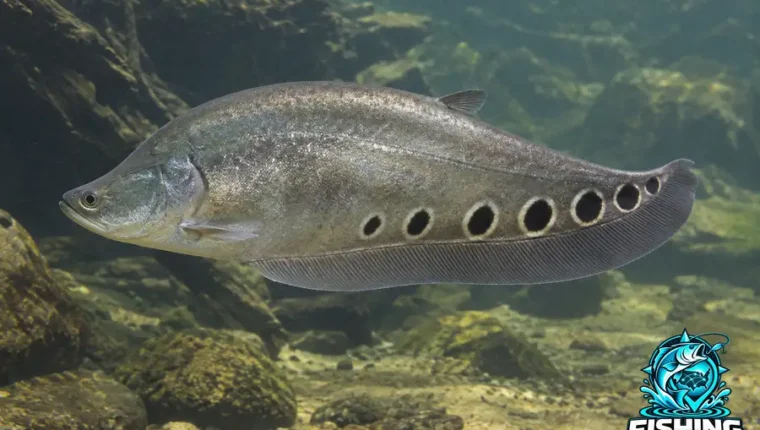
A large tropical knifefish that can approach forty inches long, with a long fin running beneath its body.

A western Atlantic anglerfish ranging from North Carolina toward Suriname, including the Gulf of Mexico and Caribbean.
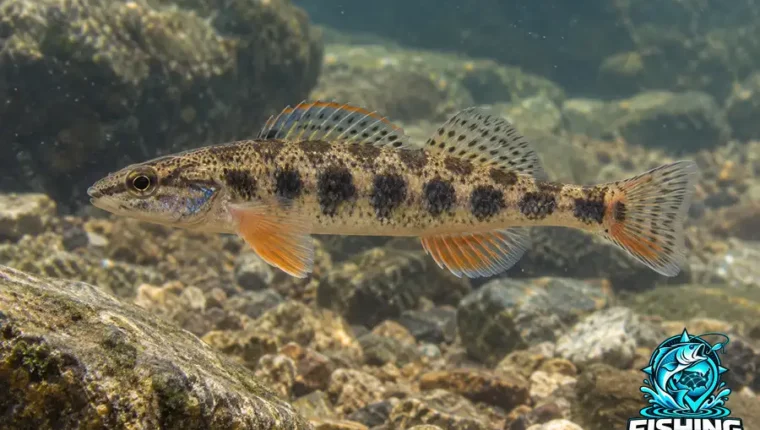
Uses flowing gravel runs and riffles in smaller rivers.
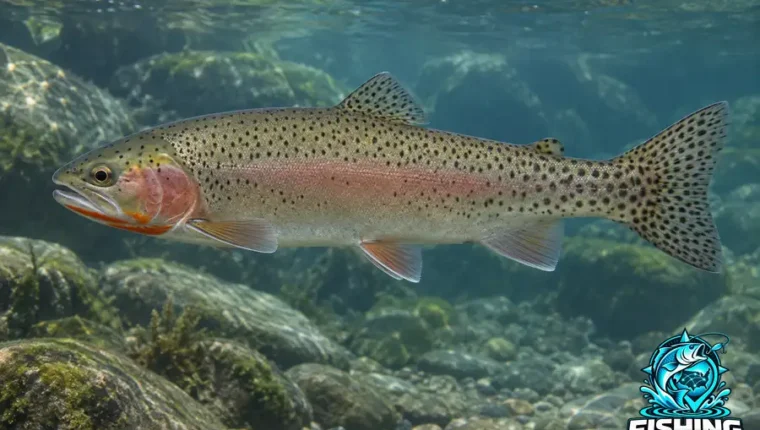
Uses streams, rivers and lakes, with freshwater habitats ranging from small creeks to substantial river systems.
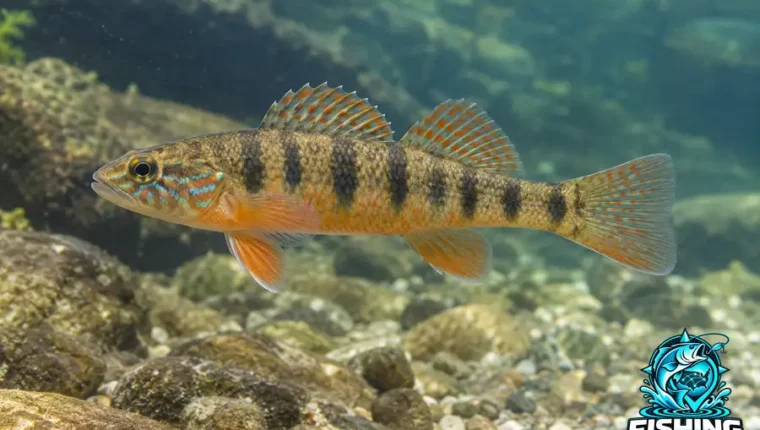
Lives in headwater creeks and small rivers, favoring pools with sand and gravel bottoms.
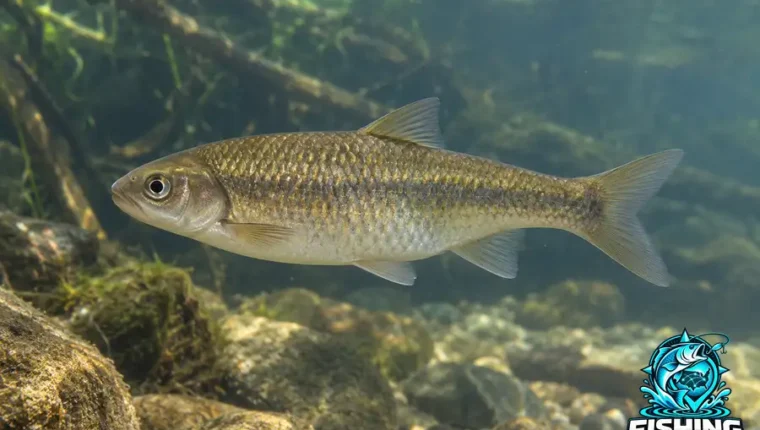
A freshwater roach native to coastal watersheds west of the mountain ranges in northern California.
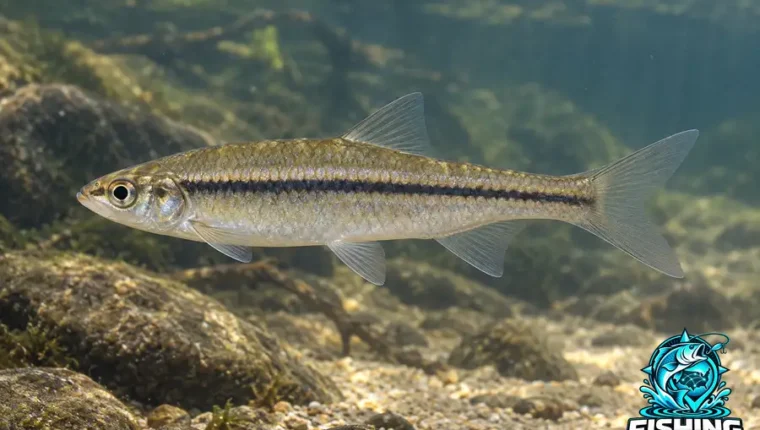
Native to Atlantic- and Gulf-draining waters of the United States.
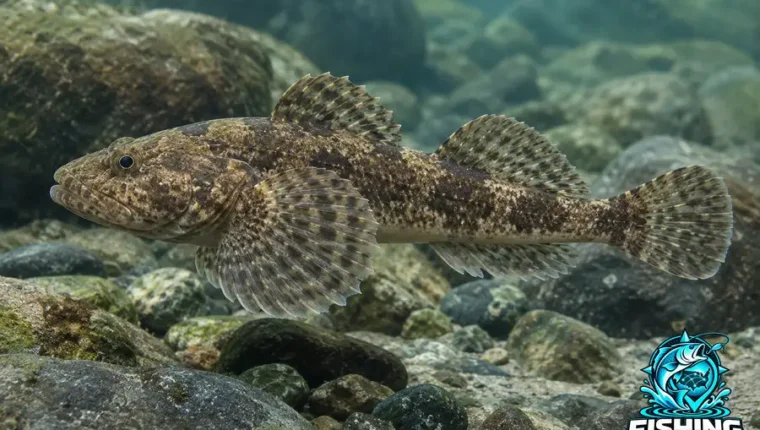
A Pacific coastal sculpin ranging from Alaska and the Aleutians south to central California.
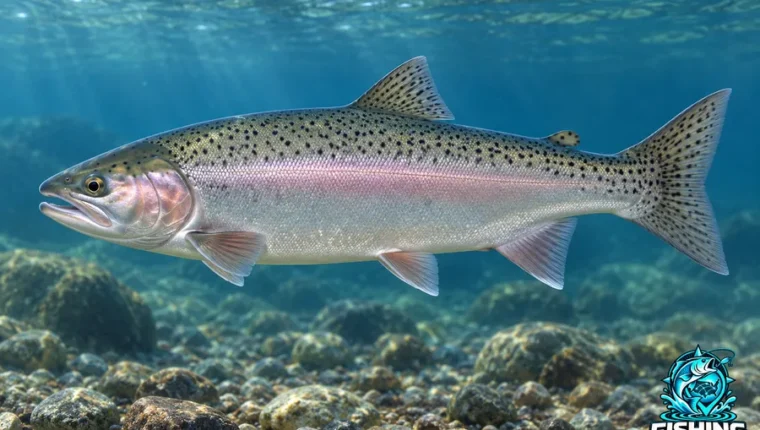
A cross between coho salmon and rainbow trout, combining two Pacific salmon-family fishes.
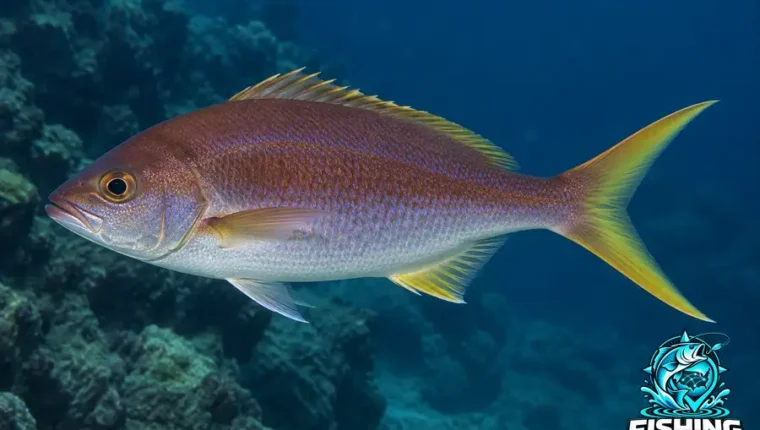
A western Pacific snapper recorded around Taiwan and the Ryukyus and from northeastern Australia toward Fiji.
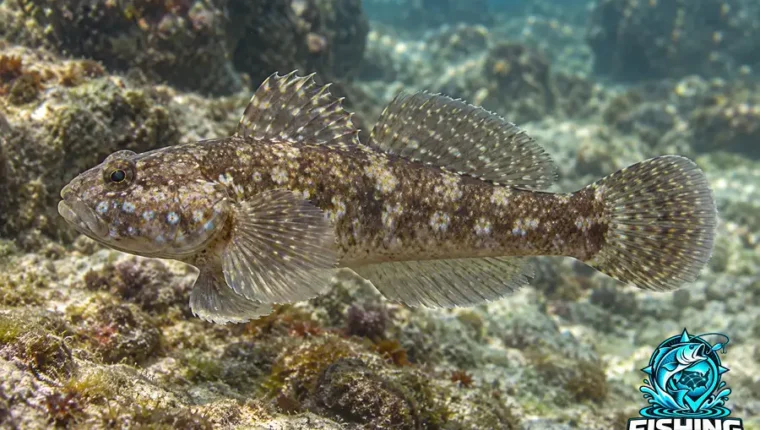
A coastal goby ranging from eastern Africa across the Indo-Pacific toward Hawaii, Pitcairn and southern Japan.
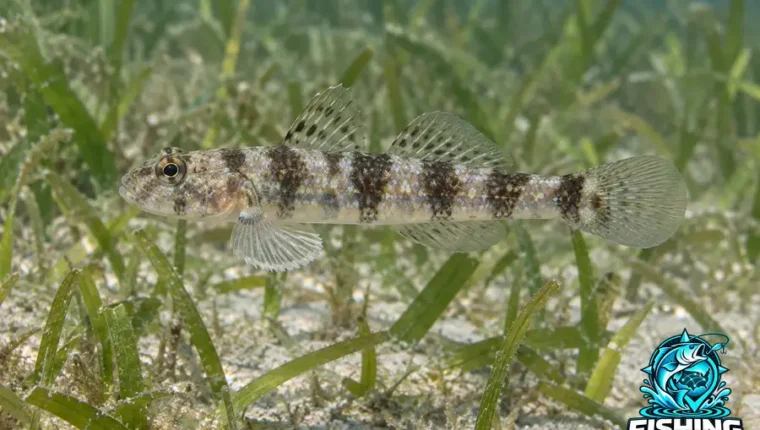
A small goby of Florida and Gulf of Mexico coastal waters, including parts of Mexico.
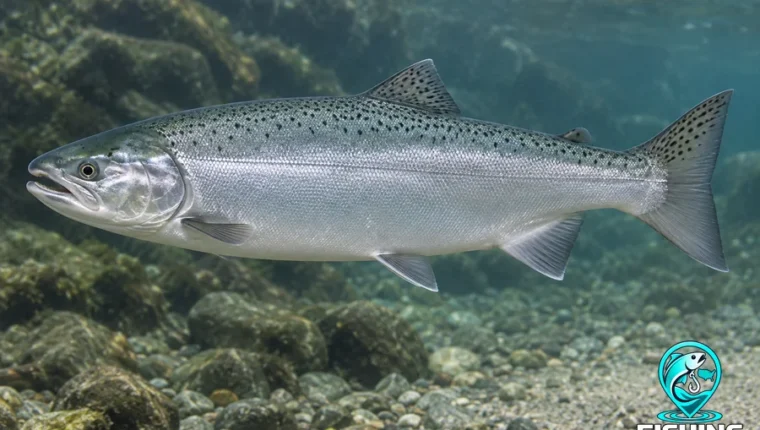
Young coho eat aquatic insect larvae and insects that fall into streams, along with other small invertebrates.

A frogfish with scattered records across the eastern Atlantic, Indian Ocean and western Pacific.
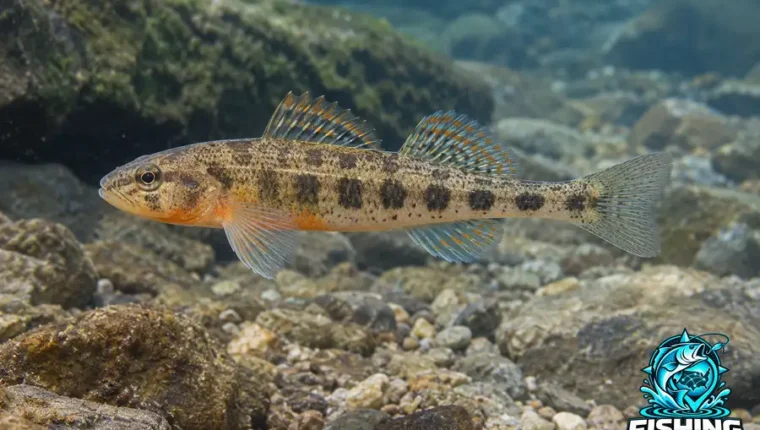
Native to the Coosa River system across parts of Georgia, Alabama and Tennessee.
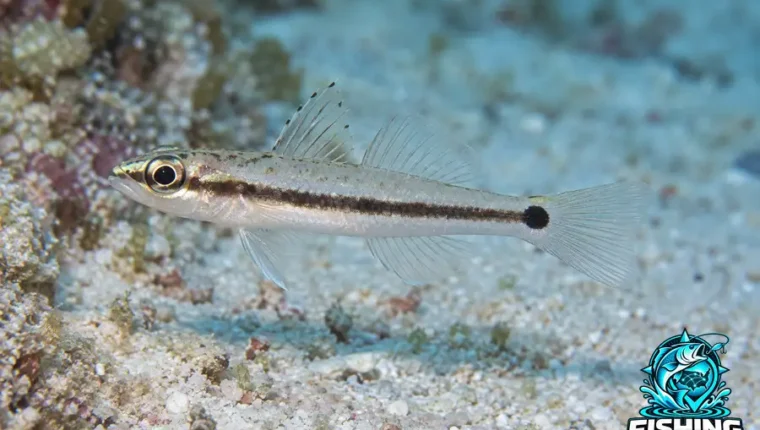
A marine pomfret recorded around Hawaii, including waters off Niihau Island.
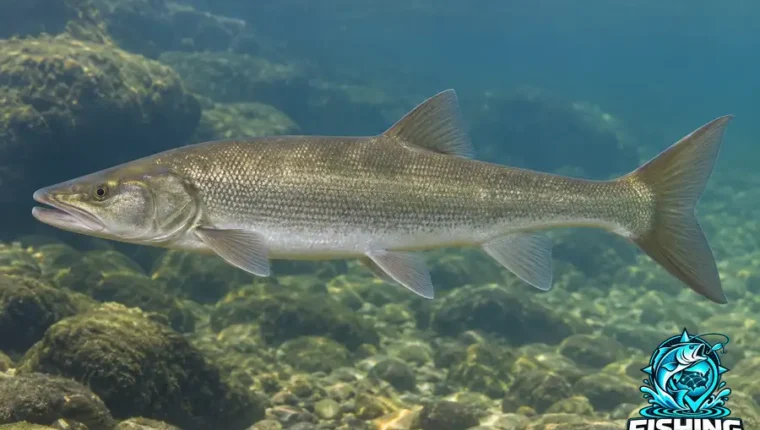
Historically ranged throughout the Colorado River basin, spanning the southwestern United States and northern Mexico.
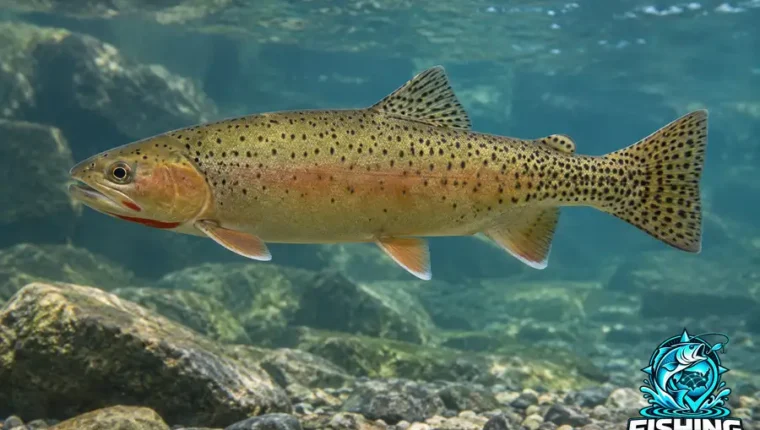
A cutthroat trout native to portions of the Colorado River drainage, including several western mountain states.
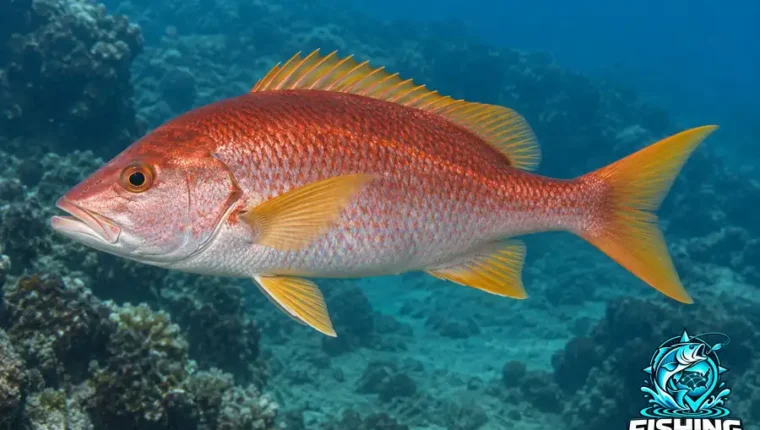
An eastern Pacific snapper ranging from southern California to Ecuador, including the Gulf of California and Galapagos Islands.
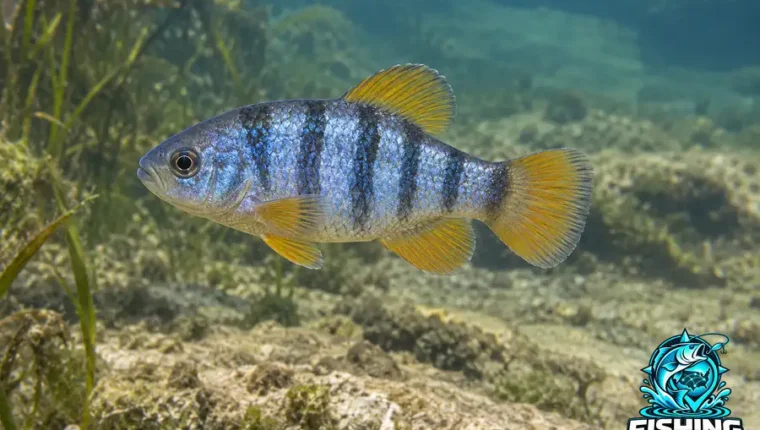
A desert pupfish now associated with spring-fed pools near Balmorhea in West Texas.
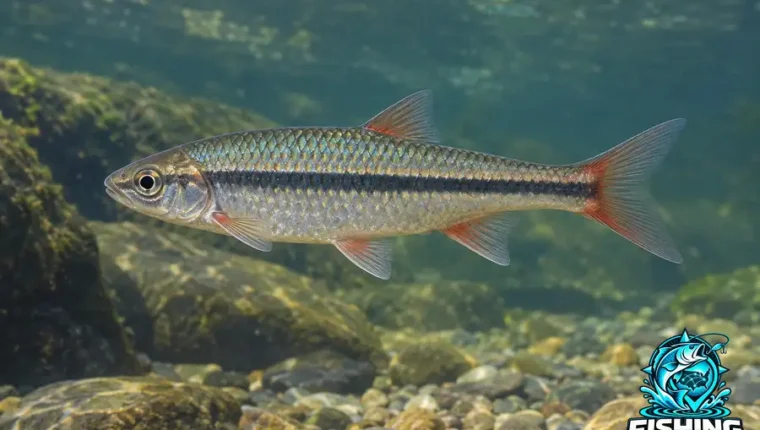
Favors streams and other inland waters with depths of roughly two feet or more.
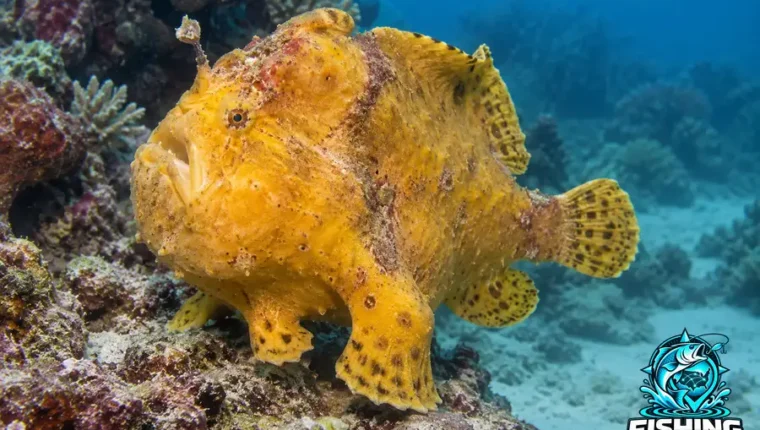
A tropical and subtropical frogfish with a broad range across the Indian and Pacific oceans.
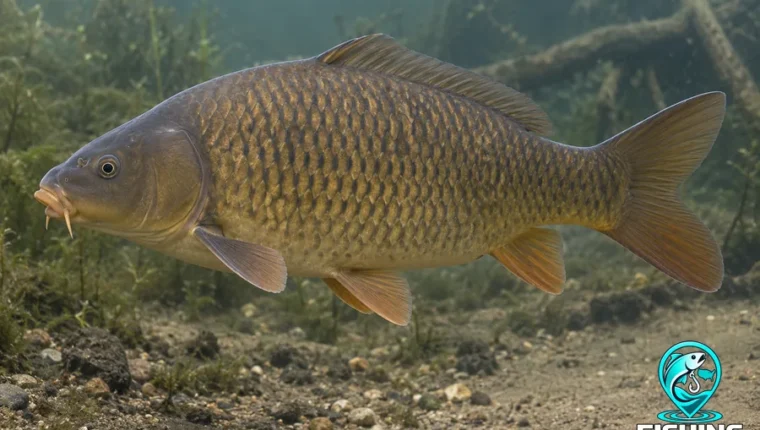
Favors slow or still water with soft bottoms and vegetation, especially in larger bodies of water.
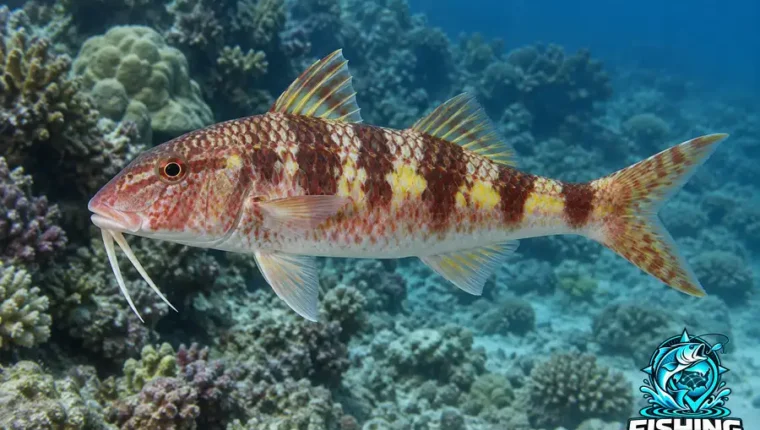
A goatfish ranging across the eastern Indian and Pacific oceans, from Christmas Island toward Hawaii and southern Japan.
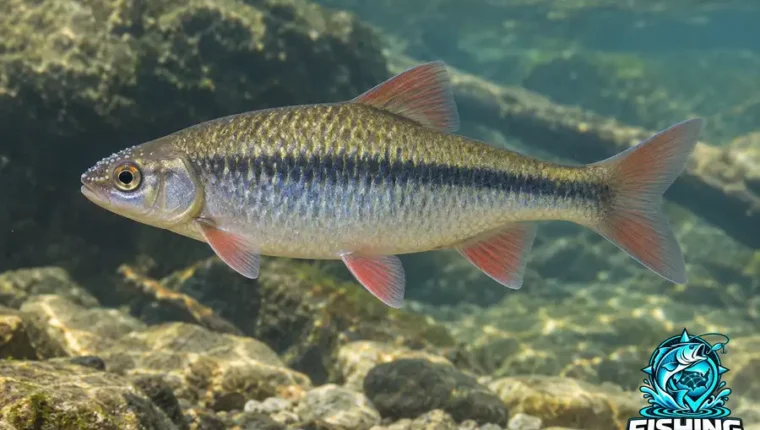
Often lives in rocky pools within small and medium-sized rivers.
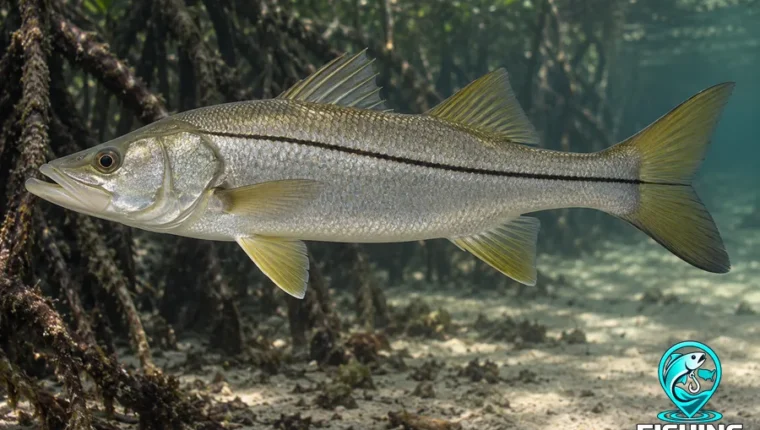
Uses coastal creeks, wetland ponds and channels around islands in warm coastal environments.
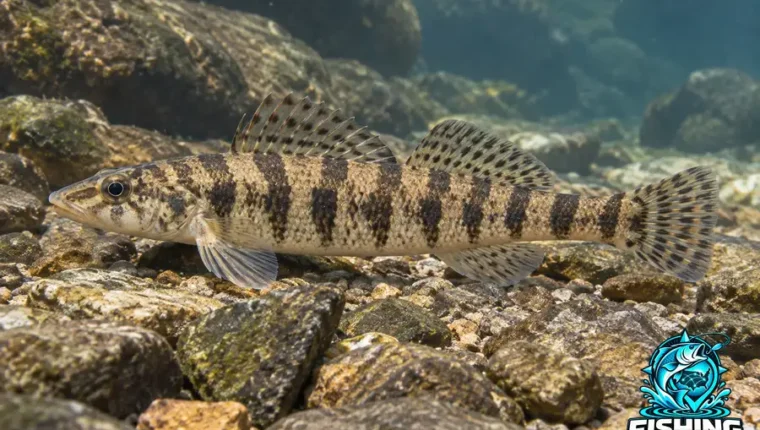
Feeds on aquatic invertebrates hidden beneath stones, searching the riverbed for small prey.
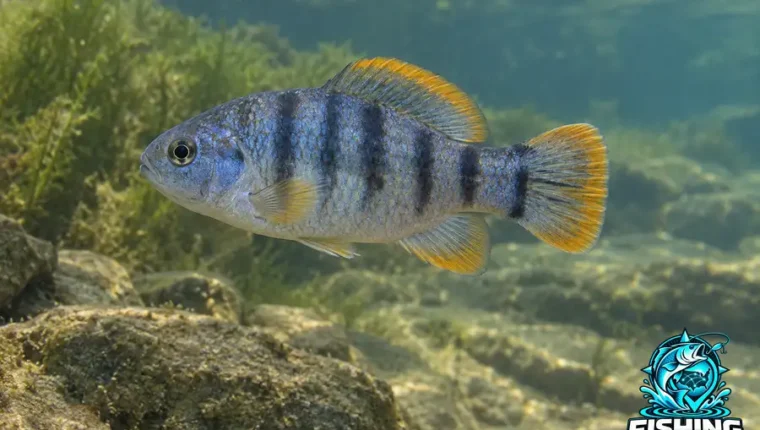
A pupfish of the Rio Grande basin in Texas and northern Mexico.
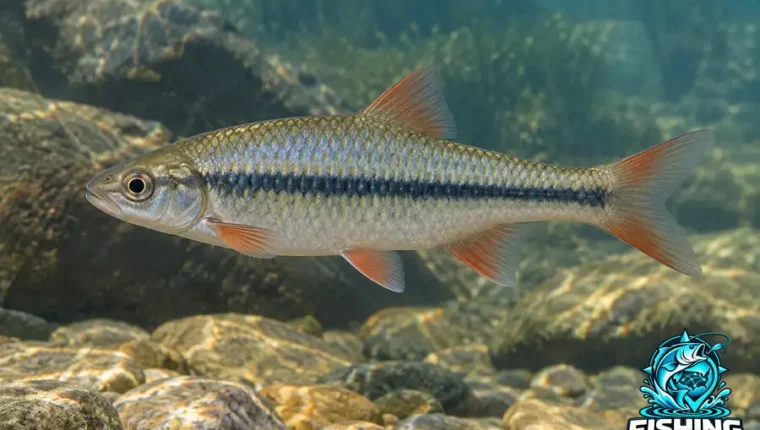
A shiner native to the upper Rio Grande system, including Texas and the Mexican states of Chihuahua and Durango.
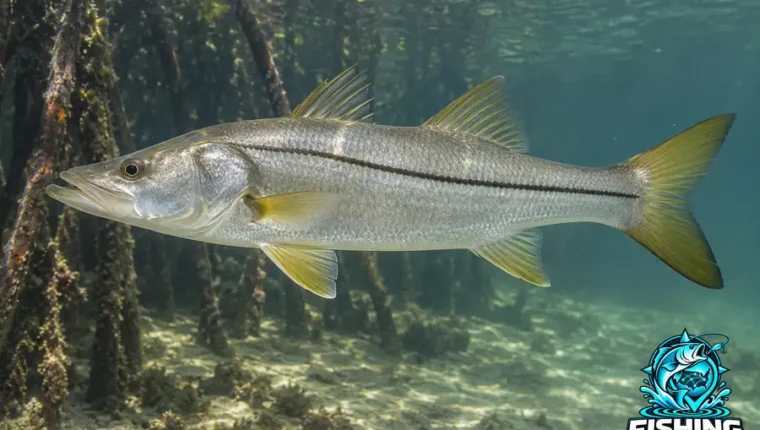
An Atlantic snook ranging from Florida south toward southern Brazil, including the Gulf of Mexico and Caribbean.
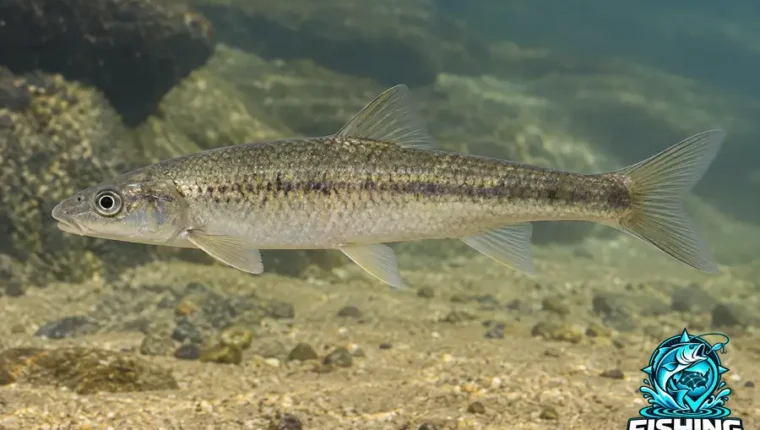
A freshwater chub native to Alabama, northwestern Georgia and southeastern Tennessee.
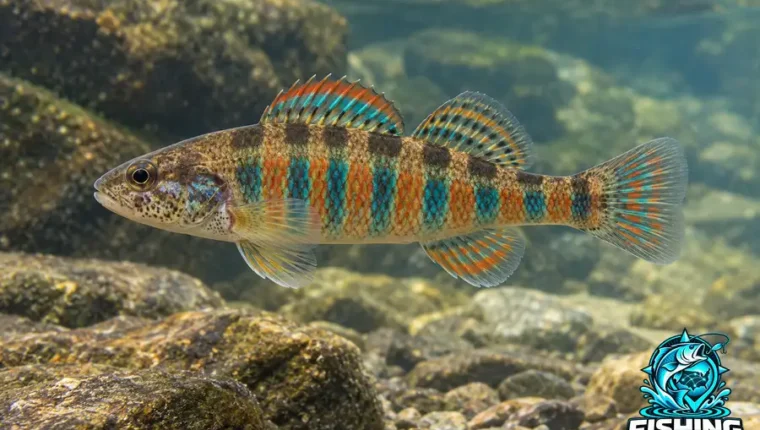
An eastern United States darter with a native range centered on southeastern river systems.
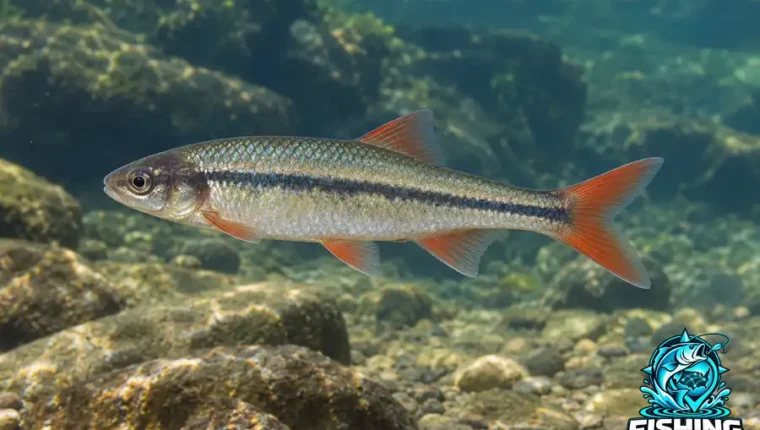
Lives above the fall line in the Coosa and Tallapoosa systems of Tennessee, Georgia and Alabama.
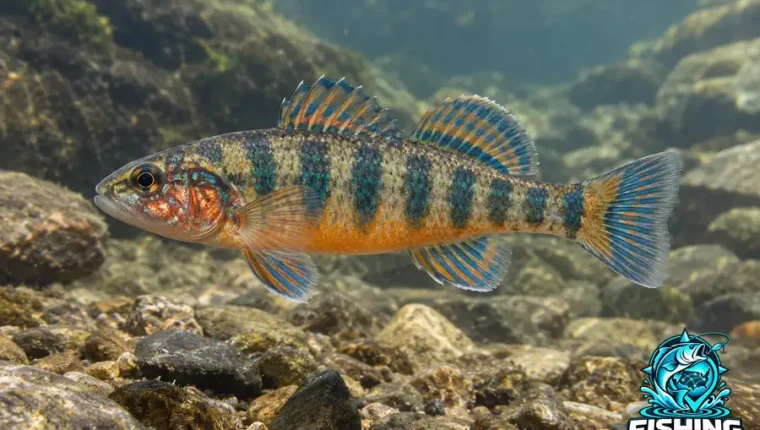
Favors clear, fast-moving water over rocky riffles.
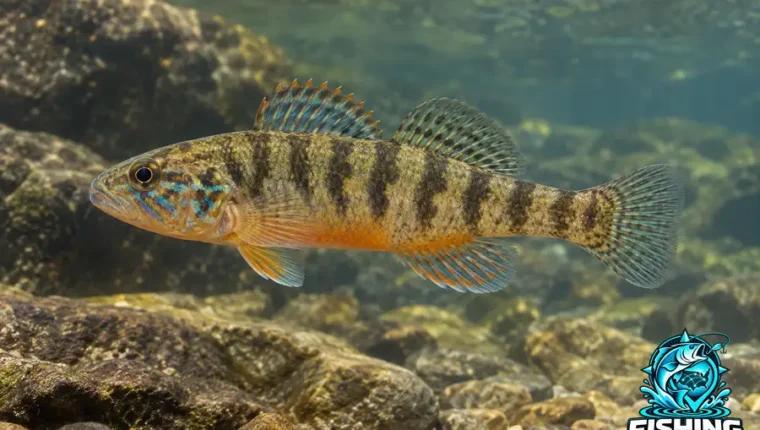
A Tennessee darter native to the Caney Fork system, where several separate population groups have been identified.
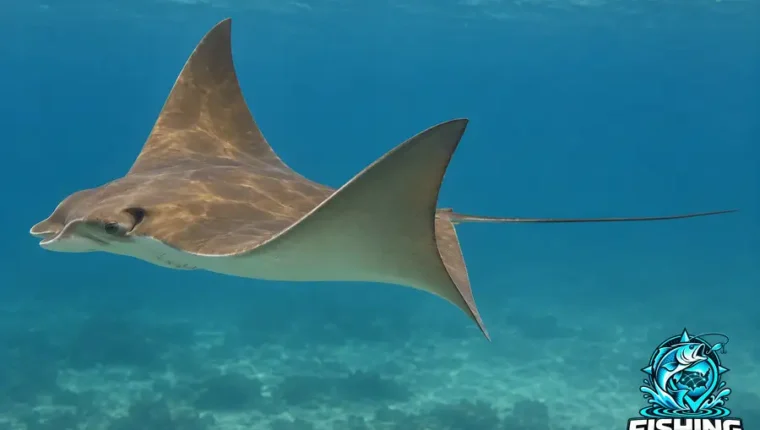
A coastal ray associated with relatively shallow water and estuaries.
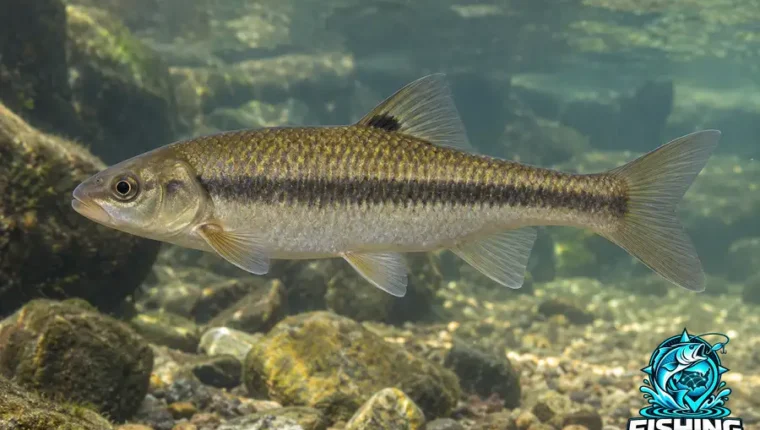
More strongly associated with streams and rivers than lakes. Flowing inland waters provide its typical habitat.
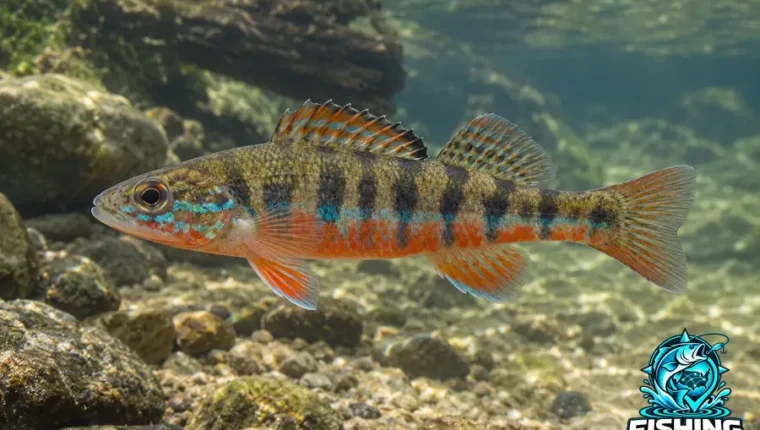
Uses creek and river riffles, including gravel beds, water-swept plants and submerged debris.
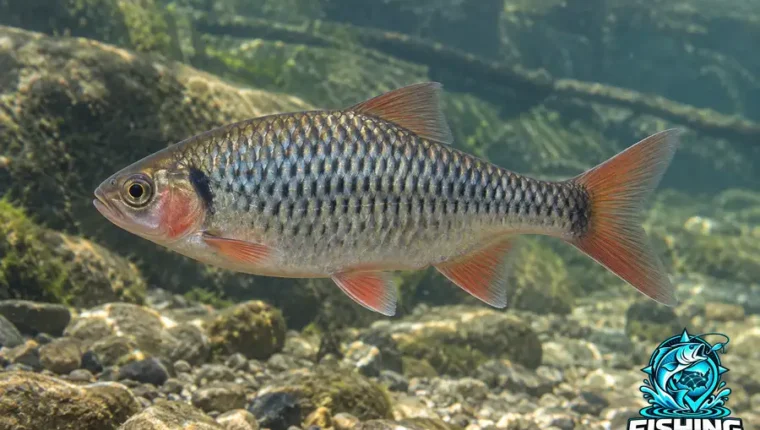
Lives in headwater creeks and smaller rivers, occupying pools and runs over rock or sand.
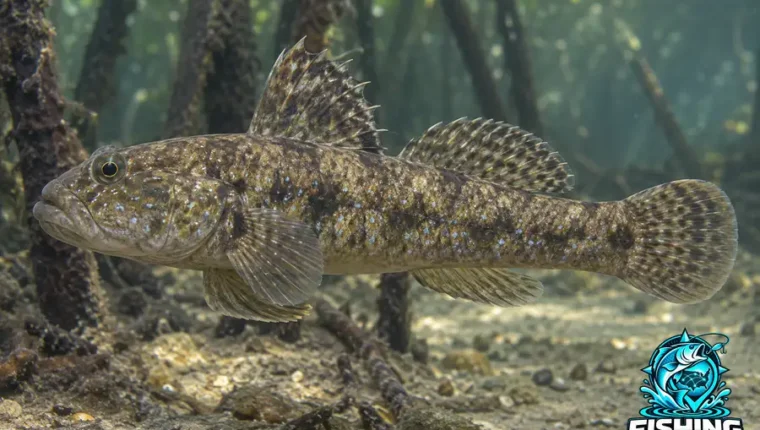
Ranges from southern Florida and Bermuda through the Caribbean and along Central and northern South America.
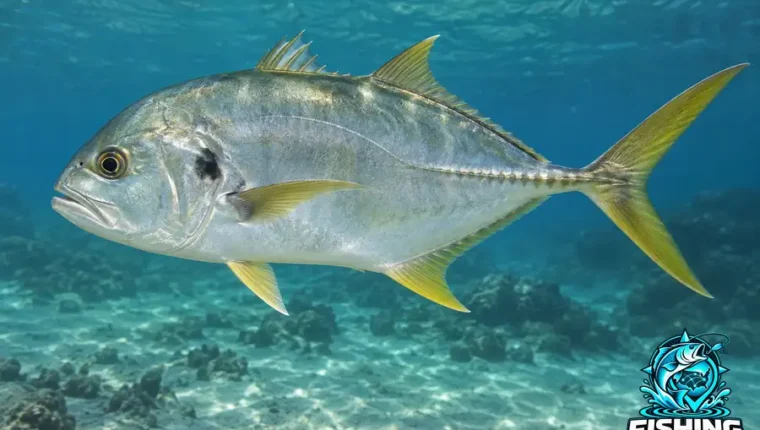
Uses bays, reefs and lagoons as well as offshore water, occasionally entering estuaries.
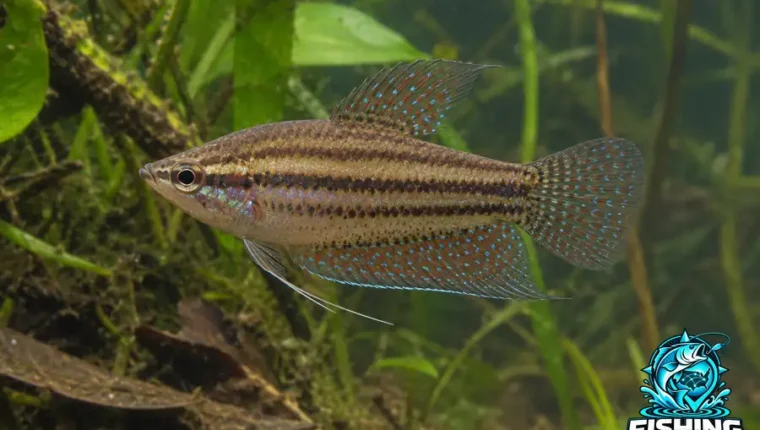
Native to still waters in Southeast Asia, including Thailand, Borneo and parts of Java.
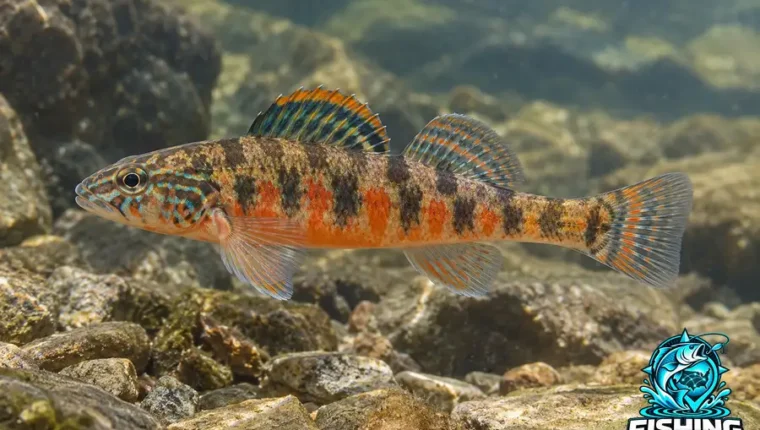
A southeastern freshwater darter found in Tennessee and Alabama.
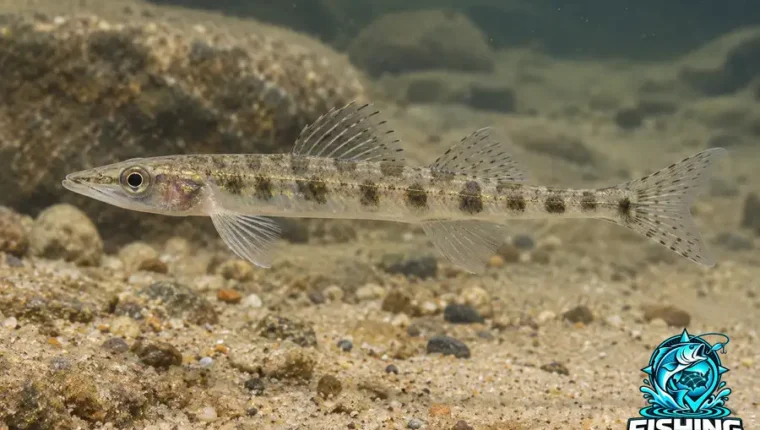
Lives in rivers of the Mississippi and Ohio basins, including waterways with moderate to swift currents.
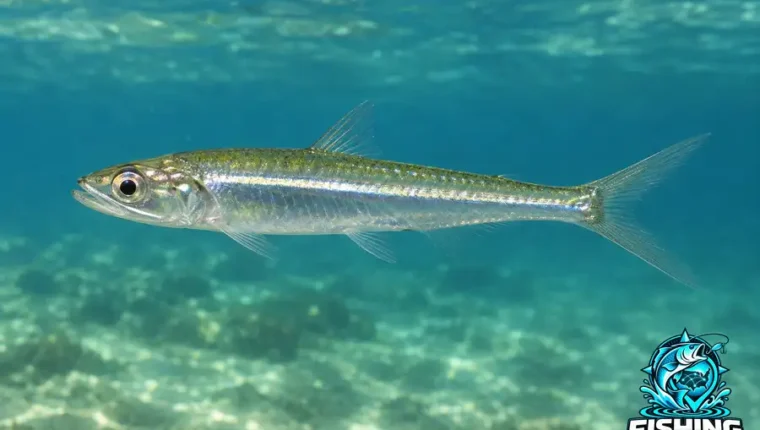
A coastal anchovy ranging from North Carolina through the Caribbean toward southeastern Brazil.
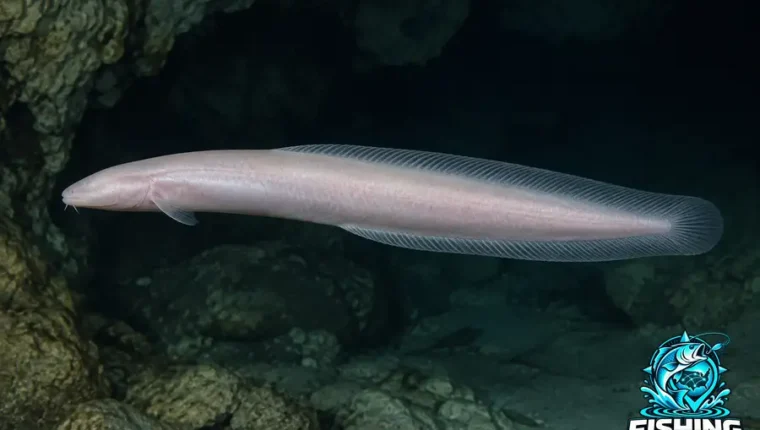
A Cuban cavefish that eats small aquatic crustaceans while living in caves, sinkholes and underground crevices.
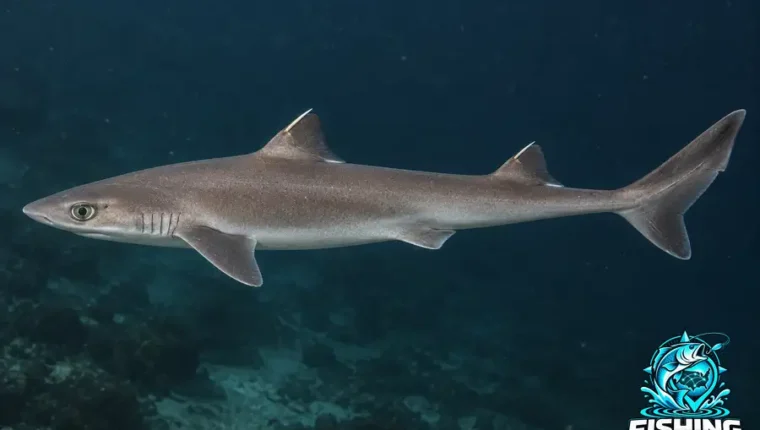
A small shark with a slender gray body, black-tipped dorsal fins and a lighter underside.
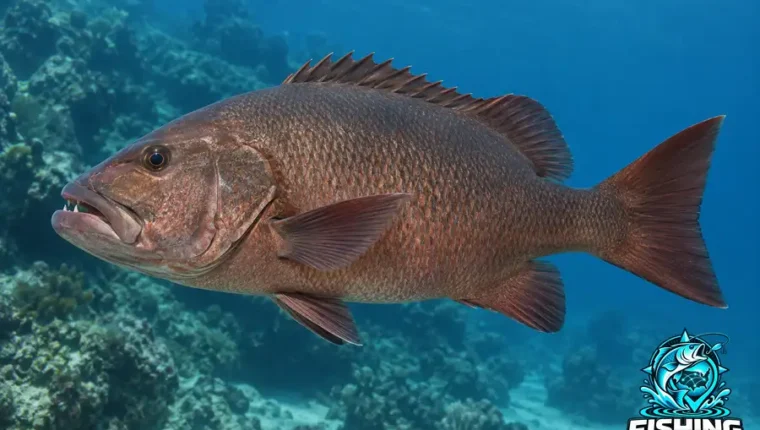
Associated with rocky ledges and reefs, where underwater structure provides habitat for this large snapper.
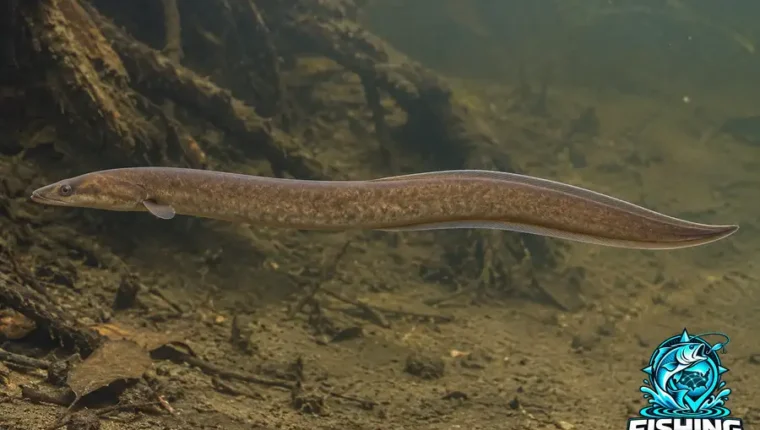
An eel-like freshwater fish found across South Asia, including Pakistan, India, Nepal, Bangladesh and Myanmar.
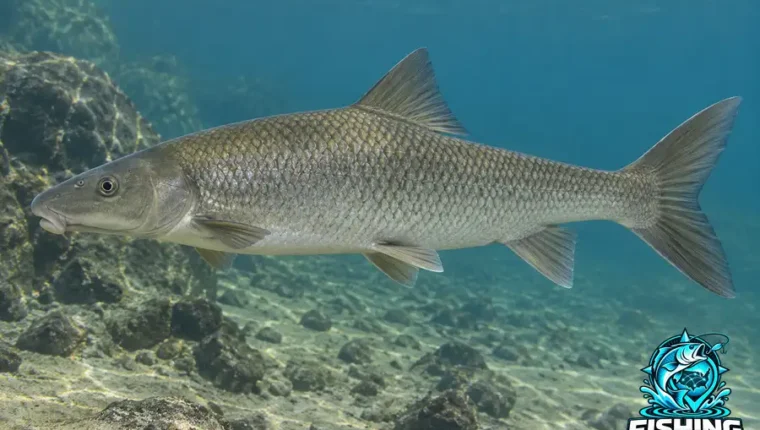
Native to Nevada’s Pyramid Lake. It also inhabited nearby Winnemucca Lake before that lake dried out.
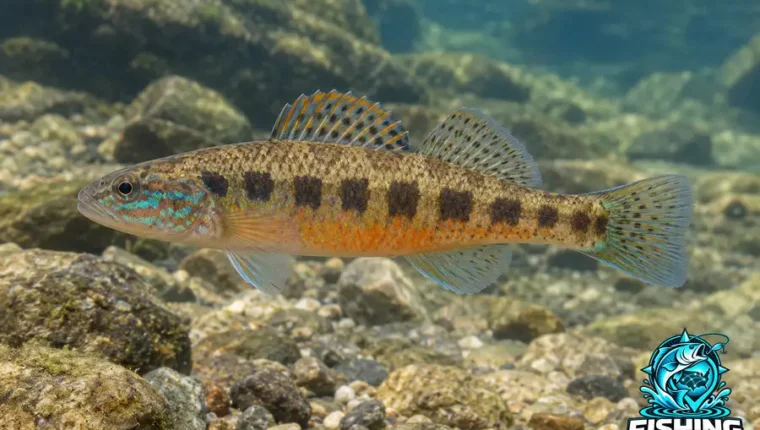
Favors shallow, slow stream sections and pools over sand or silt rather than coarse rock.
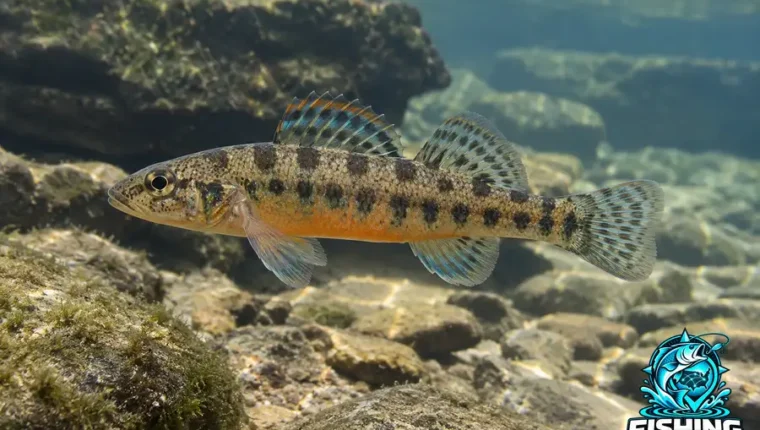
Uses rocky riffles and pools in headwater creeks and small rivers of the Cumberland Plateau region.
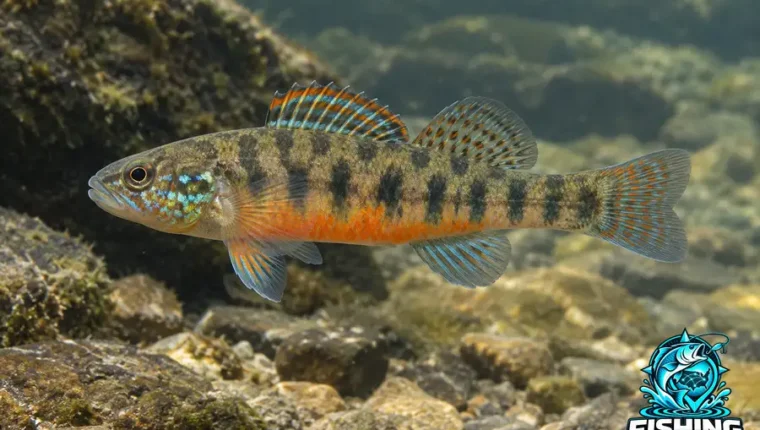
Lives in gravel riffles of small and medium-sized streams. Eggs attach to the bottom and receive no parental guarding.
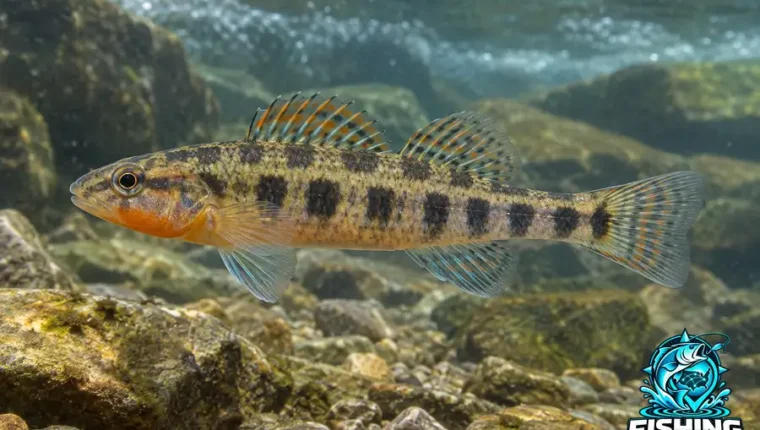
Usually occupies shallow gravel riffles, with some use of rocky runs and pools in headwater streams.
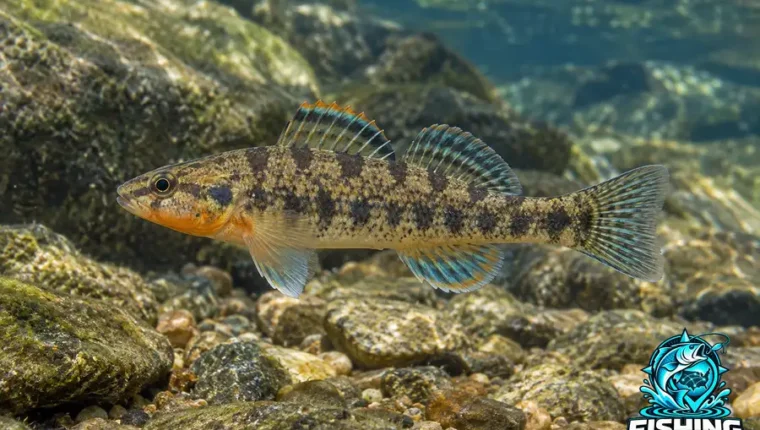
A saddled darter form native to Missouri and Arkansas waterways.
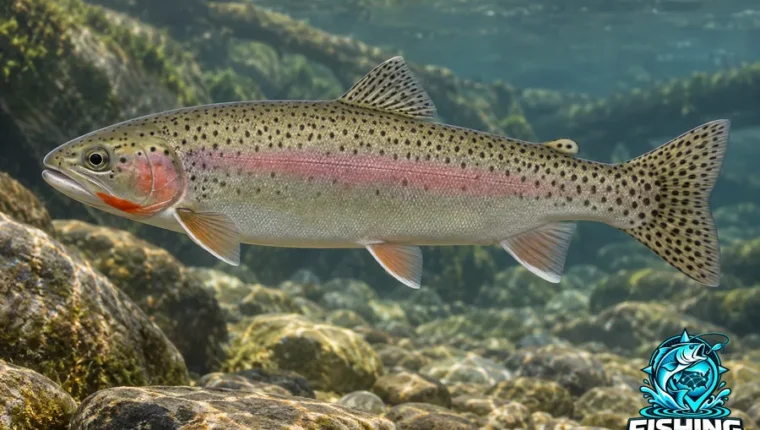
A cutthroat–rainbow trout hybrid. These crosses can occur where the two trout share freshwater habitat.
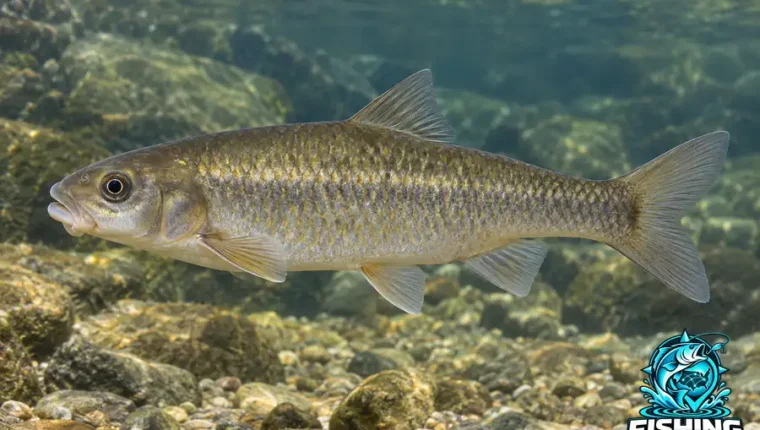
A stream minnow associated with moving water and clear pools over stones.
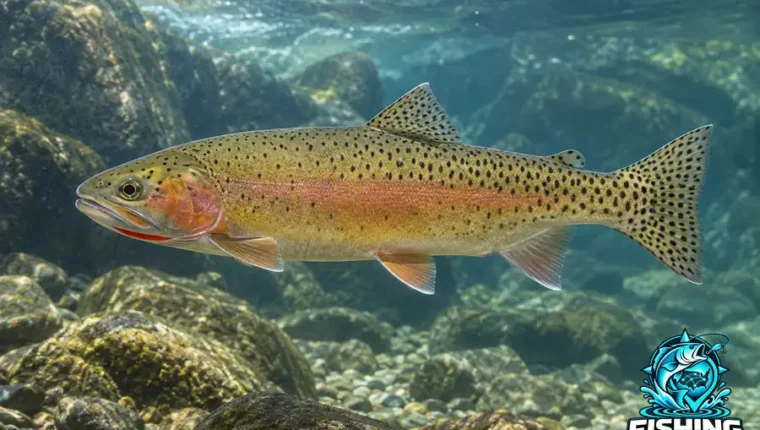
Uses clear, well-oxygenated rivers and streams. Gravel-bottomed shallows provide important spawning habitat.
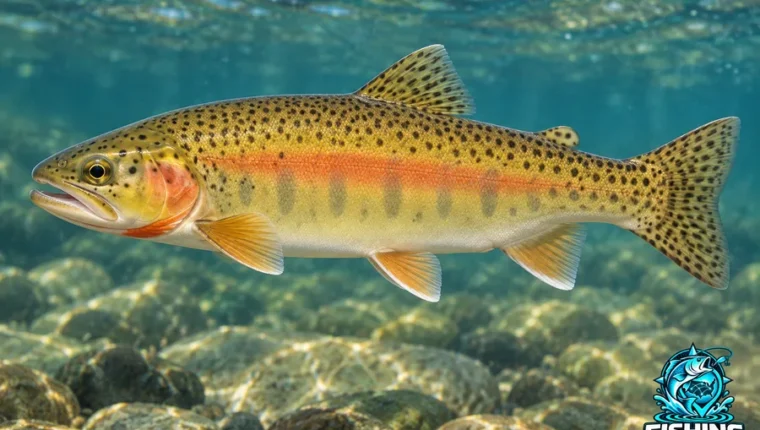
A hybrid combining cutthroat trout and golden trout, two western North American cold-water fishes.
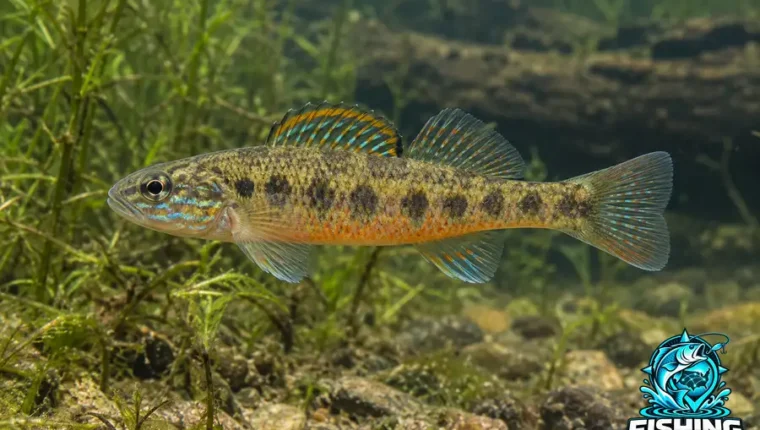
Uses plant-lined lake margins and swamp backwaters in summer, then shifts into flooded riffles and bayous during winter.
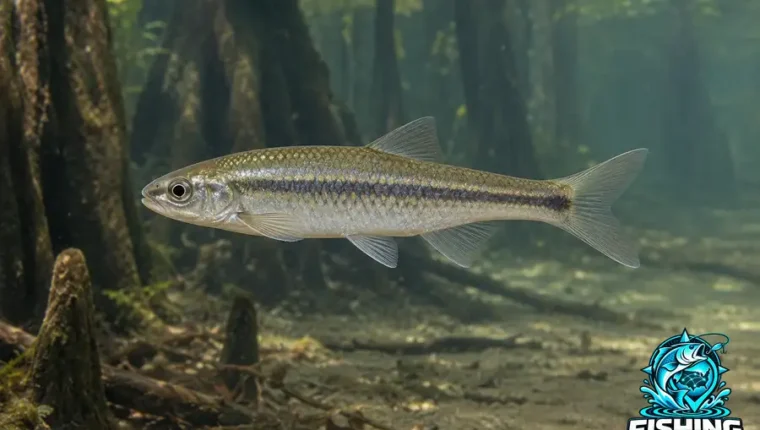
A United States minnow found in the Mississippi and Ohio drainages and several nearby river systems.
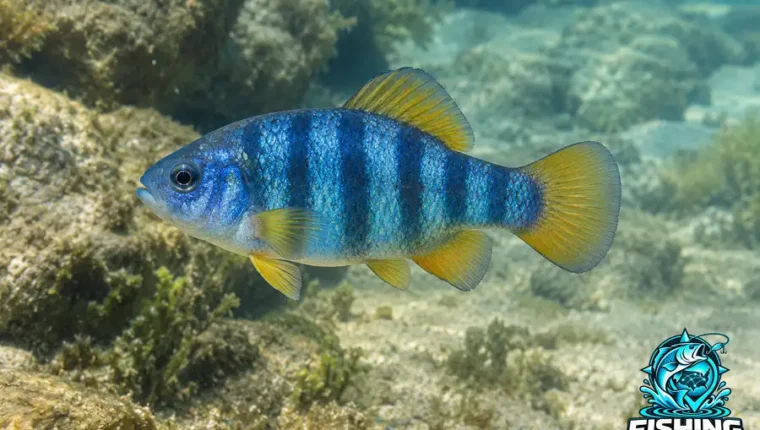
A small desert pupfish native to Sonora and Arizona, including the Quitobaquito area.