
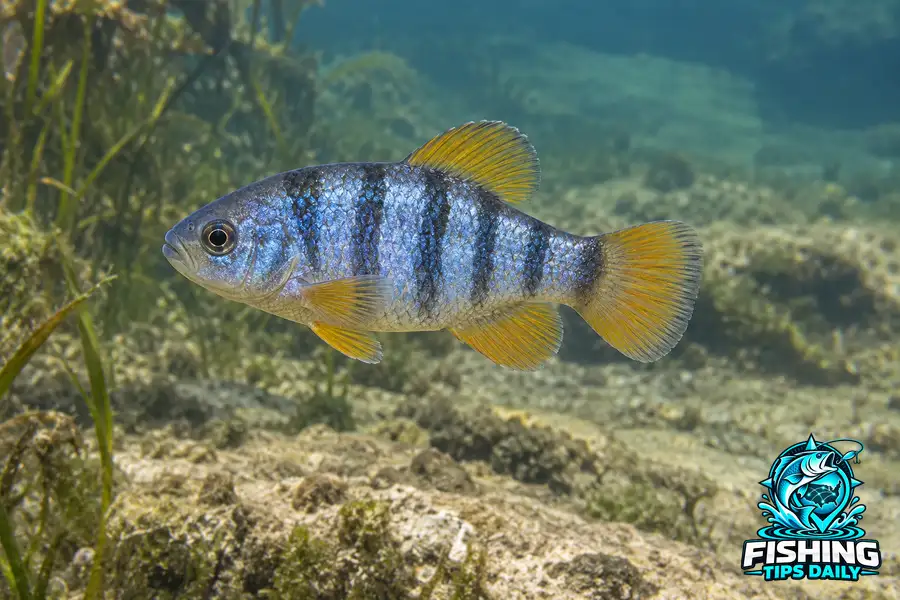
Identification
The body is streamlined for a pupfish. Breeding males have a distinctive speckled blue pattern rather than the strong vertical black bars associated with many other pupfishes. The total-length and standard-length maximums use different endpoints and should remain labeled separately.
Springs and Conservation
The original Comanche Springs population was lost when that spring system dried in the 1950s. Surviving habitat centers on the San Solomon spring system and nearby spring localities around Balmorhea. Relatively fresh spring water, marshes and connected canals form the habitat network.
Food and Reproduction
Fish feed along pool bottoms and hard surfaces. Algae dominate diet volume, while invertebrates are important to growth. Females deposit eggs singly on rocks or algal mats, and territorial males guard eggs. Reproduction can occur through much of the year where spring conditions remain suitable.
The Namesake Population Is Gone
The species persists, but not as the original Comanche Springs population. Keeping those two statements separate avoids confusing a local loss with global extinction.
All Lakes With Comanche Springs Pupfish
Browse lakes and reservoirs with documented Comanche Springs Pupfish records, listed alphabetically. Records do not establish current abundance or public access. Check the evidence and managing authority for the water you choose.
No published lakes are currently linked to this species in our confirmed records.