
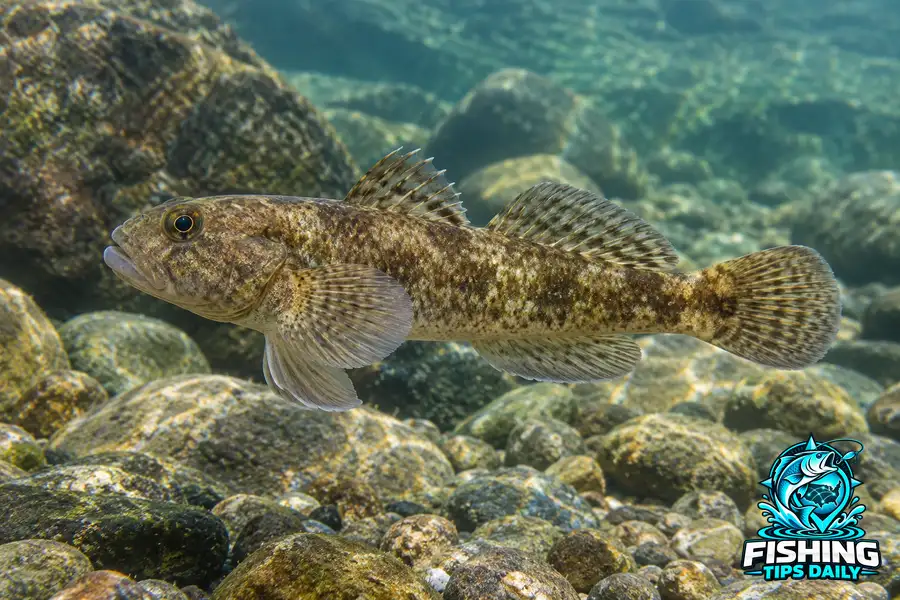
Size and Identification
The published maximum measures the fish from the snout to the base of the tail. The tail itself is excluded. Even this reference maximum describes a very small fish, so a scale beside a photograph matters. The scientific name helps separate it from other gobies with similarly descriptive English names.
Fresh Water and the Sea
Records span fresh, brackish and marine environments. The species is classified as amphidromous, a life history involving movement between fresh and salt water during development. That classification should not be read as evidence that every adult lives permanently in an estuary.
Regional Observations
Its documented distribution includes Japan, the Philippines, Indonesia and several western Pacific island groups. An observation should retain the island or drainage and the water’s salinity, because those details help interpret this broad geographic and environmental range. Detailed feeding and breeding accounts remain limited.
Measure to the Tail Base
The 4.8-centimeter maximum is standard length. Adding an assumed tail allowance would turn a documented measurement into an estimate.
All Lakes With Chiseltooth Goby
Browse lakes and reservoirs with documented Chiseltooth Goby records, listed alphabetically. Records do not establish current abundance or public access. Check the evidence and managing authority for the water you choose.
No published lakes are currently linked to this species in our confirmed records.