
Āholehole
Hawaiian flagtails often use coastal and brackish waters. Several closely related species share the name āholehole.

Browse all 73 fish starting with A. Select a name to explore its species profile.
Choose a letter to see every fish starting with that letter.
Hawaiian flagtails often use coastal and brackish waters. Several closely related species share the name āholehole.
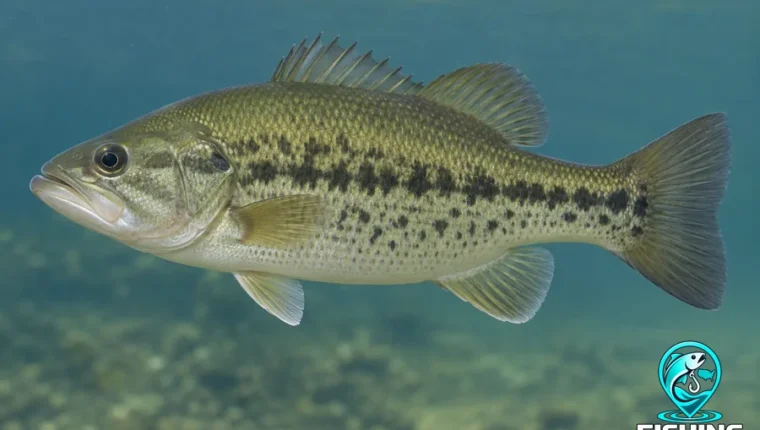
Native to rivers flowing into Mobile Bay. Lives in flowing river pools and reservoirs across parts of the Southeast.

Lives in underground pools at Key Cave in northwestern Alabama. Its cave food web depends heavily on nutrients from bats.
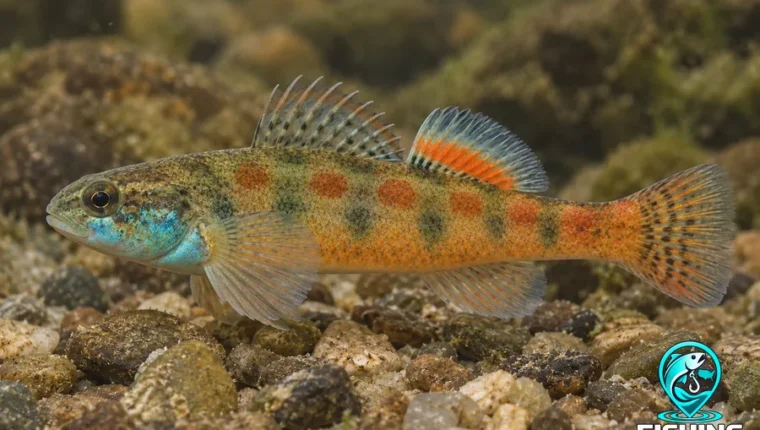
Found in the Alabama River system, including headwater streams of the Cahaba River. Most populations occur below the fall line.
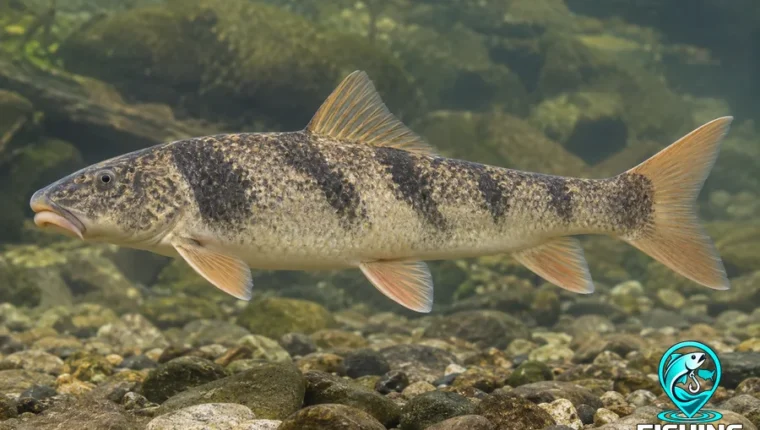
A southeastern river fish native to Alabama and neighboring parts of Mississippi, Tennessee and Georgia.
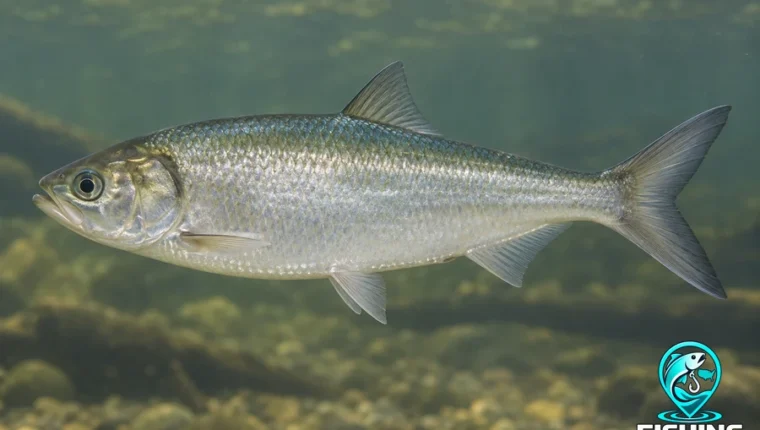
Spawns in flowing Gulf Coast rivers, from the Mississippi River system east to Florida’s Suwannee River.
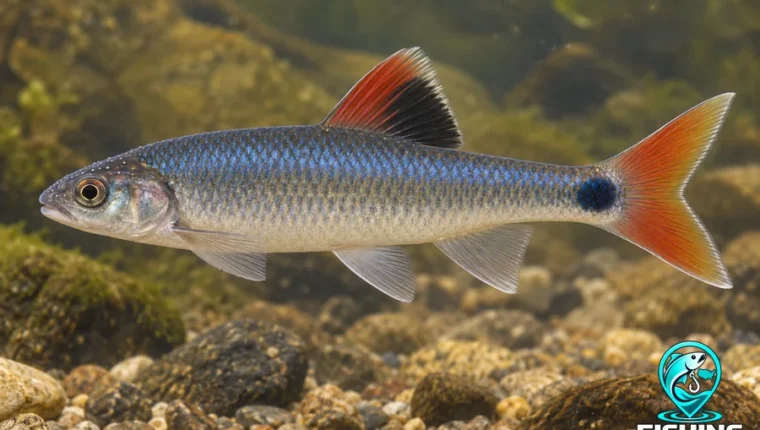
Native to the Alabama and Tombigbee river systems, with populations across Alabama and nearby Georgia, Mississippi and Tennessee.
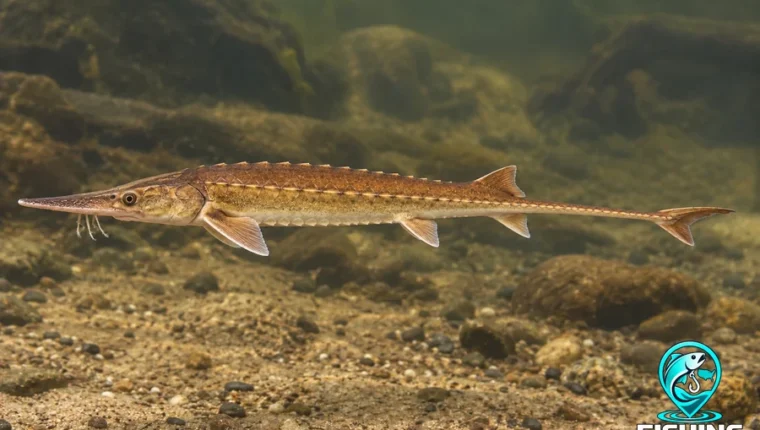
A small sturgeon with yellow-orange coloring, historically found throughout Alabama’s Mobile River system.
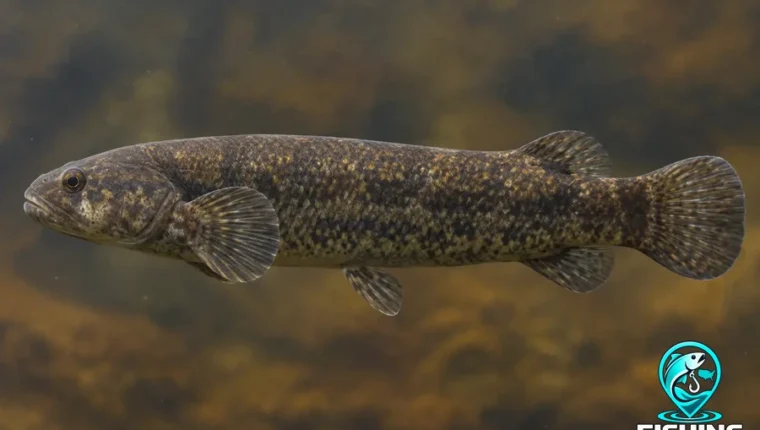
Lives in Alaska’s ponds, lakes and slow water. Eats insect larvae and small crustaceans, and can breathe air.
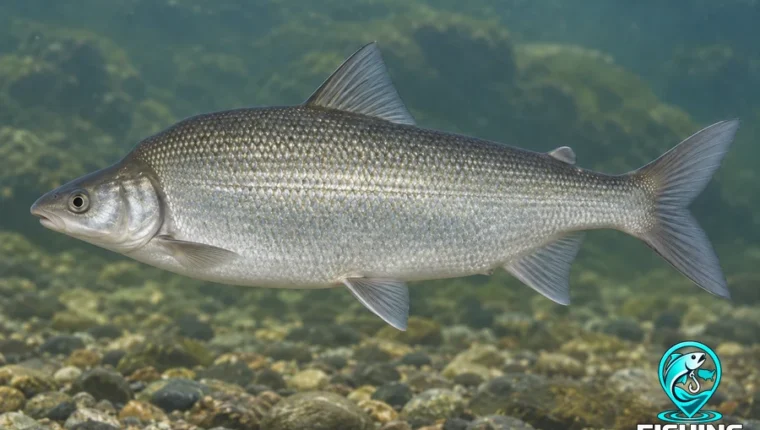
A northwestern North American whitefish that mainly inhabits rivers. Unlike many whitefish, it is seldom found in lakes.
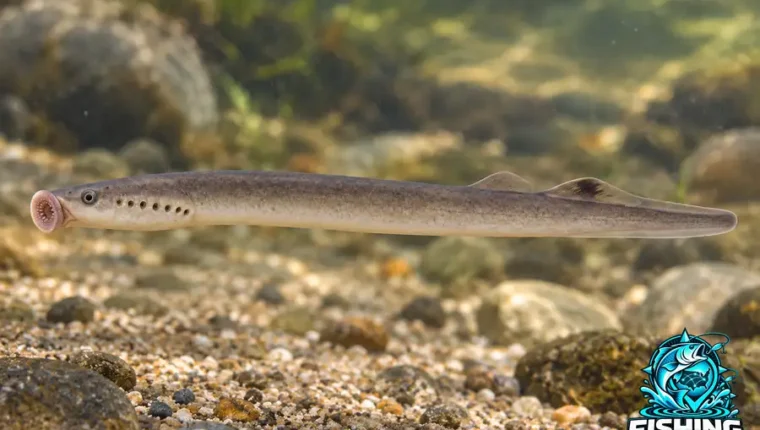
A nonparasitic northern lamprey associated with Alaska’s freshwater streams. Unlike parasitic lampreys, adults do not feed from other fish.
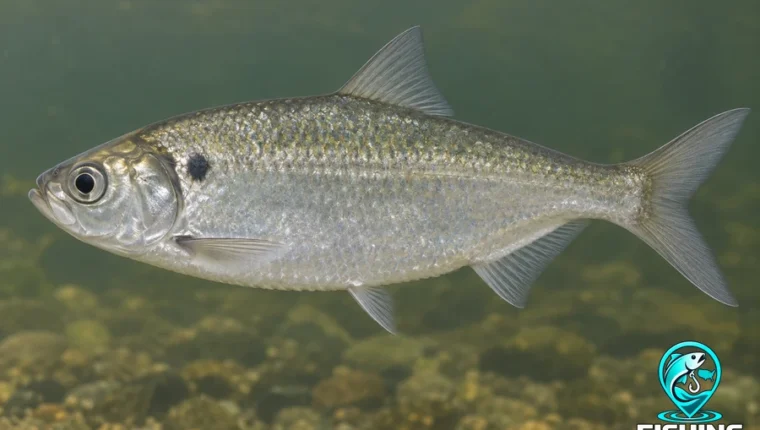
An Atlantic herring that enters rivers to spawn. Landlocked populations also live in the Great Lakes and other freshwater systems.
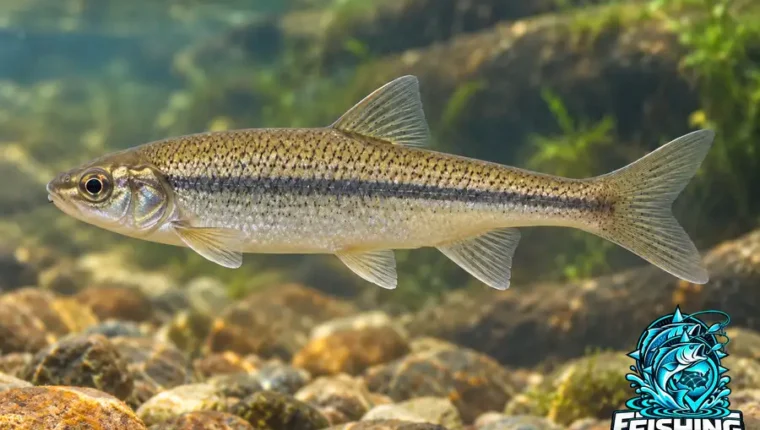
Feeds on algae and small arthropods. Found across southern Canada and the northern United States, with a greenish back and silvery sides.
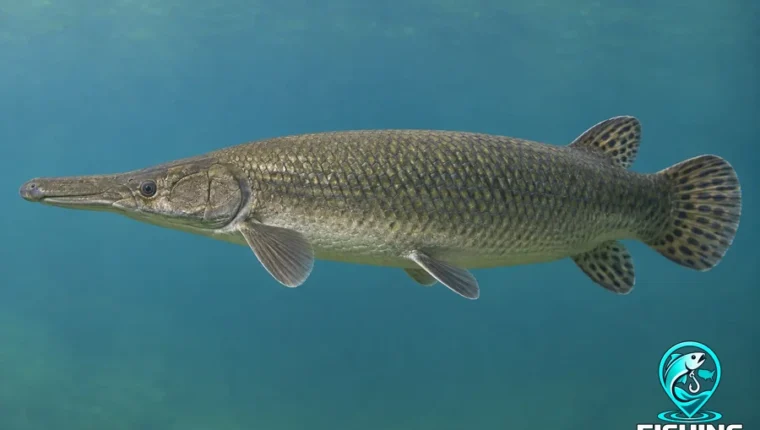
North America’s largest gar has a broad, alligator-like snout and heavy protective scales. It can breathe air as well as water.
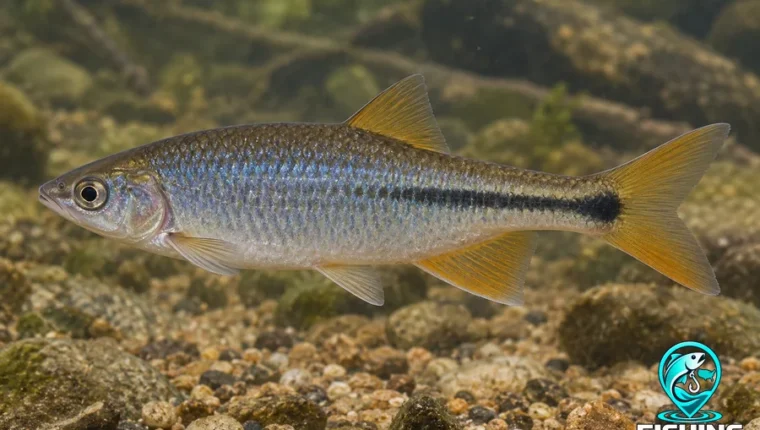
Found in the upper Altamaha River system of north-central Georgia, mainly in streams above the coastal plain.
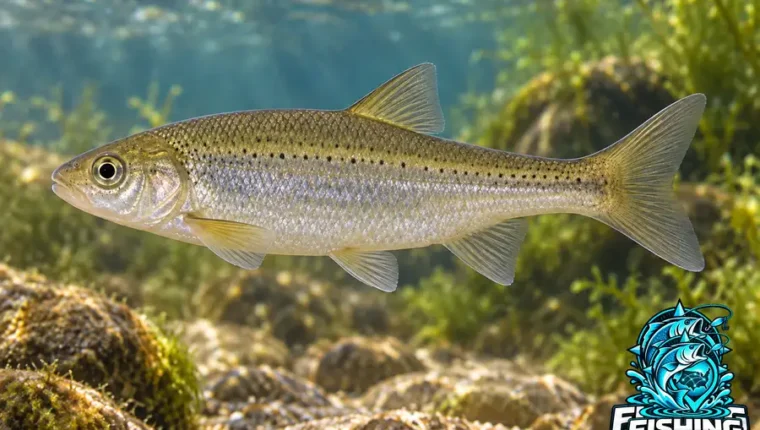
Lives in isolated Oregon and Nevada springs, streams and marshes. Aquatic insects, especially midge larvae, form part of its diet.
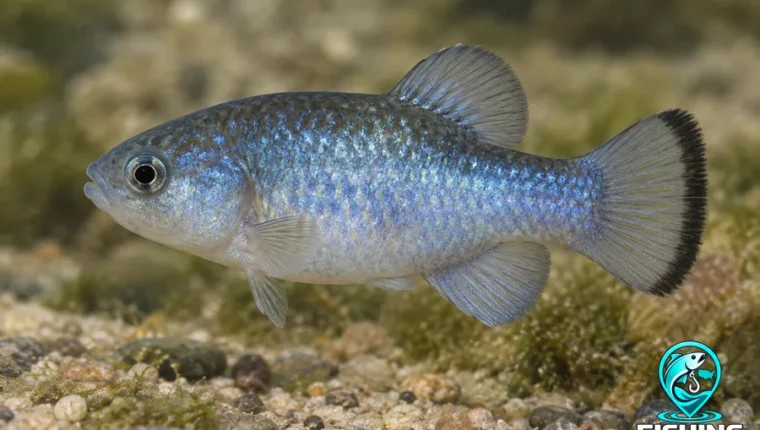
A tiny desert fish from California and Nevada. Eats algae and small invertebrates in springs, streams and spring-fed pools.
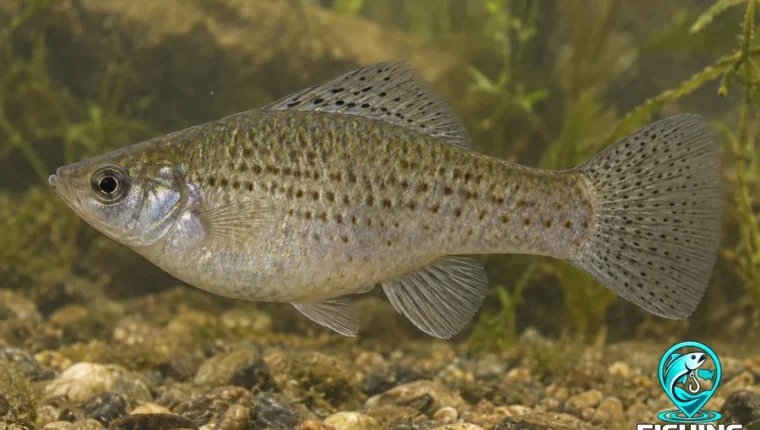
Native to southern Texas and northeastern Mexico. This unusual livebearing fish has almost entirely female populations.

A tropical armored catfish native to the Amazon River system. Usually stays near the bottom and can gulp air when oxygen drops.
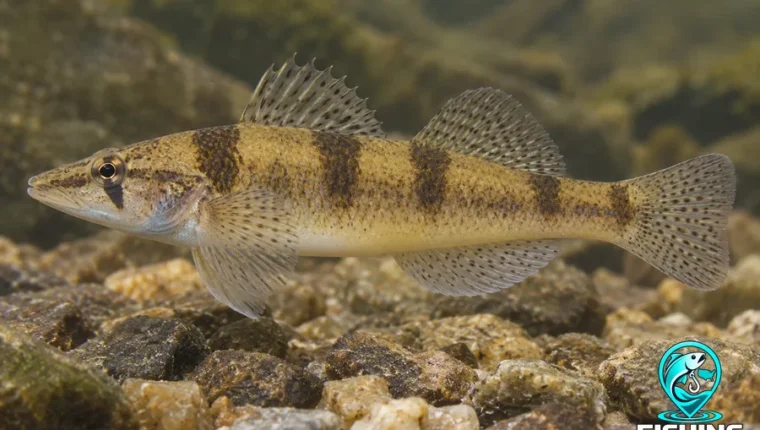
Found in Georgia’s and Tennessee’s Conasauga and Etowah rivers. Eats small invertebrates among gravel and sand in shallow riffles.
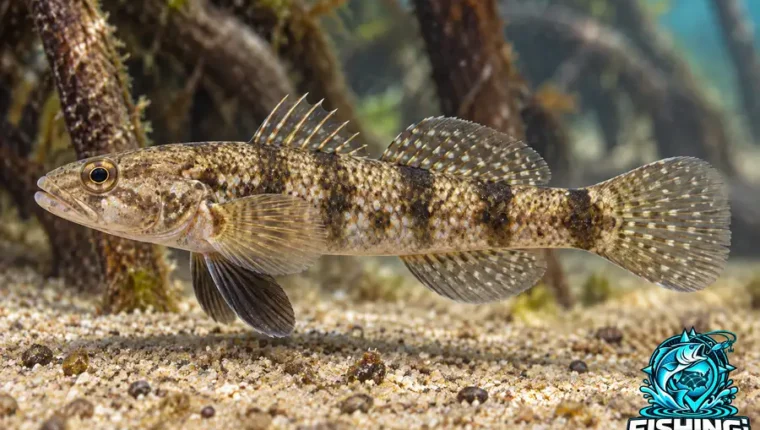
An Indo-West Pacific gudgeon found around island coasts. Uses freshwater, brackish and marine habitats across much of its range.
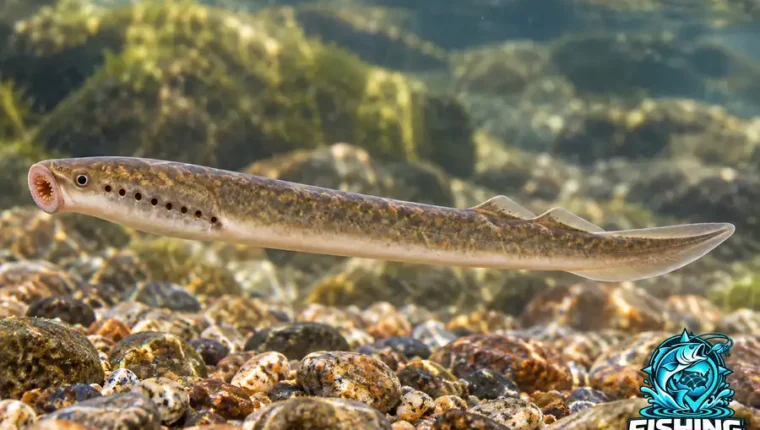
A nonparasitic North American lamprey. Adults have weak teeth and do not attach to other fish to feed.
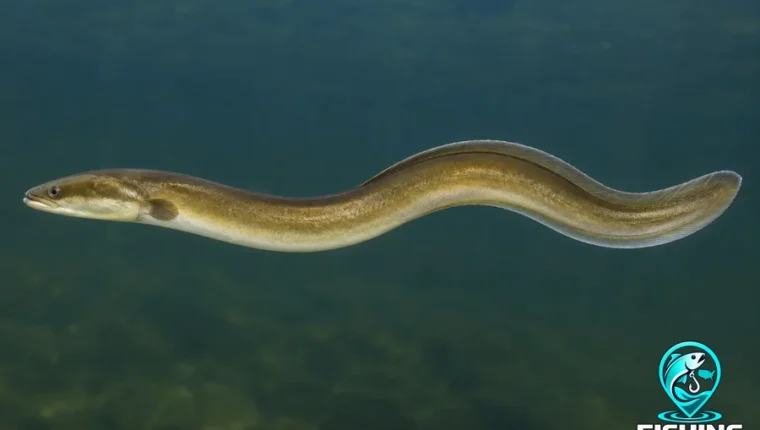
Lives in freshwater and estuaries along eastern North America, then migrates into the Atlantic to spawn in the Sargasso Sea.
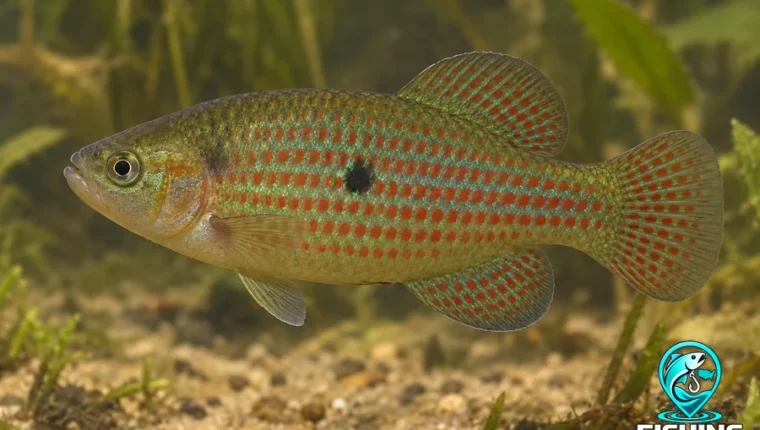
A small Florida fish whose breeding males have a colorful, flag-like pattern. Also commonly kept in freshwater aquariums.
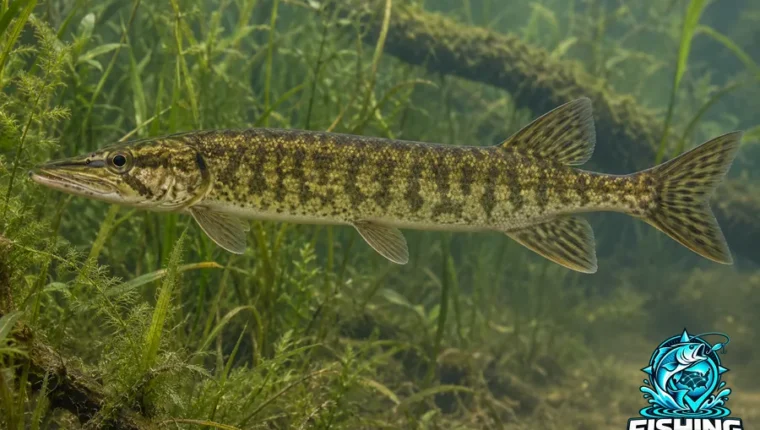
A small predator of weedy lakes, pools and wetlands. Eats smaller fish in slow-moving water.
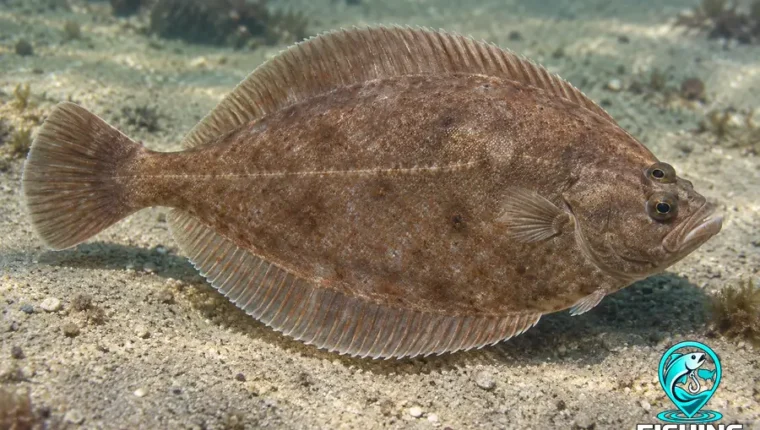
A North Atlantic flatfish that rests on soft seafloors. Found on both sides of the ocean, including waters off northeastern North America.
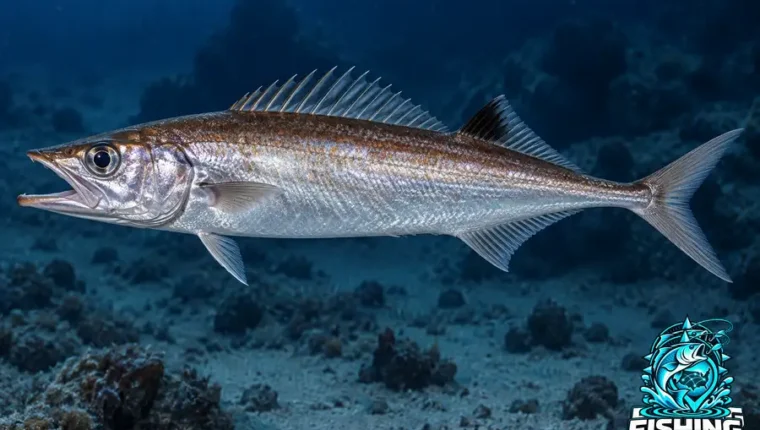
A western Atlantic fish recorded from Bermuda south to Brazil, including offshore waters around the Caribbean.
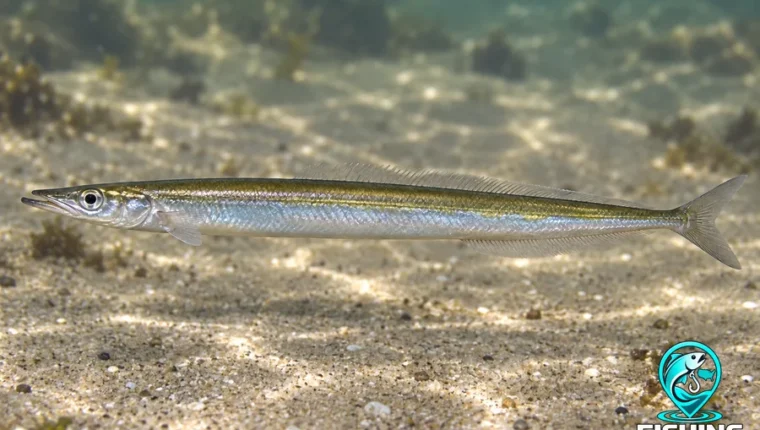
Schools near the surface of the western North Atlantic and mainly eats plankton. Buries itself in sand toward evening.
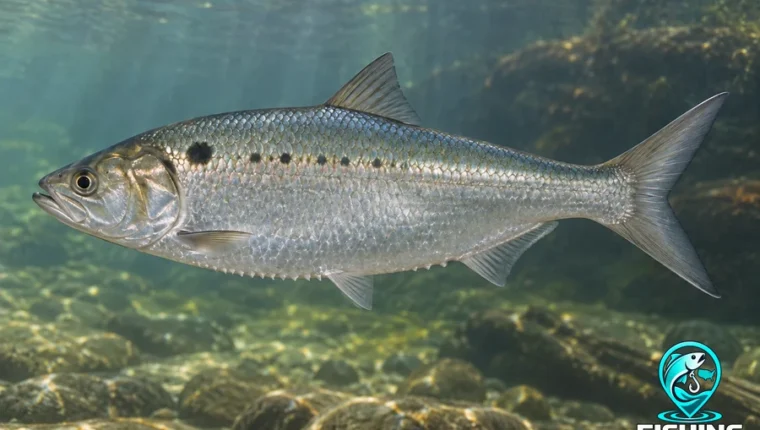
Native to the Atlantic coast from Newfoundland to Florida. Adults commonly weigh a few pounds and migrate into rivers to spawn.
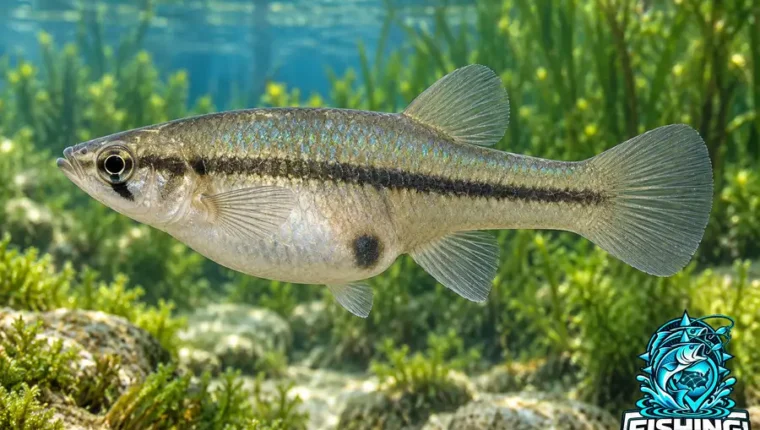
An extinct Texas fish once found only in Goodenough Spring. Its natural habitat disappeared beneath Amistad Reservoir.

A cichlid with its exact species unconfirmed. Related species differ in adult size, habitat and feeding habits.
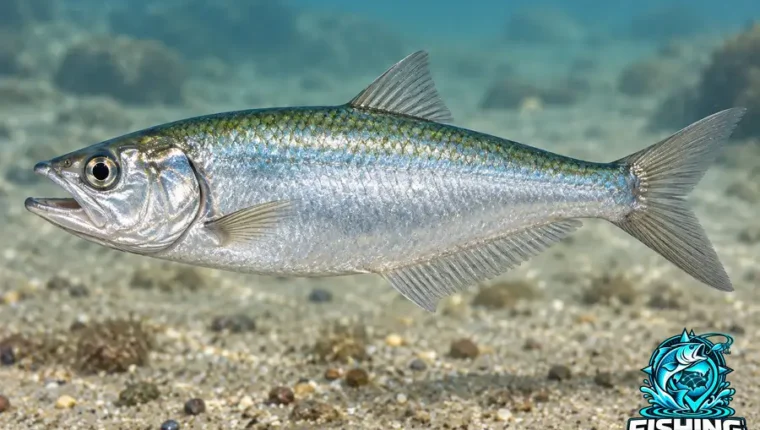
An eastern Pacific anchovy ranging from southern California to Peru, including the Gulf of California and Galapagos Islands.
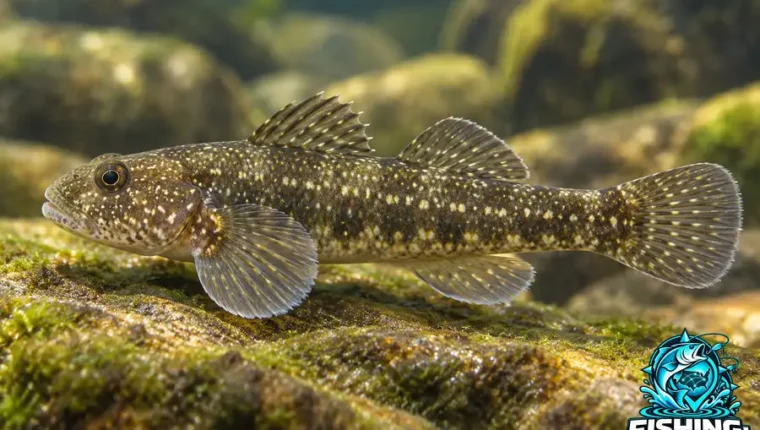
A Caribbean river goby that grazes on microscopic algae. Its young spend part of their early life at sea.
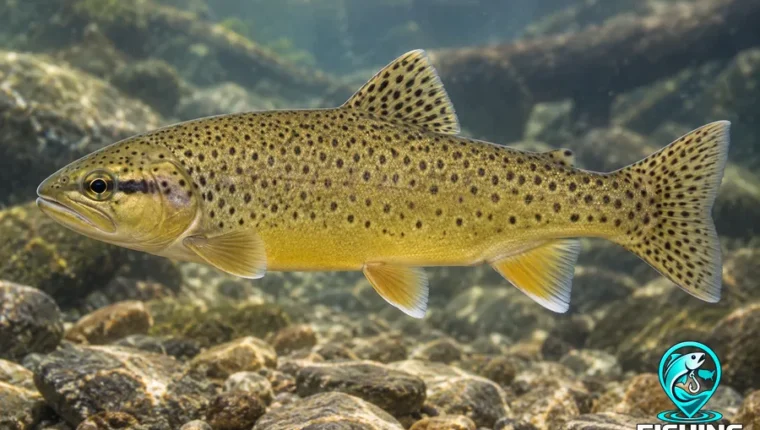
A trout native to Arizona’s mountain waters, with a much smaller natural range than rainbow trout.
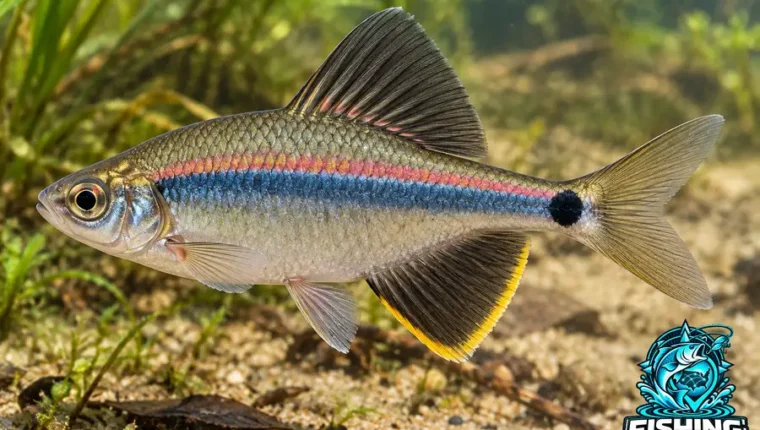
A small fish of the Apalachicola River system, with native populations in Georgia, Alabama and the Florida Panhandle.
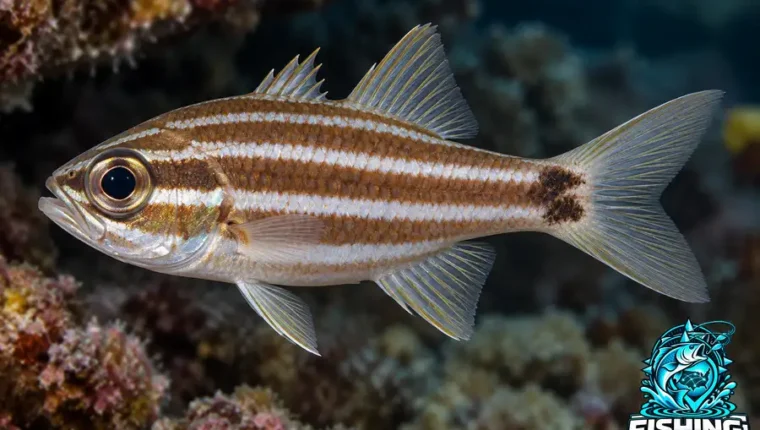
A deep-water cardinalfish recorded around the Austral Islands and Rangiroa in the southern-central Pacific.
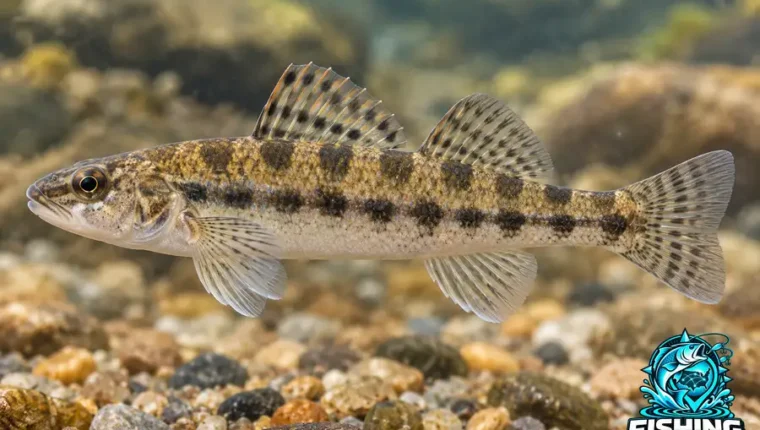
Lives in the New River system upstream of Kanawha Falls. This small freshwater fish has a naturally limited Appalachian range.

Shoots insects from overhanging vegetation with jets of water. Found around Indo-Pacific river mouths and mangrove estuaries.
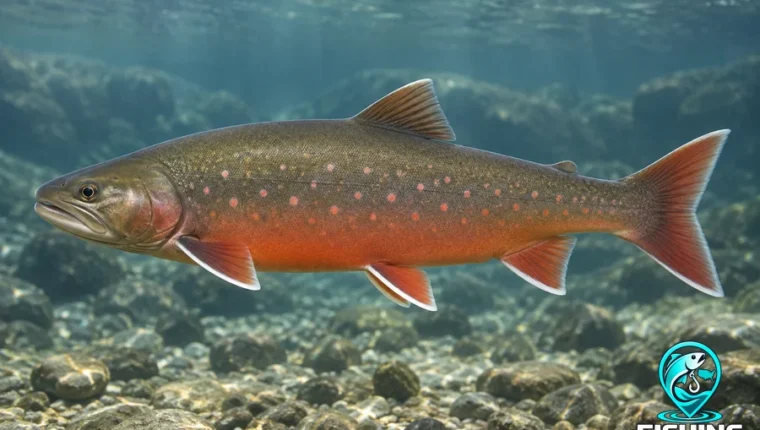
A cold-water fish of Arctic coastal waters and northern or alpine lakes. Some populations migrate between freshwater and the sea.
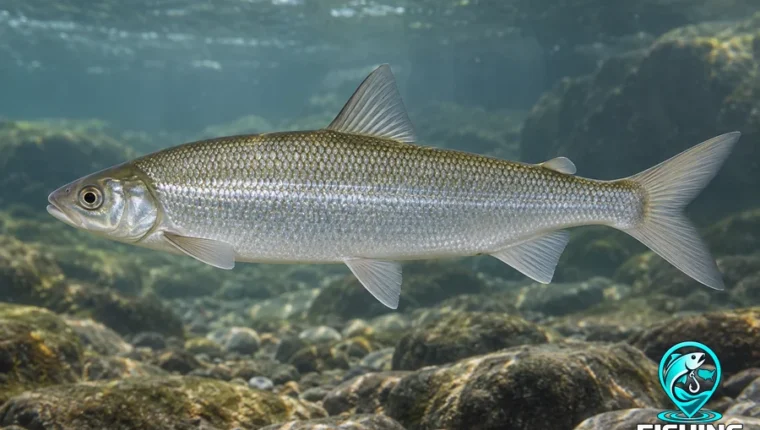
A northern whitefish found in Arctic Siberia, Alaska and Canada. Often moves between freshwater and coastal waters.
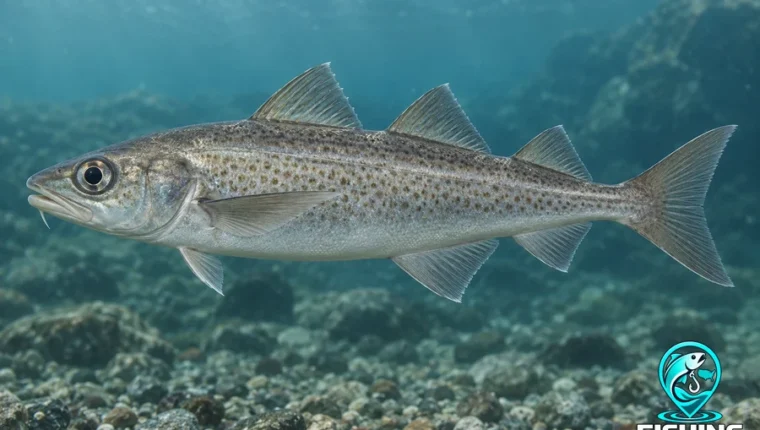
A cold-water fish of Arctic seas and nearby northern waters, including the Bering Sea and waters off Labrador.
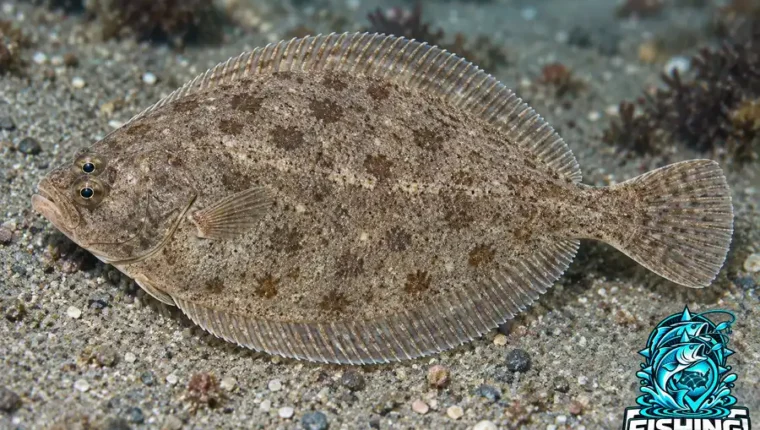
Rests on muddy coastal bottoms in Arctic waters. Can live in saltwater, brackish estuaries and freshwater.
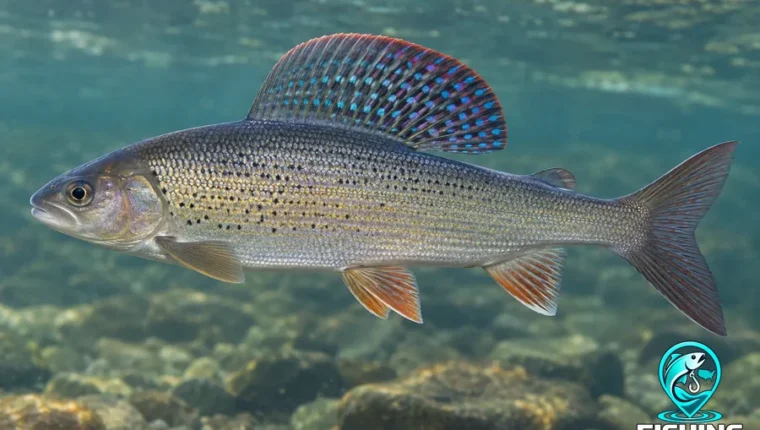
A northern freshwater fish found across Alaska, Canada and Siberia, with native populations also in Montana’s upper Missouri system.
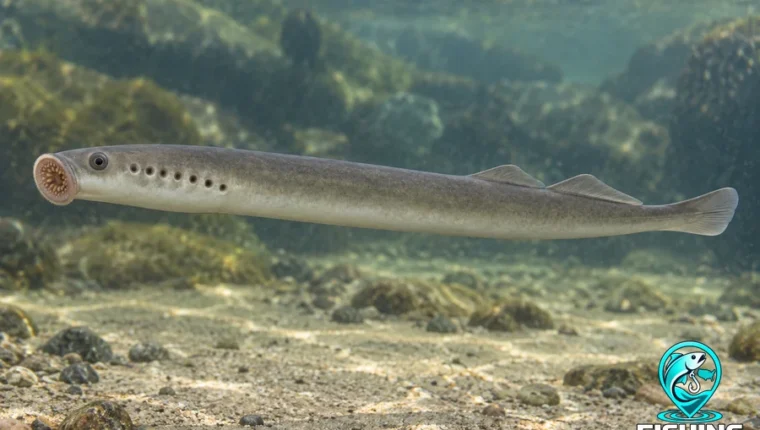
Lives in Arctic coastal freshwater habitats. Its range extends around northern parts of the Pacific and Arctic regions.
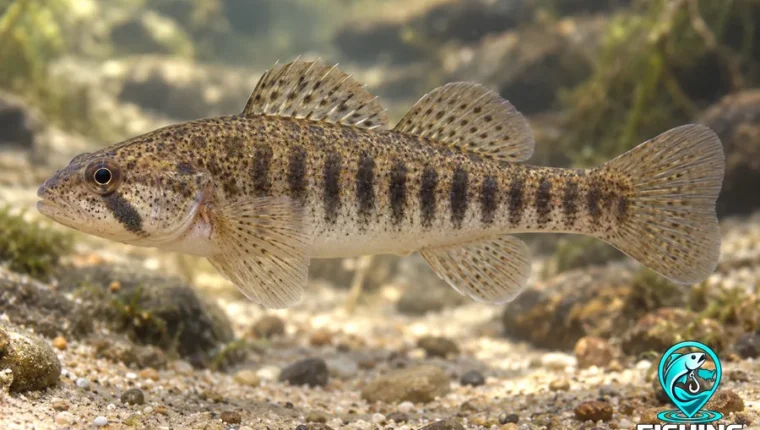
A small freshwater darter found in Kansas, Arkansas, Missouri, Colorado and Oklahoma. Its native range lies in the central United States.
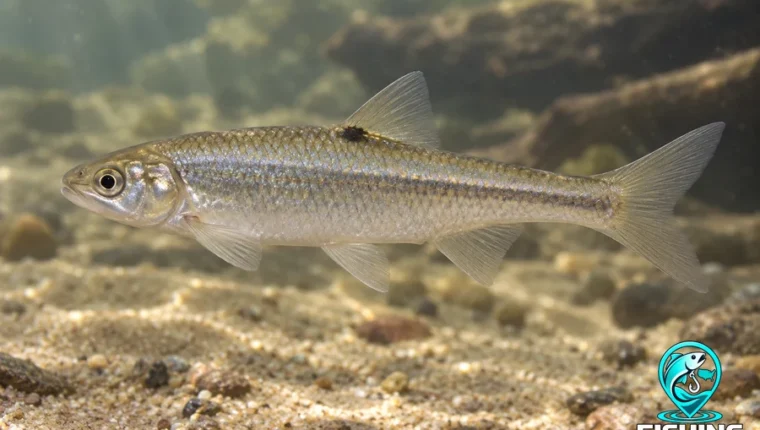
Historically widespread in the Arkansas River system. Remaining populations are especially associated with the Canadian River in Oklahoma, Texas and New Mexico.
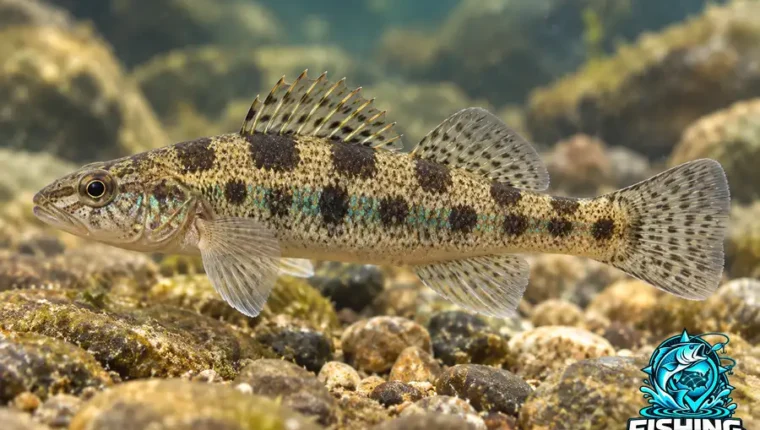
Lives in fast, rocky riffles of the White River system in Arkansas and Missouri, often over gravel and rubble.
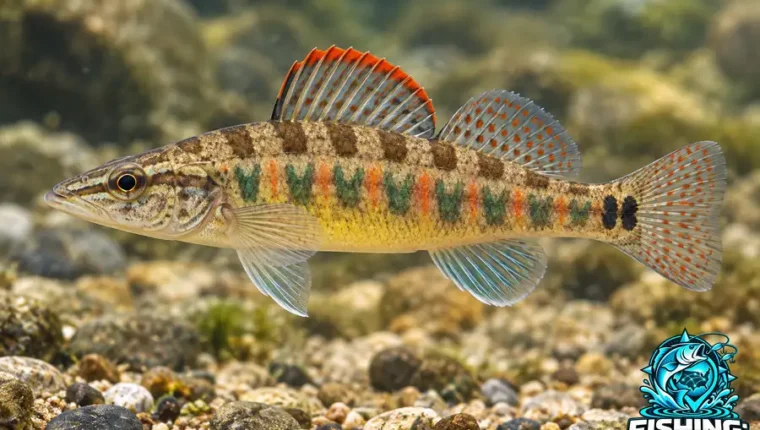
Lives in Kentucky and Tennessee streams within the Cumberland and Kentucky river systems. A small fish with a restricted regional range.
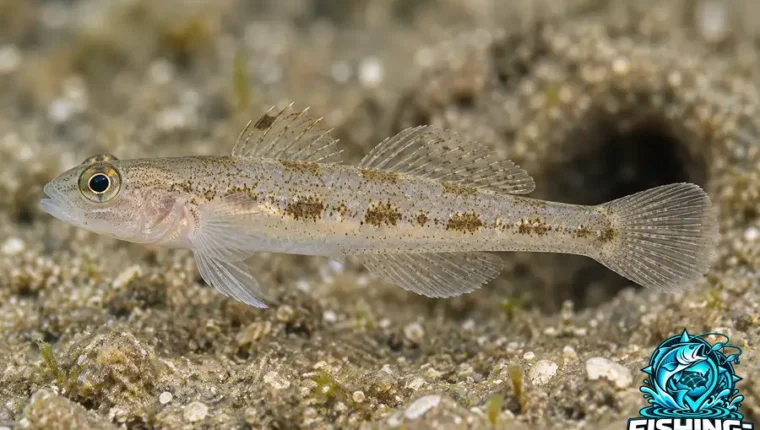
A small goby of Pacific coastal saltwater and brackish habitats, ranging from British Columbia south to Baja California.
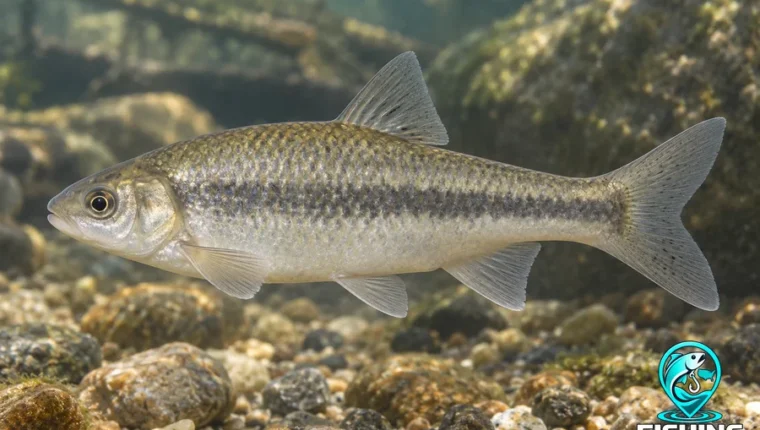
Native to coastal streams in southern California. This freshwater chub has a much smaller natural range than many western minnows.
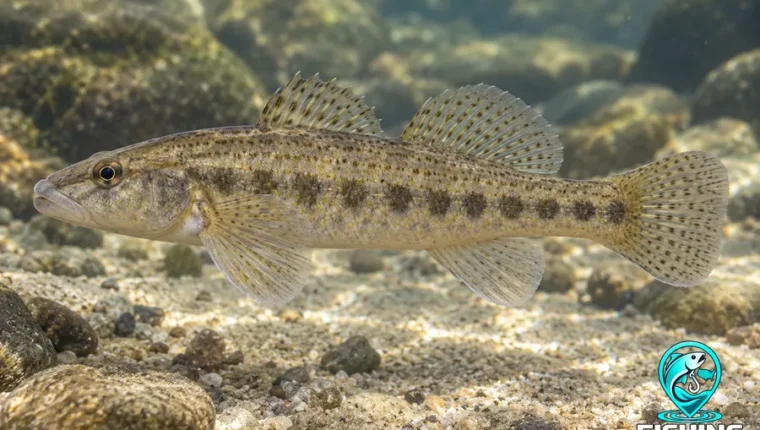
Native to the Elk and upper Tennessee river basins in Virginia, Tennessee and Georgia.
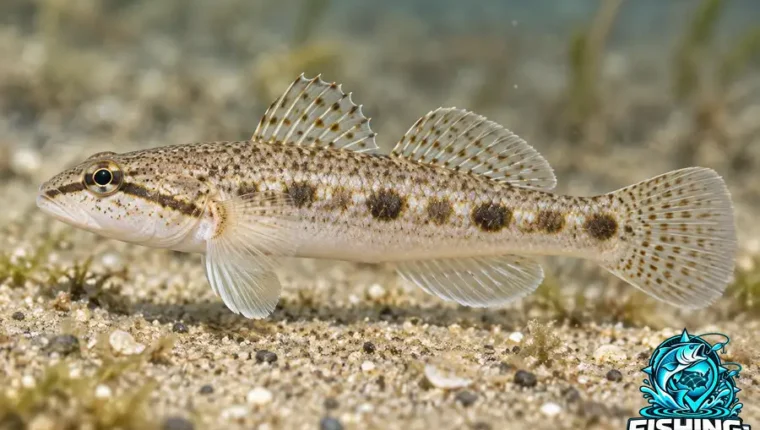
A coastal goby native from northern Vietnam and southern China north to Korea and Japan.
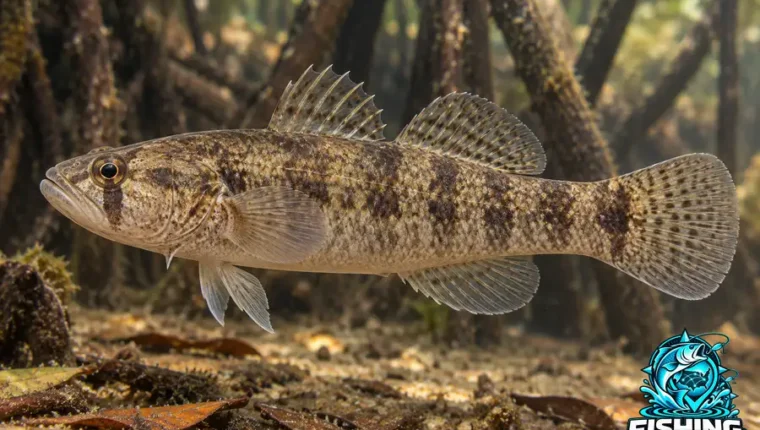
An Indo-Pacific sleeper using fresh, brackish and marine water, with records from Indonesia toward Japan and New Caledonia.
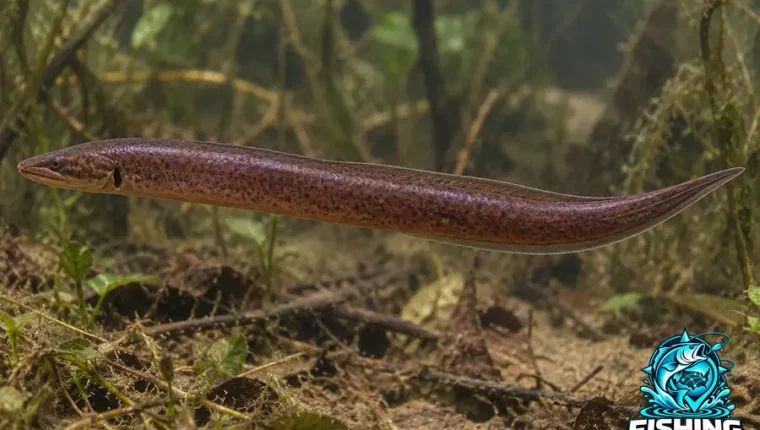
Lives in freshwater and brackish rivers and swamps across South Asia and parts of Oceania.

A subtropical Atlantic flyingfish ranging from Massachusetts through the Gulf of Mexico and Caribbean toward Trinidad and Tobago.
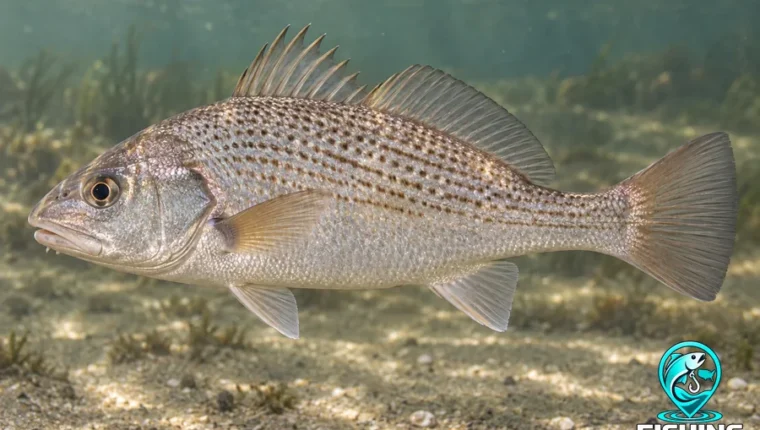
A coastal fish frequently found in sounds and estuaries from Massachusetts south through the Gulf of Mexico.

An Atlantic flyingfish ranging from eastern Canada to southern Brazil, with additional populations off western Africa.
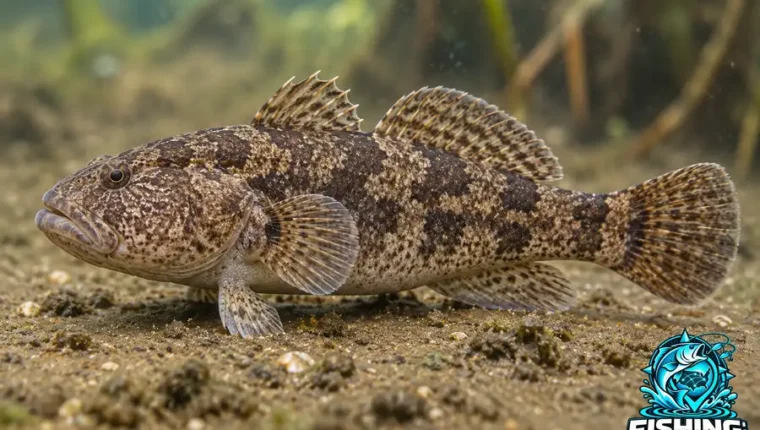
Uses fresh and brackish coastal habitats from Florida and Cuba south through the Caribbean toward Brazil.

Forms huge schools in the North Atlantic. Eats tiny crustaceans such as copepods and krill, along with some small fish.
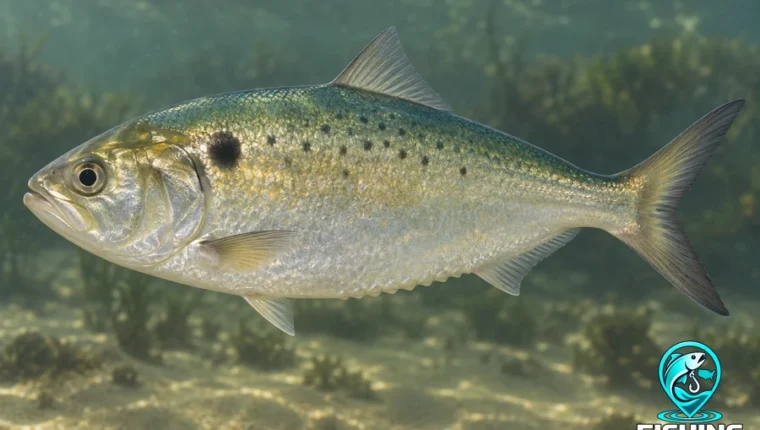
A schooling fish of Atlantic coastal waters and estuaries from Nova Scotia to northern Florida. Young fish commonly use sheltered bays.
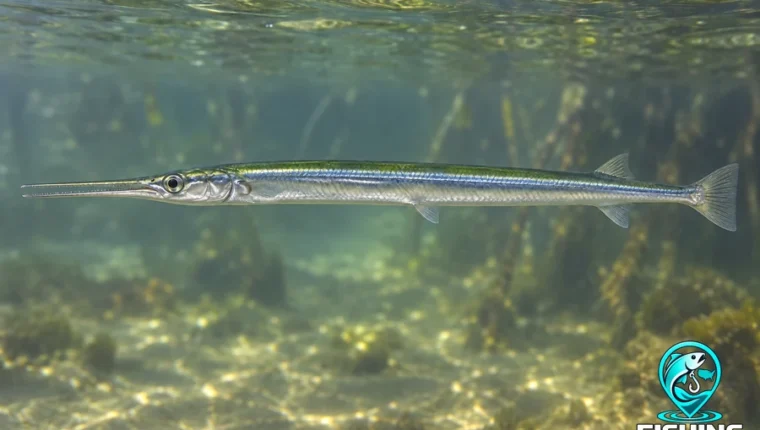
A slender, long-beaked predator found from Maine to Brazil. Uses quiet coastal waters and sometimes ventures into freshwater.

Lives in warm Atlantic surface waters, including the Gulf Stream, Caribbean and Gulf of Mexico, with a separate eastern Atlantic population.
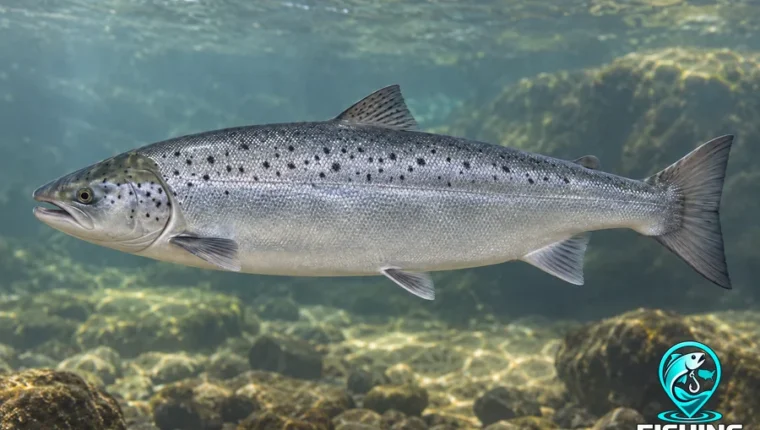
Usually grows at sea before returning to rivers to spawn. Some populations spend their entire lives in freshwater lakes.
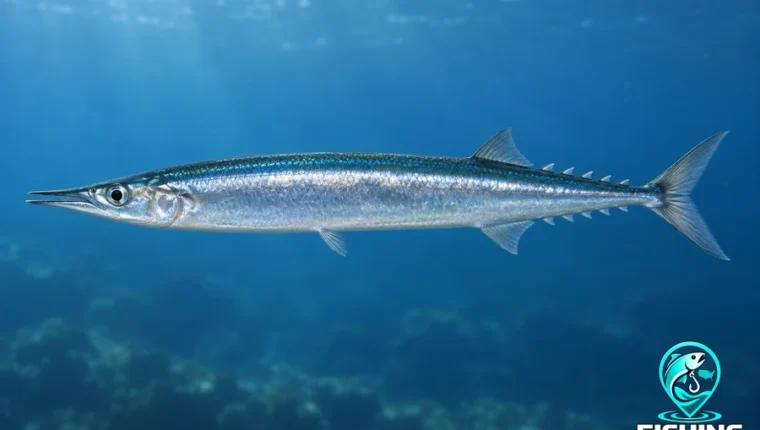
A slender Atlantic fish found off eastern North America and Europe. Also occurs in the Mediterranean and nearby seas.
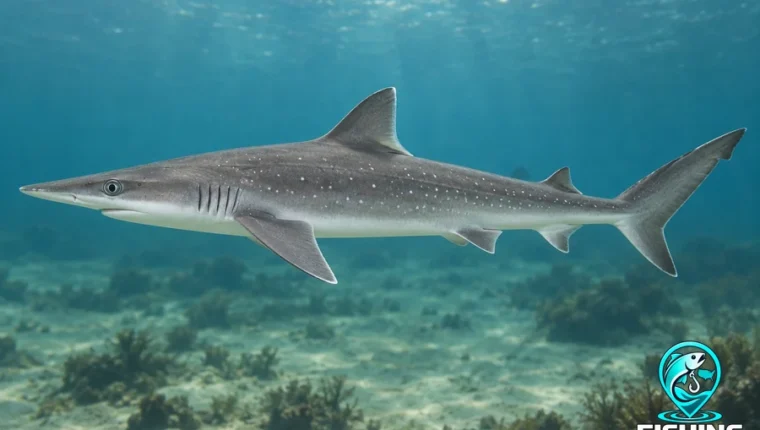
A small shark of warm northwestern Atlantic waters. Its range includes subtropical coastal areas of North America.
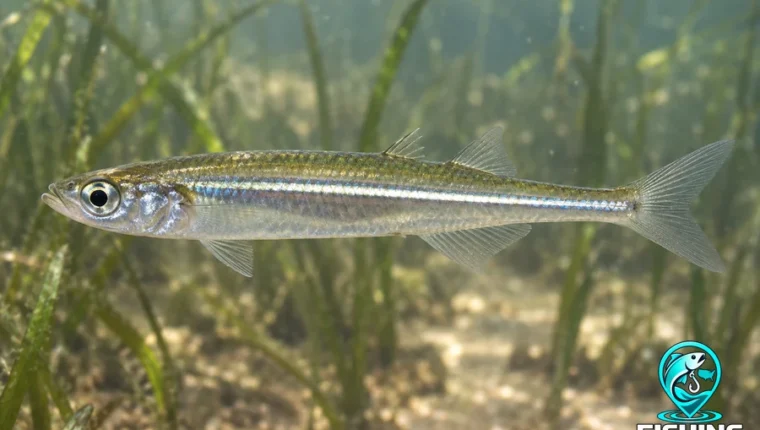
A small, silvery fish common in Atlantic coast estuaries. A bright silver stripe runs along its mostly translucent body.
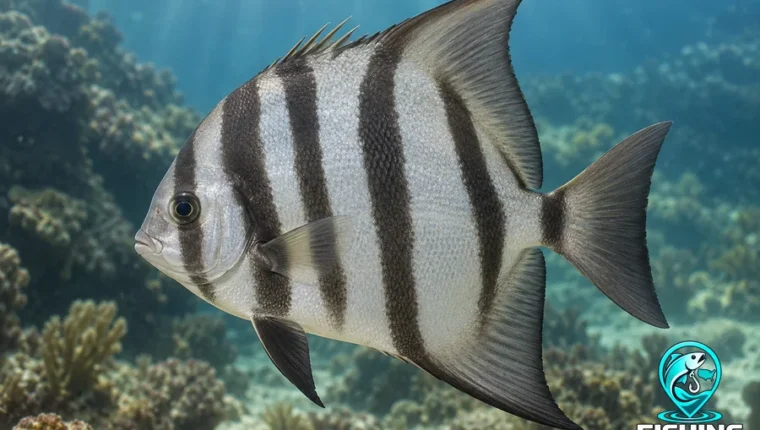
Eats small bottom-dwelling animals, including crustaceans, mollusks, worms and jellyfish relatives.

A long-snouted stingray found from Chesapeake Bay to Mexico. Uses coastal saltwater, brackish estuaries and some freshwater habitats.
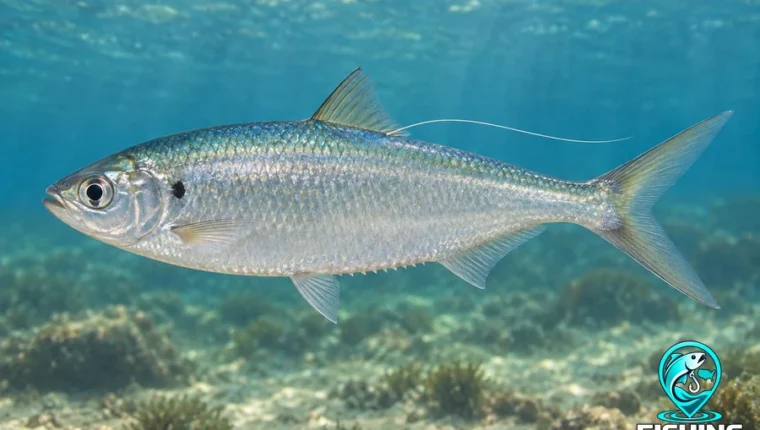
Feeds mainly on plankton, with small fish and crustaceans also eaten. Found in shallow western Atlantic waters and harbors.
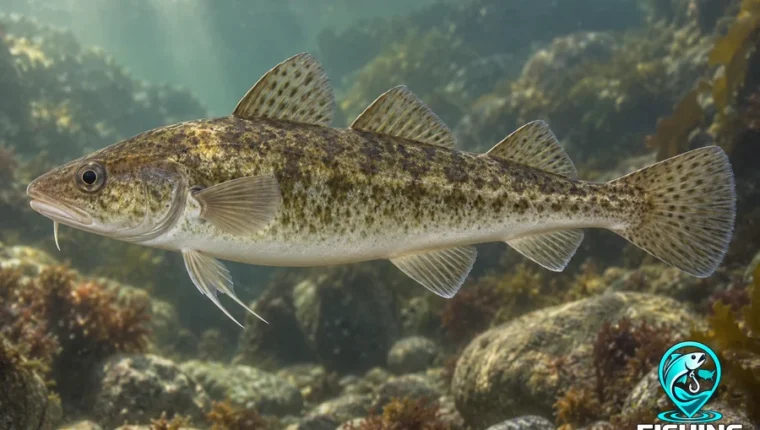
A small coastal cod found from Newfoundland and the St. Lawrence region south to Virginia. Also known as frostfish.

A western Atlantic anglerfish with an unusual body shape. Belongs to the same broader group as goosefishes and monkfishes.
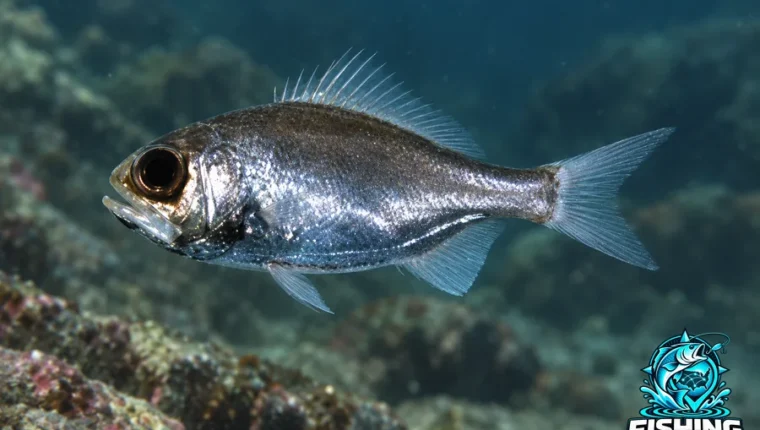
A tiny Hawaiian roughy recorded south of Niihau. Lives roughly 160–330 feet deep and reaches only a few inches long.
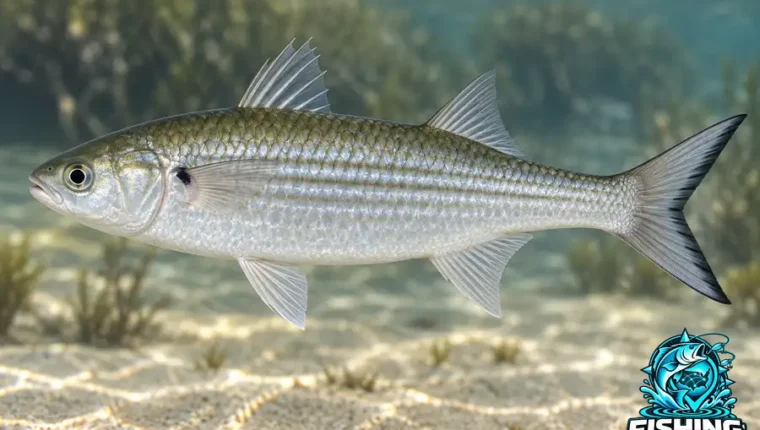
A small Indo-West Pacific mullet with a silvery body, horizontal stripes and two distinctly separated dorsal fins.