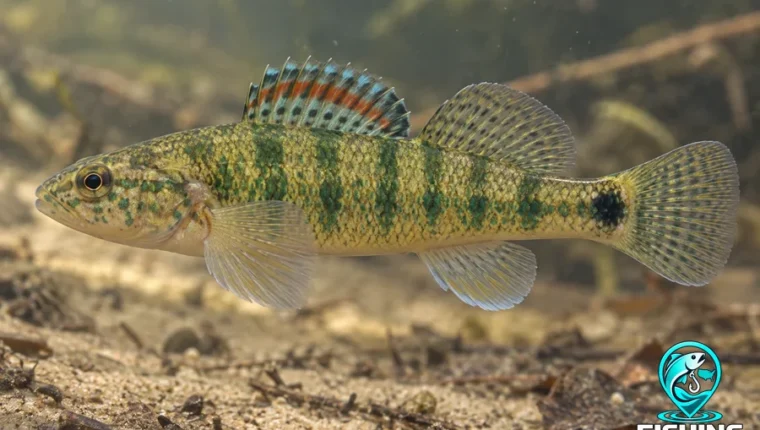
Backwater Darter
Lives in slow Alabama and Mississippi creeks. Prefers muddy pools with vegetation in streams flowing toward Mobile Bay.

Browse all 204 fish starting with B. Select a name to explore its species profile.
Choose a letter to see every fish starting with that letter.
Lives in slow Alabama and Mississippi creeks. Prefers muddy pools with vegetation in streams flowing toward Mobile Bay.
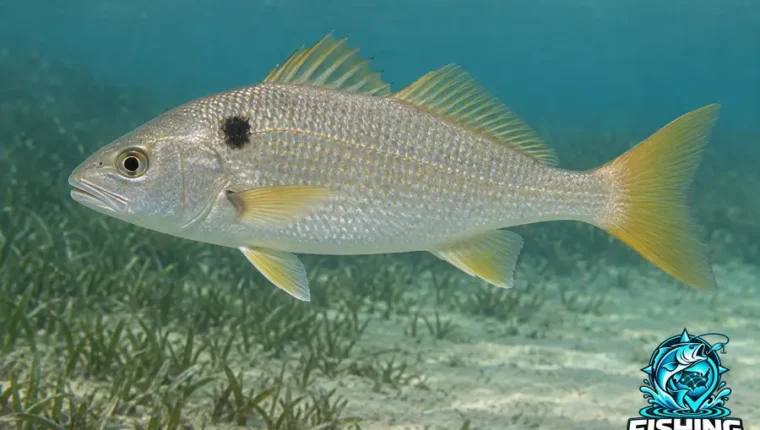
A Pacific croaker native from southern Baja California toward Guatemala, including the Gulf of California.
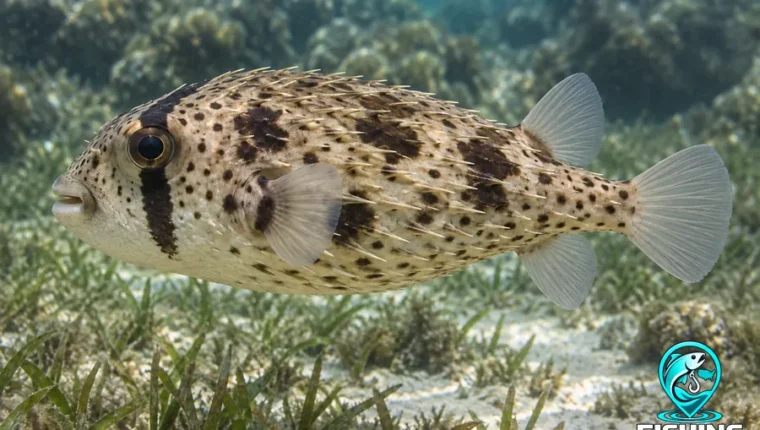
Feeds at night on hard-shelled prey such as snails, crabs, sea urchins and other mollusks.
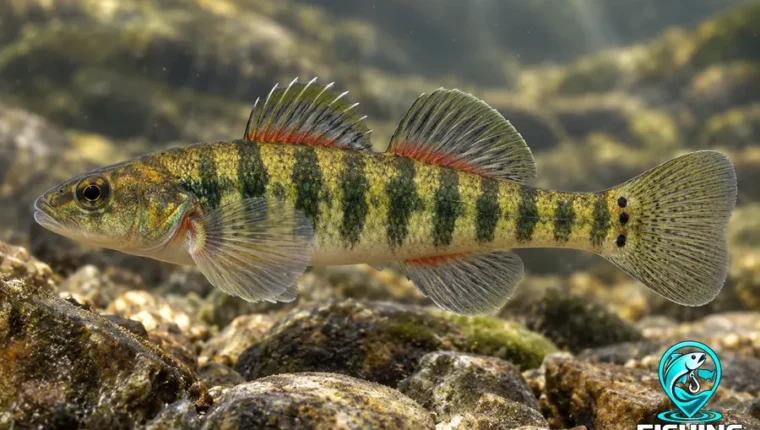
Feeds on insect larvae along rocky stream bottoms. Often found in shallow riffles over gravel, cobble and rock slabs.
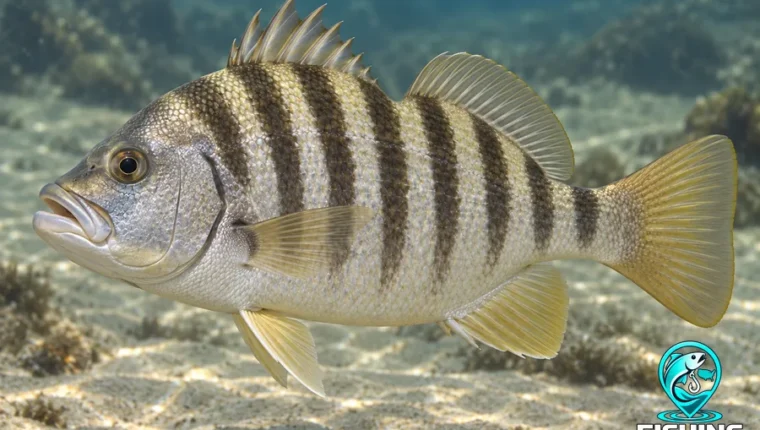
A coastal drum recorded from Massachusetts to northern Florida and around the Gulf of Mexico.
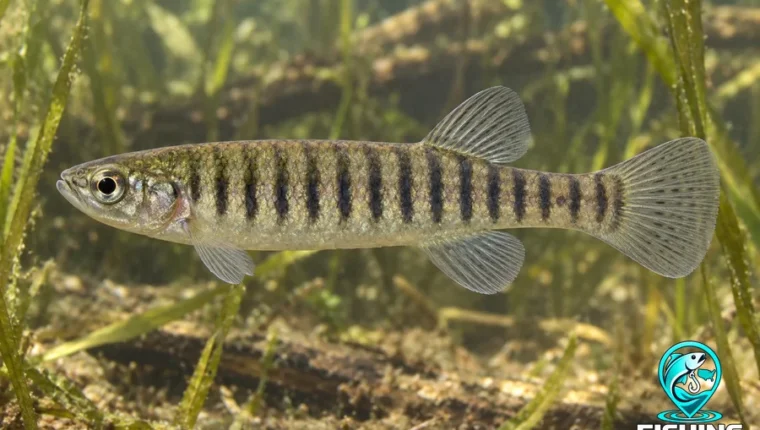
Native from Newfoundland south to South Carolina and west to Minnesota. Mostly a freshwater fish, though it sometimes enters brackish water.
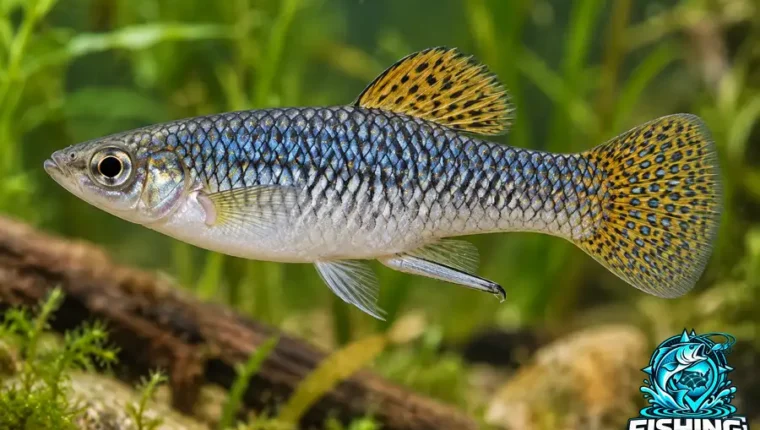
A livebearing fish native to Cuba and introduced to Hawaii. Also known as Cuban molly or Cuban topminnow.
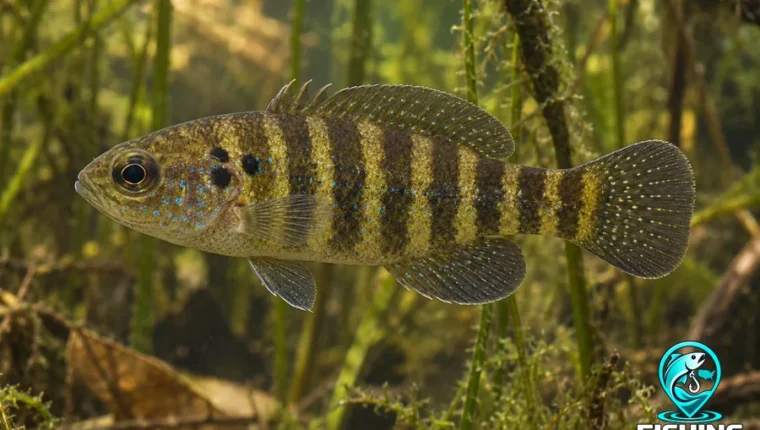
A tiny fish that favors thick vegetation in slow water. Its range stretches from the Midwest into southern and eastern states.
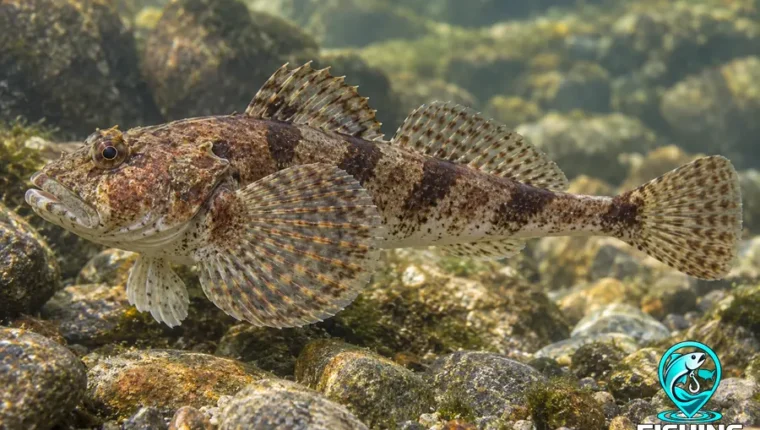
Lives in flowing streams and eats insects, larvae and small fish. Its broad head, narrow body and mottled markings provide camouflage.
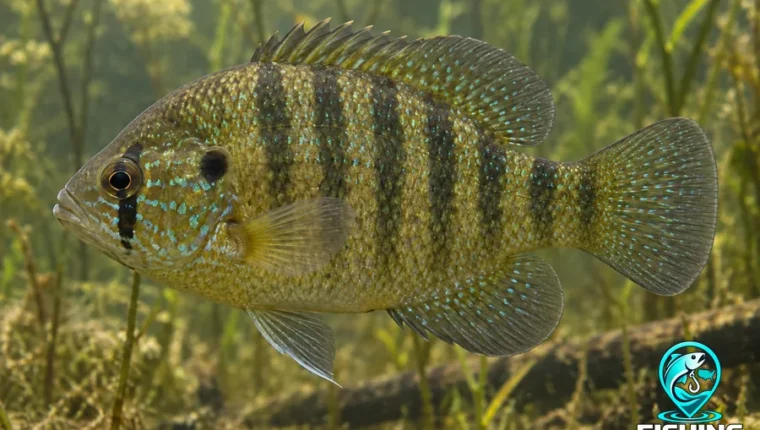
A tiny North American sunfish, usually only two or three inches long. Its compact size distinguishes it from larger familiar sunfish.
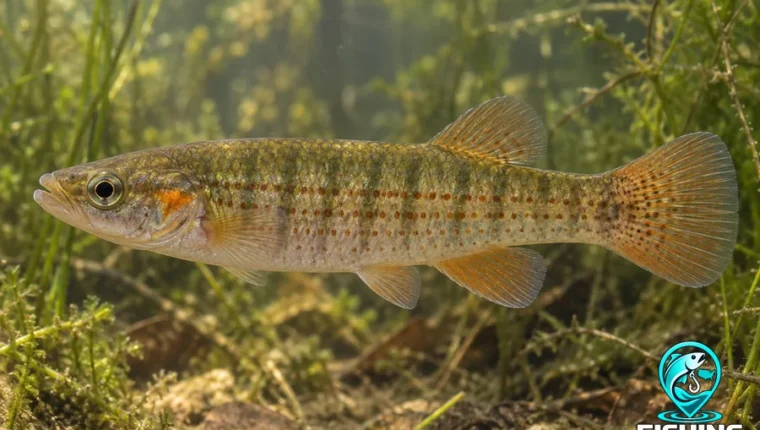
A freshwater topminnow native to Florida, Georgia and Alabama.
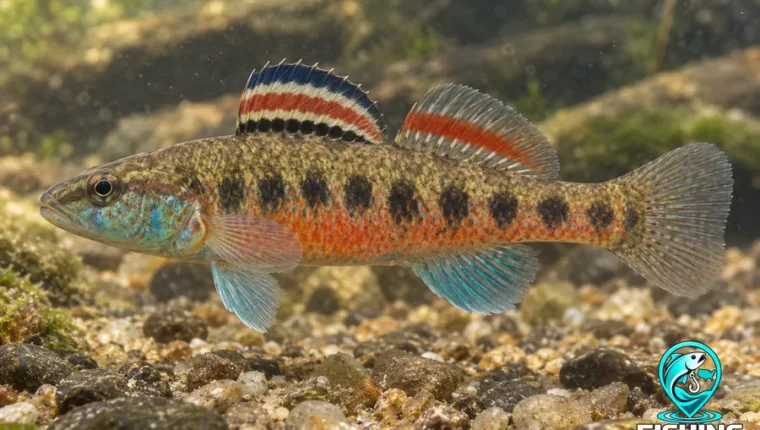
Lives in lower Tennessee and upper Black Warrior tributaries. Prefers flowing streams with sandy or gravel-bottomed pools.
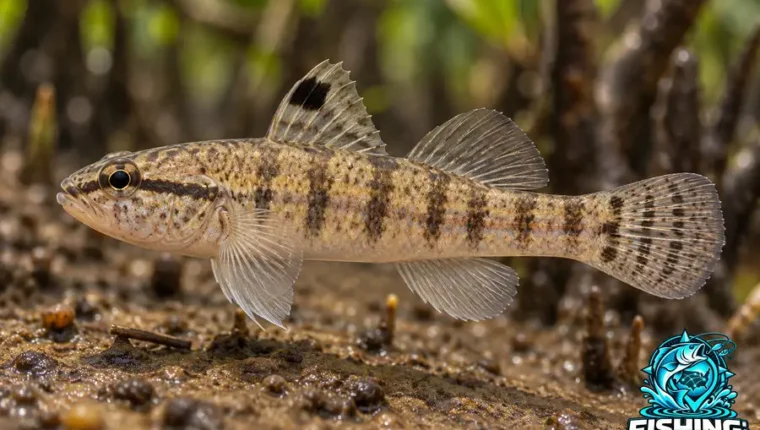
A small bottom-dwelling goby of Indo-Pacific mangroves and estuaries. Uses both freshwater and brackish water and has been introduced to Hawaii.
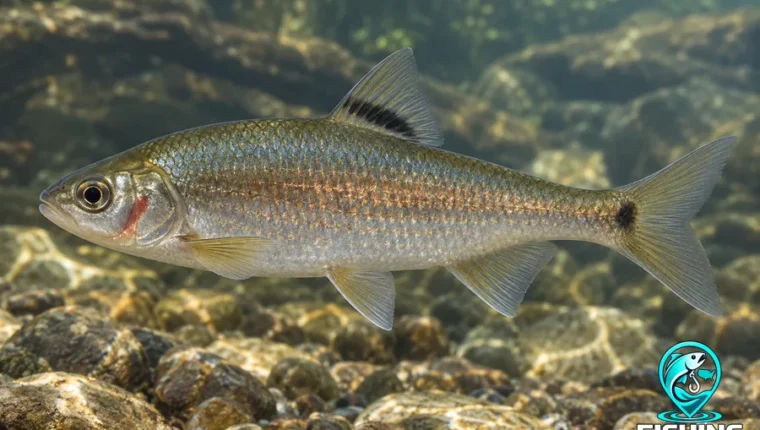
Found in southeastern streams, especially the Apalachicola system. Favors rocky or sandy pools and runs in creeks and small rivers.
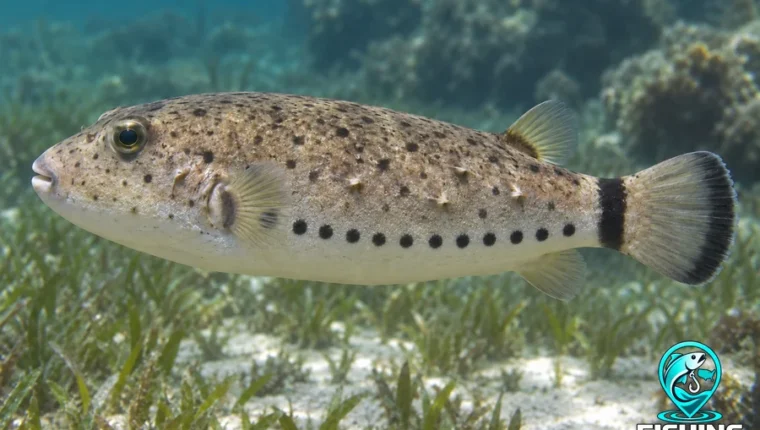
A Caribbean puffer also found along the western Atlantic from Massachusetts to southern Brazil. Can reach about a foot long.
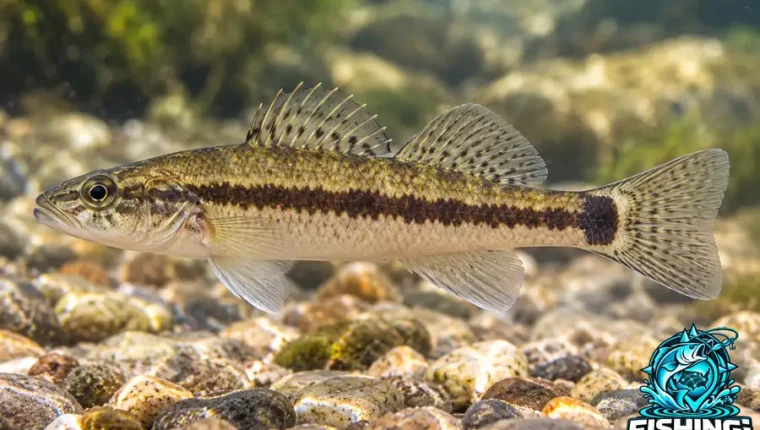
Lives in the Sipsey Fork of Alabama’s Black Warrior River. Favors gravel runs and shallow riffles in small rivers.
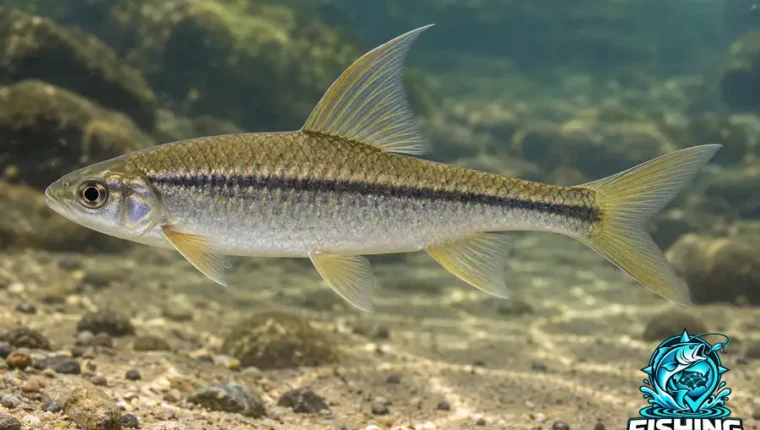
Found in southeastern coastal river systems, including the Edisto, Altamaha, Suwannee and Ochlockonee, from South Carolina to Florida.
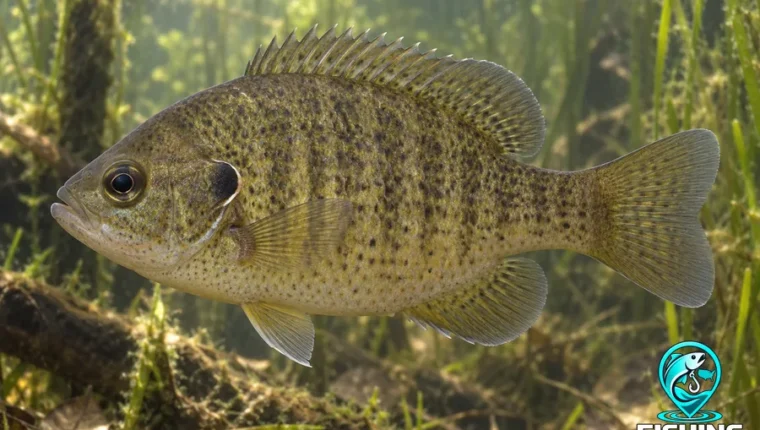
A small sunfish found mainly in Louisiana, with additional populations in southeastern Texas, southern Arkansas and parts of Kentucky and Tennessee.
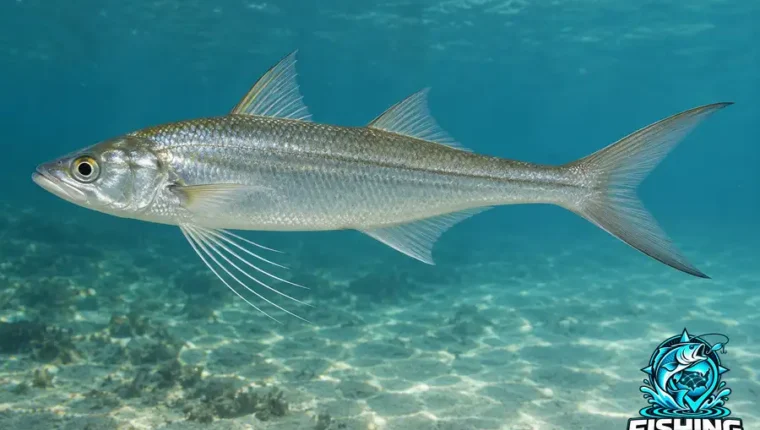
A threadfin ranging from North Carolina and the Bahamas through the Gulf of Mexico and Caribbean toward northern Argentina.
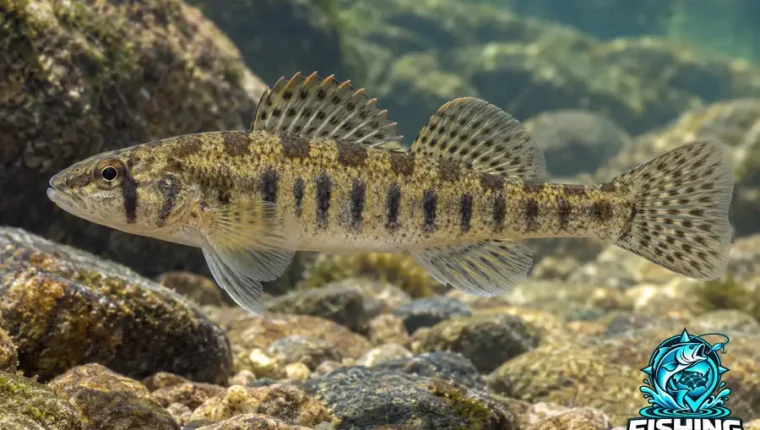
Lives in rocky pools of Kentucky and Tennessee streams in the Cumberland River system, including the Big South Fork and Obey River.
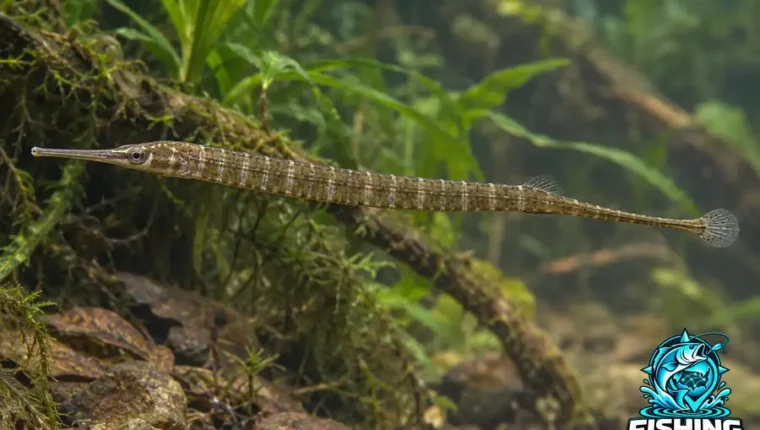
A western Pacific pipefish found from Indonesia toward the Mariana Islands, southern Japan and New Caledonia.
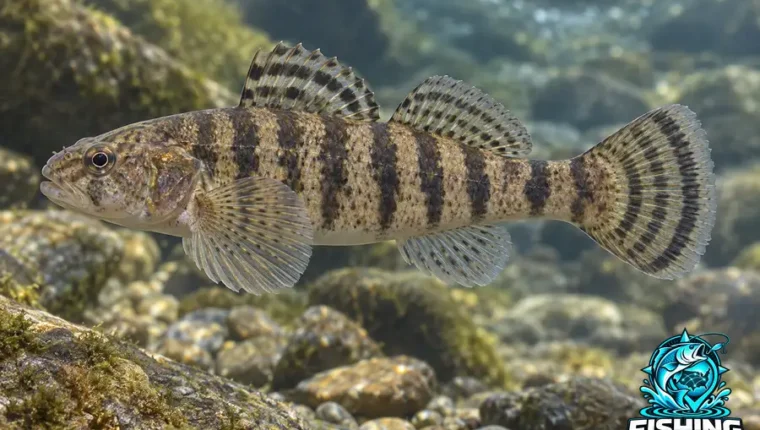
A fantail darter form associated with rocky streams, where flat stones provide cover along the bottom.
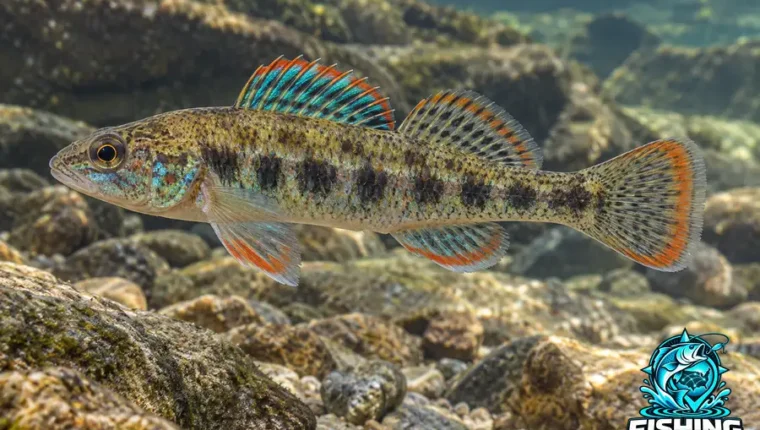
A small Tennessee-area darter that uses quiet headwater pools. Often shelters under large rocks in creeks.
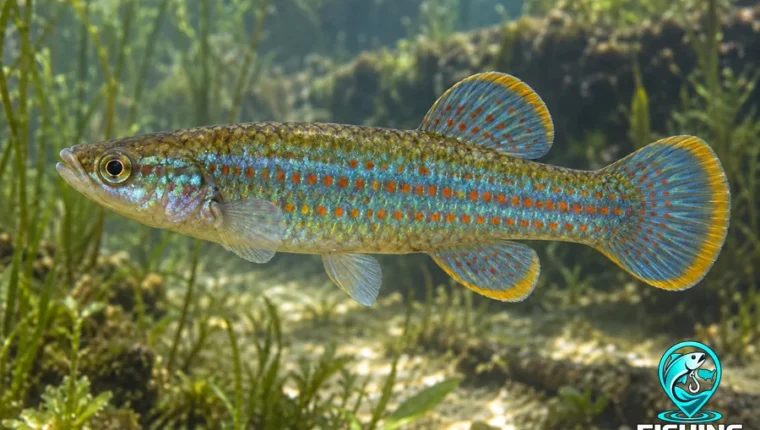
A tiny Tennessee fish associated with the Elk River and nearby spring-fed waters of the Barrens region.
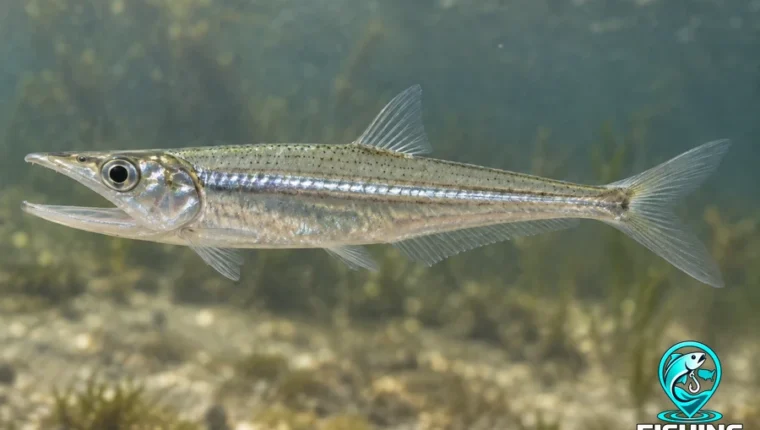
A very common schooling fish along western Atlantic and Gulf coastlines. Also known as the common anchovy.
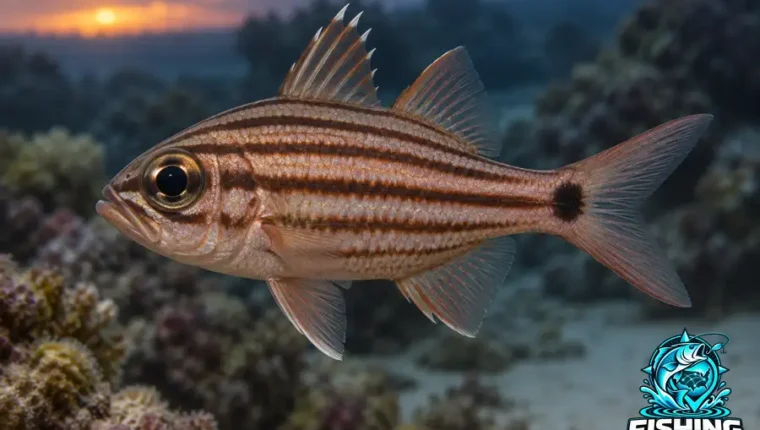
A cardinalfish native to marine habitats in the Indian and Pacific oceans.
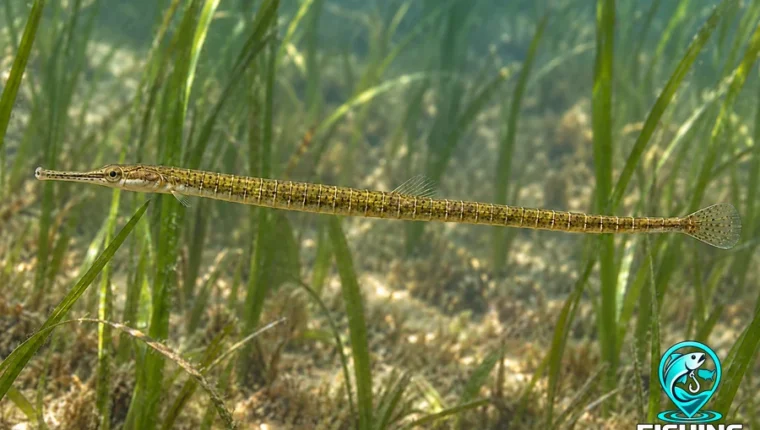
Hides among Pacific eelgrass from Baja California to Alaska. Its narrow green body blends closely with the surrounding grass blades.
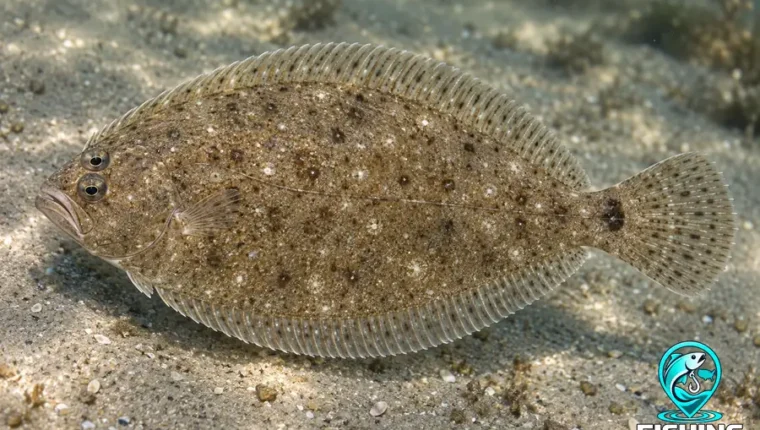
A small Gulf of Mexico flatfish that ambushes prey from the bottom. Its camouflage helps it blend into sand and sediment.
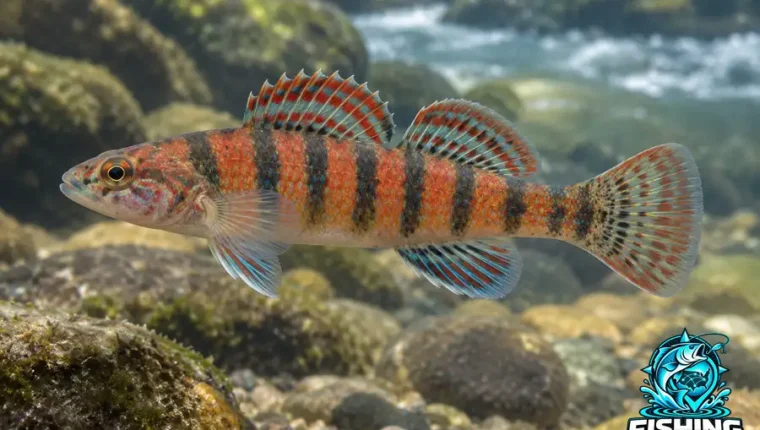
A darter with a naturally restricted range in southwestern Mississippi.
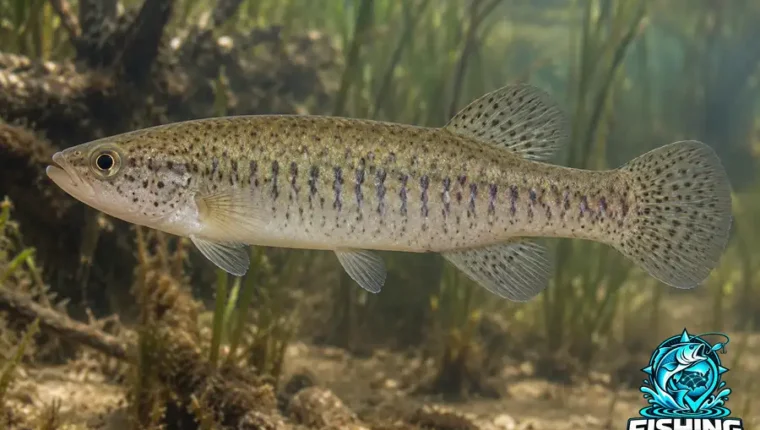
A small killifish using shallow freshwater and brackish habitats. Feeds on small animals rather than relying on a single food source.
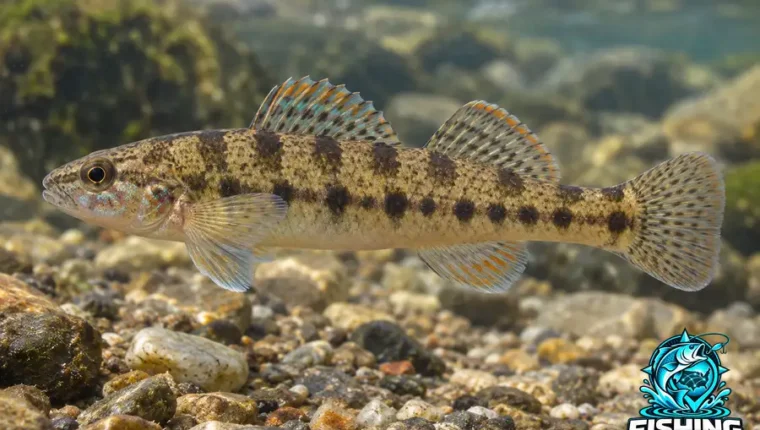
Native to Arkansas’s upper Caddo and Ouachita rivers, above the fall line in the Ouachita Mountains.
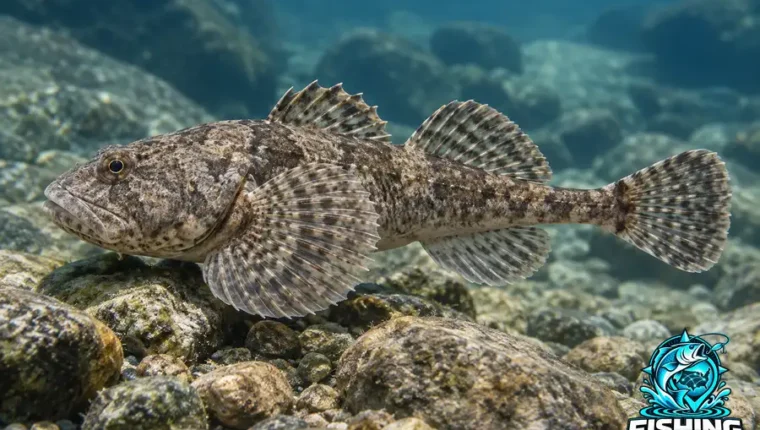
A bottom-dwelling fish native to Bear Lake on the Utah–Idaho border. Feeds on invertebrates and also occurs in Flaming Gorge Reservoir.
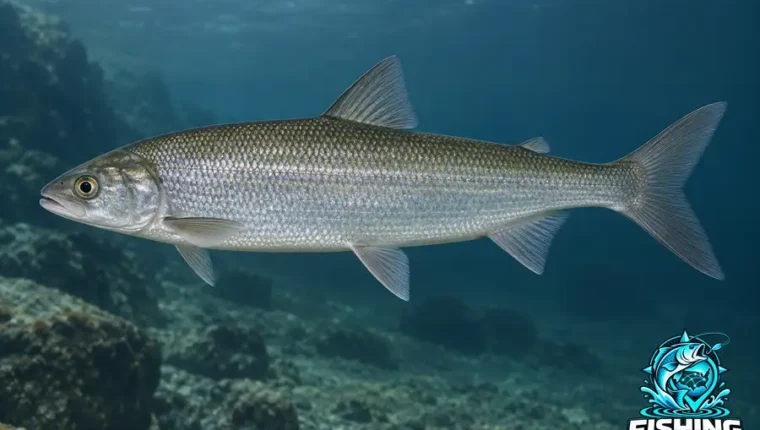
Native only to Bear Lake on the Utah–Idaho border. Eats small aquatic invertebrates, including tiny crustaceans and insects.
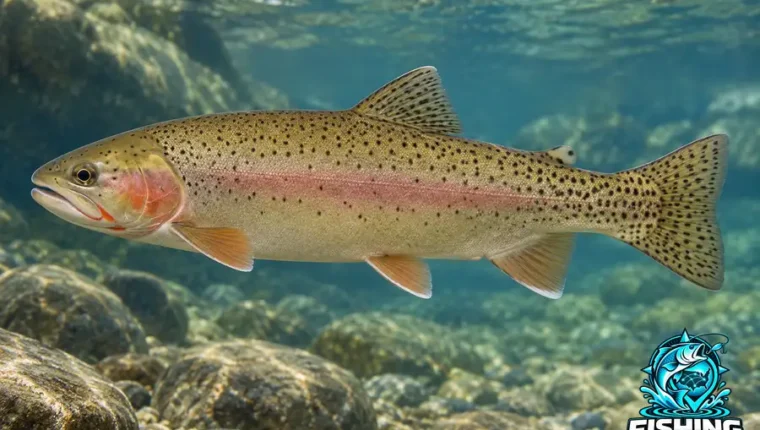
A Bonneville cutthroat associated with the Bear River region. Part of a native trout group centered on Utah and neighboring states.
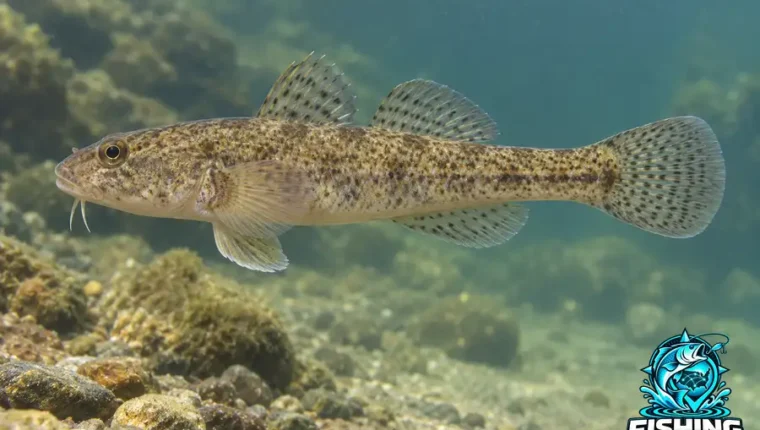
Ranges from the Andaman Islands through Southeast Asia toward New Guinea, southern Japan and northeastern Australia.
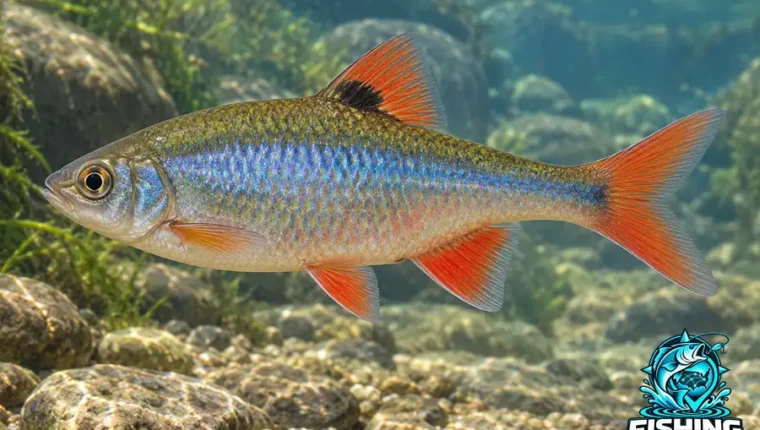
A small southwestern shiner found in Mexico, Arizona and New Mexico. Its range crosses the desert borderlands.
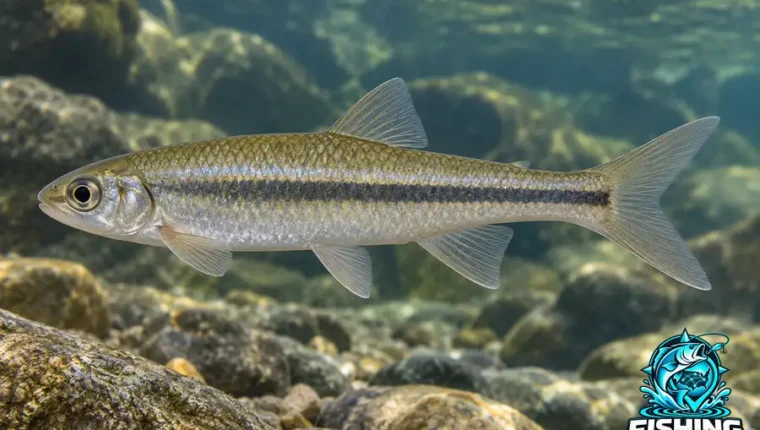
Lives in Tennessee’s lower Caney Fork and nearby Cumberland tributaries. Has a slender body and a dark stripe around its snout.
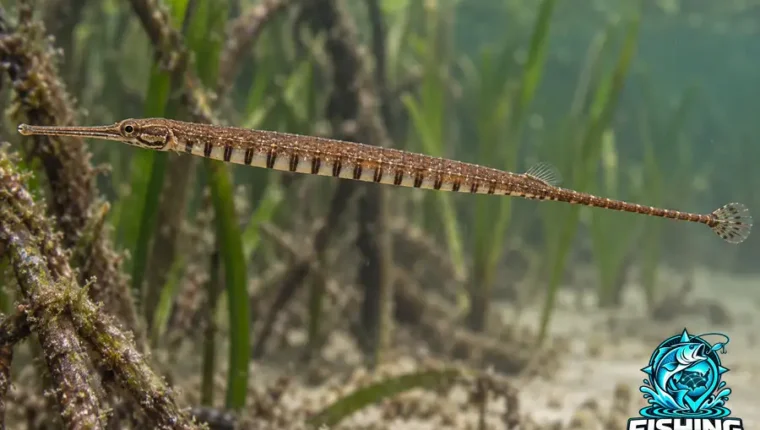
Uses Indo-Pacific mangroves, tidal creeks and river mouths. Males carry developing eggs in a brood pouch.
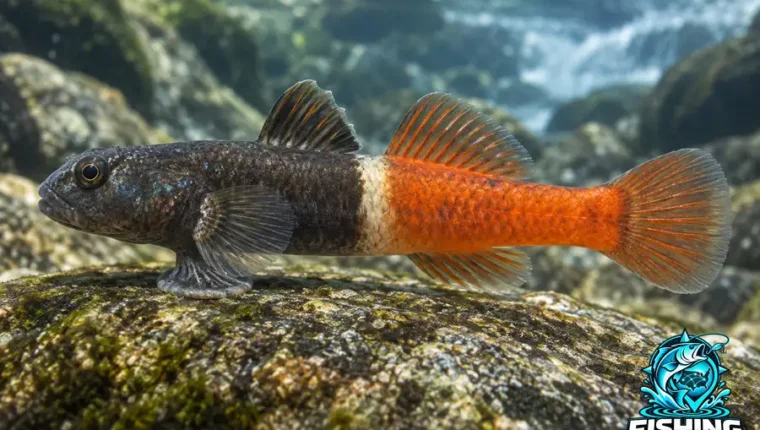
A stream goby ranging from Sumatra and Vietnam toward Fiji, southern Japan and New Caledonia, with a marine larval stage.
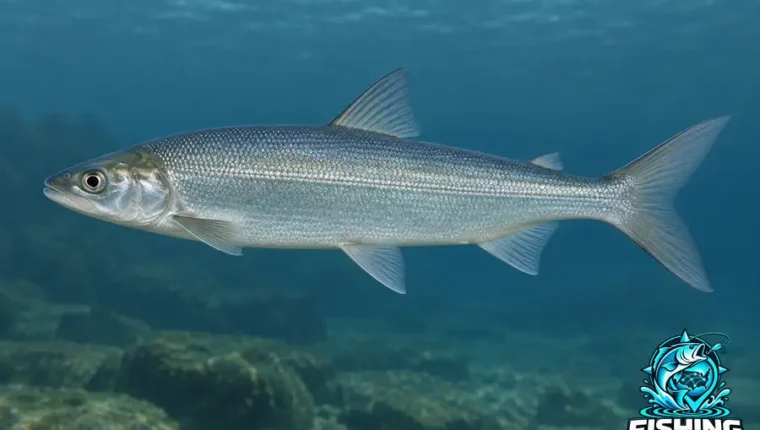
A northern whitefish found in Alaska and parts of Russia. Closely resembles the more widespread Arctic Cisco.
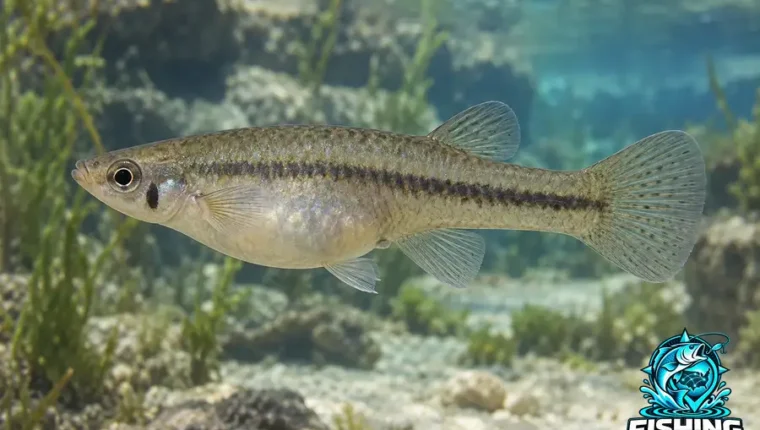
A tiny livebearing fish of the Rio Grande’s Big Bend region. Eats aquatic invertebrates and survives in a very limited area.
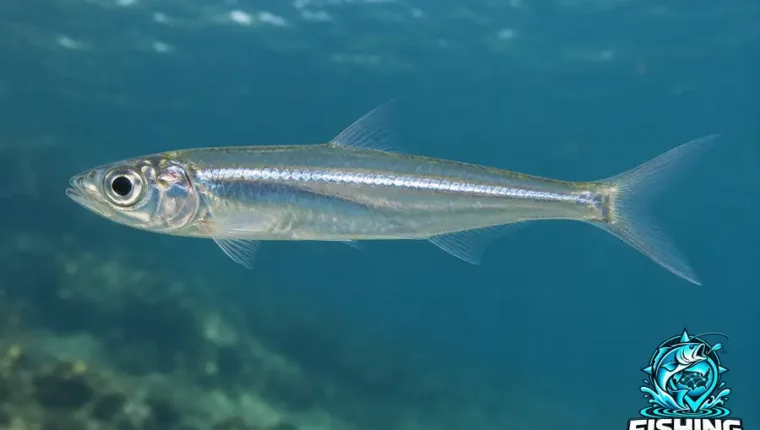
A western Atlantic anchovy ranging from Florida through Caribbean waters toward Guyana.
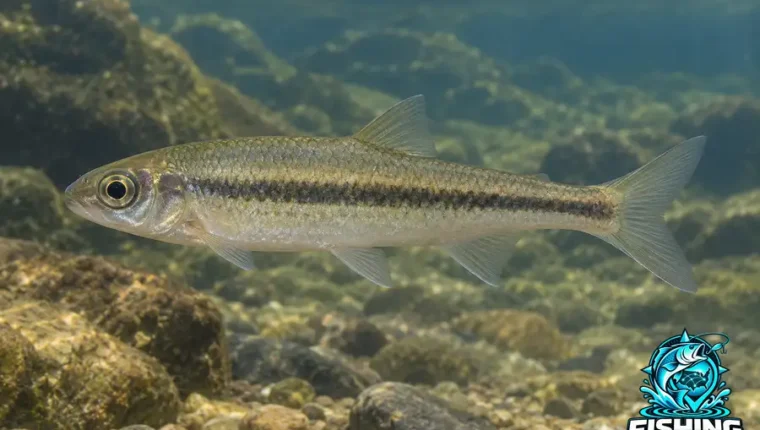
Favors quiet, vegetated water near riffles in clear tributary streams over sand, gravel or rock.
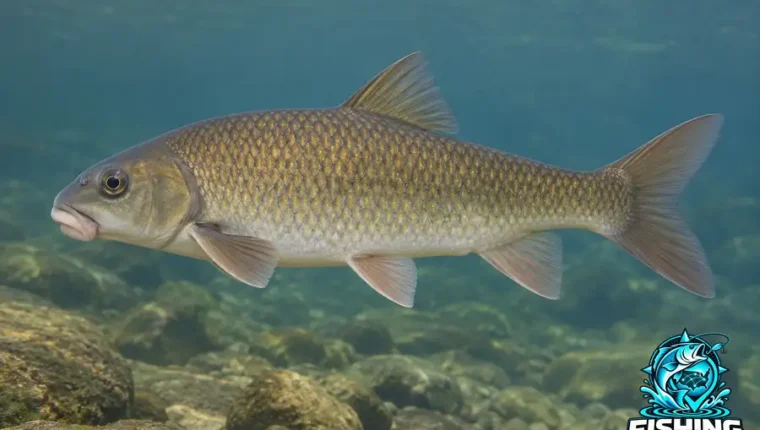
Lives in the upper Roanoke River system of Virginia and North Carolina. Favors deep rocky runs and boulder-strewn pools.
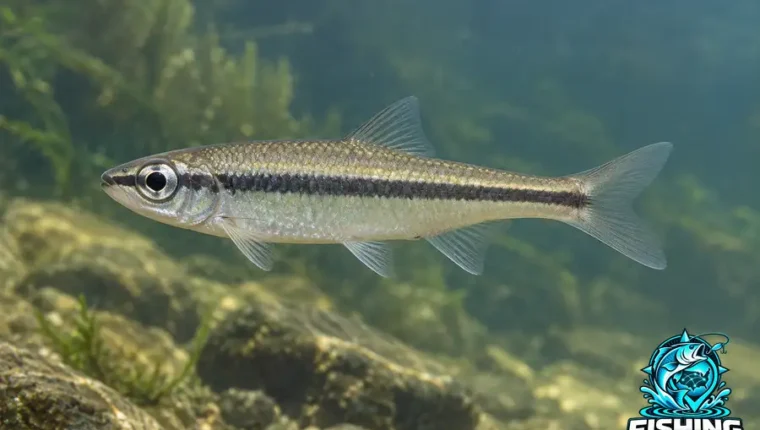
A large-eyed minnow of central U.S. upland streams. Prefers warm, clear pools without heavy deposits of silt.
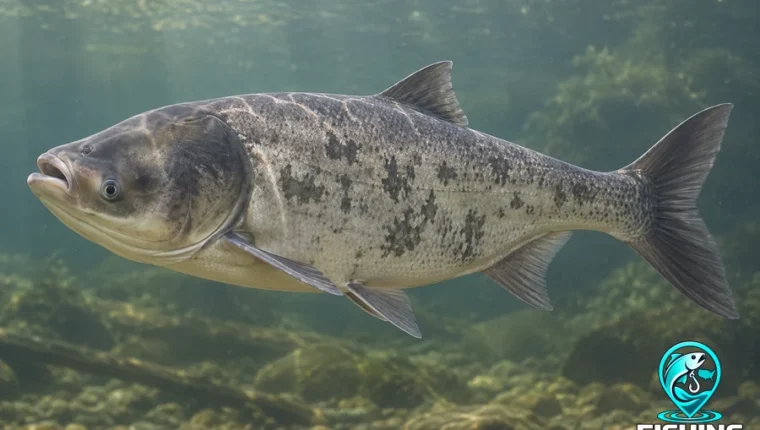
An East Asian carp introduced to North America. Feeds on algae and tiny drifting animals rather than chasing large prey.
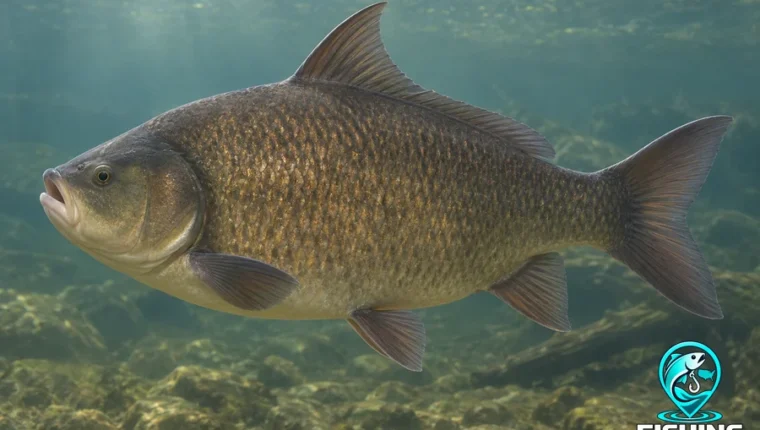
A large North American freshwater fish known for exceptional longevity. Some individuals survive for more than a century.
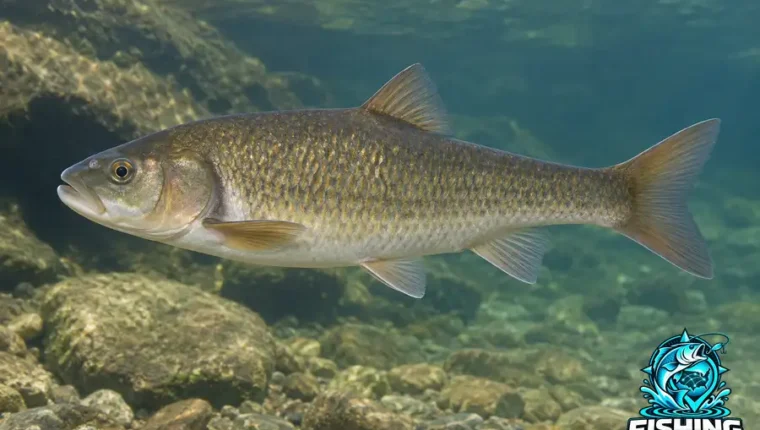
A freshwater chub native to West Virginia, Virginia and North Carolina.
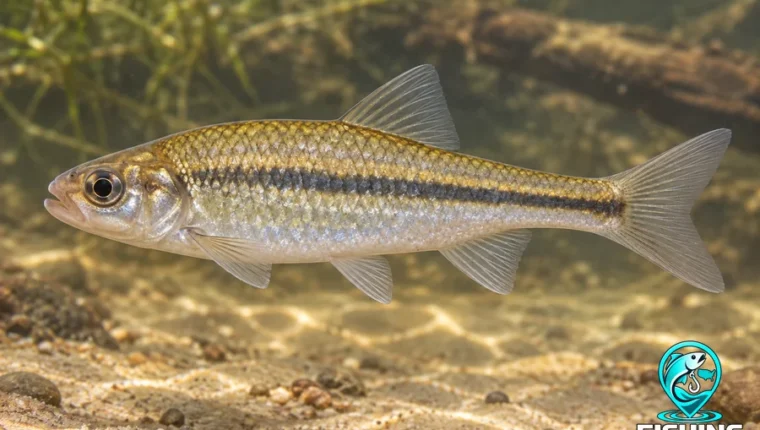
A small minnow common in Midwestern streams. Often shares its habitat with Common Shiners.
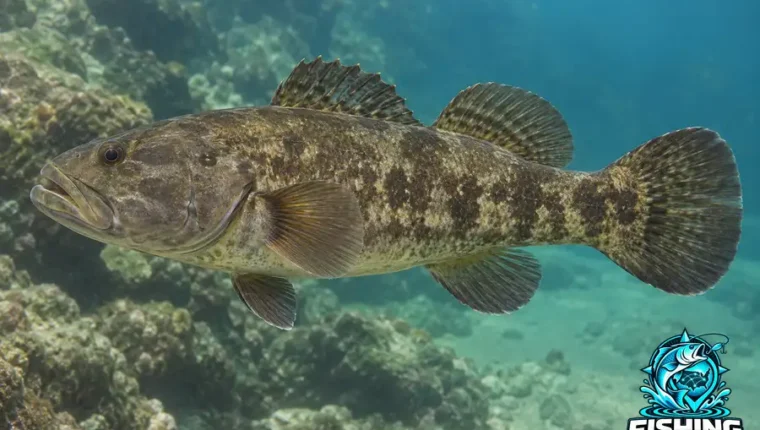
A large sleeper ranging from Gulf Coast United States waters through the Caribbean toward Brazil.
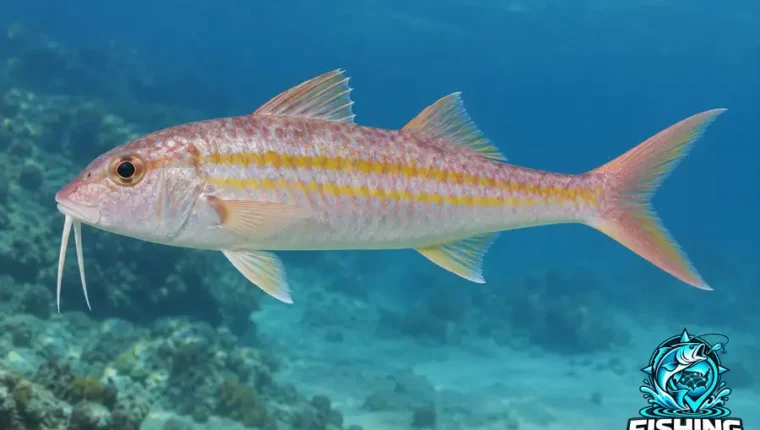
An eastern Pacific goatfish ranging from southern California toward Chile, including the Galapagos and Gulf of California.
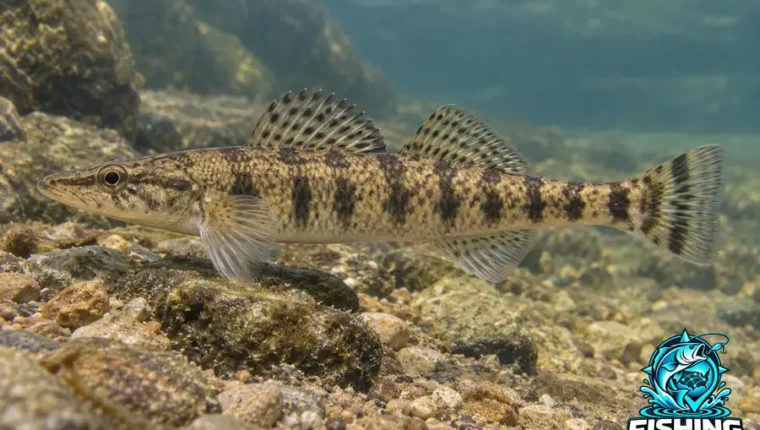
A small logperch usually around three inches long, with reported individuals approaching four inches.
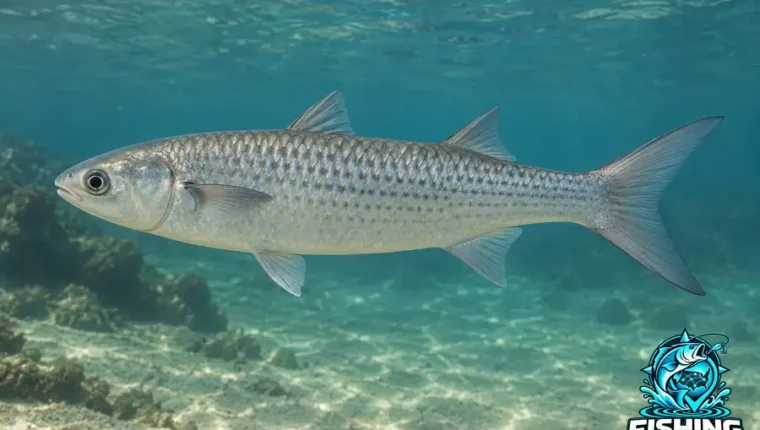
A widely distributed Indo-Pacific mullet, found from eastern Africa toward French Polynesia and from southern Korea to New Caledonia.
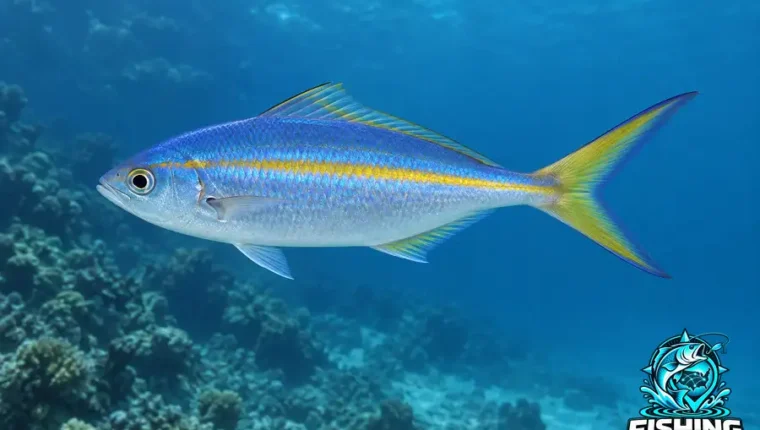
A schooling reef-associated fish distributed across the tropical Indo-West Pacific. Commonly found around coral reef habitats.
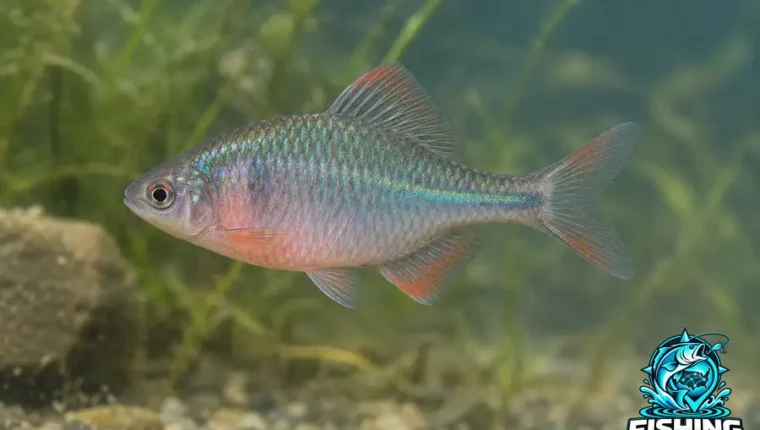
Uses freshwater mussels as nurseries, placing its eggs inside living mussels. The Amur form occurs in Siberia.
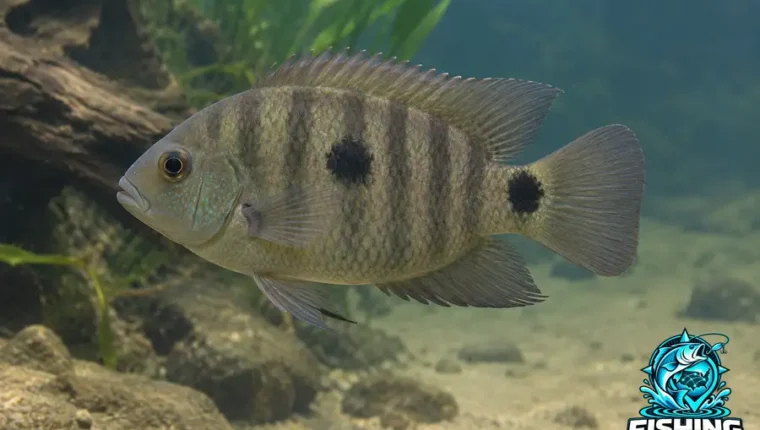
A tropical omnivore native to South American rivers. Introduced populations occur in southern Florida’s freshwater habitats.
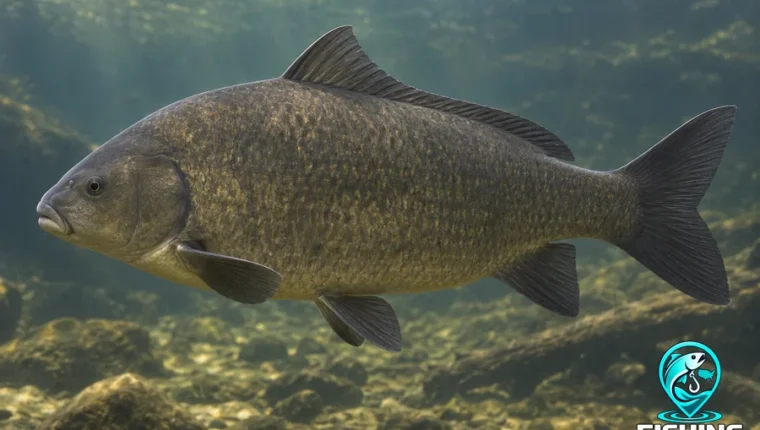
A long-lived freshwater fish of the Mississippi River system and southern Great Lakes. Some individuals exceed a century in age.
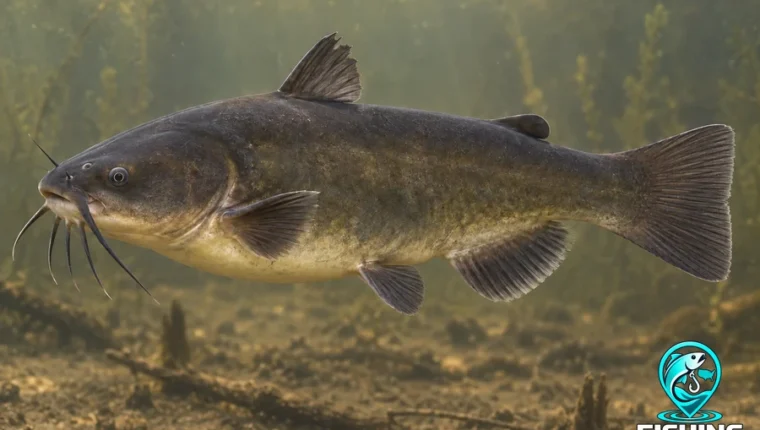
A hardy catfish that tolerates warm, muddy and oxygen-poor water. Look for black chin barbels and a squared tail.
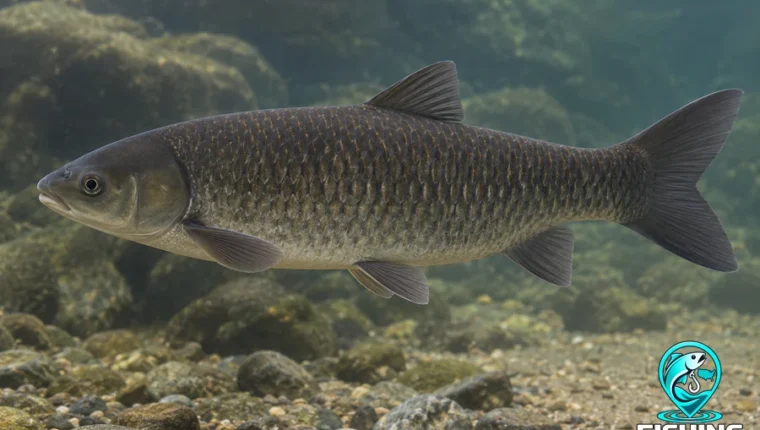
An East Asian river and lake fish that crushes snails, clams and mussels. Introduced populations occur outside its native range.

Try small jigs or minnows around submerged brush. Often found in lakes and reservoirs with plenty of underwater cover.
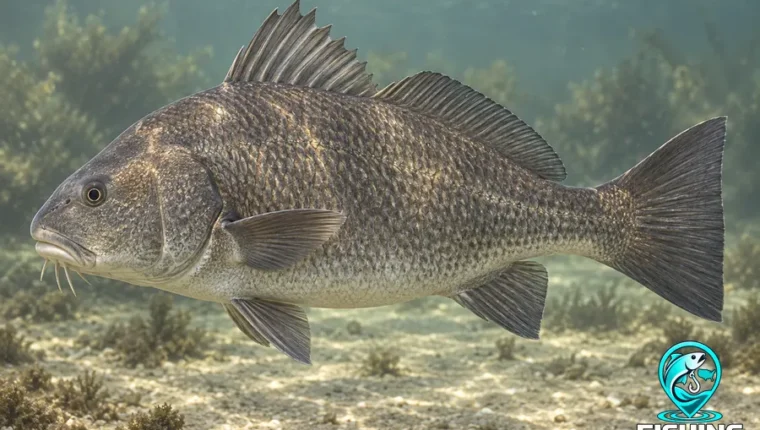
A western Atlantic bottom feeder with strong shell-crushing jaws. Young fish have dark vertical stripes that become less distinct with age.
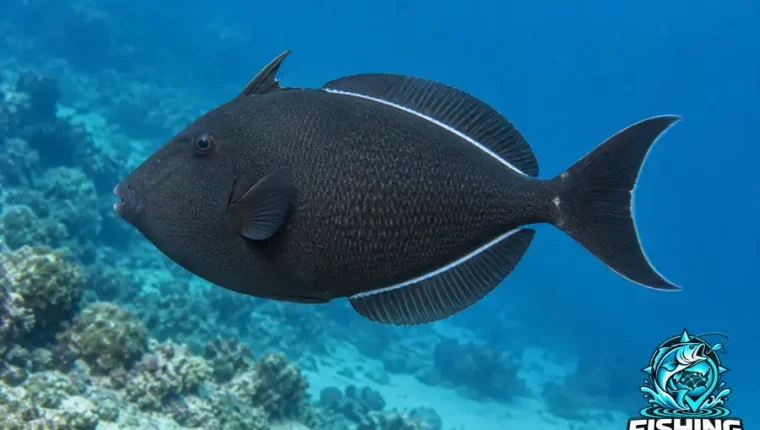
A dark triggerfish with thin white lines along its fins. Close up, its body can show blue-green mottling and orange highlights.
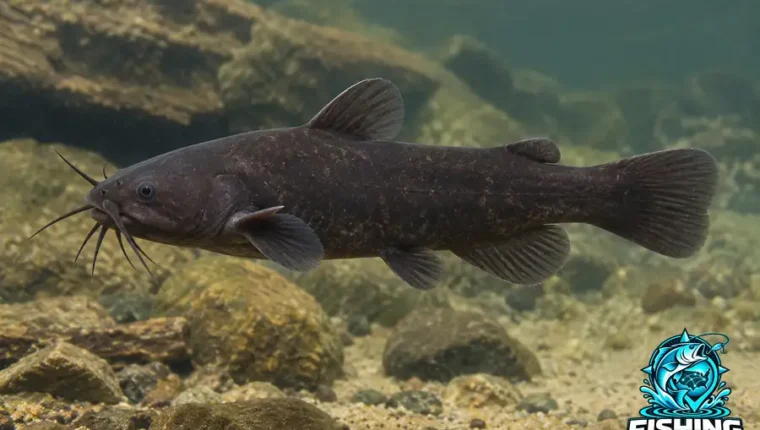
A small nocturnal catfish native to Alabama, Florida, Mississippi and Louisiana.
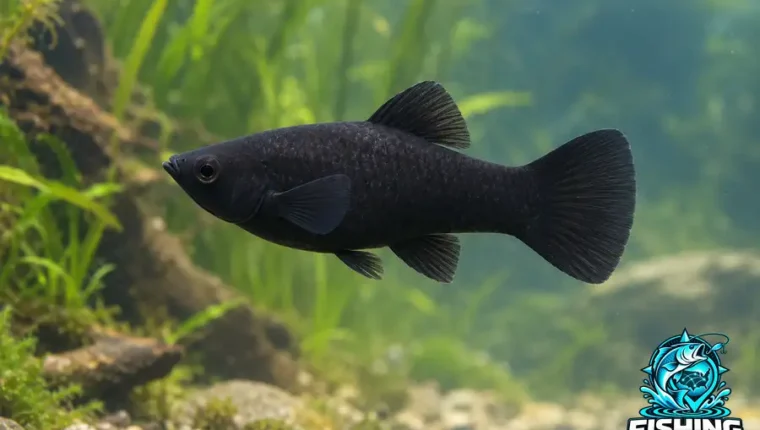
A livebearing fish native to Mexico, Guatemala and Honduras.
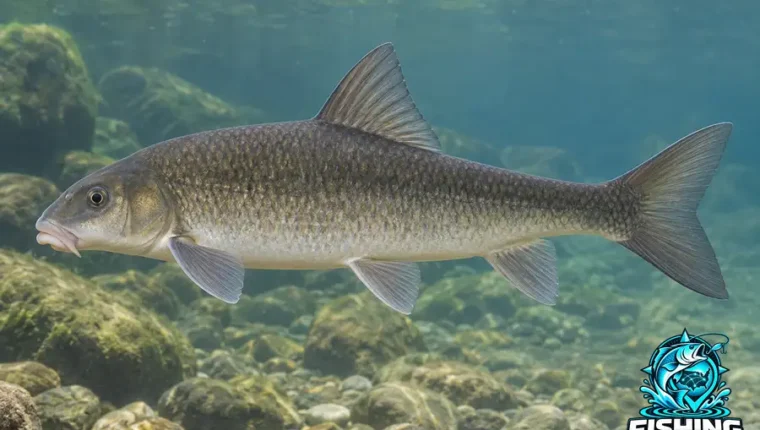
A freshwater sucker native to the central United States and Ontario.
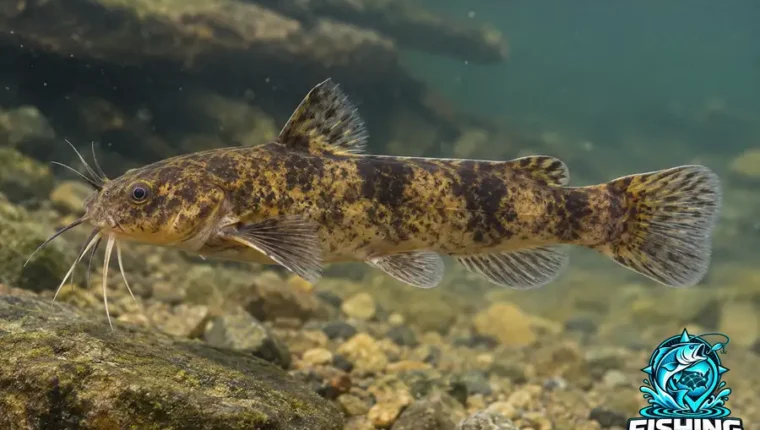
Lives in the Black and St. Francis river basins of the Ozarks in Missouri and Arkansas.
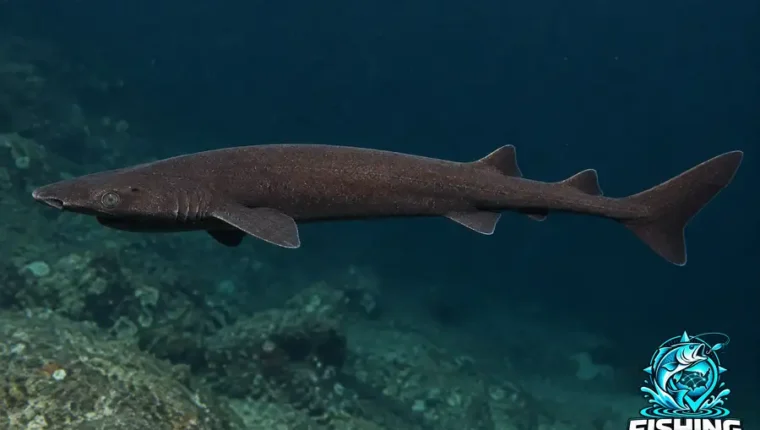
A deep-water shark recorded in the North Atlantic and across southern oceans toward Australia and New Zealand.
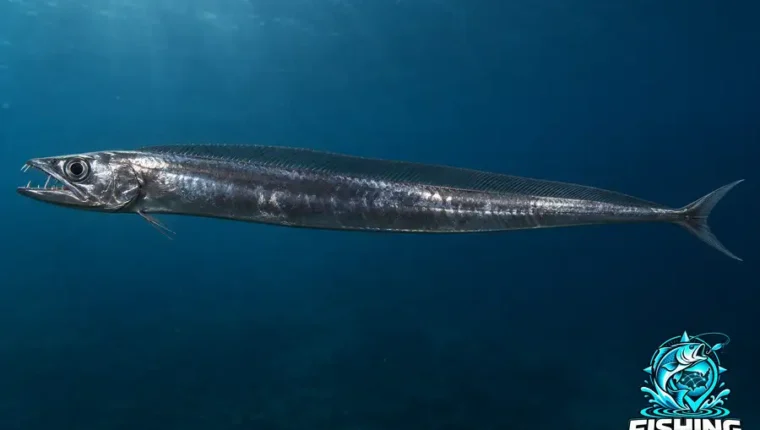
A long, narrow marine predator ranging from Oregon south toward Peru, including the Gulf of California.
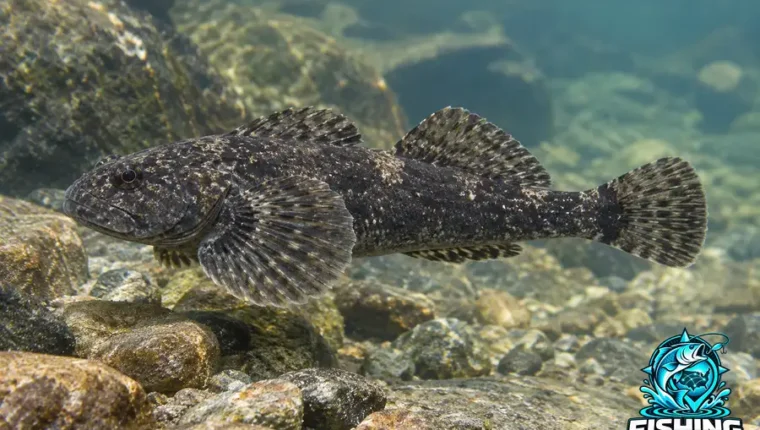
A sculpin native to the upper Tennessee River drainage in Virginia and Tennessee.
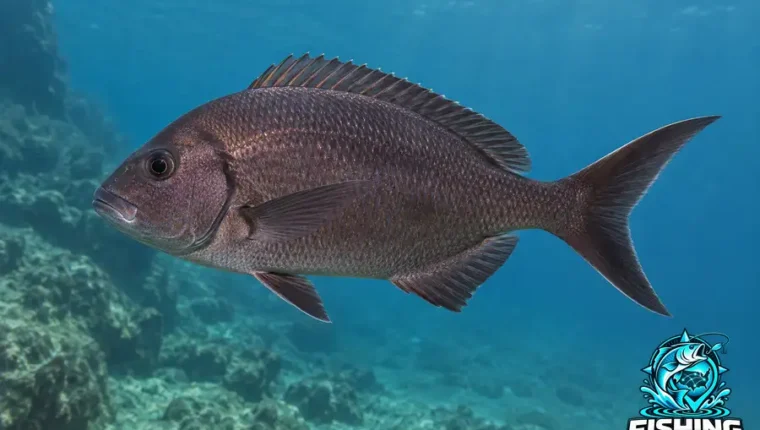
A snapper native to western Atlantic marine habitats.
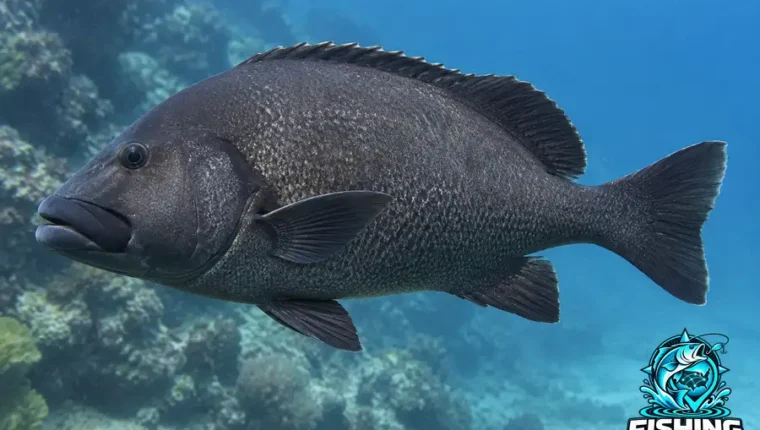
A marine sweetlips distributed across Indian Ocean and western Pacific waters.
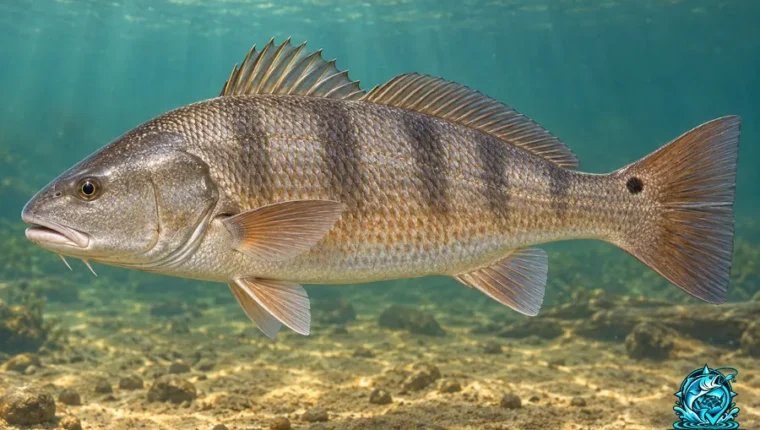
A hybrid combining black drum and red drum, two related coastal fish of the western Atlantic and Gulf region.
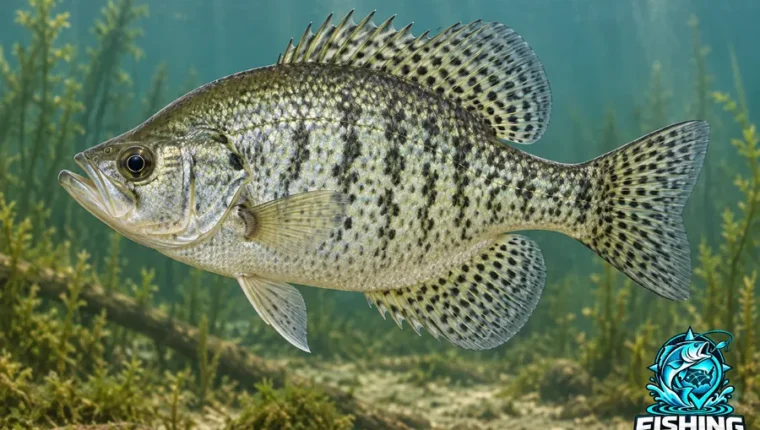
A cross between black and white crappie, combining two familiar North American freshwater panfish.
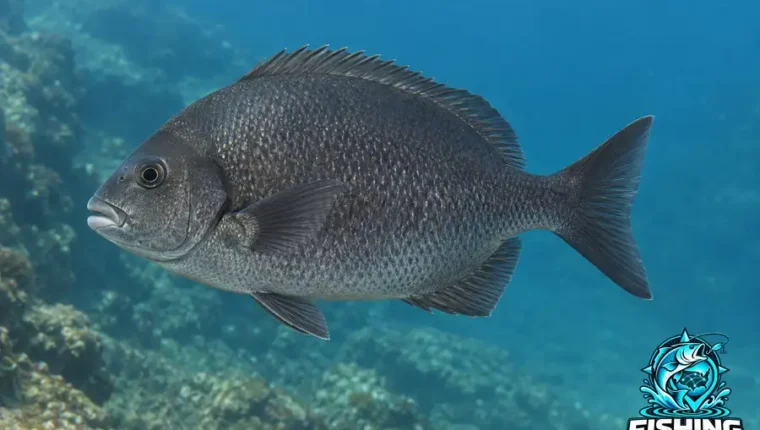
An Indo-Pacific snapper naturally occurring in the Indian Ocean and western Pacific.
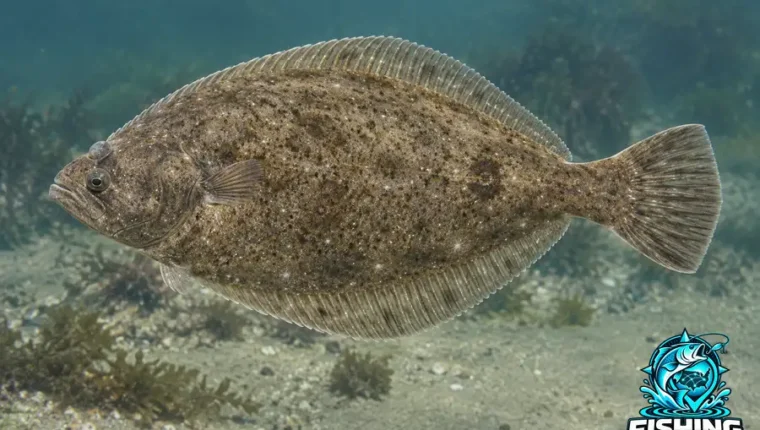
A shallow-water Atlantic flounder native from Labrador south to Georgia. Most common along the cooler northeastern coast.
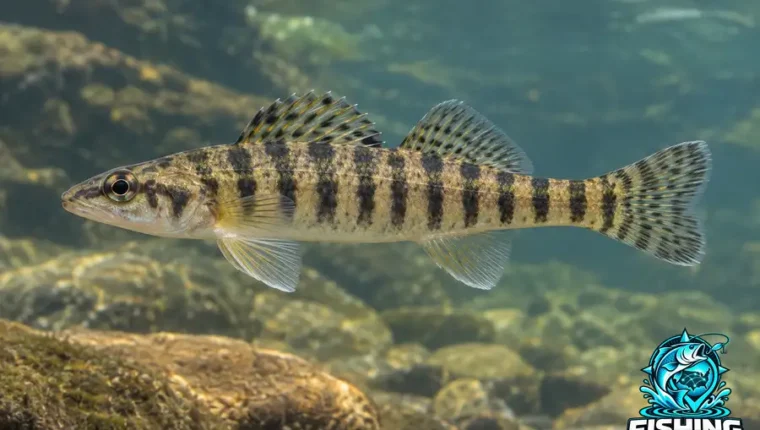
Lives in southeastern streams over sand or gravel, often near vegetation. Feeds on small aquatic insect larvae.
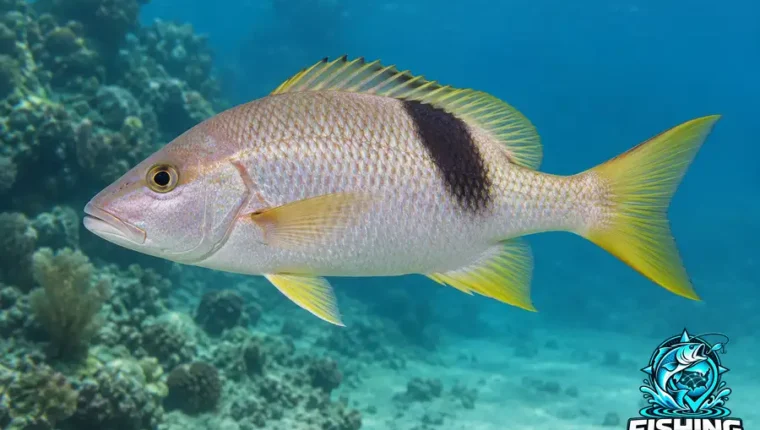
A western Pacific snapper ranging from eastern Indonesia toward the Solomon Islands, Philippines and northeastern Australia.
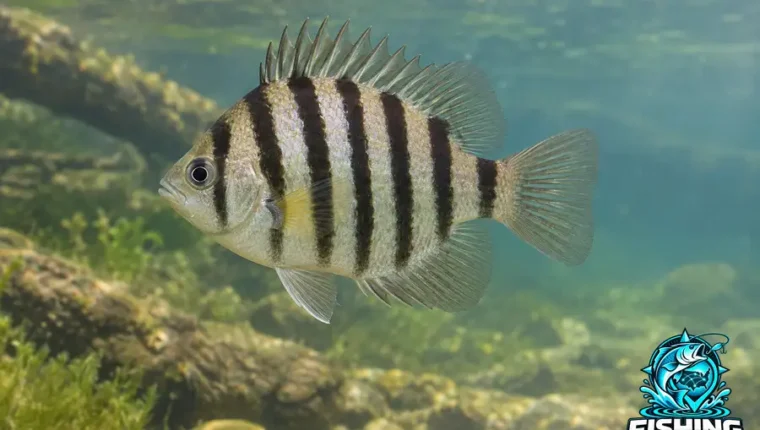
A small sunfish found from New Jersey to central Florida. Bold vertical black bands mark both sides of its body.
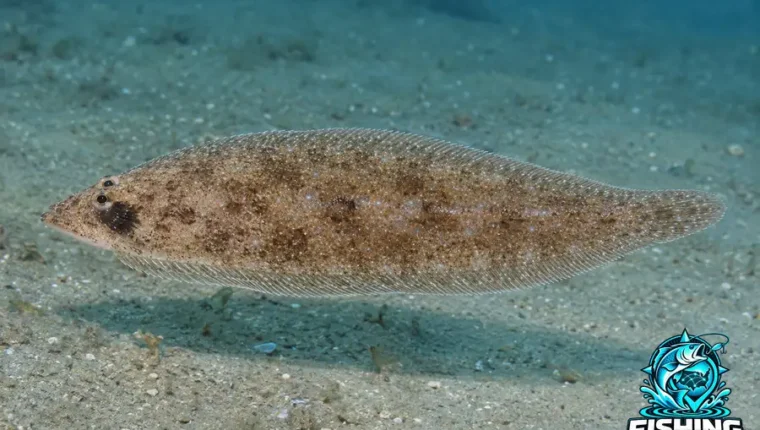
A coastal flatfish ranging from the Gulf of Mexico through the Caribbean toward southern Brazil.
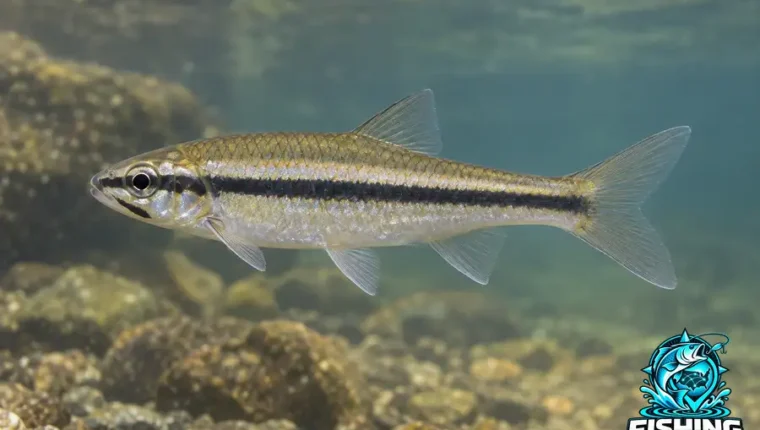
Uses cool, sheltered waters with sandy bottoms in the Great Lakes region. Eats small animals and some plant material.
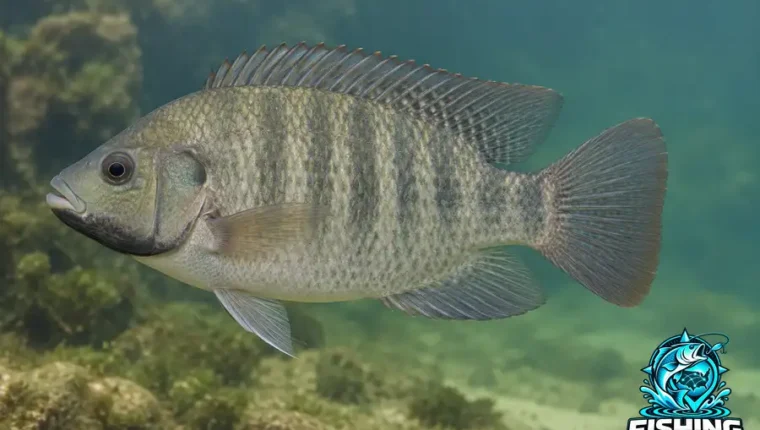
Native to coastal West Africa and introduced elsewhere. Males carry developing young in their mouths.
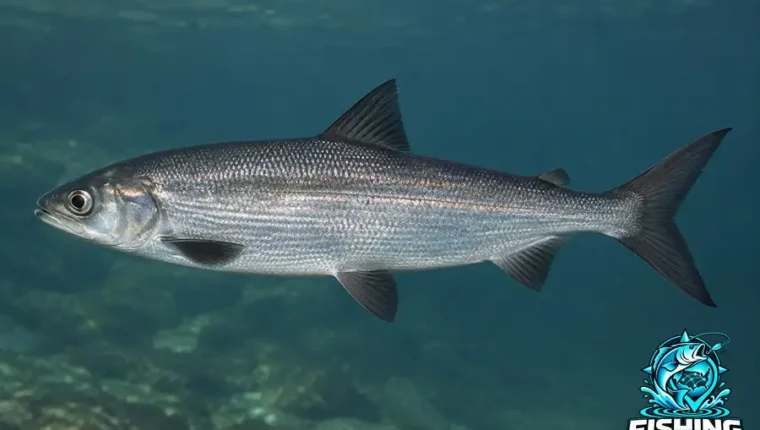
A deep-bodied, dark-finned cisco historically associated with the Great Lakes. Its relationship to other cisco forms remains debated.
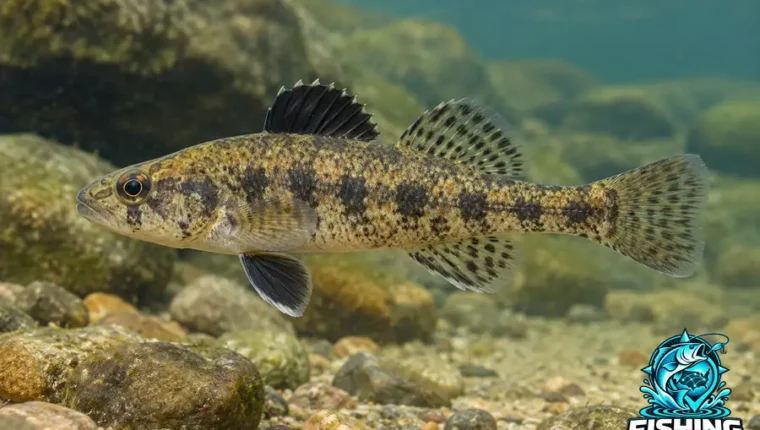
Lives in small pools and nearby riffles within the Tennessee River system, from the Paint Rock to the Duck River.
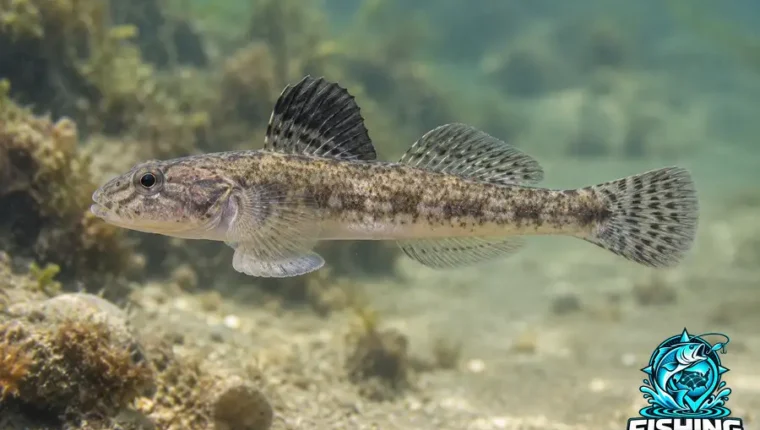
A goby recorded from the lower Rio Grande near Brownsville south into Gulf-draining rivers of Mexico.

A western Atlantic anglerfish ranging from North Carolina toward Argentina, including the Gulf of Mexico and southern Caribbean.
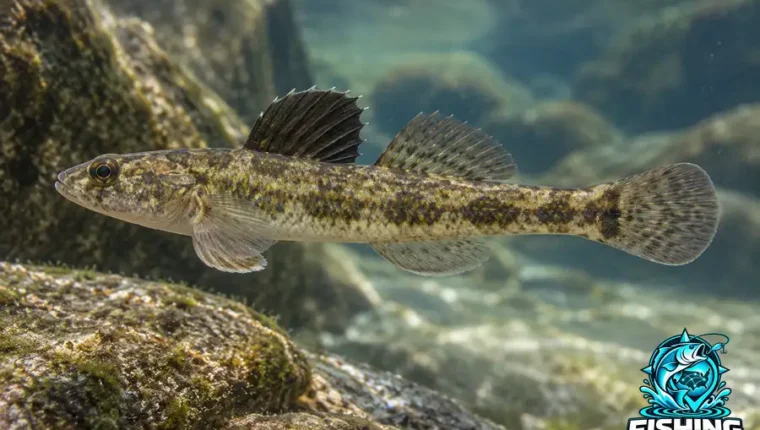
A freshwater goby recorded from Palau and New Guinea toward the Solomon Islands, New Caledonia and Vanuatu.
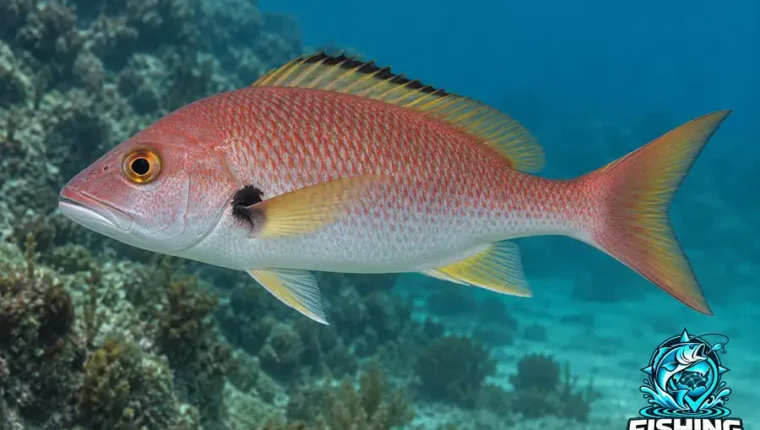
A western Atlantic snapper associated with warm marine waters. Its dark fin markings help distinguish it from other regional snappers.
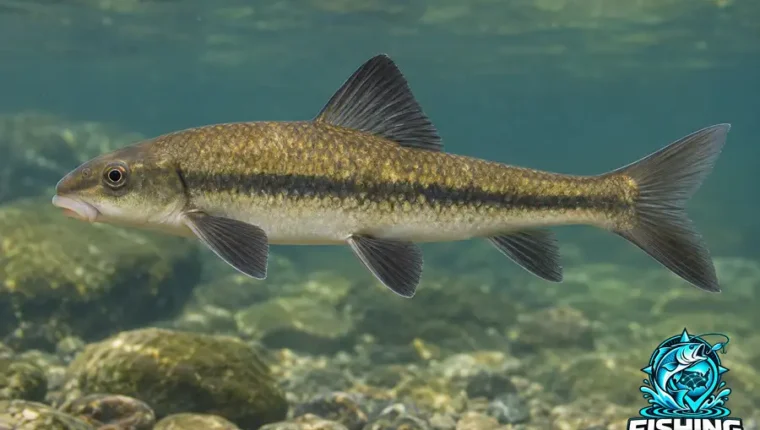
Native to headwater streams of the Barren River system in south-central Kentucky and Tennessee.
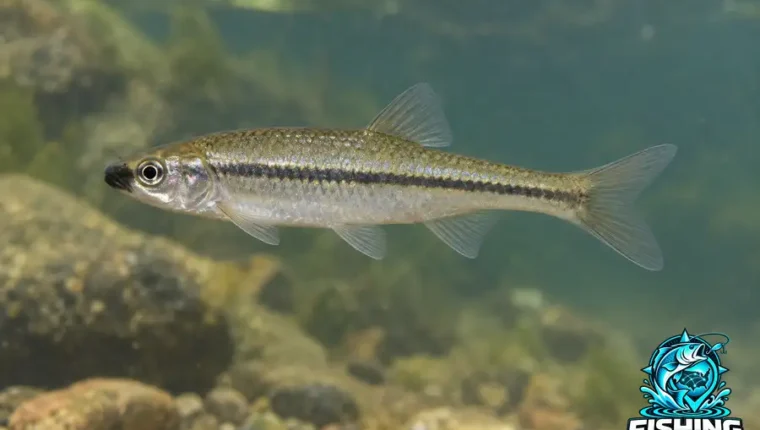
Found in a few Gulf Coast river systems, including Florida’s Blackwater–Yellow, Alabama’s Bay Minette Creek and Mississippi’s lower Pascagoula.
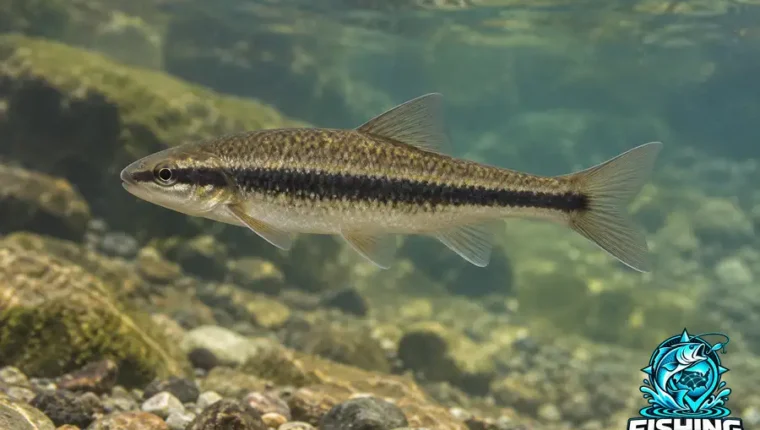
Eats small invertebrates and microscopic foods in rocky streams, while also serving as prey for larger fish.
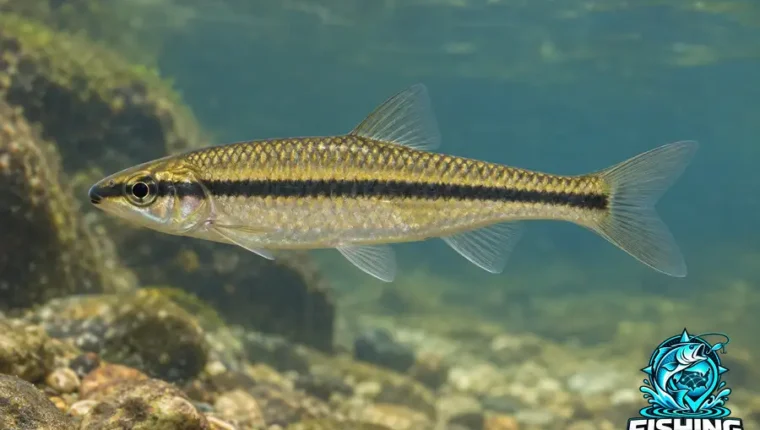
A small North American minnow that can grow to about four inches long.
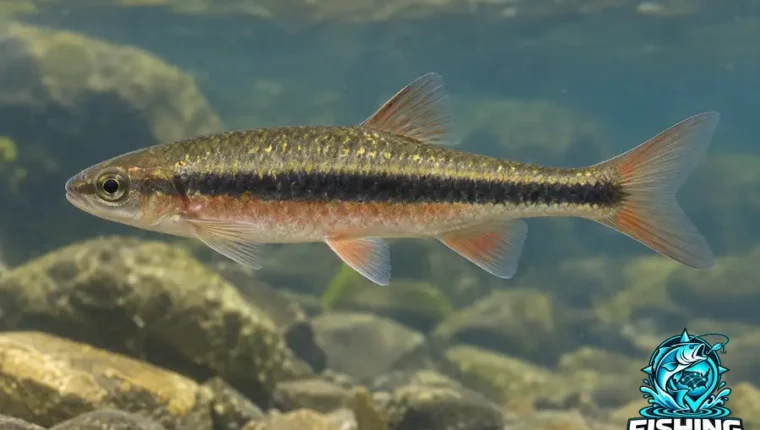
Native to the Cumberland River system in Kentucky and Tennessee, with additional populations in Virginia’s Powell River system.
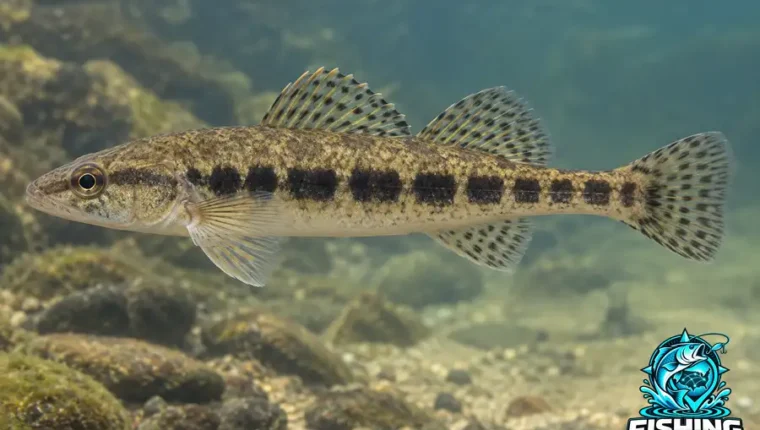
A Mississippi River system darter that uses rocky riffles and sandy runs. Also tolerates pools and quieter water.
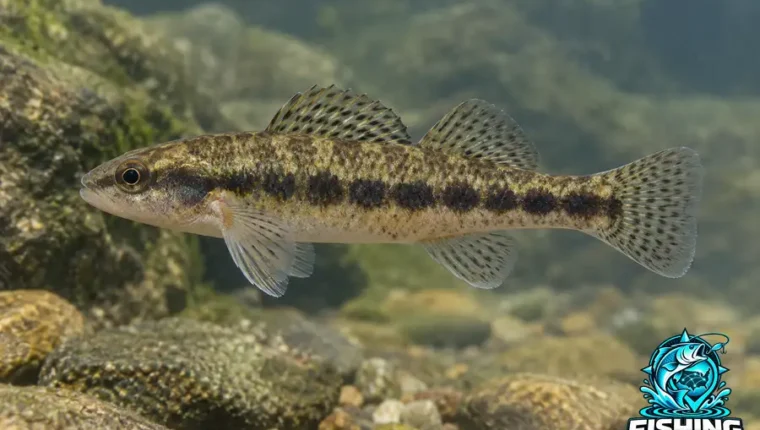
Lives in rocky stream pools and nearby riffles across the Tennessee River system in Tennessee, Georgia and Alabama.
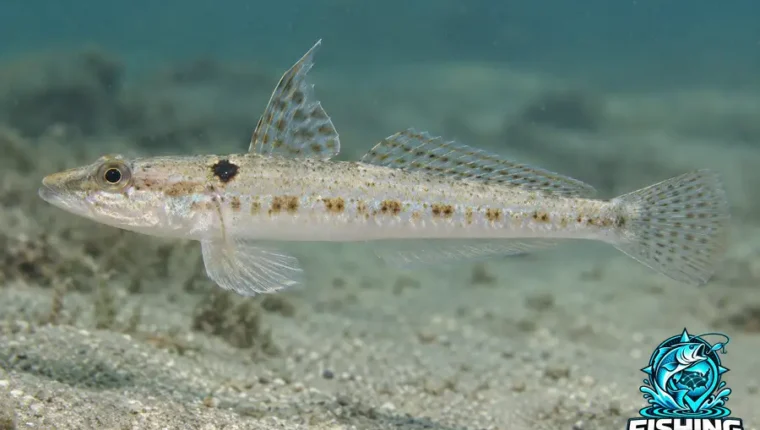
A small goby native to Réunion in the western Indian Ocean. Reported adults reach roughly five inches long.
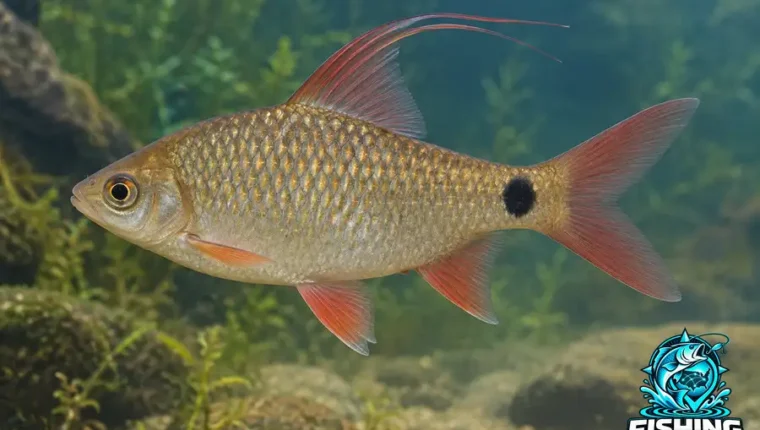
A fast-swimming barb associated with coastal floodplains in southwestern India. Young fish develop stronger coloration as they mature.
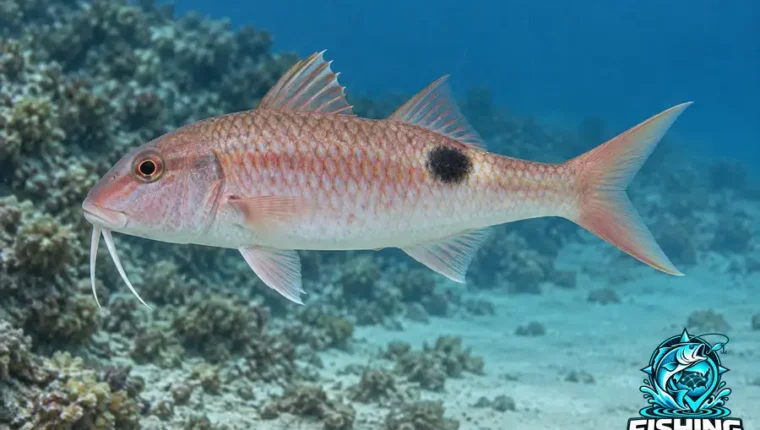
A goatfish ranging from eastern Africa across the Indo-Pacific to Hawaii and Pitcairn, with populations around Australia and New Zealand.
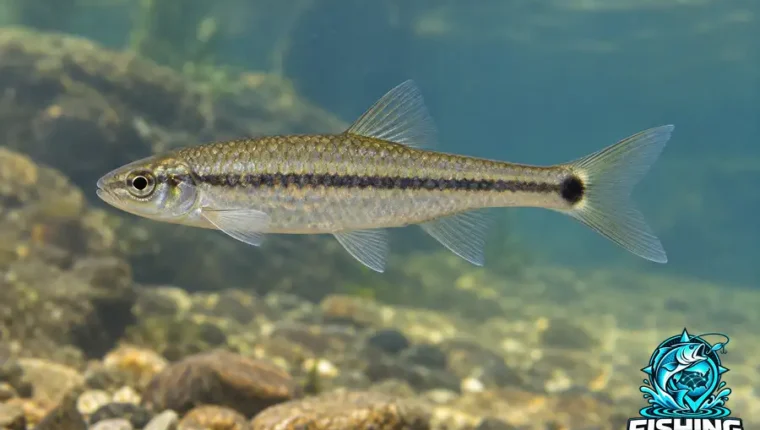
Found from eastern Texas into Louisiana and the Red River region. This small shiner reaches around three inches long.
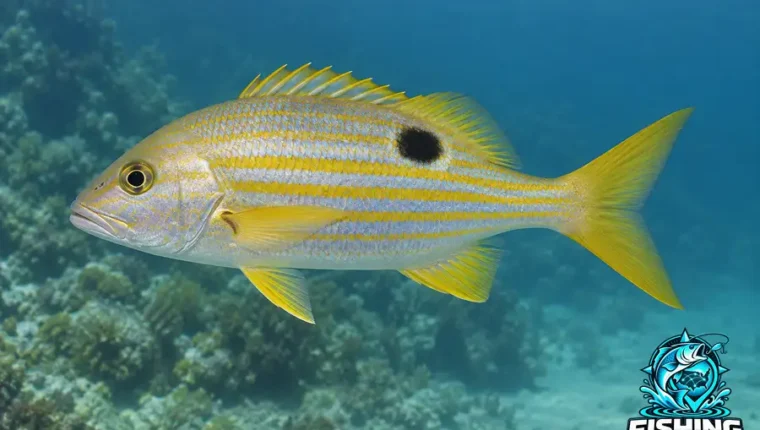
A snapper native from the Red Sea and eastern Africa toward Japan, Samoa and Australia.
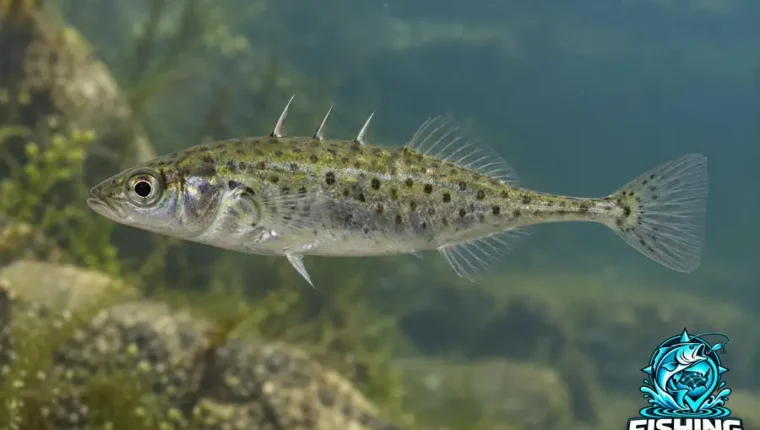
A tiny coastal fish from Newfoundland to Massachusetts. Often stays near floating vegetation, and males guard eggs in nests.
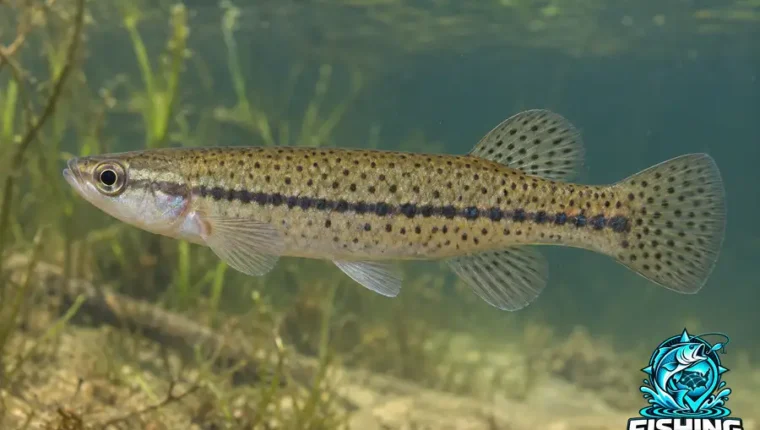
Lives in clear south-central U.S. streams, often near bank vegetation. Eats insects and other small animals, plus some plant matter.
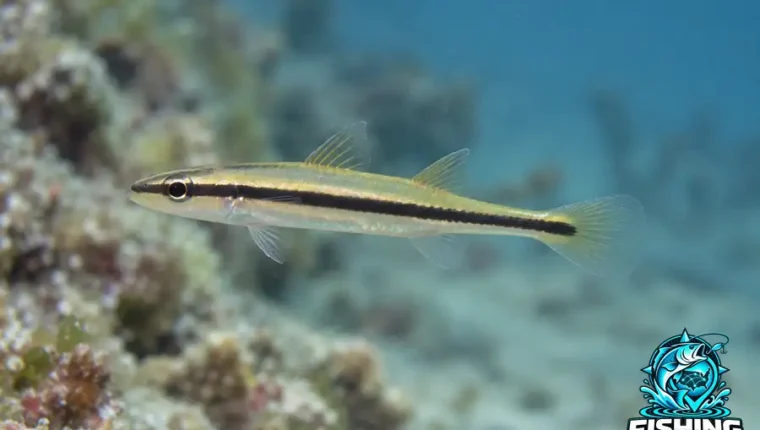
A dartfish whose known distribution includes Palau and the Solomon Islands.
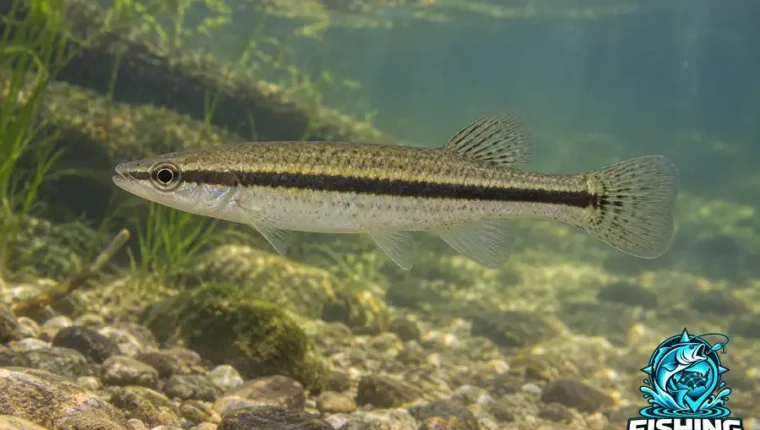
Favors gentle currents beside vegetated stream banks in central North American waters.
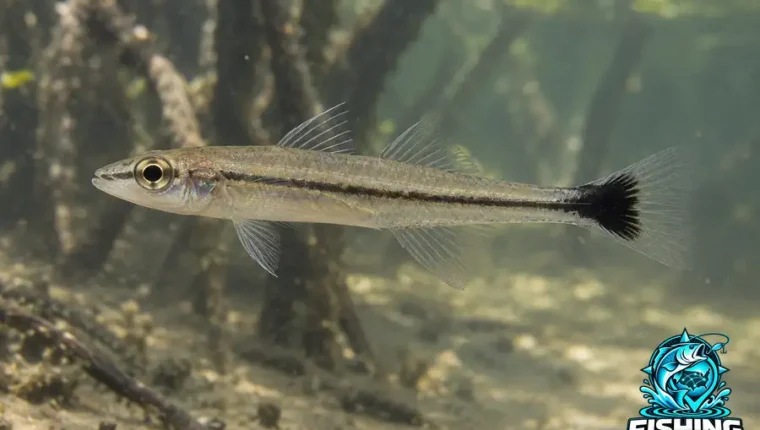
A small dartfish of the Andaman Sea and western Pacific. Often found close to mangrove trees.
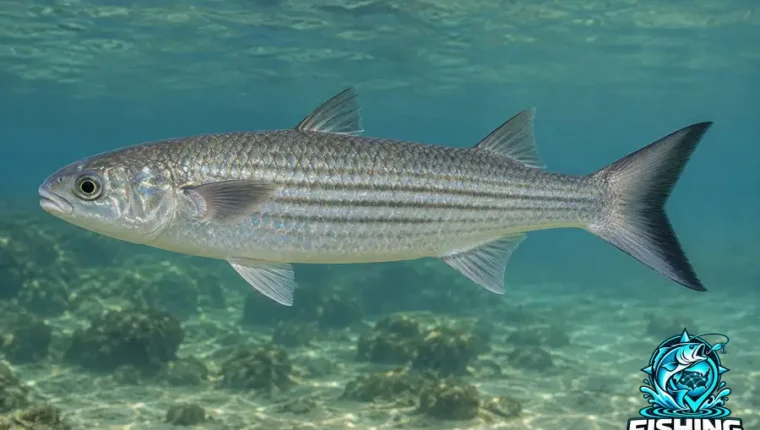
A mullet found from Indonesia and the Philippines toward French Polynesia, southern Japan and Fiji.
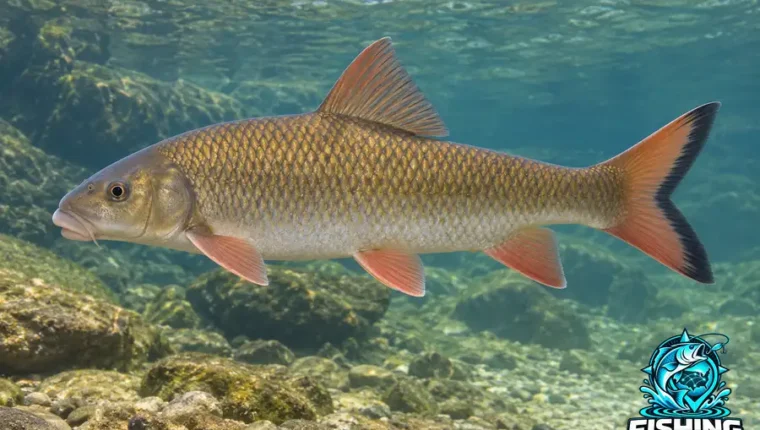
A freshwater sucker found in lower Mississippi tributaries and neighboring Gulf Coast systems, from southern Kentucky toward coastal Texas.
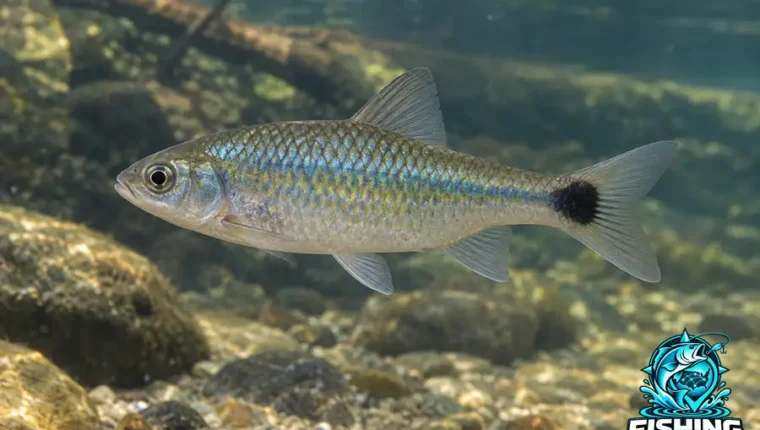
Recorded in Alabama’s lower Mobile River basin and coastal rivers.
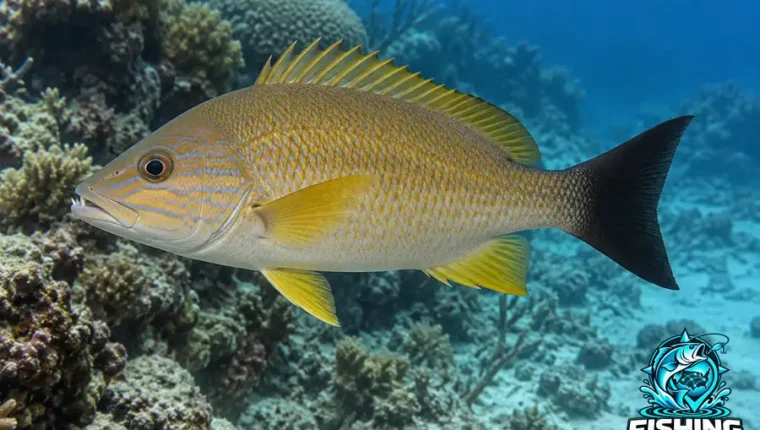
Native across the tropical Indo-Pacific and Red Sea, with introduced populations around Hawaii.
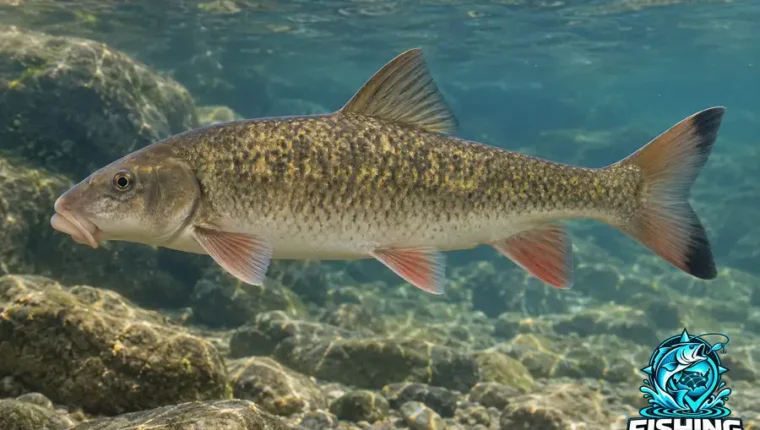
A freshwater jumprock native to Virginia and North Carolina.
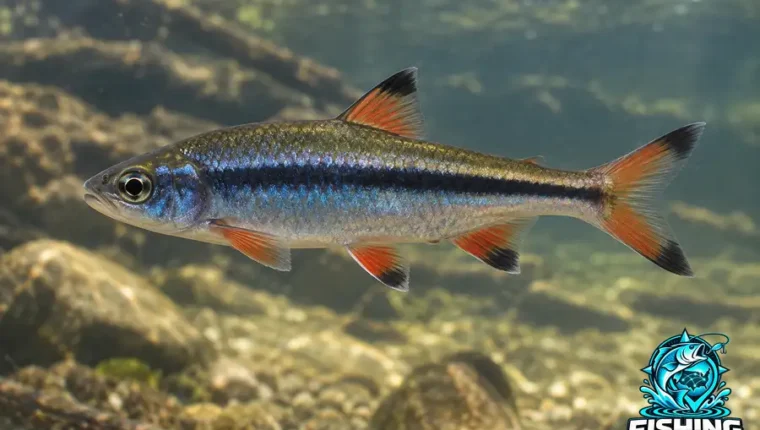
Lives in southeastern headwaters and creeks, especially Florida Panhandle river systems. Prefers sandy or gravel-bottomed pools and runs.
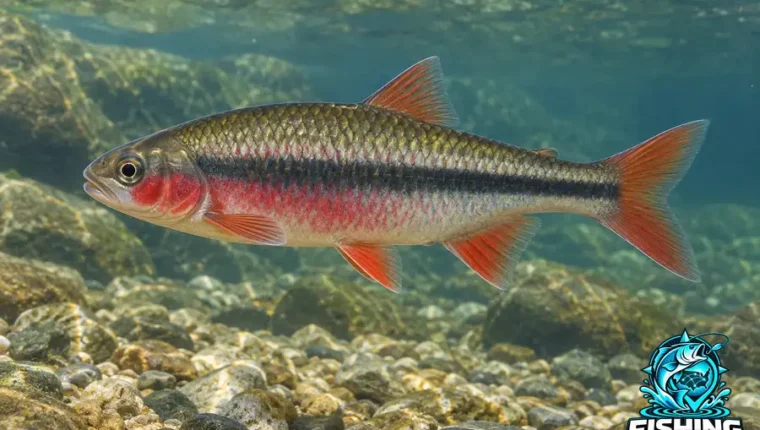
An Ozark stream fish from southern Missouri and northeastern Arkansas. Favors rocky and sandy pools in creeks and small rivers.
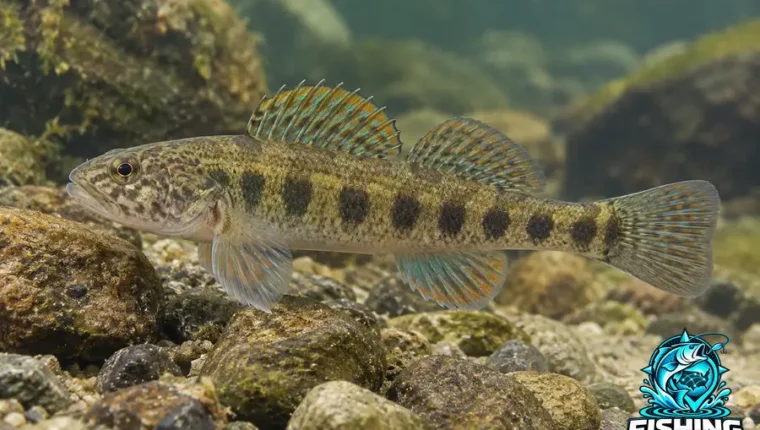
A small darter recorded in Alabama and Tennessee. Lives among the swift riffles of flowing freshwater streams.
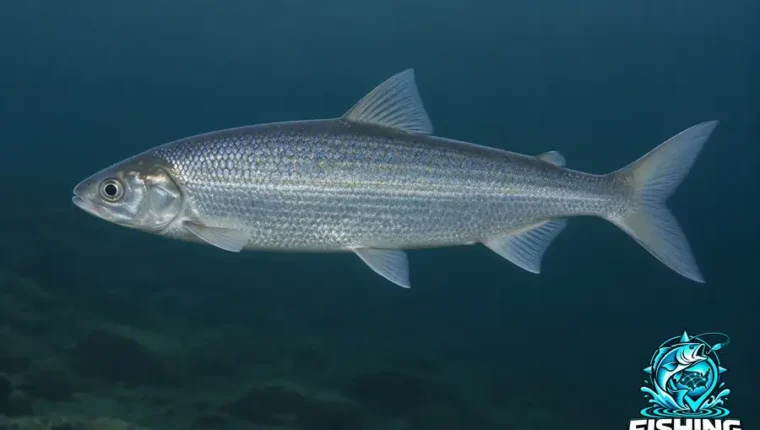
A silvery deepwater fish found in most Great Lakes and Lake Nipigon. Often lives along underwater slopes.
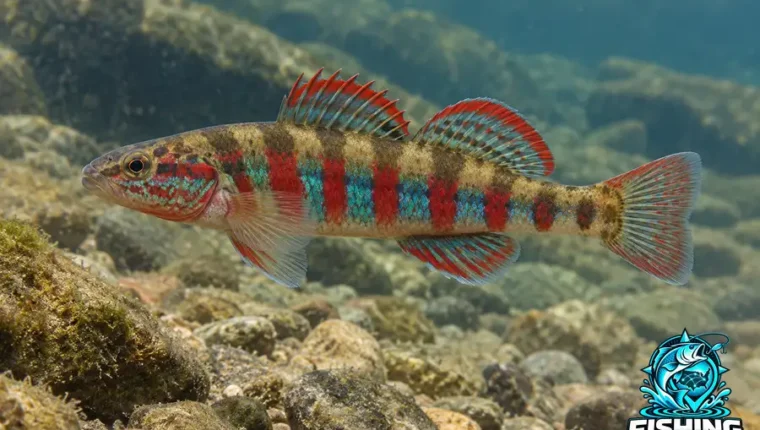
A stream darter with a native range in Kentucky and Tennessee.
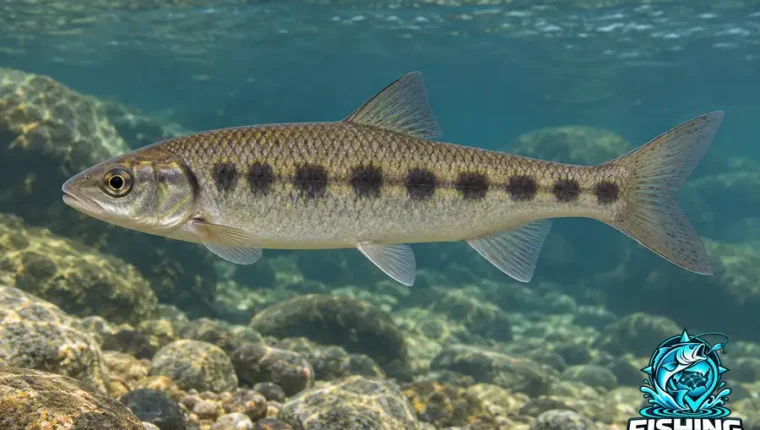
A freshwater chub native to the eastern United States.
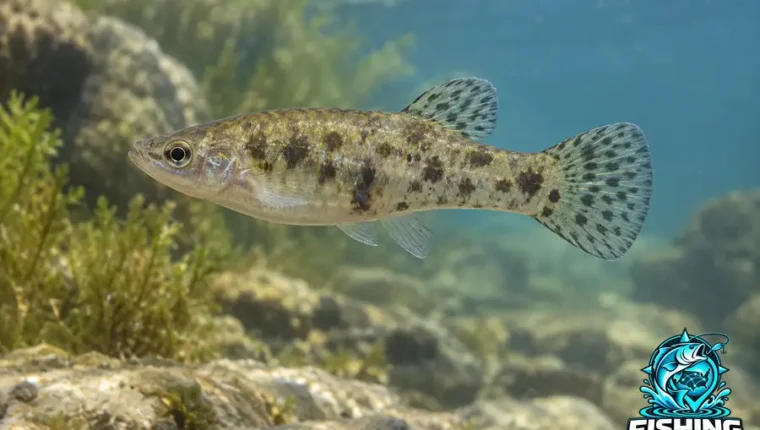
Native to northern Mexico and formerly Texas. Remaining natural populations occur in Chihuahua and Durango.
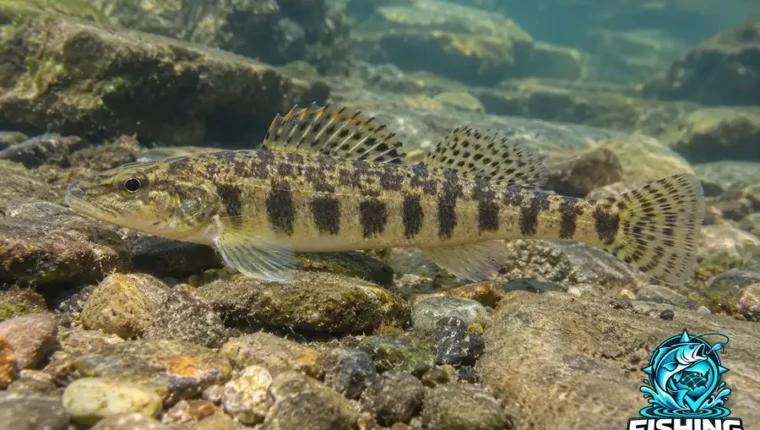
A river logperch native to the eastern-central United States.

Cut bait is a proven choice for this large catfish. Found in major rivers and reservoirs across much of central North America.
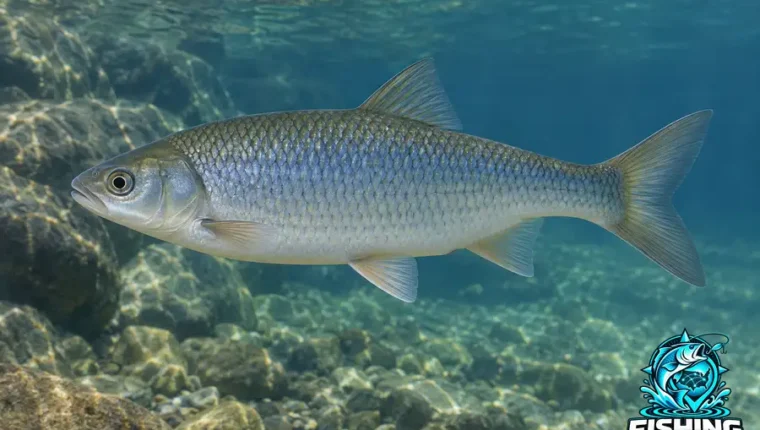
Uses rocky stream pools and lake shores, eating insect larvae, water fleas and algae.
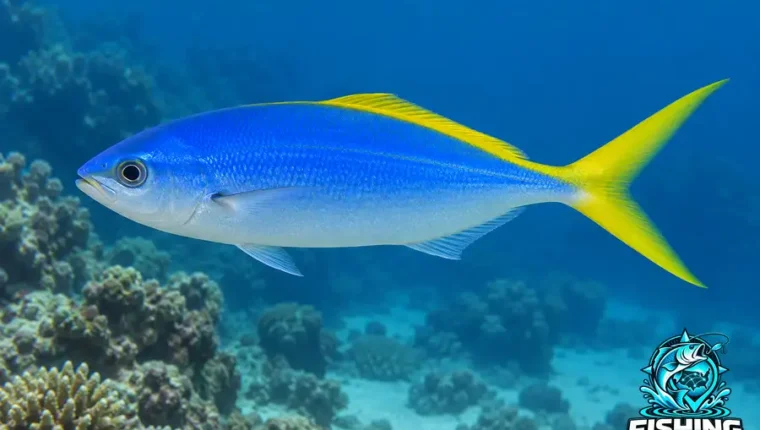
A schooling marine fusilier distributed across the Indian Ocean and western Pacific.
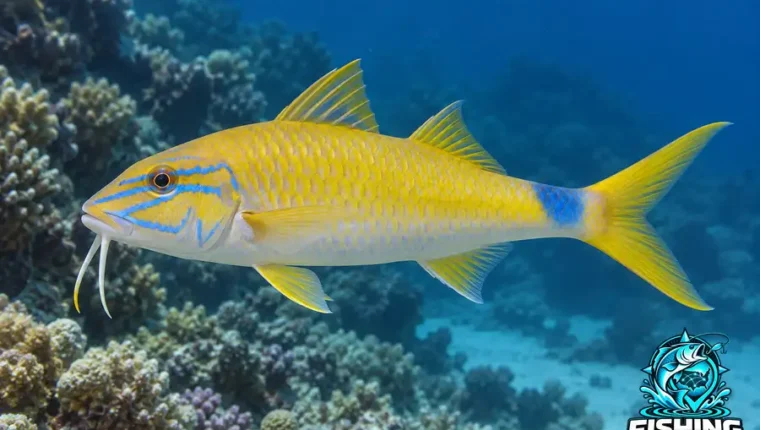
Often found near Indo-Pacific reefs. A yellow saddle-shaped patch near the tail is a distinctive feature of this goatfish.
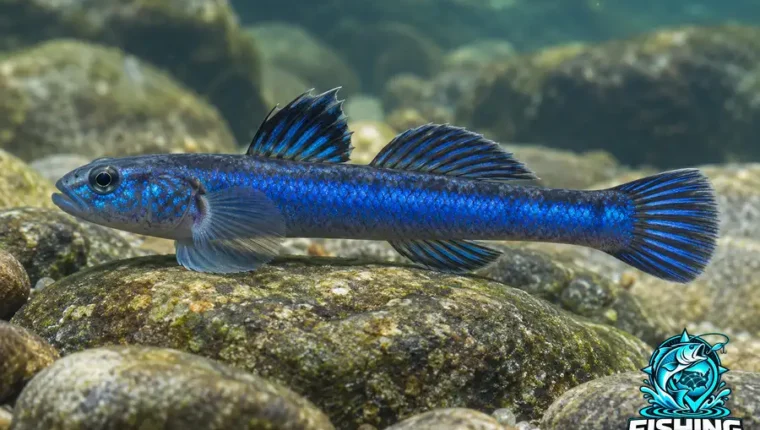
A stream goby found naturally only on Pohnpei in Micronesia, with young fish spending part of their development at sea.
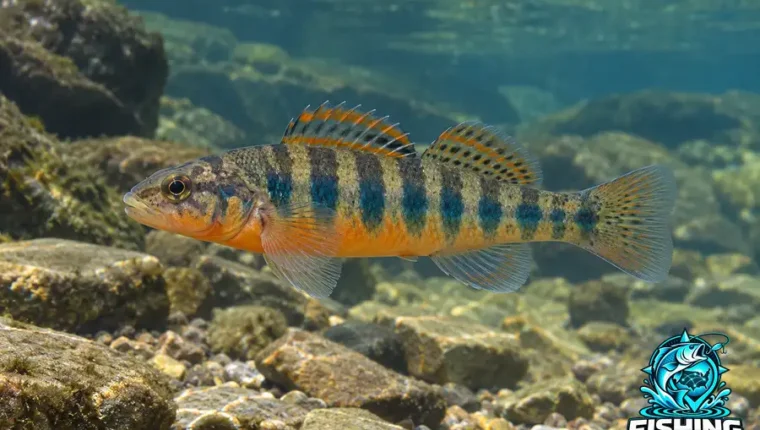
Native to Oklahoma’s Blue River, giving this darter an especially limited natural distribution.
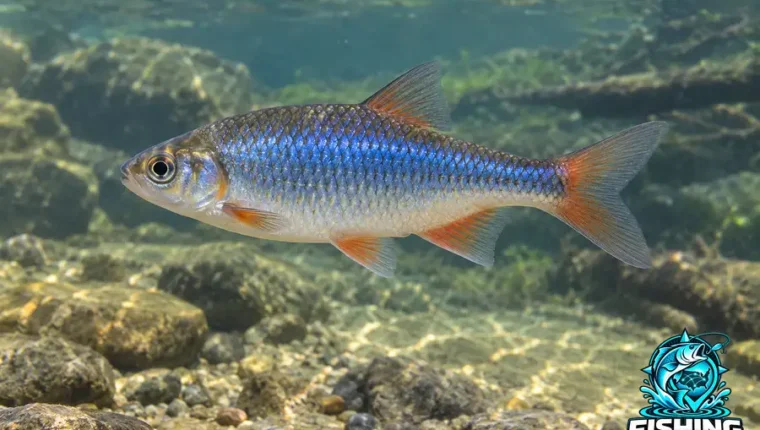
Native to the Cahaba and Coosa river systems in the Southeast, within the larger Mobile River basin.
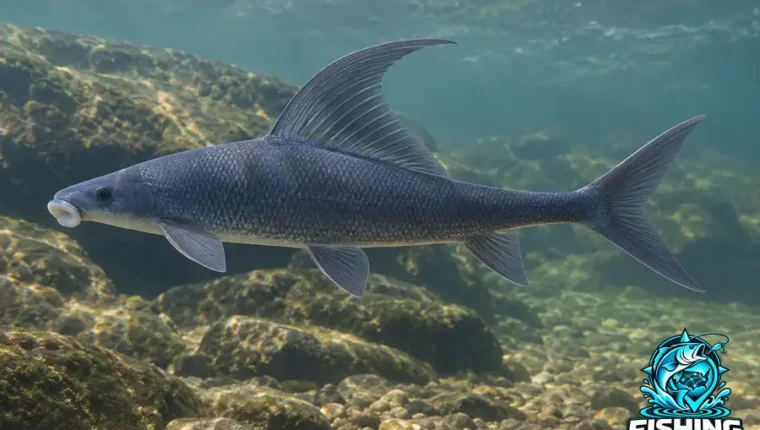
A long-lived river fish native to the United States. Successful spawning can vary greatly between years.
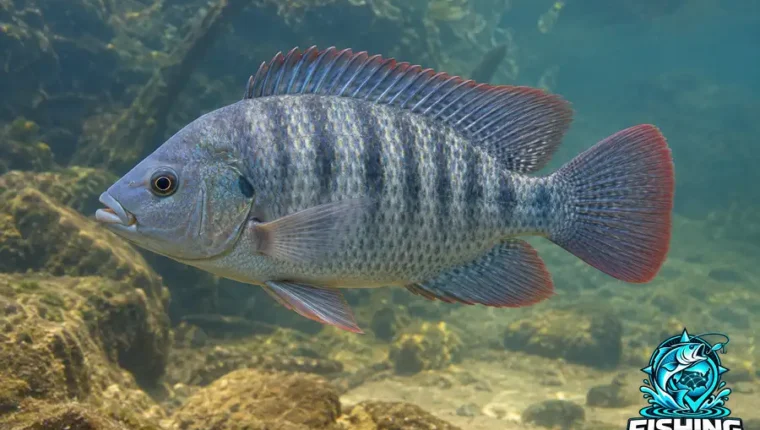
Originally from northern and western Africa and the Middle East. Introduced populations now occur in parts of the United States.
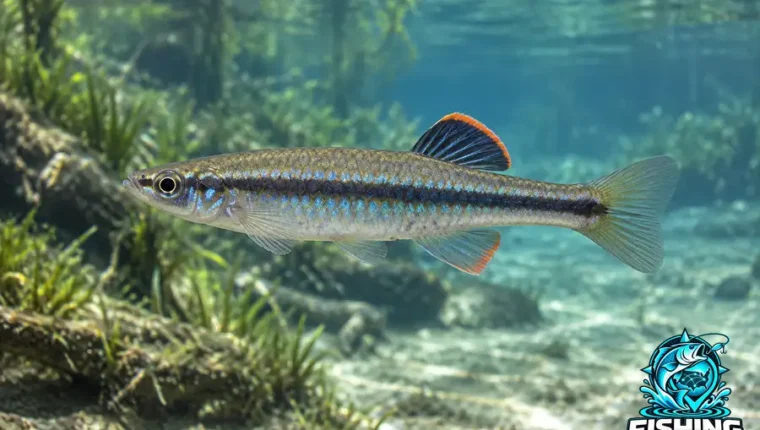
Lives in the Chipola River system of southeastern Alabama, with scattered Atlantic coastal populations reaching central South Carolina.
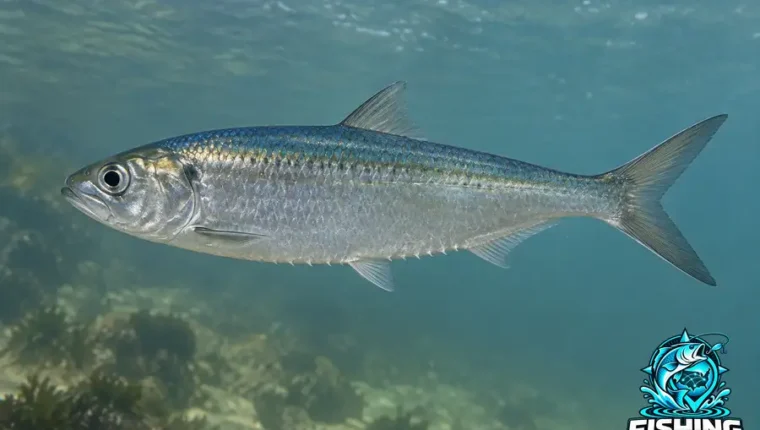
A migratory herring native to the Atlantic coast from Canada south to northern Florida.
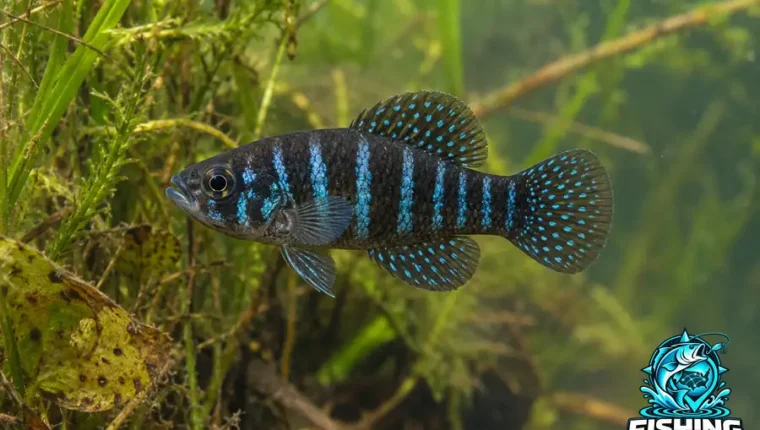
Favors heavily vegetated water in the Edisto and Savannah river systems of the southeastern United States.
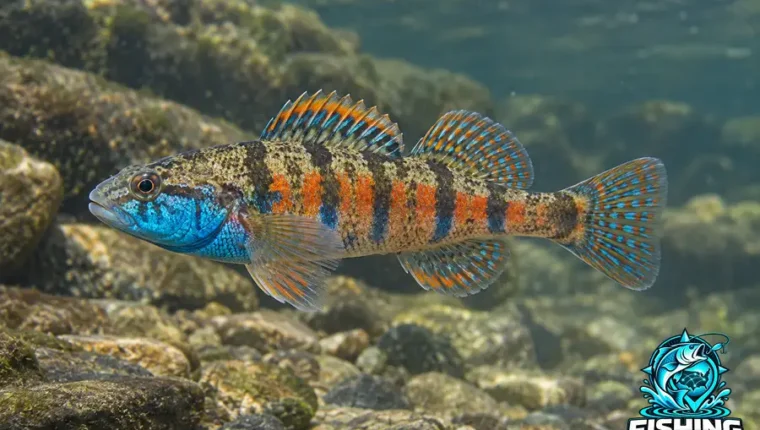
Ranges across the eastern United States, from New York and Illinois south to Tennessee and North Carolina.
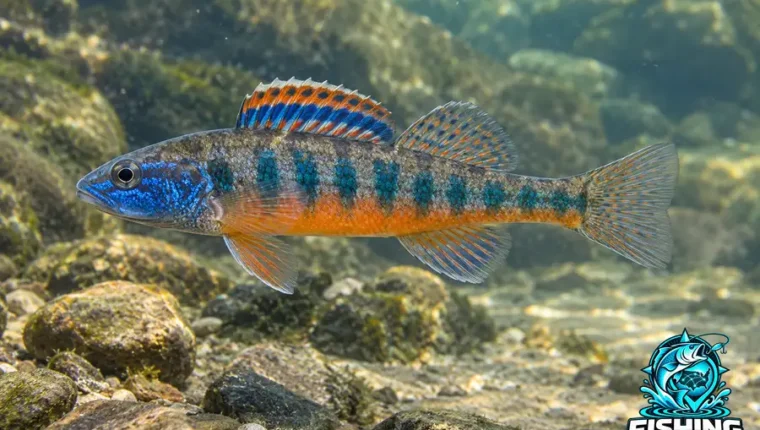
Native to upland streams of Alabama’s Cumberland Plateau, including the upper Bear and Hubbard creek systems.
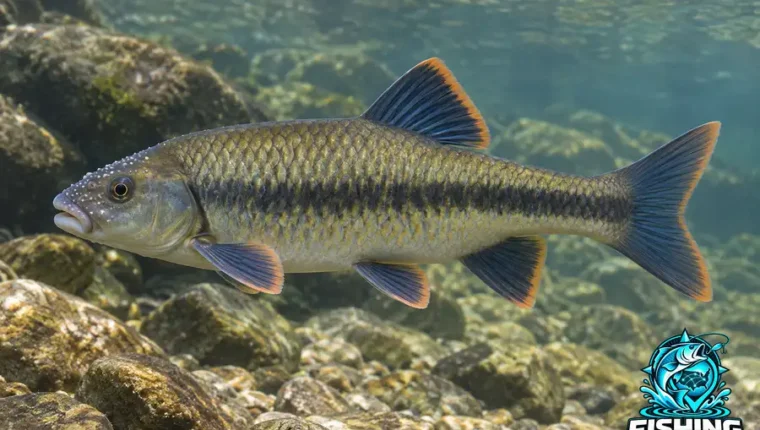
A freshwater stoneroller with a natural range centered in the southeastern United States.
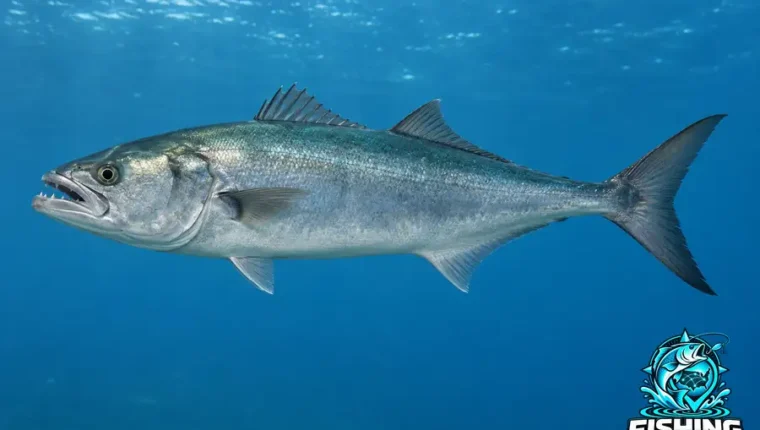
A coastal predator found around surf beaches, rocky headlands and open water above the continental shelf.

Takes small worms, crickets and tiny jigs. Look around vegetation, brush and shallow cover in ponds and lakes.
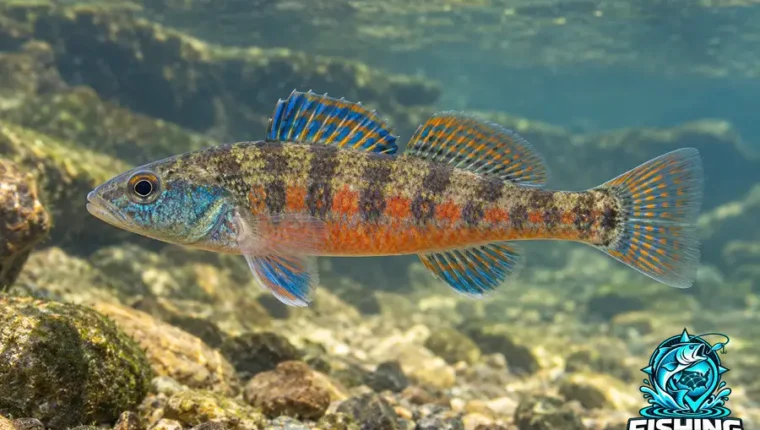
Native to the Green River system in Kentucky and Tennessee. This darter has a limited regional range.
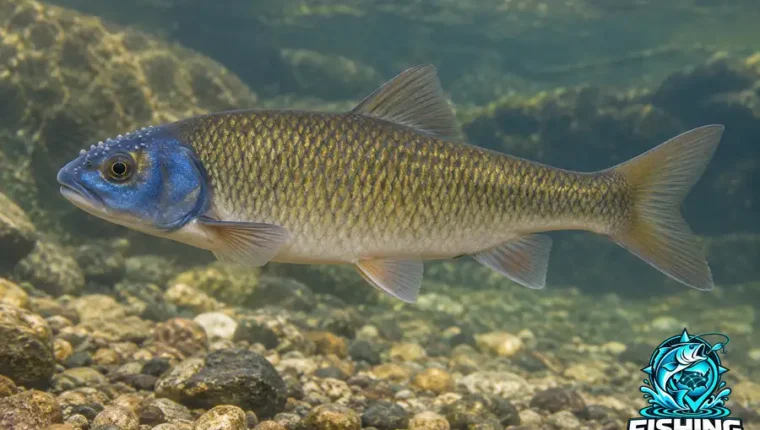
A southeastern United States chub associated with freshwater streams and rivers.
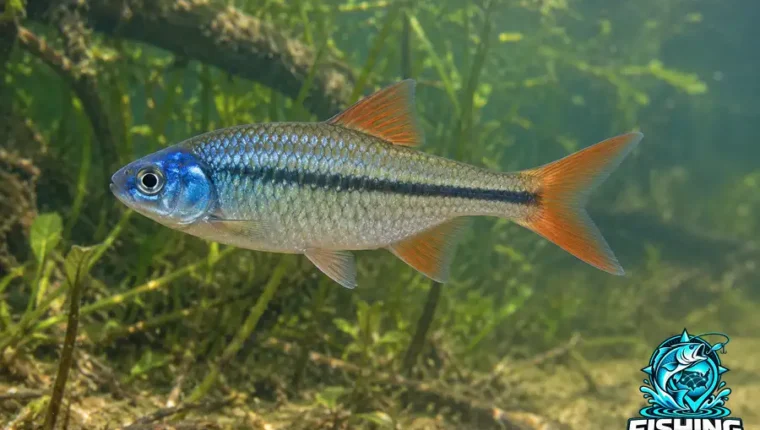
A small freshwater shiner found in Arkansas, Louisiana, Oklahoma and Texas.
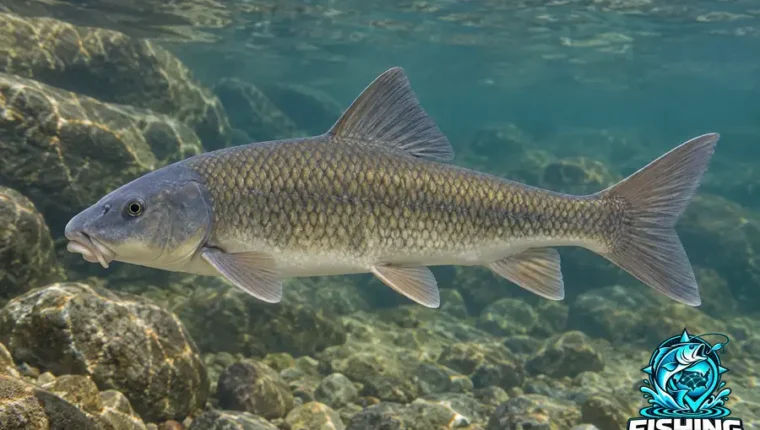
Typically uses larger flowing streams and rivers. Its relatively large body suits bigger waterways better than tiny creeks.
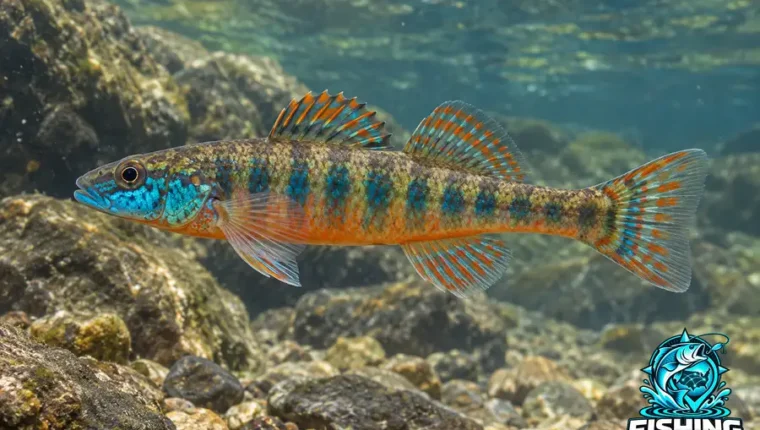
Found naturally only in Tennessee’s Caney Fork River system, within the larger Cumberland River drainage.
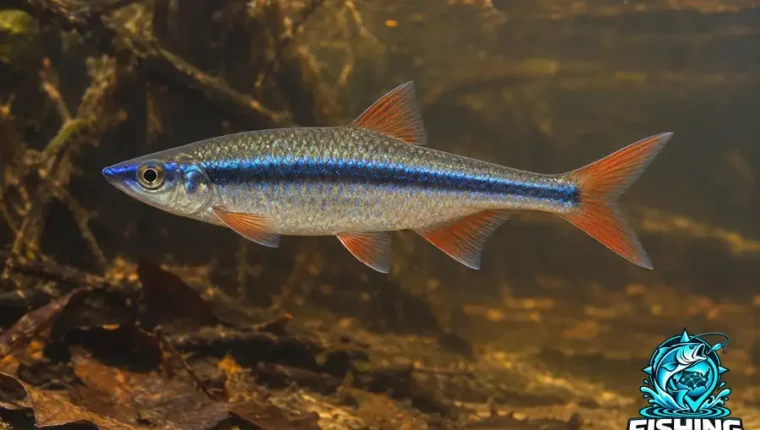
Uses deep, slow coastal creeks and rivers in Florida and parts of Alabama and Georgia.
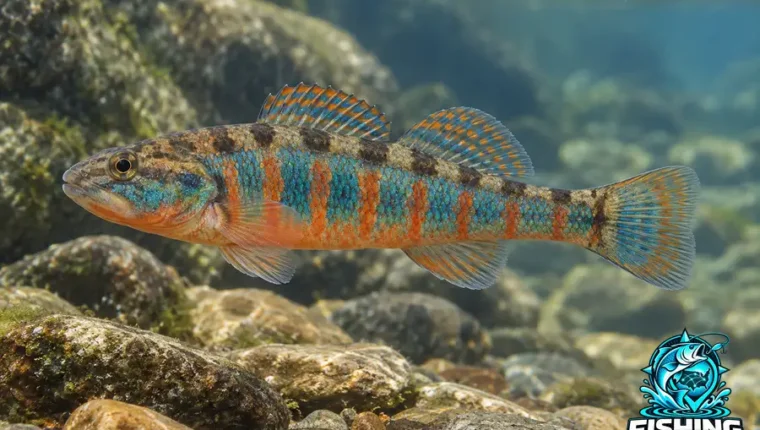
Lives in Tennessee River tributaries across Tennessee, Alabama, Virginia and North Carolina, including several smaller creek systems.
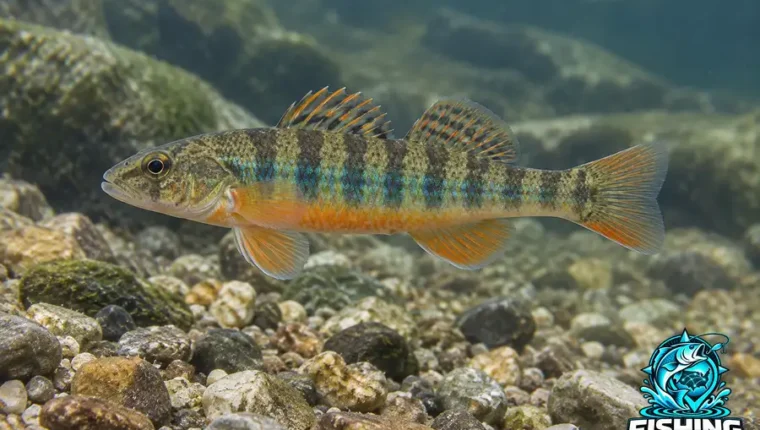
A freshwater darter native to Tennessee and Virginia.

A small Indo-Pacific pipefish distinguished by blue spotting along its slender body.
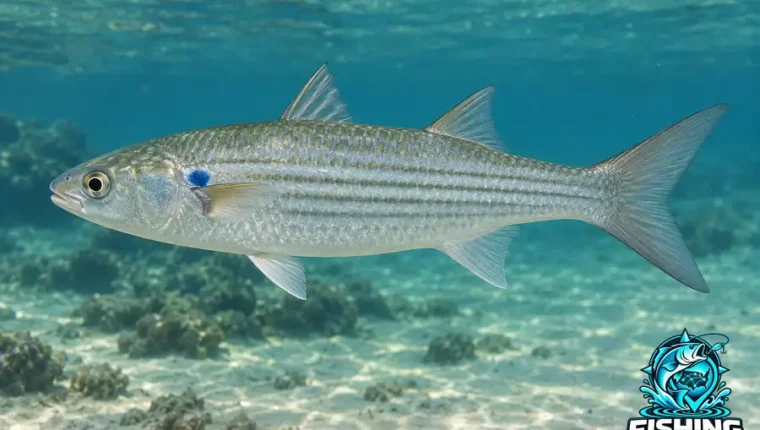
A mullet ranging from the Red Sea and eastern Africa toward Fiji, the Mariana Islands and central Japan.
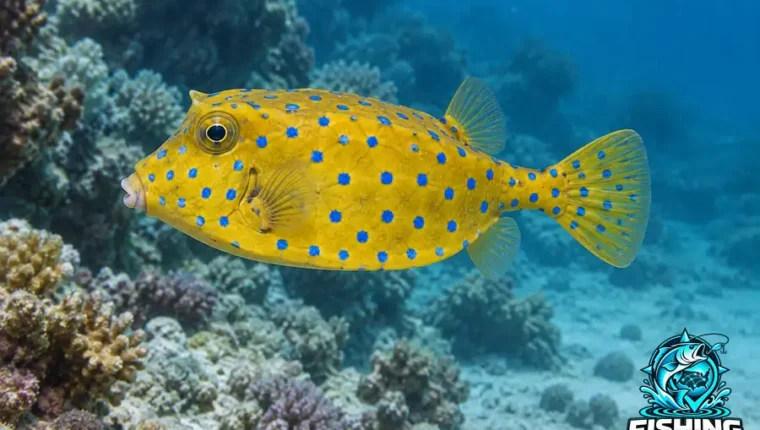
A reef-dwelling boxfish found across the Indian and Pacific oceans, with records extending into the southeastern Atlantic.
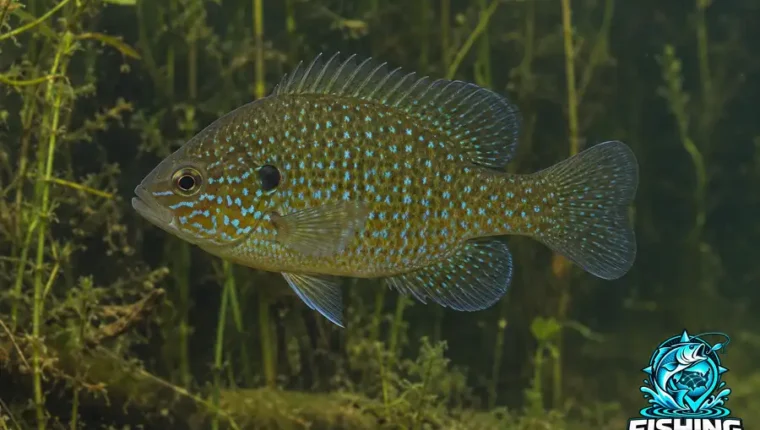
Native to the eastern and southeastern United States. Its range reaches north into Pennsylvania, New Jersey and southern New York.
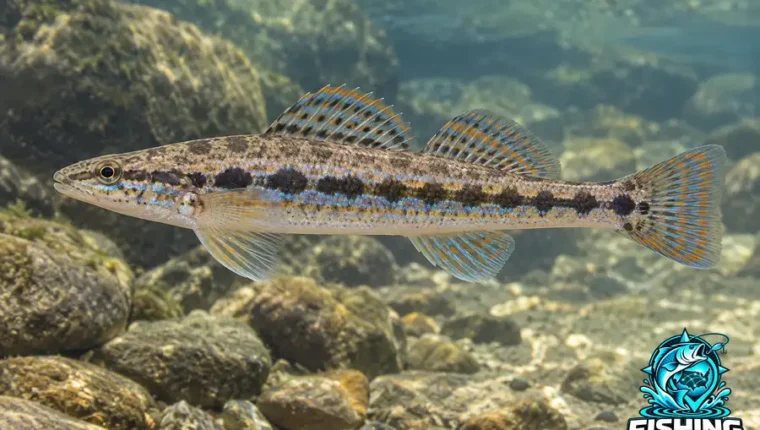
Stays close to aquatic plants in small and medium-sized rivers. Vegetation is an important part of its habitat.
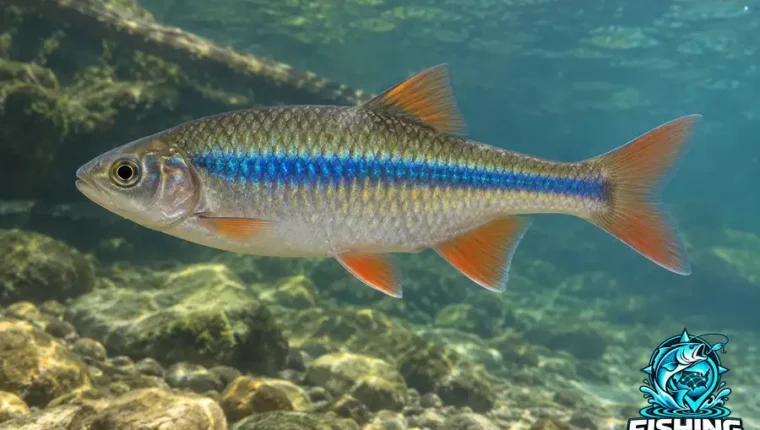
A shiner of the Apalachicola River system, spanning parts of Florida, Georgia and Alabama.
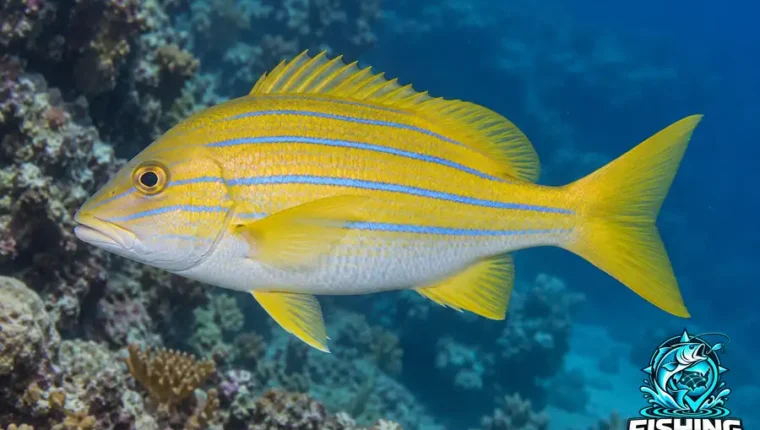
Ranges from Africa’s Indian Ocean coast and the Red Sea east into the central Pacific.
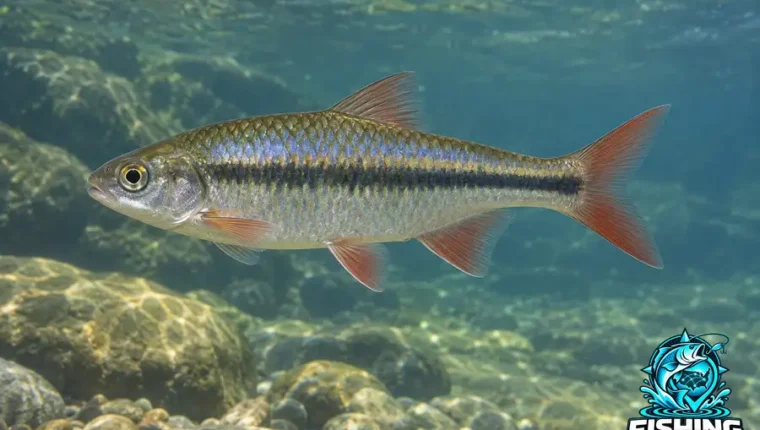
Native populations occupy two separated regions on opposite sides of the Mississippi River.
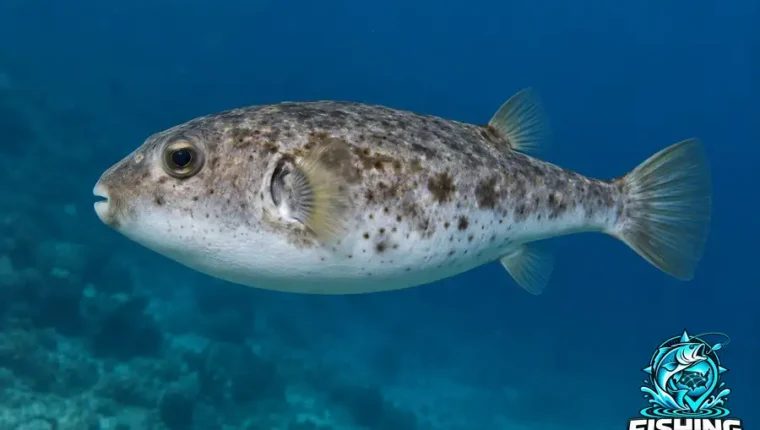
Found widely in tropical and warm temperate seas, including the Mediterranean, Gulf of Mexico and Caribbean.
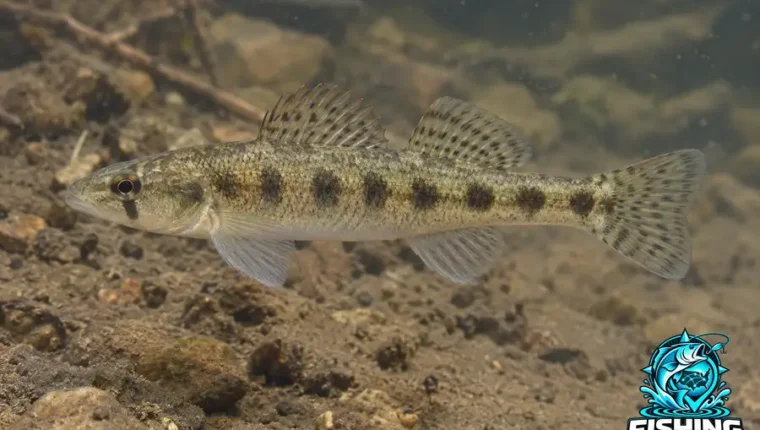
A small eastern North American darter associated with quiet water and gentle currents.

An Atlantic flyingfish recorded from Massachusetts south toward Argentina, including Gulf and Caribbean waters.
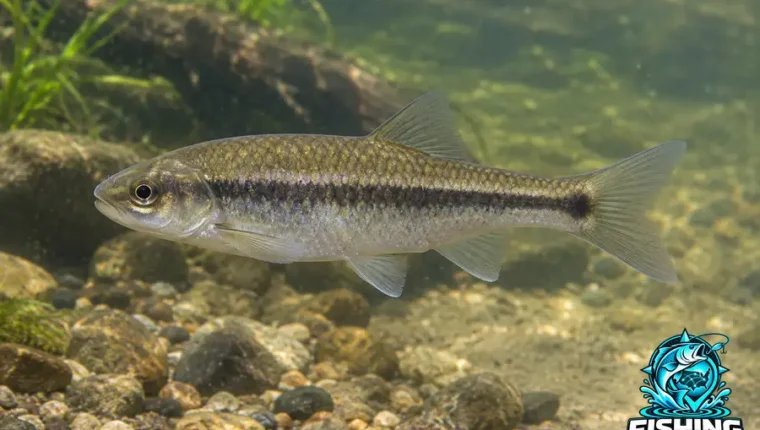
Occurs from Quebec’s St. Lawrence River south into the Roanoke River region of the eastern United States.
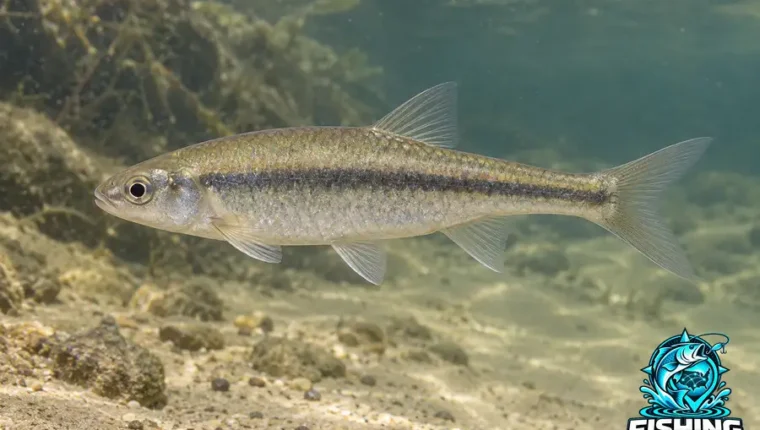
A small freshwater shiner with a native range shared by Mexico and the United States.

Uses shallow sandy and muddy bottoms. Northern populations move seasonally through coastal waters.
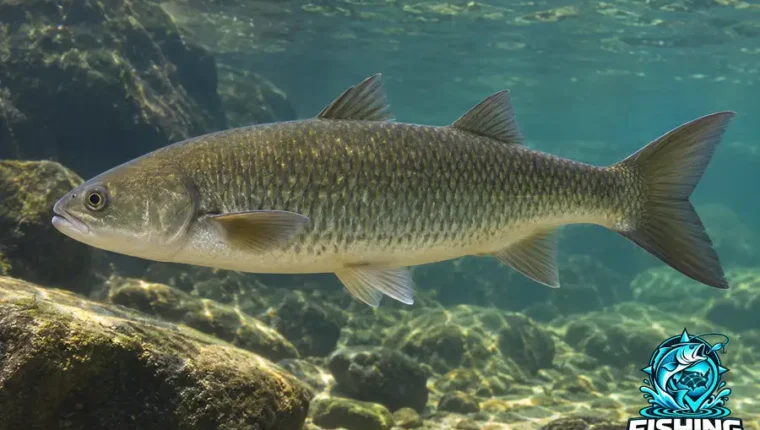
Lives in Gulf of Mexico drainage rivers and can also use their brackish lower reaches.
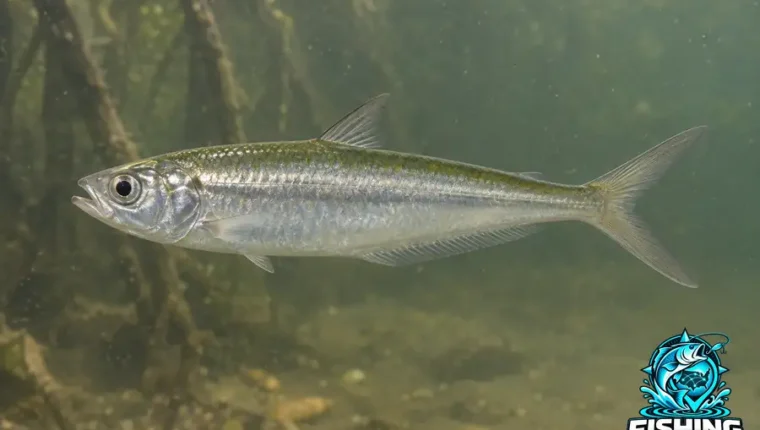
A western Atlantic fish with a coastal range documented in tropical American waters.
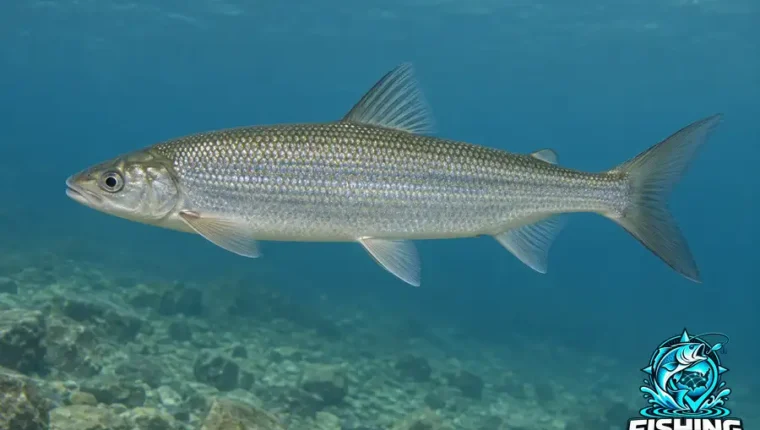
Found naturally only in Bear Lake, the large freshwater lake shared by Utah and Idaho.
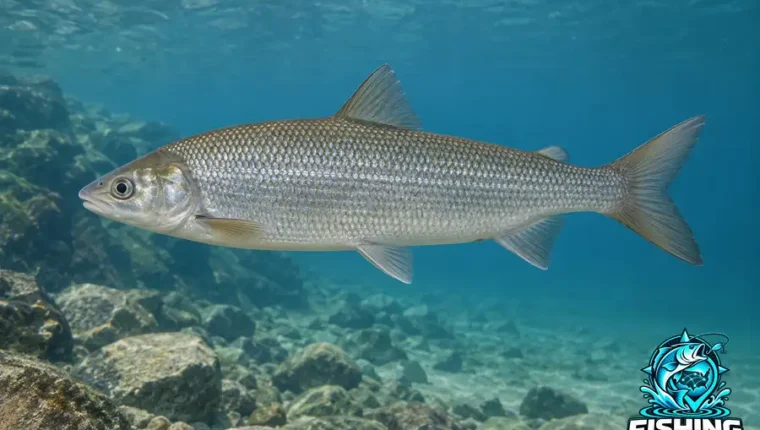
Eats midge larvae, pupae and other insects. A whitefish associated with the Bear Lake region.
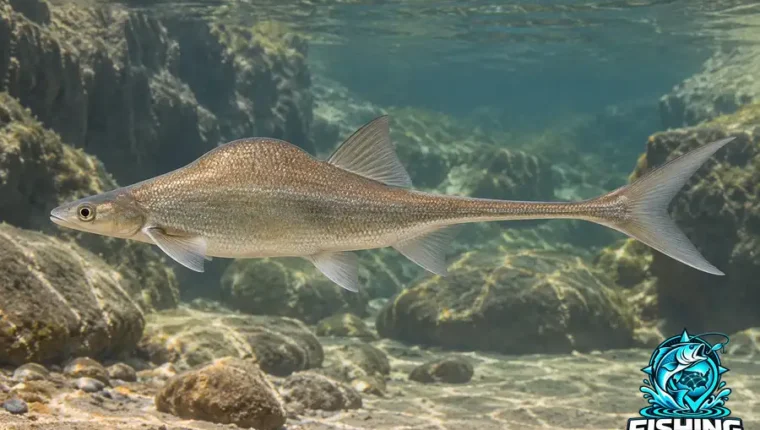
A native of the Colorado River basin whose historical range stretched across much of the desert Southwest.
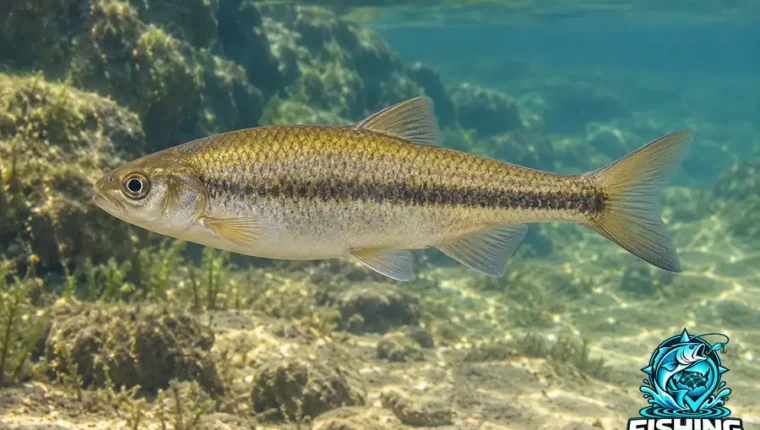
Lives around Oregon’s Borax Lake, including its pools and outflow channels in the remote Alvord basin.
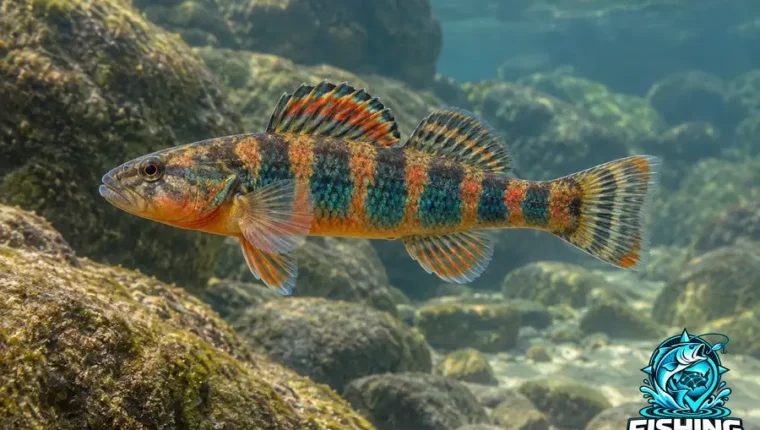
A darter of Alabama and Tennessee, associated with the Elk River system and Shoal Creek.
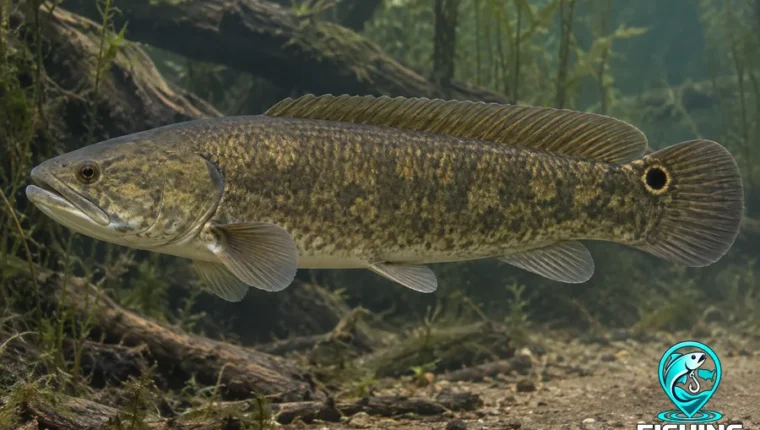
Native across much of the eastern United States, extending north into southern Ontario and Quebec.
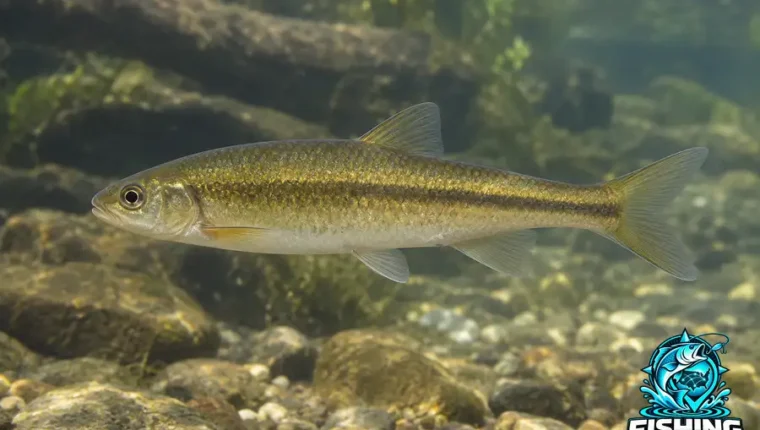
Uses weedy ponds, marshy lakes and river overflow pools. It can also occur in ditches and brackish tidal water.
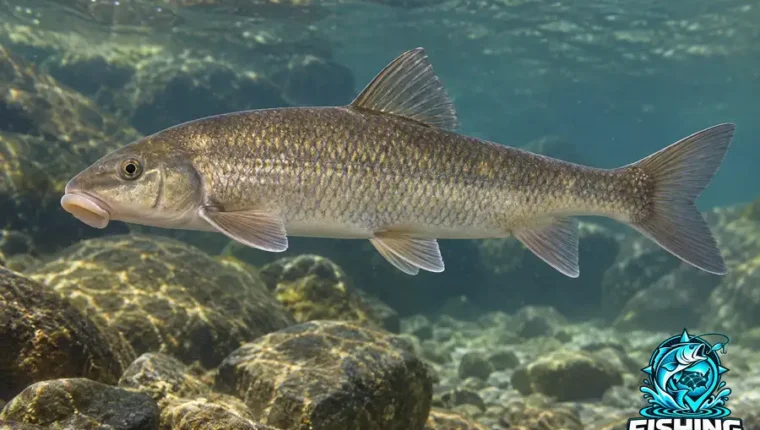
Often stays deeper during daylight, then moves into shallower water toward evening.
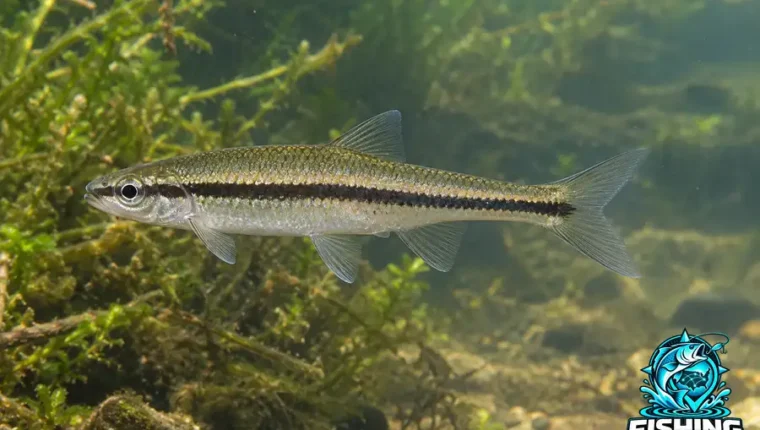
A small shiner found in lowland waters of the eastern Lake Ontario and St. Lawrence river systems.
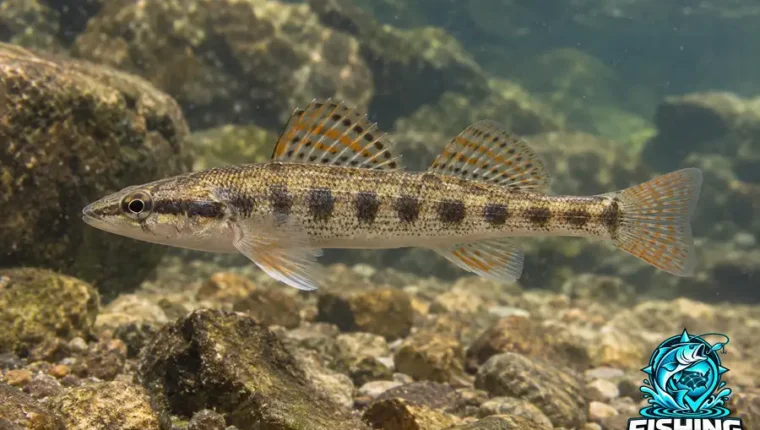
Uses flowing pools and riffles in smaller rivers, especially around submerged wood and aquatic plants.
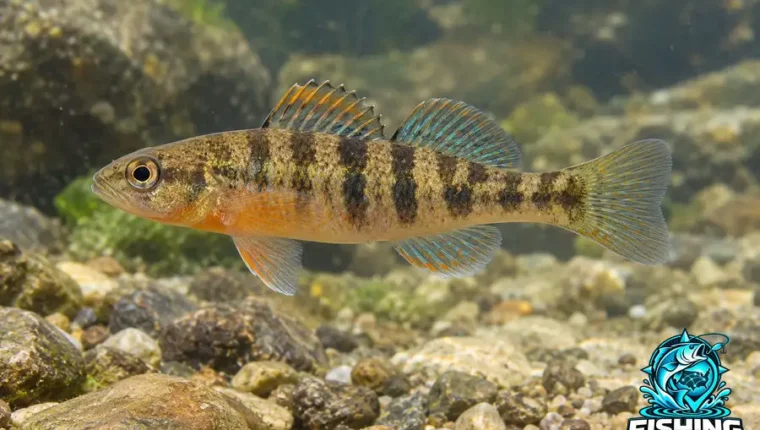
Lives near the bottom of freshwater streams and rivers. Its habitat is closely tied to flowing inland waters.
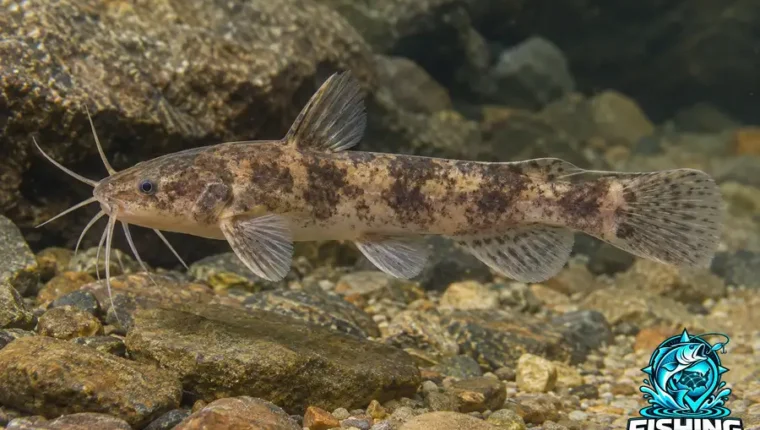
Favors gently flowing pools with some silt and varied bottom structure, although it also occurs in riffles.
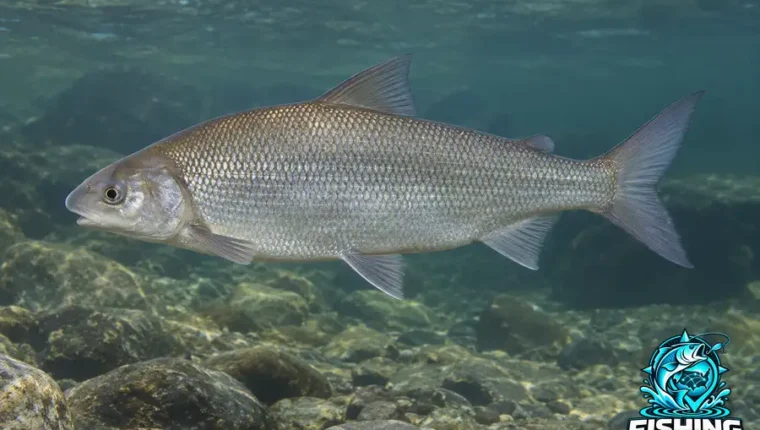
A northern whitefish of lakes and rivers draining toward the Arctic in North America and far eastern Russia.
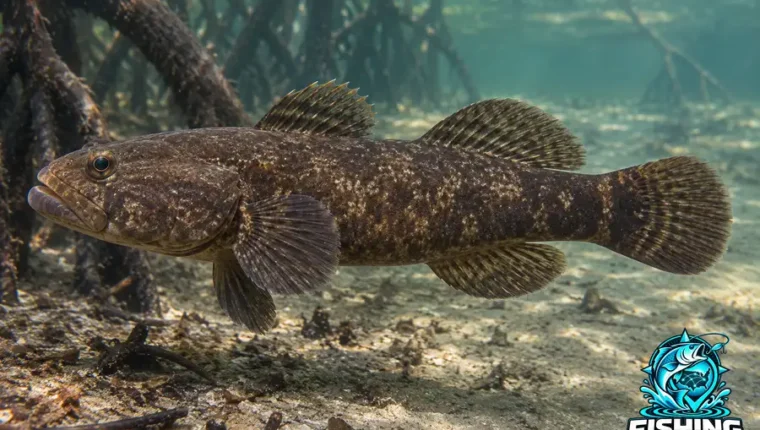
Ranges from eastern Africa through southern Asia into western Pacific islands, using freshwater, brackish and coastal marine habitats.
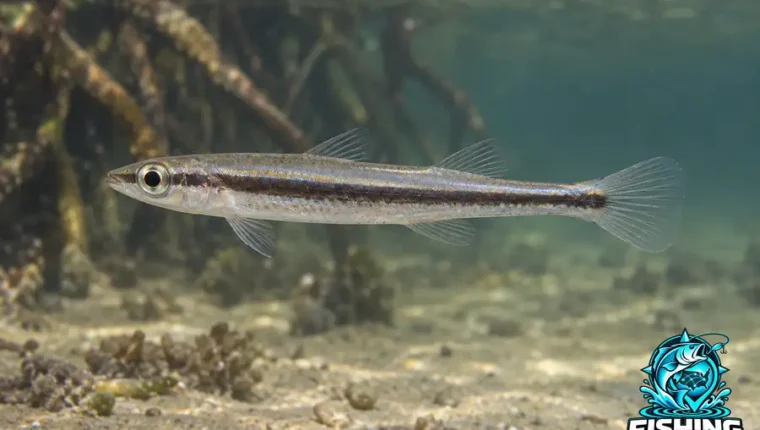
A coastal dartfish ranging from Malaysia and Sumatra toward Vanuatu, the Ryukyu Islands and northern Australia.
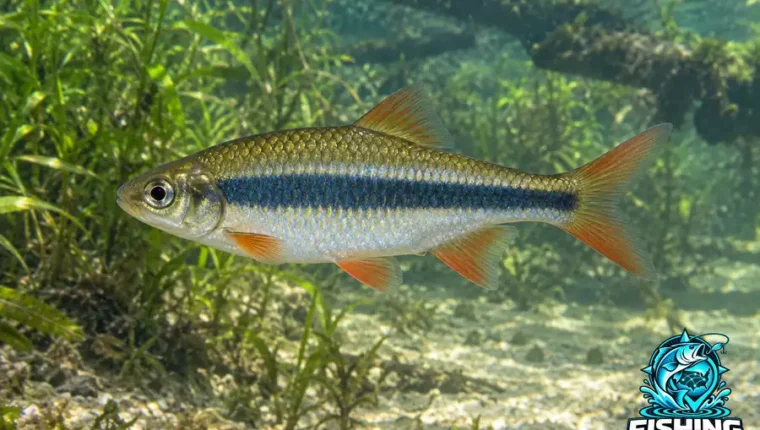
Native to the Chattahoochee River system in Georgia and Alabama. Its natural range is restricted to this drainage.
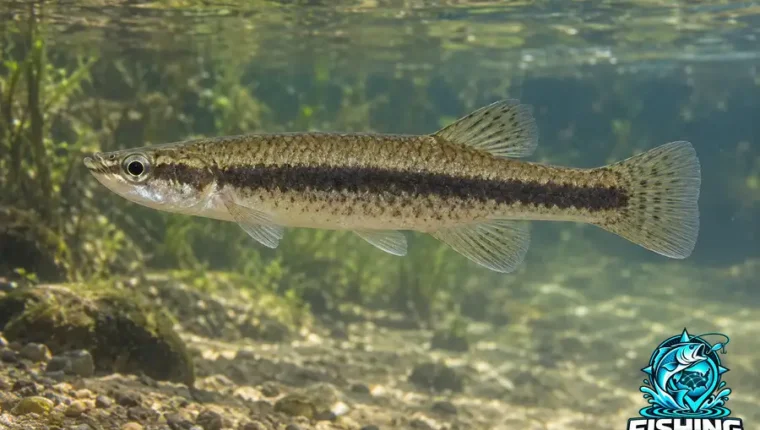
Native to Mississippi and Louisiana streams draining toward Lake Pontchartrain.
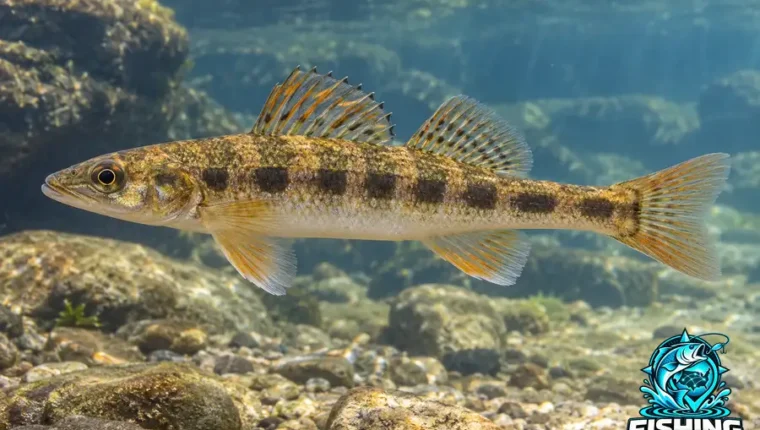
Feeds on insect larvae and other tiny invertebrates. Spawning generally takes place during April and May.
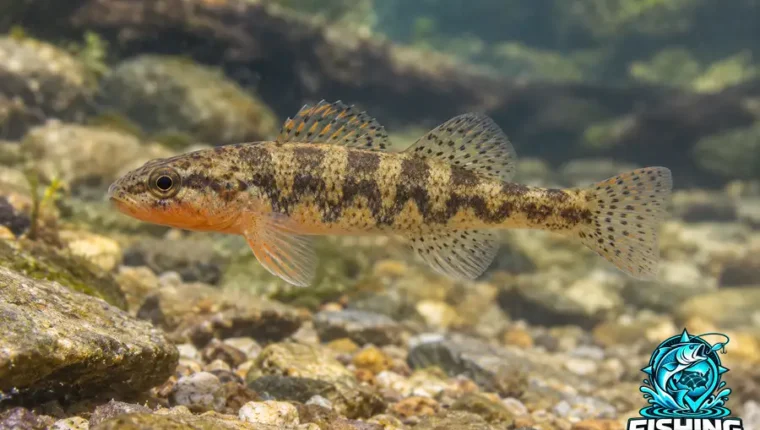
Uses shallow gravel riffles in creeks and small rivers, sometimes moving into rocky runs and pools.
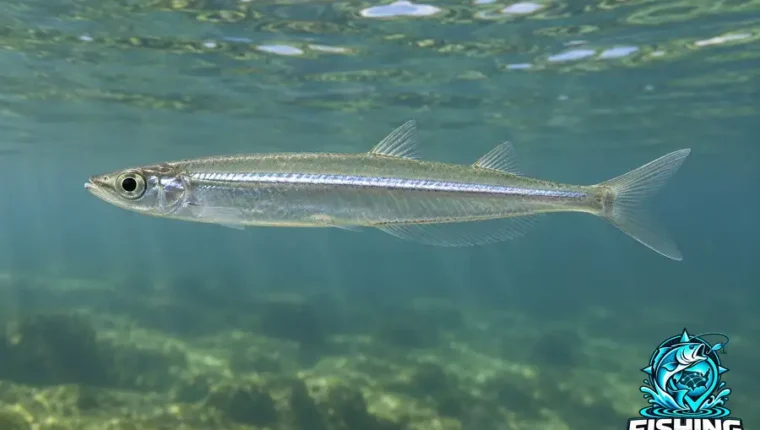
Lives in lakes and slow rivers from the Great Lakes region through the Mississippi basin and Gulf Coastal Plain.
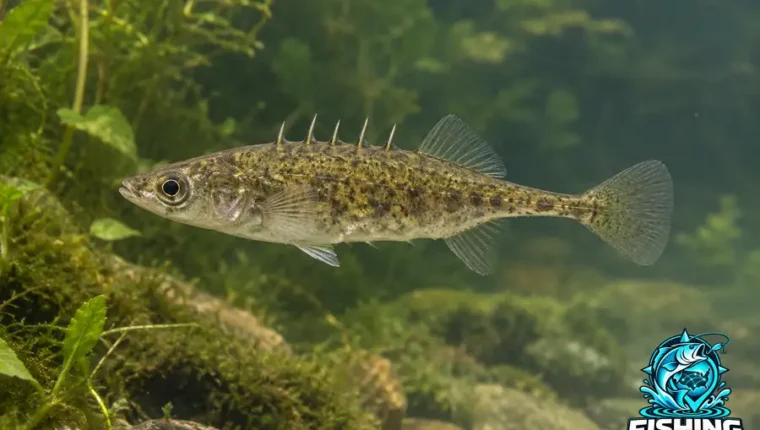
A small freshwater fish whose broad North American range extends from interior Canada into the United States.
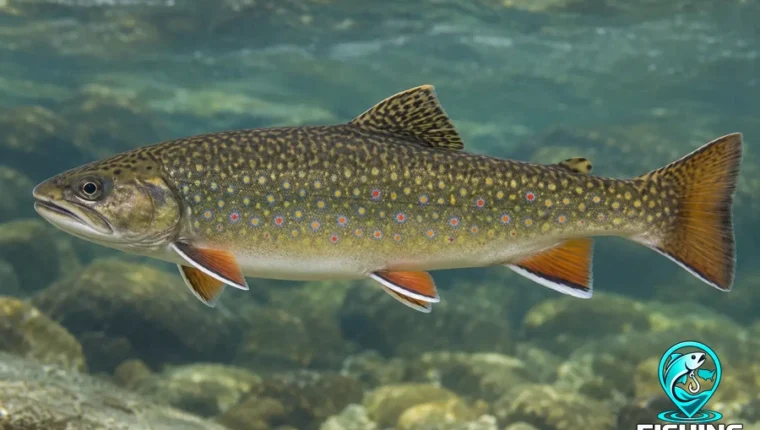
A northern trout found in lakes and coastal river systems extending from Long Island toward Hudson Bay.
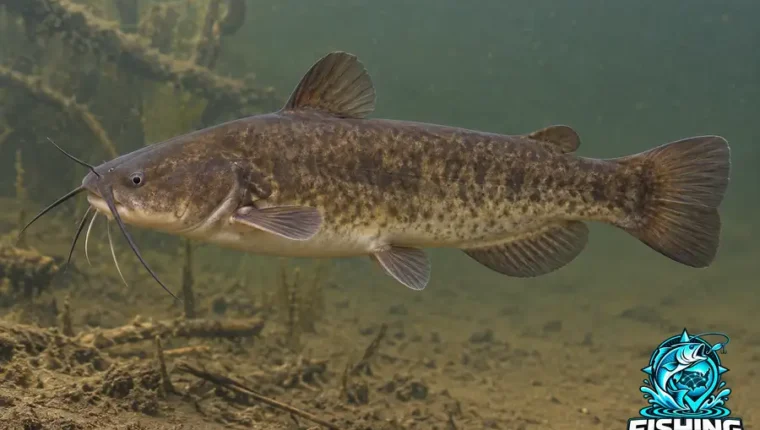
A catfish native to southern Canada and the eastern and central United States.
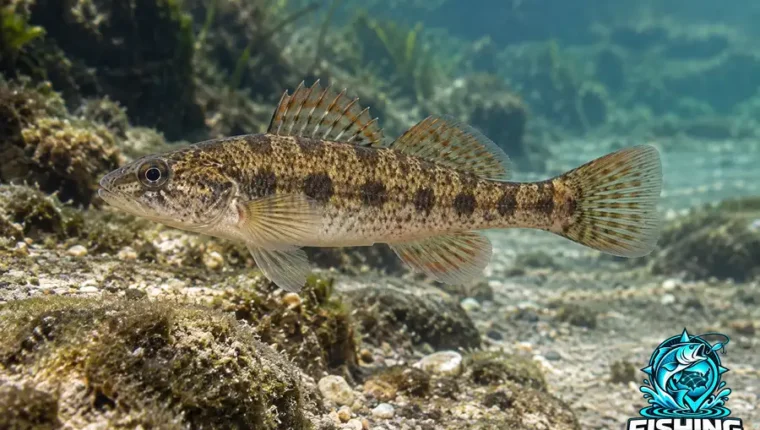
Favors sandy stream runs, particularly where aquatic plants provide nearby cover.
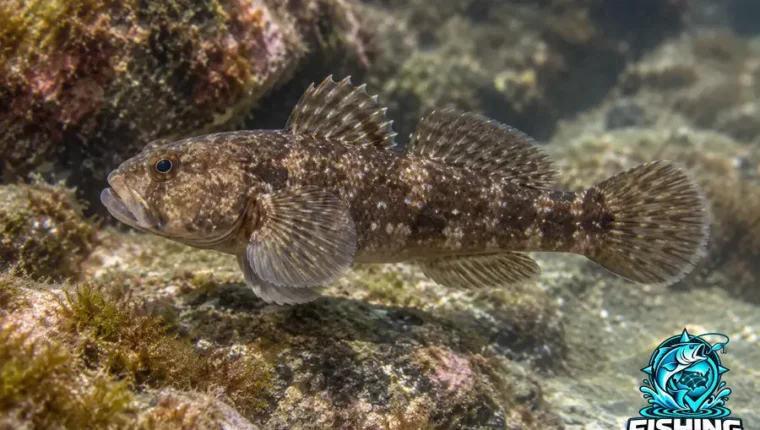
Eats algae, decaying organic material, crustaceans and small fish. Spawns on the bottom rather than in open water.
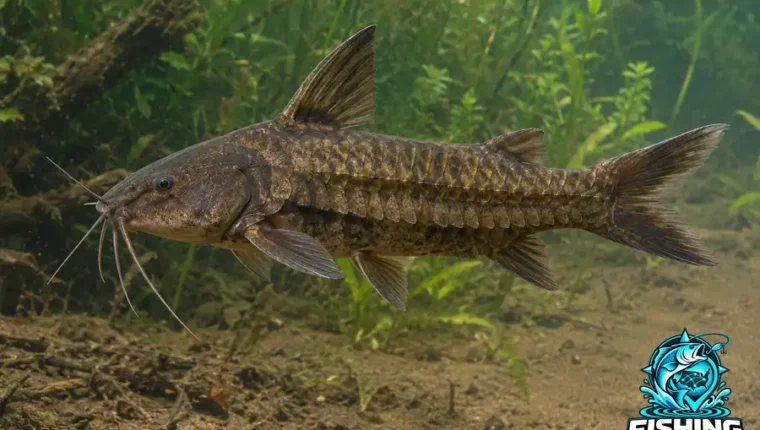
Feeds on tiny aquatic crustaceans, including water fleas and copepods. Its diet focuses on small freshwater prey.
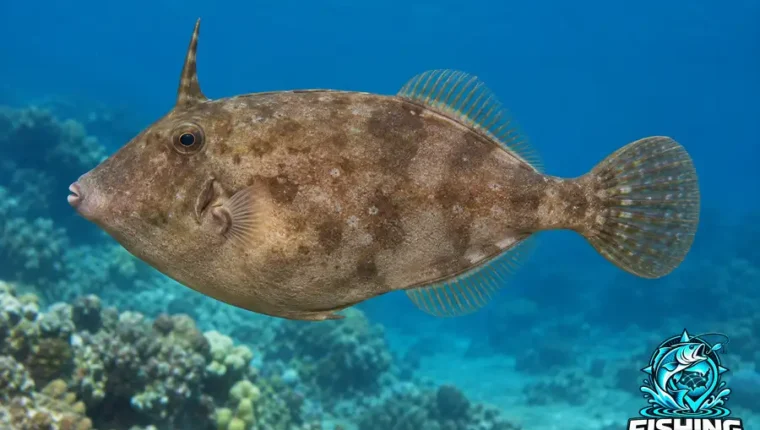
A marine filefish associated with reef habitats, with populations recorded around Hawaii and other oceanic islands.
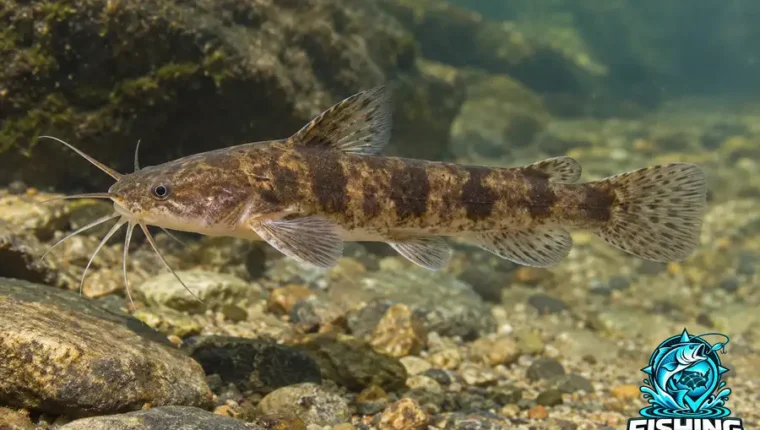
A small freshwater catfish native to the southern United States, where it occurs in regional river systems.
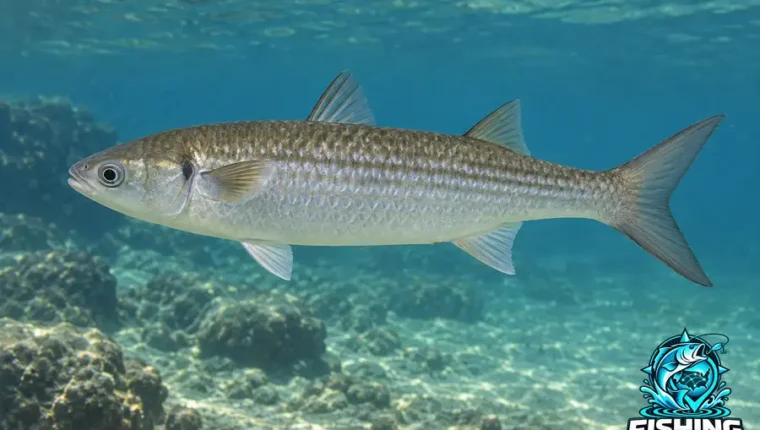
A mullet of tropical waters in the western and central Pacific Ocean.
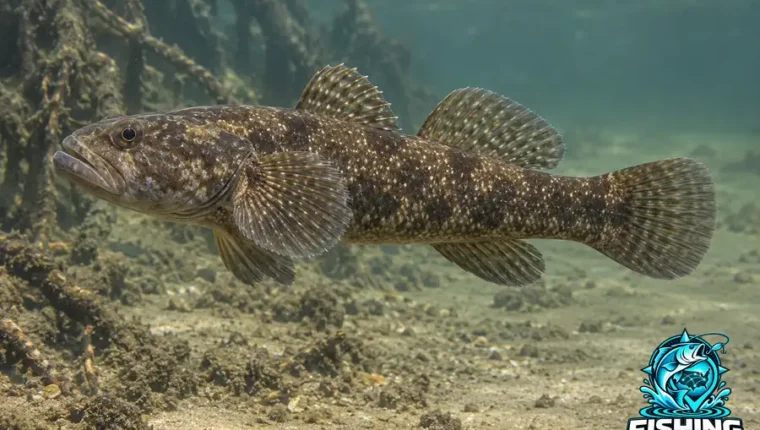
Found across the Indo-West Pacific, with a range extending from eastern Africa toward Hawaii.

A reef surgeonfish ranging from the Red Sea and eastern Africa across the Pacific toward Hawaii and French Polynesia.

Can live in large lakes or flowing rivers. Lake populations use deep water with distinct temperature layers.
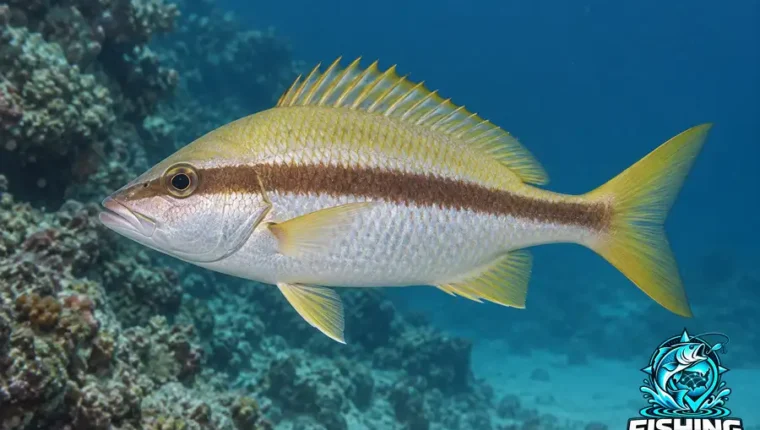
Found across the Indian and western Pacific oceans, from the Seychelles and southern India toward Australia and New Caledonia.
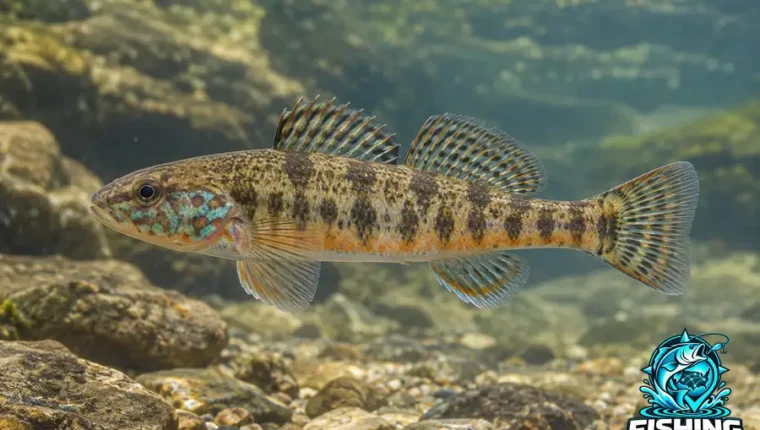
Native only to Kentucky’s Buck Creek system, a small part of the larger Cumberland River drainage.
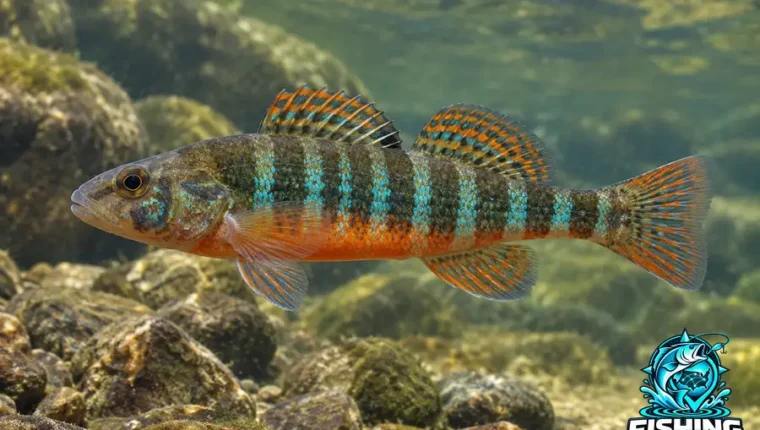
Occurs in tributaries of the lower Duck and lower Tennessee rivers in the southeastern United States.
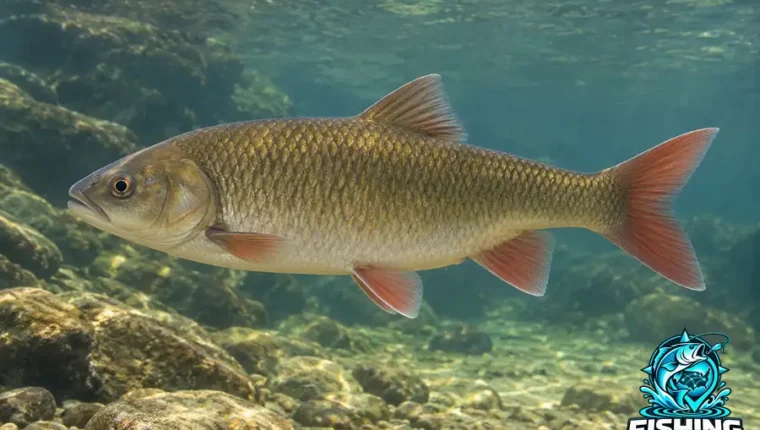
A freshwater chub native to Virginia and North Carolina’s river systems.
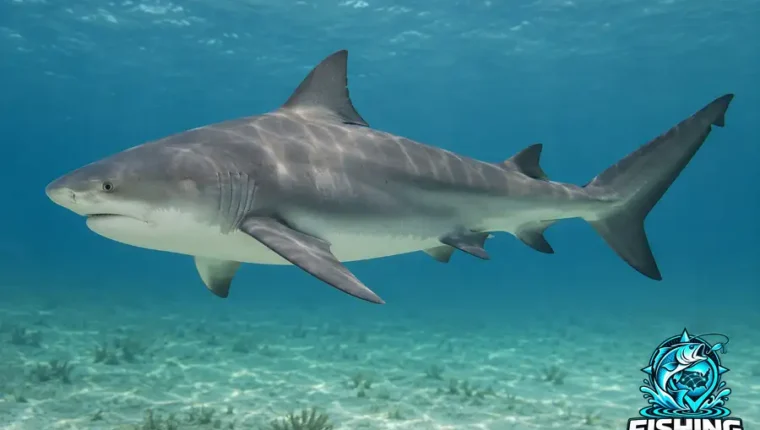
A shark able to enter major rivers and inland waters, with records far upstream in Africa’s Zambezi system.
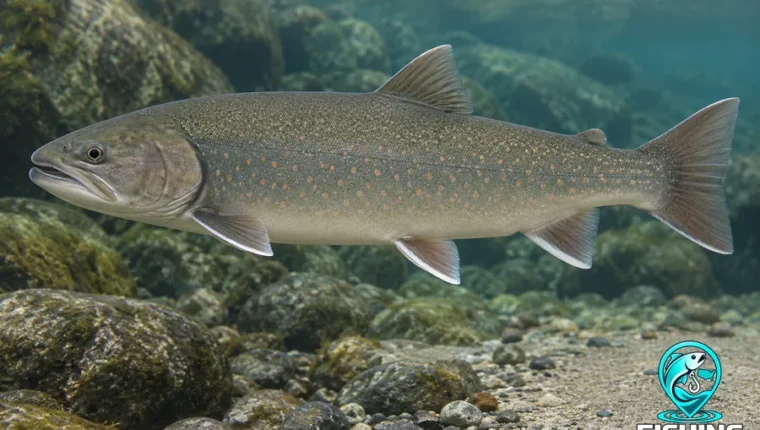
Favors cold, clear water in mountain and coastal river systems of northwestern North America.
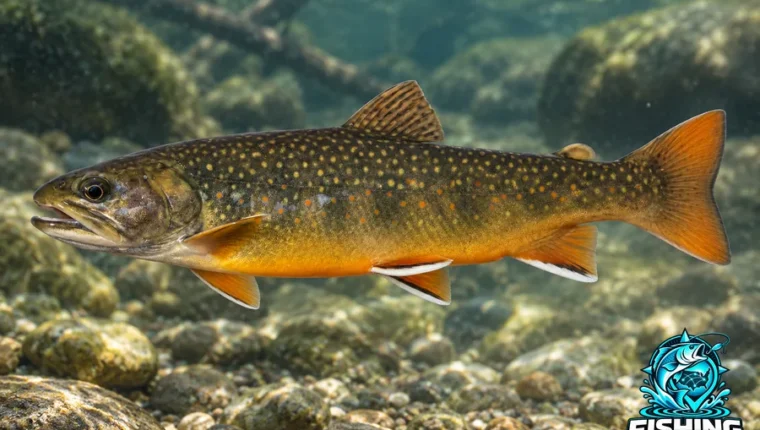
A brook trout–bull trout cross, combining two cold-water char that can meet in western streams.
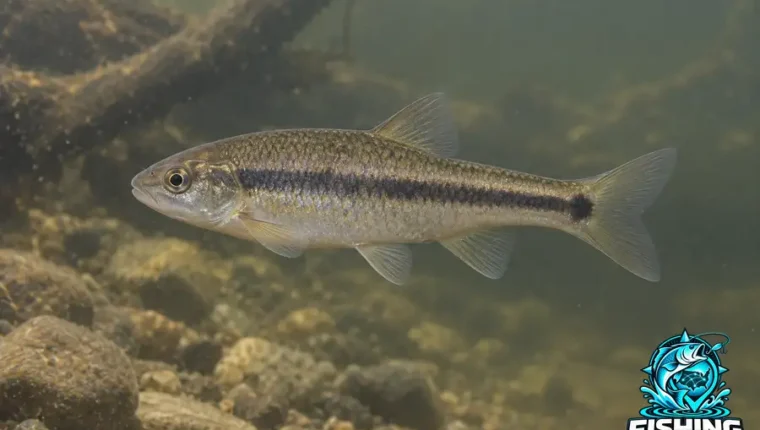
Native to the Mississippi basin, parts of the upper Great Lakes drainage and northern Mexico.
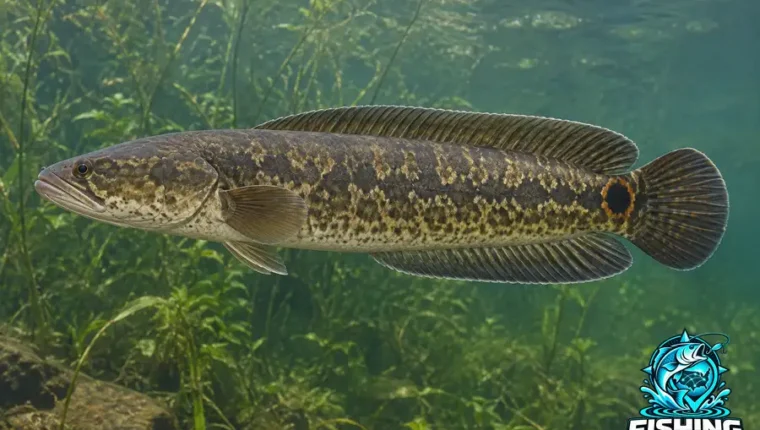
A tropical snakehead recorded in Sri Lankan rivers and other South Asian freshwater habitats.
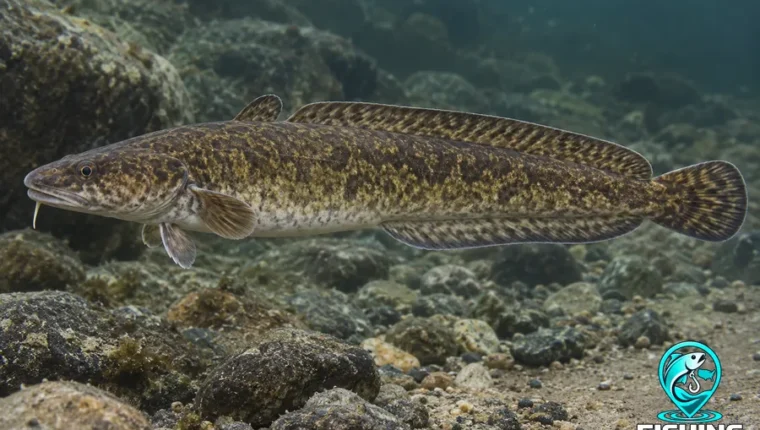
A freshwater cod that eats other fish and their eggs, including sockeye salmon eggs where the species overlap.
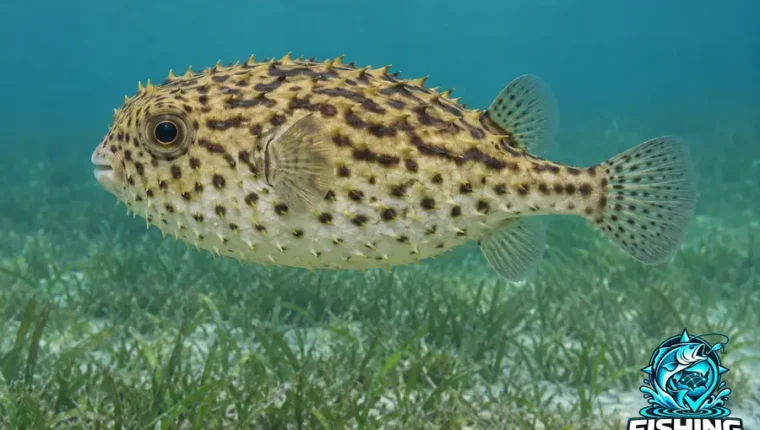
Crunches bottom-dwelling invertebrates, including oysters, mussels, barnacles and small crabs.
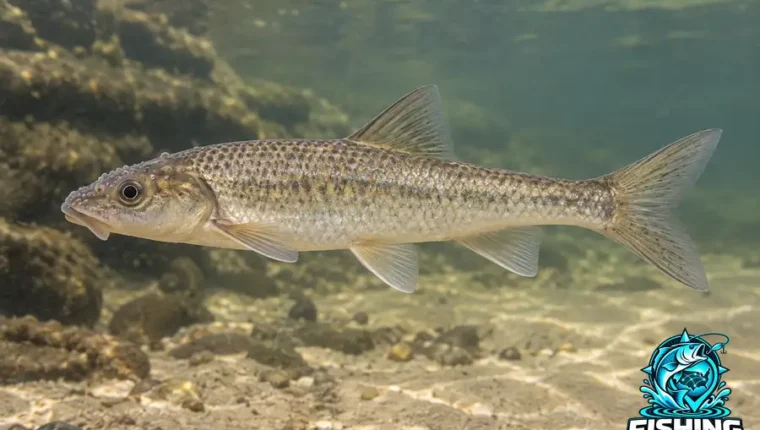
Lives in flowing river runs over sand and gravel, from smaller waterways to large rivers.
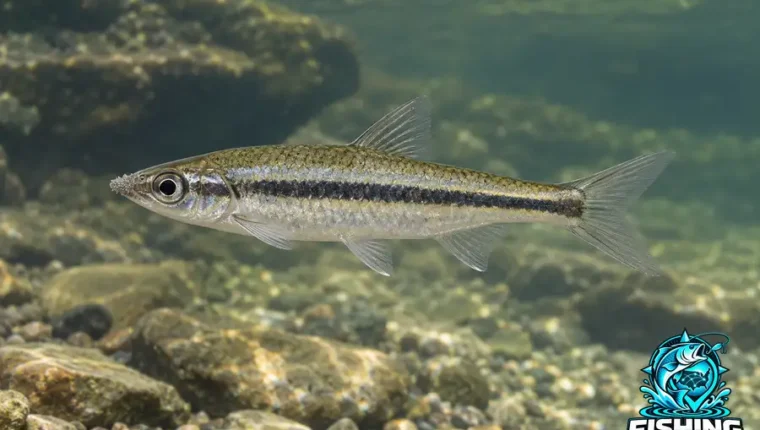
Stays close to the bottom in clear creeks and small rivers, using rocky or sandy pools and runs.
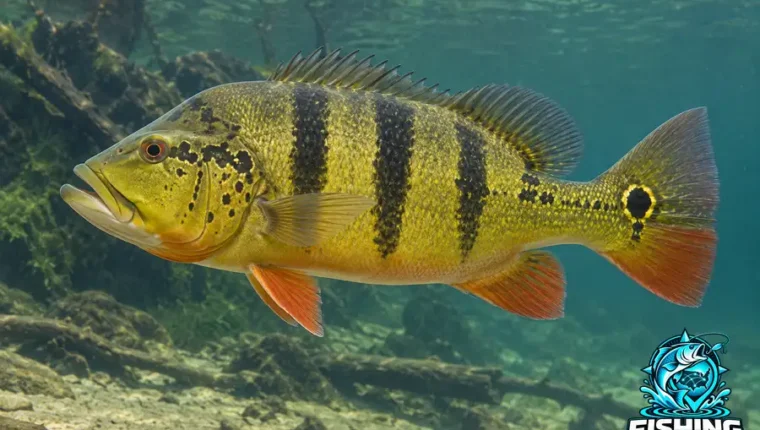
Native to river systems of the Guianas and northern Brazil, including the Essequibo, Marowijne and Branco drainages.