
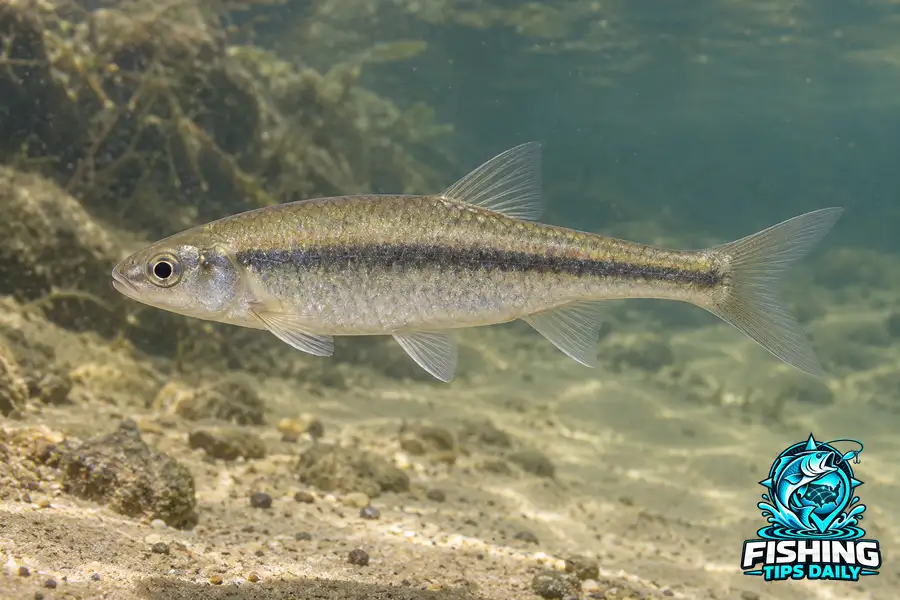
Identity and Range
This profile covers Notropis simus. The Rio Grande form, N. s. simus, is described as possibly extinct in the species summary. The Pecos form, N. s. pecosensis, remains separately recognized. Loss of one form must not be treated as extinction of the entire species.
Size and Weight
The species summary lists a maximum total length of 10 cm, about 3.9 inches. This is a species-level figure, not a measured maximum established here for each subspecies. A dependable maximum body weight was not verified.
Habitat
Main-channel sand and gravel habitat is characteristic. Research on the Pecos form emphasizes the connection between flowing-water conditions and reproduction. A drainage-level range does not establish presence in every lake or tributary within it.
Reproduction and Observation
A New Mexico study found reproductive activity from April through September, peaking in June and July. The highest counted egg total came from a female only 59.5 mm in standard length. These observations describe the Pecos subspecies. A species-specific diet breakdown and recreational bait recommendation were not verified.
Small Fish, Long Breeding Season
Monthly sampling revealed reproductive condition across six months in the studied Pecos population. Peak activity coincided with sustained reservoir releases. Understanding when fish are ready to spawn helps explain why the timing of river flow matters alongside its volume.
All Lakes With Bluntnose Shiner
Browse lakes and reservoirs with documented Bluntnose Shiner records, listed alphabetically. Records do not establish current abundance or public access. Check the evidence and managing authority for the water you choose.
No published lakes are currently linked to this species in our confirmed records.