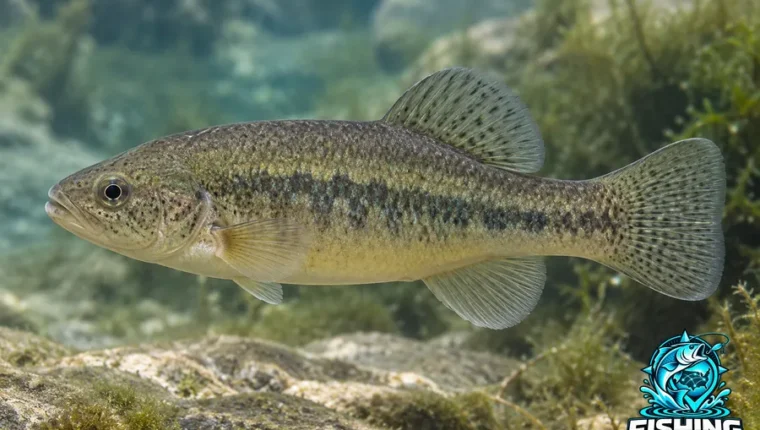
Railroad Valley Springfish
Native to a small group of warm springs in Nevada’s Railroad Valley.

Browse all 107 fish starting with R. Select a name to explore its species profile.
Choose a letter to see every fish starting with that letter.
Native to a small group of warm springs in Nevada’s Railroad Valley.
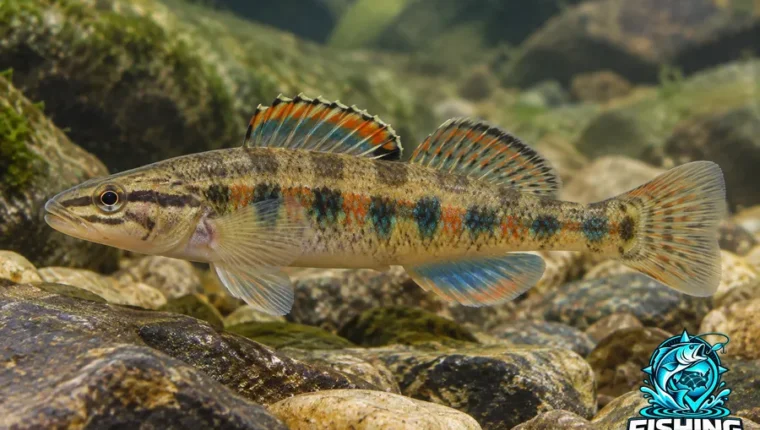
A North American darter of fast-moving streams and small to medium-sized rivers.
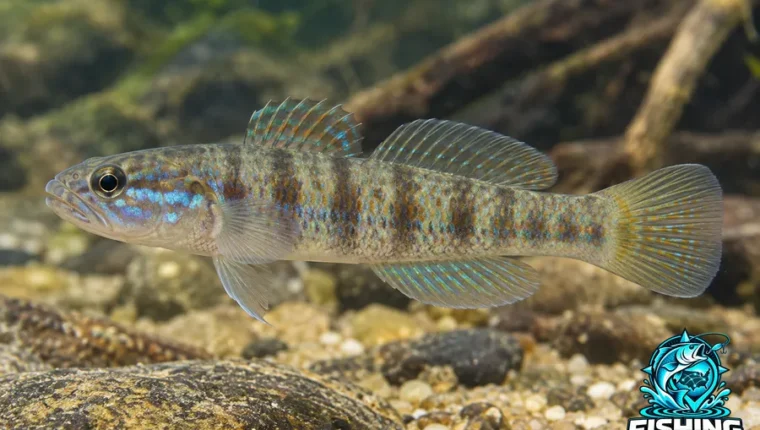
A gudgeon recorded around Vanuatu, New Caledonia, Samoa and Fiji.
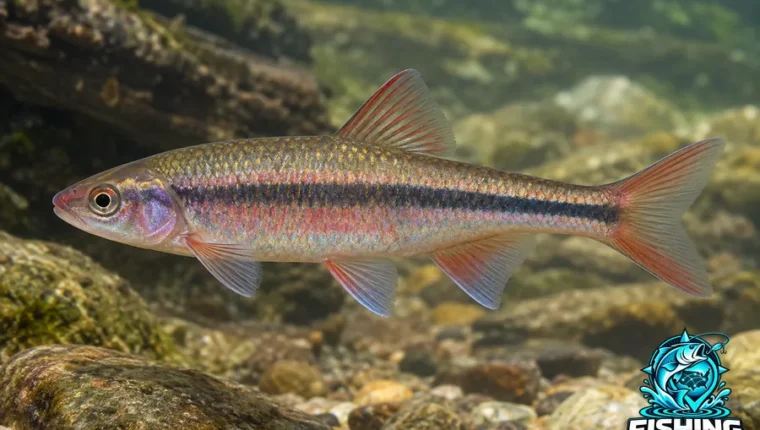
Uses small, clear rivers in the Alabama, Coosa and Black Warrior drainage systems.
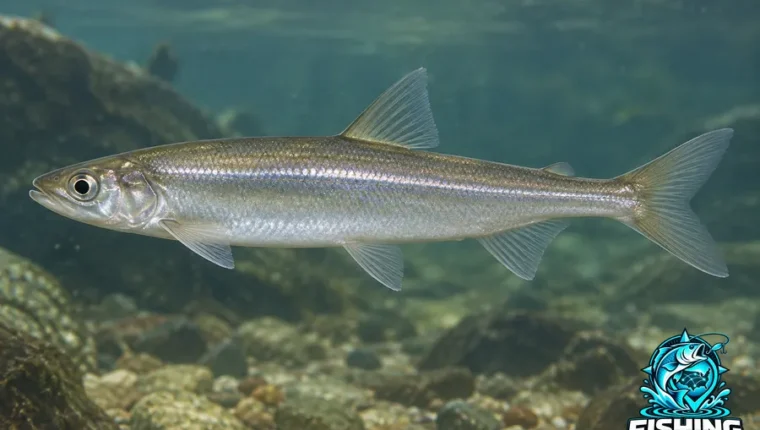
Eats tiny drifting crustaceans and young fish, including juvenile ciscoes where available.

Native to cold Pacific-draining streams in North America and Asia, with introduced populations in many other regions.
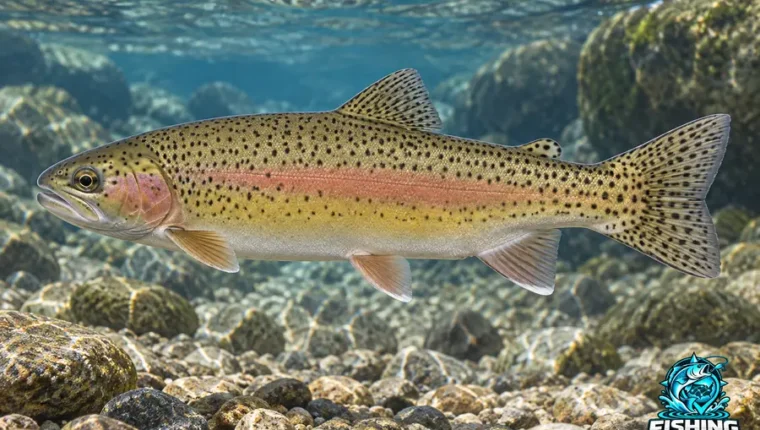
A rainbow–golden trout cross that combines two western trout lineages.
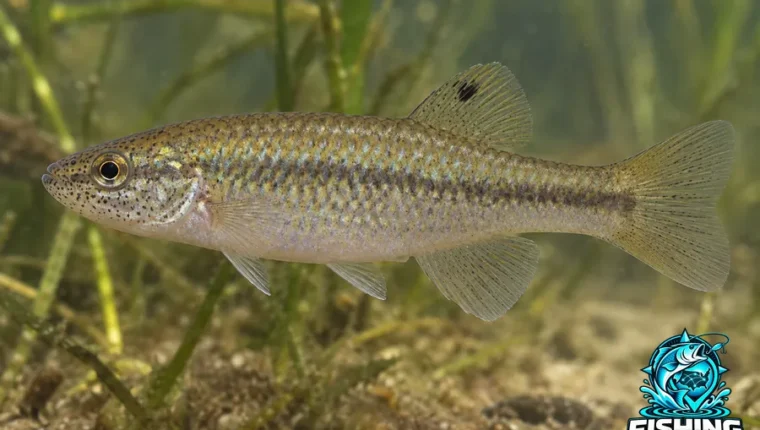
Uses freshwater and brackish estuaries, with inland populations in parts of Texas, New Mexico and Mexico.
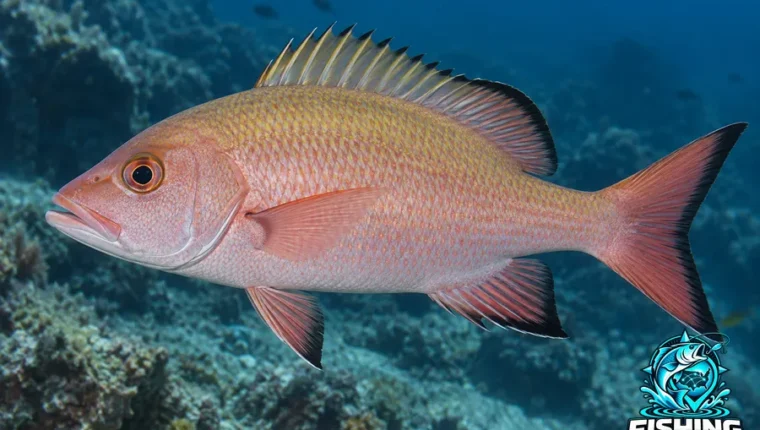
A snapper of the eastern Indian Ocean and western Pacific.
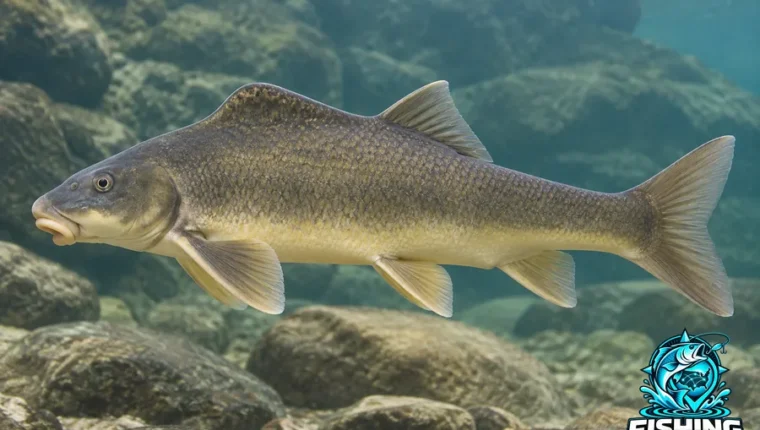
A native of southwestern United States rivers and lakes, with historical populations in northwestern Mexico.
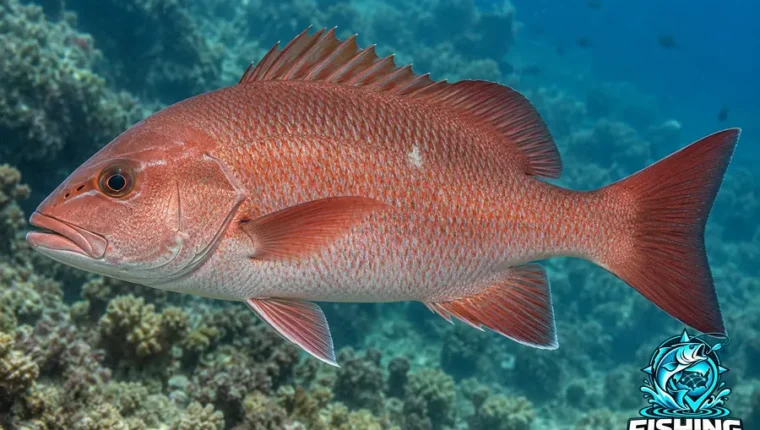
An Indian Ocean snapper associated with tropical marine waters.
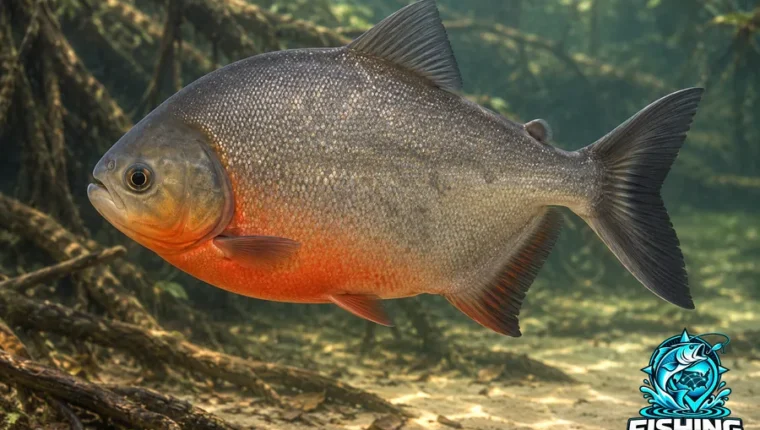
Uses flooded forests and floodplains along South American rivers, including both nutrient-rich and nutrient-poor systems.
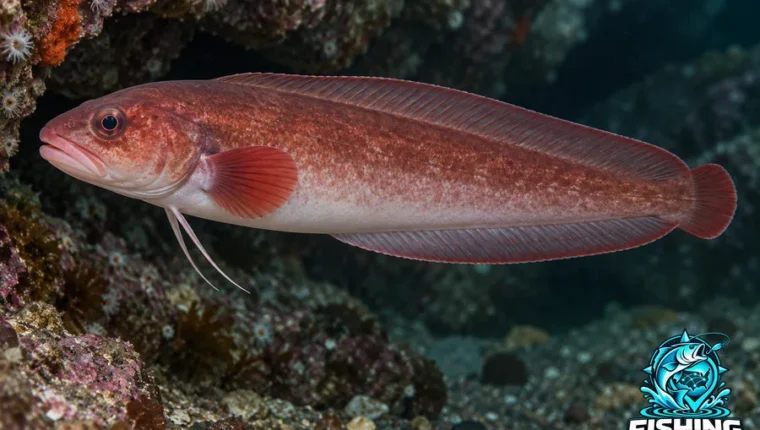
Lives along North America’s Pacific coast from Alaska to Baja California.
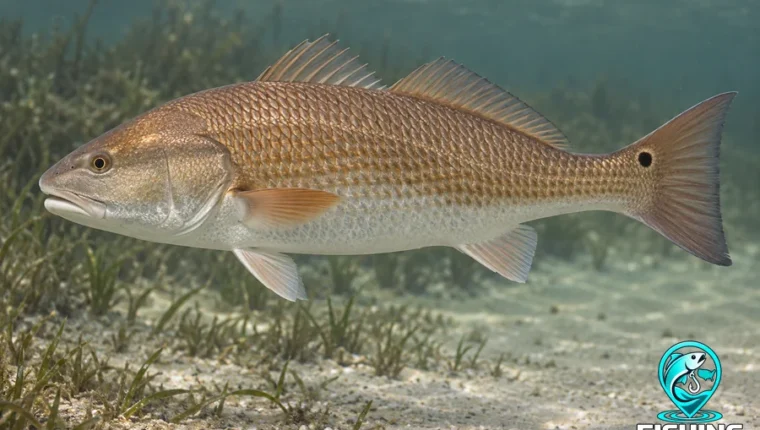
Ranges along the Atlantic coast from Massachusetts to Florida and around the Gulf of Mexico toward northern Mexico.
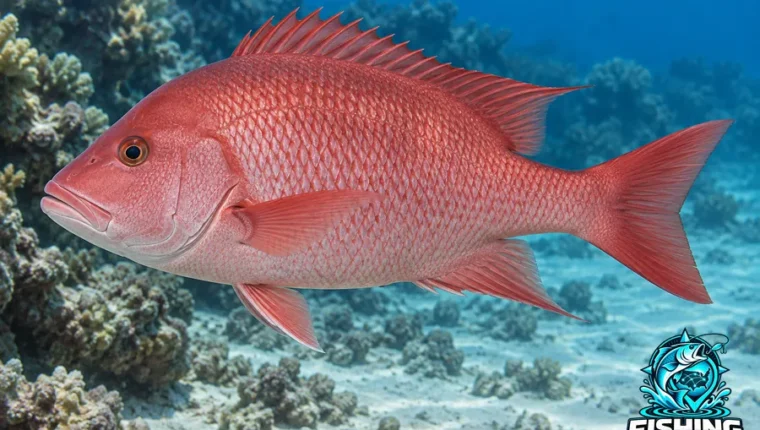
A large marine snapper native to the Indian Ocean and western Pacific.
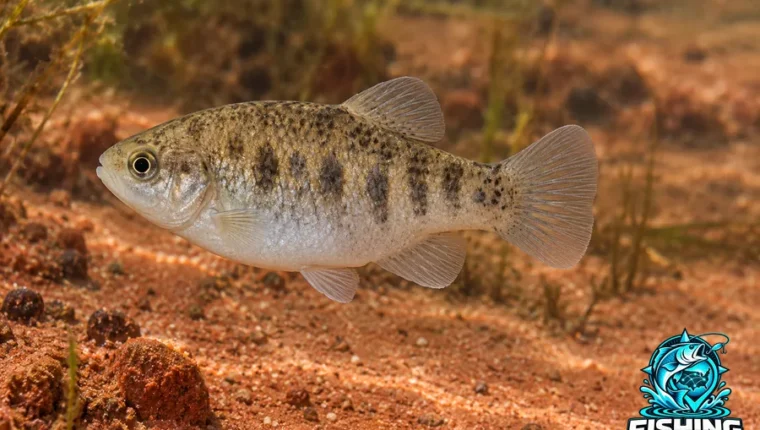
Found naturally in the Red and Brazos river drainages of Texas and Oklahoma.
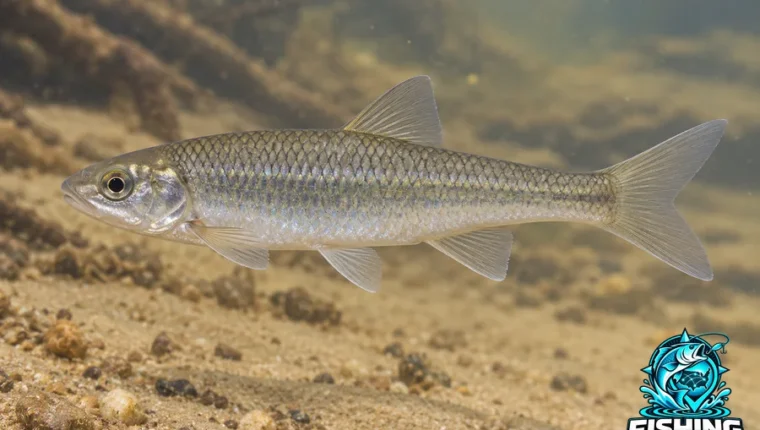
A shiner native to the Red River system across Arkansas, Oklahoma and Texas.
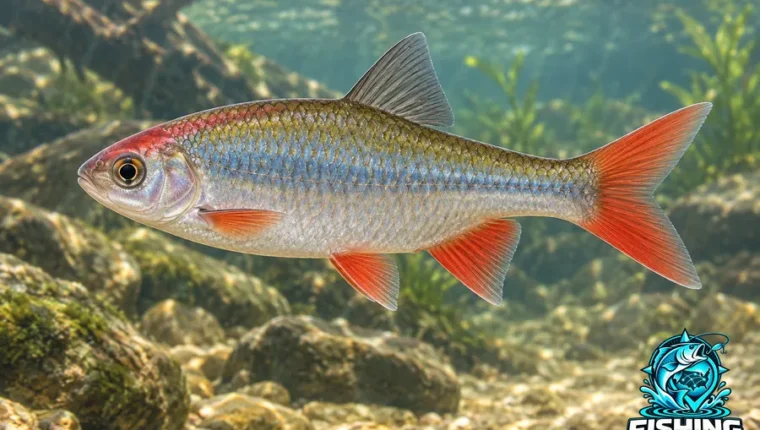
Tolerates a broad range of water conditions, including environments that many other small freshwater fish find difficult.
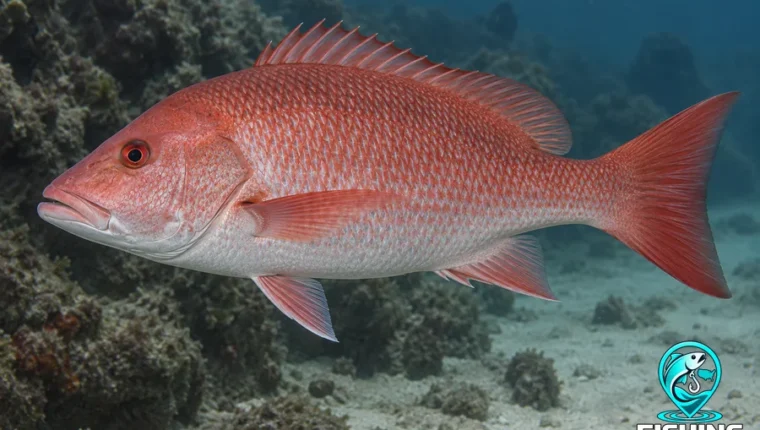
A reef-associated snapper of the western Atlantic and Gulf of Mexico.
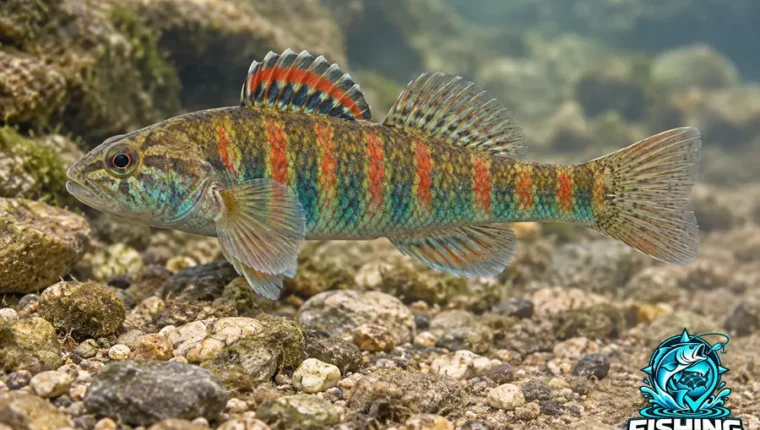
A freshwater darter with a natural range restricted to Tennessee.
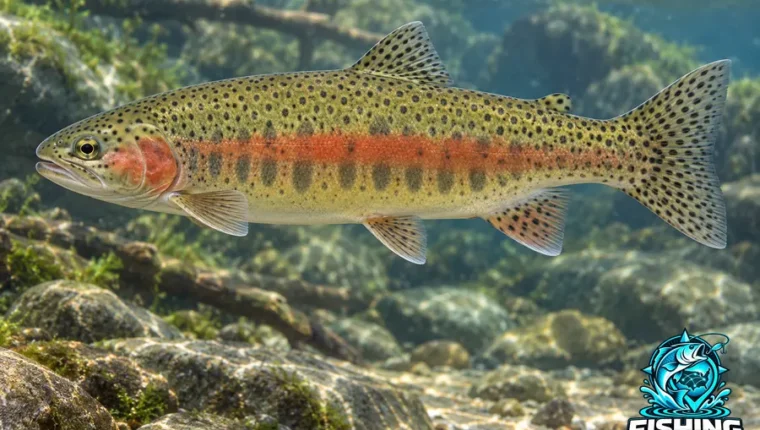
A native rainbow trout form associated with the Columbia River basin.
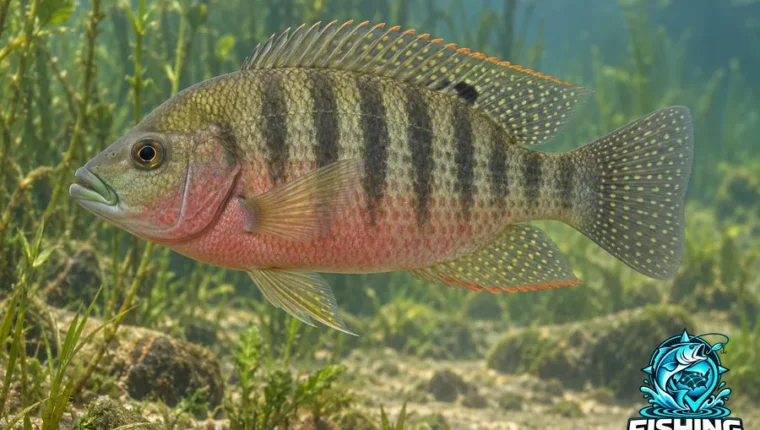
Feeds mainly on algae and aquatic plants rather than depending entirely on animal prey.
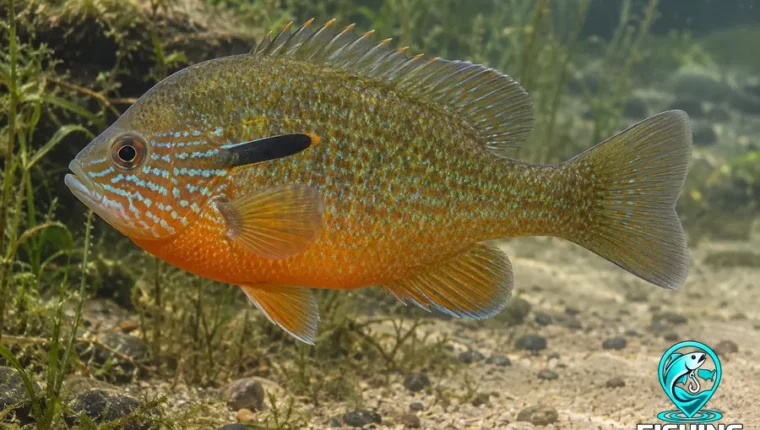
Favors rocky or plant-filled pools and the vegetated edges of lakes.
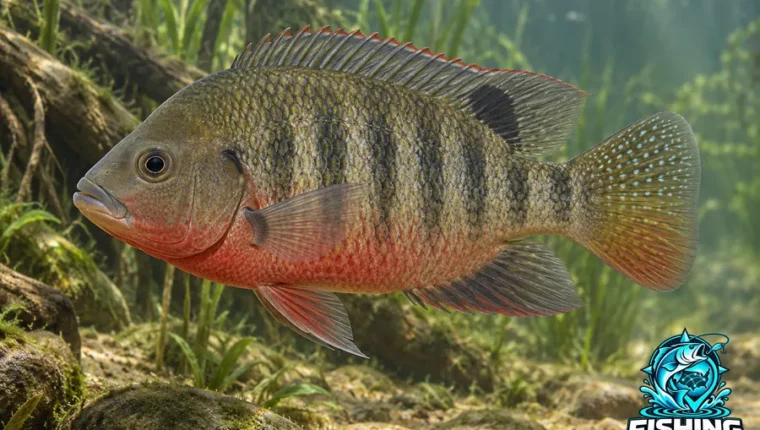
Uses dense aquatic vegetation in still water or areas with only a slight current.

A schooling sardine ranging from Bermuda and Florida through the Caribbean toward French Guiana.
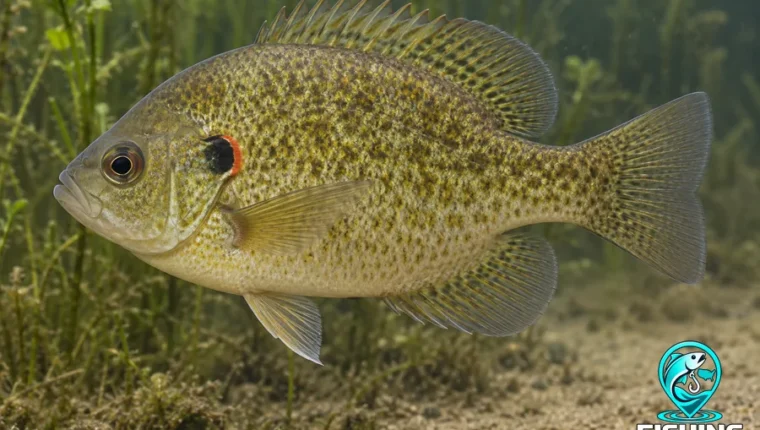
Often gathers around submerged logs and aquatic vegetation, using these features as cover.
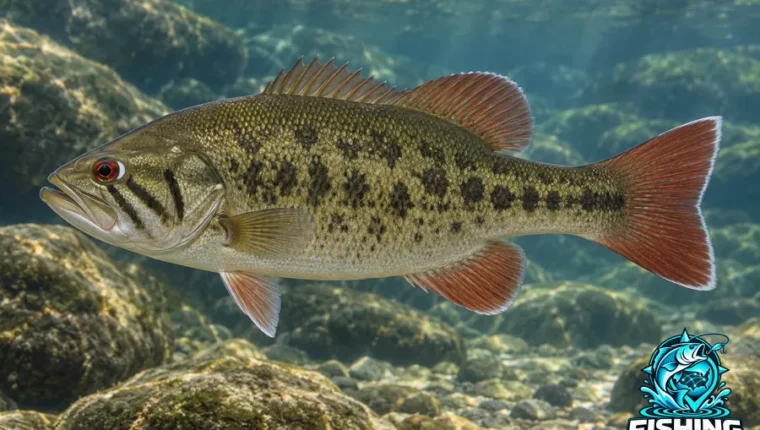
Native to the Coosa River system within the larger Mobile basin of the Southeast.
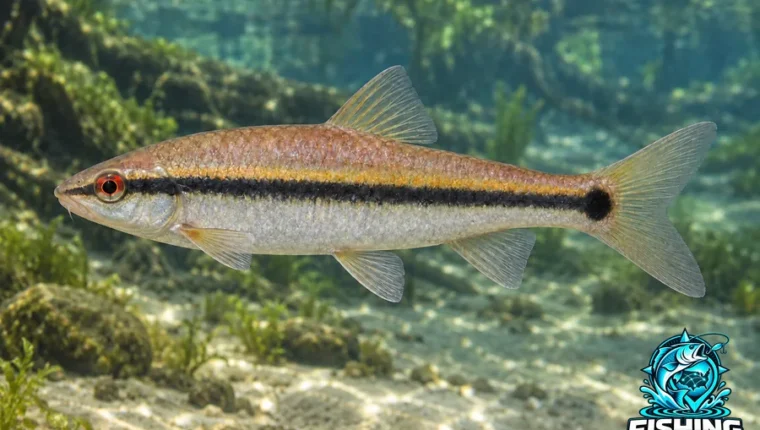
A small freshwater chub native to southeastern North America.
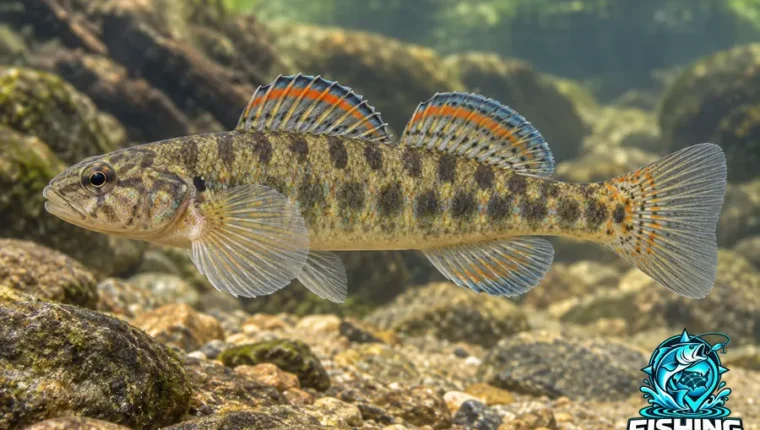
Occurs in south-central United States waters, including Missouri, Arkansas, Kansas and eastern Oklahoma.
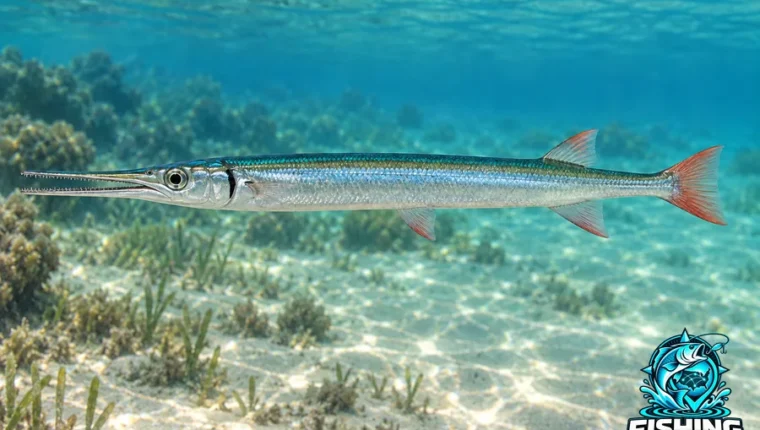
A western Atlantic needlefish recorded around Cuba, Jamaica, Mexico, Belize, Honduras and Bermuda.
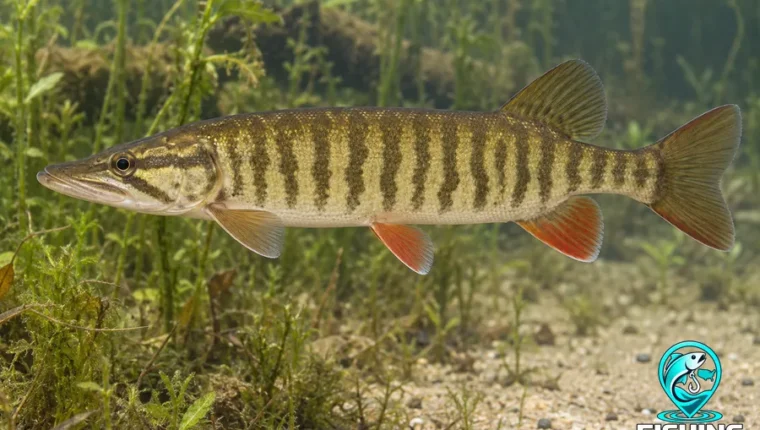
Favors clear freshwater with thick vegetation and accumulated organic material for cover.
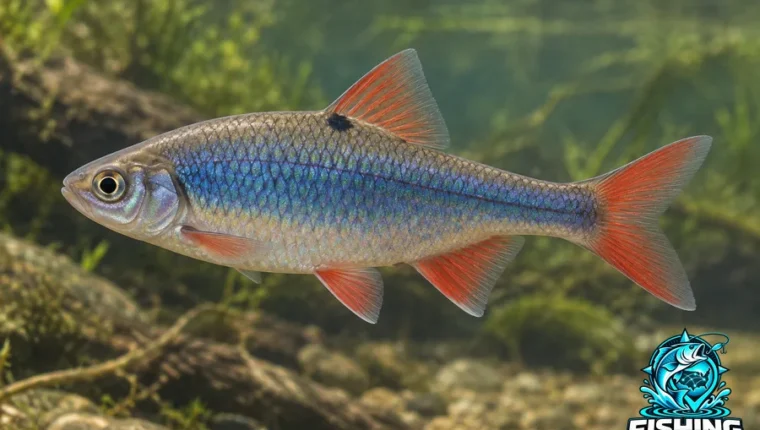
Uses calm, gently sloping streams over sand or gravel, often with some aquatic plants.
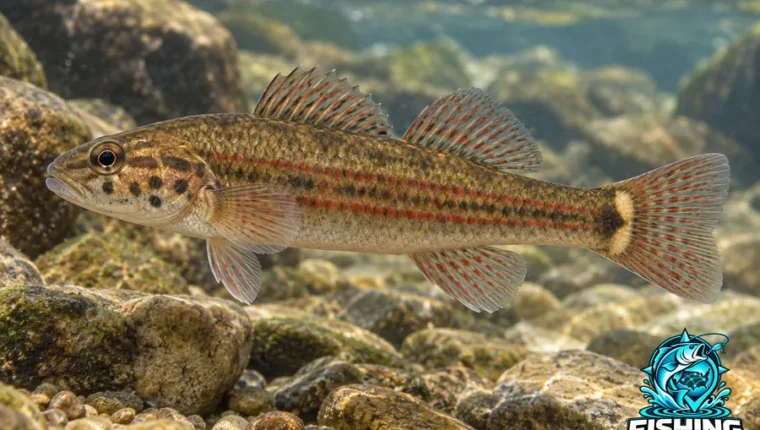
Eats aquatic insect larvae, including midges, blackflies and caddisflies, plus mayfly nymphs and water mites.
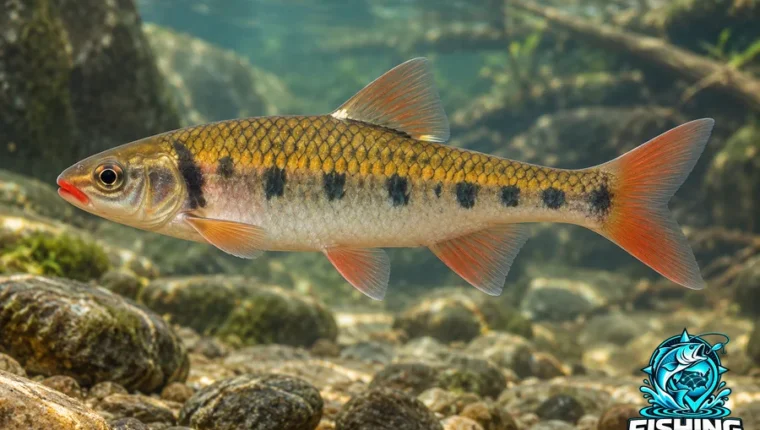
Lives in rocky pools of clear headwater streams, creeks and small rivers.
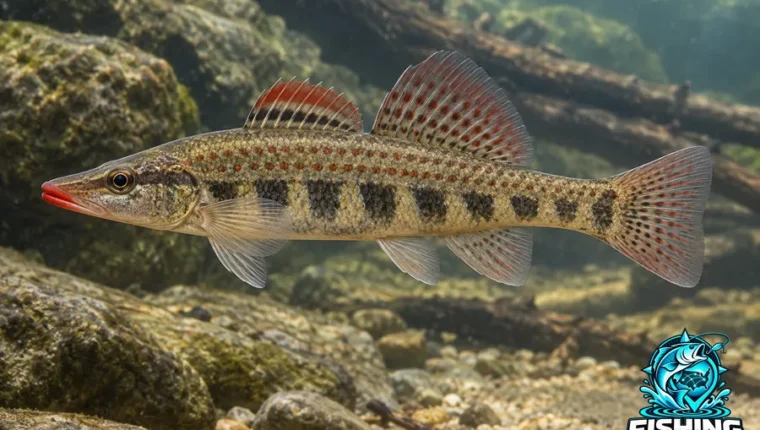
Uses bank-side pools where scattered rocks and fallen wood provide shelter.
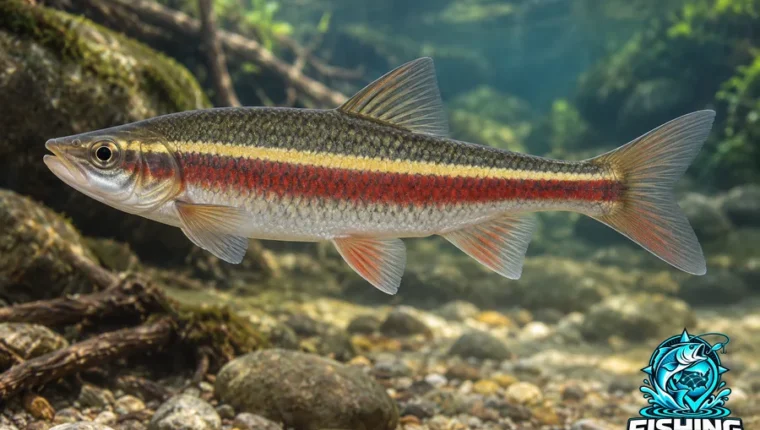
Occurs in Great Lakes tributaries and parts of the Ohio and upper Mississippi river drainages.
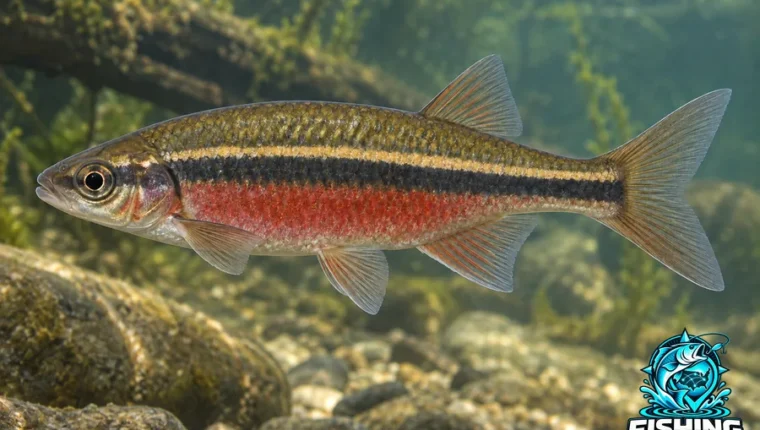
Uses cold lakes, ponds, small streams and quiet river backwaters, often near shallow margins.
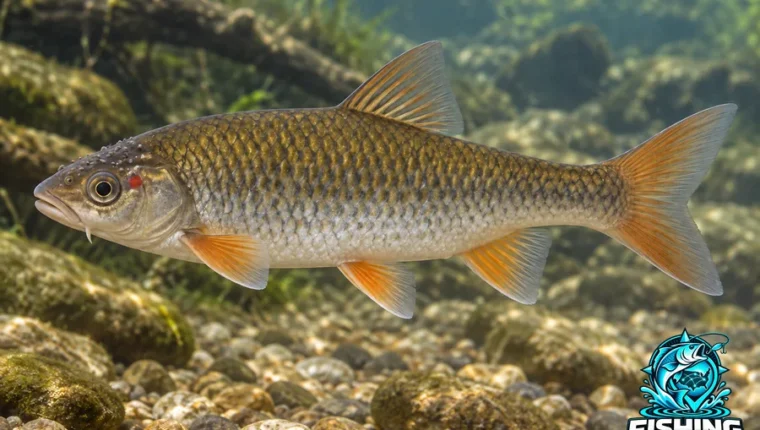
A freshwater chub associated mainly with the Ozark region of the central United States.
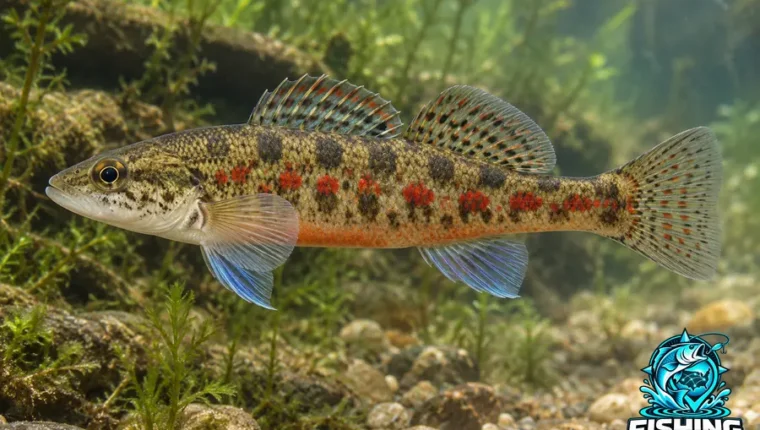
Native to Gulf-draining waters between Texas and Alabama.
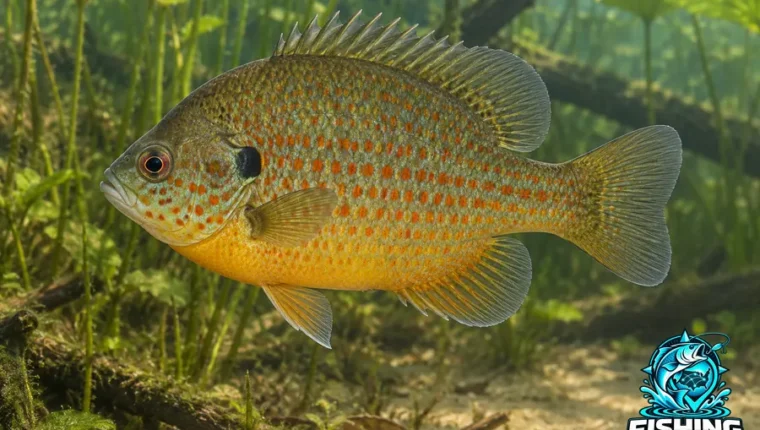
A sunfish native to the south-central United States, with introduced populations beyond its original range.
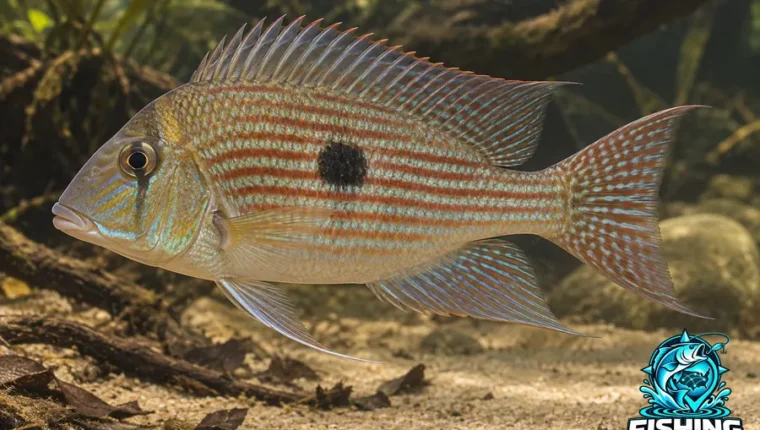
A South American cichlid with introduced populations established in southern Florida and Singapore.
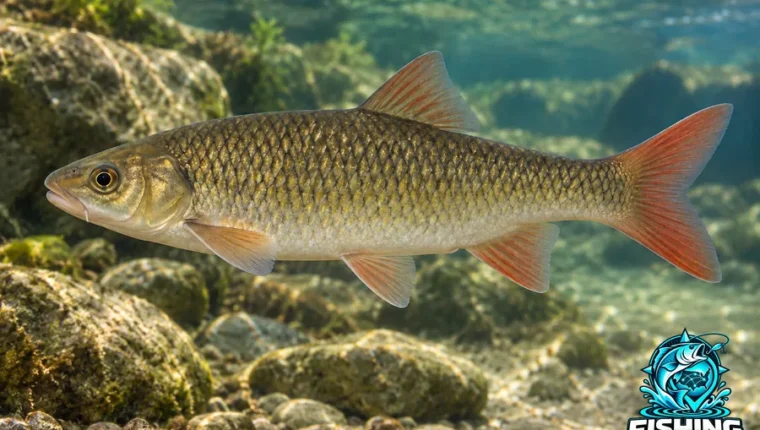
A freshwater chub recorded in Kentucky and Tennessee.
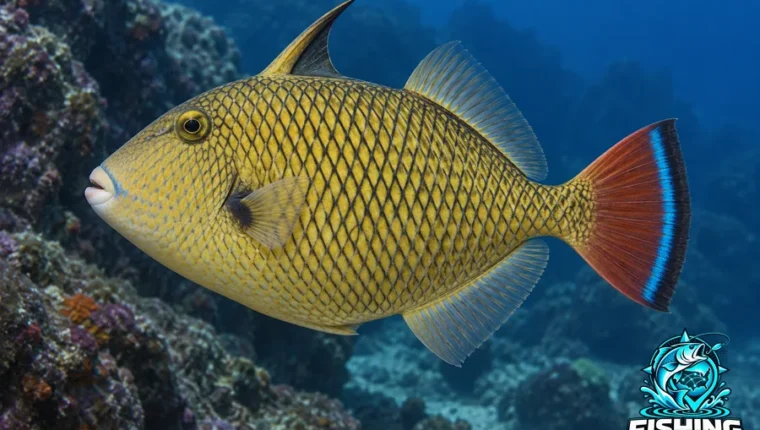
Uses outer reef habitats and feeds on small animals drifting in the water.
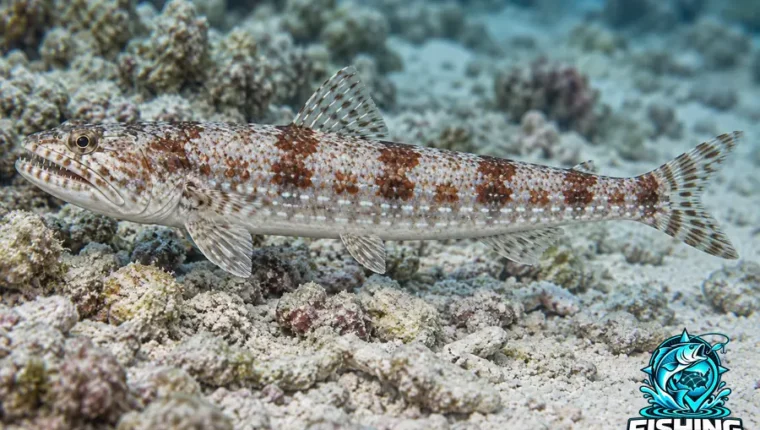
A marine lizardfish of the Indian and western Pacific oceans, found from shallow reefs into deeper coastal water.
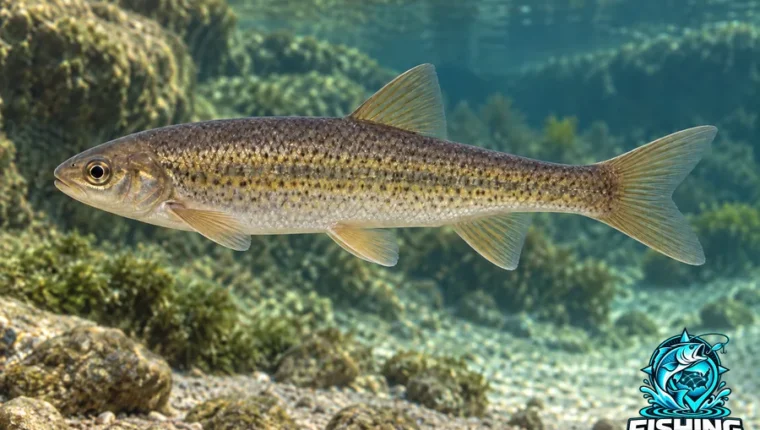
A desert dace confined to a small number of freshwater habitats in eastern Nevada’s Great Basin.
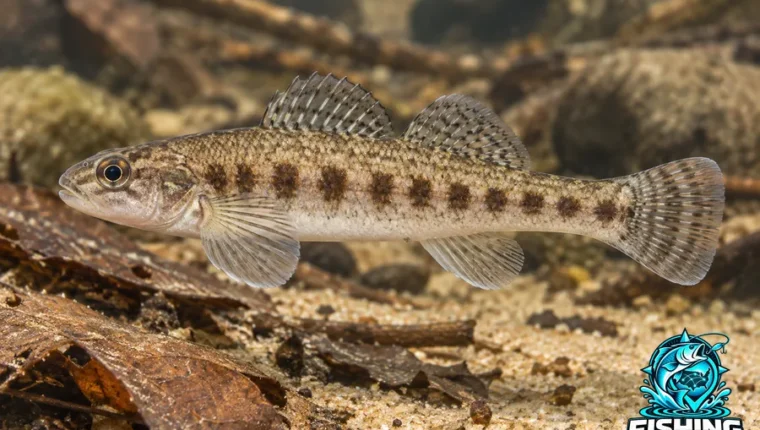
Known from a short stretch of Kentucky’s Bayou de Chien, a tributary of the Mississippi River.

A western Atlantic anglerfish recorded from North Carolina through the Caribbean and Gulf of Mexico toward Suriname.
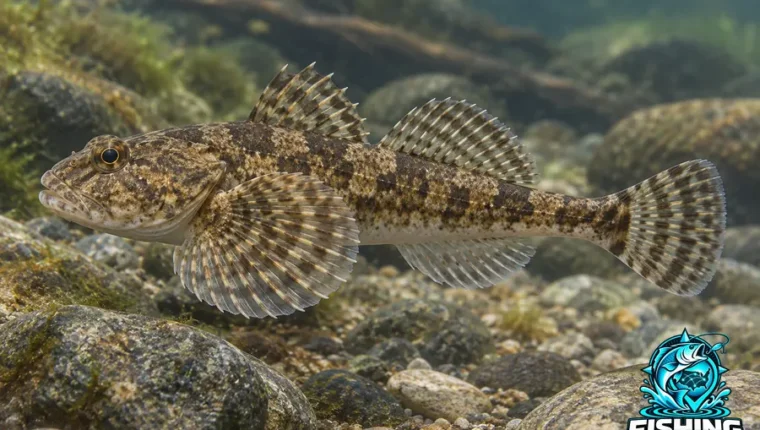
Lives in Pacific-draining waters from Washington’s Puget Sound region south toward the Rogue River system.
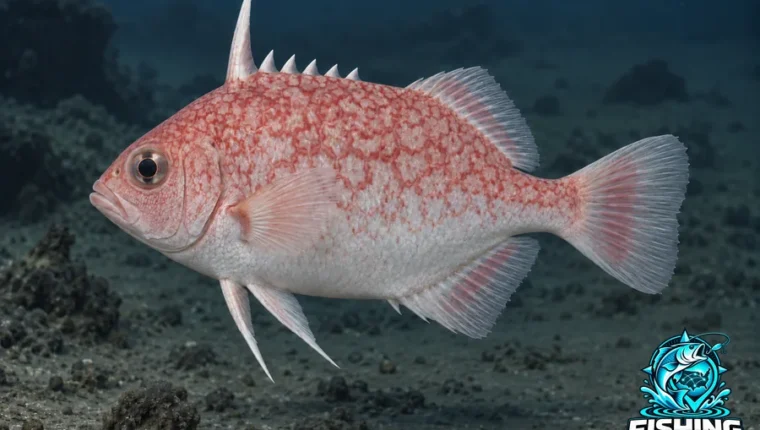
A spikefish ranging from Bermuda and Florida through the Caribbean toward northern Brazil.
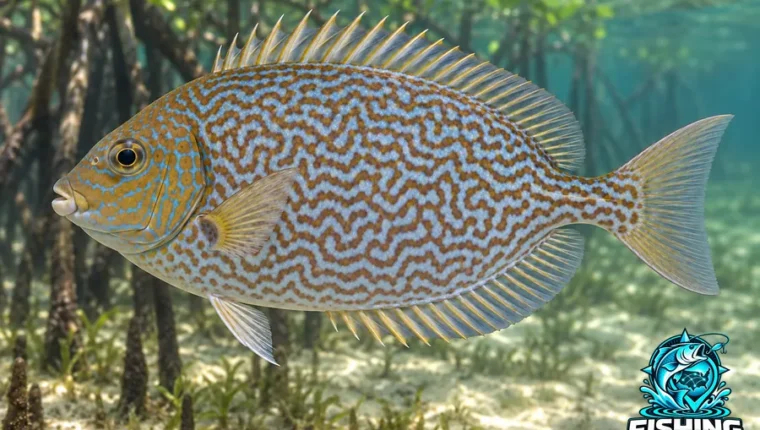
A rabbitfish ranging from India, Bangladesh and Sri Lanka toward Taiwan, Micronesia and Fiji.
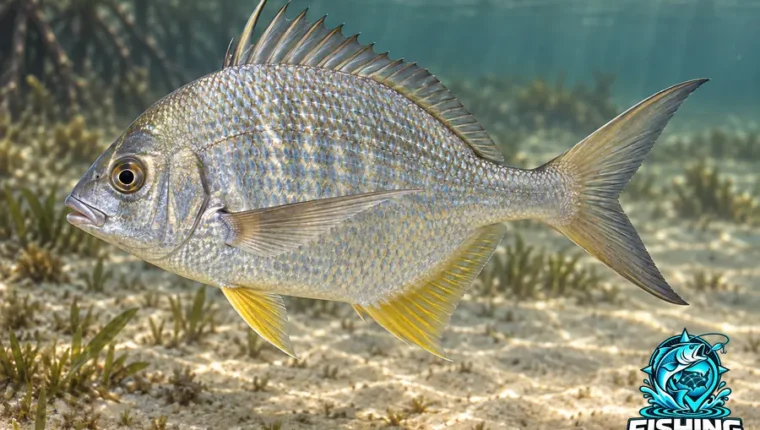
A coastal mojarra ranging from Florida to southern Brazil, including the Gulf of Mexico and Caribbean.
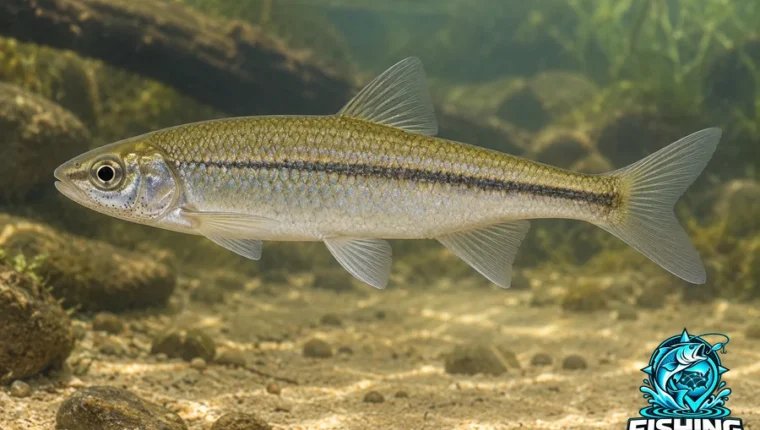
A freshwater shiner native to eastern and south-central United States waterways.
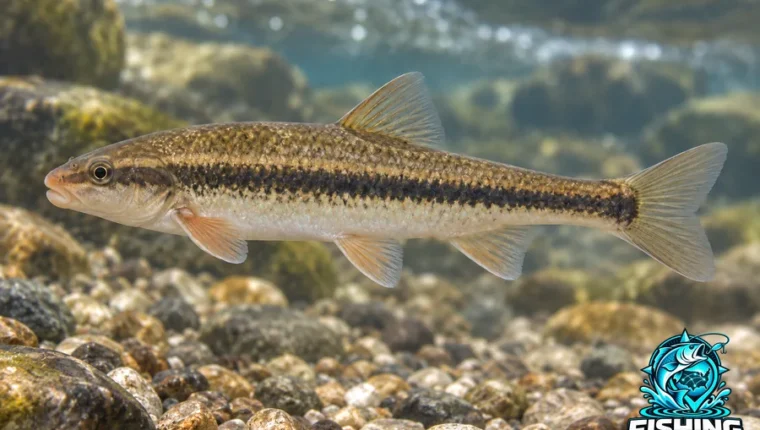
Uses riffles in warm streams above the fall line in Alabama, Georgia and Tennessee.
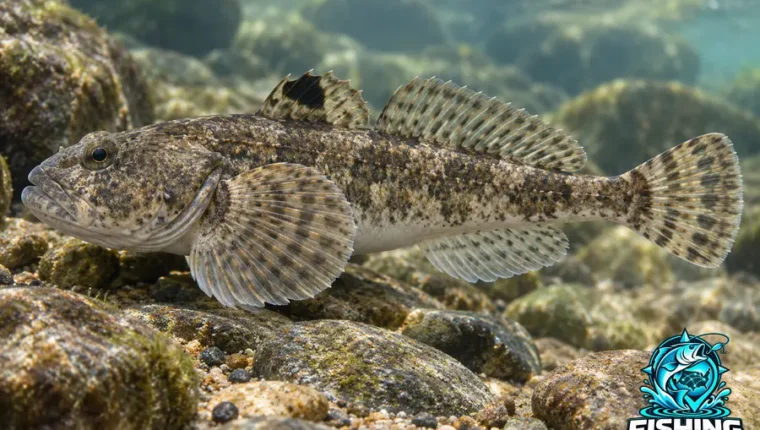
Ranges through Pacific-draining waters from the lower Columbia River region south to California’s Morro Bay.

A surgeonfish ranging from eastern Africa across the Indo-Pacific toward Hawaii, southern Japan and the Society Islands.
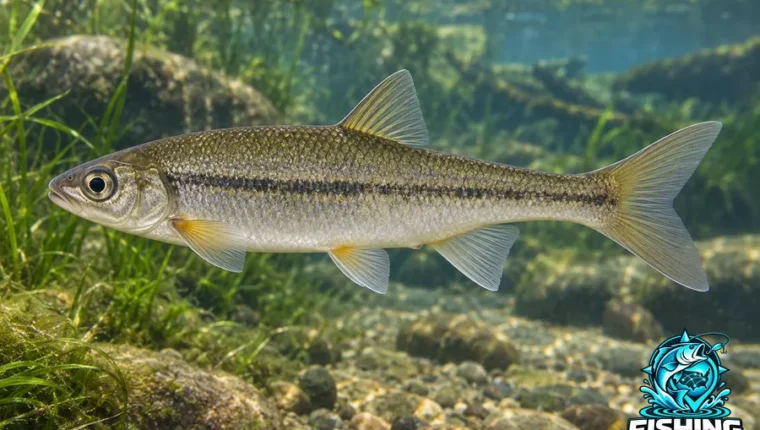
Occurs in New Mexico waterways including Coyote Creek and the Mora and Sapello rivers.

Native to the lower Rio Grande near Brownsville, Texas, and neighboring northeastern Mexico.
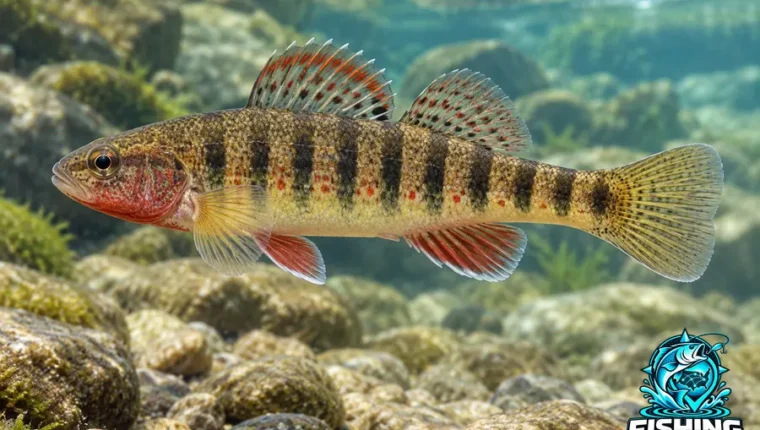
A darter native to the lower Rio Grande drainage on both sides of the United States–Mexico border.
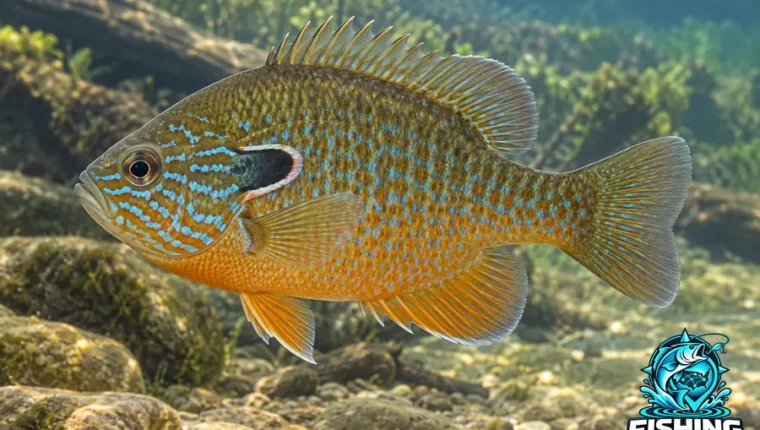
A sunfish associated with the Rio Grande region, including northern Mexican river systems.
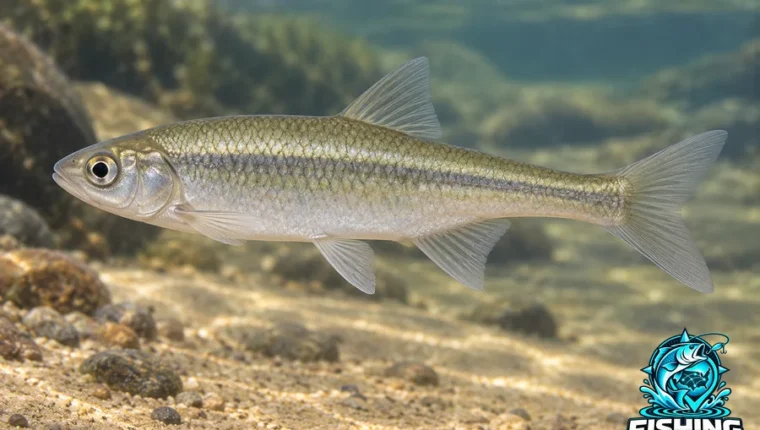
A shiner with native populations in the Rio Grande region of Mexico and the United States.
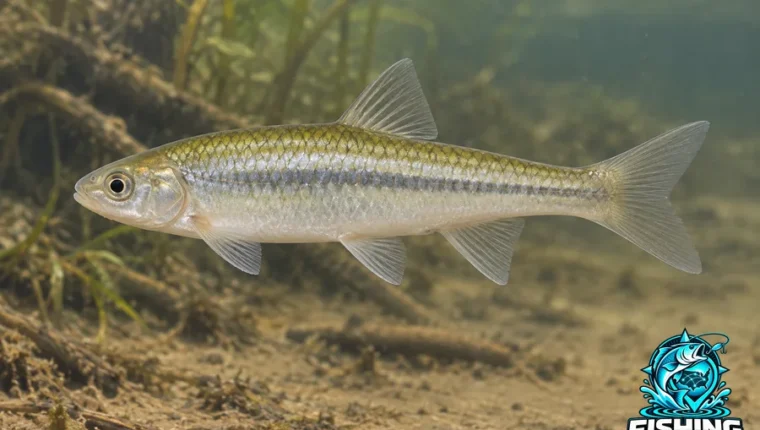
A Rio Grande minnow that now occupies only a small fraction of its former river habitat.
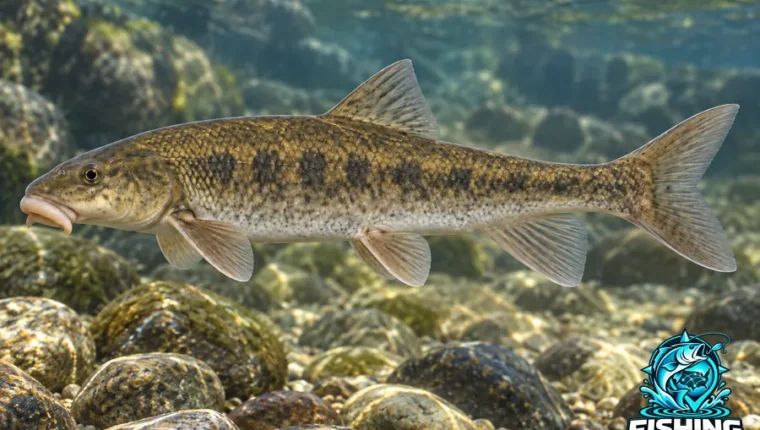
Uses middle-elevation streams and rivers, from relatively small channels to larger waterways.
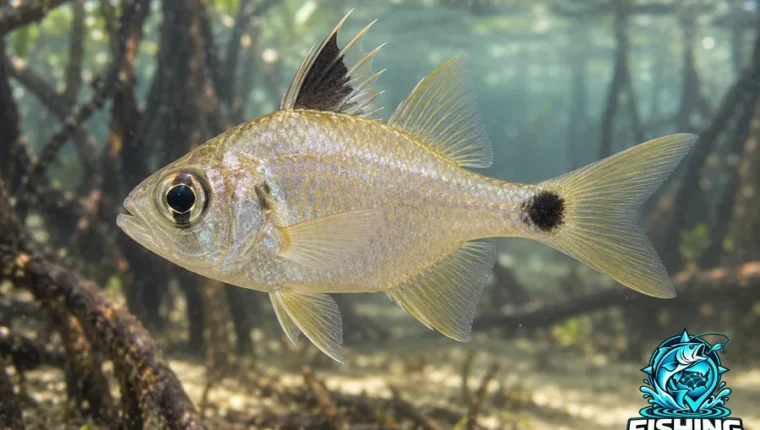
A cardinalfish ranging from the Andaman Sea toward Fiji, southern Japan and northeastern Australia.
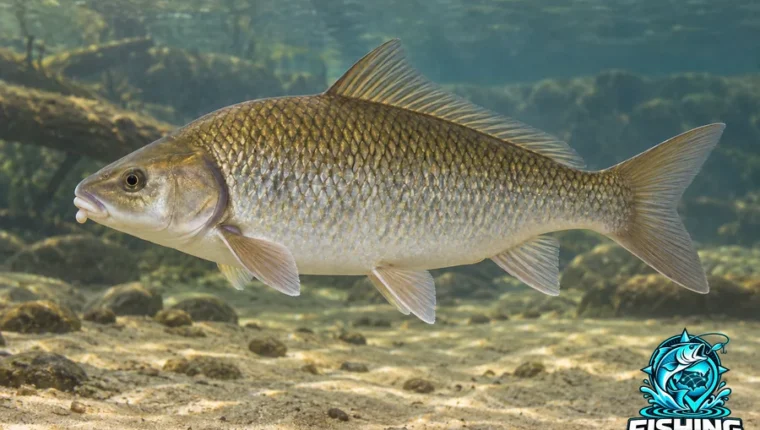
Favors large rivers and reservoirs with gentle currents over sand or silt.
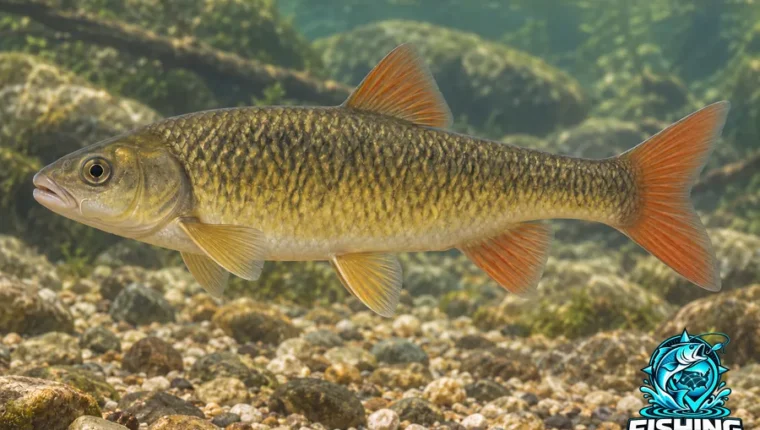
Uses clear creeks and rivers with moderate to swift flow over rock and gravel.
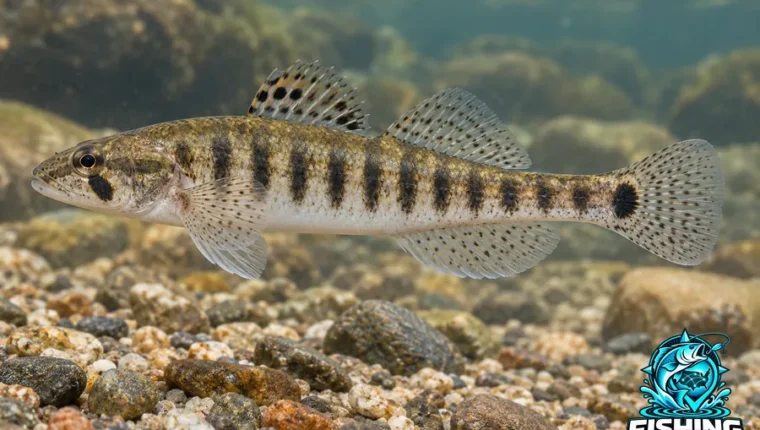
Lives in river channels and riffles over mixtures of sand, gravel and rock.

Ranges along the Pacific side of North America from southeastern Alaska to California’s Sacramento–San Joaquin drainage.
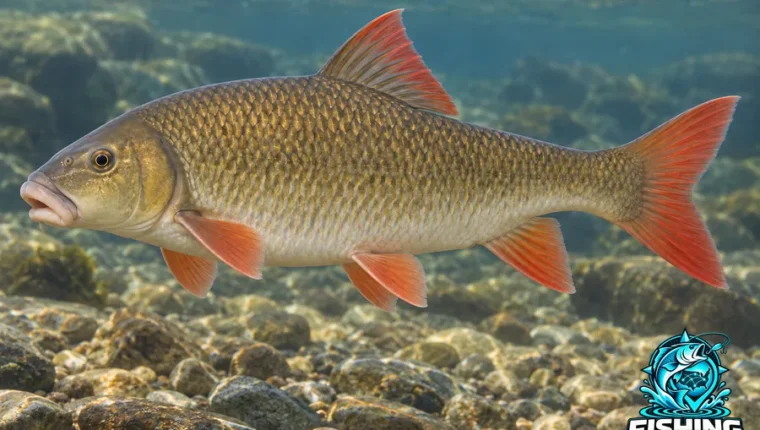
Usually lives in clear, large creeks and rivers, with some populations also using lakes.
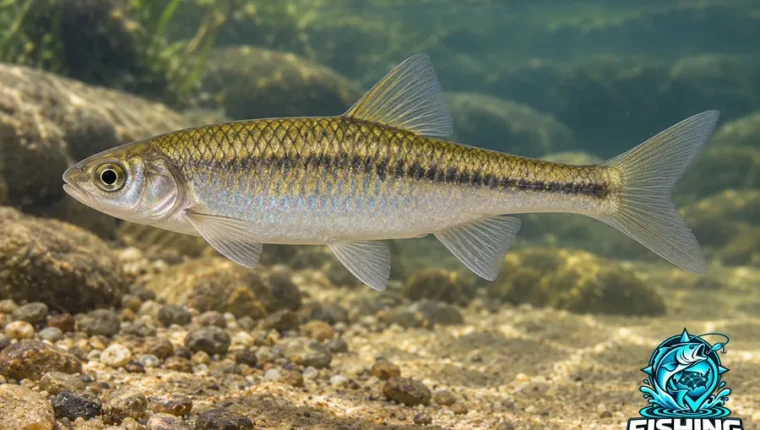
A freshwater shiner recorded in both Canada and the United States.
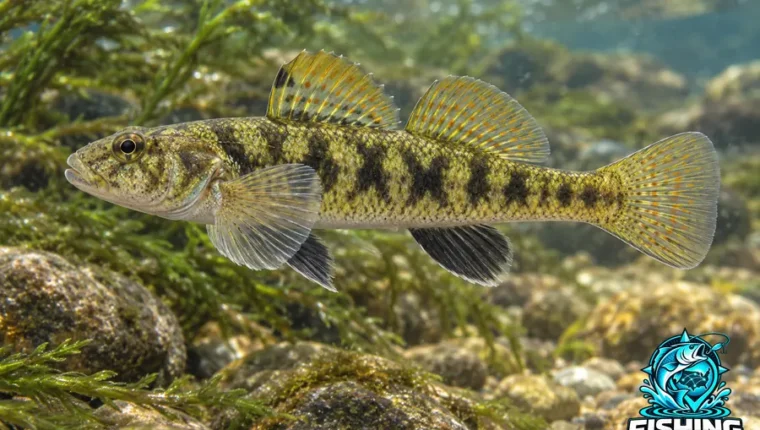
Native to the upper Roanoke River drainage in Virginia and North Carolina.
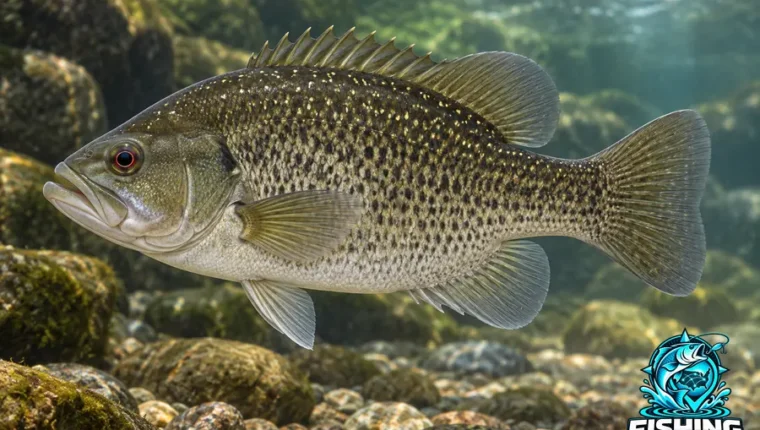
A bass native only to river systems in Virginia and North Carolina.
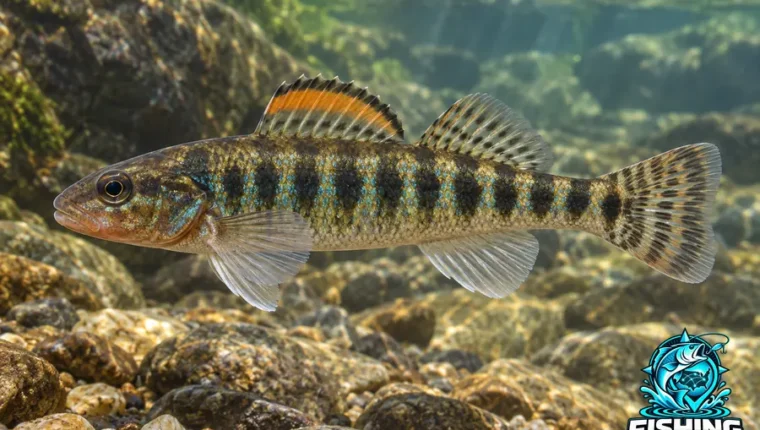
Eats insect larvae and other small invertebrates. Spawning typically occurs in late May and June.
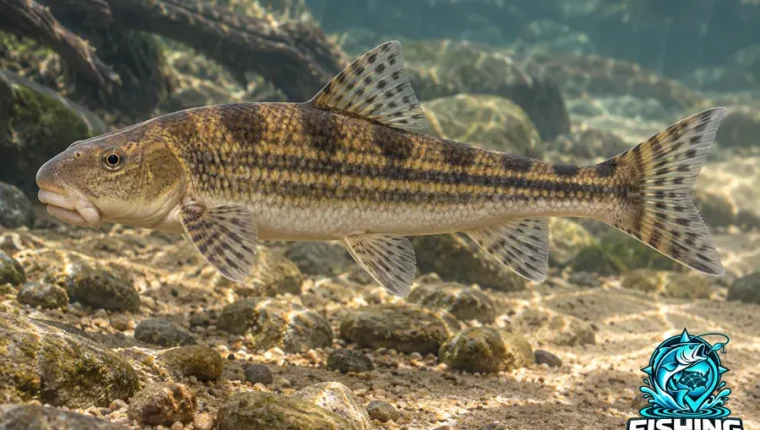
Lives in the upper and middle Roanoke River basin of Virginia and North Carolina.
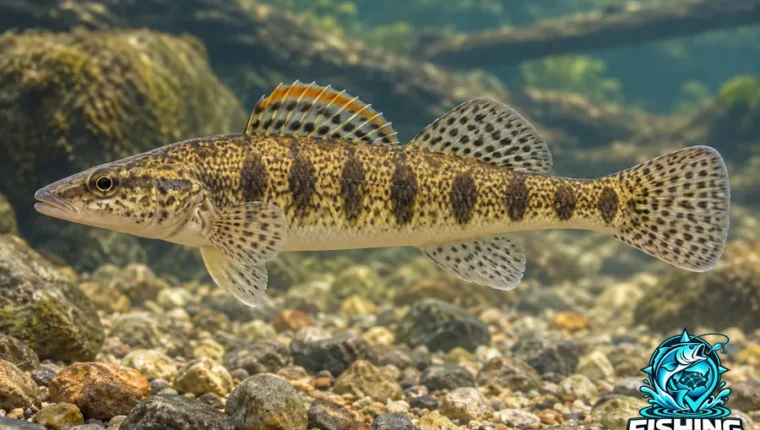
Favors warm, clear streams with clean gravel and rubble, using pools, runs and riffles.
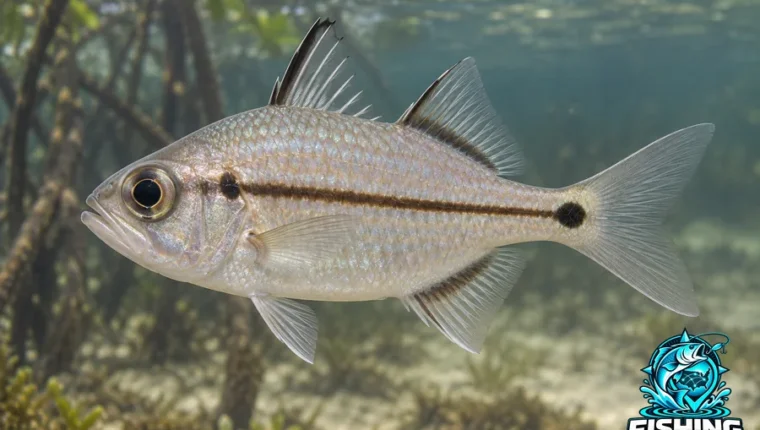
An Indo-Pacific cardinalfish found from Mozambique and western Indian Ocean islands toward Samoa, Tonga and the Ryukyu Islands.
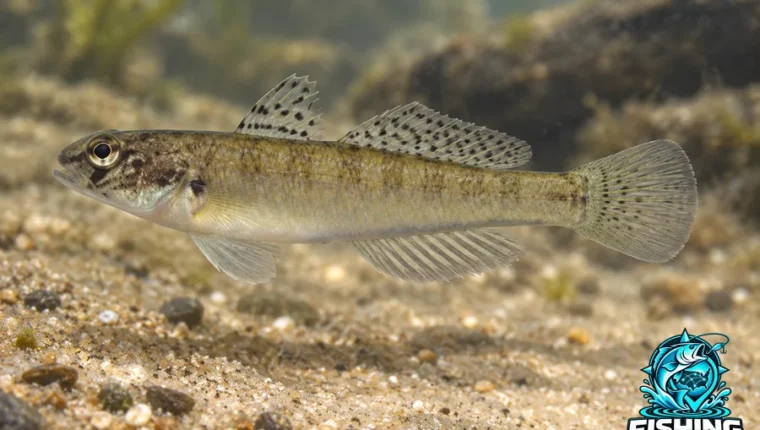
A goby native to Palau that migrates between marine and freshwater habitats.
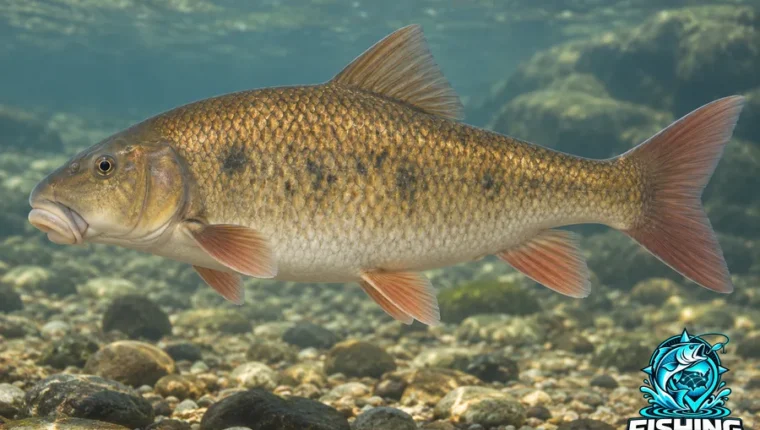
A large redhorse associated with freshwater rivers of the eastern United States.
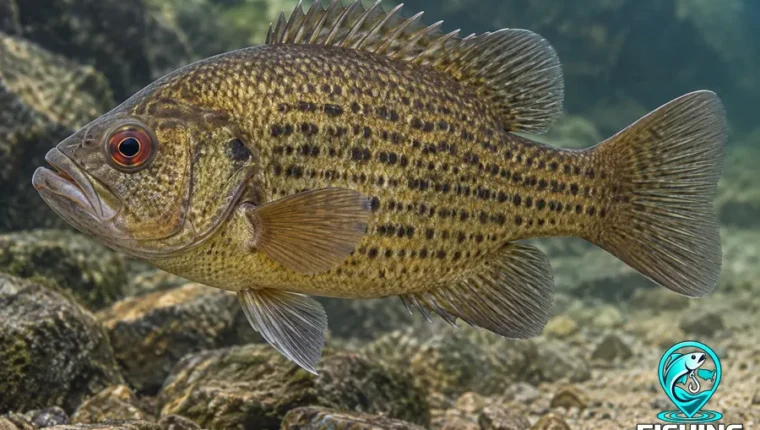
Favors clear pools and lake edges with rock and aquatic vegetation.
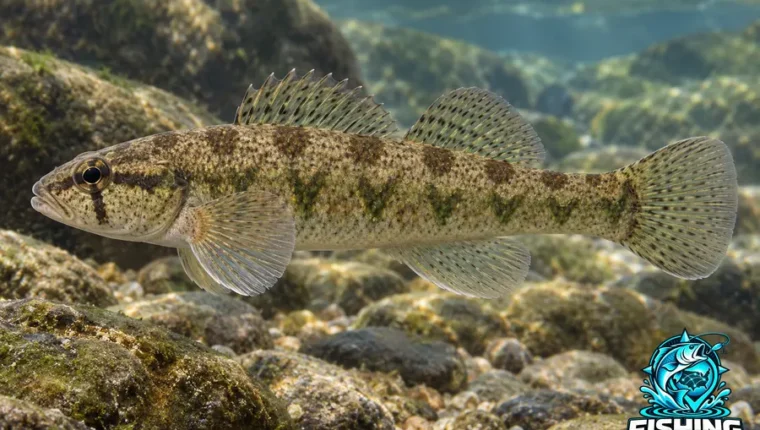
Native to the Mobile Bay drainage in the southeastern United States.

Eats insects, crustaceans and small fish, and also takes fruit such as figs that falls into the water.
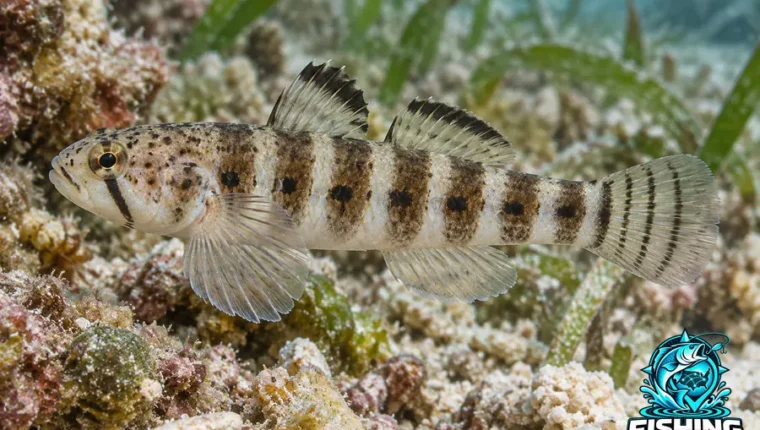
A coastal goby recorded from southern Florida and the Bahamas toward Venezuela, including Caribbean and southern Gulf waters.
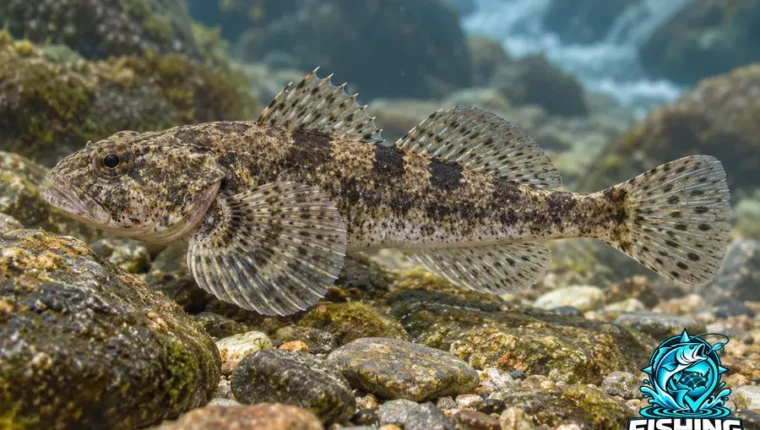
A stream-bottom fish found in western Montana and neighboring Rocky Mountain regions, where mottled coloring blends with rocks.
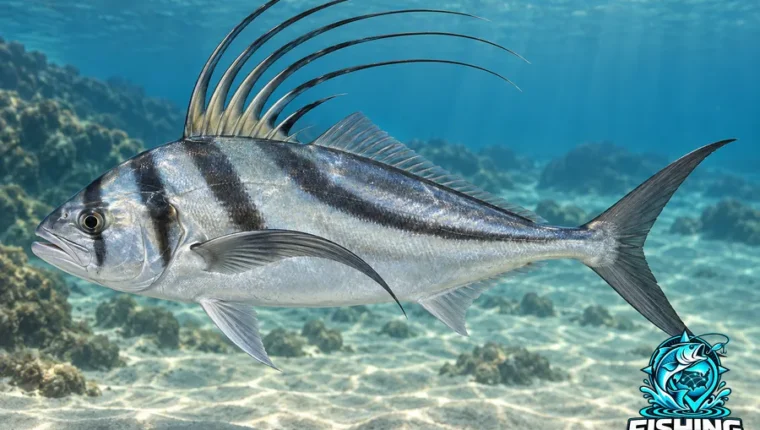
Uses warm, shallow eastern Pacific waters from Baja California south toward Peru.
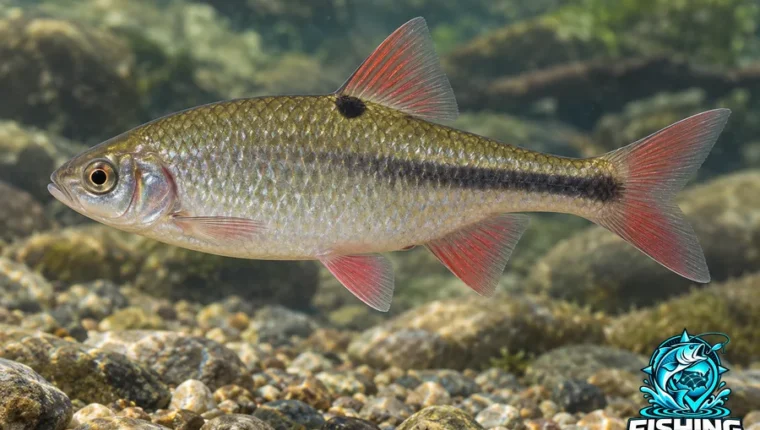
Found in freshwater creeks and rivers of Virginia, North Carolina and West Virginia.
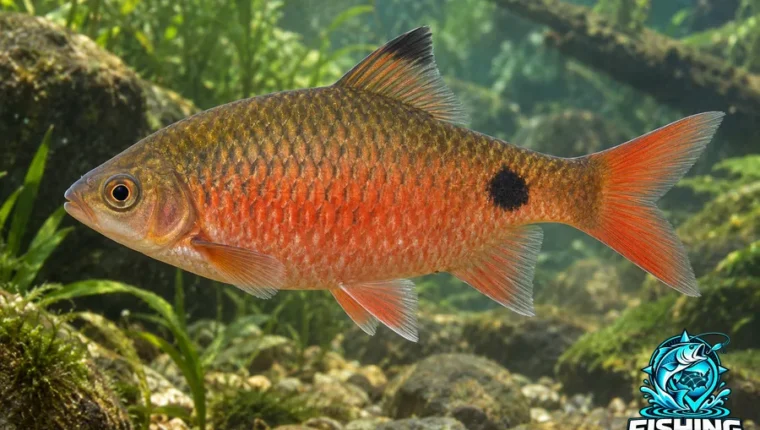
A subtropical barb that uses both lakes and faster-flowing waterways.
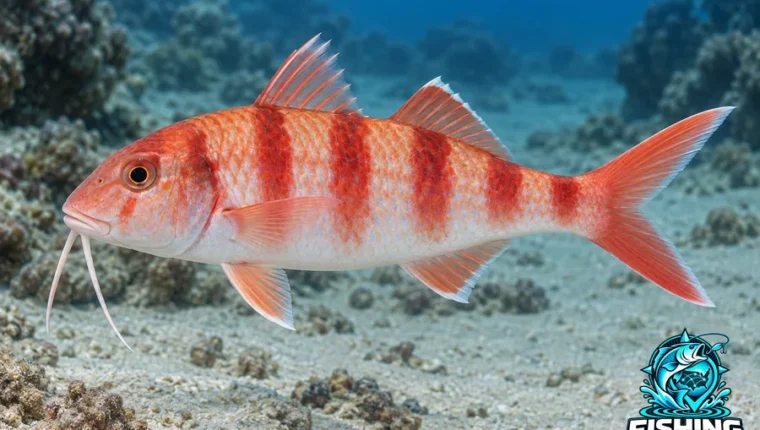
A goatfish ranging from western Indian Ocean islands through the Pacific toward Hawaii, the Marquesas and Tonga.
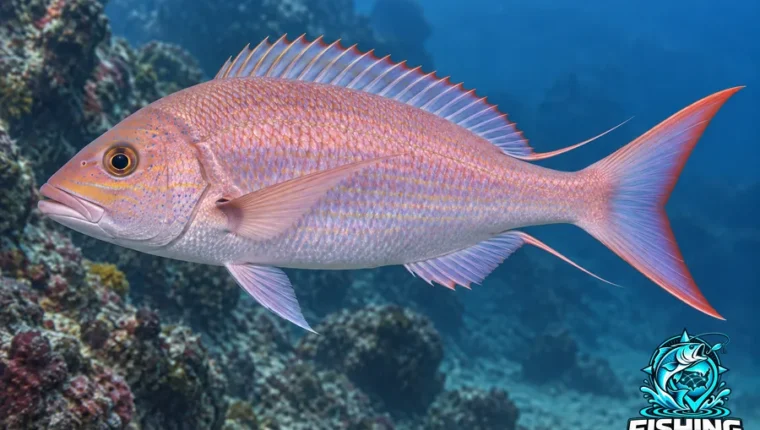
A snapper ranging across the Indian Ocean and Pacific waters as far east as Hawaii and Tahiti.
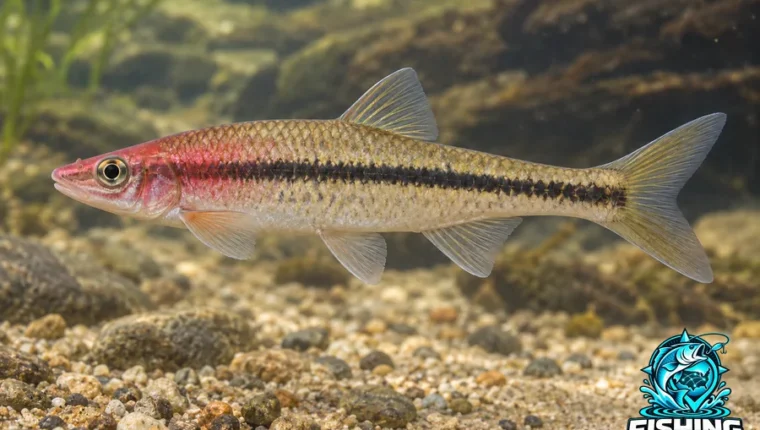
A southeastern chub native to North Carolina, South Carolina and Georgia.
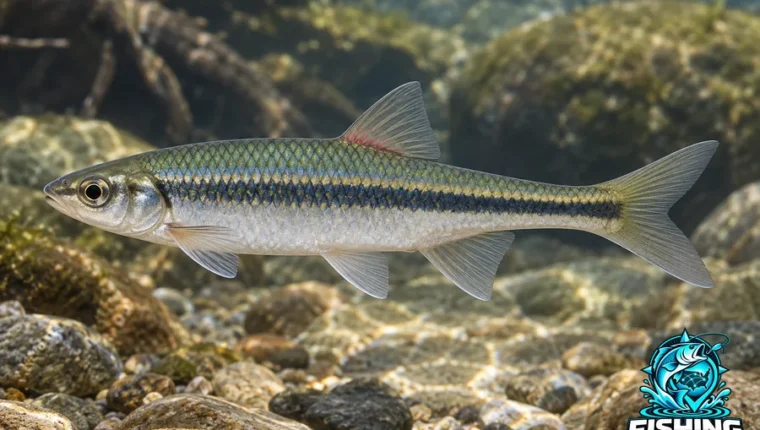
A small shiner native to eastern North America’s freshwater systems.
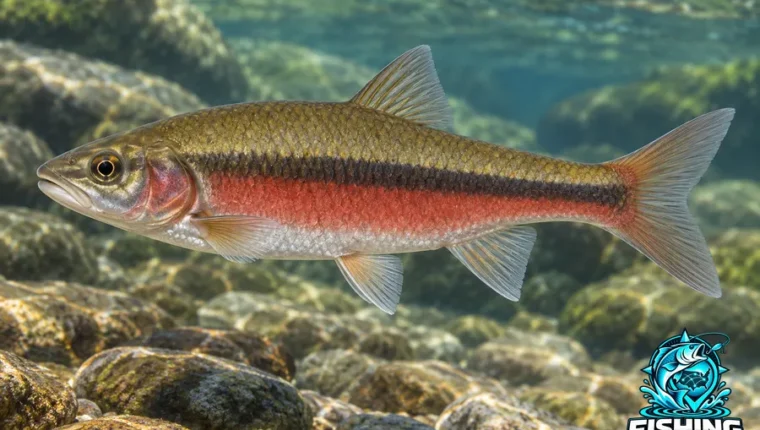
Occurs in eastern and southeastern drainages, including the Delaware, Savannah and Ohio river systems.
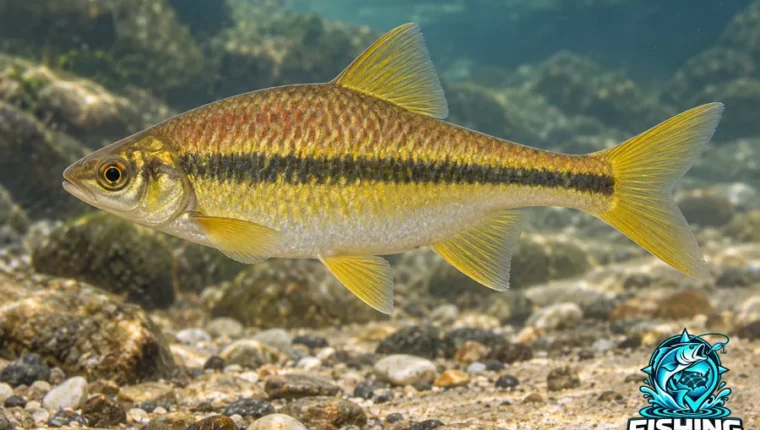
Found in upper Coastal Plain and Piedmont freshwater habitats in the United States.
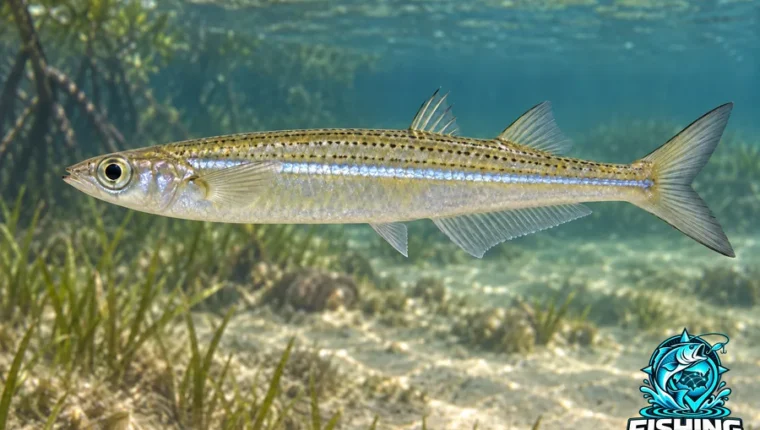
A coastal silverside ranging from New York toward Martinique, with populations around the Gulf of Mexico.
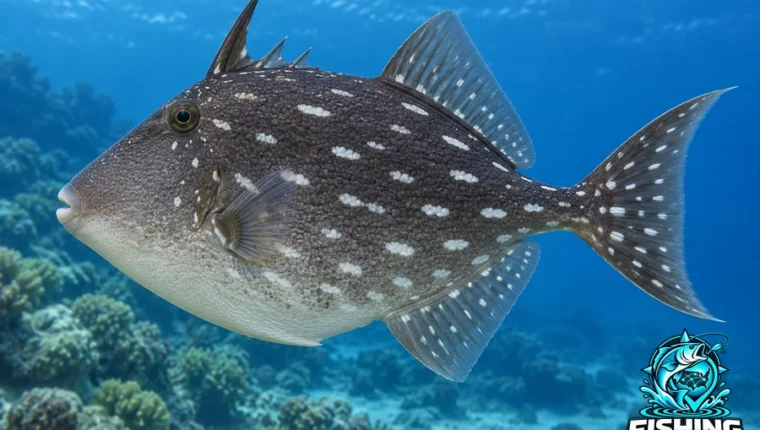
A triggerfish with a broad distribution in tropical and subtropical oceans.
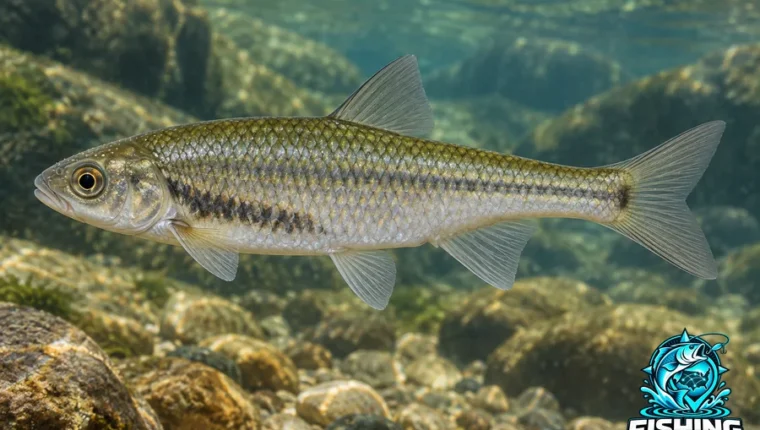
Native only to the upper James River drainage in Virginia.
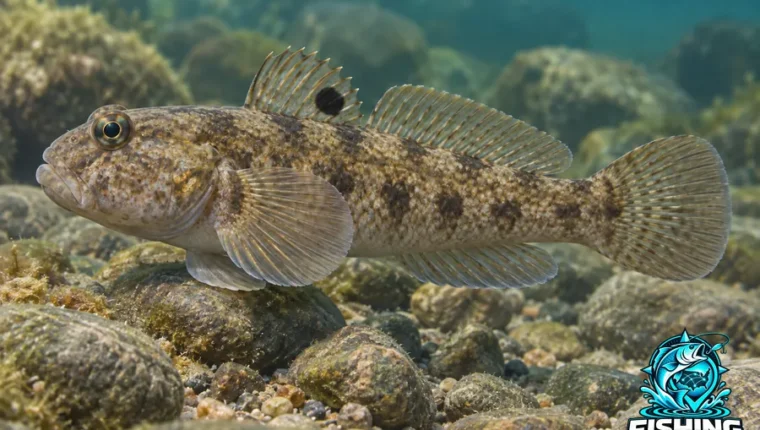
Originally from central Eurasia, including the Black Sea and Caspian Sea regions.

A northwestern Atlantic herring ranging from the Bay of Fundy toward Florida and the Gulf of Mexico.

A schooling sardine found on both sides of the Atlantic and in the Mediterranean Sea.
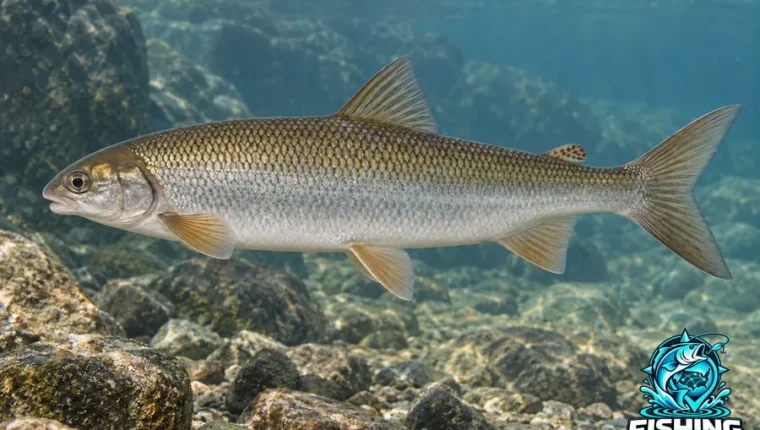
A northern whitefish found in North American drainages from Alaska to New England.
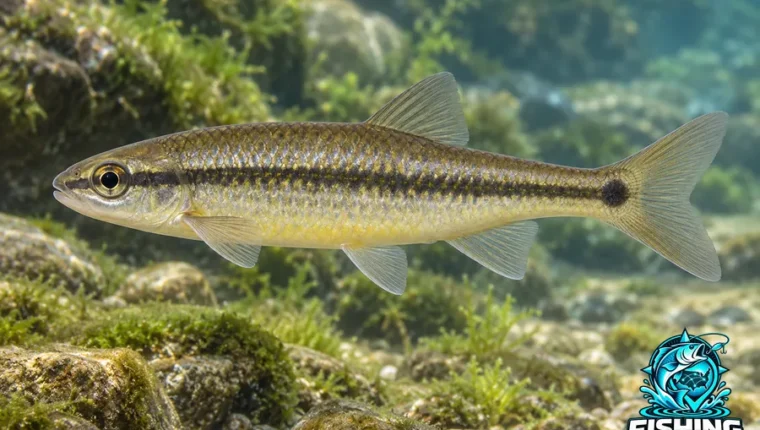
A southwestern minnow native to Texas, New Mexico and several northern Mexican states.
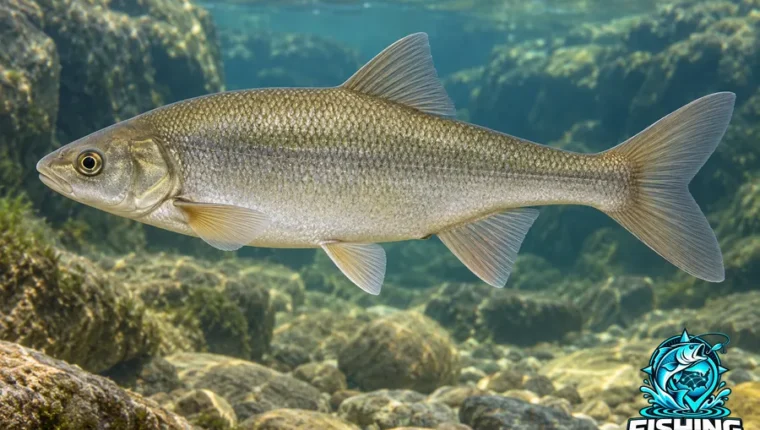
Native to the Colorado River basin, including the Gila River and connected tributaries.
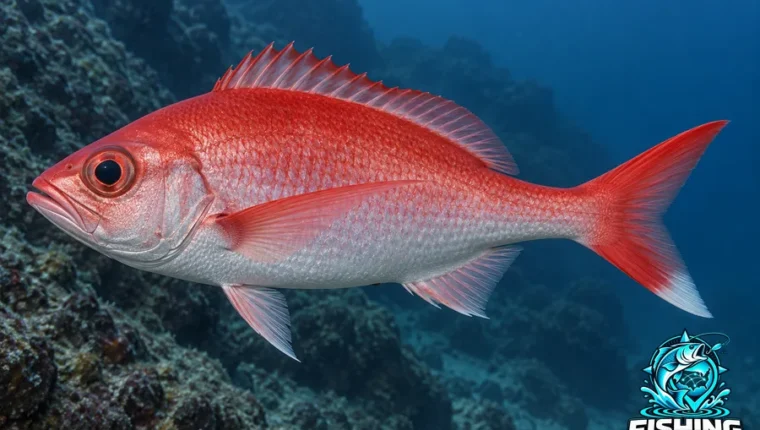
Ranges from the Red Sea and eastern Africa across the Indian Ocean into the Pacific.
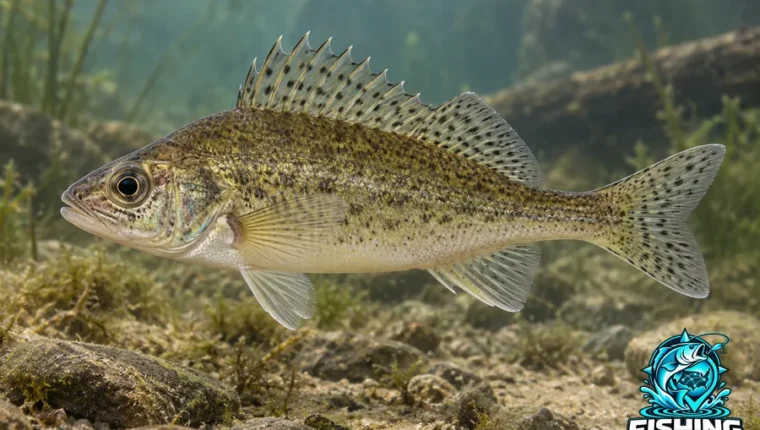
A Eurasian freshwater fish recorded from Britain and Scandinavia east into Arctic-draining Siberian waters.
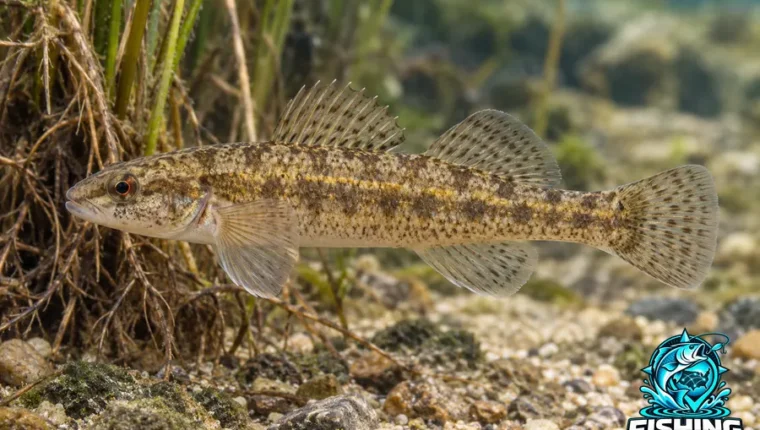
Shelters around the roots of aquatic plants in clear, shallow water.
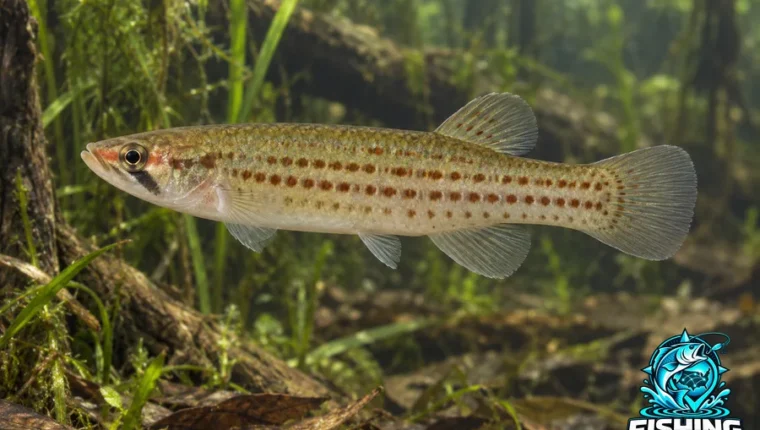
Uses coastal-plain streams in Florida, Georgia and Alabama.
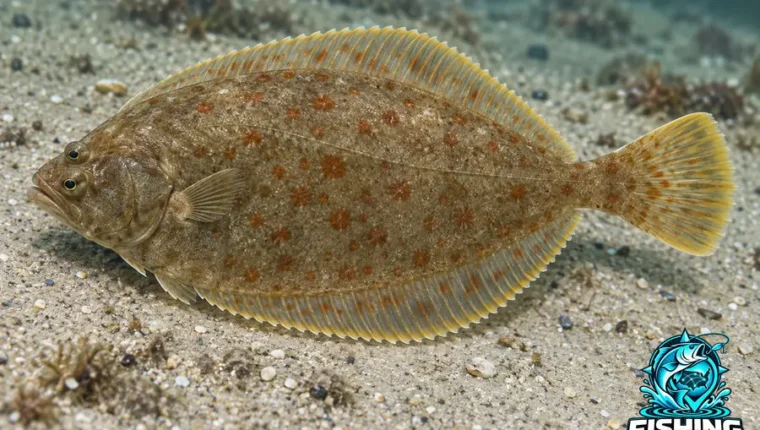
A western North Atlantic flatfish harvested by North American commercial fisheries.
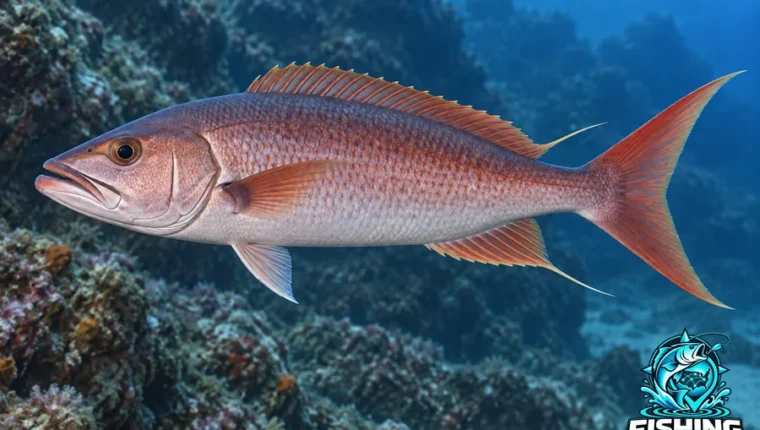
An Indo-Pacific jobfish associated with tropical marine environments.
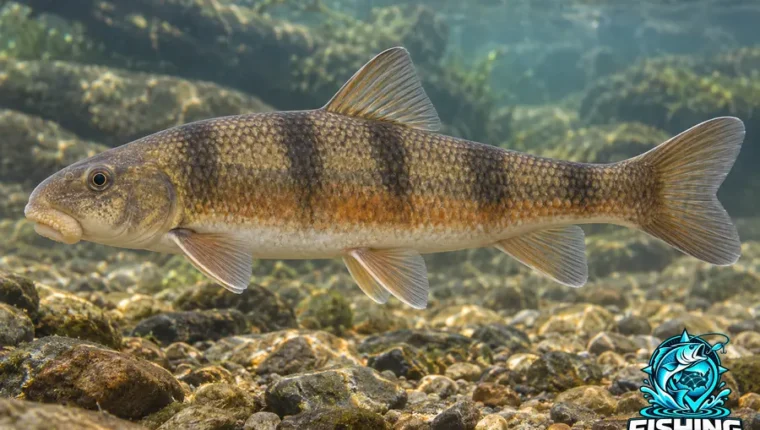
A sucker whose native range is limited to Virginia and North Carolina.