
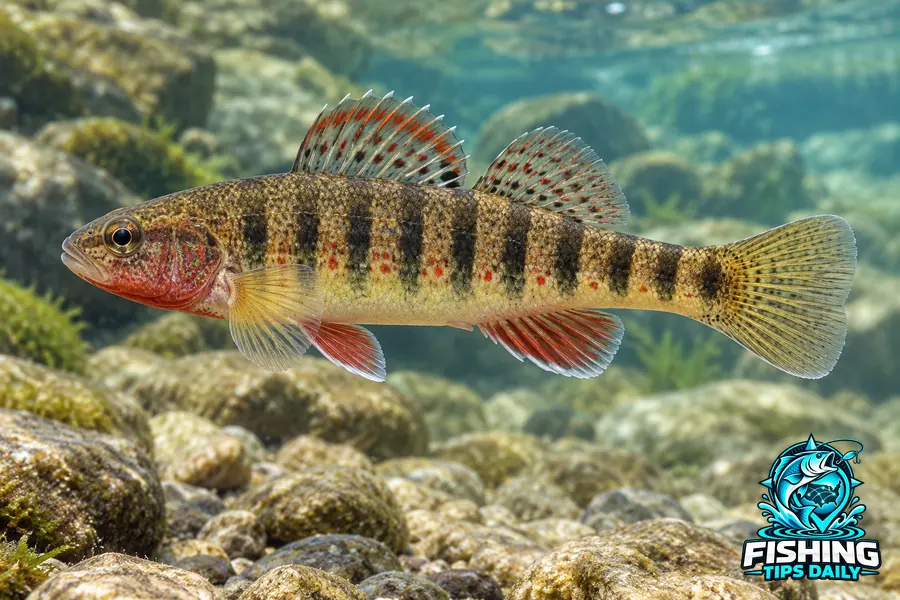
Range and Identity
Etheostoma grahami occurs in the lower Rio Grande system on both sides of the international boundary. The river name should not be expanded into every tributary throughout the entire upper basin. A precise locality helps distinguish it from darters in neighboring drainage systems.
Habitat and Behavior
Adults inhabit gravel and rubble riffles of creeks and small rivers. Current and coarse bottom materials are recurring habitat features. A quiet silty pool elsewhere in the same creek is a different setting and should not replace the actual occupied riffle in a habitat description.
Food and Life History
The maximum reference is six centimeters total length, with three centimeters given as a common size. Eggs attach to a substrate and remain unguarded. A detailed diet and independent maximum mass were not established in the retrieved account.
Field Note
Record the riffle substrate and tributary with an observation. Those details are useful for a small fish whose broader river name can otherwise hide a much more specific local habitat.
All Lakes With Rio Grande Darter
Browse lakes and reservoirs with documented Rio Grande Darter records, listed alphabetically. Records do not establish current abundance or public access. Check the evidence and managing authority for the water you choose.
No published lakes are currently linked to this species in our confirmed records.