Live minnows · Representative illustrationRecognize the offering
See what you are tying on.
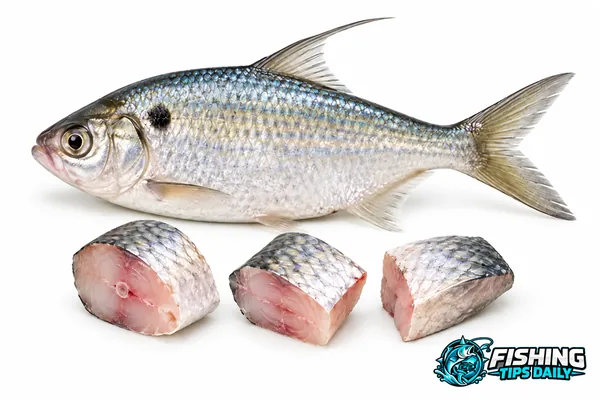
Live minnows
Small live baitfish, purchased or collected only as local rules allow. The permitted species varies by water.
A useful starting situation
Crappie under a float and walleye on a jig or slow bait rig.
Give it the right action
Use a hook suited to the minnow and leave room for it to move. Keep the bait cool and supplied with oxygen.
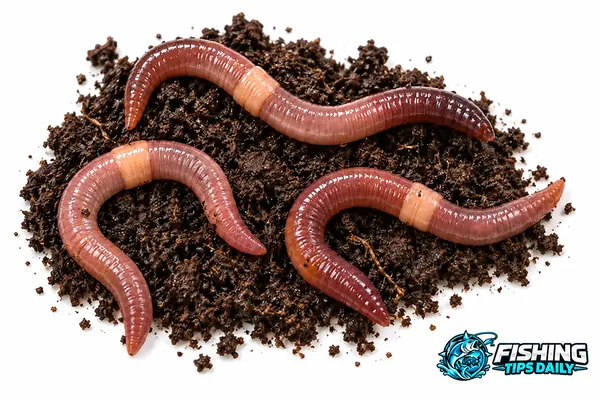
Worms & nightcrawlers
Natural worms used whole or in smaller portions, depending on the hook and target fish.
A useful starting situation
A simple float presentation, a bottom rig, or a walleye crawler harness.
Give it the right action
Use a manageable portion for a small hook. On a harness, keep the crawler straight and check it after missed bites.
Leeches
Flexible aquatic bait that can keep swimming while the rig moves very little.
A useful starting situation
Walleye on a slip float or slow rig; an option for smallmouth bass too.
Give it the right action
Hook lightly through the large sucker end. Balance the hook and float so the bait can move freely.
A practical starting routine
Make the first casts count.
Make one deliberate adjustment at a time so you know what changed.
Choose legal bait suited to the target fish and keep it in good condition.
Hook lightly through a suitable firm area, avoiding excessive damage. Keep the hook gap open.
Set a float stop or weight arrangement for the depth you intend to fish.
Monitor bites closely and check the bait after casts, snags, and missed takes.
Picture the next cast
Three trips. Three bait presentations.
These are starting situations to try, not reports of a guaranteed bite.
01
Crappie beside a brush pile
Suspend a small minnow just above the brush instead of dropping it into branches. Adjust the stop a little at a time until you find the feeding level.
02
A first trip for panfish
Use a small worm piece and a readable float in accessible open water. The whole nightcrawler is usually unnecessary. Keep the hook point clear and attend the rod so bites are noticed promptly.
03
Walleye on a break
Present a leech or crawler on a suitable rig at a controlled depth. A slow drift can cover the break, but dragging too much loose line makes it harder to recognize contact or a bite.
The why behind the choice
Get to know your tackle.
Live minnowsA small fish offering for a controlled presentation.NightcrawlersShorten the offering when targeting smaller fish.
The rig should help the bait, not overpower it
Live bait supplies its own movement. Your tackle controls where it goes. Too much hook or weight can turn a lively minnow into a stiff-looking bundle; too little control can leave it far from the fish.
Begin with the smallest practical combination that casts and holds the intended depth. Hook size follows both the bait and target fish, not just the package label. A tiny worm piece for bluegill and a large legal baitfish for flatheads need very different tackle.
Minnows, worms, and leeches do different jobs
A minnow resembles a small fish meal and fits many crappie and walleye presentations. Worms and nightcrawlers offer a flexible, widely useful bait that can be shortened for smaller fish. Leeches are another familiar walleye offering, often fished on a controlled rig or below a float.
Keep each in appropriate conditions. Aeration and temperature management matter for minnows; avoid abrupt water-temperature changes. Keep worms in suitable cool, moist bedding. Buy bait from a lawful source and follow the supplier’s care advice.
Floats make depth visible
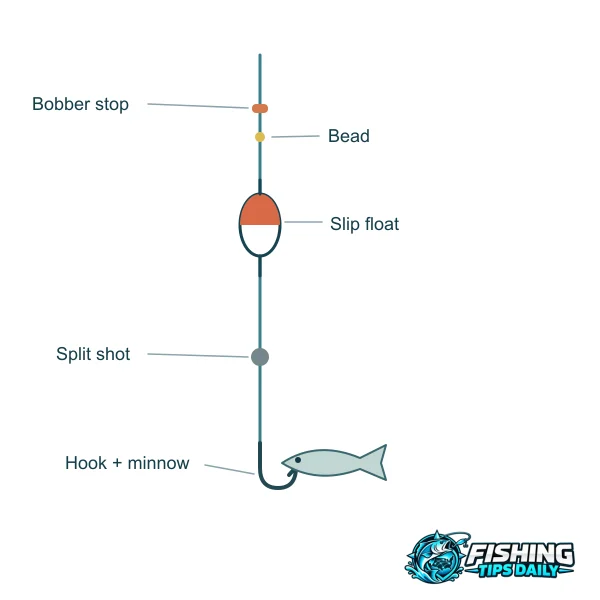
A fixed float is convenient when the bait hangs relatively shallow. A slip float slides down for casting and stops at a line stop, helping reach deeper water without a long, awkward hanging rig. Balance buoyancy with the weight and bait so the float remains readable.
Set the bait above snags and near the feeding level. If a float continually lies down, your weight may be resting on bottom or the rig may be tangled. If it disappears without a take, it may be overloaded or pulled by current.
Keep bait where it belongs
Baitfish rules vary among waters, and some places prohibit live bait altogether. Do not transport fish or water between lakes unless expressly permitted. Never release unwanted live bait; use the locally recommended disposal method.
Before you switch everything
A problem worth fixing.
Minnow looks exhausted
Check water conditions and use fresh, healthy bait. Reduce unnecessary hook or weight burden.
Everything eats the worm except the target fish
Change location, depth, or bait size rather than assuming another color will solve it.
A float is too large to show gentle bites
Use a float that supports the rig while remaining sensitive enough to read.
See the arrangement
A closer look at the rig.
Fixed float: a simple shallow presentationSlip float: a line stop controls the fishing depth
Illustrations show the arrangement; hook size, weight, and leader length must suit your fish, depth, cover, and local rules.