Skip to content
For anglers, by anglers

Summer Fishing Guide

Build a shorter trip around shade, oxygen and the feeding window.

Summer rewards a deliberate schedule. Instead of planning to cast from sunrise until exhaustion, decide which part of the day gives your target fish a usable feeding opportunity. A short dawn session, a shaded midday dock or a legal evening catfish spot are three different trips. Choose one and equip yourself for it.

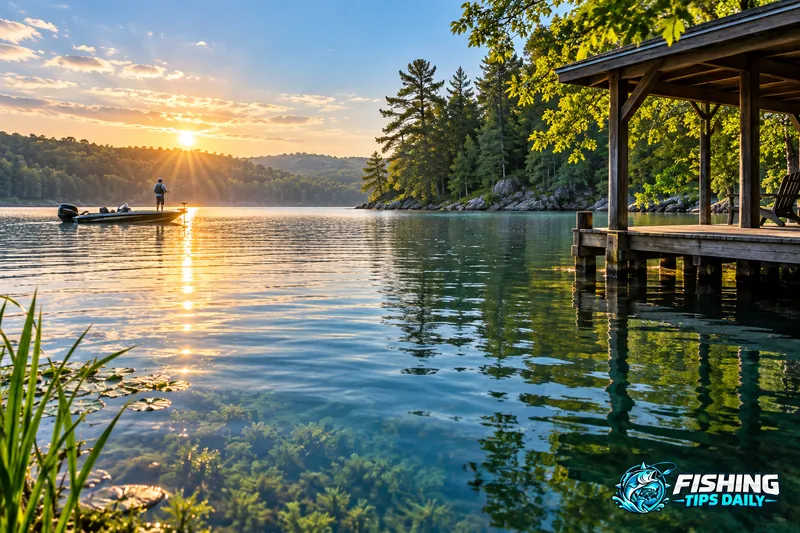
Summer lake at sunrise with a shaded fishing dock and an angler offshore
Seasonal fishing illustration • Fishing Tips Daily

Choose your summer fishing window

  • Choose dawn, shaded daylight or an evening session.
  • Match the target species to that window.
  • Set a return time before heat or storms dictate it.
Read the season

A hot day is three different trips

Light and water conditions can change the best location within hours. Going deeper is only useful when that depth still offers suitable habitat.

01

Dawn: cover water while light is low

Check a feeding flat or outside vegetation edge early, before committing to a long stretch. Watch for bait movement and work the edge from different angles. The first hour is an opportunity to compare locations, not a guarantee that surface lures will work.

Try this: After a topwater miss, follow with a subsurface presentation through the same lane.

02

Midday: make accurate casts into shade

Docks, overhanging trees and deeper vegetation can concentrate useful shade. Present the bait close enough to reach the cover while leaving room to land a fish. Repeated casts well outside the shaded area may miss the small zone you intended to test.

Try this: Approach a dock from the side that lets the bait travel along its shadow.

03

Evening: set up before you need a light

For channel catfish, choose accessible water near a feeding area and set a bottom rig before dusk. Arrange rods, net and landing space in daylight. Check closing times; an evening bite is of little use at an access that shuts at sunset.

Try this: Pick a firm bank with a clear return route instead of moving into unfamiliar ground after dark.

Choose useful water

Find shelter without losing oxygen

Shade, vegetation edges and moving water deserve comparison. None is automatically productive: look for evidence of forage and a depth you can fish accurately.

The outside edge of healthy vegetation

Fish along openings and outside edges rather than assuming the thickest mat holds the best water. A float rig beside the edge can locate bluegill; a weedless plastic covers gaps. Excessively dense or decaying growth may be less useful than it looks.

A shaded dock with reachable depth

Look for shade that falls over water rather than land. Work posts and the outer corner with a bait held at a repeatable level. Respect private property and avoid casting across boats or people.

A lake where deeper is not always better

Summer layering can leave some deep water short of oxygen. A cool bottom is not sufficient evidence of good habitat. Use local depth information and observed fish activity; avoid spending the entire trip below the level where fish and forage appear.

Pick your target

Bluegill and channel cats for warm-water outings

These warm-water targets offer useful alternatives to forcing a trout trip during hot conditions. Their tackle and feeding habits call for different approaches.

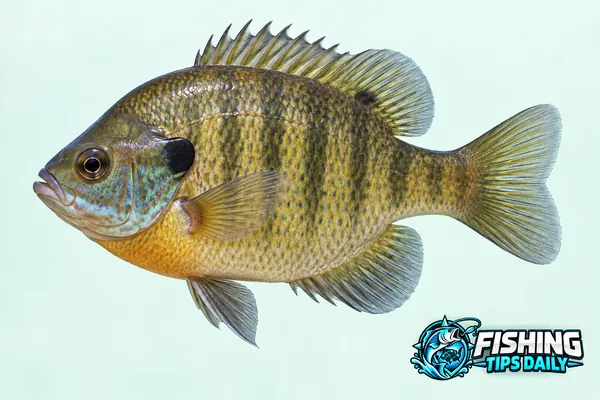
Bluegill sunfish with a dark ear flap and deep rounded body

Bluegill beside summer cover

Use a small hook with a short piece of worm or a compact jig. Adjust a small float until the bait clears vegetation, then check the outer edge for larger fish. Constant tiny bites may call for a location change rather than a much larger hook.

Explore the fish guide →
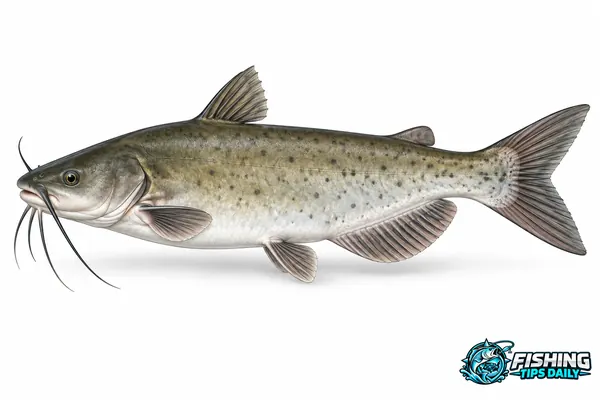
Channel catfish showing its barbels and forked tail

Channel catfish after the glare fades

A worm, permitted cut bait or prepared bait can suit a bank session near a channel edge or feeding flat. Use enough sinker weight to hold position. With a circle hook, let the line tighten and reel steadily instead of making a sharp strike.

Explore the fish guide →
Make the tackle earn its place

Keep summer rigs simple and repeatable

A small, visible bite indicator helps around panfish cover; a controlled bottom rig suits a stationary catfish session. Carry what the chosen outing needs.

A float set beside the weed edge fishing presentation

A float set beside the weed edge

Suspend a short piece of worm or small jig above vegetation for bluegill. Keep the float small enough to register light contact and change depth when the bait catches weeds.

Learn this bait →
A held bottom bait fishing presentation

A held bottom bait

For channel cats, place legal bait along a reachable depth break and use enough weight to hold position. Keep rods attended and the landing area clear.

Learn this bait →
Put it into practice

Two ways to fish without an all-day grind

Decide the target and access before loading the tackle. A modest plan is easier to repeat and improve than a day spent changing species at every stop.

A dawn session with a fixed finish

Arrive with two nearby areas selected. Test the first in low light, then compare the second before the sun gets high. If the bite follows a vegetation edge, stay with that route. Finish at the time you planned, recording the productive light level and depth for the next visit.

An evening catfish station

Walk the access in daylight, choose a landing spot and set one controlled bait position before adding another where legal. Keep rods within reach. If a bait stays untouched, adjust its placement along the depth break rather than scattering unattended rods across the bank.

When the first plan stalls

Solve the midday slowdown

Summer failures often come from fishing a promising place at the wrong hour, or assuming cool-looking water is suitable at every depth.

The deepest casts produce nothing

Recheck the usable water layer and forage depth. Depth alone does not account for oxygen, cover or food.

Trout water is warming rapidly

Trout need cool, oxygenated water. Use current local guidance and measured conditions to decide whether to fish; choose a warm-water species elsewhere when conditions are unsuitable.

The same dock stopped producing

Its shadow may have moved, boat traffic may have changed, or fish may be feeding elsewhere. Check the new shaded edge before adding weight or switching colors.

Before you leave

Prepare for heat, sun and darkness

  • Drinking water, sun protection and breathable clothing
  • Small floats or bottom weights selected for the target
  • Headlamp and spare power for an evening outing
  • Net, pliers and a clear landing space

Make the return part of the plan.

Check the forecast before leaving and identify a substantial shelter. Leave exposed water when thunderstorms threaten; a tree is not a suitable lightning shelter. Plan breaks and a shorter outing when heat makes concentration difficult.

A few things anglers ask

Summer depth and timing questions

Is night fishing always better in summer?

No. It is an alternative when the species, access and conditions suit it. A dawn trip may offer simpler access and visibility with a useful feeding window.

Does shade mean the water is cold enough for trout?

No. Shade does not establish water temperature or oxygen levels. Check actual conditions and local guidance.

Should I add weight when fish move deeper?

Only enough to control the presentation. Establish where the fish are first; a heavier rig does not make unsuitable deep water productive.

Find access that fits your fishing hours

Check opening hours and shade before deciding between a dawn visit and an evening session.

✉Join the Fishing Tips Daily newsletter waiting list

Our newsletter is not sending yet. Leave your email if you would like to hear from us when it launches.

By joining, you agree to receive our newsletter when it launches. To request removal before then, contact us. Read our privacy policy.