Skip to content
For anglers, by anglers

Spring Fishing Guide

Find the route from winter holding water to the spring shallows.

A spring shoreline can look alive long before the fish arrive. New leaves tell you little about the water beneath them. What matters is whether fish can travel from a holding area to a feeding flat without crossing a large stretch of unsuitable water. Build your search around that connection, then use a warming trend, water clarity and the first bite to narrow it down.

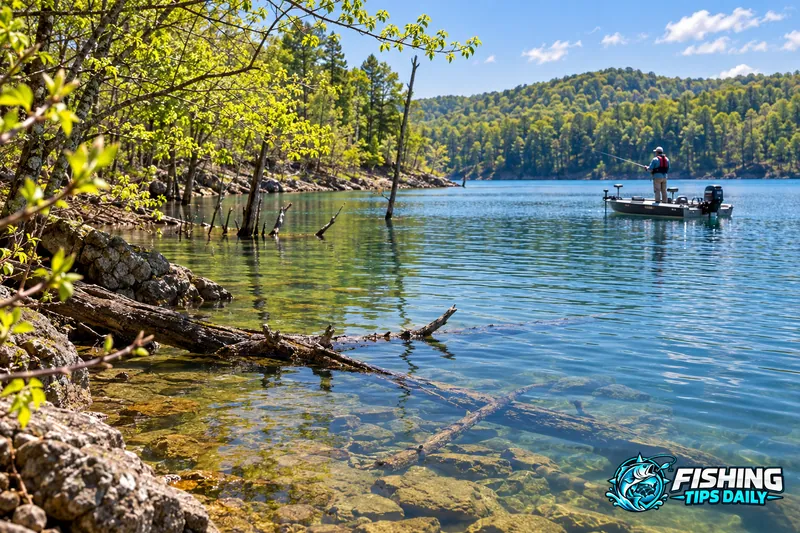
Spring lake fishing beside new green foliage and submerged shoreline timber
Seasonal fishing illustration • Fishing Tips Daily

Trace a spring migration route

  • Choose a protected pocket connected to deeper water.
  • Compare its entrance, first drop and shallow cover.
  • Return to productive water after the afternoon warming period.
Read the season

From staging banks to shallow cover

The useful spring question is how far fish have moved along a route. Inspect adjacent depths before deciding that an entire cove is empty.

01

Start outside the pocket

Before concentrating on shoreline wood, fish the point or steep bank at the cove entrance. It offers access to a shallow destination without requiring fish to stay there through a cold night. Work parallel to the contour so the lure spends more of the retrieve at a useful depth.

Try this: Catch a fish off the first drop? Search another stretch at that depth before casting farther into the cove.

02

Test the sheltered afternoon water

A stable warming spell can make protected shallows worth a second visit. Compare similar depths with a thermometer; a sunlit surface reading alone does not describe the whole cove. Make your first casts from back from the edge, especially in clear water.

Try this: Repeat a morning stop later in the day and compare the depth of the bites.

03

Leave nesting fish some space

Visible spawning fish are not necessarily feeding fish. Repeated casts at a nest can interrupt reproductive behavior without telling you much about the broader bite. Move to nearby feeding lanes, and check seasonal restrictions before targeting a spawning aggregation.

Try this: Search the next point or outside cover instead of working the same visible pair.

Choose useful water

Runoff, exposure and access

A walkable bank with several depth changes can teach you more than a long, featureless flat. Pick an access that lets you compare water rather than repeat the same cast.

A cove with a defined entrance

Choose a reservoir arm where a flat, secondary point and creek channel lie close together. This gives you a compact route to follow as temperatures change. A broad shallow bay without reachable depth can be harder to diagnose from shore.

A tributary with manageable flow

Spring white bass runs can provide a separate opportunity in reservoirs that support them. Fish legal access around current breaks with small minnow imitations. Confirm that a run actually occurs locally; a Central Texas pattern is not a timetable for every river.

A pond bank above the mud

Runoff can soften banks and cloud the water. Look for a firm approach beside established vegetation or a steeper bank. Avoid freshly flooded ground that prevents safe footing or landing a fish, even when the new cover looks appealing.

Pick your target

Three spring opportunities to separate

Crappie, bass and walleye do not spawn together or use identical habitat. Choose one target before choosing the warmest water you can find.

White crappie with vertical bars swimming beside submerged cover

Crappie around warming cover

Suspend a small jig above brush or beside a dock rather than burying it inside the branches. Work outward from the cover and adjust the float in small increments. One bite establishes a depth to repeat; it does not mean every fish has reached the bank.

Explore the fish guide →
Largemouth bass with a dark horizontal stripe along its side

Largemouth on staging routes

Connect a protected spawning flat to its nearest depth break. A slowly worked minnow lure can check the approach, while a lightly weighted plastic lets you pause beside wood. If the shallows go quiet after a front, retrace the route toward deeper cover.

Explore the fish guide →
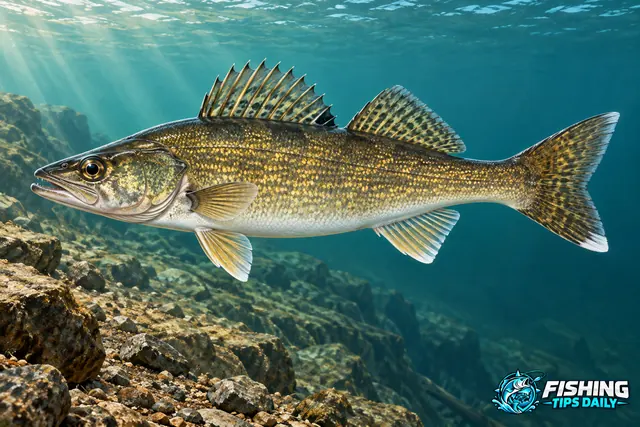
Walleye swimming above a rocky lake bottom

Walleye near rock and moving water

Where the season permits, investigate rocky shorelines and current breaks near spawning habitat. Use enough jig weight to control the drift without repeatedly wedging into bottom. Low light can make a reachable shoreline worth testing before committing to deeper water.

Explore the fish guide →
Make the tackle earn its place

Control depth around new cover

Pack a search lure and a presentation that can stay beside a target. In spring, time spent at the right depth often matters more than distance covered.

Float-held jig fishing presentation

Float-held jig

Hold a small jig beside submerged branches and compare float settings between casts. Cast past the cover and bring the bait into position before letting it rest.

Learn this bait →
Slow-rolled spinnerbait fishing presentation

Slow-rolled spinnerbait

Search stained water along the approach to a shallow flat. Keep the blades working while slowing the lure enough to follow the bank contour.

Learn this bait →
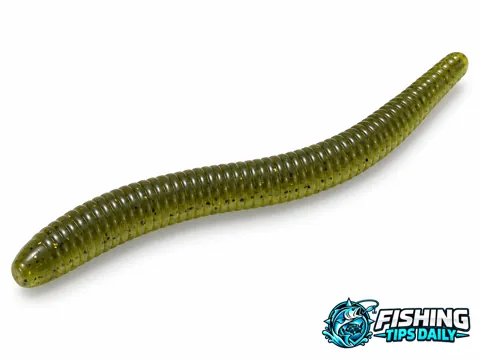
Lightly weighted plastic fishing presentation

Lightly weighted plastic

Pitch beside isolated cover, let the bait fall on controlled slack and watch for a sideways line movement. Recast from a new angle before adding weight.

Learn this bait →
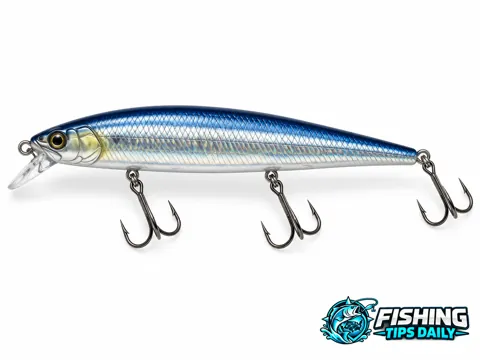
Paused minnow plug fishing presentation

Paused minnow plug

Work the first drop outside a warming pocket with short pulls and pauses. Check the lure beside the bank so you know whether it rises, sinks or suspends.

Learn this bait →
Put it into practice

Test a cove before leaving it

Use a short outing as a comparison: where does the shallow habitat meet the holding water, and which side of that meeting point produces?

The entrance-to-flat comparison

Choose one cove with three distinct stops. Start at the entrance, move to the first depth change, then check shallow cover. Use a lure you can keep under control at each stop and record where the first response occurs. Repeat that depth on a second bank; do not turn one shallow catch into an assumption about the entire lake.

A rising-water revisit

Photograph or note the original shoreline before fishing newly flooded cover. If the lake continues rising, revisit the edge of the established vegetation as well as the new water. When levels begin dropping, check the nearest ditch or break that offers an exit. A water-level change is a reason to reassess access too.

When the first plan stalls

When spring water changes overnight

Changing water can move the productive edge without moving fish very far. Revisit the route before replacing every lure.

Cold rain replaced the warming trend

Fresh inflow is not always warmer than the lake. Compare the inflow edge with a protected section outside it, and slow down around the last productive depth.

A clear bank is full of visible fish

Increase your distance and avoid casting shadows across the target. If fish are nesting or ignoring food, leave them and search cover used by feeding fish.

Newly flooded bushes produced nothing

Check whether they connect to a travel route. Attractive cover far from holding water may be occupied later, or not at all.

Before you leave

Bring tools for a moving shoreline

  • Thermometer and a simple depth reference
  • Small floats, jigheads and spare plastics
  • Footwear suited to wet, soft banks
  • Layers and flotation for cold water

Make the return part of the plan.

Rising water can remove a return route. Keep away from flooded crossings and reassess a bank when the water level changes. Warm air does not remove the risks of cold-water immersion.

A few things anglers ask

Questions about the spring transition

Should I always fish the warmest cove?

No. Access to holding water, suitable cover and the target species matter too. A warm pocket that lacks those features may produce less than a slightly cooler bank on a travel route.

Does muddy spring water end the bite?

Not necessarily. Try a manageable clarity transition and fish close to cover. If runoff creates dangerous current or unstable access, select another location.

Is the spring white bass run available everywhere?

No. It depends on the fishery and its spawning habitat. Check local reports and regulations rather than assuming any reservoir tributary holds a run.

Choose a lake with room to adjust

Look for a shoreline that connects protected cover to a depth change you can reach.

✉Join the Fishing Tips Daily newsletter waiting list

Our newsletter is not sending yet. Leave your email if you would like to hear from us when it launches.

By joining, you agree to receive our newsletter when it launches. To request removal before then, contact us. Read our privacy policy.