
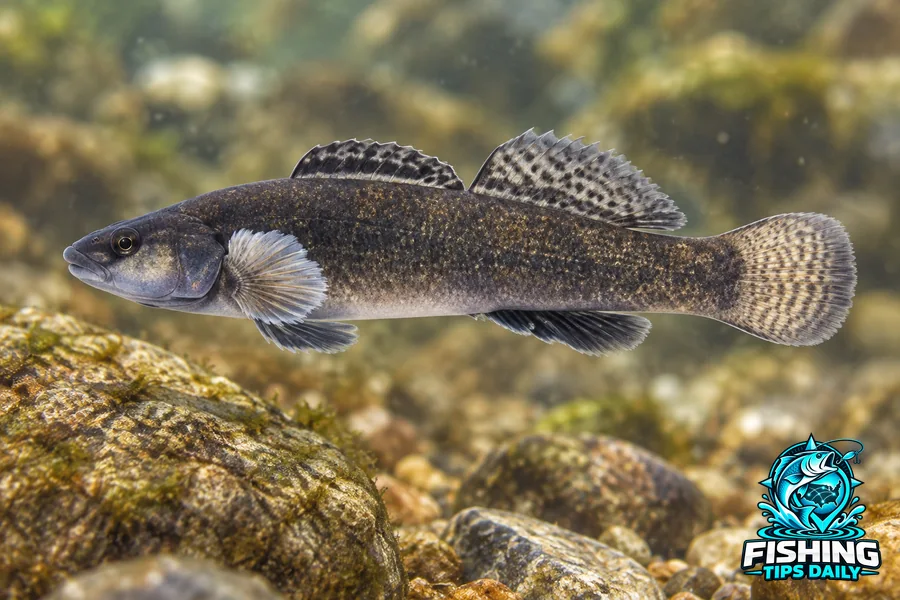
Range and Identity
Etheostoma olivaceum occurs in the lower Caney Fork system and nearby Cumberland tributaries in central Tennessee. This compact regional description should not be expanded to every Cumberland stream. The tributary is useful information when comparing observations with other darters.
Habitat and Behavior
Adults use rocky pools and nearby riffles in headwaters and creeks. Young feed on midge larvae and tiny crustaceans. Adults take a broader mixture of insect immatures, isopods and amphipods, so food observations can differ with life stage.
Food and Life History
The upper reference is eight centimeters total length, with five centimeters as a common size. Eggs occur in clusters beneath stones, where males guard them. The reproductive structure is an occupied part of the stream bottom rather than simply a loose rock.
Field Note
Leave potential nest stones in place when observing breeding fish. A photograph of the adult and surrounding habitat can document the site without exposing or dislodging an egg cluster.
All Lakes With Sooty Darter
Browse all lakes and reservoirs with confirmed Sooty Darter records in our database, listed alphabetically.
No published lakes are currently linked to this species in our confirmed records.