
Range and Identity
Notropis sabinae occurs in selected St. Francis, White and lower Red tributaries and Gulf drainages from the Calcasieu toward the San Jacinto. The Sabine common name therefore describes only part of the geographic picture. Exact tributary information helps interpret separated records.
Habitat and Behavior
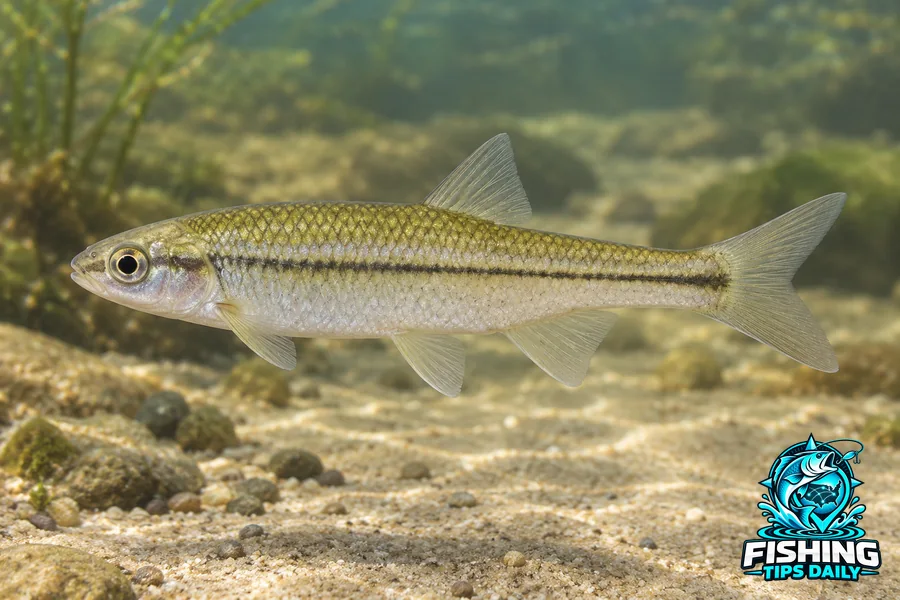
Adults inhabit sandy runs and flowing pools of creeks and small to medium rivers. Sand and current are recurring features. A pool in this context can retain moving water and should not automatically be equated with a stagnant backwater or vegetated pond.
Food and Life History
The maximum reference is 5.7 centimeters total length. The retrieved account does not establish an independent maximum mass, detailed feeding proportions or complete breeding calendar. Another small sand-associated shiner cannot provide those species-specific facts merely because the habitat looks similar.
Field Note
Keep both tributary and parent drainage with an observation. That makes the species’ occurrence beyond its namesake river visible without implying a continuous distribution through every intervening waterbody.
All Lakes With Sabine Shiner
Browse lakes and reservoirs with documented Sabine Shiner records, listed alphabetically. Records do not establish current abundance or public access. Check the evidence and managing authority for the water you choose.
Showing 1–1 of 1 lakes · Page 1 of 1
- Toledo Bend Reservoir Sabine, LA