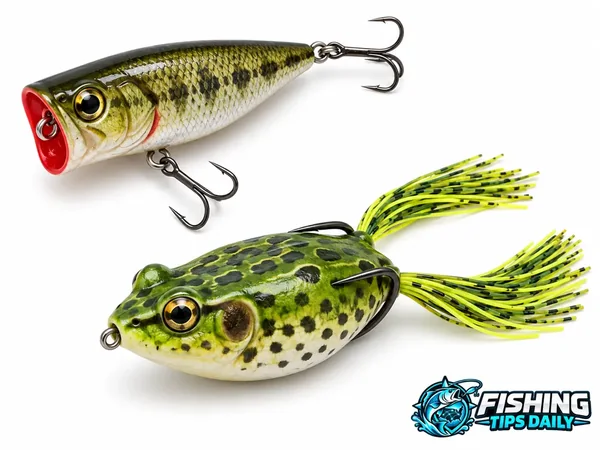
Topwater Fishing
Topwater fishing keeps a lure on or at the surface so fish can see, hear, or feel it overhead. The useful skill is controlling distance and pauses near cover, rather than making the maximum amount of noise.

Give every cast a purpose
Learn what to rig, where to use it, and what to do next. Explore 47 practical guides, organized by how you present the bait, control its depth, and reach the fish.
Hold a depth: choose a float or drop shot. Search an edge: swim a lure or jig. Stay near bottom: choose a bottom rig or controlled jig. Cover open water: learn trolling.
A rig is an arrangement of tackle. A retrieve is how you move it. A place such as a dock can call for several methods. The families below keep those connections visible.
47 guides across eight technique families
No matching techniques. Try a broader term or reset the filters.
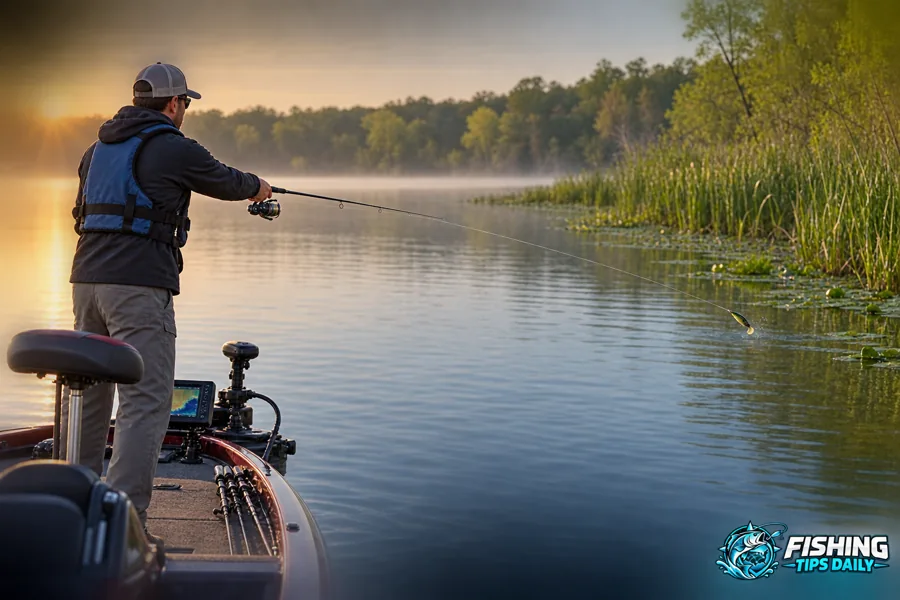
Choose the depth and motion before choosing a color. These guides explain how to work each lure family.
Topwater fishing keeps a lure on or at the surface so fish can see, hear, or feel it overhead. The useful skill is controlling distance and pauses near cover, rather than making the maximum amount of noise.
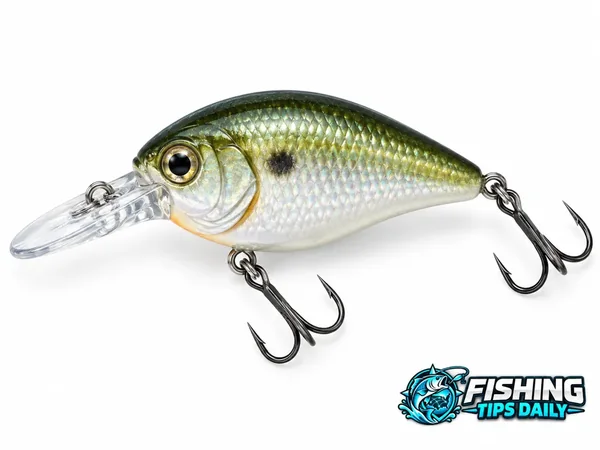
A crankbait uses its body and bill, or a lipless vibrating design, to create action as you retrieve. Productive casts keep that action at a useful depth for as much of the retrieve as possible.
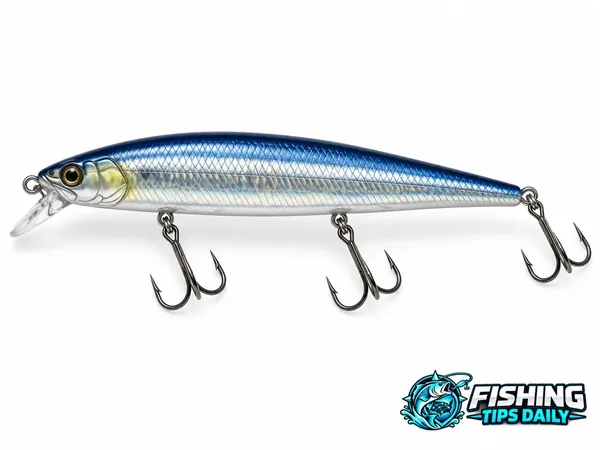
Jerkbait fishing combines short directional movements with pauses. The pause is part of the presentation: a floating, sinking, or suspending lure behaves differently when the rod stops moving.
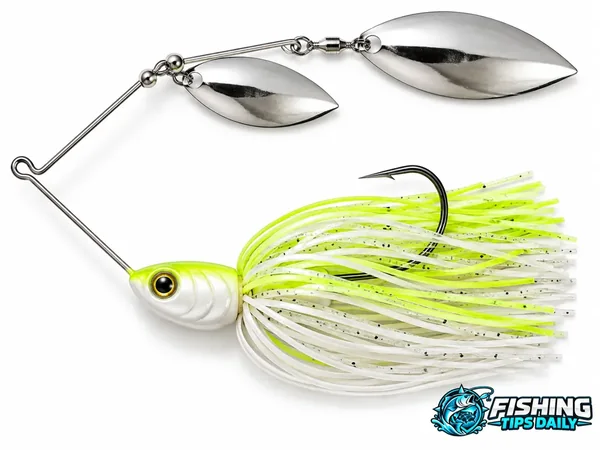
A spinnerbait has a bent wire frame with rotating blades above a skirted hook. It covers water while giving feedback through blade vibration. It is different from an inline spinner, whose blade rotates around a straight shaft.
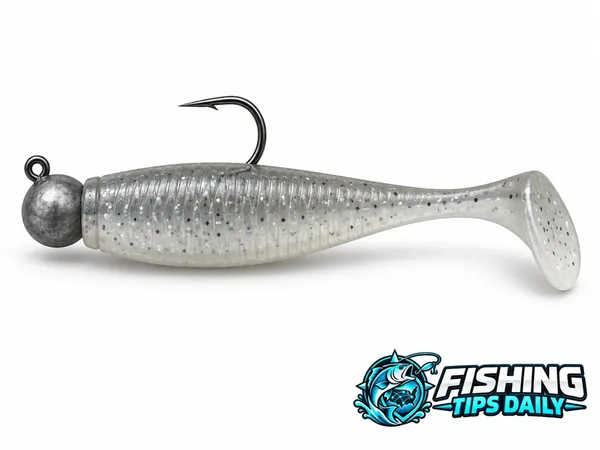
Swimbaits imitate a swimming fish through a tail, jointed body, or gliding shape. The aim is a convincing track at the right level, not a universal fast retrieve.
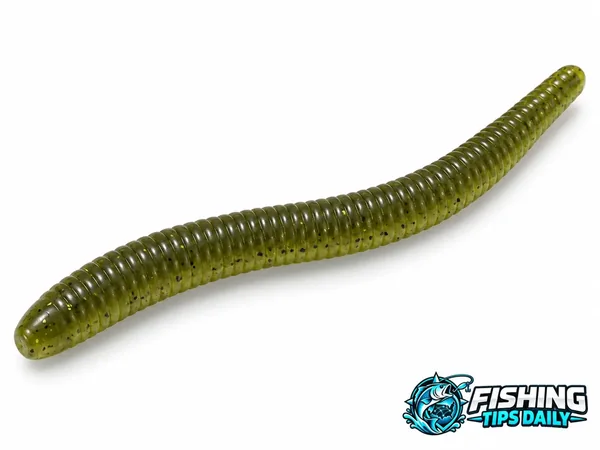
Soft plastics are flexible bodies whose rig determines much of their behavior. A worm can fall horizontally, stand near bottom, swim, or slide through cover depending on hook placement and weight.
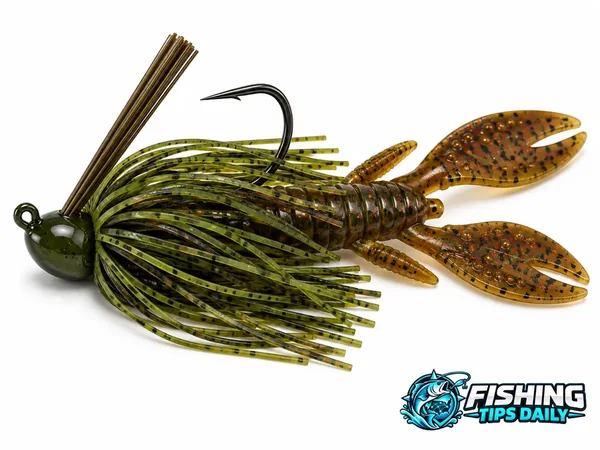
A jig combines a weighted hook with a dressing, plastic, or bait. The weight gives depth control, but the head shape, hook, and body decide whether it swims, falls, drags, or works vertically.
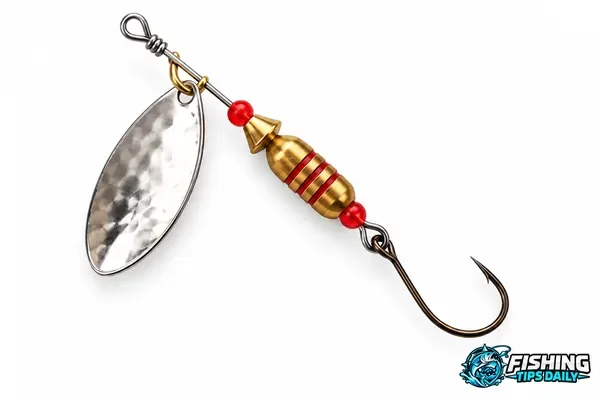
A rotating blade around a straight shaft gives an inline spinner flash and vibration. A clean spinning blade and controlled depth are more useful than retrieving as fast as possible.
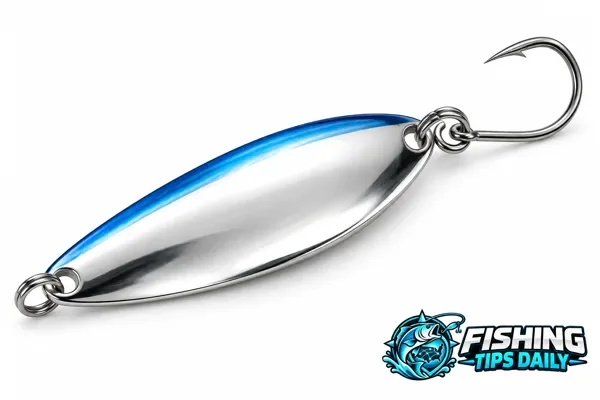
A spoon uses a shaped metal body to wobble, flash, or flutter. Casting, trolling, and jigging spoons are built for different movements; not every spoon performs all three jobs equally.
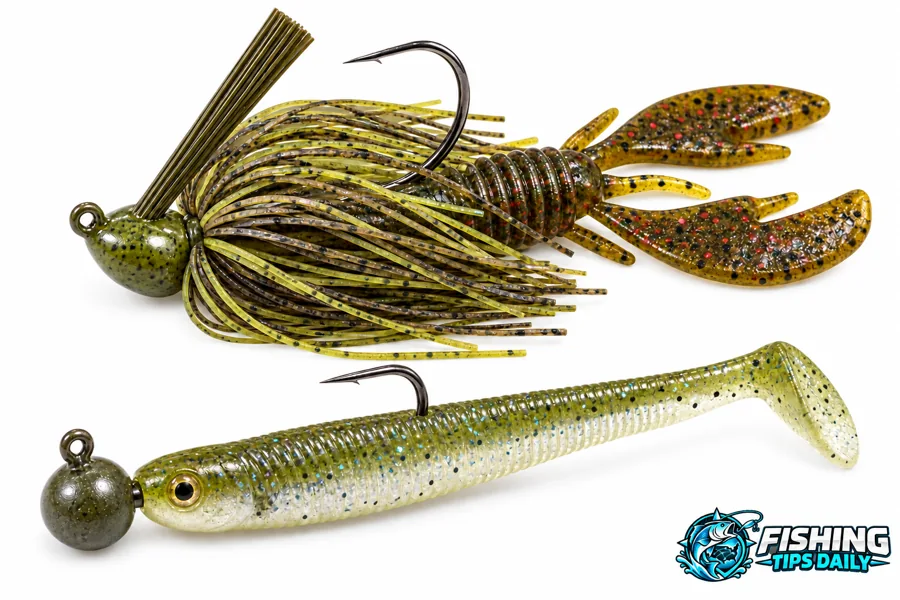
Separate the presentation from the jig itself: straight below, swimming forward, or lifting and falling.
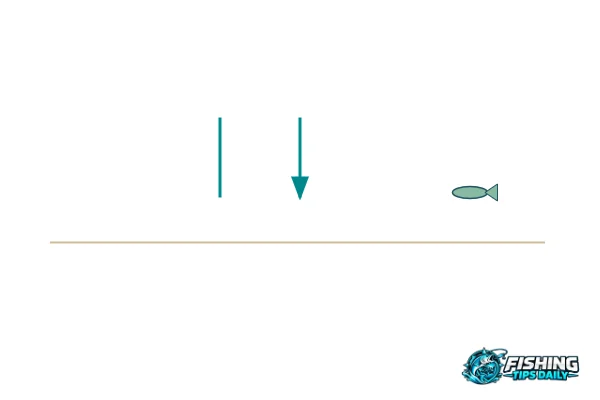
Vertical jigging lowers a lure close to directly beneath the rod. Boat or platform position matters as much as rod movement: an angled line can carry the lure away from the fish you intend to reach.
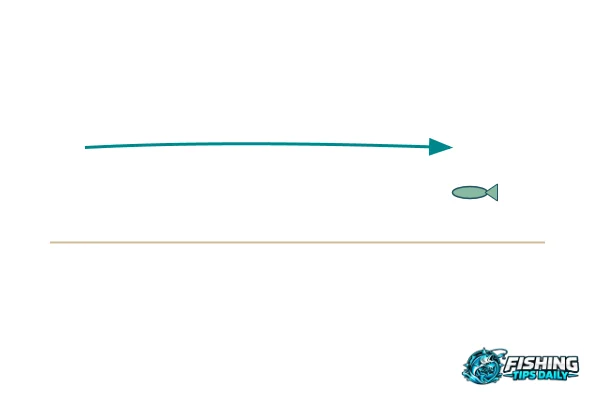
Swimming a jig carries a weighted hook and trailer forward through the water instead of repeatedly parking it on bottom. Depth control comes from weight, countdown, rod angle, and retrieve speed.
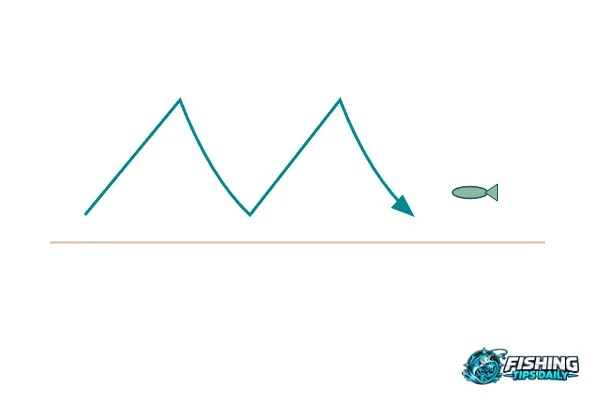
Stroking uses a pronounced upward lift to move a jig away from bottom, followed by a controlled fall. It is an active search presentation, not a subtle shake in place.
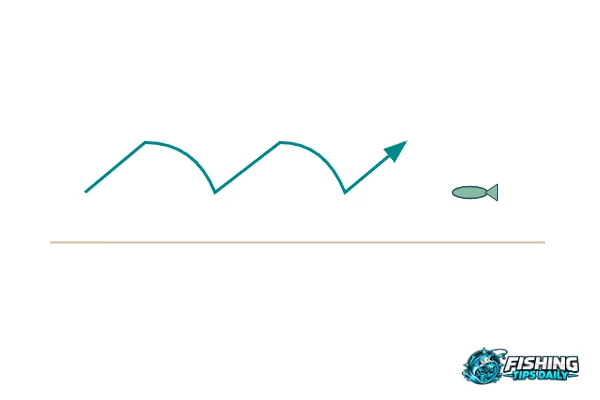
Snap jigging uses short, crisp rod movements to make a suitable lure dart, then settle. Some balanced hard jigs glide sideways and need more clearance than a soft-plastic jighead.
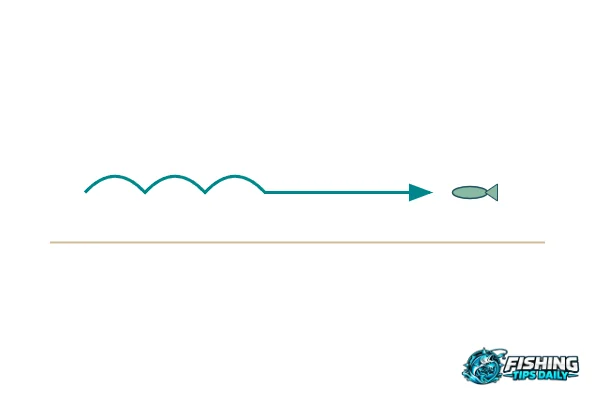
A jig and minnow combines a weighted hook with natural bait. The head controls placement while the minnow contributes movement and scent. Rigging should keep the bait aligned and the hook functional.
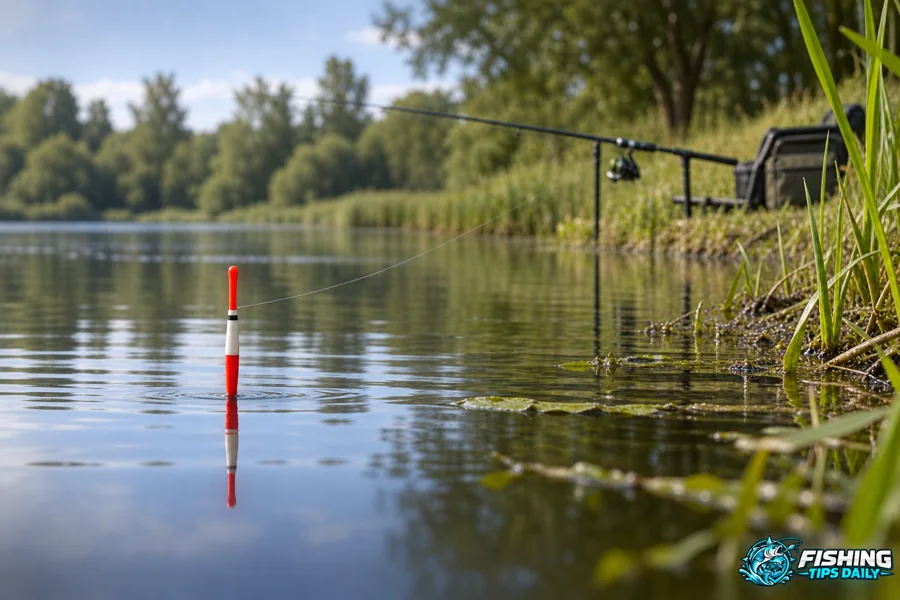
Keep bait at a repeatable level and manage the line above it. Bobber fishing is the broad familiar name.
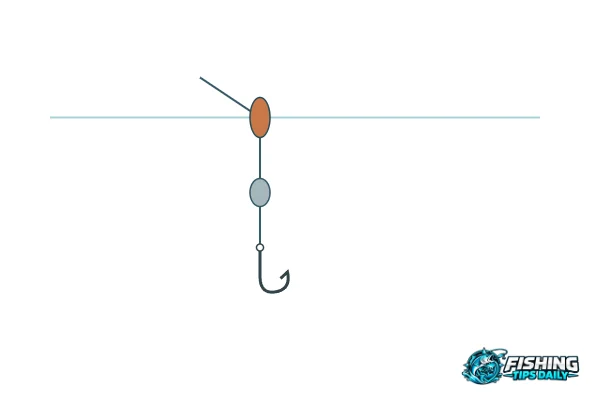
A fixed float attaches at one position on the line, setting the distance to the hook. It offers an easily repeated shallow presentation and visible bite indication.
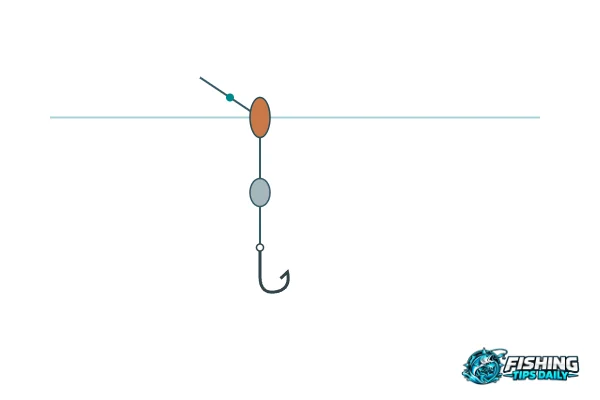
A slip float slides on the line until it reaches a stop, letting a deep bait setting cast as a compact rig. The stop determines depth only after the weight draws line through the float.
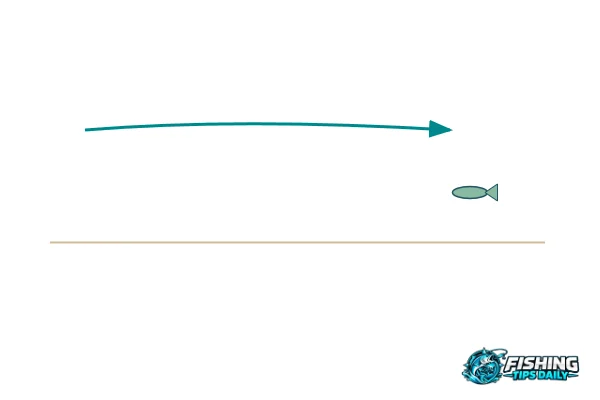
Drift float fishing carries a suspended bait through moving water. Line management keeps the float and bait from being dragged faster or slower than the intended current lane.
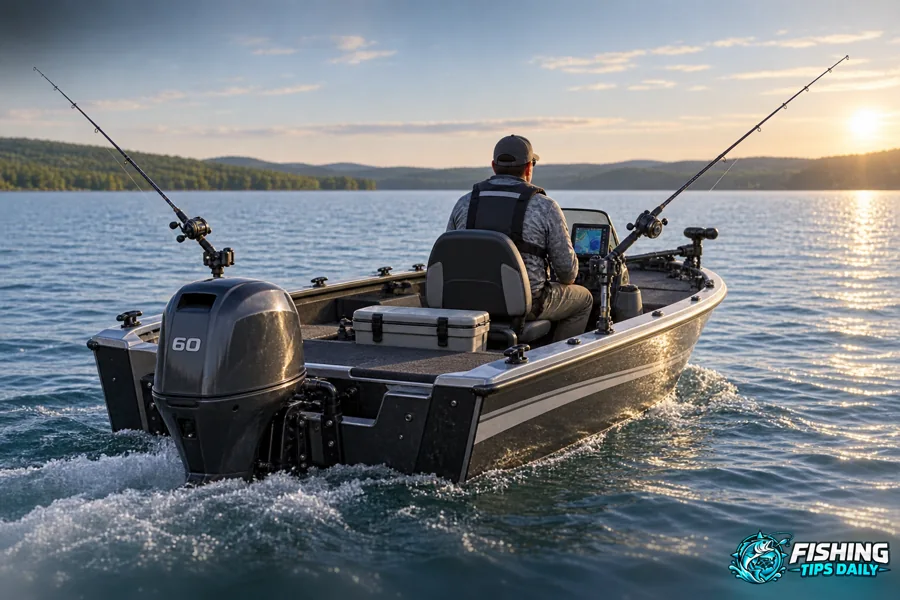
Control route, speed, depth, and line spread. Start simply before adding more equipment.
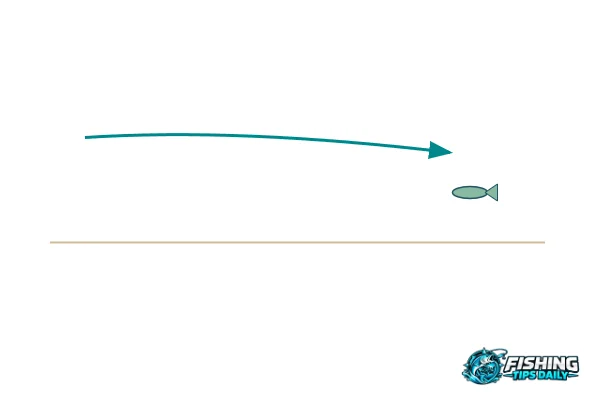
Trolling moves an offering behind a moving boat along a deliberate route. Flat-line trolling is the simplest form: line runs directly from the rod to the lure without a separate depth-control device.
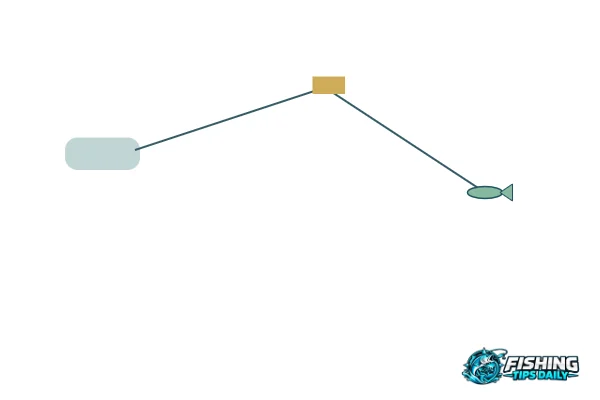
A planer board carries a trolling line away from the boat laterally. It spreads coverage but does not, by itself, establish lure depth. Depth still depends on the lure, line, weights, and speed.
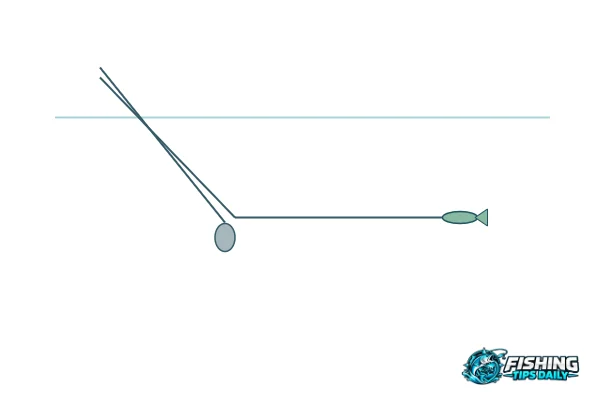
A downrigger lowers a separate weight and uses a release to carry the fishing line to depth. A hooked fish is fought on the rod after the line releases; the downrigger weight is not the fishing sinker.
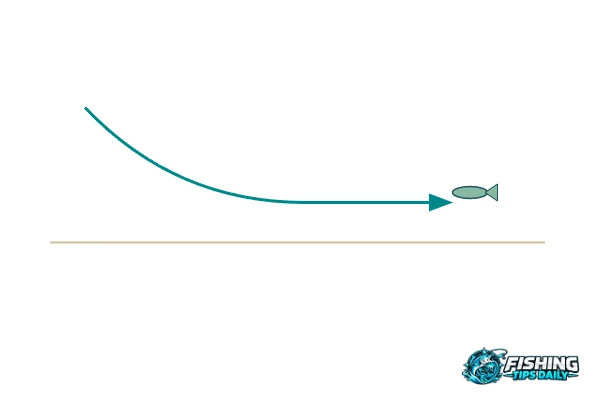
Lead-core line supplies sinking weight along a section of trolling line. Colored sections help repeat how much is deployed, but colors are not a universal conversion to depth.
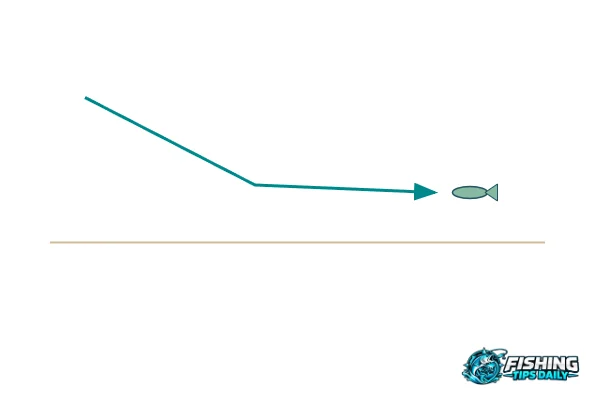
A trolling diver uses water resistance to pull a lure down; some also track sideways. Its depth depends on its design, setting, line, speed, and how much line is out.
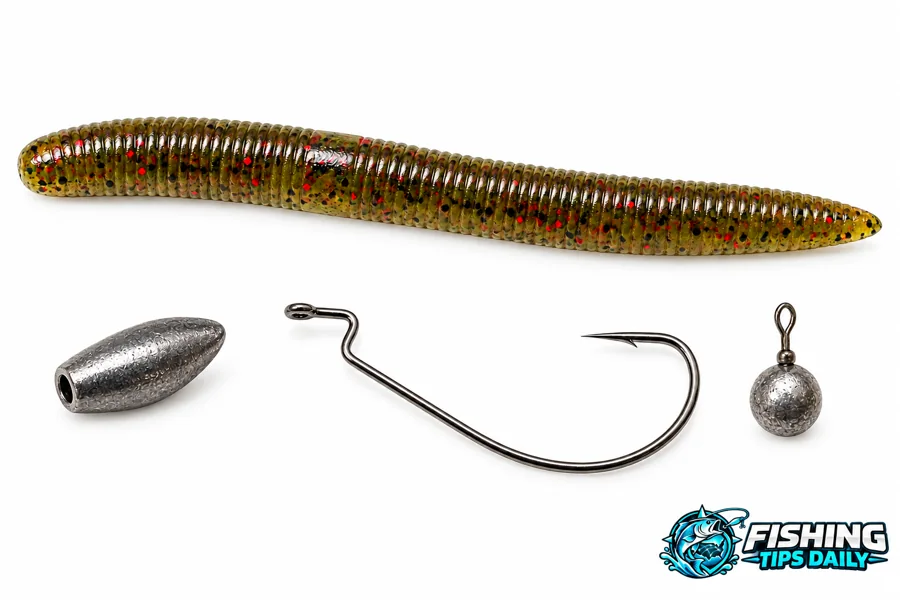
Understand what each hook, weight, and leader arrangement changes about the bait’s movement.
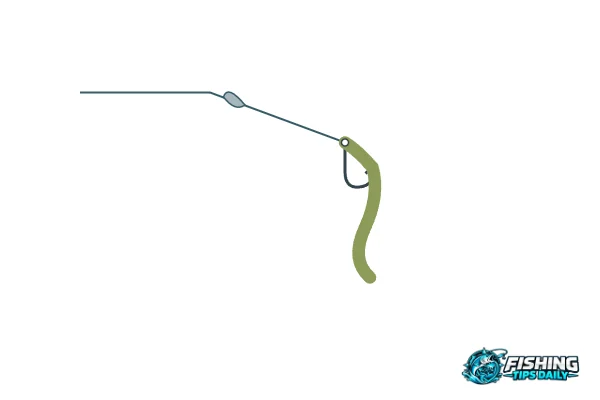
A Texas rig places a soft plastic on an offset or suitable straight-shank hook with the point protected by the body. A sliding bullet weight commonly supplies depth control. Straight rigging is essential to a clean fall.
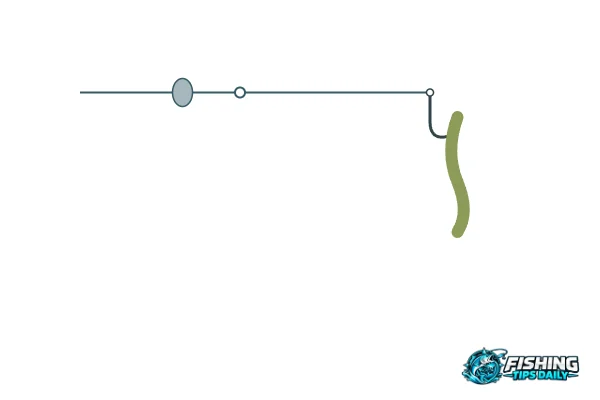
A Carolina rig separates the main sinker from the bait with a swivel and leader. The weight explores bottom while the trailing plastic moves behind it; the bait does not automatically float.
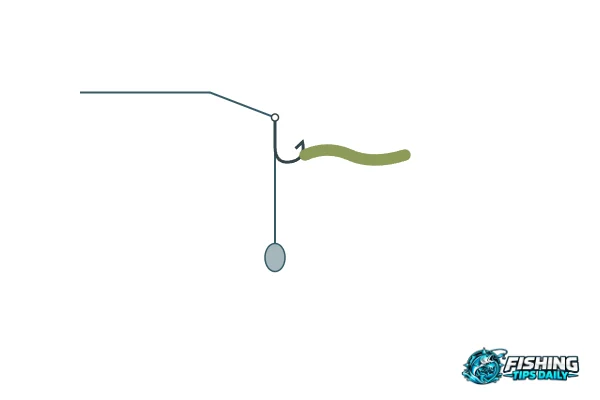
A drop shot holds the hook above a weight tied or clipped to the line end. It lets the bait move near a chosen level while the weight provides a bottom reference.
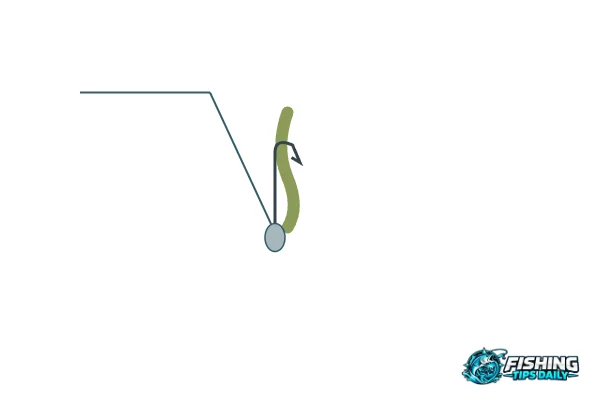
A Ned rig pairs a small jighead with a compact plastic for a subtle fall and modest movement. It can swim and glide as well as rest near bottom; constant bottom dragging is not required.
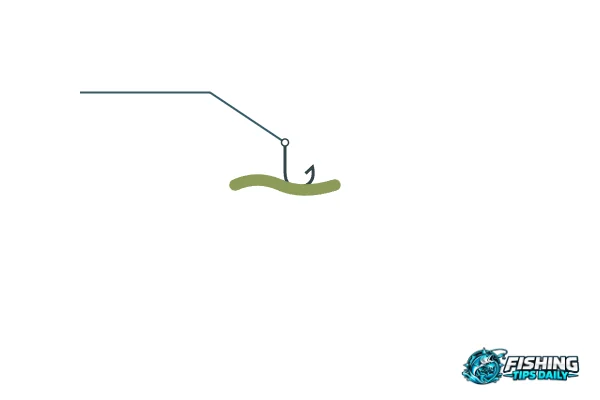
A wacky rig supports a soft worm near its middle so both ends can move on the fall. It offers a different shape and descent from a nose-weighted or Texas-rigged worm.
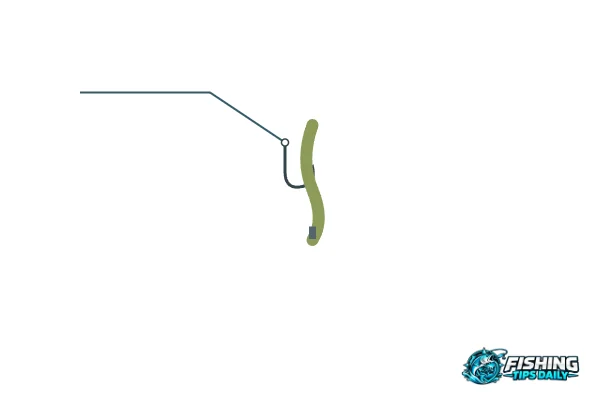
A Neko rig combines a worm hooked around its middle with a small weight inserted into one end. The weighted end leads the fall and helps establish a bottom-oriented posture.
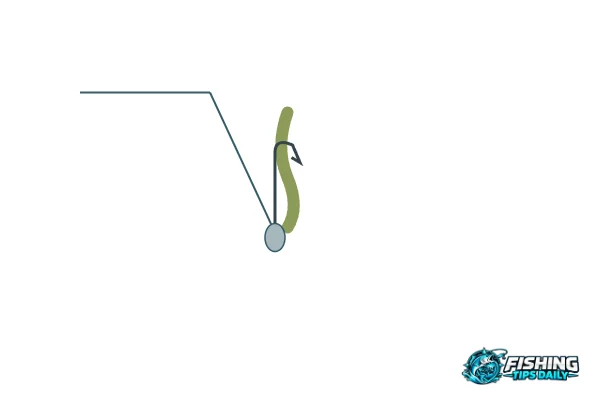
A shaky head mounts a worm on a jighead, often with a keeper and protected hook point. It offers small bottom movements without needing to move the whole bait a long distance.
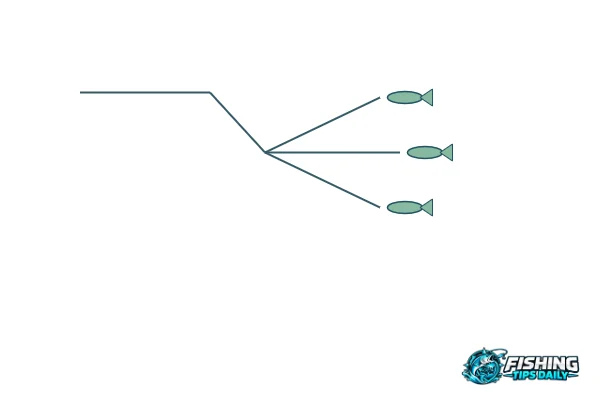
A castable umbrella rig presents several small bait profiles on wire arms. Its appeal is a compact group moving together, but hook-count and rig restrictions vary by water.
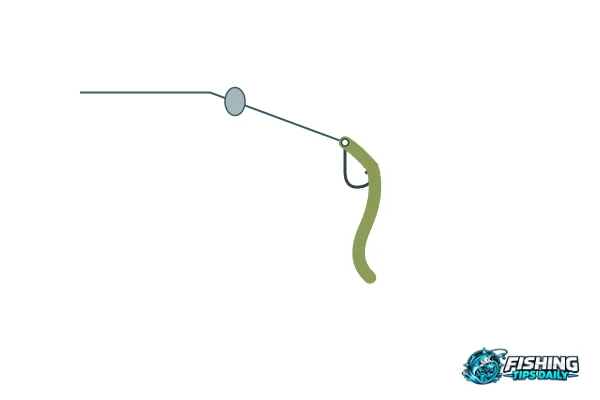
A free rig uses a sinker with an eye that slides on the main line above the hook. The weight can descend separately while the soft plastic follows, depending on slack, friction, and bait buoyancy.
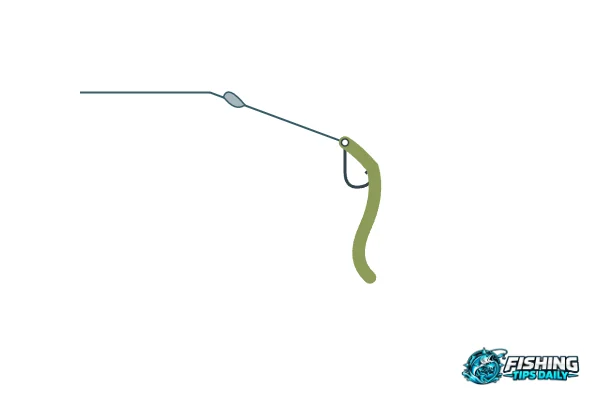
Punching sends a compact protected-hook bait through a vegetation canopy to reach water underneath. It is a specialized load-and-cover problem rather than simply a heavier cast.
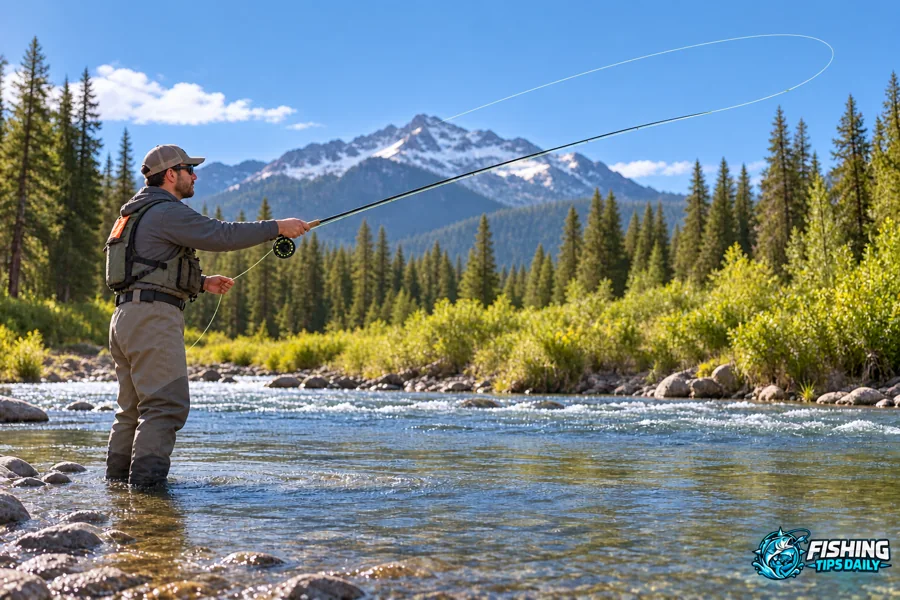
Learn delivery, drift control, depth, and deliberate movement with a fly outfit.
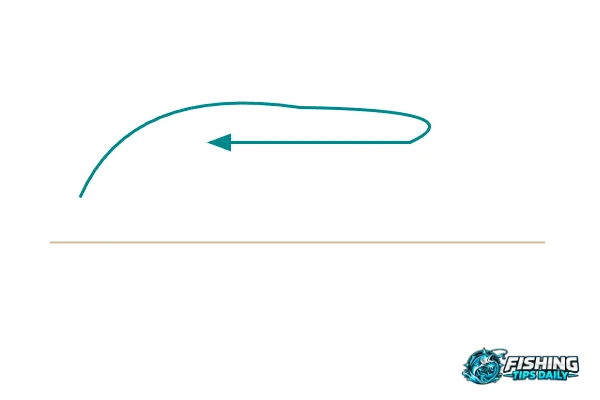
Fly casting uses the mass of the fly line to carry the leader and fly. A controlled loop and accurate delivery matter more than the longest possible cast.
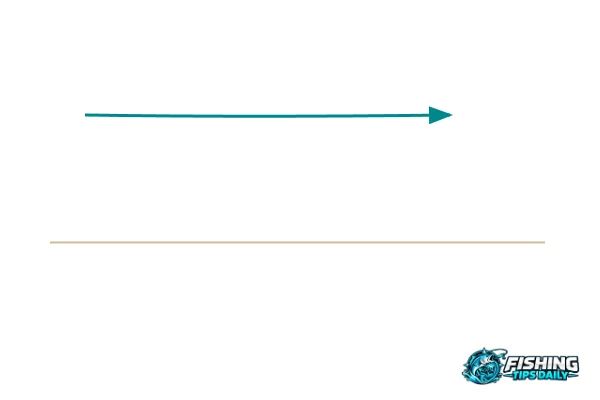
Dry-fly fishing presents a buoyant fly at the surface. For a natural insect drift, the goal is to prevent line and leader from pulling it unnaturally across the current.
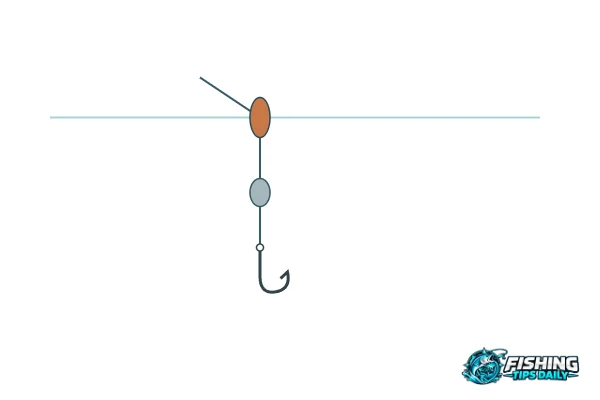
Indicator nymphing suspends or tracks a subsurface fly using a visible indicator. The indicator reports changes in drift, but reaching the useful depth still requires control of weight and line.
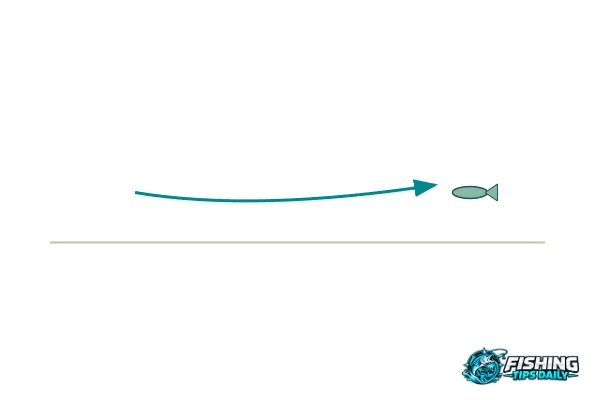
Tight-line nymphing uses close line control and a visible leader section or feel to follow a weighted fly. Keeping excess fly line off conflicting currents can reduce drag at short range.
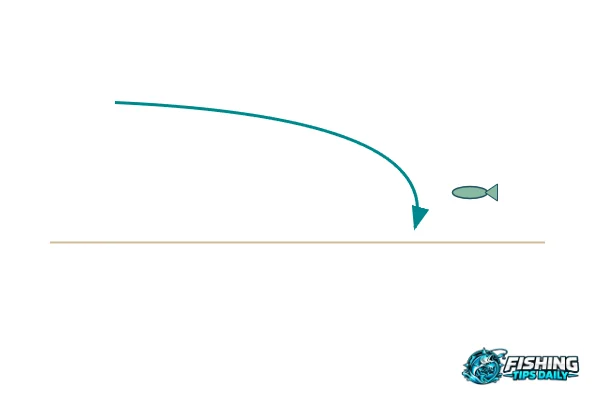
Streamers imitate swimming prey; wet flies can represent subsurface insects and are often swung through current. Both are subsurface fly methods, but stripping and swinging create different travel paths.
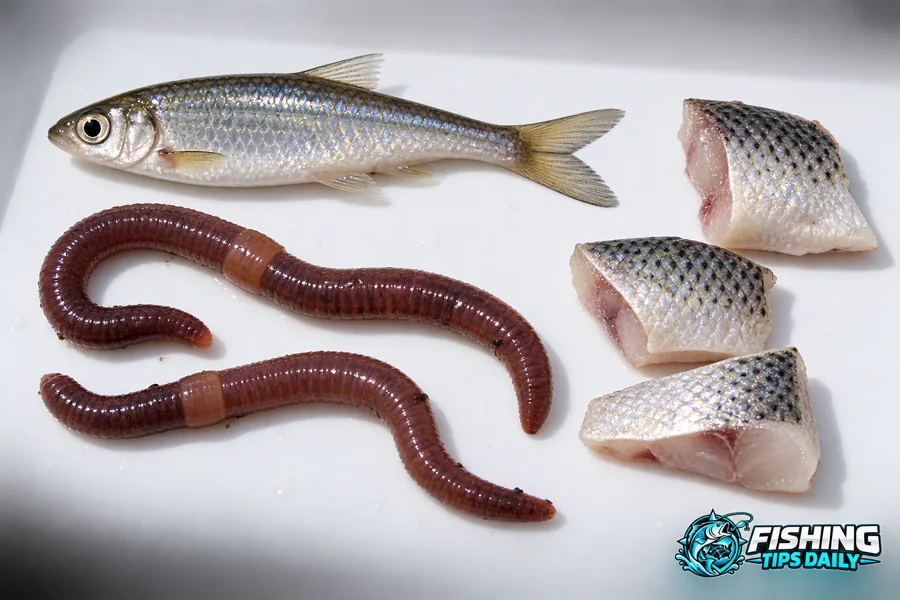
Place a usable bait in the fish’s path while keeping the hook and rig functional.
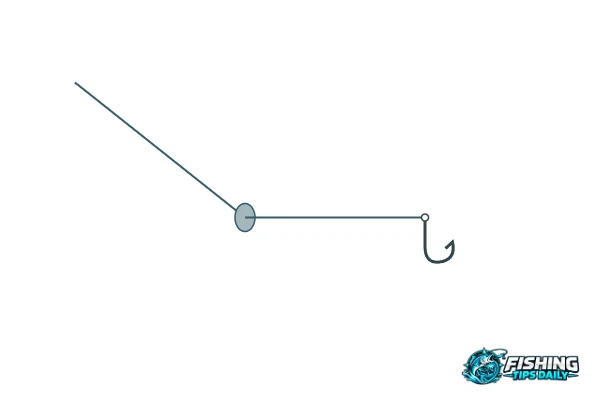
Bottom fishing holds or works bait near the bed of a lake or river. The useful choices are position, weight control, bait condition, and how the hook responds to a take.
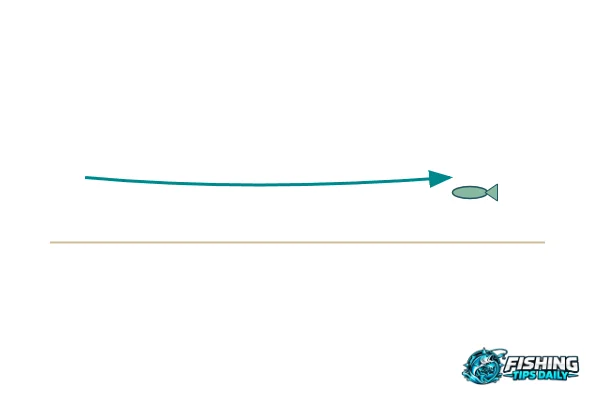
Drift fishing allows water or controlled boat movement to carry bait across a target area. Success depends on a repeatable path and speed rather than letting the rig travel without observation.
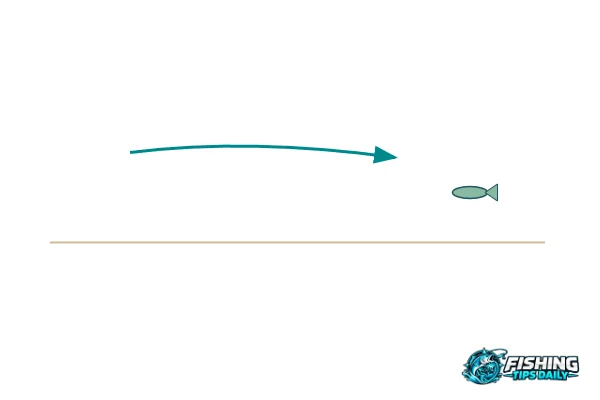
Live-bait fishing uses the movement and scent of a permitted organism. The rig should deliver the bait while leaving enough freedom for useful motion and a clear hook.
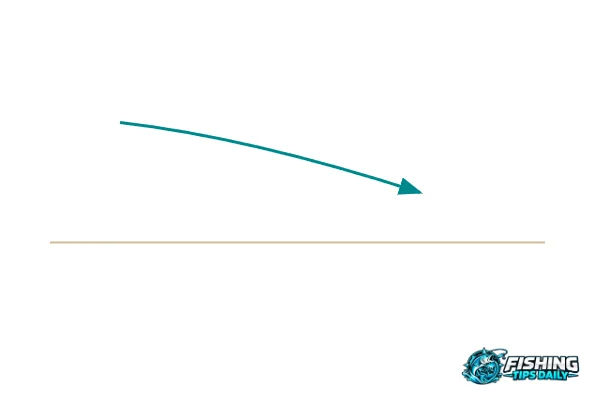
Chumming introduces permitted attractant or small food items to concentrate fish near a presentation. It can be prohibited or restricted, and more feed is not necessarily more effective.
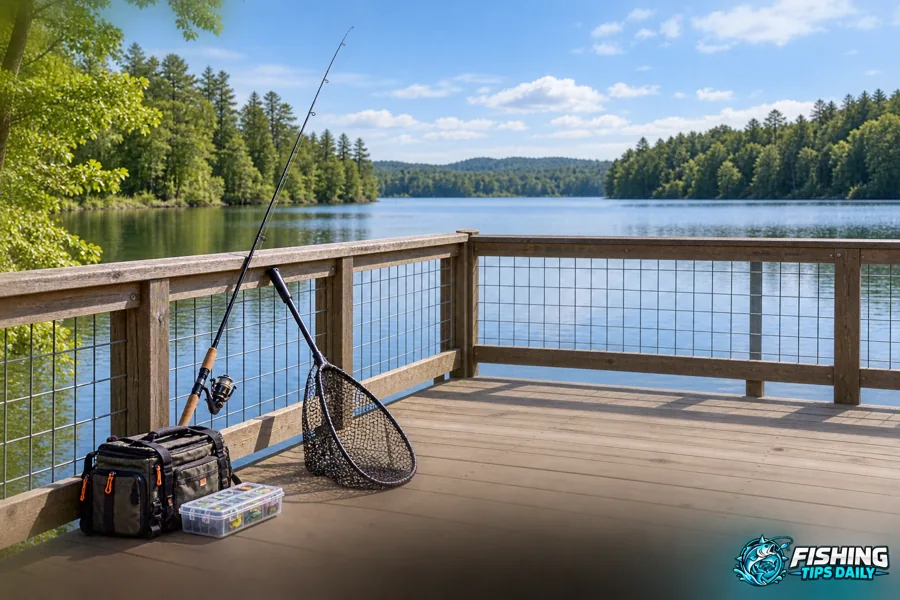
Apply methods to docks, piers, surf, ice, electronics, and precise casting.
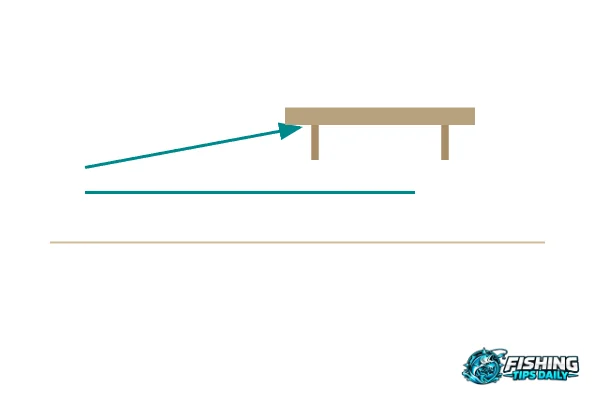
Dock fishing is a cover-reading application rather than one rig. Shade, posts, depth, and nearby forage determine which presentation makes sense.
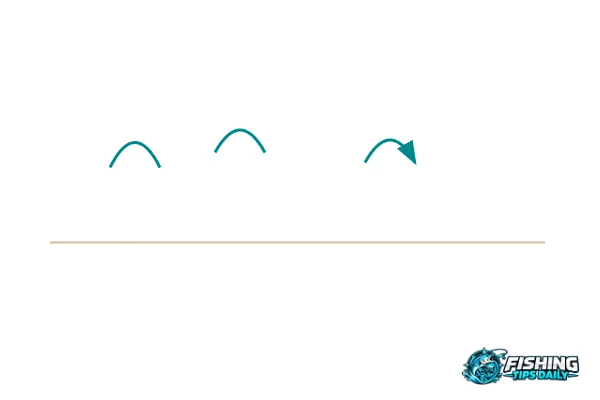
Sonar helps locate bottom changes, cover, and possible fish or forage. A mark is evidence to investigate, not a guaranteed species identification.
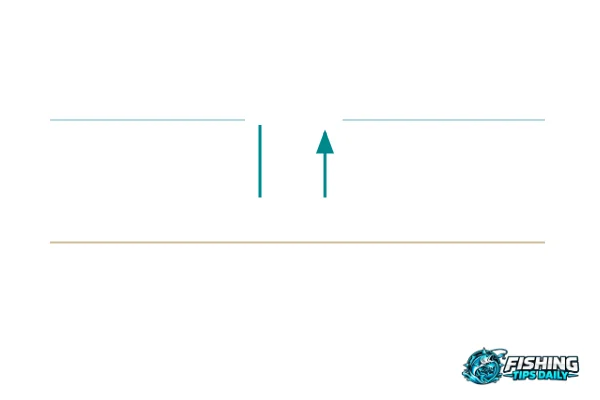
Ice fishing presents through a small opening, making depth and subtle movement especially important. This is a presentation guide, not a test of whether ice is safe.
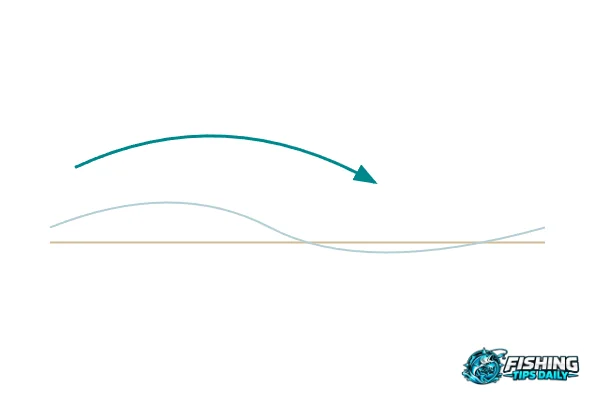
Surf fishing places bait or lures in coastal troughs, cuts, and moving-water lanes. Reading reachable structure is often more useful than trying to cast beyond everything.
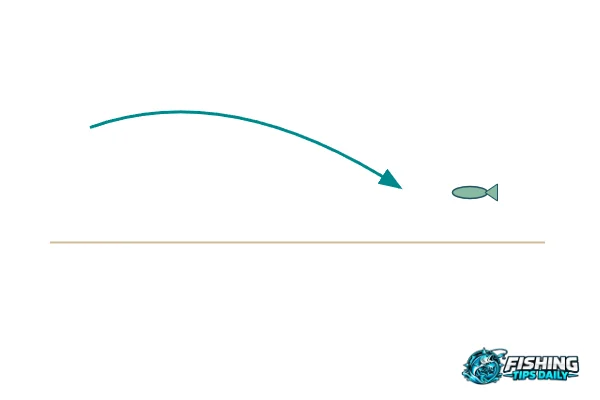
Pier fishing combines an elevated casting platform with nearby structure. The important choices are a safe lane, useful depth, and a landing method that fits the height above water.
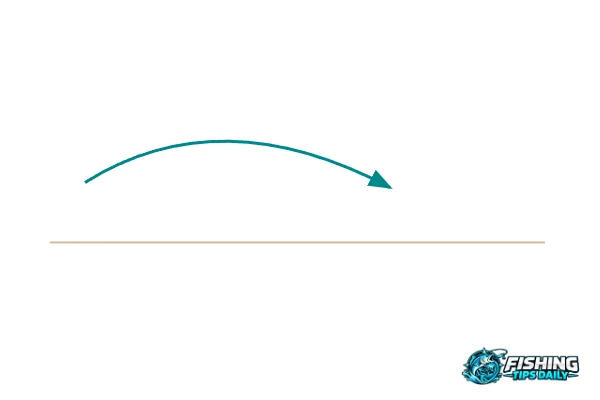
These are delivery skills for placing a bait accurately around cover. Pitching uses an underhand swing, flipping manages a short controlled line length, and skipping bounces a suitable bait across the surface.
Choose a fish and a reachable piece of water, then learn one setup well enough to make deliberate adjustments.
Build your fishing plan → Find fishing locations →