Read the season
A hot day is three different trips
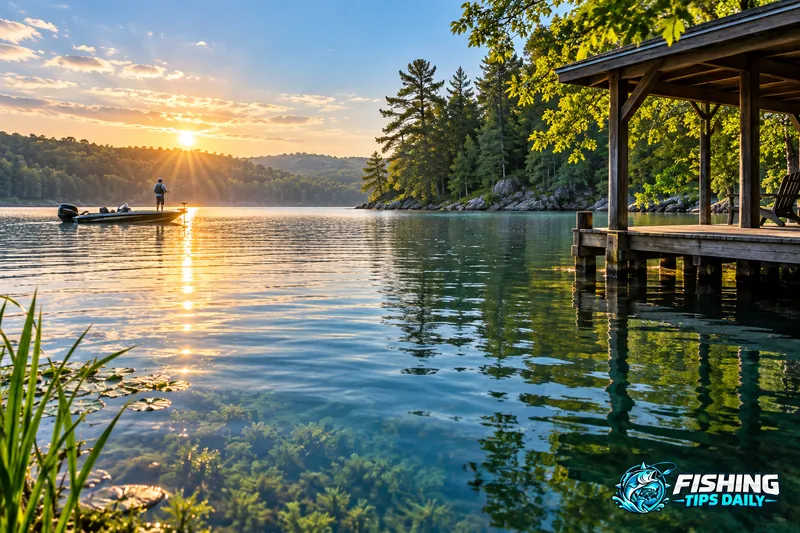
Light and water conditions can change the best location within hours. Going deeper is only useful when that depth still offers suitable habitat.
01Dawn: cover water while light is low
Check a feeding flat or outside vegetation edge early, before committing to a long stretch. Watch for bait movement and work the edge from different angles. The first hour is an opportunity to compare locations, not a guarantee that surface lures will work.
Try this: After a topwater miss, follow with a subsurface presentation through the same lane.
02Midday: make accurate casts into shade
Docks, overhanging trees and deeper vegetation can concentrate useful shade. Present the bait close enough to reach the cover while leaving room to land a fish. Repeated casts well outside the shaded area may miss the small zone you intended to test.
Try this: Approach a dock from the side that lets the bait travel along its shadow.
03Evening: set up before you need a light
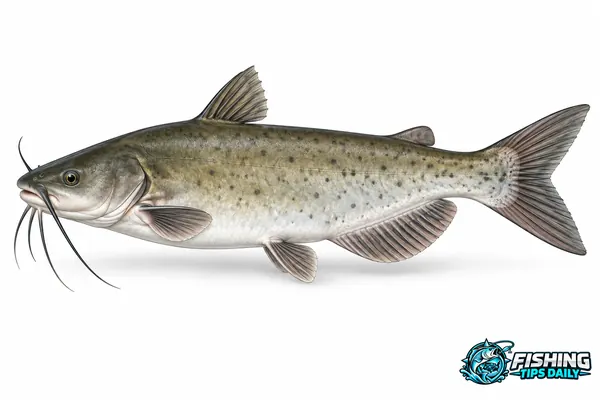
For channel catfish, choose accessible water near a feeding area and set a bottom rig before dusk. Arrange rods, net and landing space in daylight. Check closing times; an evening bite is of little use at an access that shuts at sunset.
Try this: Pick a firm bank with a clear return route instead of moving into unfamiliar ground after dark.