
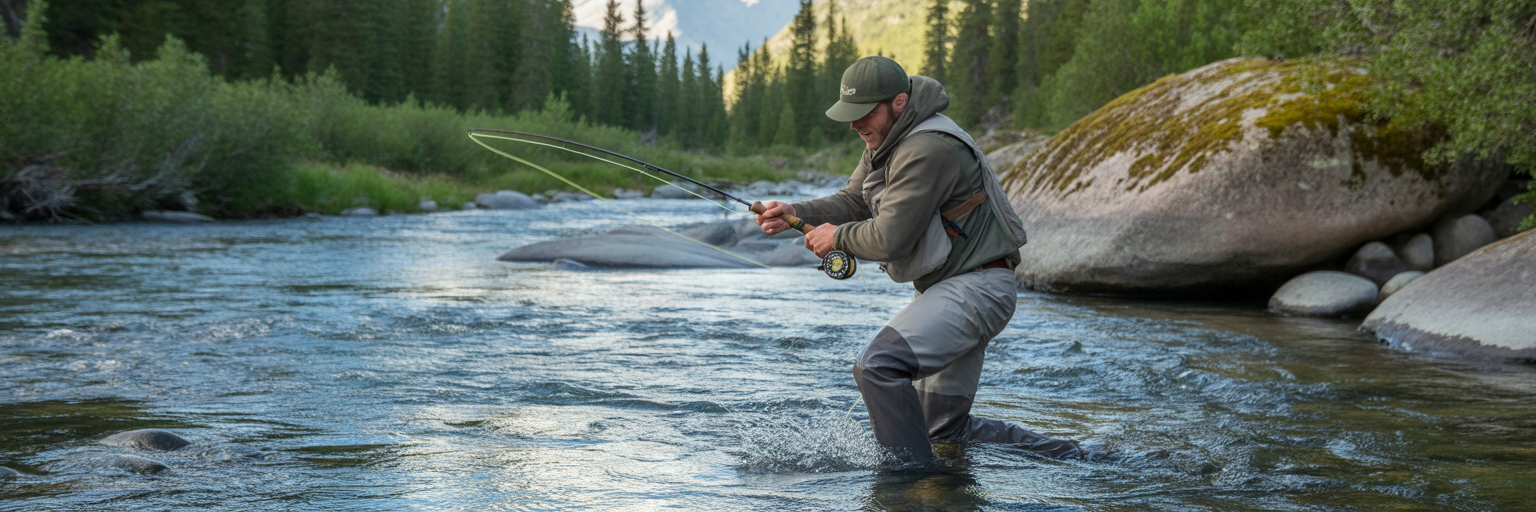
Hydrological studies show that friction against a rocky riverbed slows bottom currents to a fraction of the surface speed, creating a calm boundary cushion where trout hold to conserve energy. Mastering river current rigs is the surest way to drop your presentation right into that slow feeding zone without donating half your tackle box to the rocks.
Matching River Current Rigs to Moving Water Speeds
The Riverbed Cushion vs. Surface Speed
Stand waist deep in any freestone stream and you feel the strongest push right against your thighs while your wading boots sit in much calmer water. Fast surface flow glides effortlessly, yet friction from cobble and boulders drags on the lower water column to create a slow, soft cushion right along the gravel. Trout tuck into that bottom layer so they can feed without burning calories fighting the main current. Understanding this basic speed gap shapes our core advice on how to fish for trout in a river when moving water hides what happens underneath.
Learning how to drift bait for trout naturally comes down to matching the pace of that bottom cushion rather than letting the fast top layer drag your line downstream ahead of the hook. When surface currents grab your mainline, they pull your offering up and out of the strike zone at an unnatural speed. Because submerged boulders and current seams build distinct velocity lanes across a run, studying our guide on reading trout streams before your first cast helps you spot exactly where the surface chop slows down over deeper holding lies.
What Bottom Ticking Actually Feels Like
Dropping your bait into that calm bottom zone creates the classic river dilemma of reaching the fish without anchoring into the rocks. You want to feel a steady, rhythmic tapping through your rod blank as your weight kisses the tops of smooth stones every few seconds. That subtle tick tells you the rig is marching along at the exact pace of the bottom current, quite different from the dull, heavy thud of lead wedging into a sharp V crevice. Clamping on heavy lead is a trap that only guarantees more broken lines. Smart rig geometry and proper upstream casting angles solve depth problems far better than brute weight ever will.
Bottom and Bait Setups for Fast Runs and Heavy Flow
Slip Sinker and Modified Carolina Rigs for Moderate Runs
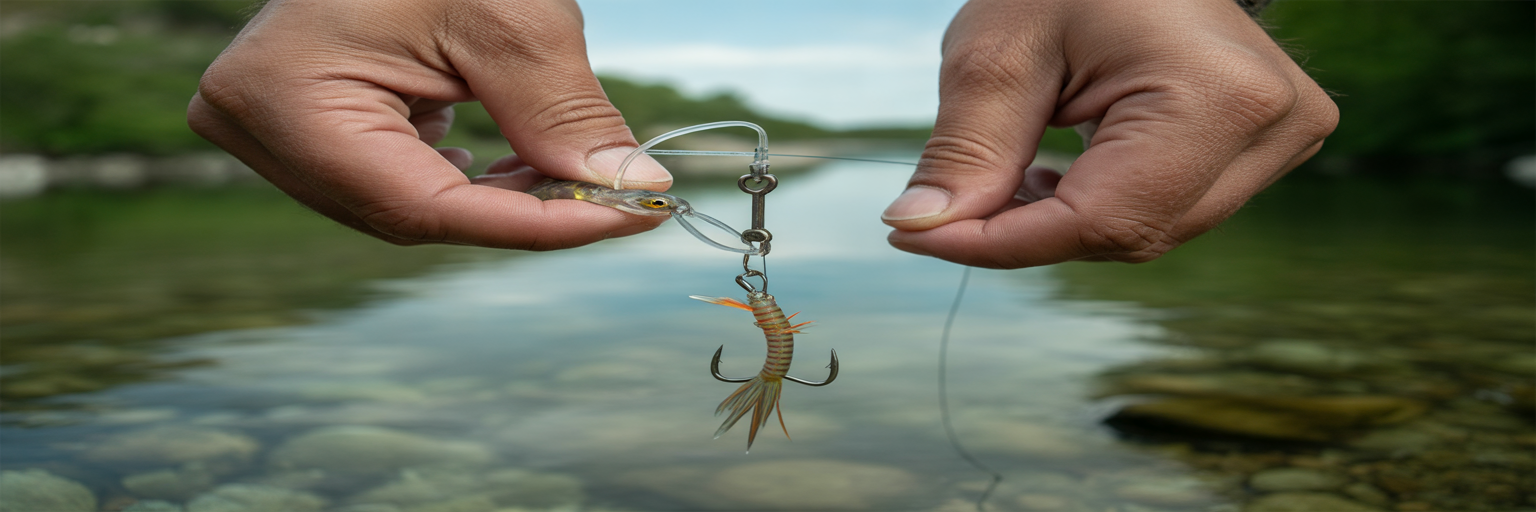
When you step up to a steady, waist deep run where the current moves at a brisk walking pace, a dependable bottom rig for trout keeps natural baits right in the lower strike zone. Tying a modified Carolina rig gives you a clean, tangle free profile that responds instantly to subtle pickups. Start by running your mainline through a small sliding egg sinker or pinching two removable BB split shot onto the line, then tie directly to a compact barrel swivel. On the business end of that swivel, attach a 24 inch fluorocarbon leader for critical rock abrasion resistance and low visibility in clear water. The swivel blocks the weight from sliding down onto your hook while allowing the bait to flutter naturally in the soft riverbed cushion just inches off the gravel.
Three Way Dropper Rigs for Heavy Current
Heavy spring flows and deep, roaring chutes require a structural change so your bait stays elevated above jagged rubble while your weight maintains steady bottom contact. A three way dropper setup separates the sinker function from the hook path. Tie your mainline to the top eye of a small three way swivel, or form a simple surgeon loop above your primary swivel. Attach a 12 to 24 inch fluorocarbon hook leader to the middle eye, and tie a shorter 6 to 10 inch dropper line to the bottom eye for your sinker. Keeping the dropper shorter than the hook leader ensures your worm, salmon egg, or minnow drifts safely suspended while the weight takes the beating along the stones. Always build that dropper line from lighter pound test monofilament than your mainline so it acts as a sacrificial breakaway if the sinker locks into a boulder crack.
Choosing Sinker Shapes That Ride Over Cobble
Sinker geometry determines how long your terminal tackle survives in rocky stretches. Round cannonball weights roll sideways with the current until they drop straight into tight gaps between stones. Swap those round shapes out for flat bank sinkers, flattened split shot, or slender pencil weights that plane upward and glide smoothly over uneven cobble when you keep a tight line.
- Moderate gravel runs: Rig a modified Carolina setup with two flattened split shot above a micro barrel swivel and a 24 inch 4 pound fluorocarbon leader.
- Fast, deep chutes: Switch to a three way rig featuring an 18 inch hook leader and an 8 inch dropper tied with 2 pound monofilament for easy breakaways.
- Chunky boulder slots: Thread on a hollow pencil weight or slinky style parachute cord sinker that bends and slips past sharp V crevices without wedging.
- High clarity tailouts: Stretch your fluorocarbon leader out to 30 inches on a slip sinker setup so pressured fish never spot the swivel hardware near the bait.
- Snag heavy slate ledges: Pinch cylindrical soft lead shot onto a short tag end knot rather than the mainline so the shot strips cleanly off under heavy pressure.
| Rig Style | Ideal Current Speed | Leader to Dropper Ratio | Best Sinker Shape | Primary Snag Defense |
|---|---|---|---|---|
| Modified Carolina Rig | Moderate, even runs | 24 inch leader, weight above swivel | Egg sinker or BB split shot | Swivel stops weight from sliding to hook |
| Three Way Bait Rig | Fast, deep heavy flows | 12 to 24 inch leader, 6 to 10 inch dropper | Flat bank or pencil sinker | Lighter test breakaway dropper line |
| Slinky or Pencil Drift Rig | Bouldery, uneven slots | 18 to 24 inch fluorocarbon leader | Flexible parachute cord weight or hollow pencil | Slender profile slips through rock V crevices |
Matching your terminal tackle geometry to these specific bottom compositions makes all of your trout river fishing rigs far more efficient across changing water velocities.
Float and Indicator Rigs for Suspending in Deeper Runs
Applying the 1.5x Depth and Weight Rule
Dragging lead across the bottom works fine over smooth cobble, but some stretches of river will eat a bottom rig on every single cast. Deeper, uniform runs, glazed pool tailouts, and underwater ledges carpeted with sunken timber or sharp slate slabs call for a top down approach. Suspending your presentation from the surface with a dedicated trout indicator rig setup keeps your hook floating cleanly through the strike zone just inches above the snags. Instead of relying on bottom contact to maintain depth, the float locks your bait at a fixed ceiling while the current carries it down the feeding lane.
Getting the geometry right in moving water requires accounting for the slant of your line beneath the surface. Set your float or strike indicator at roughly 1.5 times the actual water depth so the angled leader still reaches the slow riverbed cushion. Place your split shot low on the leader, about 8 to 10 inches above the hook, so the bait or nymph drops quickly through the fast upper water before the current sweeps your offering completely out of the run.
Line Mending to Stop Indicator Drag
Once your float touches down, the faster surface layer immediately tries to grab your floating mainline and pull the indicator downstream faster than the submerged hook. When the float leads the bait, the hook swings upward out of the bottom cushion and looks unnatural to holding trout. Flip your rod tip upstream as soon as the rig lands to throw an upstream mend into your line, keeping the float drifting at the exact speed of the deeper water where your bait hangs.
Choosing the right indicator style comes down to balancing weight capacity against surface subtlety. High buoyancy clip on plastic or foam floats are great for supporting heavy split shot in big, booming water, though they splash loudly on impact. In slick, clear glides where trout inspect every ripple, switch to low drag yarn or small slim balsa floats that register gentle upward takes without spooking fish. Whenever a deep run fails to produce strikes, follow a strict two step adjustment order before changing baits: slide your indicator deeper first to make sure you are reaching the bottom layer, and modify your split shot weight second to control how fast the rig gets down.
Tight-Line and High-Stick Rigs for Riffles and Pocket Water
Why Floating Indicators Fail in Choppy Pockets
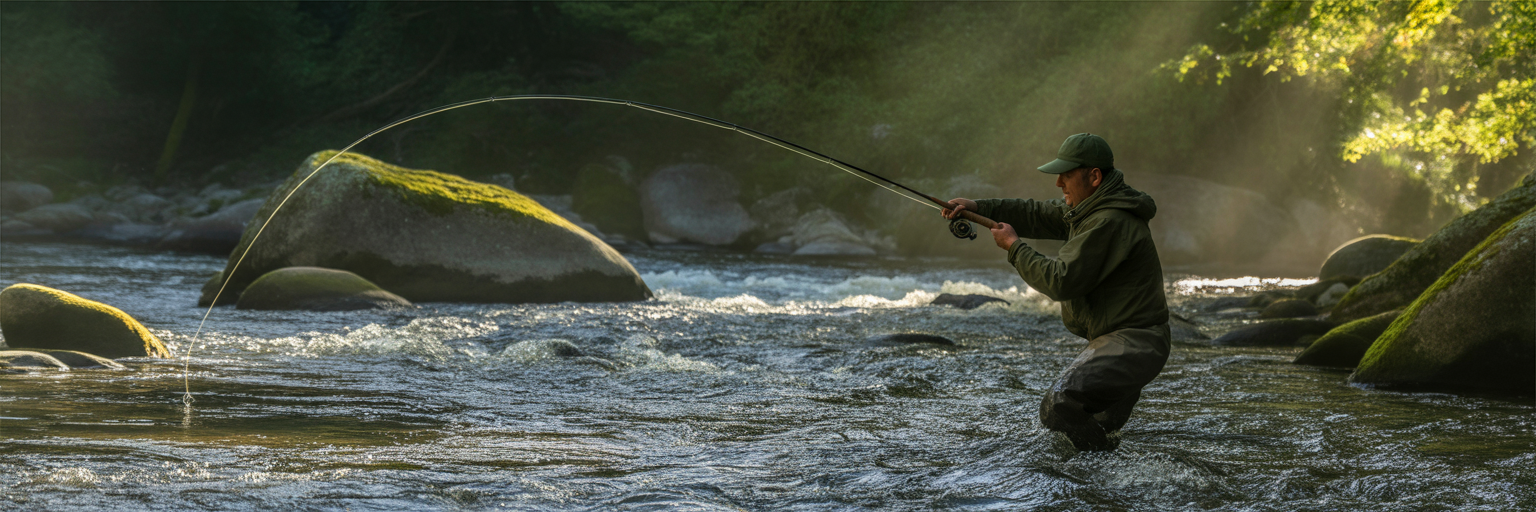
Step out of a smooth glide into a boulder garden or a choppy, ankle to knee deep riffle, and a floating indicator quickly becomes a liability. Fast water crashing around exposed rocks creates dozens of tiny, competing micro currents that swirl in opposite directions. The moment a float lands in that turbulent mix, conflicting surface seams grab your floating line and throw a tight belly into the drift. That surface drag yanks your submerged hook sideways out of the calm buffer behind a boulder before a holding trout ever gets a clean look.
Building and Fishing a Contact Rig
Taking the float off entirely and switching to a short range, vertical contact presentation solves the problem of chaotic surface flow. You can build this high stick contact setup on a fly rod using a heavy tungsten anchor nymph at the point, or rig a sensitive spinning rod with two small split shot pinched 8 inches above a single hook baited with a mealworm or stonefly nymph. Unlike bottom bouncing rigs where the sinker drags behind the bait, a tight line setup hangs almost vertically beneath your rod tip so the weight guides the hook directly through the quiet pocket cushion.
Fishing a contact rig effectively depends on keeping every inch of excess slack line off the water surface. Hold your rod tip high and lead the rig downstream at the exact walking speed of the target seam, maintaining a straight, lightly tensioned line from your fingertips down to the split shot. Because reach dictates how many seams you can cover without dropping line onto fast currents, reviewing our breakdown on choosing the right rod length for fishing will show you why a slightly longer seven to nine foot blank excels at this technique. That direct, unbuffered connection delivers instantaneous strike detection during the split second a trout inhales and spits a bait behind a midstream rock. The honest limitation of high sticking is distance: your effective range is capped at roughly the length of your rod plus a short flip cast, requiring slow, deliberate wading to slip into position without pushing wake waves into the pocket.
Dialing In Sinker Weight and Leader Length Without Snagging
Upstream Casting Angles vs. Heavy Lead
Knowing how to tie three different setups is only half the battle when fluctuating currents keep hiding the bottom or stealing your hooks. The smartest way to prevent fishing snags in rivers without sacrificing depth is pairing incremental micro adjustments with deliberate casting angles rather than clamping on giant chunks of lead. Follow this five step field check whenever your drift feels disconnected from the riverbed:
- Start one size lighter than looks necessary: Pinch on small #4 or #6 micro shot rather than a single heavy sinker so you can add or remove weight in tiny fractions until you feel a soft bottom tick every three to four seconds.
- Steepen your upstream casting angle before adding lead: If your rig skates high without touching stone, cast 45 degrees further upstream into the head of the seam so the light weight gets two extra seconds of slack water sink time before entering the strike zone.
- Flatten your cast if you hang up immediately: When your sinker wedges into rocks within two seconds of splashing down, shift your cast slightly more across stream so the current catches the line sooner and lifts the weight into a gentle glide.
- Spread multiple small shot along the leader: Instead of bunching all your weight in one heavy knot that drops like an anchor into crevices, space two or three micro shot three inches apart to create a slender hinge that slithers over jagged cobble.
- Swim the rig up at the tailout lip: Lower your rod during the middle of the drift, then slowly raise the tip as your line swings toward the shallow, rocky tailout so water pressure planes the hook safely over the rising gravel bar.
Adjusting Leader Length for Current Push and Clarity
Tweaking the distance between your weight and hook fine tunes how the bait rides in the calm bottom layer. In fast, heavy water, shorten your leader to 12 to 18 inches so the sinker holds the bait tight against the riverbed cushion instead of letting fierce current blow the hook upward. When you move into clear, moderate flows, lengthen your fluorocarbon leader out to 24 to 36 inches to give natural baits a loose, lifelike flutter well away from the sinker. Finally, make a strict habit of running your thumb and index finger down the last foot of your fluorocarbon leader after every brief rock hangup or landed trout; catching chalky stone nicks and retying early saves the best fish of the day.
| On-Water Symptom | Likely Mechanical Cause | Immediate Rig Adjustment | Casting Angle Fix |
|---|---|---|---|
| Snagging within two seconds of landing | Sinker too heavy or dropper too long | Downsize by one split shot size; shorten dropper to 6 inches | Flatten cast angle slightly toward across-stream |
| Rig skates smoothly with zero bottom ticks | Underweighted for surface current push | Add one small shot 6 inches above hook or lengthen indicator depth | Cast 45 degrees further upstream to allow sink time |
| Hanging up only at the end of the drift | Current sweeping gear into shallow tailout rocks | Lift rod tip early to swim bait up before the shallow lip | Shorten drift lane and mend line upstream early |
| Missing quick taps in bumpy pocket water | Belly in floating line masking bite detection | Remove float and switch to tight-line contact setup | Shorten cast and track drift with a high rod tip |
On-the-Water Cues to Switch Your Setup

Rigging for Quick Transitions Between Water Types
Most anglers fish the wrong rig in changing water simply because nobody wants to stand on the bank for twenty minutes snipping line and tying cold knots while trout are rising. Walking a typical 100 yard river progression usually takes you from a brisk head of pool riffle, down into a deep green middle slot, and out through boulder strewn pocket water at the bottom. You can fish all three zones cleanly on a single rod by building a modular base setup before stepping off the trail.
Thread a small rubber bobber stop onto your mainline, tie on a micro barrel swivel, and attach an 18 inch fluorocarbon leader with a pair of soft, removable split shot pinched just above the knot. When you reach that deep green middle slot, clip a high buoyancy indicator onto your mainline below the rubber stop and slide the stop up to 1.5 times the depth so your bait suspends smoothly over sunken logs. As you wade down into choppy boulder pockets where competing currents drag a float sideways, unclip the indicator, slide it into your vest pocket, and pinch one extra micro shot onto the leader to high stick the seams directly beneath your rod tip. If you loop back up to a roaring head chute, simply clip a short 2 pound monofilament breakaway dropper loop onto the top eye of your micro swivel for a fast three way bottom rig. Checking local stream guides and seasonal tactics on Fishing Tips Daily before your trip helps you match regional trout waters and runoff levels to the right terminal tackle in your vest before your boots ever hit the gravel.
- Shallow, choppy riffles and boulder pockets: Unclip your float and fish a tight line contact rig with the rod tip held high to keep slack off swirling micro currents.
- Deep, uniform slots and woody ledges: Clip on a strike indicator set at 1.5 times the water depth with low split shot to suspend baits safely above bottom snags.
- Fast, heavy chutes and cobble runs: Add a sliding sinker or clip a lighter breakaway dropper line onto your swivel to bounce the calm riverbed cushion cleanly.