
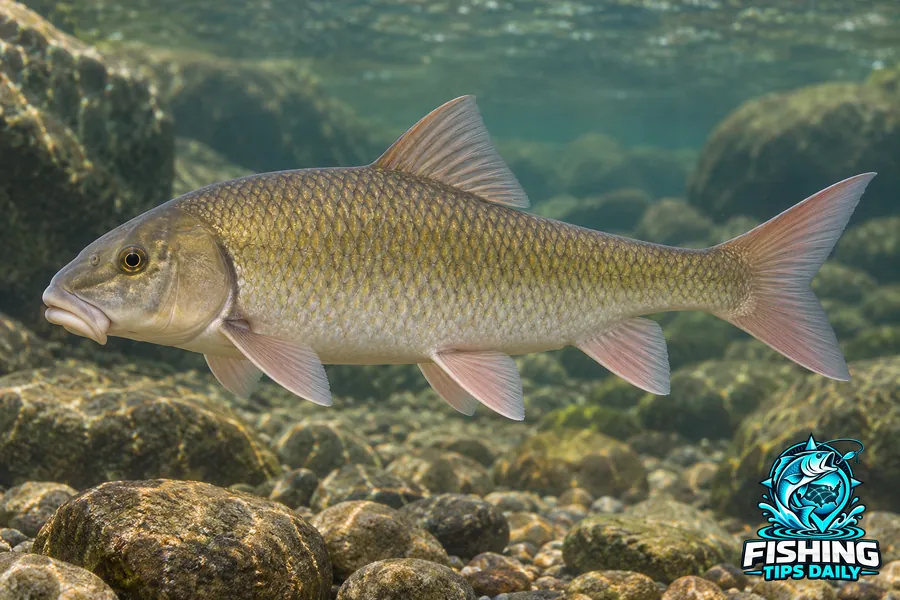
Range and Identity
Moxostoma collapsum occurs in major Atlantic slope drainage systems. Documented identification material includes North Carolina’s Neuse system and South Carolina’s Congaree River. A precise river locality helps distinguish records of this sucker from other redhorses whose common names and body shapes can be similar.
Identification Features
The lower lip is V-shaped, with fine ridges broken by deep crosswise divisions, while the front of the upper lip is generally smooth. The tail base is comparatively deep. These features are useful together; one blurred mouth photograph may not preserve enough detail for a confident identification.
Comparison and Size
V-lip Redhorse is a close identification comparison, but its lower-lip papillae and upper-lip surface differ. A verified maximum length and independent mass were not established in the checked material. Measurements of another redhorse are not used as substitutes, and no weight is calculated from body proportions.
Field Note
For an identified specimen, retain views of the mouth, fins and entire body together with the locality. These details make a redhorse record more useful for later verification.
All Lakes With Notchlip Redhorse
Browse lakes and reservoirs with documented Notchlip Redhorse records, listed alphabetically. Records do not establish current abundance or public access. Check the evidence and managing authority for the water you choose.
No published lakes are currently linked to this species in our confirmed records.