
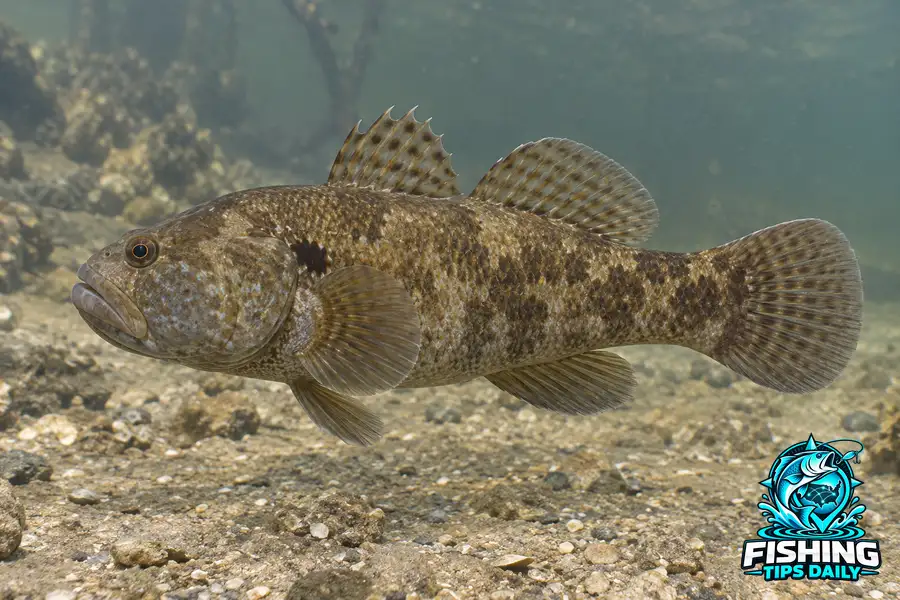
Identification
The body is short and robust with a conspicuously flattened head. Its outline differs from that of a slender open-water baitfish. A clear view of the head and fins is useful when distinguishing it from other sleepers in coastal water.
Salinity and Range
The range extends from North Carolina toward southeastern Brazil. Many records are freshwater, but the species also occupies brackish habitats and can tolerate substantial salinity. Upstream movement generally remains associated with lower reaches rather than proving occupation of distant headwaters.
Food and Breeding
Adults are omnivorous, taking plant material and invertebrates along with bottom material. Reproduction includes color changes and courtship behavior, and adults guard the nest. The very large published upper length should remain distinct from the much smaller common reference size.
Do Not Treat Every Sleeper as a Predator
Fat Sleeper has an omnivorous diet. Plant material is part of its documented feeding ecology, not merely background habitat.
All Lakes With Fat Sleeper
Browse lakes and reservoirs with documented Fat Sleeper records, listed alphabetically. Records do not establish current abundance or public access. Check the evidence and managing authority for the water you choose.
No published lakes are currently linked to this species in our confirmed records.