
Identification
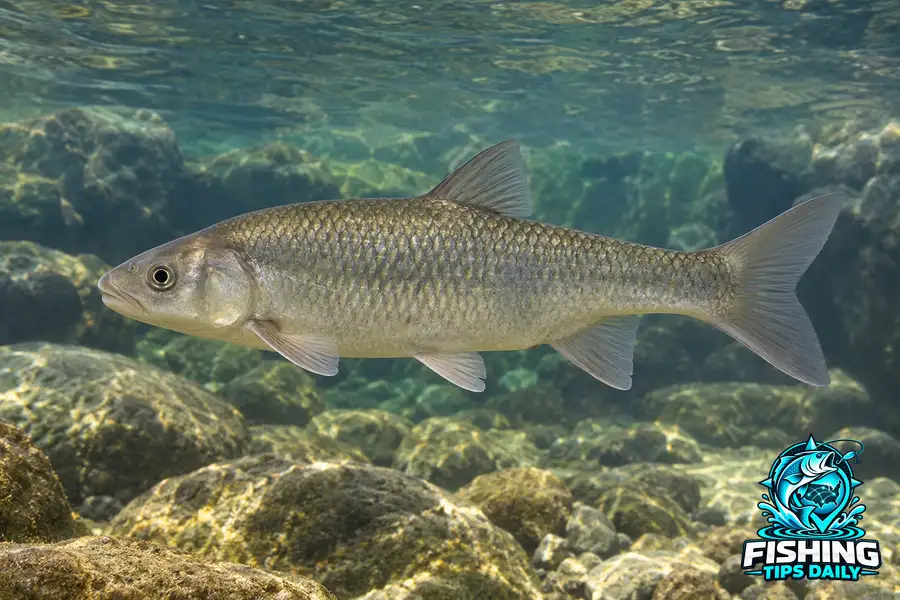
A rounded snout carries a mouth at the front of the head. The body is deep and compressed from side to side, narrowing into a relatively slender tail stalk. The back is olive-gray, the sides are silvery and the fins range from clear to slate-gray. Breeding fish develop red-orange color around the mouth and the bases of the paired and anal fins.
Size and Range
The published maximum of 24 centimeters includes the tail. A historical federal account describes adults averaging about six inches, illustrating the difference between an ordinary adult and a reference maximum. The Mimbres River is the key U.S. drainage; Mexican records include the Guzman and Bustillos basin areas.
Pools and Shelter
Adults occupy flowing pools in creeks and small rivers, often beside brush or other cover. Undercut banks and submerged woody material provide additional shelter. A pool’s depth and continued water supply can matter as much as the overall size of the stream.
Conservation and Natural History
Federal biologists documented losses of pool habitat, stream drying and changes associated with water diversions. Captive propagation became part of efforts to preserve the fish. The older federal account described spring spawning but treated several feeding and breeding details as uncertain, so a precise bait recommendation or spawning recipe would go beyond the evidence.
A Pool Is More Than Open Water
Submerged branches and an undercut bank can turn a flowing pool into valuable cover. Those details explain why a photograph of the surrounding habitat belongs with a fish observation.
All Lakes With Chihuahua Chub
Browse lakes and reservoirs with documented Chihuahua Chub records, listed alphabetically. Records do not establish current abundance or public access. Check the evidence and managing authority for the water you choose.
No published lakes are currently linked to this species in our confirmed records.