
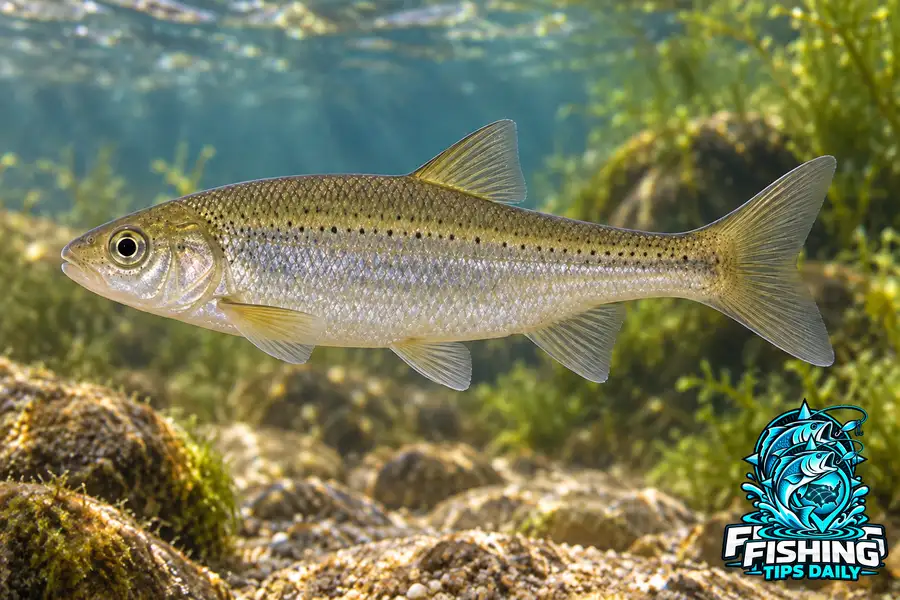
Identity and Range
Siphateles alvordensis is tied to the Alvord Basin. A chub found in another desert basin should not be assigned this identity simply because its habitat looks similar.
Older records may use Gila alvordensis. That historical scientific name describes the same fish, but a broad label such as desert chub does not.
Habitat and Water Supply
Springs, their outflows and connected stream habitats provide refuges within this dry landscape. A permanent-looking pool can still depend on groundwater conditions beyond its immediate banks.
The basin once held much more extensive lake habitat. Present-day fish populations occupy a smaller and more fragmented set of waters, making the persistence of those habitats central to conservation.
Size and Weight
Common length is reported as 8.5 centimeters, approximately 3.3 inches, and maximum total length as 14 centimeters, about 5.5 inches. The two figures describe different points in a size summary.
No reliable typical weight was established.
Feeding and Fishing Context
Available biological accounts describe feeding on small aquatic invertebrates. A species-specific ranking of fishing baits was not verified.
This profile emphasizes the fish’s restricted habitat rather than recreational targeting. Fish should not be introduced to isolated desert waters, where unfamiliar predators or competitors can alter a small community.
Small Refuges in a Dry Landscape
The Alvord Chub’s range is bounded by its basin and dependable water supply. Protecting a spring or its outflow can matter to an entire local population, even when that habitat is too small to resemble a conventional fishing lake.
All Lakes With Alvord Chub
Browse lakes and reservoirs with documented Alvord Chub records, listed alphabetically. Records do not establish current abundance or public access. Check the evidence and managing authority for the water you choose.
No published lakes are currently linked to this species in our confirmed records.