
Coast and Inland
The species occurs in fresh, brackish and marine settings. Inland records include several northeastern river systems and lakes. Salinity and the particular waterbody are useful details because a coastal distribution does not mean every population lives in seawater.
Small-Scale Feeding
Fourspine Stickleback takes minute food items near the bottom, including worms and crustaceans; diatoms are also recorded. Its small mouth draws in prey. These feeding observations fit a fish whose maximum reported total length is only 6.4 centimeters.
Nest Care
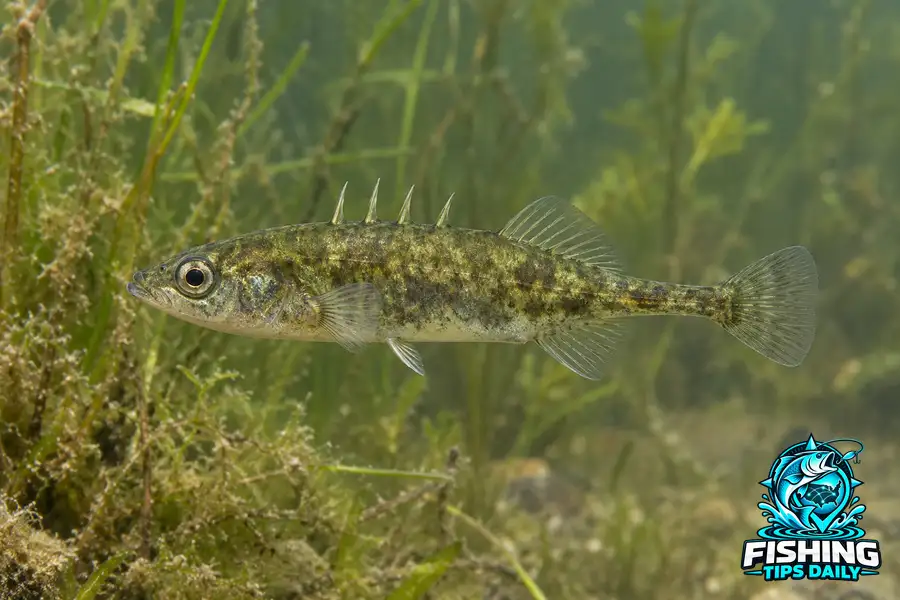
Males construct nests and care for the eggs, guarding and fanning them. Plant cover is therefore more than a background feature of many occupied waters. Photographs that preserve the fish’s dorsal spines, body outline and surrounding vegetation offer useful observation context.
Include the Dorsal Spines
A side image with the dorsal spines visible helps comparisons among sticklebacks, especially when paired with the waterbody and salinity.
All Lakes With Fourspine Stickleback
Browse lakes and reservoirs with documented Fourspine Stickleback records, listed alphabetically. Records do not establish current abundance or public access. Check the evidence and managing authority for the water you choose.
No published lakes are currently linked to this species in our confirmed records.