
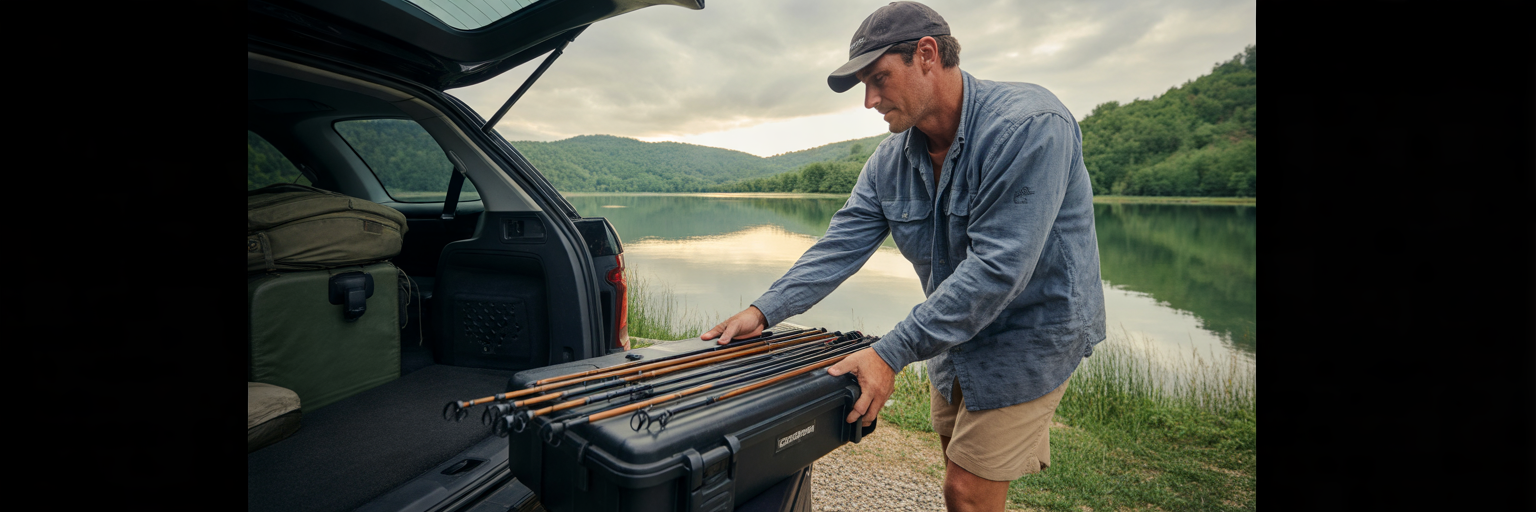
Every angler has faced the dilemma. You are heading out for a weekend trip and see a perfect-looking pond or stream, but your trusty one-piece rod is back home in the garage. A good travel rod checklist starts with choosing gear that fits in a car trunk or suitcase without sacrificing your ability to land a fish. The key is finding the right balance between portability and performance so you are always ready when the water calls.
Choosing the Right Travel Rod for Your Trip
The first step in figuring out how to choose a travel rod is deciding between a multi-piece or telescopic design. Multi-piece rods, which break down into three or four sections, offer a feel and action that is very close to a standard one-piece rod. They are the top choice for anglers who refuse to compromise on sensitivity and casting performance. Telescopic rods, on the other hand, are all about convenience. They collapse into themselves and are ready to fish in seconds, making them perfect for spontaneous stops by the water.
| Feature | Multi-Piece Rod | Telescopic Rod |
|---|---|---|
| Performance & Feel | Closely mimics a one-piece rod | Can feel less sensitive and stiffer |
| Setup Speed | Takes a minute to assemble | Ready to fish in seconds |
| Durability | Fewer moving parts, strong ferrules | Joints can be a weak point if low quality |
| Best For | Anglers prioritizing performance | Spontaneous fishing, tight spaces |
For maximum versatility on a freshwater trip, look for a rod with medium power and a fast action. This combination is strong enough to handle a surprise channel cat or largemouth bass but still has enough sensitivity to detect a light bite from a crappie. A length between 6’6” and 7’ provides a great balance of casting distance for open banks and accuracy for fishing around docks or structure. For these reasons, a quality spinning setup is often the best travel spinning rod option. It is user-friendly, reliable, and pairs well with a wide range of lures, letting you spend less time fussing with gear and more time fishing.
Matching Your Rod to Fish and Water
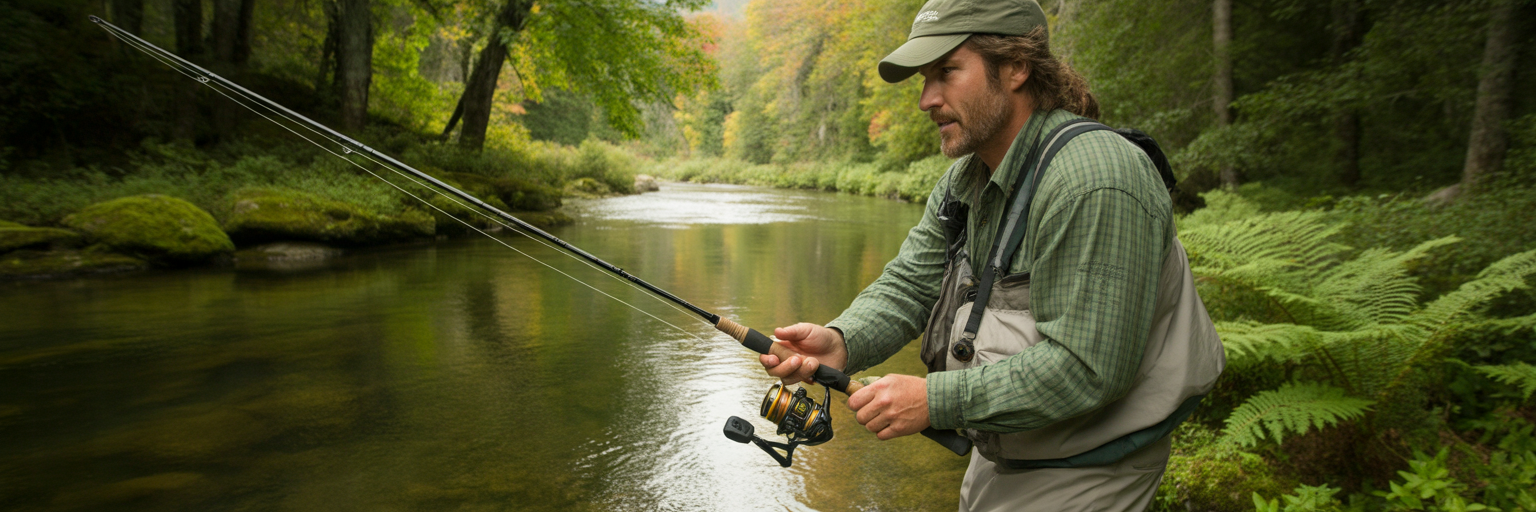
Once you have selected a versatile travel rod, the next step is to tailor your setup for the specific destination. A little digital scouting before you leave home goes a long way. Check the state’s fish and wildlife department website or local fishing forums for the lake or river you plan to visit. This will tell you the primary species you are likely to encounter.
Your rod is the foundation, but your line and lures are what you will change to adapt. That medium-power rod is perfect for targeting stream trout when spooled with a light 6-pound test line and a small spinner. If you find out the local water is known for catfish, you can switch to a 12-pound line and a bottom rig without needing a different rod. Consider the environment itself. A 7-foot rod is excellent for casting far from a lake shore, but it might feel clumsy on a small, brush-choked creek where shorter, more accurate casts are needed. Thinking about these details and choosing the best shore bass lures for the conditions will help you fish like a local, even on your first visit.
Packing a Smart, Compact Tackle Kit
The secret to successful travel fishing is a well-organized and compact fishing kit. You do not need to bring your entire collection. Instead, build a small, pocket-sized tackle box that covers the most common situations you will face on a weekend trip. A versatile lure selection is your first priority.
- Jigs: A few 1/8 to 1/4 ounce jigs are perfect for fishing along the bottom for bass, walleye, or panfish.
- Inline Spinner: A classic spinner is great for covering water quickly to find active fish.
- Topwater Popper: For those exciting morning and evening bites, a small popper is a must.
- Soft Plastics: A pack of 4-inch worms or paddle tail swimbaits can be rigged in multiple ways and will catch nearly anything that swims.
Your terminal tackle and tools should be just as streamlined. Pack a small assortment of hooks, sinkers, and swivels, along with a good pair of fishing pliers or a multi-tool. Here is a great travel trick: bring your reel’s primary spool loaded with 8-pound monofilament and a spare spool with 20-pound braid. This lets you switch between finesse and power fishing in minutes. According to a guide on building a telescopic rod kit from Jenseits, streamlining your tackle to a few versatile items is key for travel. Many of the best lures for bass for any season can also work for other species. Finally, the most important item is a valid fishing license for the state you are visiting. Most can be purchased online in minutes.
Protecting Your Gear During Travel
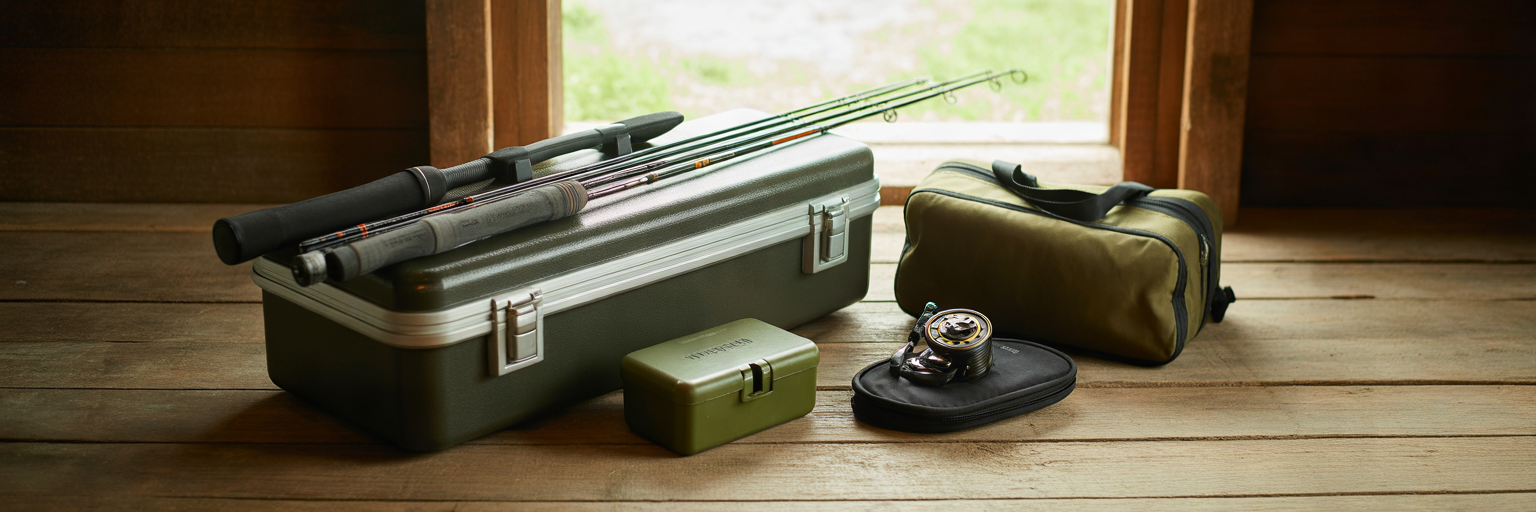
Nothing ruins a fishing trip faster than broken gear. How you protect your rod and reel depends on whether you are driving or flying. For a road trip, a simple cloth rod sleeve is usually enough to prevent scratches and keep a multi-piece rod bundled together. Air travel is a different story. For a packable fishing rod, a hard-sided, padded rod tube is not optional, it is essential. Baggage handlers are not always gentle, and a hard case is the only sure way to prevent a snapped rod tip.
Your reel also needs protection. A neoprene reel cover offers great padding and can be left on the rod if you are driving. If flying, take the reel off the rod, wrap it in some clothes for cushioning, and place it in the middle of your suitcase. Put your small tackle box inside a zip-top bag to contain any potential spills or scents. Remember that airlines have strict rules. Rod tubes almost always fly as checked baggage. Any sharp items, including hooks, knives, and pliers, must be in your checked luggage. Always check your airline’s specific regulations before you leave for the airport.
Pre-Trip Gear and Maintenance Checks
The final part of your travel preparation is a quick gear check to prevent failures on the water. Think of it as your pre-flight inspection. A few minutes spent at home can save you a lot of frustration later. Follow these simple steps to make sure your gear is ready to go.
- Ferrule Fit-Check: Assemble your multi-piece rod and check the ferrules, which are the joints where the sections connect. They should feel snug with no wobbling. If a connection feels loose, clean both ends with a cloth. A little ferrule wax can also ensure a solid fit.
- Line and Guide Inspection: Run a cotton ball through the guides on your rod. If it snags, you have a cracked or nicked guide that can shred your line. This simple trick can save you from losing a big fish. Also, inspect the last 20 feet of your fishing line for any frays or abrasion and trim it if needed.
- Quick Post-Trip Cleanup: When you get home, make it a habit to wipe down your rod and reel with a damp cloth to remove any dirt or grime. Let everything air dry completely before storing it to prevent corrosion and mildew.
These simple habits are the foundation of a successful travel rod checklist. They ensure your gear is always in top shape and ready for your next adventure. For more tips on planning your trips, anglers can always explore the resources at Fishing Tips Daily.