
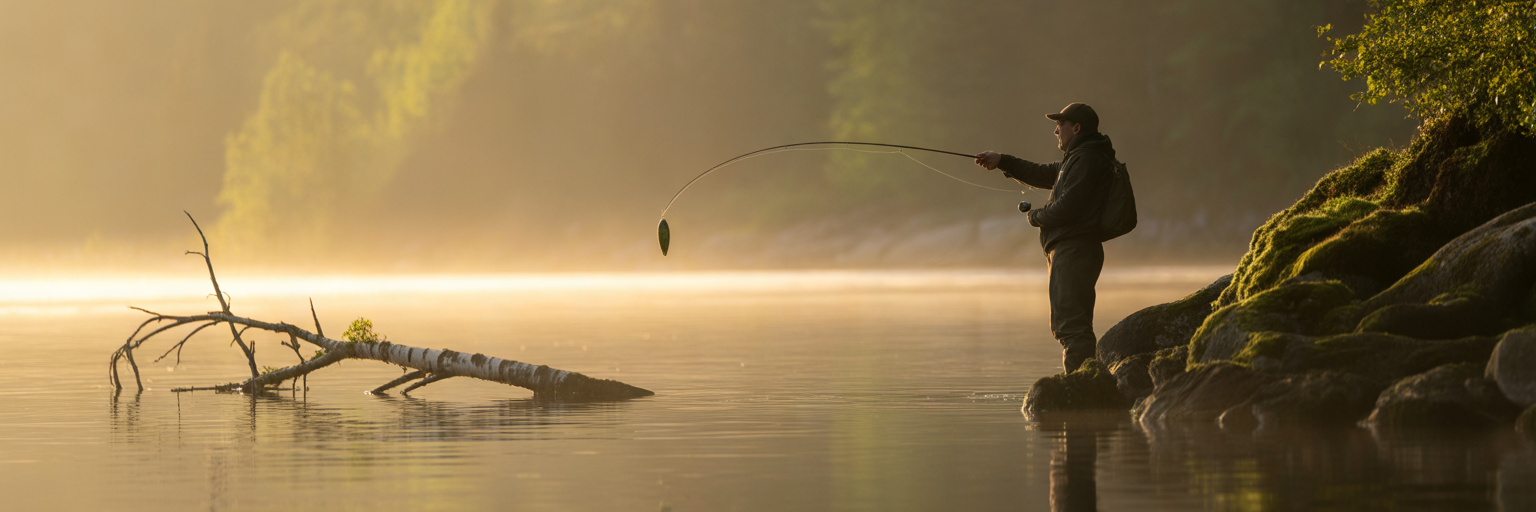
It’s a common misconception that you need a boat to get to the biggest bass. The truth is, many of the best fish are caught surprisingly close to the bank, right where you can reach them on foot. Success with bass fishing from the bank comes down to a smart, mobile approach. This means choosing the right shore bass lures that let you cover water efficiently without getting weighed down. Unlike an angler in a boat who can easily reposition to free a snag, a bank angler has limited casting angles. This makes lure choice critical.
The key is to adopt a “less is more” mindset. Carrying a small, curated selection of versatile bass lures allows you to stay mobile, walk the shoreline, and find where the active fish are holding. Instead of hauling a massive tackle bag, focus on a handful of baits that cover the three primary zones you can reach from shore: the surface, the middle of the water column, and the bottom. Your lure selection will need to adapt to the environment, as a weedy pond requires a different tool than a rocky bank. This simple system is one of the most effective bank fishing for bass tips you can learn.
Smart Lure Selection for Shore Bass Lures
Many of the biggest bass are caught surprisingly close to the bank, making a boat unnecessary for a great day of fishing. The core philosophy for successful bass fishing from the bank is built on mobility and efficiency. Bank anglers face specific challenges, like limited casting angles that make snags more common and the inability to reposition easily. A boat lets you move around cover, but from shore, you have to work with the angles you are given. This is why a different strategy is needed.
Embrace a less is more mindset. Your mobility is your greatest advantage. Carrying a small, curated selection of versatile bass lures allows you to cover more ground and find active fish, rather than being weighed down by gear you might not use. The goal is to carry just enough tackle to effectively fish the three primary water column zones accessible from shore: top, middle, and bottom. A few well-chosen lures will let you present an offering wherever the bass might be holding. This approach also forces you to adapt your lure choice to the environment, whether you are facing a weedy pond or a rocky shoreline, which is a fundamental skill for any angler.
The Essential Three Lure Types for Bank Anglers
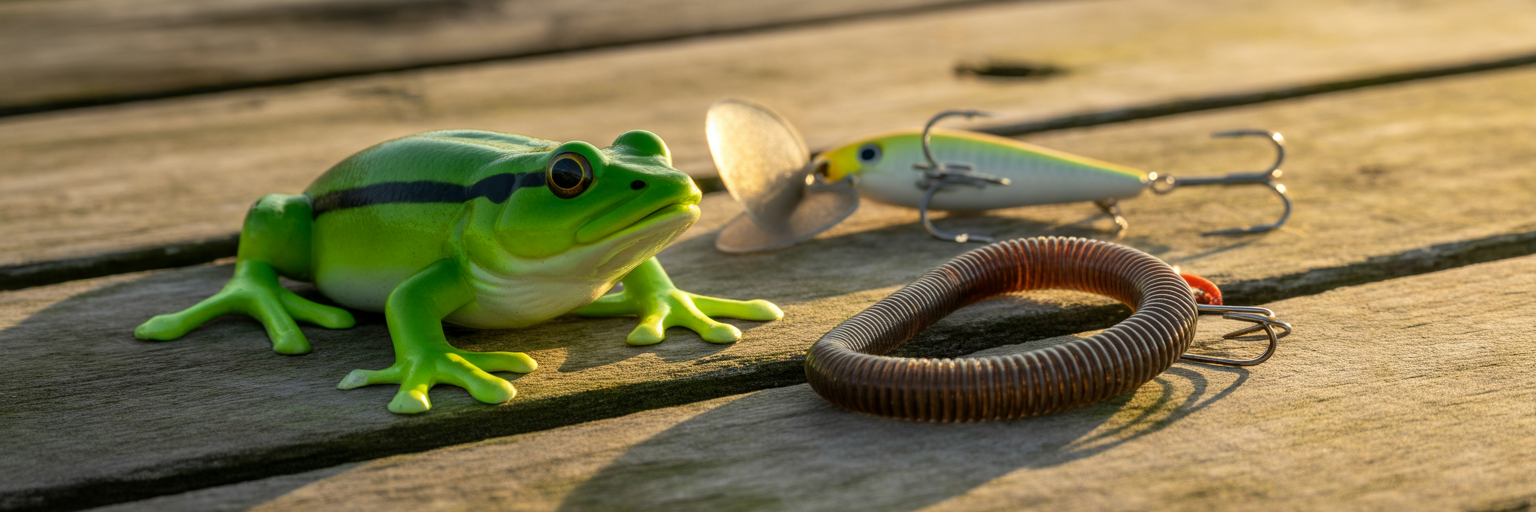
Instead of overcomplicating your tackle box, focus on three proven lure categories that will catch bass from almost any shoreline. While a comprehensive list of the best lures for bass can fill a whole tackle store, bank anglers can succeed with just these key types. This simple system ensures you have the right tool for the job without sacrificing mobility. These are the best lures for shore fishing because they are effective and efficient.
Topwater Lures for Surface Action
Topwater lures are essential for fishing in low-light conditions like early morning and late evening when bass feed aggressively in the shallows. For weedy or matted areas, a hollow-body frog is unbeatable. You can cast it right on top of the thickest vegetation without snagging. For open water along weed edges or near wood, a popper creates a surface disturbance that calls fish in from a distance. The visual strike of a bass exploding on a topwater lure is something every angler should experience.
Mid-Depth Search Baits to Cover Water
When you need to find fish quickly, search baits are your go-to. A spinnerbait is incredibly versatile, as its flashing blades and vibration attract bass in both clear and stained water. It is also fairly weed-resistant, making it a great choice for casting parallel to shoreline vegetation. Another excellent option is a squarebill crankbait. It is designed to run in shallow to medium depths and deflects off cover like rocks and logs, often triggering a reaction strike from a nearby bass.
Bottom-Contact Baits for Targeted Strikes
For a more precise and snag-proof presentation, nothing beats a soft plastic. The Texas-rigged soft plastic, like a worm or creature bait, is the ultimate bottom-contact lure for bank anglers. It can be pitched into the tightest spots around cover where bass love to hide. The key is to use the lightest sinker possible, just enough to get the bait to the bottom. This gives the lure a more natural fall and dramatically reduces your chances of getting hung up, which is a constant concern when you can’t move your boat to retrieve a snagged lure.
Reading the Bank to Find Hidden Bass
Having the right lures is only half the battle. Knowing where to cast them is just as important. Bass use shoreline features for cover and as ambush points, often holding very close to the bank. Learning how to catch bass from shore means training your eyes to spot these high-percentage areas. Before you even make a cast, take a moment to walk the shoreline and scout for visible targets.
Look for anything that breaks the uniformity of the bank. These features attract baitfish and provide bass with a place to hide. Key targets include:
- Points: A piece of land that juts out into the water acts as a natural stopping point for cruising bass.
- Shade Lines: Bass use shade from overhanging trees, docks, or bridges for cover, especially during bright, sunny days.
- Riprap Banks: The rocky banks often found along dams and causeways create countless hiding spots for crawfish and baitfish, drawing in bass.
- Weed Edges: A distinct line where vegetation ends and open water begins is a classic ambush alley for predatory fish.
Beyond the obvious spots, keep an eye out for less apparent but highly productive features like creek inlets, culvert pipes bringing fresh water into the lake, and submerged fallen trees. According to a report on LakeAccess.org, a core strategy for how to catch bass from shore involves identifying these structural features and moving between them. This reinforces the importance of mobility. By scouting first, you can plan your approach and identify potential snags before you risk losing one of your favorite lures.
Casting Angles and Retrieves from the Shore
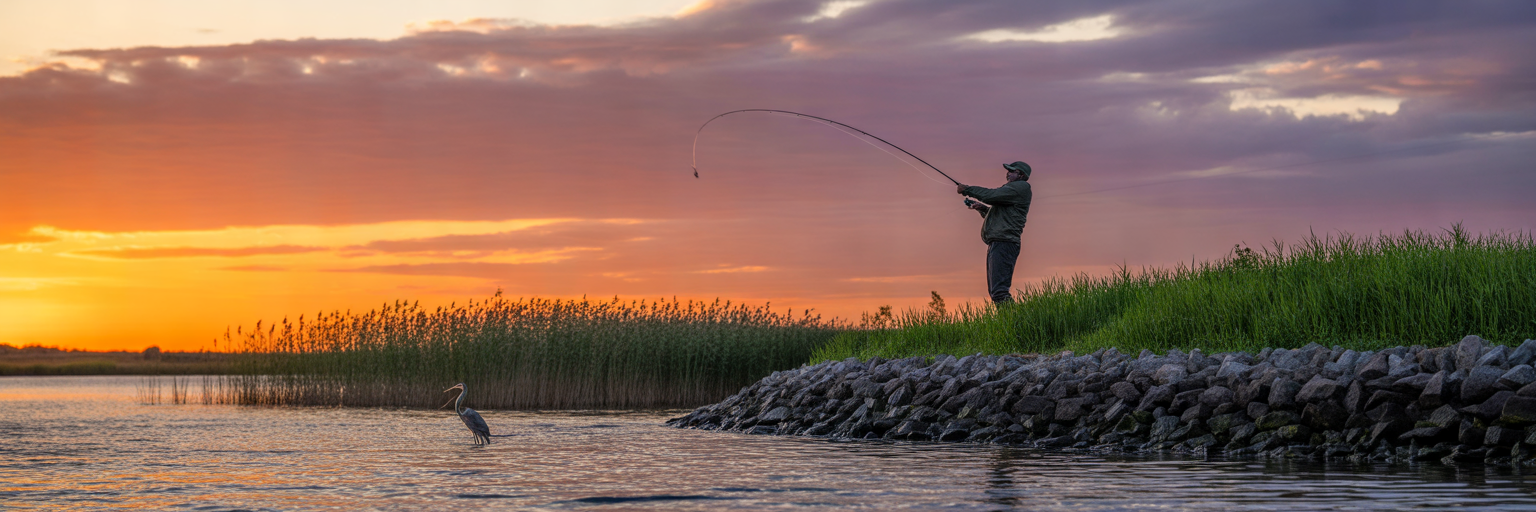
Your position on the bank is fixed, so you have to use smart casting angles to present your lure effectively. The single most important technique for a shore angler is to cast parallel to the shoreline. Casting straight out into open water means your lure is only in the most likely strike zone for a fraction of the retrieve. By casting parallel to the bank, you keep your lure in that shallow, cover-rich water where bass are most likely to be holding for the entire duration of your retrieve.
For example, instead of casting away from a point, stand back from it and cast past its tip, bringing your lure right across the front of it. If you see a fallen tree, walk down the bank and cast alongside it rather than directly at it. This maximizes your time in the strike zone. You should also vary your retrieve speed. A steady retrieve works well for search baits like spinnerbaits, while a slow, hopping retrieve is better for bottom baits like a Texas rig. A crucial tip is to use the “high-sticking” technique. By keeping your rod tip high as your lure approaches underwater obstacles, you can guide it up and over them, preventing many potential snags.
| Lure Type | Target Structure | Recommended Retrieve & Angle |
|---|---|---|
| Hollow-Body Frog | Weed Mats / Lily Pads | Cast onto the mat and ‘walk’ the frog with short twitches across openings. |
| Spinnerbait | Riprap Bank / Weed Edge | Cast parallel to the structure and use a steady, slow-rolling retrieve. |
| Squarebill Crankbait | Fallen Trees / Stumps | Cast past the wood and retrieve so the lure deflects off the cover. |
| Texas-Rigged Worm | Shade Pockets / Creek Inlets | Pitch into the target and let it sink to the bottom. Use slow drags and hops. |
Adapting Your Approach for All-Day Success
Successful shore fishing requires you to adapt as conditions change throughout the day. Bass are most active and likely to be in shallow, bank-accessible water during the prime low-light periods of early morning and late evening. Plan your trips around these times whenever possible. When the sun gets high and the bite slows down, don’t give up. This is the time to switch to a finesse presentation.
Downsizing to a weightless wacky-rigged Senko or a small Ned rig can trigger bites from less aggressive fish. Fish these baits slowly in shade pockets or along the edges of slightly deeper water near the bank. Most importantly, remember to stay mobile. If you fish a spot for 10 to 15 minutes without any action, it is time to move on. The next productive spot is often just a short walk away. Successful shore bass fishing is not about having the most gear. It is about combining a simple, versatile selection of shore bass lures with a smart plan for reading the water and staying on the move. For more practical guidance, anglers can find a wealth of information at Fishing Tips Daily.