
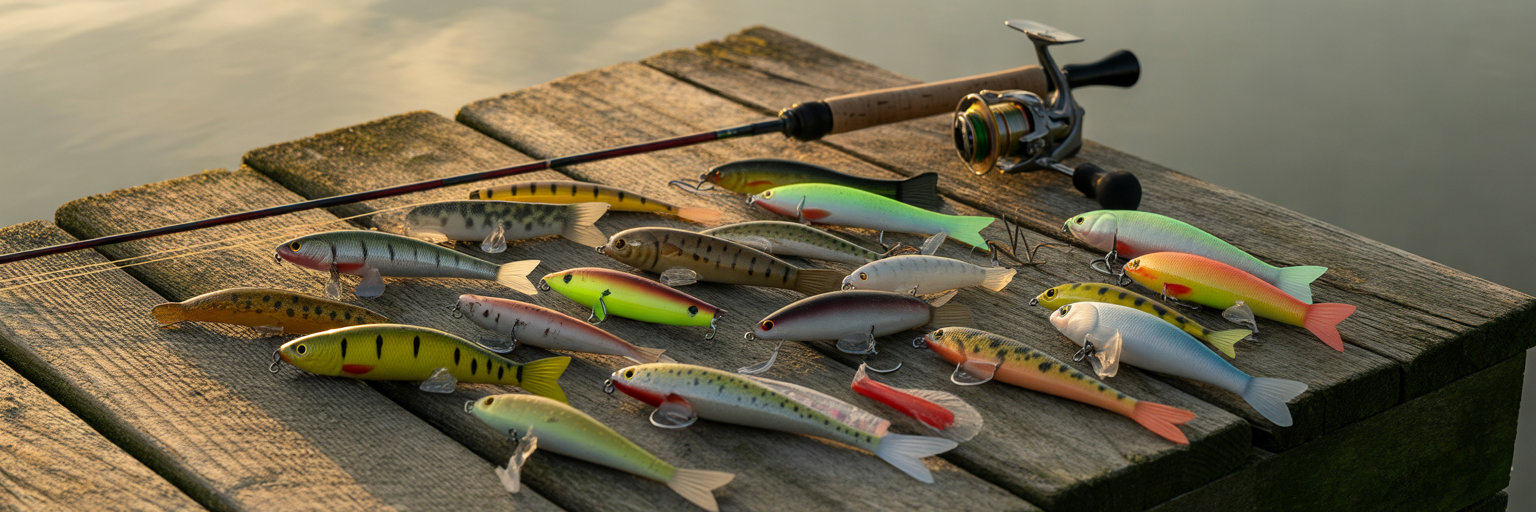
Open just about any freshwater angler’s tackle box, and you are guaranteed to find a collection of soft plastics. These baits are a staple for a simple reason: they flat-out catch fish. Made from a flexible material called plastisol, soft plastic lures get their magic from a lifelike action that few other baits can replicate. Their unmatched versatility is their greatest strength.
These lures come in a handful of primary shapes, each designed to imitate a specific type of forage. Worms mimic a universal food source, while craws look just like the crayfish that bass and other predators love. Creature baits offer a mix of appendages for a unique profile, and swimbaits perfectly imitate baitfish. Tubes can look like gobies or small baitfish, and grubs are great for matching insects or tiny minnows. The core advantage of all these shapes is their ability to mimic almost anything a fish might eat, making them effective in countless situations on the water.
Matching Lure Profiles to Target Fish
The key to success with soft plastics is choosing a shape that matches what the fish are actively eating. This idea of “matching the hatch” is simple: if bass are chasing shad in open water, a baitfish profile is your best bet. If they are tucked into cover hunting for crawfish, a bottom-bouncing craw imitation will get more bites.
Focusing on the lure’s profile is the first step in making the right choice. Figuring out the best soft plastic baits for bass, for example, often comes down to observing what they are feeding on in that specific season and location. Here is a straightforward guide to get you started:
- For fish chasing baitfish: When bass, walleye, or stripers are feeding on schools of minnows, profiles like swimbaits and flukes are excellent choices. Their shape and swimming action are a dead ringer for a fleeing baitfish.
- For fish near the bottom: For predators like bass and catfish that feed on crustaceans, you will want to use craws, tubes, and creature baits. These profiles are designed to be fished in and around cover like rocks and wood, right where their real-life counterparts live.
- For smaller targets: When you are after crappie, panfish, or river trout, downsizing is critical. Small grubs and finesse worms perfectly match the smaller insects and minnows these fish prefer.
Choosing the Right Size and Color
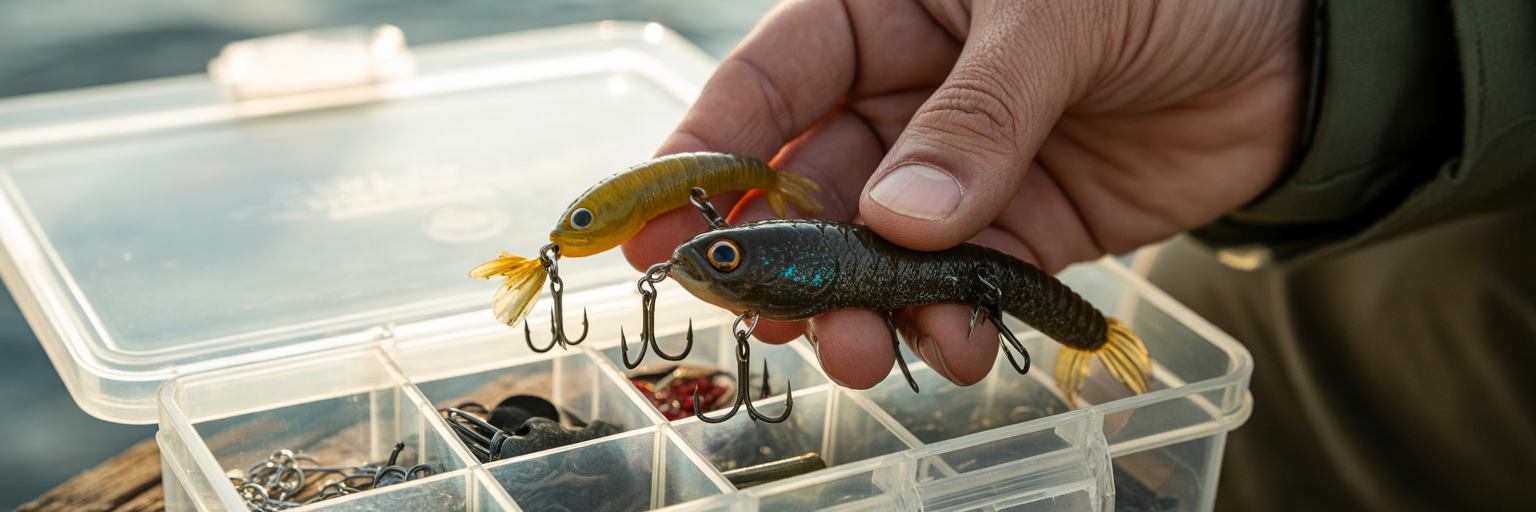
Once you have picked a profile, the next decision is size and color. A few simple rules can help you narrow down the options. For size, think about water clarity and fish behavior. Smaller baits, around three to four inches, are generally better for clear water, finicky fish, or high-pressure lakes. Larger profiles of five inches or more can help attract bigger bites, especially in stained water or when you need a bait to stand out in heavy cover.
When it comes to selecting your soft plastic lure colors, water clarity is the most important factor. You want a color that fish can see without it looking unnatural or intimidating. The table below offers a simple framework for making that choice. After you have picked a primary color, consider adding a visual trigger. A quick dip of a worm’s tail in chartreuse dye can create an “action color” that draws a fish’s eye and often triggers a strike without you having to change your entire lure.
| Water Clarity | Recommended Colors | Reasoning |
|---|---|---|
| Clear Water (8+ ft visibility) | Natural & Translucent (Green Pumpkin, Watermelon, Smoke) | Mimics natural forage and avoids spooking wary fish. |
| Stained Water (2-5 ft visibility) | Dark & Solid (Black, Junebug, Black/Blue Flake) | Creates a strong silhouette that fish can easily see. |
| Muddy Water (0-2 ft visibility) | Bright & Contrasting (Chartreuse, White, Pink) | Grabs attention with a flash of color in low visibility. |
This table provides a simple guideline for choosing soft plastic lure colors based on water conditions. These are starting points; always be prepared to experiment.
Essential Rigging Methods for Soft Plastics
Knowing how to rig soft plastics correctly is just as important as choosing the right bait. Each rigging method gives the lure a different action and allows you to fish it effectively in specific situations. Mastering these setups is key, and as detailed in guides from agencies like the Texas Parks and Wildlife Department, each has a specific job on the water. Let’s break down the most essential ones.
The Texas Rig: The All-Purpose Weedless Setup
The Texas rig is the ultimate snag-proof setup for fishing in heavy cover. If you are casting into thick grass, brush piles, or fallen trees, this is the rig you want. To tie it, you simply thread your hook point through the nose of the bait, pull it through, rotate the hook, and then embed the hook point back into the body of the plastic. This hides the point, allowing the lure to slide through cover without getting hung up.
The Carolina Rig: For Covering Deep Water
Think of the Carolina rig as a search tool for finding fish scattered across deep, open areas like underwater points, humps, and flats. It consists of a sliding egg sinker, a plastic bead to protect your knot, a swivel, and a leader of about 18 to 36 inches tied to your hook. This setup separates the weight from the bait, allowing the lure to float and drift naturally behind the weight as you drag it along the bottom. The main difference when considering the Texas rig vs Carolina rig is application. The Texas rig is for precise casts into specific cover, while the Carolina rig is for dragging across wide, general areas.
Finesse Rigs: Wacky, Drop-Shot, and Ned Rigs
When the bite gets tough, finesse rigs shine. The Wacky rig involves hooking a stick bait right through the middle, which creates a slow, tantalizing shimmy as it falls. The Drop-Shot rig is perfect for holding a bait at a specific depth off the bottom, making it ideal for targeting fish you see on your electronics. Finally, the Ned rig setup uses a small, mushroom-shaped jighead and a short, buoyant plastic. This creates a subtle presentation where the bait stands straight up off the bottom, which finicky bass find hard to resist.
Fishing Soft Plastics Around Different Cover
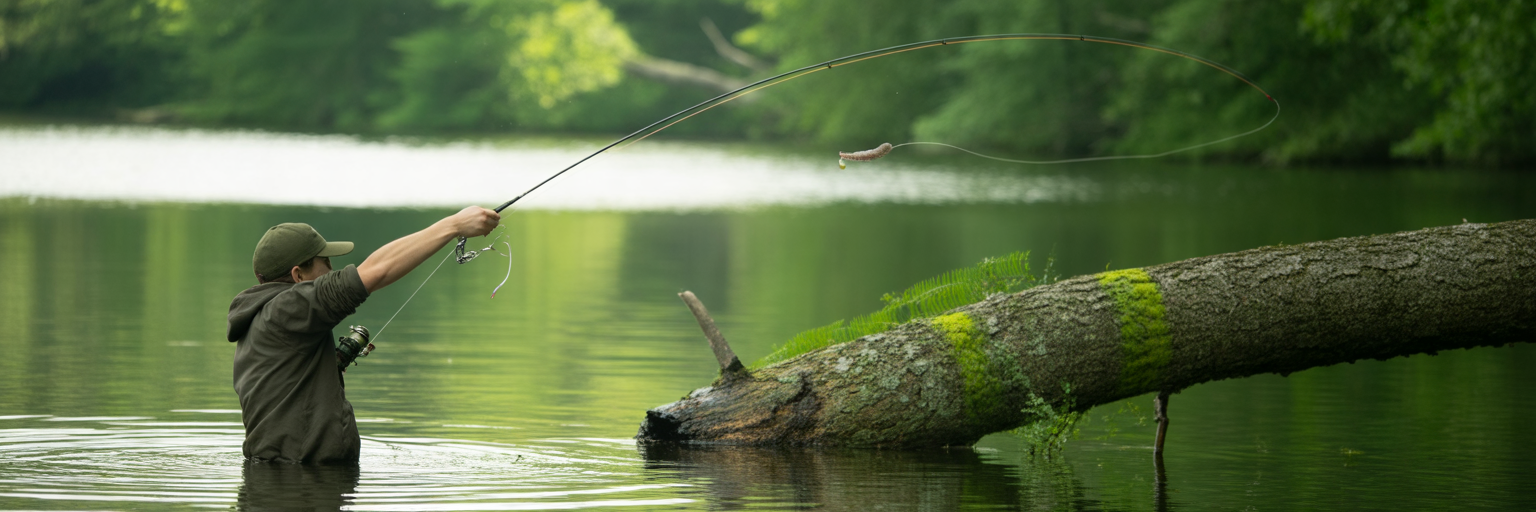
Now that you know the rigs, it is time to connect them to specific spots on the lake. The goal is to use the right tool for the job. Instead of just casting randomly, think about where the fish are likely holding and which presentation will get your bait to them most effectively.
- Weed Beds & Fallen Trees: This is prime territory for a Texas-rigged creature bait, craw, or worm. Pitch or flip your lure directly into the thickest parts of the cover, where bass often hide to ambush prey. The weedless nature of the rig is essential here.
- Rock Piles & Deep Points: For these wide, open structures, slowly dragging a Carolina-rigged lizard or worm is an excellent way to trigger strikes. The heavy weight maintains bottom contact while the lure floats naturally behind it, covering water and attracting scattered fish.
- Boat Docks & Overhangs: Fish love the shade provided by docks. A Wacky-rigged stick bait or a light Ned rig is perfect for skipping far underneath these structures. The slow fall of the Wacky rig or the subtle action of the Ned rig can coax bites from fish that are otherwise hard to reach.
- Open Water: When you mark suspended fish on your sonar, it is time for a Drop-Shot rig. This setup lets you hold a small baitfish imitation perfectly still in the strike zone, right in front of their faces.
Aligning Your Tackle for Better Performance
The best lure in the world will not work right if it is tied to the wrong gear. A balanced setup is crucial for getting the best action from your soft plastics and ensuring solid hook-ups. A common mistake is using a weight that is too heavy, which kills the natural, slow fall that makes many soft plastics so effective. Another is using the wrong size or style of hook, which can cause the lure to spin unnaturally or lead to missed fish.
As a general rule, a medium-heavy power, fast-action casting rod is a great all-around choice for single-hook power applications like the Texas rig and Carolina rig. For finesse techniques like the drop-shot and Ned rig, a medium-light power, fast-action spinning rod will give you better casting distance with light baits and the right sensitivity to detect subtle bites.
Caring For and Organizing Your Lures
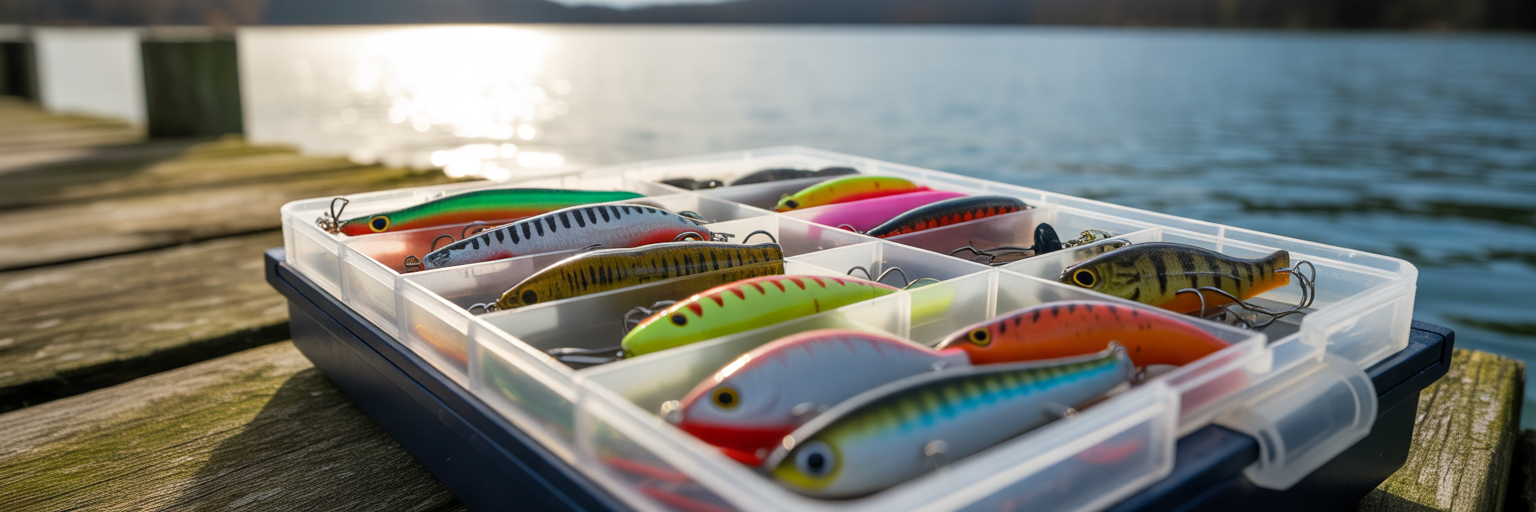
A little bit of care goes a long way in keeping your soft plastics ready for action. Always try to store them in their original bags or in compatible tackle trays. This prevents different plastic formulas from melting together and stops colors from bleeding into one another. You will know it is time to retire a lure when the head is torn up from rigging it multiple times or when it is missing key appendages like claws or tails. A damaged bait will not have the right action and should be replaced. Keeping your gear in order is a habit all great anglers share, and it is a core principle we follow at Fishing Tips Daily.