
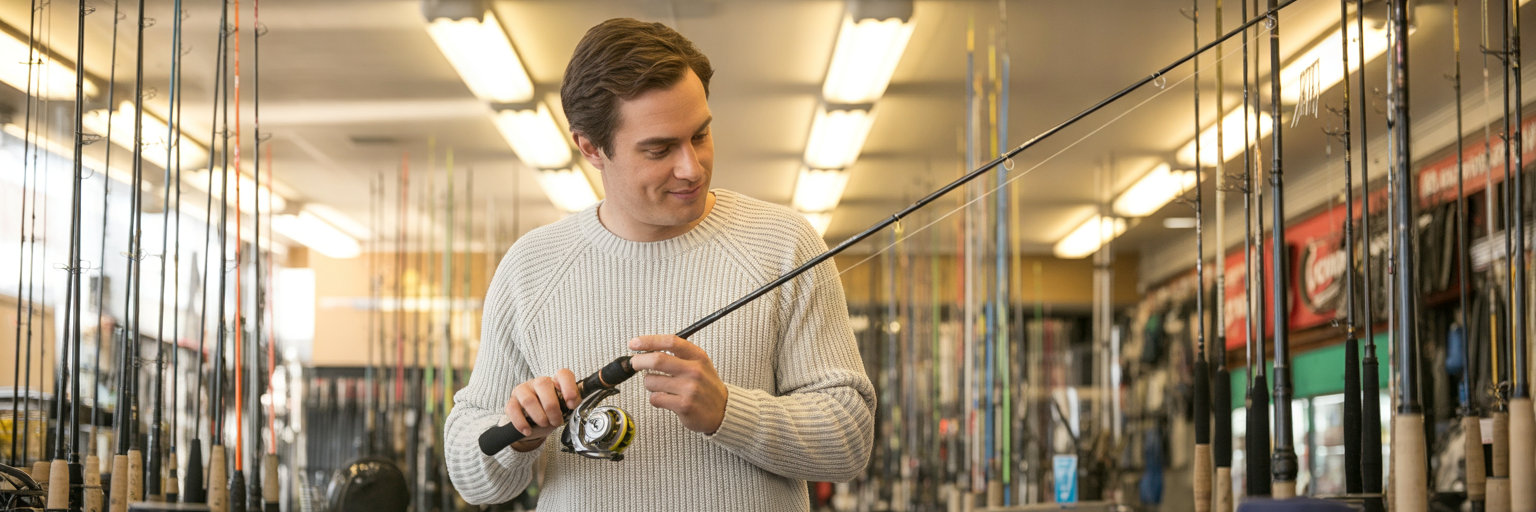
Walking into a tackle shop for the first time can feel like staring at a forest of fishing rods. It is easy to get overwhelmed by the sheer number of options, but the process of choosing your first freshwater rod does not have to be complicated. Your goal is simple: find one versatile setup that works well in common spots like ponds, lakes, and slow moving rivers. This way, you can focus on learning to fish instead of worrying about your gear.
The most practical and budget friendly starting point is a rod and reel combo. These are pre matched by manufacturers, which removes the guesswork of pairing the right rod with the right reel. For a beginner, this is the best way to get a balanced and functional setup right out of the box. The two main options you will see are spincast and spinning combos, and we will help you decide which one is right for you.
Spinning or Spincast: What Is Best for You?
The first big decision is the type of combo to get. The debate over a spinning rod vs spincast rod comes down to a trade off between immediate ease of use and long term versatility. A spincast combo features a reel with a closed cover, or “nose cone,” and a push button for casting. It is incredibly simple to operate and is designed to minimize line tangles, which makes it a fantastic choice for young children or anyone who wants the absolute easiest introduction to casting.
A spinning combo, on the other hand, has an open face reel. This design allows the line to flow off the spool freely, resulting in longer, more accurate casts. It also gives you much better control for fighting fish. While it requires a little practice to learn how to hold the line with your finger before a cast, it is a skill that pays off quickly. An adult beginner will find a spinning combo to be a far better investment that grows with them as they learn new techniques. It is no surprise that organizations like the U.S. Fish & Wildlife Service often guide newcomers toward these types in resources such as A Guide to Fishing for the First Time.
| Feature | Spincast Combo | Spinning Combo |
|---|---|---|
| Ease of Use | Very Easy (Push-button) | Easy (Requires minor practice) |
| Casting | Shorter, less accurate | Longer, more accurate |
| Line Tangles | Fewer tangles, but harder to fix | More potential for tangles, but easy to fix |
| Versatility | Limited to basic techniques | Excellent for a wide range of lures and techniques |
| Best For | Young children, absolute beginners | Adult beginners, long-term use |
Understanding Rod Length, Power, and Action
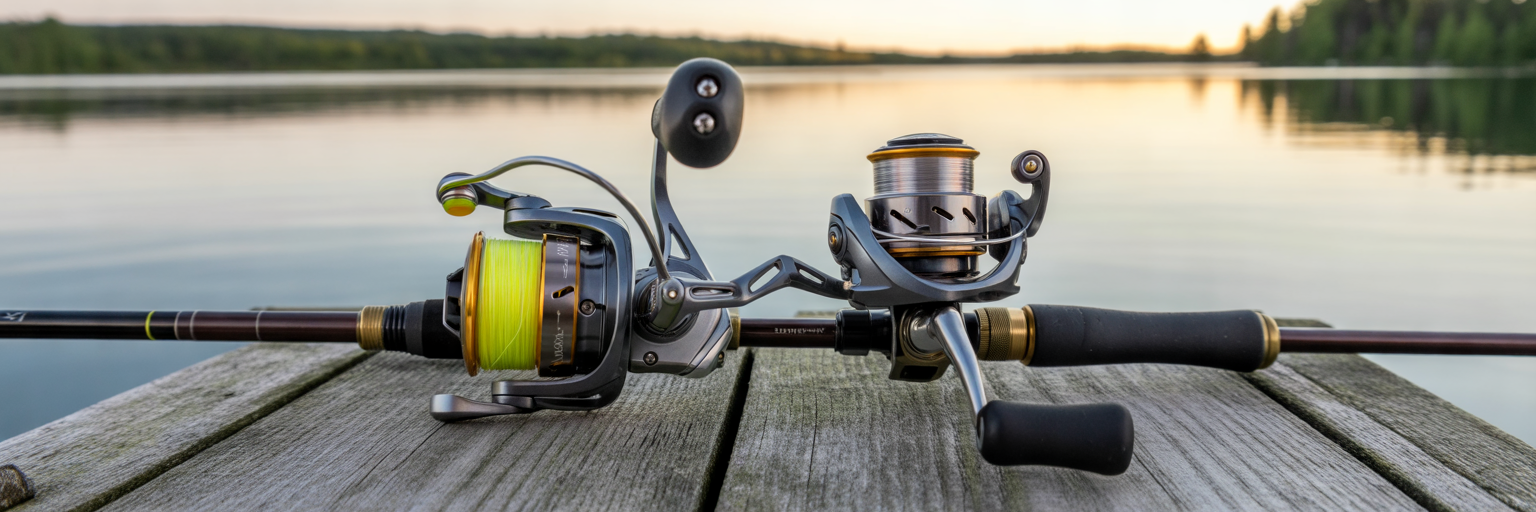
Once you have decided on a spinning combo, you will see terms like length, power, and action listed on the rod. Understanding fishing rod power and action is key to picking a versatile tool. Think of these three specs as the rod’s core personality.
Rod Length: Balancing Cast Distance and Control
For a beginner, a rod between 6 and 7 feet long is the sweet spot. This length provides enough leverage for good casting distance on a lake or pond, but it is still short enough to manage easily when fishing along a brushy shoreline or from a small boat. It is the perfect all around length for learning.
Rod Power: The Backbone for Fighting Fish
Power refers to the rod’s strength and its resistance to bending. You will see ratings from ultralight to extra heavy. For your first rod, look for a “Medium” or “Medium-Light” power. This gives you enough backbone to handle a respectable bass or catfish while still being sensitive enough to make fighting smaller panfish fun. A medium power rod is also perfect for working some of the best lures for bass, giving you a great starting point for your tackle box.
Rod Action: Sensitivity for Casting and Bite Detection
Action describes where the rod bends when you put pressure on the tip. A “Fast” action rod bends mostly in the top third, while a “Slow” action rod bends almost to the handle. A “Fast” or “Moderate-Fast” action is ideal for a beginner. It is sensitive enough to let you feel subtle bites but still has enough flex to be forgiving when you cast. Power is for fighting the fish, while action is for casting the lure and feeling the bite.
- Ideal Length: 6′ to 7′ (around 2 meters)
- Ideal Power: Medium or Medium-Light
- Ideal Action: Fast or Moderate-Fast
Final Checks for Your New Rod Setup
You have narrowed down your choice to a spinning combo with the right specs. Before you head to the checkout, here is a quick guide on how to pick a fishing rod with a few final hands on checks. These simple steps ensure you walk out with a setup that feels right.
- Check the Handle: Rod handles are typically made of cork or EVA foam. There is no right or wrong answer here. Simply hold the rod as you would when fishing. The grip should feel comfortable and secure in your hand.
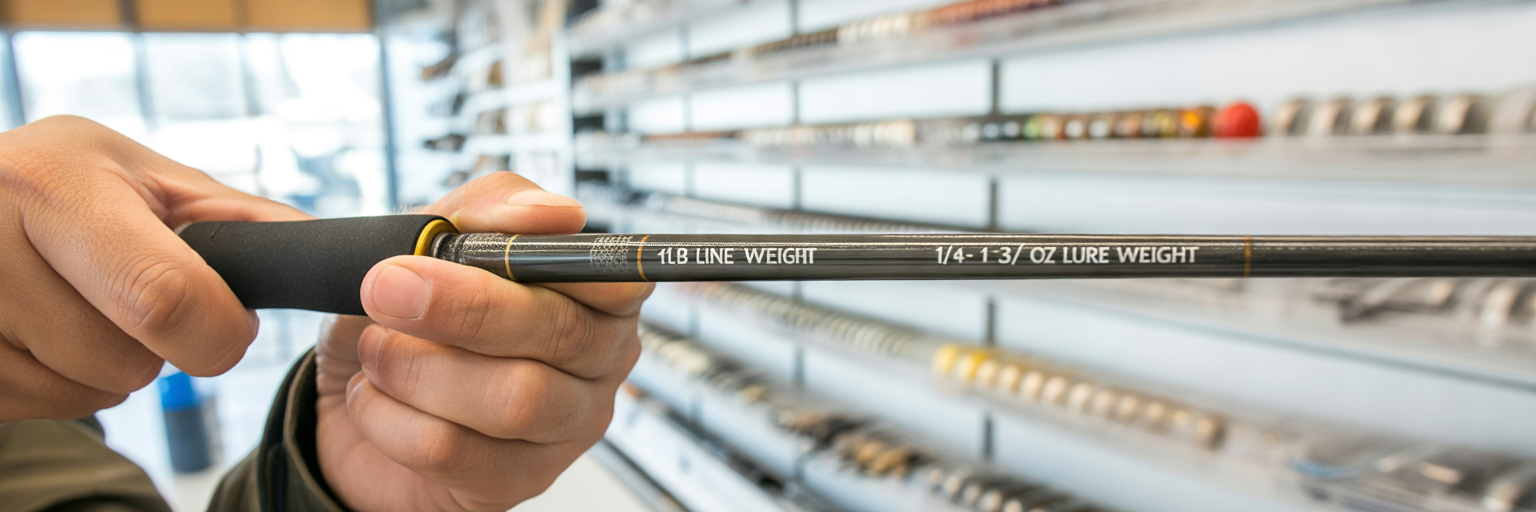
- Read the Ratings: Look closely at the rod blank, usually just above the handle. You will find printed ratings for the recommended line strength (in pounds) and lure weight (in ounces). Sticking to these recommendations will give you the best casting performance.
- Test the Balance: With the reel attached, balance the rod on your finger just in front of where the reel connects to the rod. A well balanced combo should not feel noticeably heavy at the tip or the handle. It should feel like a natural extension of your arm.
- Note the Material: Most beginner combos are made of graphite, fiberglass, or a composite of the two. A graphite composite is a great choice, offering a good blend of the sensitivity of graphite and the durability of fiberglass at an affordable price.
Your Go-To Beginner Rod and Reel Combo
So, what is the final verdict? For your first setup, you cannot go wrong with a 6’6″ spinning combo with a medium power, fast action rod. This is the quintessential beginner fishing rod and reel. It is a true workhorse that is versatile enough to handle bass, panfish, trout, and more, making it the perfect tool for exploring your local waters. You can find reliable combos with these specs from many well known brands without breaking the bank.
This setup will serve you well whether you are throwing some of the best early spring bass lures or just soaking a worm under a bobber. Use this checklist to choose your gear with confidence, and then you can get to the fun part: getting out on the water. For more tips and to explore great fishing spots near you, you can always find more information right here at Fishing Tips Daily.