
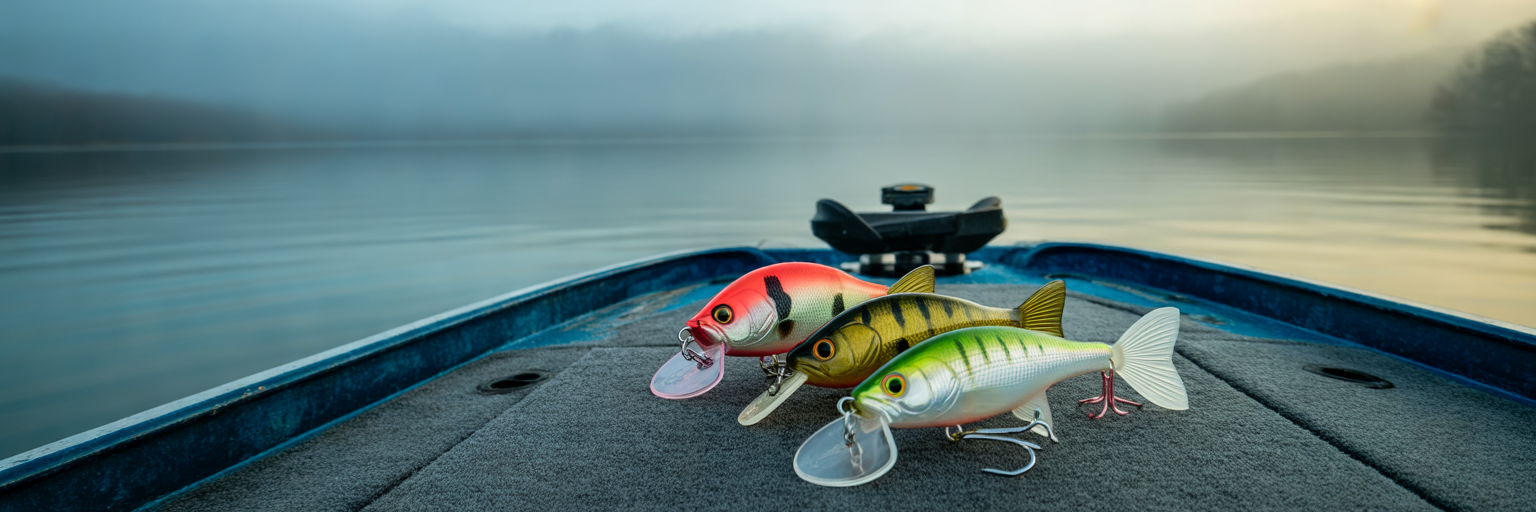
We’ve all been there. The forecast shows a perfect weekend for chasing pre-spawn bass, but an overnight cold front rolls in, bringing bluebird skies and a sharp drop in temperature. It’s more than just an inconvenience. This weather change temporarily alters bass behavior, and knowing how to adapt is key. The right early-spring bass lures and a smart game plan can turn a tough day into a successful one. Instead of covering water with fast-moving baits, your strategy needs to shift to picking apart specific areas where bass wait out the cold.
Understanding Early-Spring Bass Lures and Cold Fronts
A sudden cold front does more than just make you reach for another layer of clothing. The combination of falling water temperatures and rising barometric pressure puts bass in a funk. As noted in a Bassmaster column on the topic, this typically makes them less active for a 24 to 72-hour period. Their metabolism slows way down, shrinking their strike zone and making them unwilling to chase a fast-moving lure. It’s one of the most important cold front bass fishing tips to remember.
Fish that were pushing toward shallow spawning flats will hit the brakes. They pull back to the nearest stable, deeper water to wait for conditions to improve. These spots are called ‘staging areas,’ and they are your new best friends. Think of secondary points leading into a spawning cove, a bend in a creek channel, or the first significant drop-off near a large flat. These areas are usually in that 6 to 12-foot depth range, offering bass security without forcing them to move far.
Your mindset has to change from searching for active fish to methodically presenting a bait to lethargic ones. The bass are still there, often grouped up, but they won’t move far to eat. The goal is to put a tempting, slow-moving meal right in front of their nose and keep it there.
Slow-Down Baits for Post-Front Bass
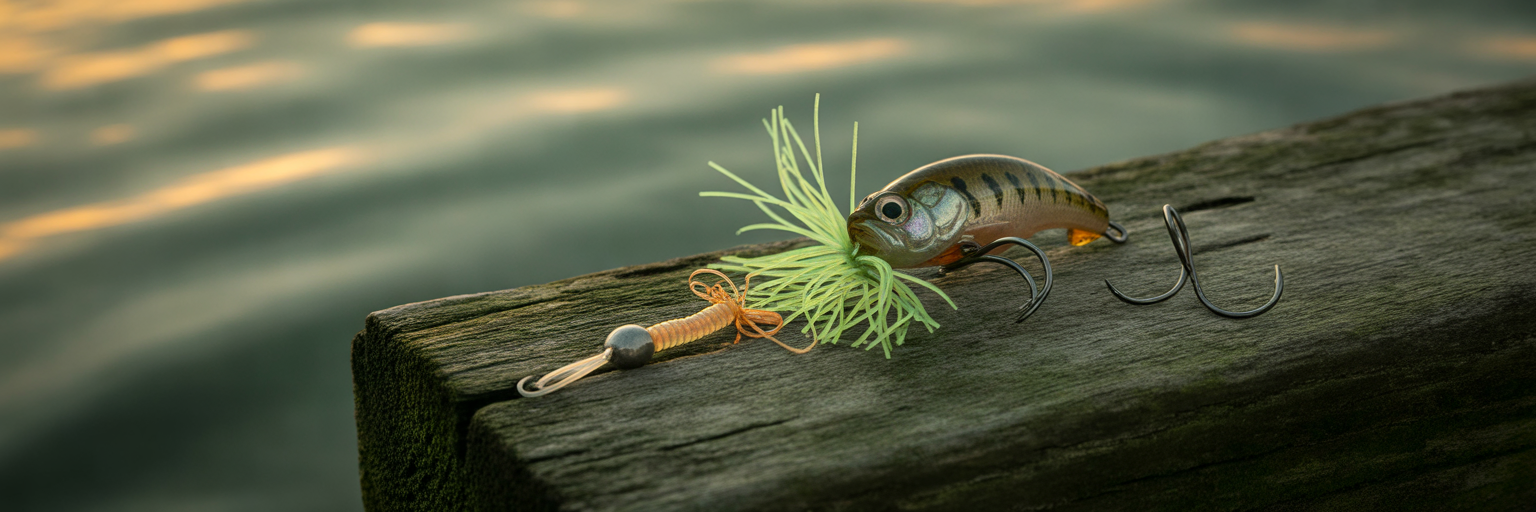
With bass holding tight to cover and unwilling to chase, it’s time to break out the finesse and bottom-contact baits. These lures excel because you can fish them incredibly slowly, keeping them in a bass’s small strike zone for an extended time. They are the best pre-spawn bass lures for when the bite gets tough. While understanding the best lures for bass in general is a great skill, these specific tools shine in post-front conditions.
Here are three go-to options:
- The Jig: A compact casting or football jig paired with a small craw trailer is a perfect imitation of the slow-moving crustaceans that bass feed on. The key is a slow drag-and-pause retrieve. Pull the jig a foot or two along the bottom, then let it sit still for several seconds. Most bites will feel like a slight “tick” or just mushy weight on the line.
- The Shaky Head Rig: When the bite is extremely tough, the shaky head is your hero. This simple rig, usually a finesse worm on a specialized jig head, has a subtle action that lethargic bass can’t resist. Cast it to a specific target, let it sink, and then gently shake your rod tip on a semi-slack line. This imparts a quivering action without moving the bait from the strike zone.
- The Drop-Shot Rig: This rig is all about precision. It allows you to suspend a small, subtle plastic just off the bottom, right at the eye level of a bass. It’s deadly for targeting fish you’ve marked on your electronics. The best retrieve is often no retrieve at all. Just hold the bait in place and let the water currents and slight rod movements give it a lifelike quiver.
| Lure | Primary Use | Ideal Retrieve | Best For Targeting |
|---|---|---|---|
| Football Jig | Mimicking crawfish on hard bottoms | Slow drag, pause, and short hops | Rock piles, ledges, and points |
| Shaky Head Rig | Extremely tough bites and pressured fish | Gentle shaking on a semi-slack line | Specific targets like stumps or brush |
| Drop-Shot Rig | Suspending a bait at a precise depth | Minimal movement, letting the bait hover | Fish identified on electronics |
This table helps anglers quickly match the right finesse presentation to the specific structure they are fishing and the mood of the bass.
Adjusting Reaction Baits for Finicky Fish
Just because the bite is tough doesn’t mean you have to put away all your moving baits. Sometimes, you can trigger a reaction strike from a finicky bass by modifying your retrieve with your favorite reaction baits. The key is to present them differently than you would on an active day. This is a great answer to the question of what lures to use for bass in spring when you still want to cover some water.
Don’t just cast and wind. Instead, try these two adjustments:
- The Lipless Crankbait Yo-Yo: A standard retrieve might be too fast, but a lipless crankbait is fantastic when fished vertically. Cast it out, let it sink to the bottom, then rip it up a few feet with your rod tip before letting it flutter back down on a semi-slack line. Pay close attention as it falls, because that’s when most strikes will occur. This technique mimics a dying baitfish, an easy meal a cold bass won’t pass up.
- The Slow-Rolled Bladed Jig: A bladed jig can still get bites, but you have to slow it way down. Use a retrieve just fast enough to feel the blade thumping. The goal is to slowly crawl it along the bottom, bumping it into any available cover like rocks or stumps. That deflection can trigger a reaction strike from a nearby bass that isn’t actively feeding.
Another critical adjustment is to downsize your presentation. Instead of a 1/2-ounce model, try a 1/4-ounce version of your favorite bait. A smaller profile is less intimidating and presents an easier meal for a bass with a slowed metabolism. This simple change can make a huge difference with early-spring bass lures.
Pinpointing Post-Front Staging Areas
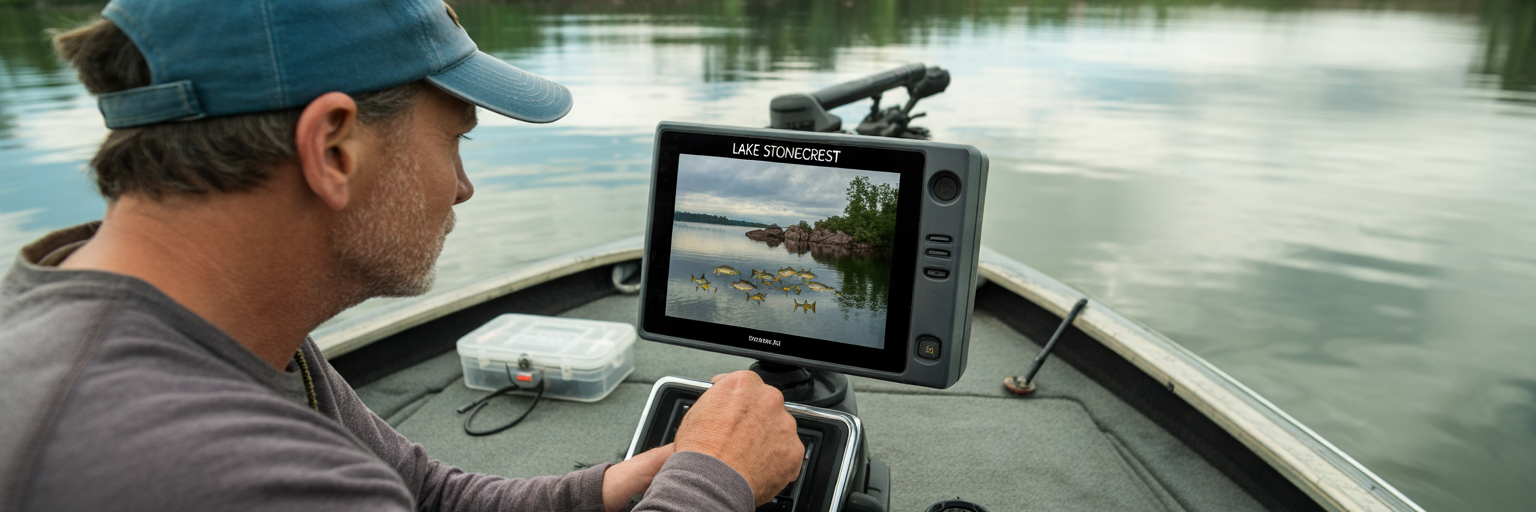
Having the right lure is only half the battle. You have to fish it in the right place. After a cold front, bass will be concentrated in very specific areas, and learning how to fish for bass after a cold front means focusing your efforts on these high-percentage zones. Forget about combing the bank and start thinking about transition areas.
Use your lake map and electronics to find the first significant depth change or piece of cover located next to a major spawning flat. These are the places where bass will pause their migration. Look for features like:
- Creek channel edges that swing close to the bank
- Underwater points extending out from the shoreline
- Isolated brush piles or rock piles in 8 to 15 feet of water
Once you identify a promising target, be persistent. A lethargic bass might have a strike zone the size of a dinner plate. You need to make multiple, precise casts to the same piece of cover from different angles. Drag a jig past the left side of a stump, then the right side, then right over the top. This methodical approach is necessary to put your bait right in front of a fish that refuses to move.
While the number of bites may be lower, these conditions often pin the largest pre-spawn females to specific spots. The patient angler who dissects these staging areas is often rewarded with the biggest bass of the day.
Reading the Signs for the Bite to Rebound
The good news is that a post-frontal funk doesn’t last forever. By paying attention to the weather, you can anticipate when the bite will turn back on. The most important factor is a stable or warming weather trend. Two or three consecutive days of sunshine and calm winds will slowly warm the water and get the bass moving again. The bite often improves dramatically on that second or third day.
When you see that stable weather pattern setting up, it’s time to have the right lures ready to find newly active fish. These are the baits that let you search for bass that are starting to push back toward the shallows:
- Suspending Jerkbaits: Perfect for working over those same staging points, but with a more aggressive cadence.
- Squarebill Crankbaits: Ideal for bumping off shallow cover as fish move up.
- Spinnerbaits: A classic search bait for covering water and finding aggressive fish along windy banks.
A cold front doesn’t have to ruin your fishing trip. By understanding how it affects bass behavior and making the right adjustments to your lures and location, you can turn a challenging day into a memorable one. For more guidance, you can find plenty of other fishing tips and location guides on our site to help you plan your next trip.