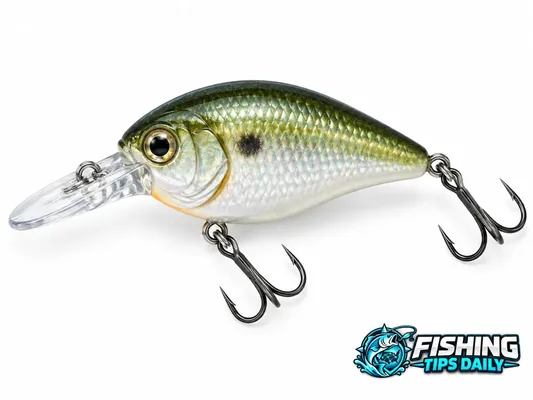
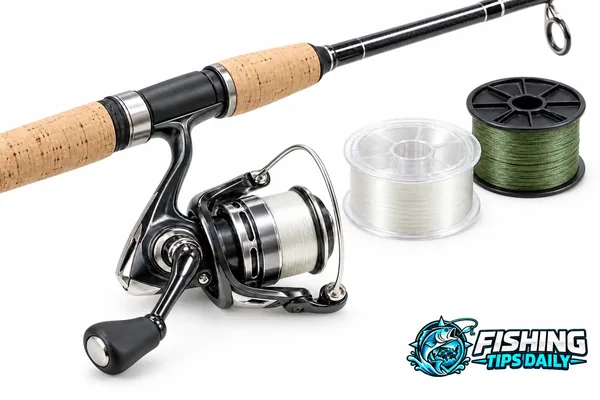
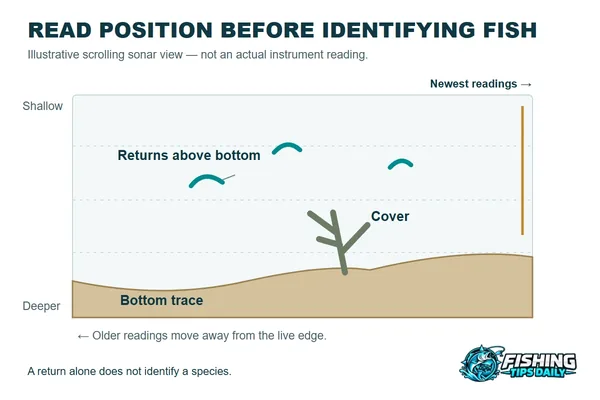
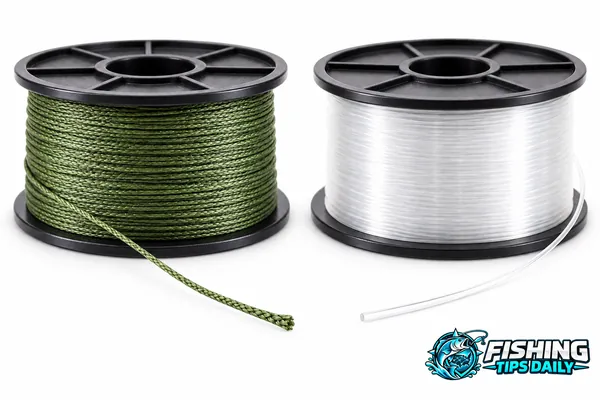
Fishing gear should make a job easier, not make the sport more confusing. Our gear coverage explains what a product is built to do, who it fits, where it falls short, and which specifications actually matter on the water.
How to Use Our Gear Guides
Start with the technique and fish you plan to target. A rod for small trout lures has a different job than a rod used to pull bass from heavy grass. The same rule applies to reels, line, hooks, electronics, and storage systems.
What We Look At
- Purpose: the techniques, species, and conditions the gear is designed for.
- Fit: size, balance, comfort, line capacity, lure range, and ease of use.
- Durability: materials, hardware, water resistance, and common failure points.
- Value: whether the useful features justify the price for the intended angler.
- Limitations: situations where a different product or setup would work better.
Buy for Your Real Fishing
A practical mid-priced setup that matches your local water is usually more useful than an expensive specialty product. Think about where you fish, how often you go, the lures or baits you use, and whether you fish from shore, a kayak, or a boat.
Our articles below break down common gear choices in plain language so you can spend less time comparing labels and more time fishing.