
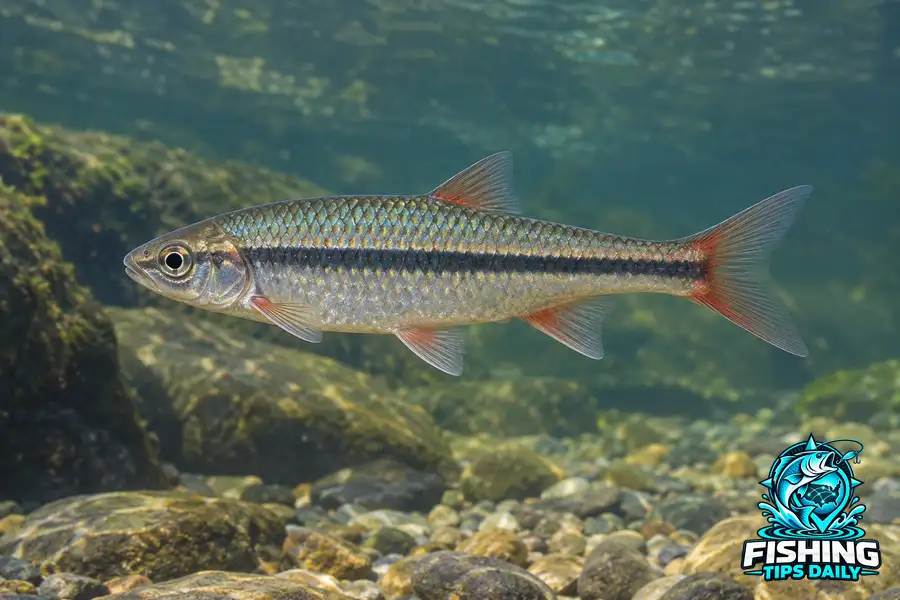
Atlantic Slope Range
The native distribution extends from the Hudson River system to the Cape Fear drainage. These watershed names help define the range more precisely than simply saying eastern United States. A similar shiner from a Gulf-draining stream needs independent identification.
Stream Habitat
Comely Shiner occurs in medium to large creeks and rivers, using pools and runs. Sand, gravel and rubble are all reported. The combination suggests recording both flow and bottom material rather than assuming every collection site is either a muddy backwater or a fast rocky riffle.
Size and Observation
The common reference length of 6.3 centimeters is well below the 11-centimeter maximum. Both measurements include the tail. For a small shiner, a measured scale and a complete side view make a record more useful than an approximate length or an image showing only the reflective body.
A Watershed-Based First Check
Hudson-to-Cape Fear distribution is a useful starting point. It supports an identification but does not replace comparison with other shiners from the same stream.
All Lakes With Comely Shiner
Browse lakes and reservoirs with documented Comely Shiner records, listed alphabetically. Records do not establish current abundance or public access. Check the evidence and managing authority for the water you choose.
No published lakes are currently linked to this species in our confirmed records.