
Bass fishing
Five Bass Fishing Habits That Make Every Trip More Useful
You do not need a new tackle box for every slow trip. You need a plan that tells you where to start, what to change, and what a bite taught you. These five habits turn an ordinary weekend session into a repeatable process.
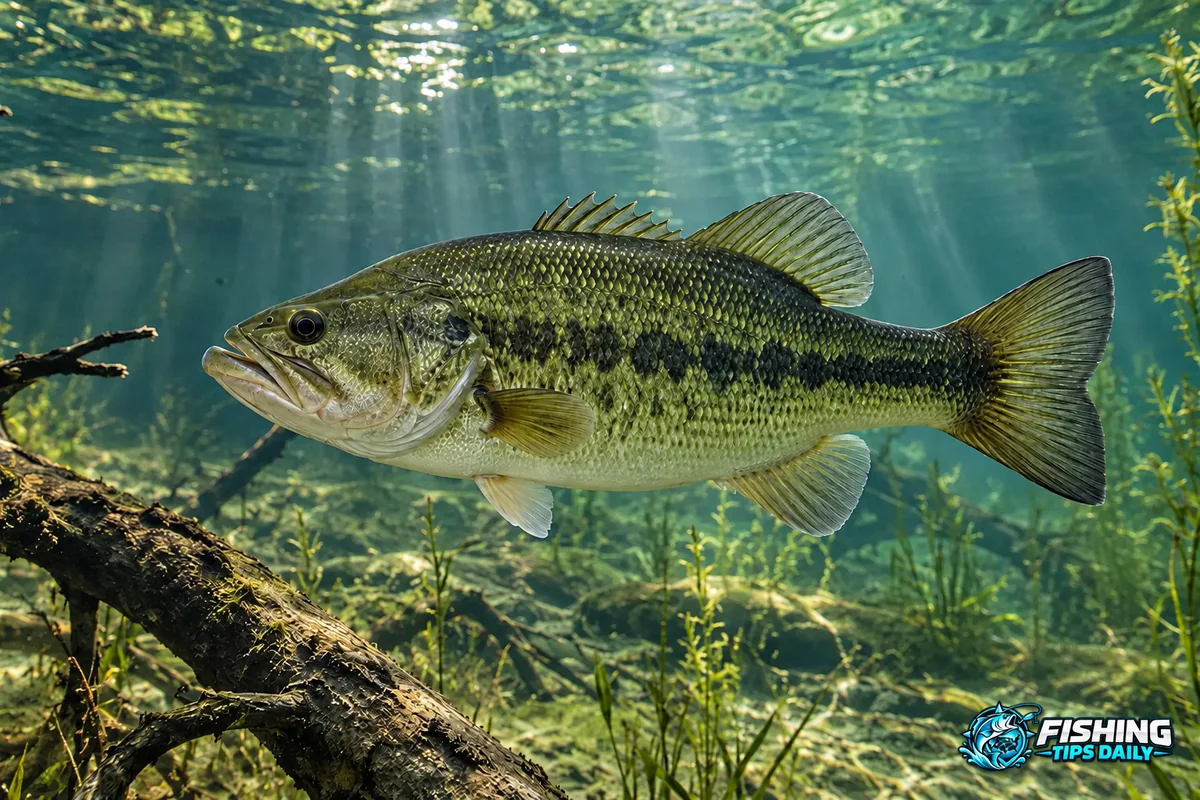
1. Pick a route with different kinds of water
Choose a point, a cover-rich bank, and a protected pocket rather than three stretches that look identical. These provide different depths, light, and feeding opportunities. Check legal access before arrival and select a route you can cover without spending most of the session traveling.
At each stop, identify a specific target. A shaded dock corner, the outside edge of grass, or a fallen tree beside a drop gives the cast a purpose. The question is not simply whether bass live in the lake, but whether your bait can reach a useful part of it.
2. Search with a bait you can control
A spinnerbait or small paddletail helps cover open lanes while you learn depth and cover. Select a weight that lets you feel and control the presentation. The lightest lure is not always easiest to fish when wind puts a bow in the line.
Watch for weeds, bottom contact, baitfish, and followers. A cast that does not produce a bite can still reveal something. If a bait returns covered in grass, raise the retrieve or choose a presentation that travels over the vegetation.

3. Follow the search with a precise presentation
After locating useful cover, place a Texas-rigged plastic or suitable jig beside it. Let the bait fall on controlled slack, watch the line, and pause before moving it away. Keep the plastic straight on the hook; a crooked body can spin and look unnatural.
Work the near edge first so you do not drag a fish through every branch. Then try the outside and deeper edge. A promising target deserves more than one angle, but repeated casts into the identical snag do not teach you much.
4. Repeat the details of a bite
Remember the depth, shade, bottom, casting angle, retrieve speed, and point in the retrieve where the fish struck. A bite beside the deepest dock post suggests a more useful pattern than saying the fish liked green plastic.
Test that idea on another similar target. Two comparable bites are better evidence than one. If the next stop differs in wind or water clarity, expect to adjust rather than treating the first fish as proof of a lake-wide rule.
5. Change deliberately and finish with notes
When fishing slows, change depth or angle before changing every part of the outfit. Keep enough of the setup constant to learn which adjustment mattered. A simple note such as “two bites on shaded outside posts; none on sunny shallow corners” is useful next time.
Before leaving, inspect frayed line, dry wet tackle, and put productive lures where you can find them. Set up a quick photo before a fish is landed if you want one, and keep handling brief. Good preparation means more time making useful casts on the next trip.
Quick comparison
| What you observe | Try next | What it tests |
|---|---|---|
| Bites at the end of the fall | Pause longer near cover | Whether fish want time to approach |
| Bites only on the outside edge | Find similar deeper edges | A position pattern |
| Followers in clear water | Change speed or profile | Whether presentation is the issue |
| Nothing at three depths | Move to different habitat | Whether location is the issue |
A two-hour bank session
Spend the first part checking three accessible areas with one search bait. Give the most promising cover a slower presentation. After a bite, fish two similar targets before trying something unrelated. Keep the final minutes for the most repeatable location rather than a last-minute tour of the lake. The timing is a planning example, not a requirement to abandon active fish.
When it is not working
- Too many lure changes
- Put two working presentations within reach and test them at several depths.
- Only casting toward the middle
- Try parallel casts that stay beside shoreline cover.
- Rushing the landing
- Plan where the fish can be brought safely to hand or net before casting.
Common questions
How long should I stay in one place?
Stay while you are getting useful feedback or reaching new targets. Move when you have tested the accessible depths and angles without evidence.
Can these habits work from a boat?
Yes. Boat position changes the available angles, but the same location and presentation questions apply.