
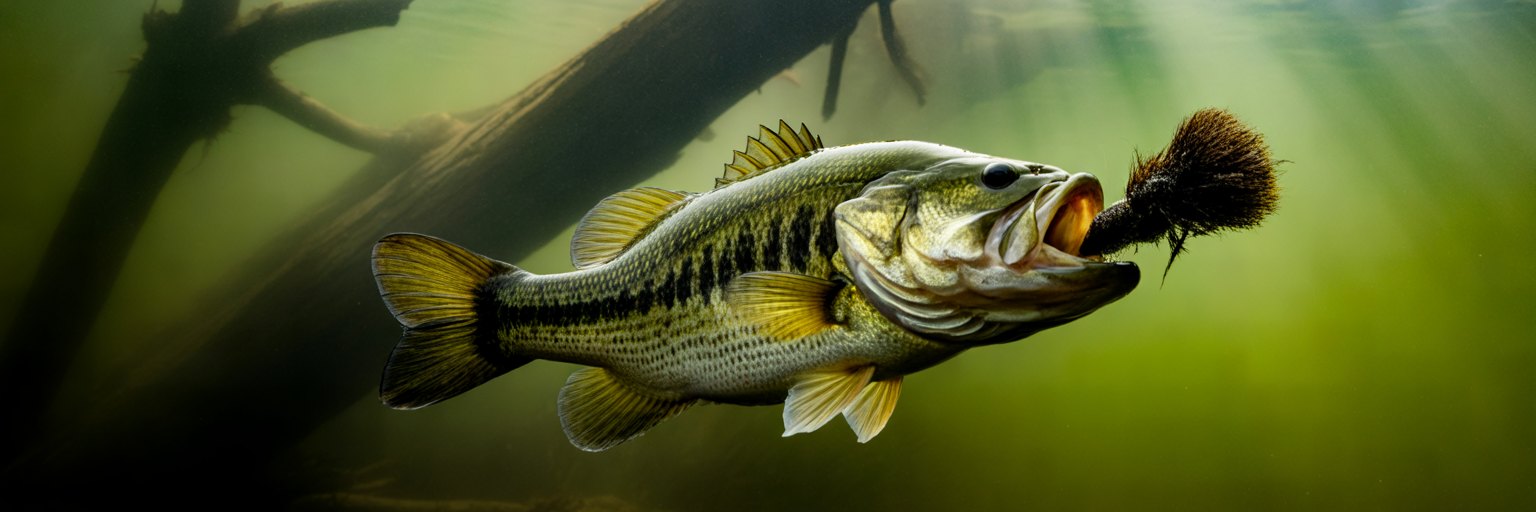
Why You Need Specific Muddy-Water Bass Lures
We have all been there. You arrive at the lake after a heavy rain only to find it has turned to chocolate milk. It is easy to feel discouraged, but the bass are still there and they are still feeding. You just need to adjust your approach. When visibility drops below a foot, bass switch from being primary sight-feeders to relying on their lateral line. This organ detects vibration and pressure changes in the water. This is the key to understanding how to fish for bass in muddy water. Your subtle finesse baits become nearly invisible and ineffective.
To get bites in these conditions, you must appeal to a bass’s sense of feel and sound. The right muddy-water bass lures are designed to send out signals that fish can track and attack, even when they cannot see clearly. This strategic shift is the foundation for a successful day on murky water.
Lure Qualities That Trigger Strikes in Murky Water
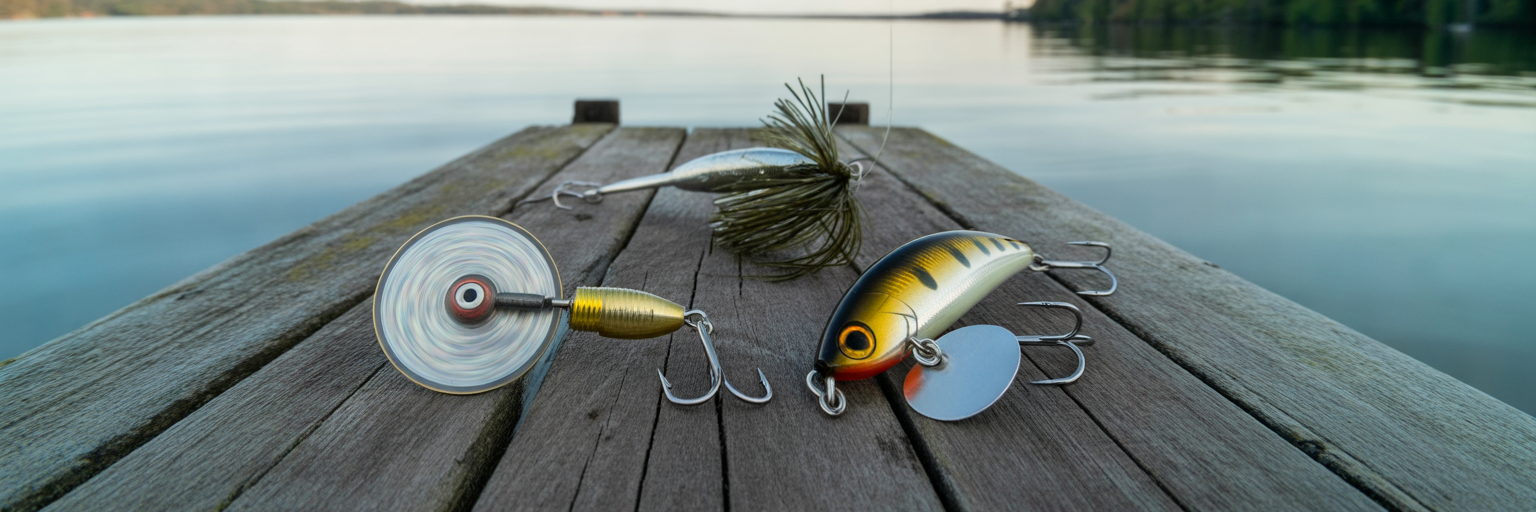
When you cannot rely on sight, you need lures that make a commotion. Think of it as ringing the dinner bell for bass that are hunting by feel. The most effective lures excel in three key areas: vibration, sound, and profile. Understanding these attributes is more important than just grabbing a random lure from your tackle box. While there are many great options, some of the best lures for bass overall are those that can be adapted to various conditions, including low visibility.
Vibration: The Dinner Bell for Bass
Vibration is the single most important factor in muddy water. Lures with wide, wobbling actions or large, thumping blades displace a significant amount of water. This creates a pressure wave, a distinct ‘thump’ that a bass’s lateral line can detect from a distance. It is like feeling the beat of a drum through the floor. This signal tells a bass that something substantial is moving nearby, drawing it in to investigate long before it can see the lure.
Sound: Pinpointing the Target
While vibration draws a bass closer, sound helps it pinpoint the lure’s exact location for a strike. Internal rattles, clackers, or even the noise a crankbait makes when it deflects off a stump all create high-frequency sounds. These noises cut through the murk and give the bass a precise target to attack. In a compressed strike zone where every inch matters, sound can be the difference between a curious follow and a committed bite.
Profile: Creating a Can’t-Miss Silhouette
A bulky lure is simply an easier target. In low-visibility water, a lure with a large profile pushes more water and creates a more defined silhouette against the cloudy background. This makes it easier for a bass to track and engulf. Think about a thick-bodied jig with a chunky trailer or a wide-bodied crankbait. These lures present a substantial meal that a bass does not have to work hard to find, making them an efficient choice for an ambush predator.
Choosing the Right Colors for Low Visibility
Many anglers believe that only bright, flashy colors work in dirty water, but that is not always the case. The real goal is creating maximum contrast against the background. In extremely muddy conditions with near-zero visibility, dark and solid colors like black, black-and-blue, or junebug create the strongest and most visible silhouette. A dark object stands out best against a brighter, turbid backdrop, making it an easy target for a bass hunting by feel and sight at close range.
So when should you use those loud, high-contrast patterns like chartreuse-and-white or black-and-chartreuse? These are most effective for bass fishing in stained water, where visibility is slightly better, perhaps in the one to three-foot range. In greenish or brownish water, these two-tone patterns grab a bass’s attention and provide a clear visual cue. A simple rule to follow is this: the darker and murkier the water, the darker and more solid your lure should be.
| Water Clarity (Visibility) | Primary Lure Colors | Reasoning |
|---|---|---|
| Very Muddy (0-1 ft) | Black, Black/Blue, Junebug | Creates the strongest, most visible silhouette against a bright, murky background. |
| Stained (1-3 ft) | Chartreuse/White, Black/Chartreuse, Red/Orange | High-contrast patterns stand out and grab attention in moderately murky water. |
| Slightly Murky (3-5 ft) | White, Shad Patterns, Green Pumpkin | Mimics natural forage while still offering good visibility for the conditions. |
Our Top 3 Lures for Muddy Water
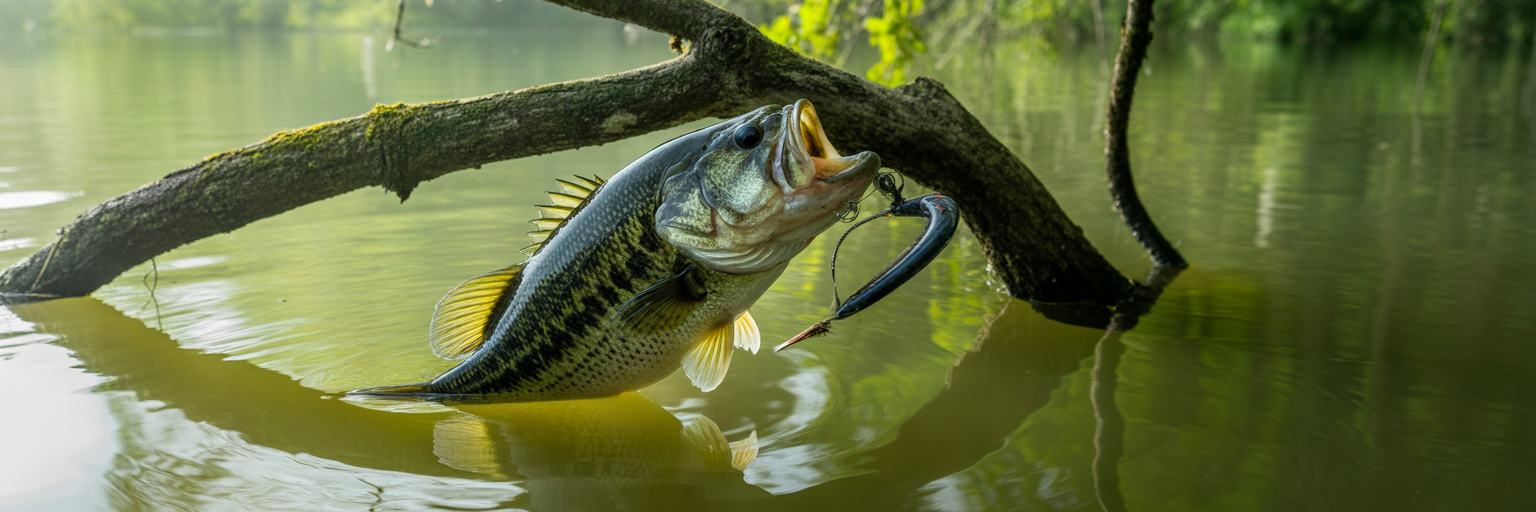
With the principles of vibration, sound, and profile in mind, let’s look at three specific lures that consistently produce in muddy water. These are go-to choices for a reason, and as highlighted by professional anglers in publications like Bassmaster, they are proven fish-catchers when conditions get tough. These are some of the best lures for muddy water you can have in your box.
- The Spinnerbait: For muddy water, choose a spinnerbait with a large, single Colorado blade. This blade style produces the most vibration, sending out a powerful ‘thump’ that calls fish in from a distance. These are some of the best spinnerbaits for muddy water because you can slow-roll them and keep them in the strike zone longer. Make sure to bump it off cover like stumps and laydowns to trigger reaction strikes.
- The Bladed Jig: Often called a ChatterBait, this lure’s oscillating blade creates a unique and powerful combination of vibration and erratic action that bass find irresistible. It excels when fished around grass edges, docks, and laydowns. The intense vibration helps bass track it easily, and its weedless nature allows you to bring it through the shallow cover where bass often hold.
- The Bulky Jig: A heavier jig, around 1/2 ounce or more, paired with a bulky plastic trailer is a deadly combination. This setup has a large profile and a slow, tantalizing fall that gives bass plenty of time to find it. It is perfect for pitching and flipping directly into the heart of heavy cover where bass feel secure in low visibility. The big silhouette and subtle action of the trailer are often more than a bass can resist.
Where to Find Bass in Murky Conditions
When the water gets dirty, bass do not roam. They pull in tight to cover for security and to set up ambush points. This means you should stop casting into open water and start fishing specific targets. Your muddy-water bass lures will be far more effective when presented in these high-percentage areas.
Focus your efforts on the following types of structure:
- Isolated laydown trees and stumps
- Dock pilings and boat lifts
- Beaver lodges and thick brush
– Riprap banks and seawalls
Another key feature to look for is a ‘mud line’. This is the visible transition zone where muddy runoff from a creek meets the clearer water of the main lake. Bass often patrol these edges, using the dirty water as cover while looking for prey in the clearer water. Finally, in rivers or reservoirs with current, look for current breaks. Bass will position themselves behind objects like wing dams, points, or large boulders to get out of the main flow and wait for bait to be washed to them.
Adjusting Your Retrieve for More Bites
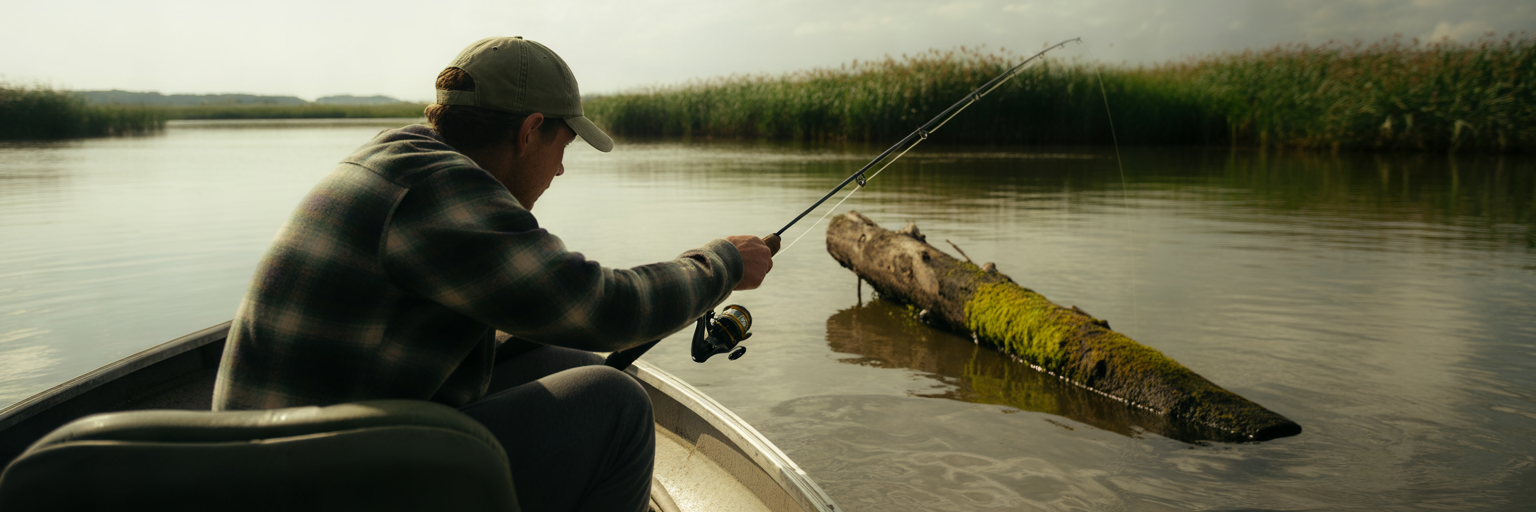
Having the right lure and finding the right spot are only two parts of the puzzle. How you work the lure is the final piece. The most important adjustment for low visibility bass fishing is to slow everything down. Since bass are using their lateral line to find your lure, a slower retrieve gives them the time they need to detect the vibration, track it down, and strike accurately. If you retrieve too quickly, you can pull the lure out of their small strike zone before they can react.
Next, make repeated casts to the same piece of cover. Cast from multiple angles to ensure your lure passes directly in front of a bass that is holding tight. One cast might miss it by a foot, but the next one from a different angle could be right on the money. Finally, make contact with cover and incorporate pauses. Intentionally bump your spinnerbait into a stump or drag your jig over a log, then pause it for a second. This change in cadence and sound is a classic trigger that often turns a hesitant follower into a biter. For more tips on a wide range of angling topics, you can always find more information on our homepage.