
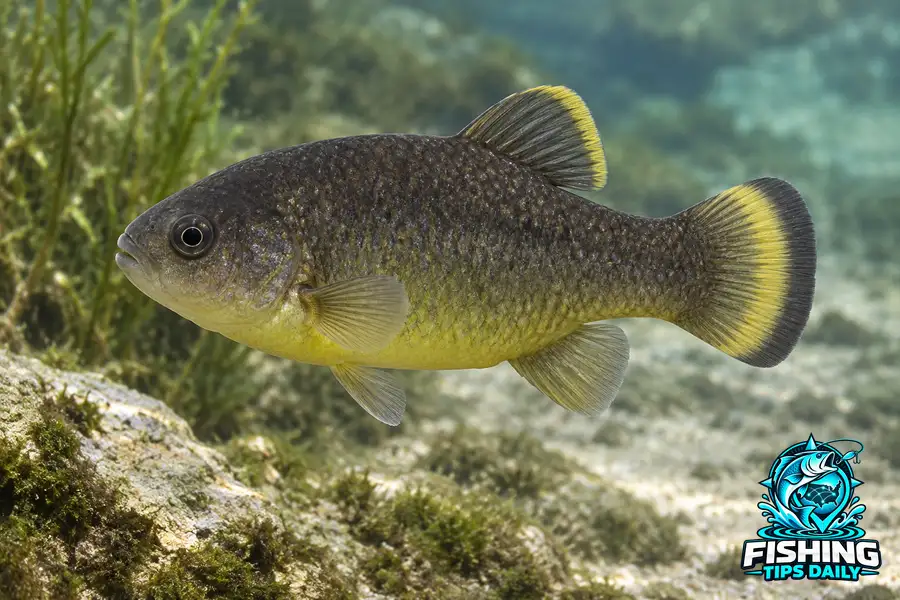
Spring History
The species was originally described from Leon Springs and later rediscovered at Diamond Y Spring after it had been thought lost. That history makes the exact spring locality important. The name should not be interpreted as proof that every historical pool still contains fish.
Pool Margins
Adults use the edges of spring-fed marsh pools and are often most common away from dense vegetation. This distinguishes their immediate habitat from the plant-filled margins associated with some other small fishes. Open patches within a marsh can be ecologically important.
Food and Length
Diatoms, amphipods and ostracods are recorded foods. The maximum reference is 5.6 centimeters total length, with a common value of 3.8 centimeters. This is a nonannual pupfish, so a seasonal-pool die-off should not be added to its life history.
Keep the Spring Connection
A small change in spring habitat can affect a fish with such a restricted range. Preserve the individual spring and pool locality.
All Lakes With Leon Springs Pupfish
Browse lakes and reservoirs with documented Leon Springs Pupfish records, listed alphabetically. Records do not establish current abundance or public access. Check the evidence and managing authority for the water you choose.
No published lakes are currently linked to this species in our confirmed records.